指南
日本美食与用餐指南
如何吃寿司、拉面等——礼仪、习俗与美食背后的故事,专为访日游客而写。
Chain by chain
Starbucks Japan is rare among Japanese chains in publishing a written definition of plant-based — one that counts honey as an animal ingredient. Milk substitution, though, splits: free on a Starbucks Latte, +¥55 for oat or almond on other drinks. Here is the official definition, the current lineup, and the whipped-cream trap.
Chain by chain
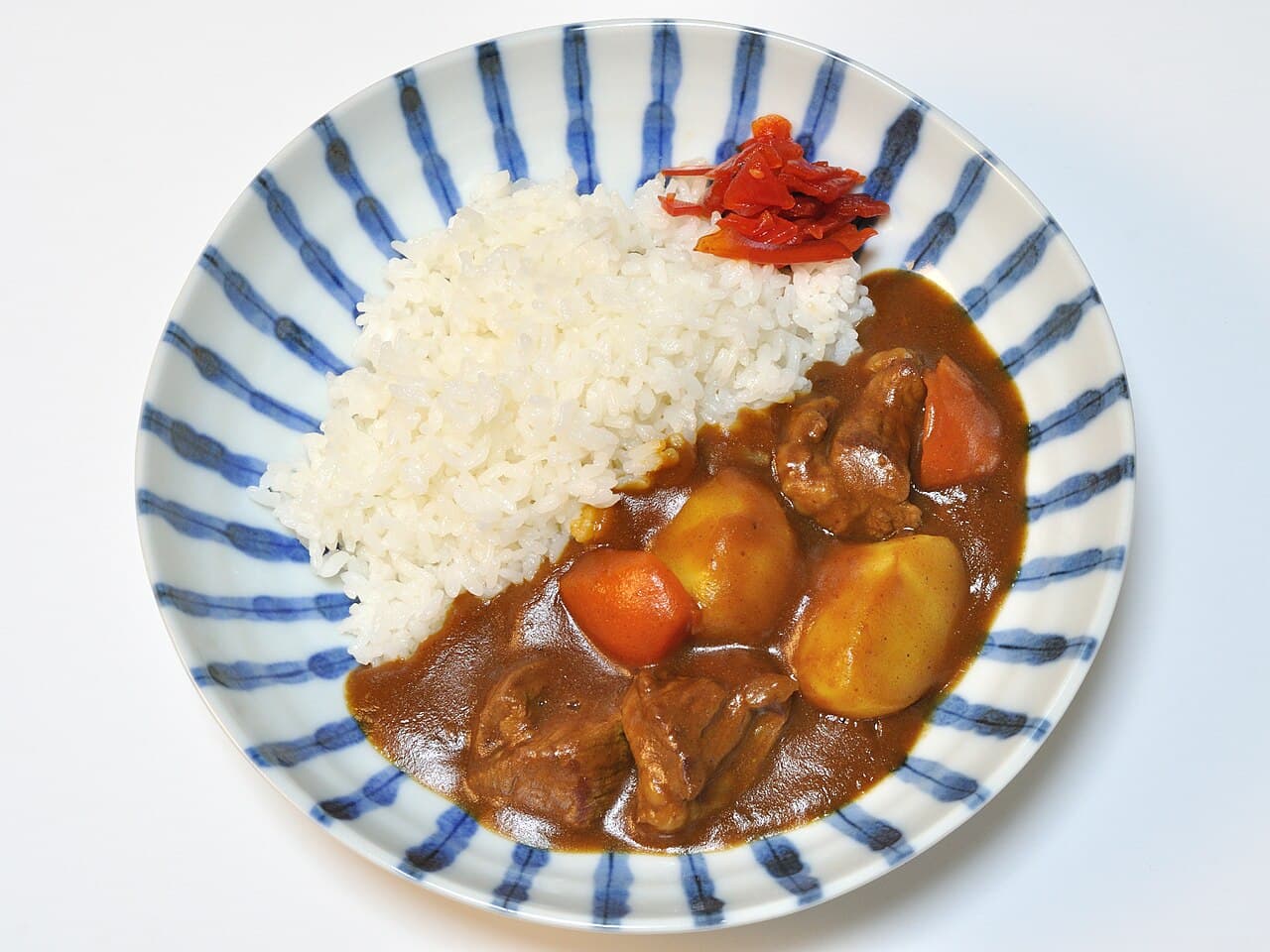
At CoCo Ichibanya, the only item officially described as using no animal-derived ingredients is the CoCoICHI vegetarian curry (¥621, ¥683 with tax). The standard curry sauce is not vegetarian, so you must order this one by name. It is not at every branch, and it cannot be made mild. Here is what the guarantee covers, what it does not, and the honest caveat on dairy.
Chain by chain
As of September 2026 exactly one MOS Burger item is described by the company as free of animal ingredients in its primary materials: the Avocado Basil Burger with rice-flour buns (¥620). The Green Burger (Teriyaki) was discontinued on 20 May 2026. Here is why swapping in a soy patty does not make a burger vegan, and what MOS means when it says these are not for strict vegetarians.
Trend Watch
From a new all-vegan ramen shop in Osaka to MOS Burger's plant-based relaunch, here's what's genuinely new in Japan's plant-based dining scene as of July 2026 — with sources for every claim.
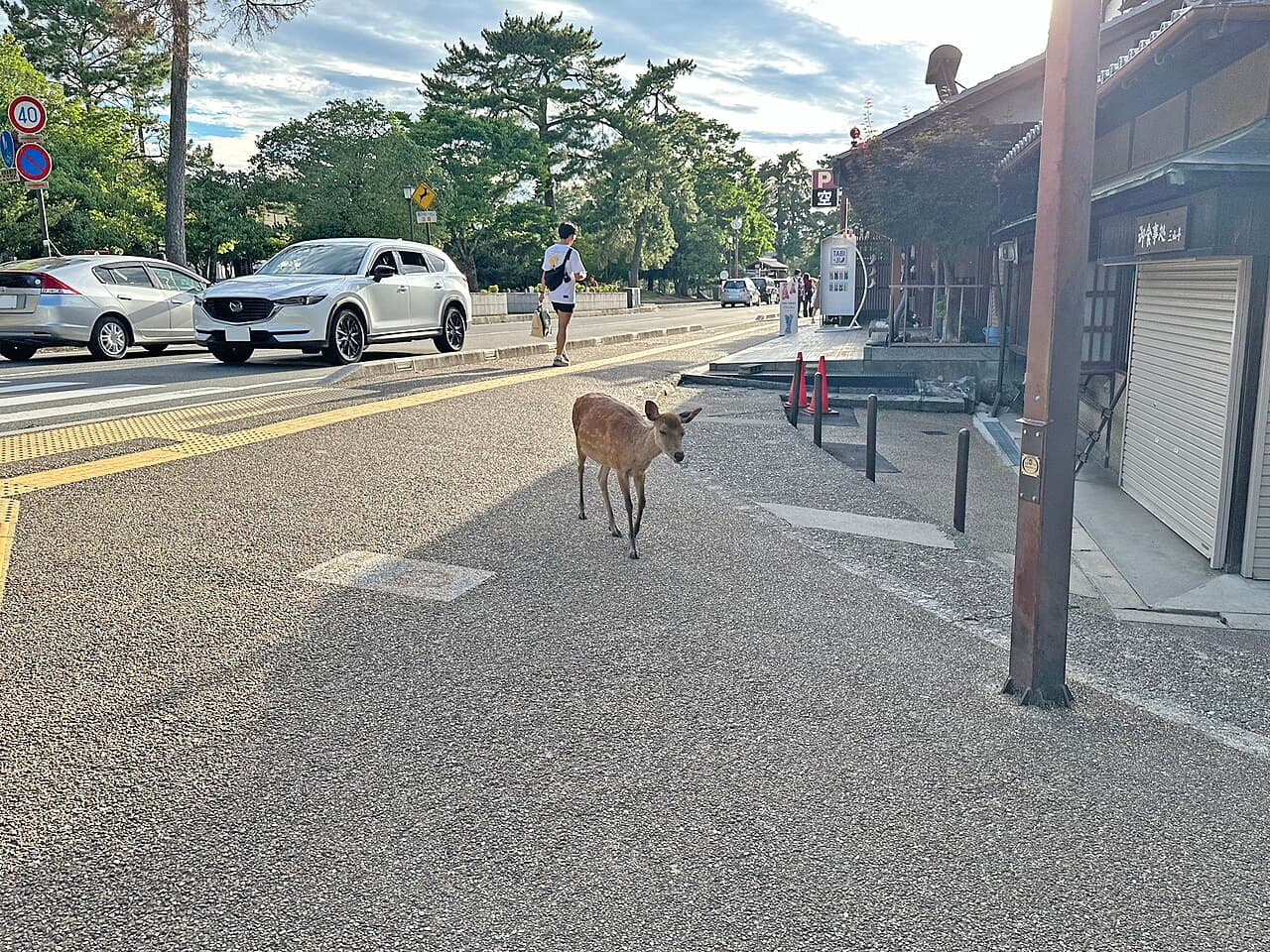
Deer, temples, and Nara's quiet vegan scene
Nara's plant-based scene is small but real: five fully vegan restaurants clustered near Nara Park and the two stations, plus an honest look at why there's no shojin ryori restaurant at Todai-ji itself.
饮食指南
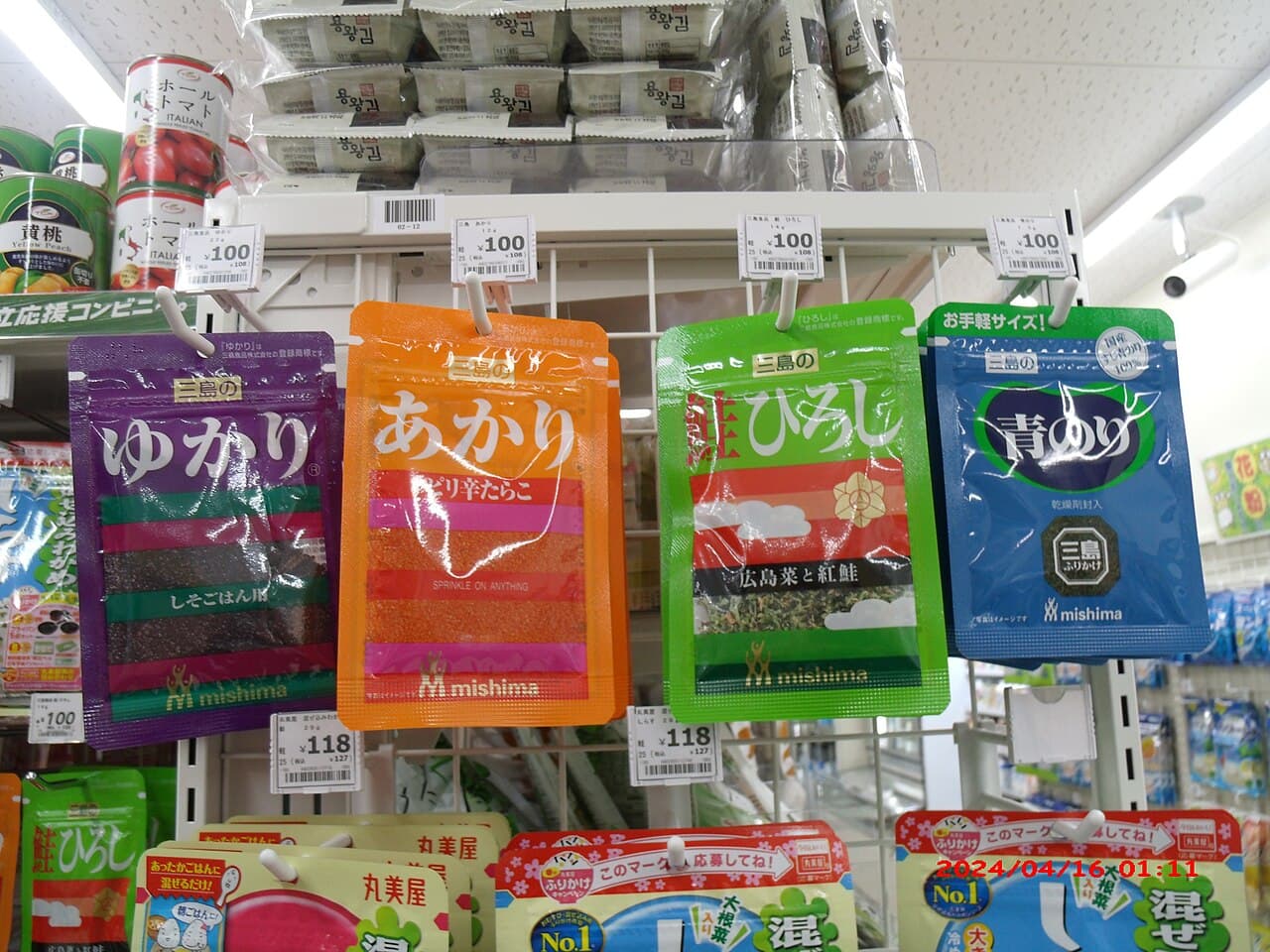
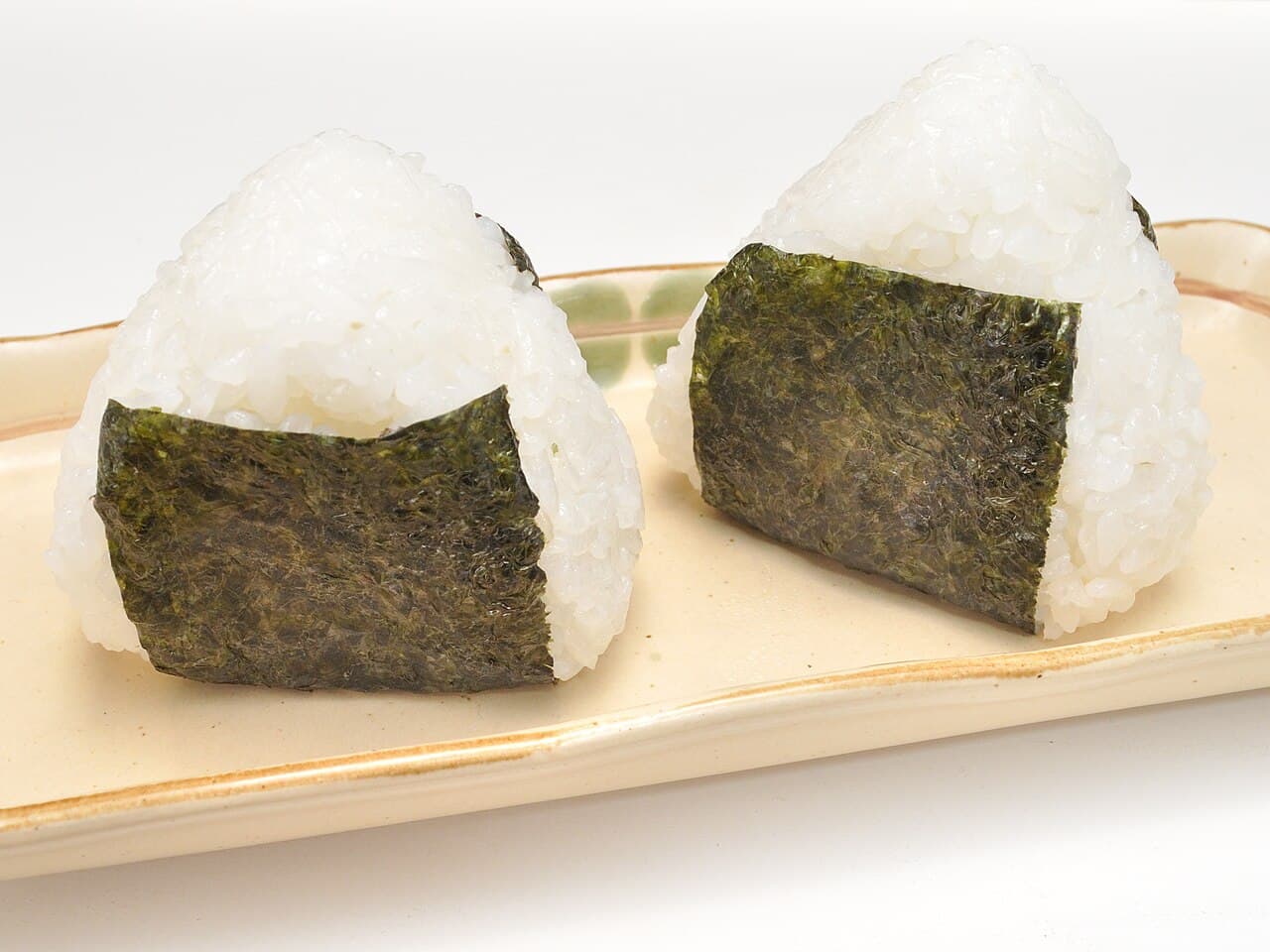
完全取决于口味。日本最畅销的两种——海苔玉子(noritama,鸡蛋)和鲣鱼(katsuo/okaka)——都不是纯素,鲣鱼款因为是鱼,连素食者也不能吃。红紫苏的yukari和不含鱼「提取物」的海苔芝麻款通常是植物性的。

饮食指南
不是——没有一款百奇是纯素的。按格力高自家标签,巧克力、曲奇奶油、扁桃仁脆和抹茶等所有常规口味都含全脂奶粉或乳糖,格力高也明确表示目前没有纯素百奇。乳制品藏在涂层里,而不是饼干棒里。
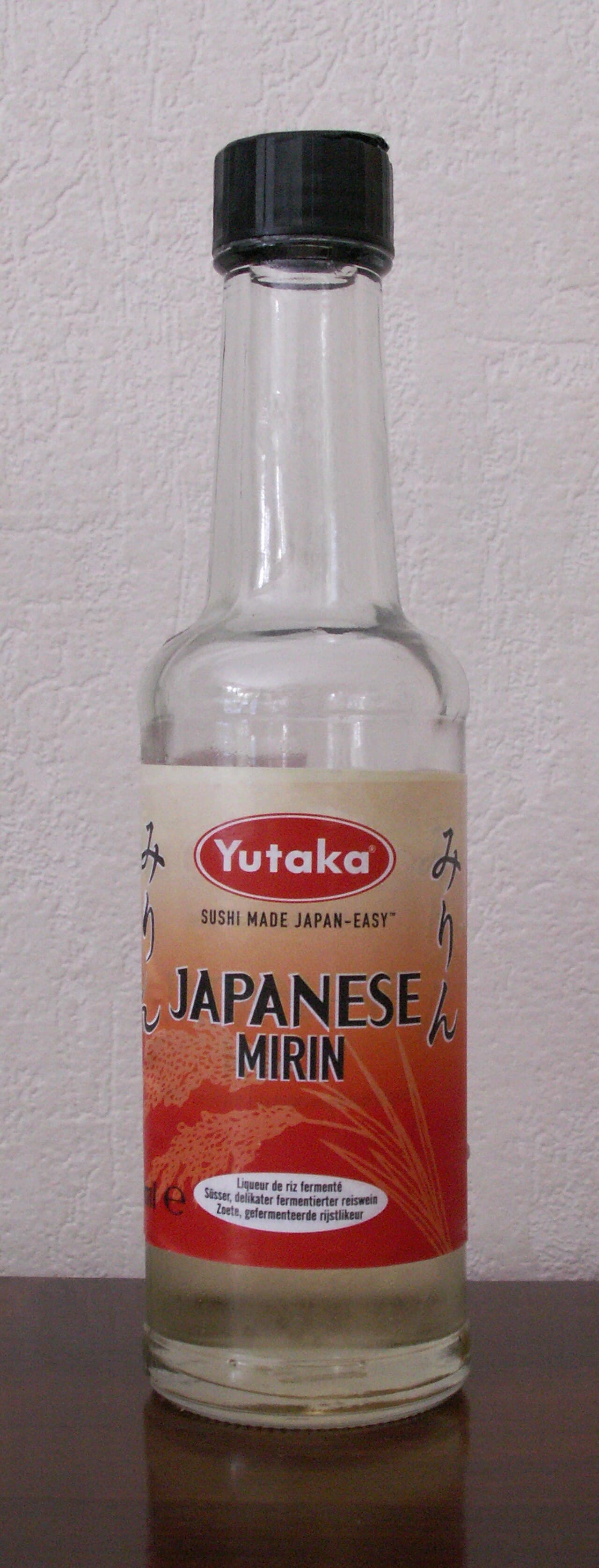
Rice, kōji, and distilled alcohol — no dairy, egg, honey, or fish in standard mirin.
Yes, standard mirin is vegan — here's what's actually in hon-mirin, shio-mirin, and mirin-fu chōmiryō, plus the one label warning worth checking and one you can ignore.
5 verified plant-based restaurants in Naha, plus a dedicated vegan menu at the airport
Naha's vegan scene is small but real: five owner-run restaurants within walking distance of Kokusai-dori serve fully plant-based Okinawan food, and Naha Airport has its own dedicated vegan menu. Here's what's confirmed, with hours, prices, and honest caveats as of July 2026.
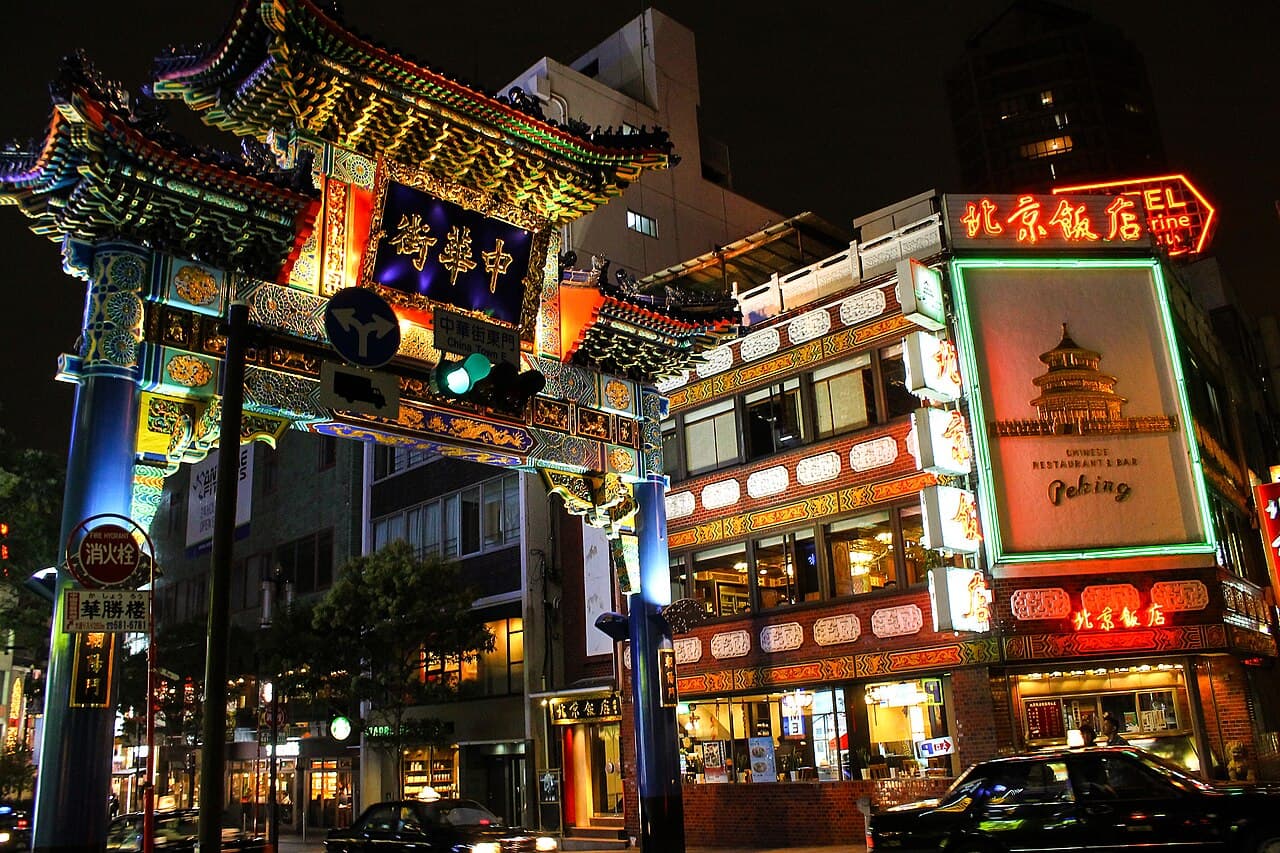
From a fully vegan bakery-café in Motomachi to century-old Chinatown restaurants with dedicated vegan menus — eight real, verified options across Yokohama.
Yokohama has only a handful of fully vegan restaurants, but it also has something almost no other Japanese city offers: two century-old Chinatown institutions with real, separately prepared vegan menus. Here are eight verified places, from Motomachi to Yokohama Station to Chinatown.
饮食指南
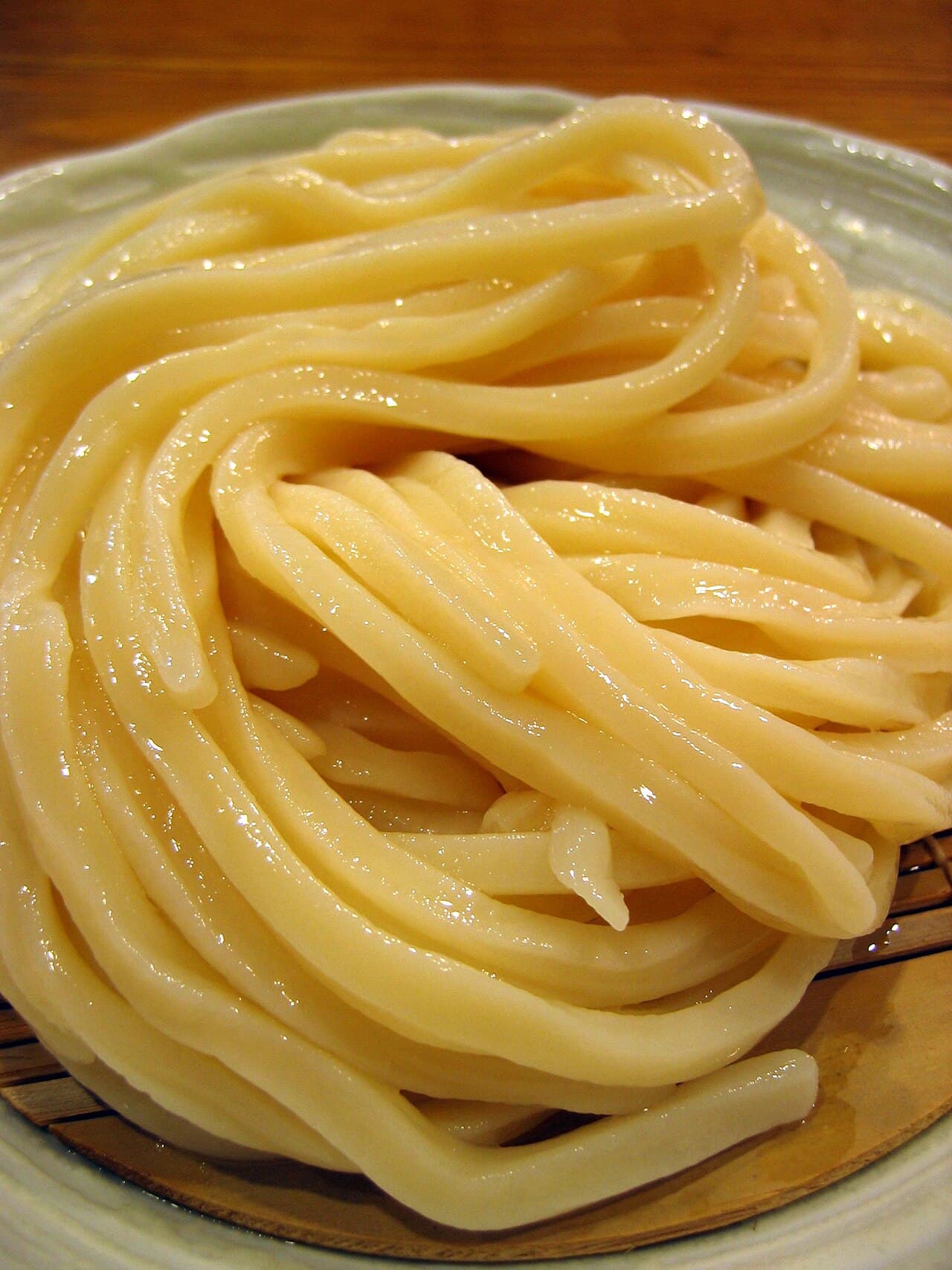
面条本身是纯素的——乌冬不过是小麦粉、水和盐——但整碗料理通常并非如此。标准的乌冬汤底(つゆ,tsuyu)以鲣鱼高汤(dashi)熬成,再用酱油和味醂收尾,天妇罗、鱼板、鸡蛋等配料更增添了动物成分。在植物性餐厅,可以吃到用昆布香菇高汤做的纯素乌冬。
饮食指南
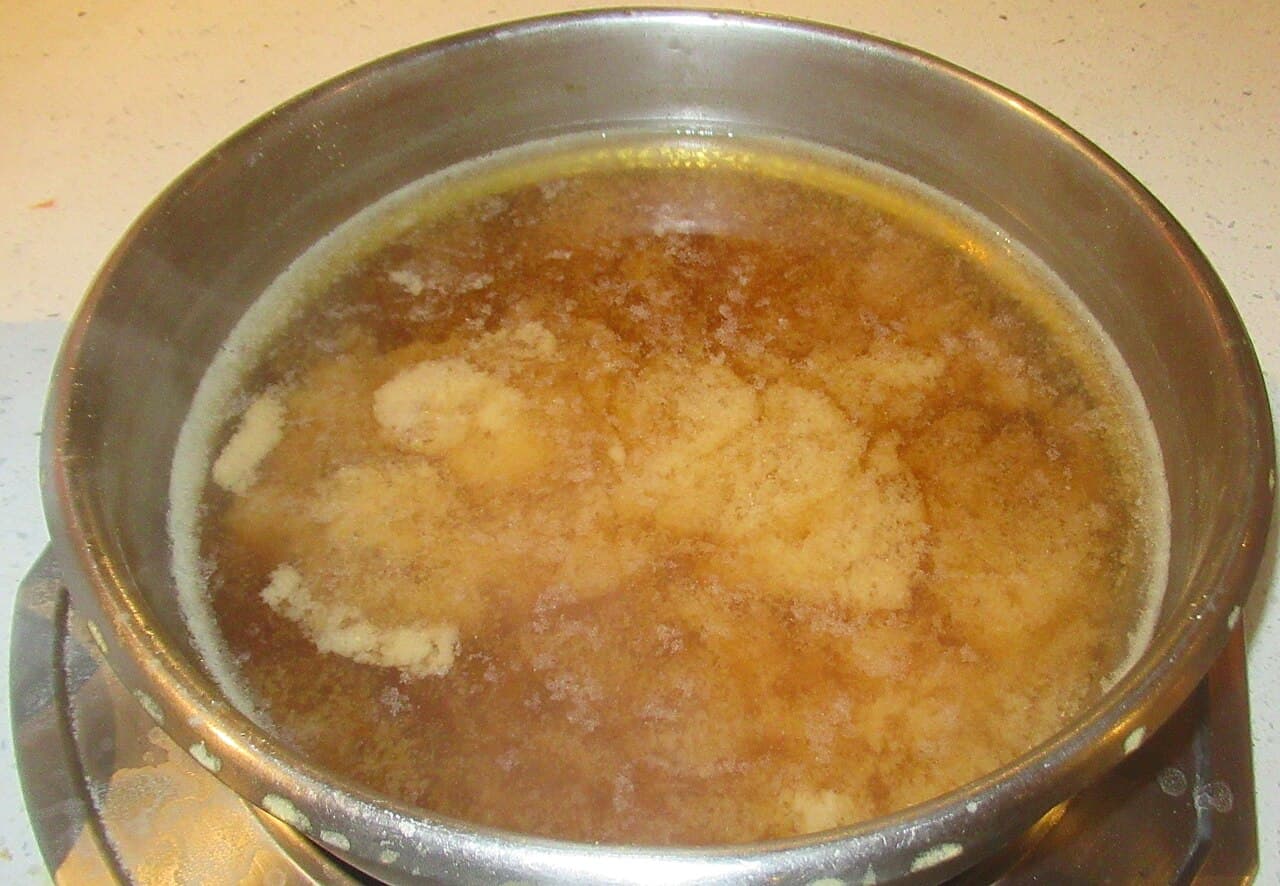
通常不是。味噌酱本身是植物性的,但日本几乎所有味噌汤都是用鲣鱼和沙丁鱼出汁(dashi)做的,所以标准的那碗既非纯素也非素食。用昆布(海带)或香菇出汁做的版本——在寺院料理和纯素餐厅里很常见——才是完全植物性的。
饮食指南
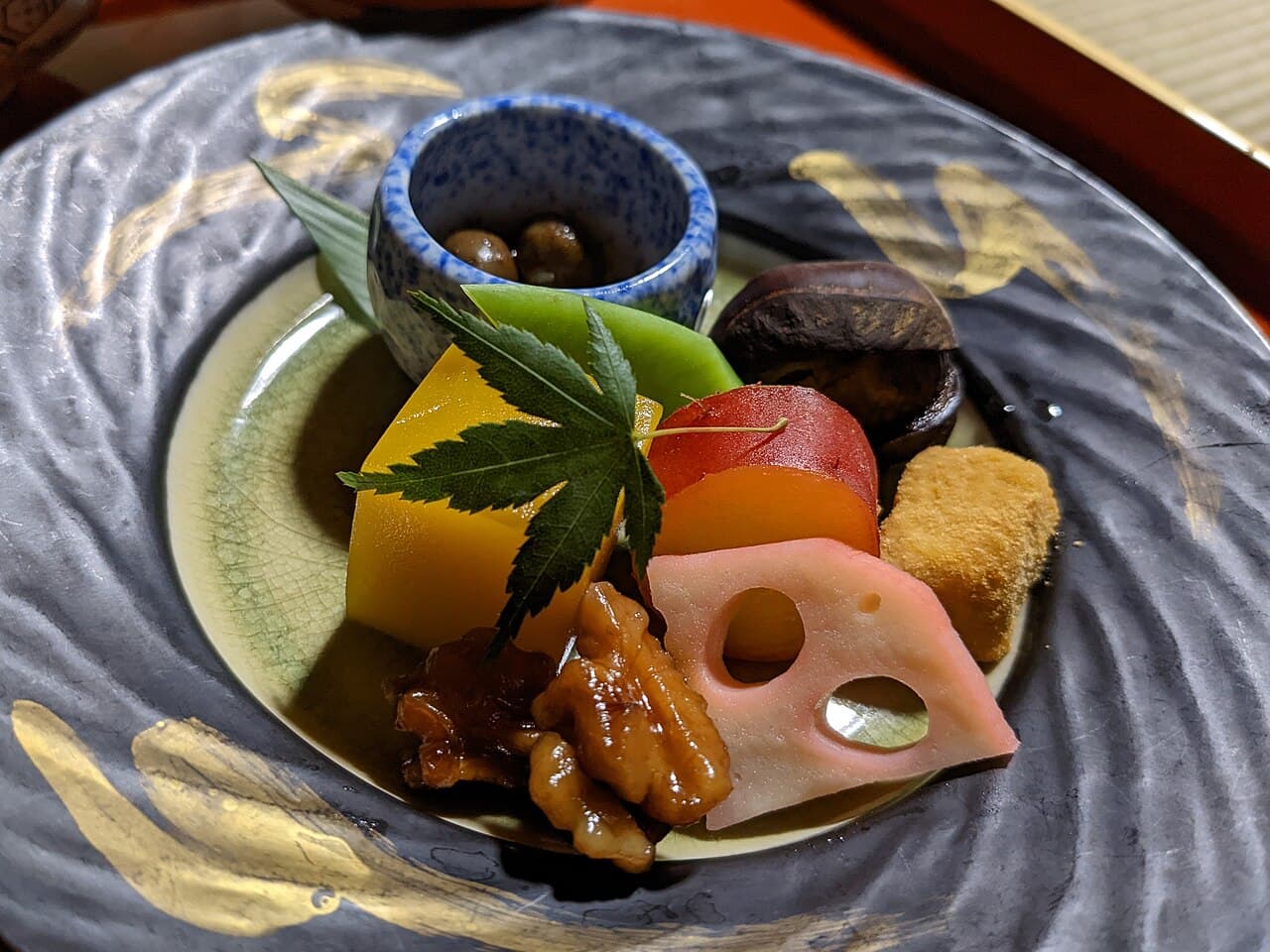
大多数高汤并非纯素。日本日常的汤底以鲣节(katsuobushi,鲣鱼干)和小杂鱼干(niboshi,沙丁鱼干)熬成,因此即使一道菜看起来是植物基,也带有鱼。纯素的例外是昆布(海带)和干香菇高汤——它们正是佛门精进料理与现代纯素拉面的根基。
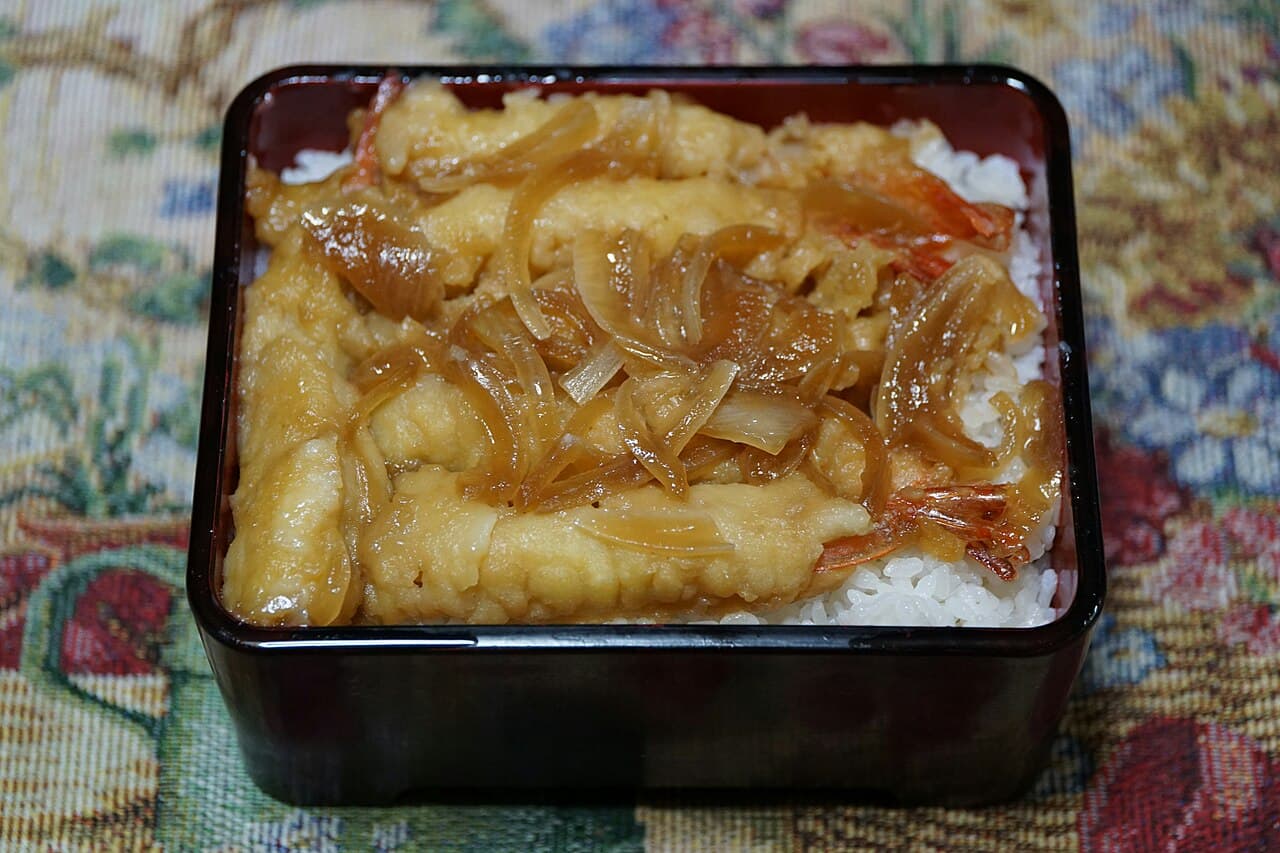
无麸质东京 · 浅草
在老东京吃无麸质餐比你想象的更可行——浅草有一家全无麸质的天妇罗柜台(用米粉油炸)和一家全纯素、全无麸质的厨房,还有天然更安全的选择。这里告诉你去哪里吃,以及该问的交叉接触问题。
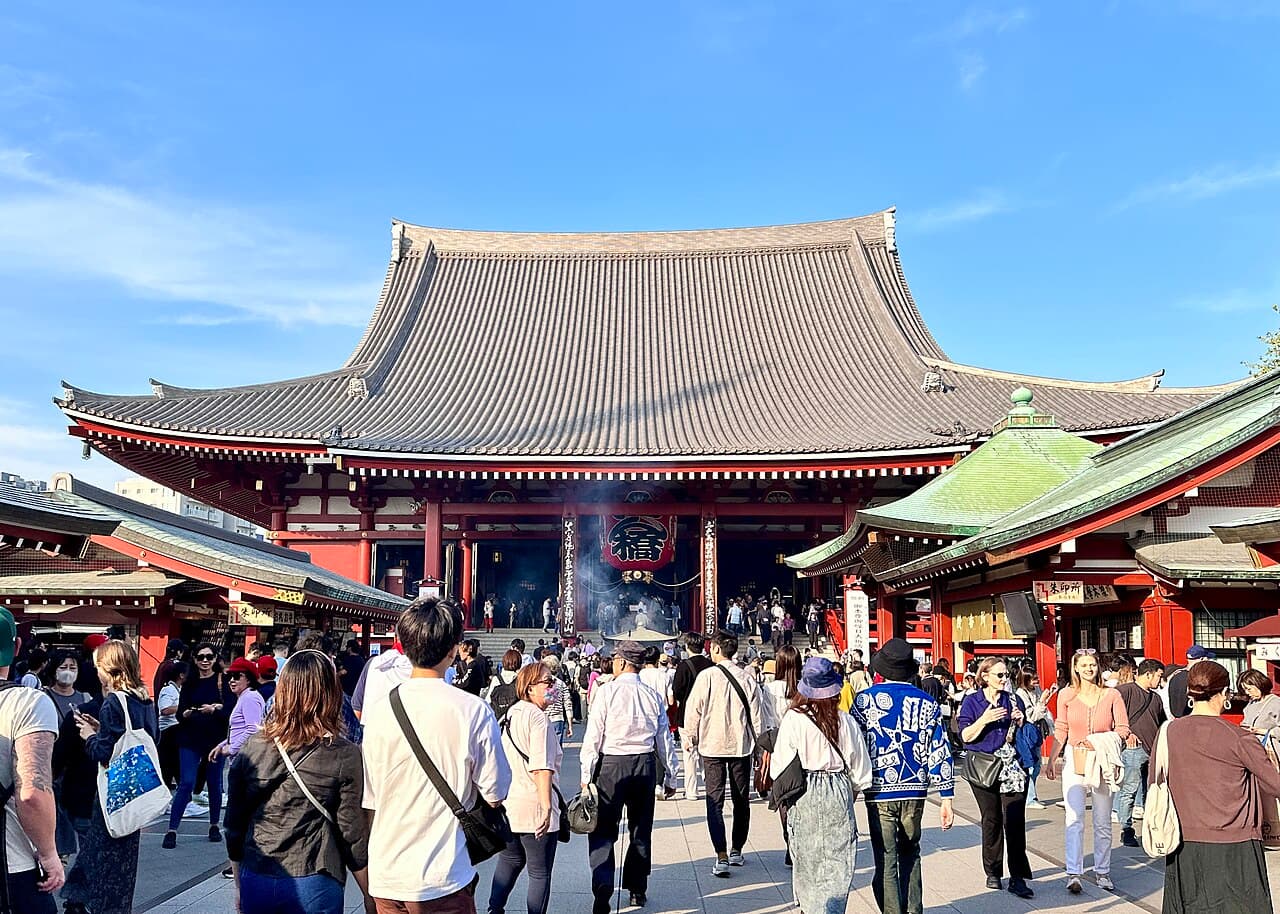
纯素东京 · 浅草
2026年9月23日我们能通过官网确认的浅草全纯素餐厅是 Marugoto Vegan Dining Asakusa、悦纳(injoy)和松竹圓咖啡,浅草寺旁的与ろゐ屋还有一款纯素拉面。营业时间均取自各店官网,并列出已关店与未能确认的店。
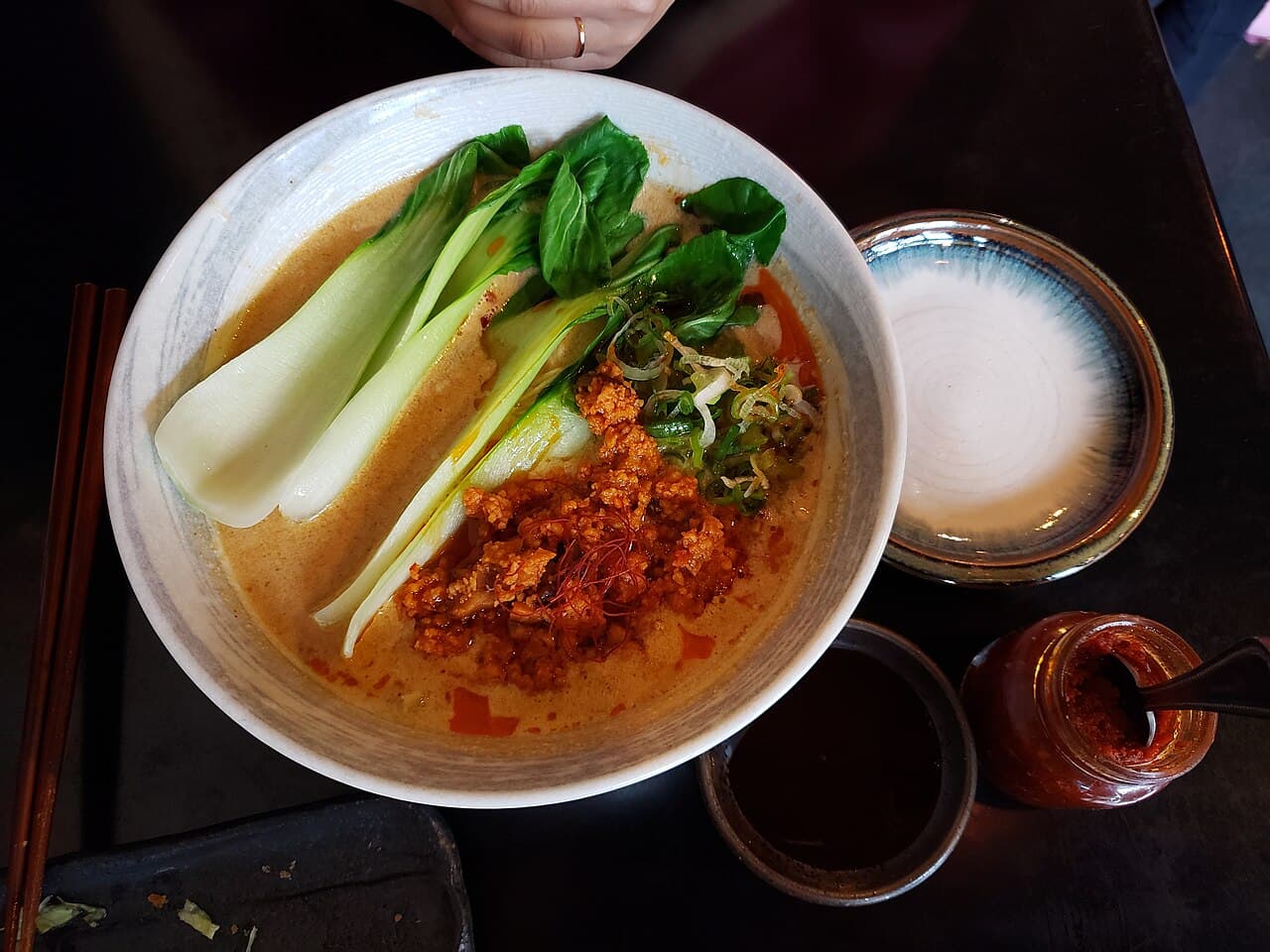
纯素东京 · 涩谷
涩谷的纯素拉面货真价实,绝非将就——完全植物性的面碗,汤底由昆布、香菇和芝麻熬成,不含柴鱼片或猪肉。这里告诉你去哪里嗦面,以及那个让旅客栽跟头的问题。
趋势
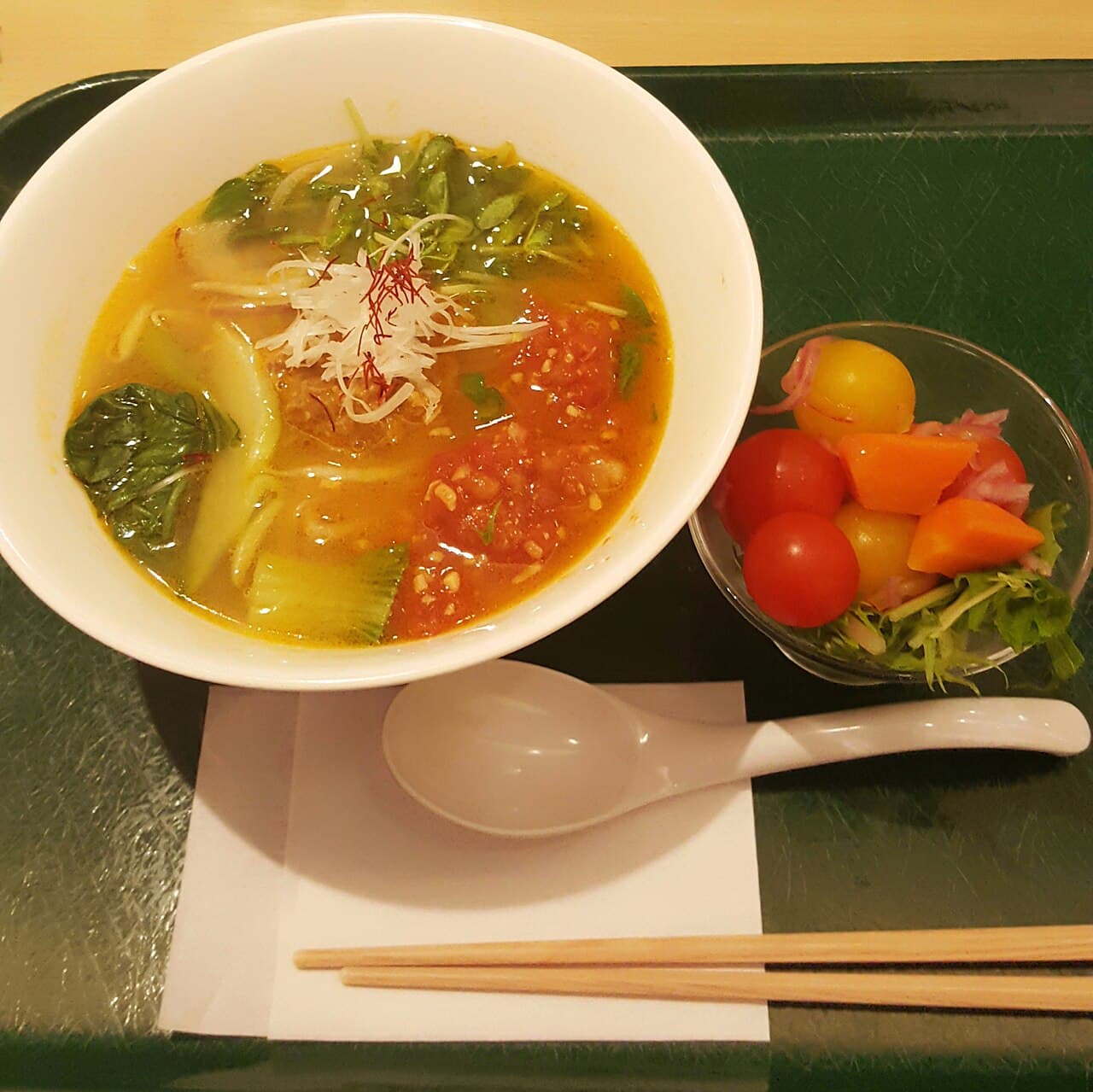
自2019年以来,东京的植物基餐饮数量大约翻了一倍,而纯素拉面正是最明显的标志——专门店不靠肉类,而是用菌菇、昆布和味噌熬出深厚的鲜味。本文带你了解这股热潮背后的推手,以及值得专程跨城去吃的那几碗。
饮食指南
能——奈良低调地跻身日本较易实践植物基饮食的城市之列,但它最有名的特产是鱼,而鲣鱼高汤依旧无处不在地暗藏其中。本文教你如何吃得好,以及那家值得信赖的店。
编辑精选
大多数拉面都建立在猪肉和鲣鱼之上——而这些东京店铺是100%植物性的,靠昆布、香菇和芝麻撑起全部风味。没有鱼高汤,绝不妥协。
城市指南
京都是日本天然最素食友好的城市——寺院料理、豆腐怀石、豆浆拉面和清真认证,全都在一个比东京更慢、更温和的地方。
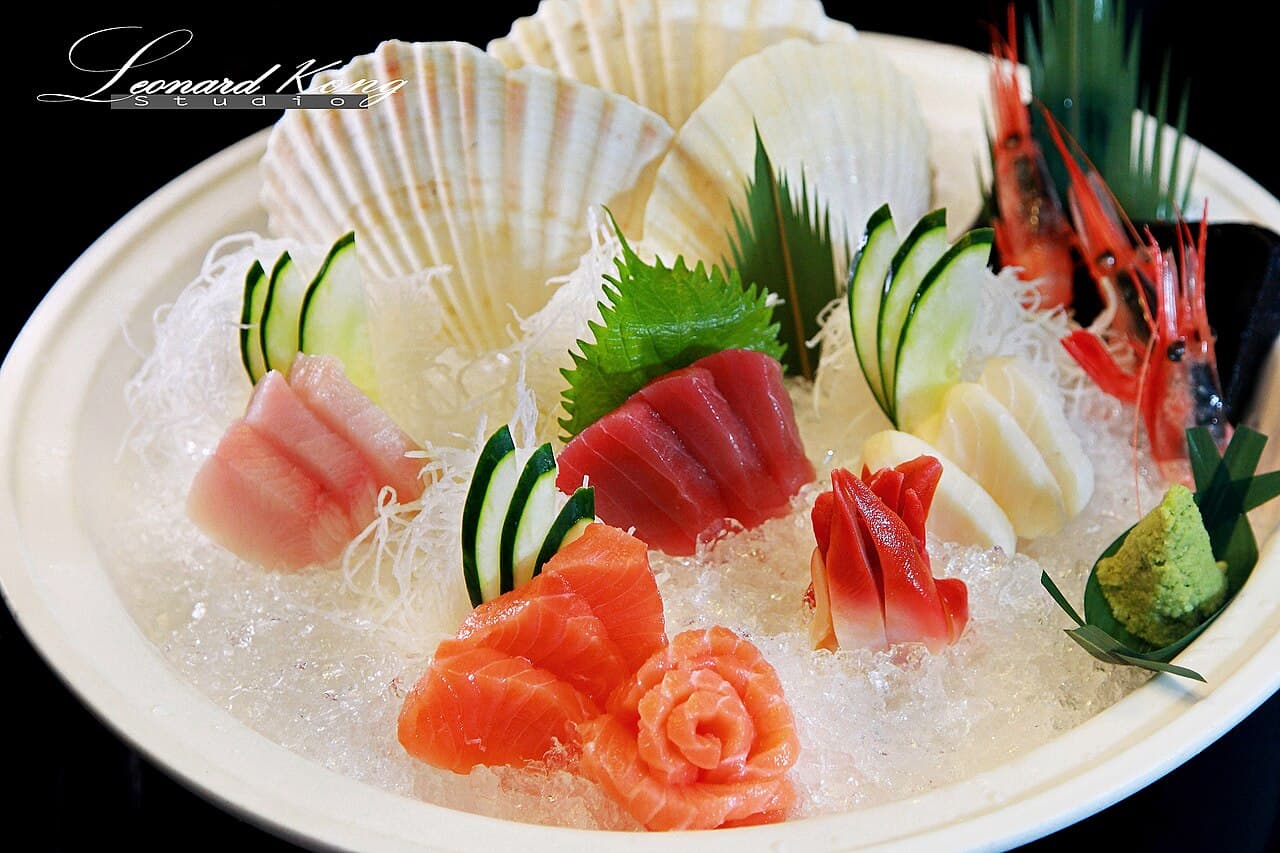
饮食指南
如果你吃海鲜但不吃肉,东京就是天堂。寿司、刺身、烤鱼和海鲜盖饭无处不在——本文教你如何自信地点餐,以及要当心的暗藏肉类。
饮食指南
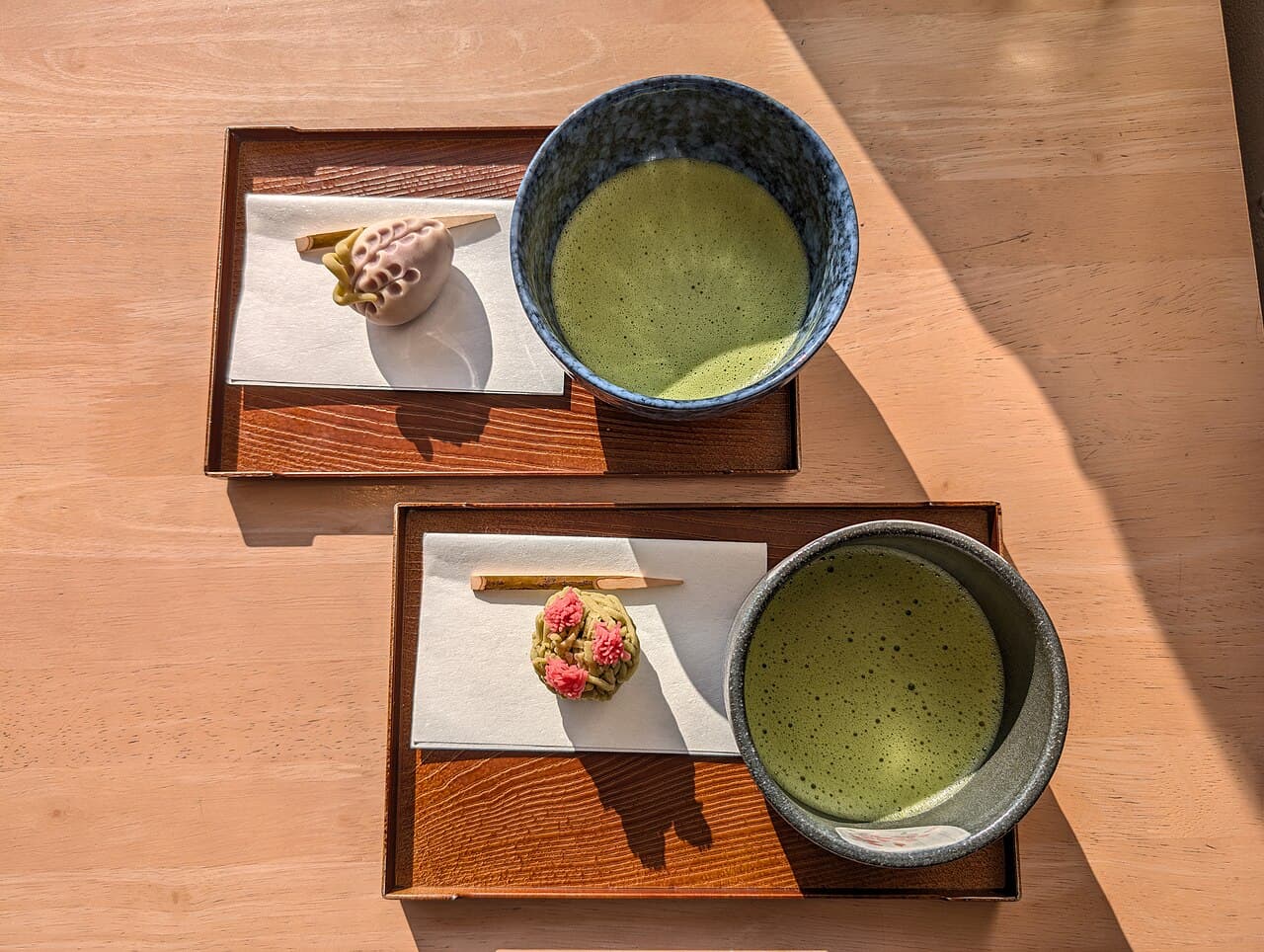
松软的无蛋松饼、植物基布丁,还有世界上最浓郁的抹茶意式冰淇淋——甜点无需妥协。
饮食指南
早在「纯素」这个词出现的几个世纪前,佛教寺院料理就已经是纯素的了。来认识精进料理——以及那些让它延续至今的东京餐桌。
饮食指南
东京远比它的名声好对付——只要你了解高汤(dashi)。在哪里吃、要留意什么,以及能帮上忙的实用语句。
区域指南
新宿藏着比它霓虹外表更多的植物性美食:新宿三丁目旁的全纯素汉堡吧、丸井里的 100% 纯素 CBD 咖啡馆、新宿御苑旁的纯素西点房,还有伊势丹和 Lumine 的纯素友好楼层。七个已核实的去处,附英文菜单标注以及高汤/鸡蛋的注意事项。
Tokyo
从广尾的无麸质「甜点实验室」到新宿御苑对面人气草莓蛋糕店,本文整理了东京真正100%纯素的蛋糕、可颂与烘焙点心去处,以及在普通面包店中要留意的隐藏动物性成分。
Nagoya
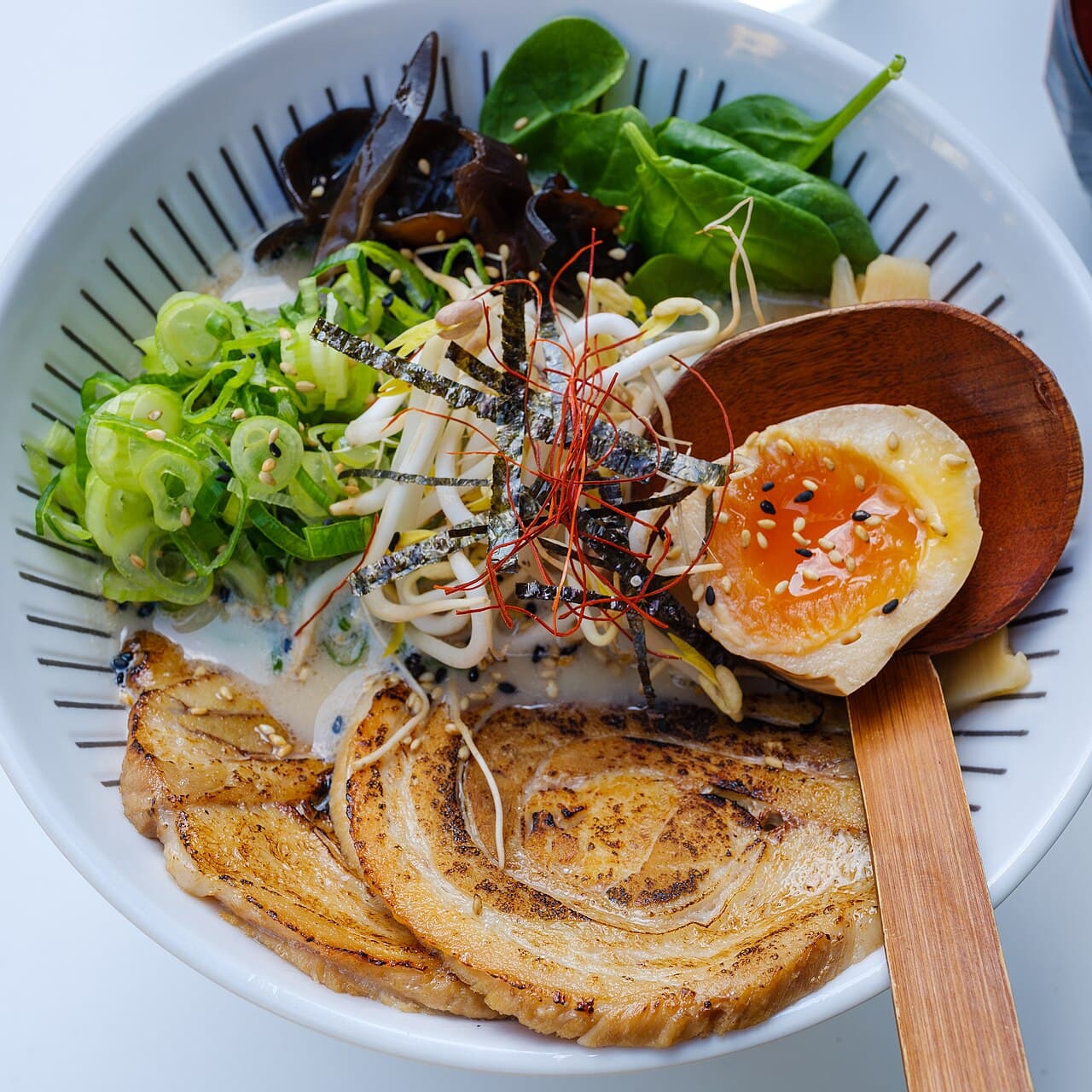
名古屋或许不是纯素旅行者最先想到的城市,但这里有几家可靠的全植物性小餐馆,还有一家开业百年的荞麦乌冬老铺提供正宗的纯素菜单——本文告诉你该去哪里、该点什么。
Dietary guide
看起来不含肉的日式咖喱,其实常常暗藏鲣鱼高汤和猪油。这里教你如何安全点餐,并推荐东京真正的纯素咖喱店。
福冈
截至2026年7月,福冈这座以豚骨拉面和明太子闻名的城市,其实出乎意料地容易吃到100%纯素——以天神、药院、大名为轴心聚集着一小片植物基厨房,甚至还有一碗让福冈成名的拉面的纯素版本。本文按街区绘制值得围绕规划的6家店,并点出两个会悄悄让「蔬菜料理」变得不纯素的陷阱。前往前请先确认营业时间。
完全指南
是的——只要掌握一点门道,日本其实是个非常适合吃素(纯素)的地方。这份总纲为你梳理唯一要攻克的陷阱(高汤)、点餐用的短句、哪些料理真能吃,以及每座城市该去哪里吃。
活动
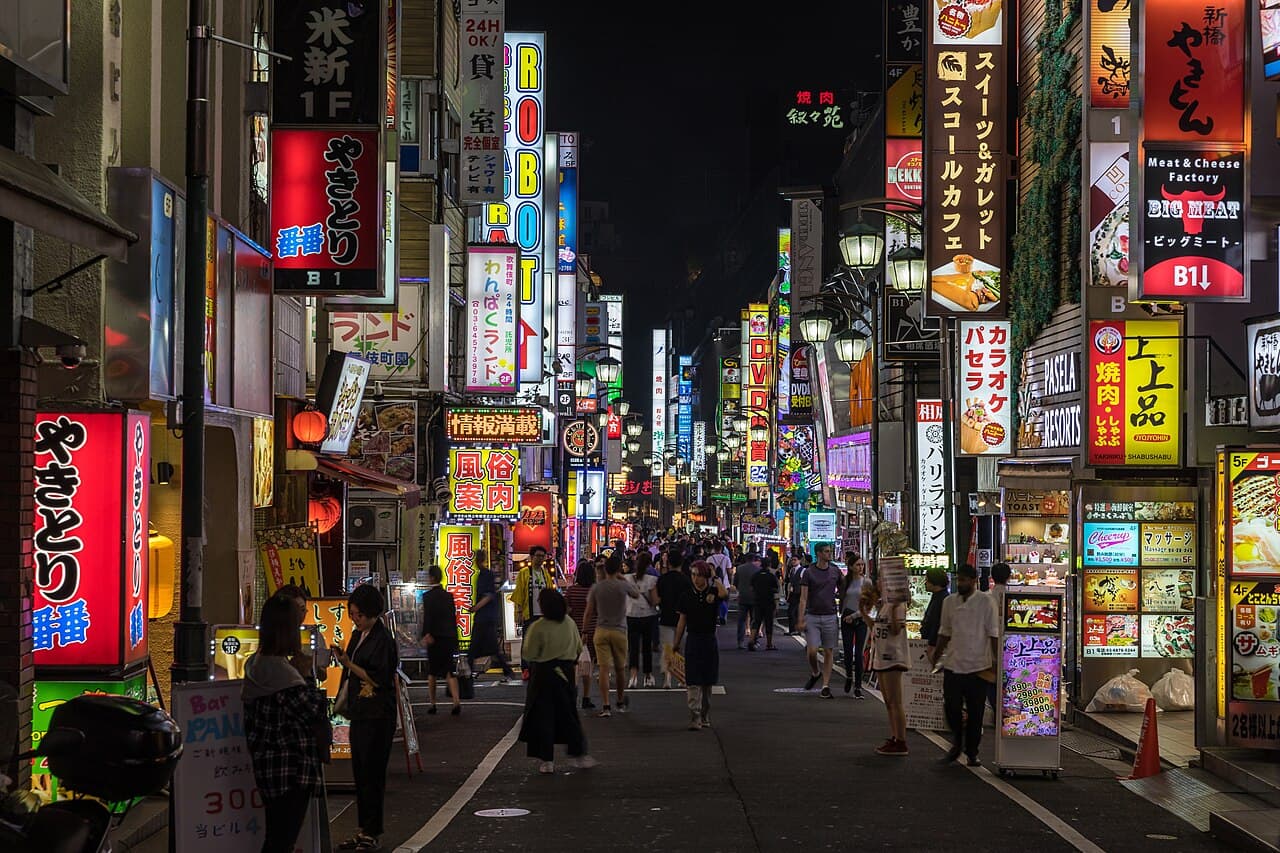
日本最可靠的『全场纯素』活动是纯素美食祭(Vegefes),按规定每个摊位都是纯素标示;代代木公园的地球日东京、以及青山每周举办的联合国大学前农夫市集则并非全场纯素,但都聚集了大量植物性与有机摊位。即使是全场纯素的活动也并非万无一失——主办方曾在含乳制品的试吃样品混入时公开致歉——因此若有严重过敏,仍要查看标签。日期与场地每年会变,请以各官方网站为准(截至2026年7月)。
清真与纯素
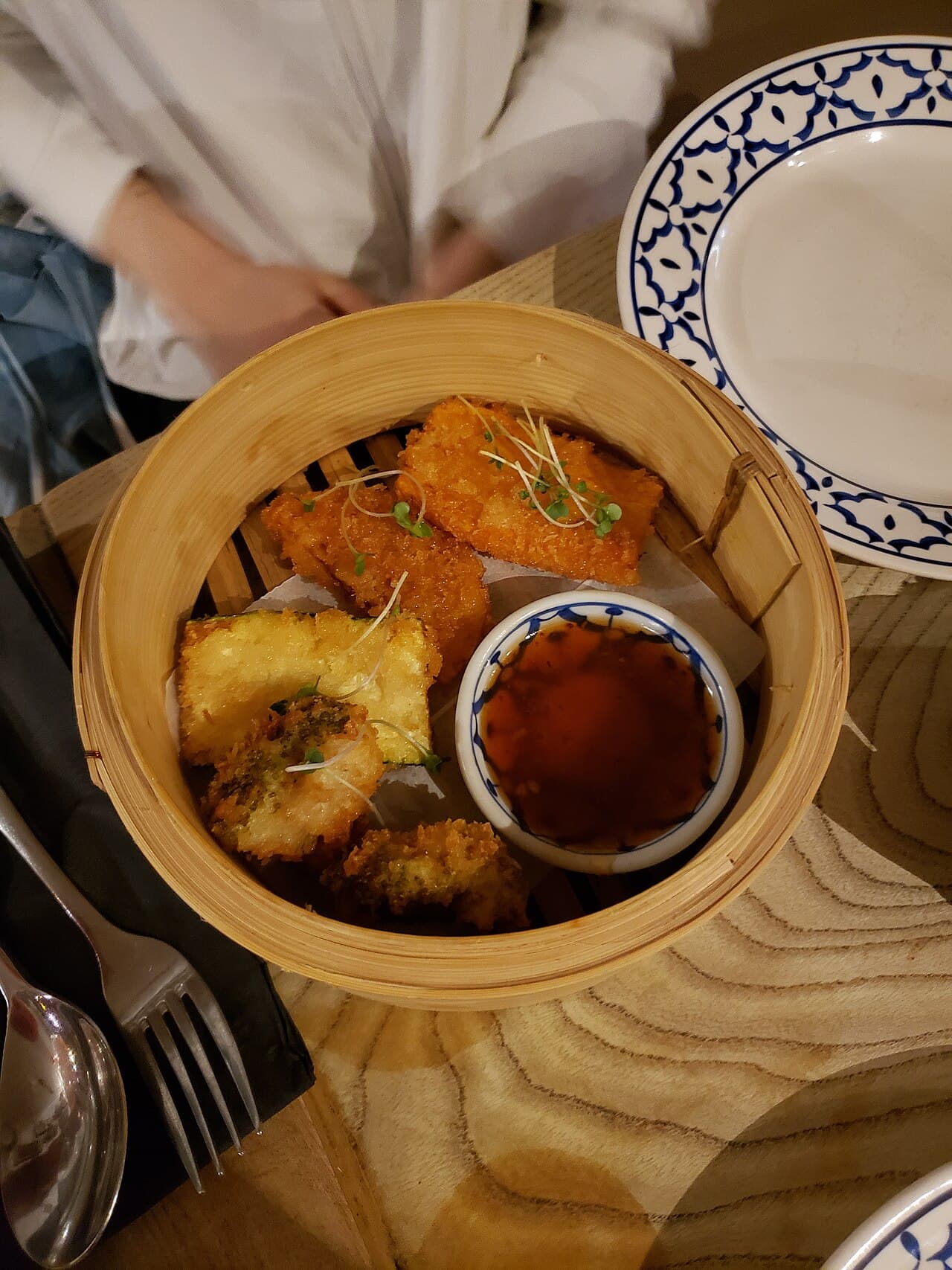
选择纯素可避开猪肉、猪油和明胶,但在日本,纯素并不等于清真——味醂和料理酒等调味用酒几乎无处不在。本文说明植物性替你解决了什么、留下什么酒精问题,以及如何礼貌而精准地询问。
乳糜泻指南
在日本吃无麸质纯素可行,但小麦藏在酱油和多数荞麦面里。米饭、豆腐和蔬菜是安全底子;本文梳理小麦陷阱、天然无麸质纯素的稳赢选择,以及东京五家让人省心的专门店。
大阪
大阪也许是全日本最能“全素也放心吃”的城市。截至2026年7月,你可以一整天吃遍植物性的章鱼烧、寿司、拉面、串炸和蛋糕,几乎不必妥协。本文按区域整理——南区(心斋桥—难波)、新世界、市中心(谷町)与北区(Kita)——8家值得专程前往的店,以及每位游客都会踩的“高汤(dashi)”陷阱。出发前请务必确认营业时间。
大豆肉
在日本,大豆肉随处可见,但并非都是纯素。本文汇总真实在售品牌、购买地点,以及如何避开部分"植物性"产品中暗藏的蛋与奶黏合剂。
零食伴手礼
许多日本零食其实无意间就是纯素,但柴鱼、乳和蜂蜜藏在其中,务必看配料表。这里有逐样速查表,以及可带回家的已核实纯素伴手礼。
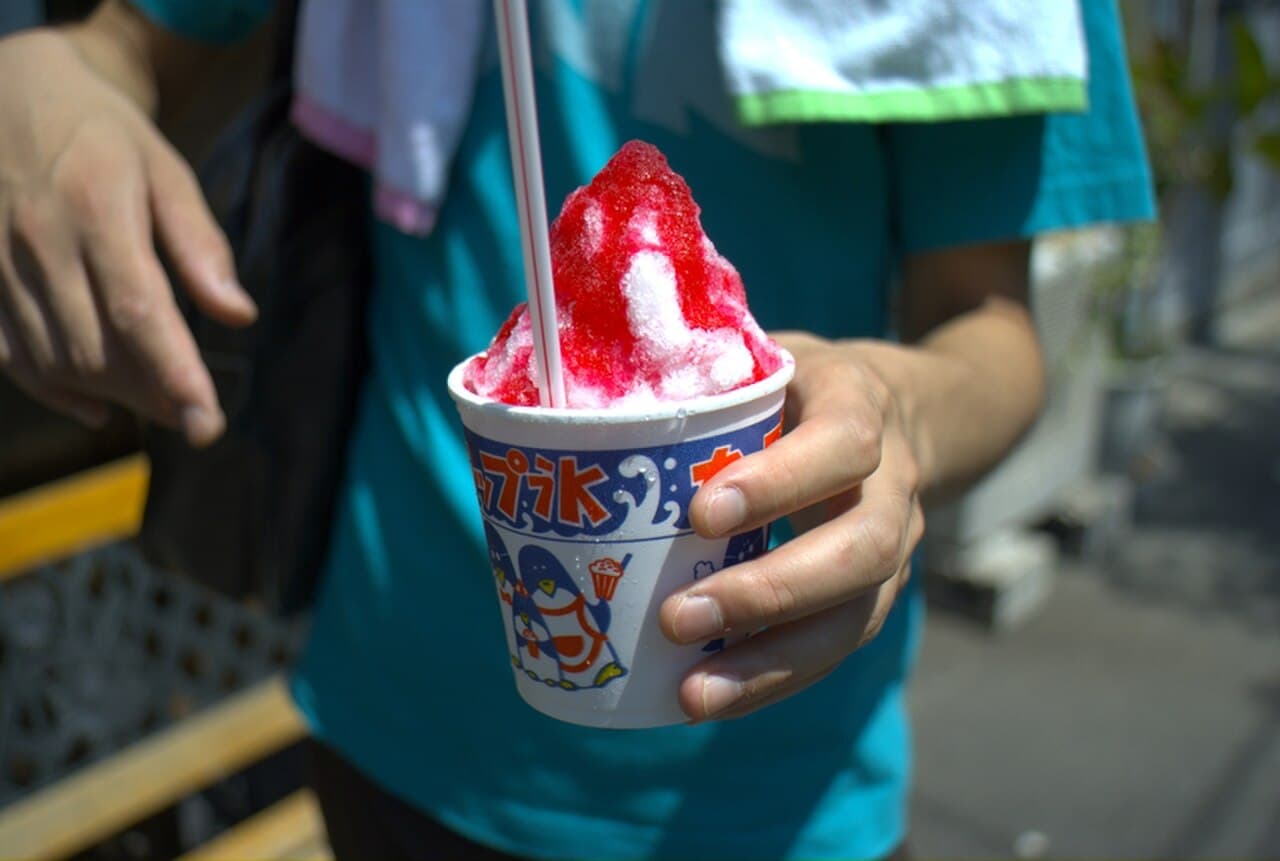
夏日冰品
结论:夏天的日本一样能吃到植物性冷饮甜点——只要知道该确认什么。刨冰(かき氷)的糖浆通常是纯素的,但大多数霜淇淋含乳,几家经核实的东京店铺加上便利店的冰棒能补上空缺。以下告诉你点什么、问什么。
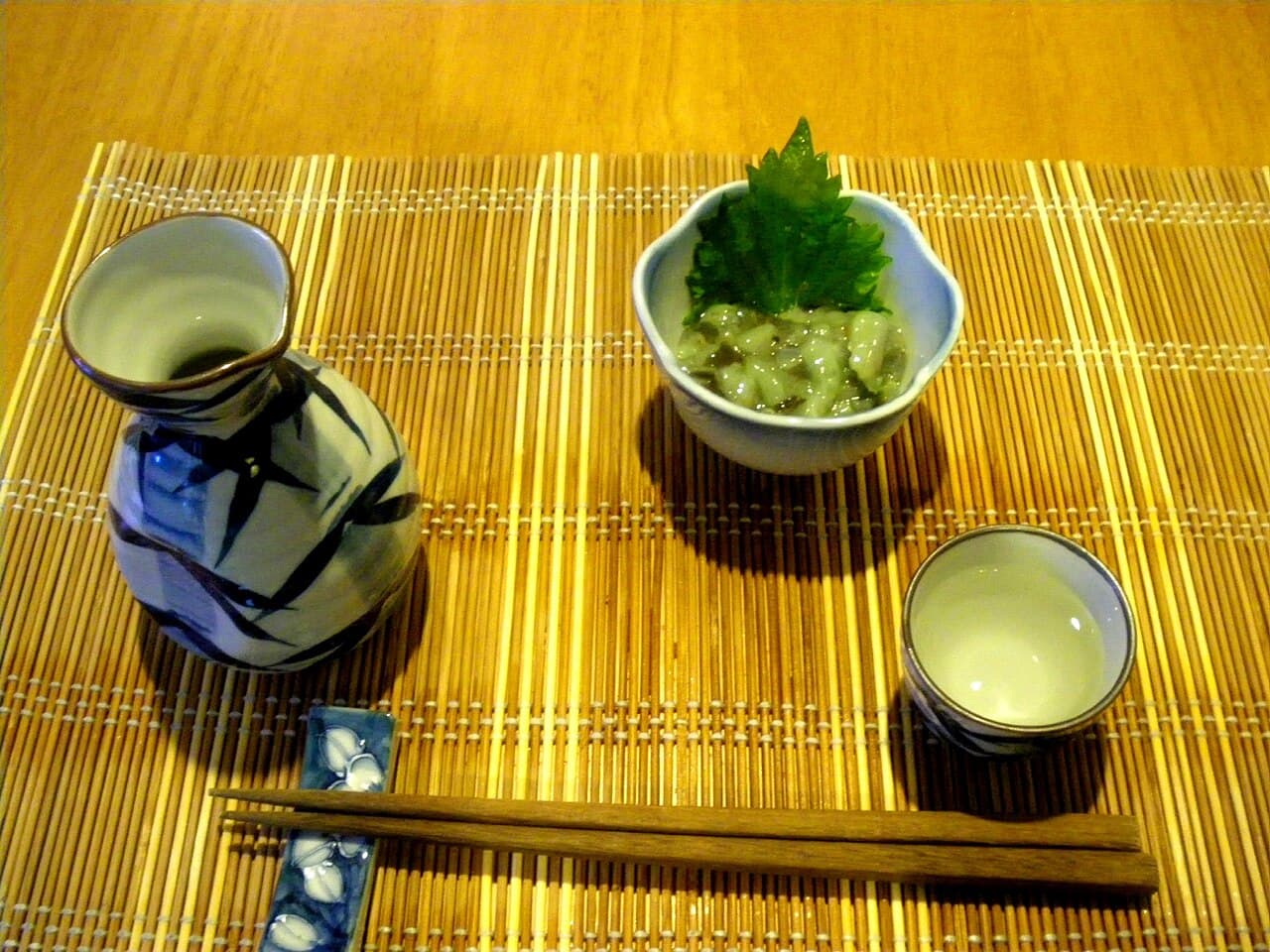
酒水货架
清酒几乎一定是纯素——原料只有米、水、曲和酵母,不含动物成分。少数陷阱在别处:个别啤酒用鱼鳔澄清、部分梅酒加蜂蜜、以及葡萄酒常见的动物澄清剂。这份日本酒水全解析帮你放心点单。
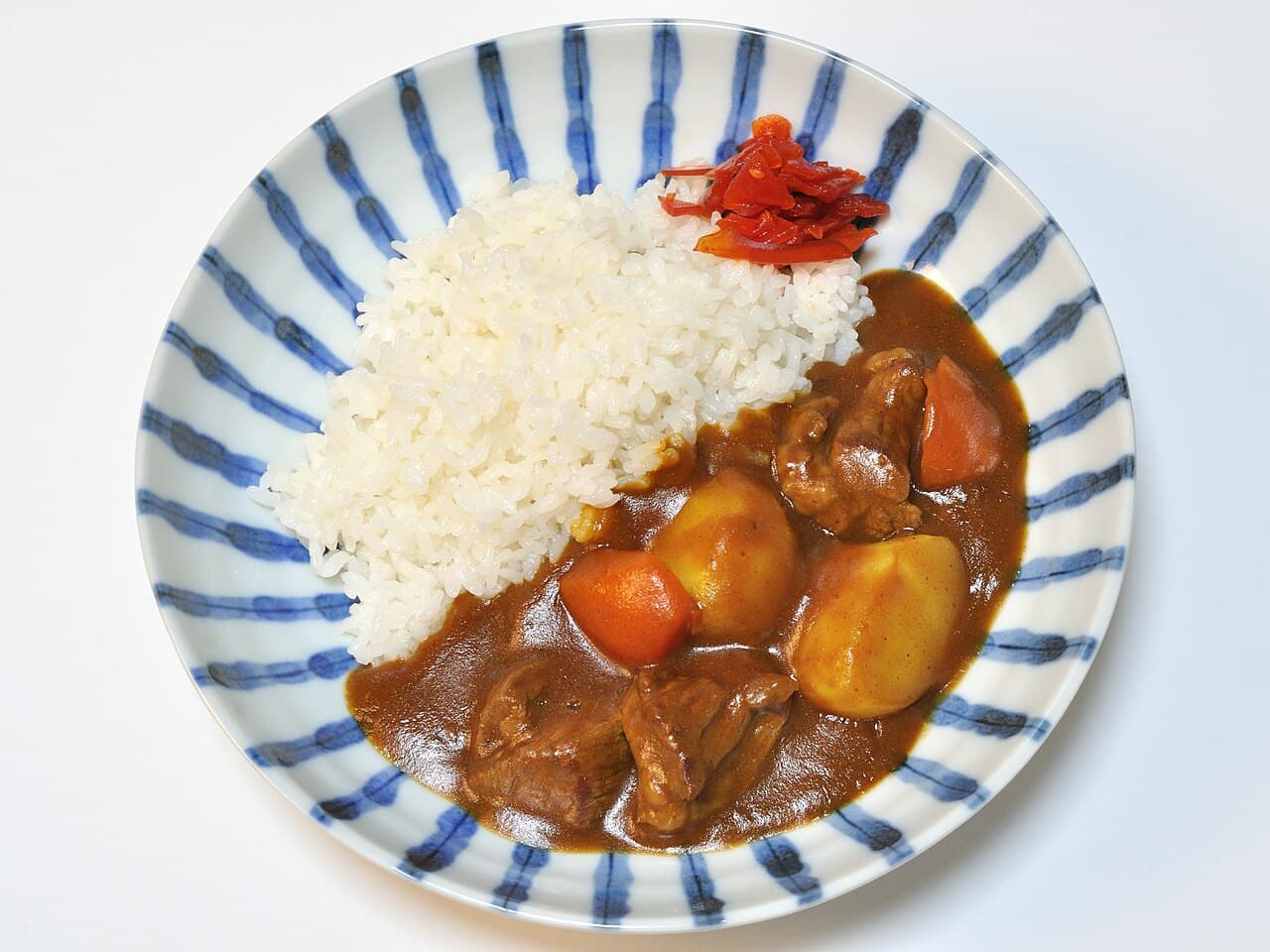
连锁与快餐
确实有几家日常连锁能吃到植物性餐——T's担担(全素)、CoCo壱番屋的素咖喱、摩斯的植物性汉堡、Freshness的免费大豆肉排替换——但大多数「看似蔬菜」的餐点仍暗藏鱼高汤、鸡蛋或乳制品,所以要有针对性地点。以下是按2026年7月官方菜单核实过的「点这些最安全」。
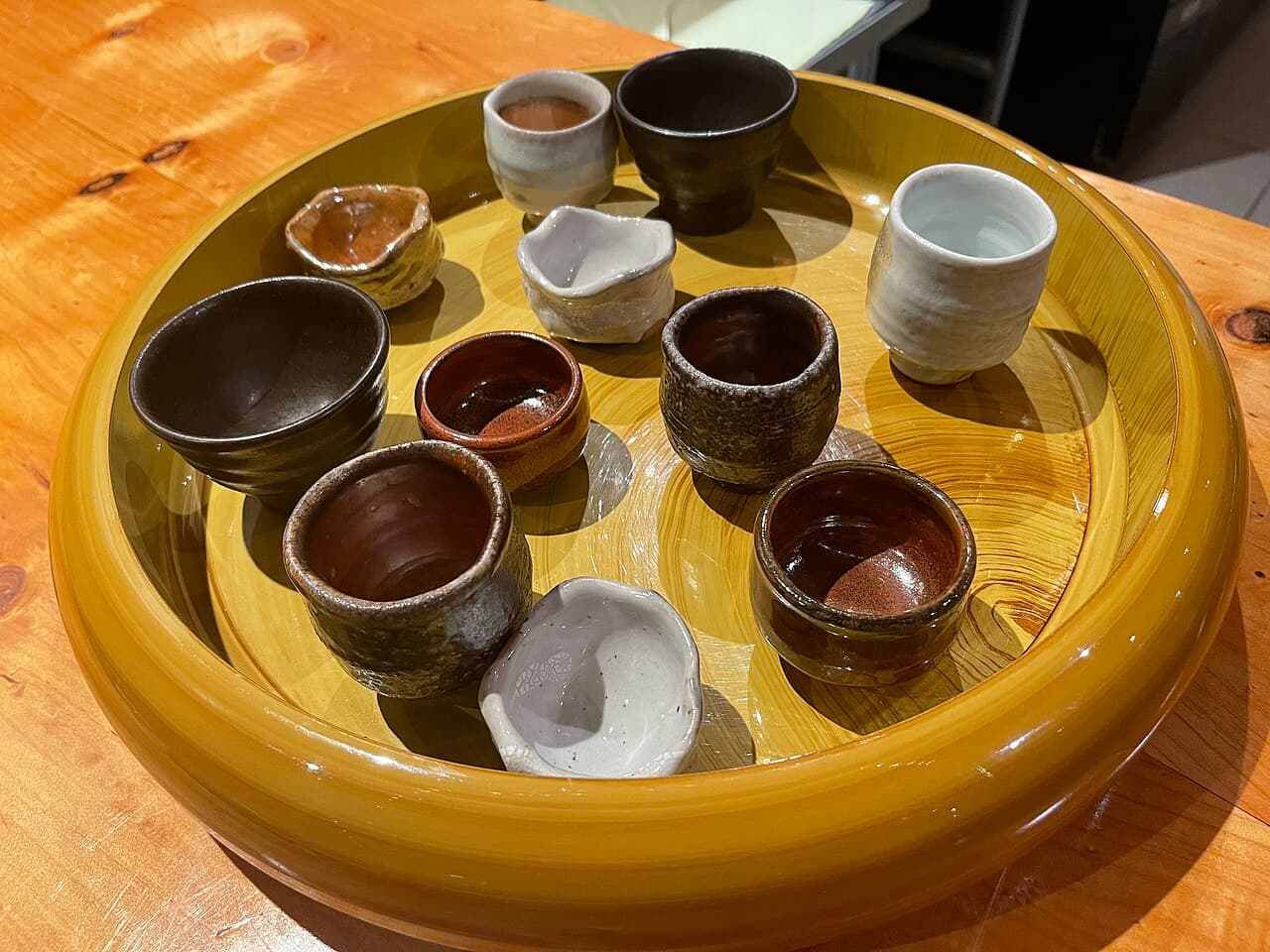
常用短语
记住六句话、随身带一张卡,几乎能搞定在日本的所有纯素点餐——包括最关键的高汤(鱼汤)问题。
饮食文化
没错,你完全可以只靠一家便利店加一趟超市,就凑出一份丰盛的素食赏花(花见)野餐:稻荷寿司、梅干或昆布饭团、毛豆、大豆"唐扬"块、水果,再加一点和果子。唯一要留意的是那些看起来全素、实则暗藏高汤(鱼汤底)的食物。看清楚成分标签,你就能安心迎接这个春天了。
饮食指南
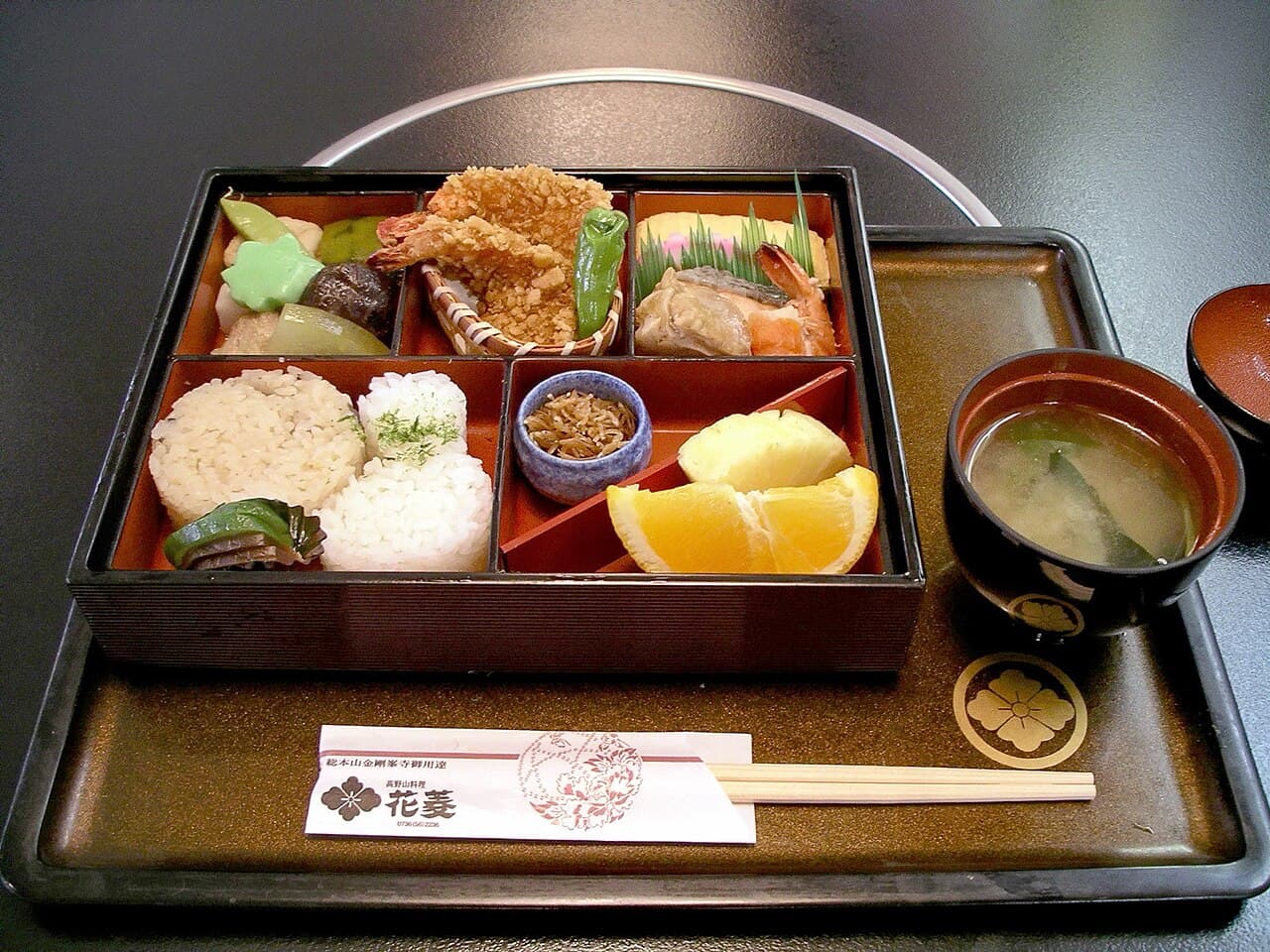
想要在旅途中体验最自然的纯素之夜,不妨预订一晚宿坊(shukubo,寺庙住宿)——尤其是在高野山——僧侣们会奉上精进料理(shojin ryori),这是一种传统上不含肉、鱼,甚至连葱蒜都排除在外的佛教素食怀石料理。它通常是纯素的,但有两点需要确认:味噌汤里是否使用了鱼类高汤(出汁),以及早餐中是否含蛋或乳制品。普通旅馆若提前提出要求,也可以做出调整。
饮食指南
传统日式早餐几乎是全世界最接近纯素的早餐之一:米饭、海苔、豆腐、腌菜、梅干和纳豆本来就是植物性食材。唯一的例外通常是出汁——藏在味噌汤和纳豆酱汁里的鲣鱼或沙丁鱼高汤。换成昆布出汁、去掉柴鱼片,你就能吃到一顿美味又富含蛋白质的纯素早餐。
饮食指南
说实话:大多数车站便当(駅弁)都含有鱼、鸡蛋或高汤,所以素食者乘坐新干线前最好先购物。在便利店或车站美食广场备好梅干和昆布饭团、稻荷寿司、毛豆、水果、烤坚果和豆浆。虽然确实存在专门的素食车站便当,但很少见。提前准备好这份"野餐",这趟旅程就会轻松许多。
饮食指南
在日本机场(成田、羽田、关西)寻找素食并非难事,但选择并不均衡。最稳妥的选择是:东京站及成田机场附近的T's Tantan全素拉面、少数几家素食友好咖啡馆,以及可靠的便利店速食——盐味饭团、毛豆、水果、坚果。安检前后的选择差异很大,建议预留缓冲时间,并留意标签上隐藏的柴鱼高汤。
饮食指南
纯素食者看懂日本食品标签,其实只需掌握一项技能:找到"原材料名"(配料表),扫一眼几个关键汉字。头号隐藏陷阱是"高汤"(だし)——看似完全植物性的食品里,常常藏着鲣鱼或沙丁鱼熬制的鱼汤。昆布高汤和香菇高汤是纯素的例外。记住十个汉字,几乎任何一家便利店都能轻松应对。
饮食指南
最大的陷阱是高汤(dashi)——用鲣鱼干或沙丁鱼干熬制的鱼汤,常常悄悄藏在味噌汤、炖蔬菜和大多数"素菜"里。此外还要留意鸡蛋、乳制品、蜂蜜、明胶、猪油、鱼露、蚝油,以及撒在菜上的鲣鱼花。只有用昆布(海带)或香菇熬的高汤才是纯素的。如果不确定,先问清楚高汤用的是什么。
饮食指南
没错——只要摸清货架规律,在日本自己下厨吃纯素其实很简单。日本超市里到处是天然的植物性食材:豆腐、厚扬(炸豆腐)、纳豆、豆浆、冷冻毛豆、海藻、渍物和新鲜蔬果。唯一需要养成的习惯,是留意"高汤"(だし,鱼汤底)——它常常悄悄藏在酱料、味噌甚至标着"蔬菜"字样的汤底里。学会认几个关键汉字,在家做一周的饭其实一点都不难。
饮食指南
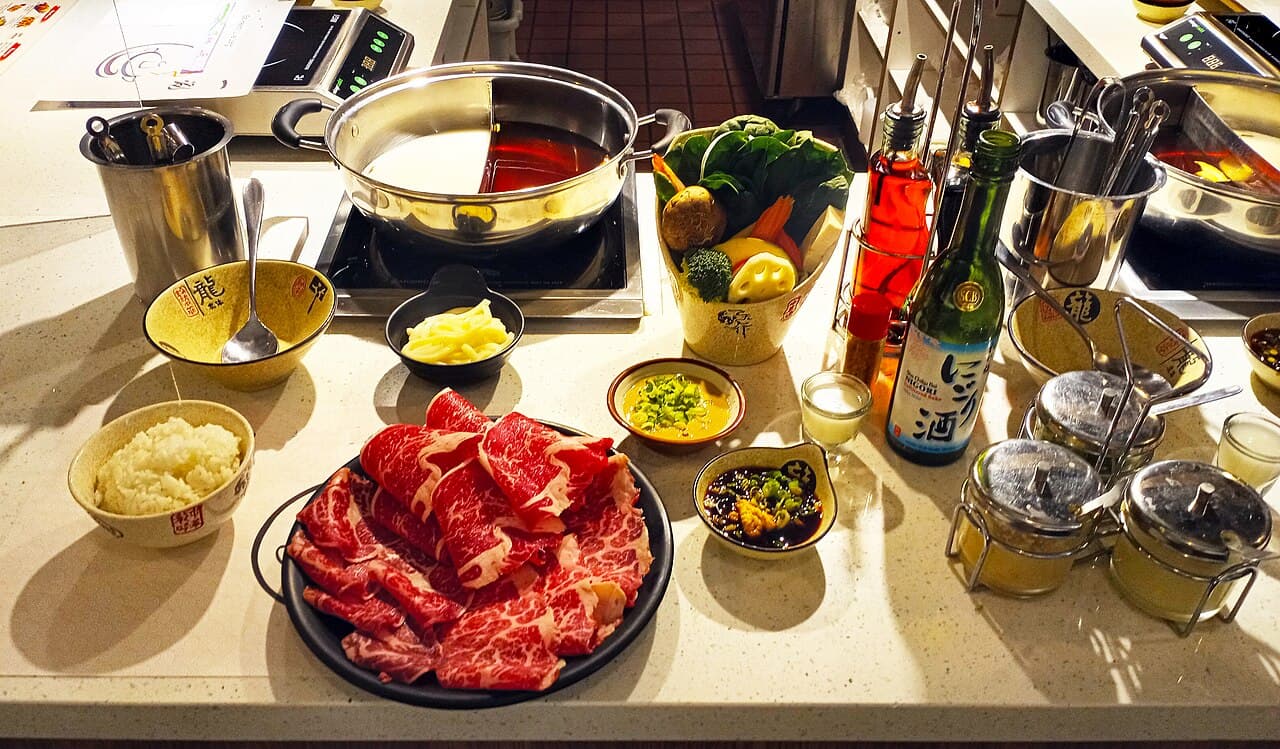
火锅是最容易做成纯素的日式料理之一——前提是汤底要选对。点餐时请要求用 kombu(昆布)高汤,而不是猪肉或鸡肉底汤,跳过 shabu-shabu 的涮肉,把锅里装满豆腐、yuba(豆皮)、蘑菇、蔬菜、harusame(冬粉)和 mochi(年糕)。唯一会毁掉这一切的陷阱,是藏在暗处的鱼类高汤,所以下锅蘸酱前一定要先问清楚。
饮食指南
只要掌握技巧,日本的家庭餐厅(famiresu)其实是纯素低预算的救命稻草。在 Saizeriya,一份意式辣椒橄榄油意面(peperoncino)配蔬菜沙拉、橄榄和佛卡夏面包,总价不到1000日元。但要注意:高汤(だし,dashi,通常用鲣鱼或沙丁鱼熬制的鱼汤)、鸡蛋和乳制品几乎无处不在,因此务必参考店内的过敏原一览表,并有意识地多点几份植物性配菜。
饮食指南
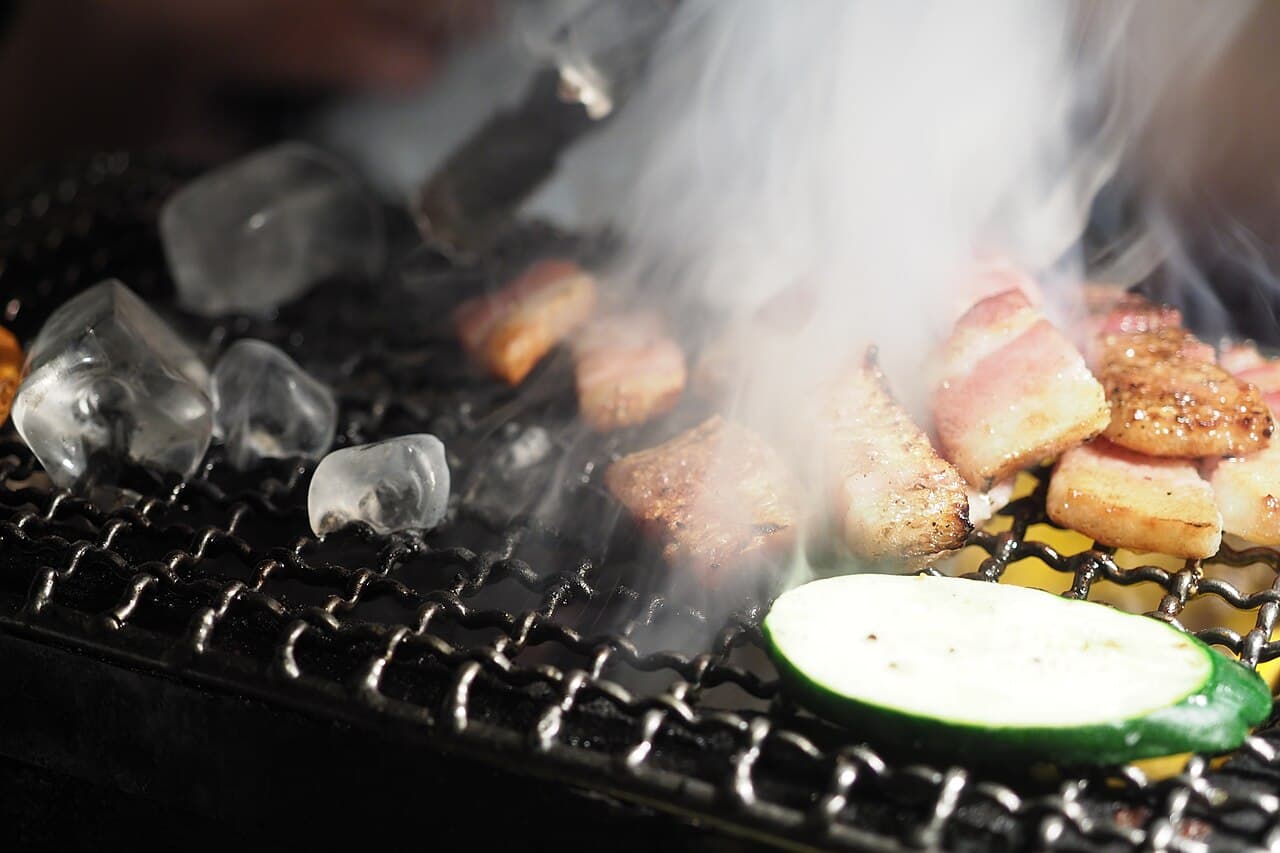
烧肉是肉食者的圣殿,但纯素食者完全可以同桌用餐。坚持点烤蔬菜、玉米、香菇、大蒜、豆腐和拌菜(namul),请店家留出一块干净的烤网,并留意鱼类高汤(dashi)、泡菜里隐藏的鱼露,以及蘸酱。如果同伴愿意灵活安排,附近的纯素餐厅可能更适合你——但即便如此,你也不会饿肚子。
饮食指南
在日本居酒屋吃纯素,其实可以吃得很好——比你想象的还要好——只要避开一个隐藏陷阱:高汤(dashi),也就是那些悄悄混入"蔬菜"菜品里的柴鱼或沙丁鱼汤底。多点毛豆、冷豆腐、烤青椒和芦笋、腌菜和炖地瓜,点菜前先问清楚高汤、鸡蛋和鱼的情况。这样你就能吃得饱饱的,心满意足地离开。
饮食指南
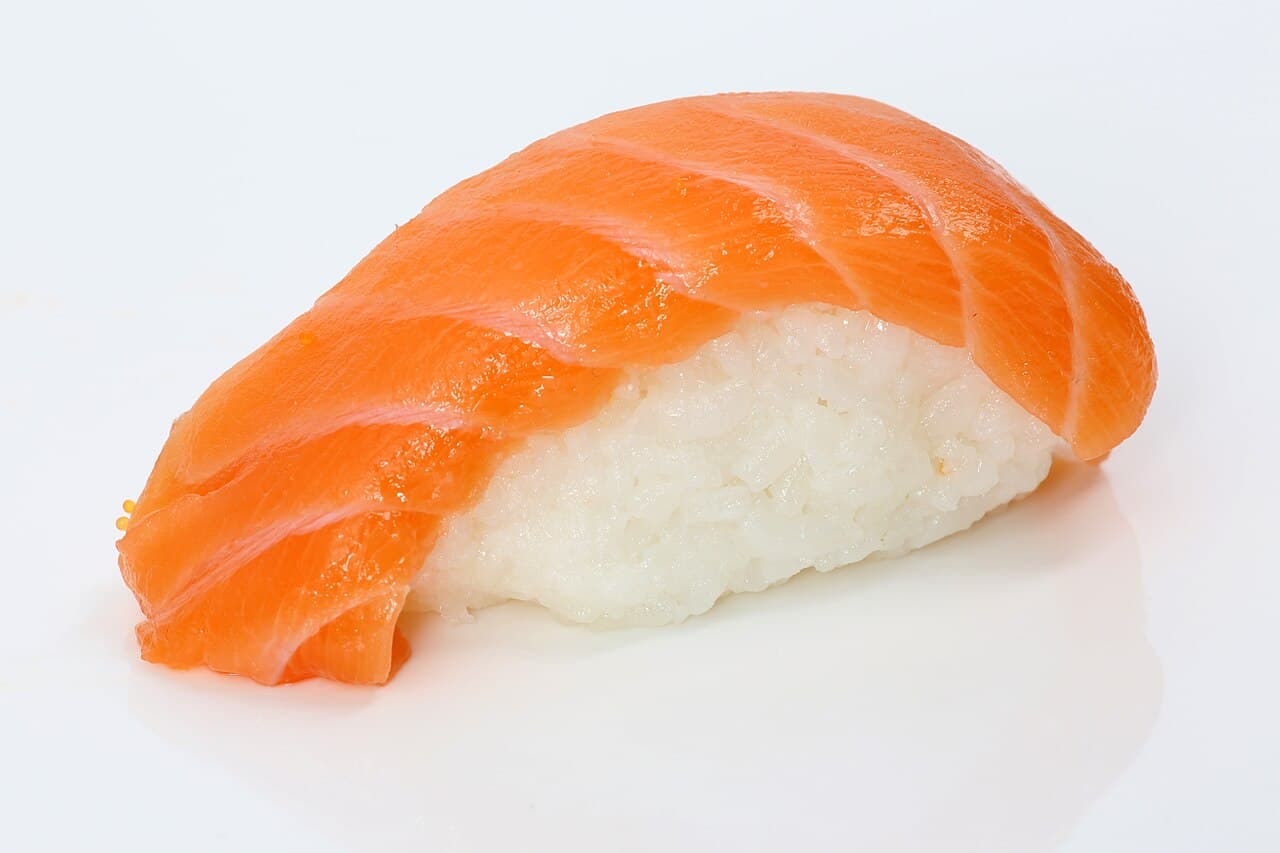
纯素食者在回转寿司(传送带寿司)店完全可以吃得开心。可以放心选择河童卷(黄瓜卷)、牛油果卷、白米饭、腌菜卷、玉米和纳豆——这些通常都是植物性的。要避开含鱼、鸡蛋厚蛋烧或蟹肉棒的品项,并确认味噌汤和任何刷在寿司上的酱汁里没有偷偷加鱼汤。稻荷寿司和干瓢卷常常是用鱼汤炖煮的,最好先问一下。想要万无一失,就用平板点新做的一份。
Translation deliverable
下北泽美食指南的简体中文翻译(title/excerpt/kicker/body/faq),内部链接已统一改为 /zh/ 前缀,饮食事实(出汁/酱油含小麦/味淋含酒精/无麸质交叉接触)保持精确。
饮食指南
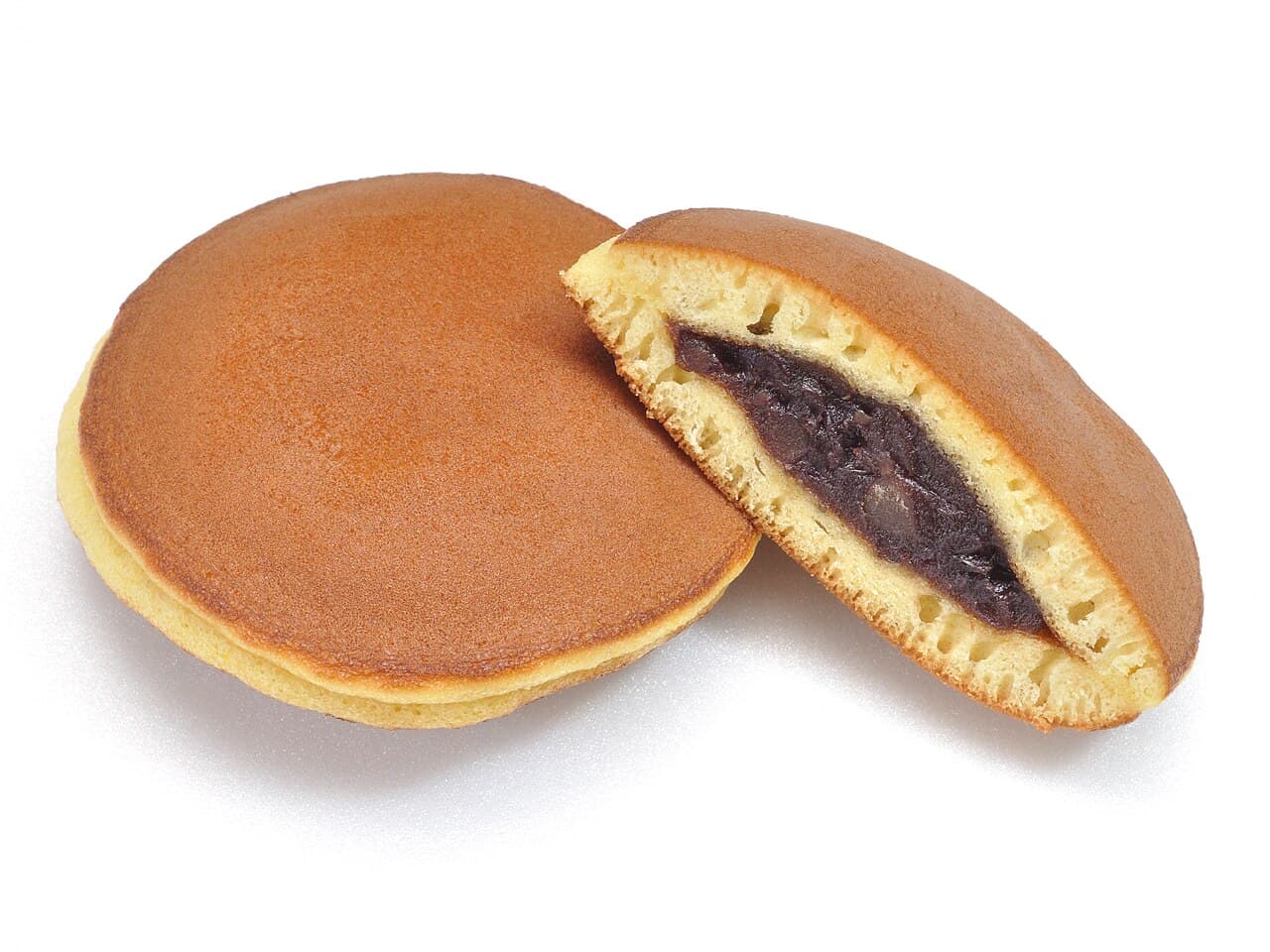
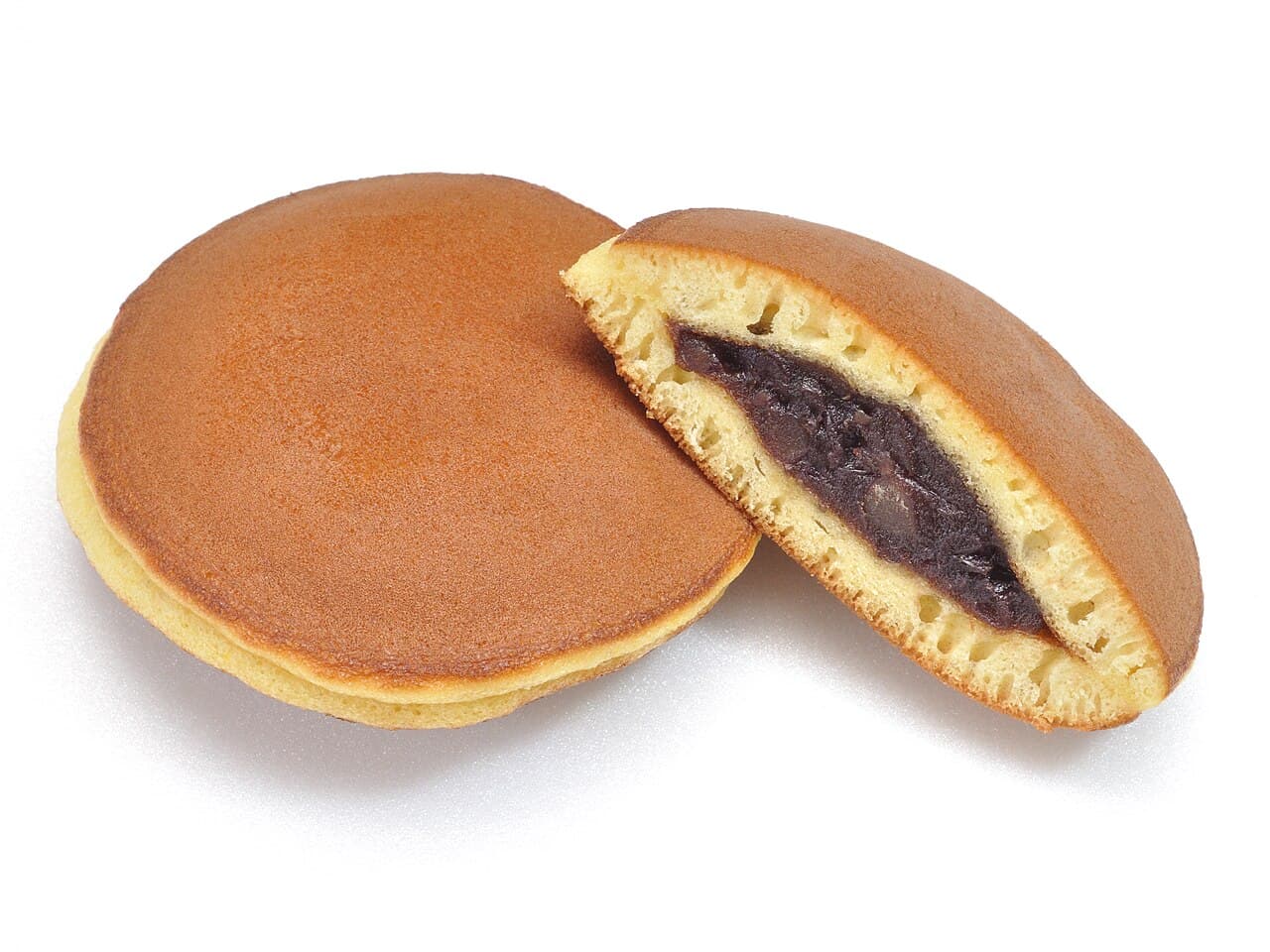
多数情况下是的。许多传统和菓子天生就是纯素的:麻薯(mochi)、大福(daifuku)、团子(dango)、羊羹(yokan)、最中(monaka)和红豆馅(anko)都是植物性食材,大部分果冻类甜点也是用寒天(琼脂)而非明胶凝固的。需要留意的陷阱包括鸡蛋(铜锣烧、蜂蜜蛋糕、部分馒头/manju)、蜂蜜、罕见的明胶——以及在偏咸口味的甜点中隐藏的鱼类高汤(dashi)。
Translation delivered
Simplified Chinese (/zh/) translation of the "Is Onigiri Vegan?" UMAMI HUNT dietary guide, with all internal links rewritten to /zh/ and dietary facts (dashi, okaka/bonito, nori) preserved exactly.
饮食指南
通常不是——即使是蔬菜天妇罗,在日本也很少是纯素的。这里藏着三个陷阱:面糊里的鸡蛋、天つゆ蘸汁里的出汁(鱼高汤),以及和虾、鱼共用的炸油。真正纯素的版本是精进(佛教寺院)天妇罗,用无蛋面糊炸制,蘸盐或昆布汁食用。
饮食指南
通常不是。无论是在食堂餐厅吃到的,还是用超市咖喱块做的日式咖喱,大多都不是纯素的:那些油亮的咖喱块通常用牛油、猪油或鸡油调制,还常常加入蜂蜜和乳制品。即使是看似朴素的"蔬菜咖喱",也往往是用同一种含动物成分的咖喱块煮的。日本确实有真正纯素的咖喱——只是需要专门去找。
饮食指南
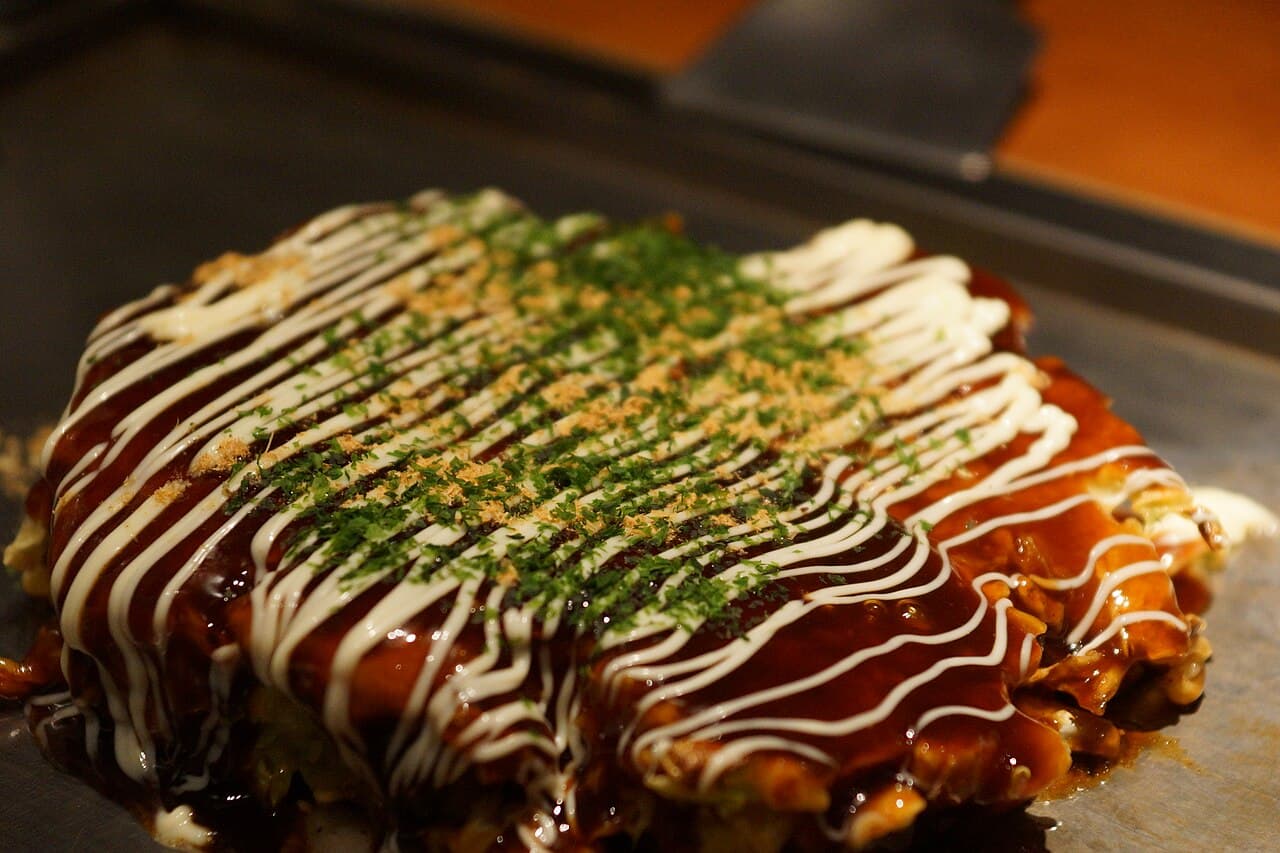
通常不是。标准的御好烧(Okonomiyaki)在精神上是素的,但实际上很少如此:面糊里通常加了高汤(dashi,鱼类高汤)来稀释,做好的煎饼上会撒满随热气"起舞"的木鱼花(katsuobushi,鲣鱼片),棕色酱汁里可能藏着牡蛎或鳀鱼成分,而且大多数版本都会加入猪肉或鱿鱼。真正的素食御好烧确实存在——只是你得主动开口要求,或者去那些专门做这道菜的素食餐厅。
饮食指南
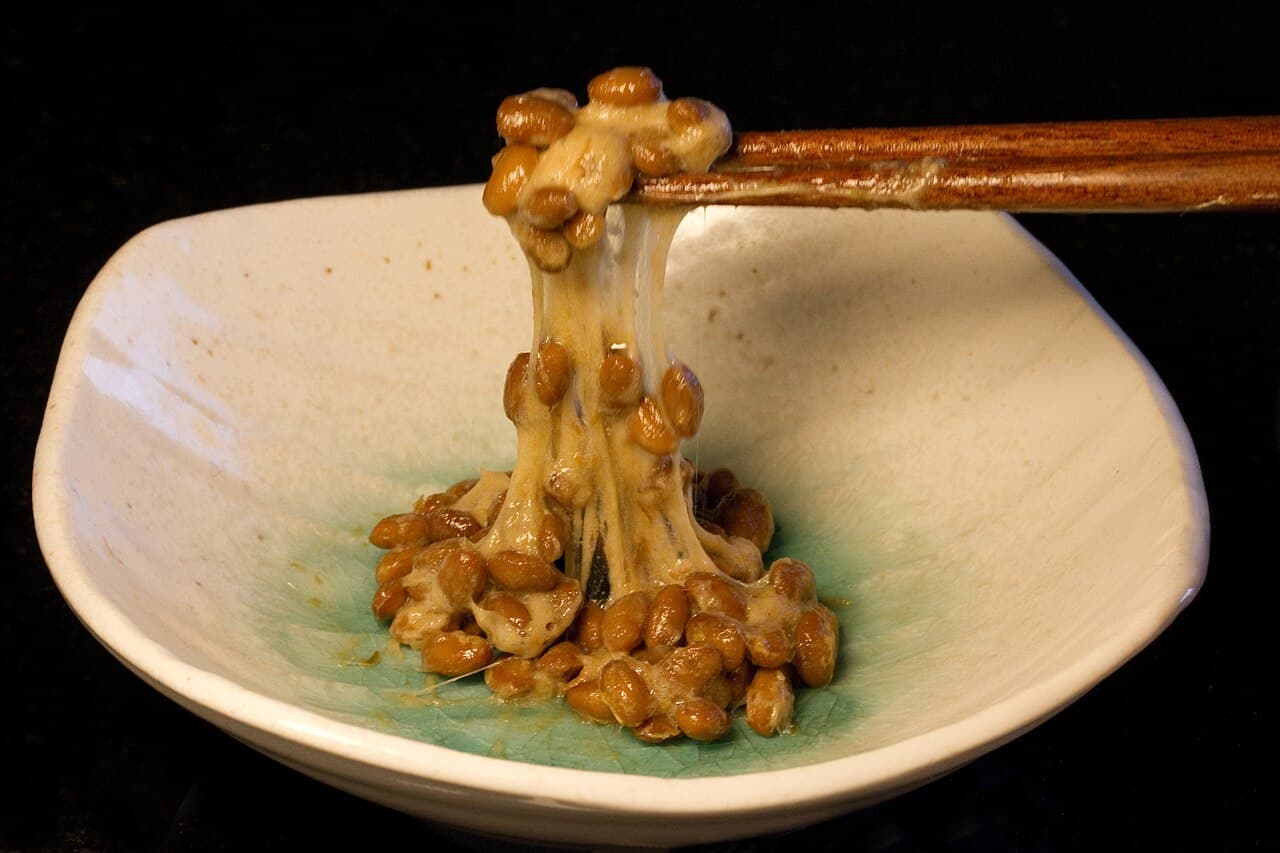
纳豆是纯素的吗?是的。纳豆本身只是黄豆经纳豆菌(Bacillus subtilis)发酵而成——一种不含任何动物成分的植物蛋白。唯一的陷阱是包装里那一小包"タレ"(tare)酱汁,通常用鲣鱼(木鱼花)高汤调制。跳过这包酱汁,留下芥末,改用酱油和葱花来调味即可。
饮食指南
没错——日本是全世界最容易吃到植物蛋白的地方之一。豆腐、纳豆、毛豆、豆皮、高野豆腐、厚扬げ(厚炸豆腐)、豆浆和天贝早已融入日常饮食,而且大多价格低廉。唯一真正需要留意的是"出汁"(だし)——隐藏在看似纯素食物里的鱼汤底。学会辨别它,你就能吃得丰盛又安心。
旅行指南
日本对纯素饮食的友好程度其实超出你的想象——前提是出发前做好功课。东京有专门的纯素餐厅,京都有寺院精进料理,便利店更是随时能救急。有一条规则能改变一切:在证实之前,先假设"蔬菜"料理里藏着高汤(鱼类熬制的出汁)。这里是一份植物性饮食路线,以及需要避开的那些陷阱。
饮食指南
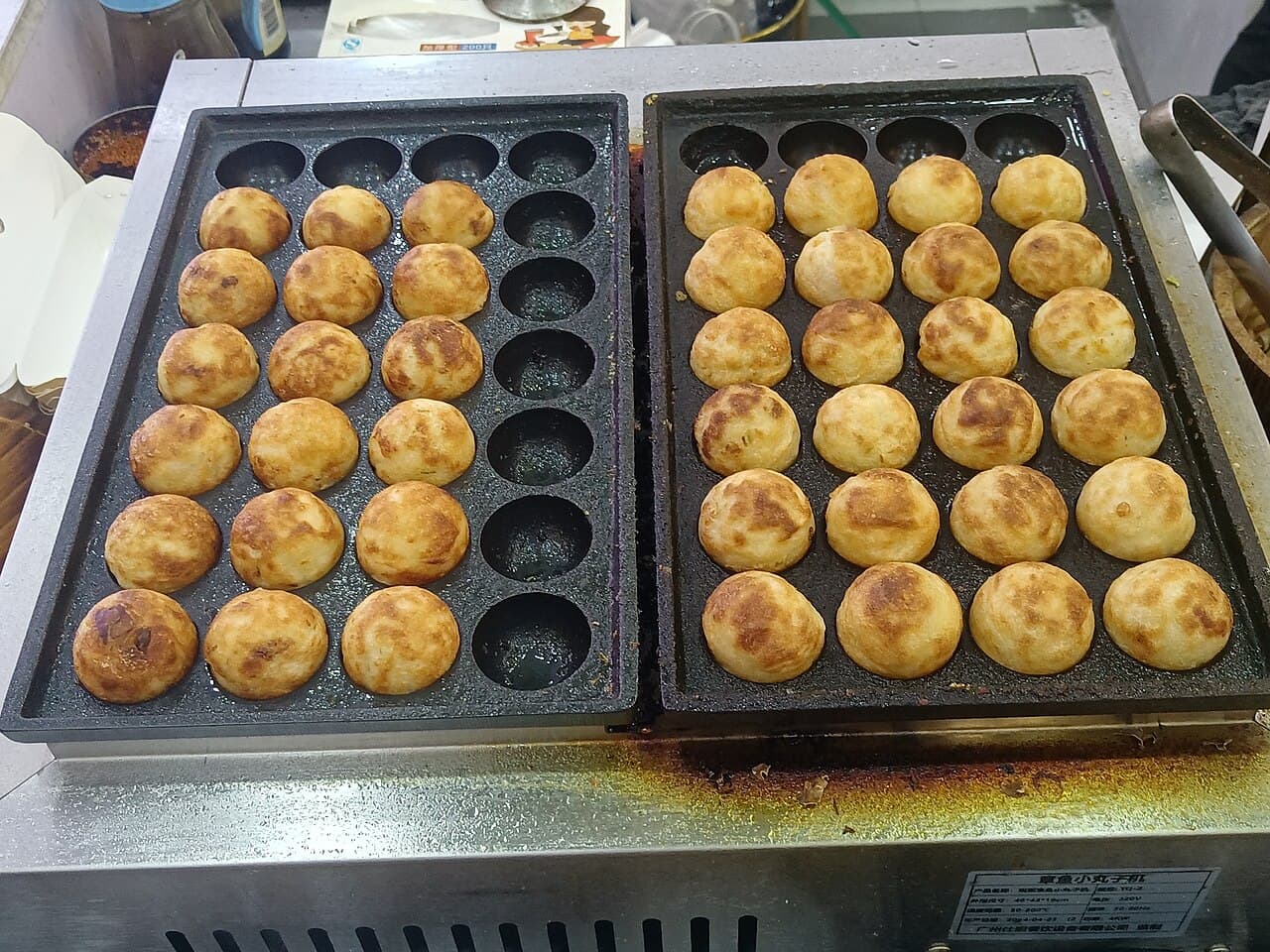
不——传统的章鱼烧并不是纯素食。这些金黄诱人的街头小吃球里藏着章鱼、用柴鱼高汤和鸡蛋调制的面糊、大把撒上的鲣鱼花,通常还淋着蛋黄酱。每一层都违背了植物性饮食的原则。好消息是:不含蛋、不用柴鱼高汤的纯素章鱼烧(用蒟蒻或蘑菇代替章鱼)确实存在,可以在植物性美食节和少数专门店找到。
饮食指南
是的——原味麻糬是纯素的。它只是用糯米和水捣制而成,包裹在外面的红豆大福通常也是纯素的。陷阱虽然不多,但确实存在:有些品牌会用蜂蜜调味,冰淇淋麻糬里藏着乳制品,还有些外皮会用到明胶。只要看清成分标示,麻糬就是日本最靠谱的植物性甜点之一。
饮食指南
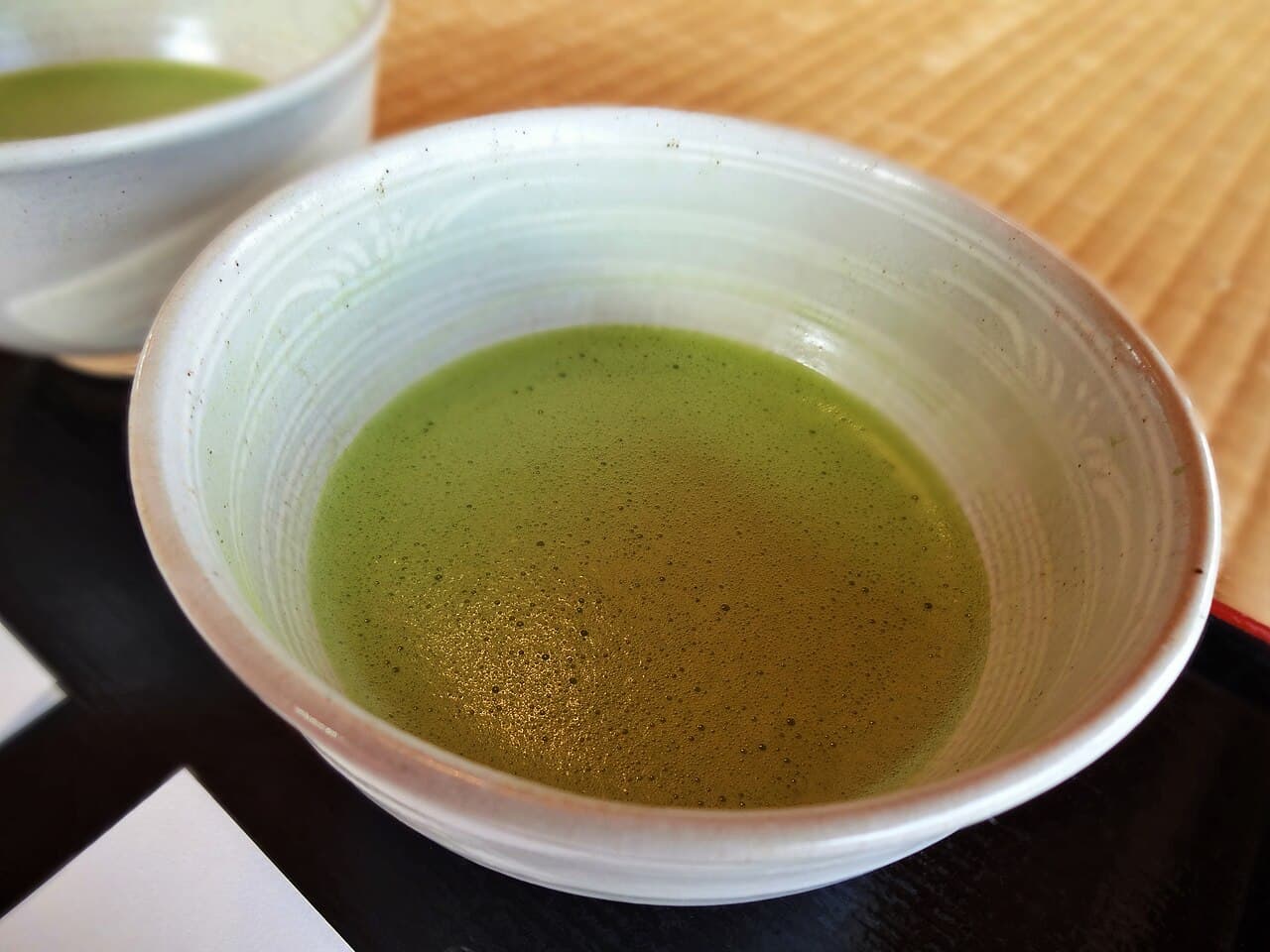
是的——纯抹茶是纯素的。它只是嫩绿茶叶经石磨磨成的粉末,别无他物。真正的陷阱在后面:抹茶拿铁通常用牛奶制作,而抹茶冰淇淋、蛋糕和抹茶奇巧(KitKat)里常常藏着牛奶、鸡蛋或蜂蜜。点一杯纯抹茶茶饮,或要求换成豆浆、燕麦奶,就万无一失。
饮食指南
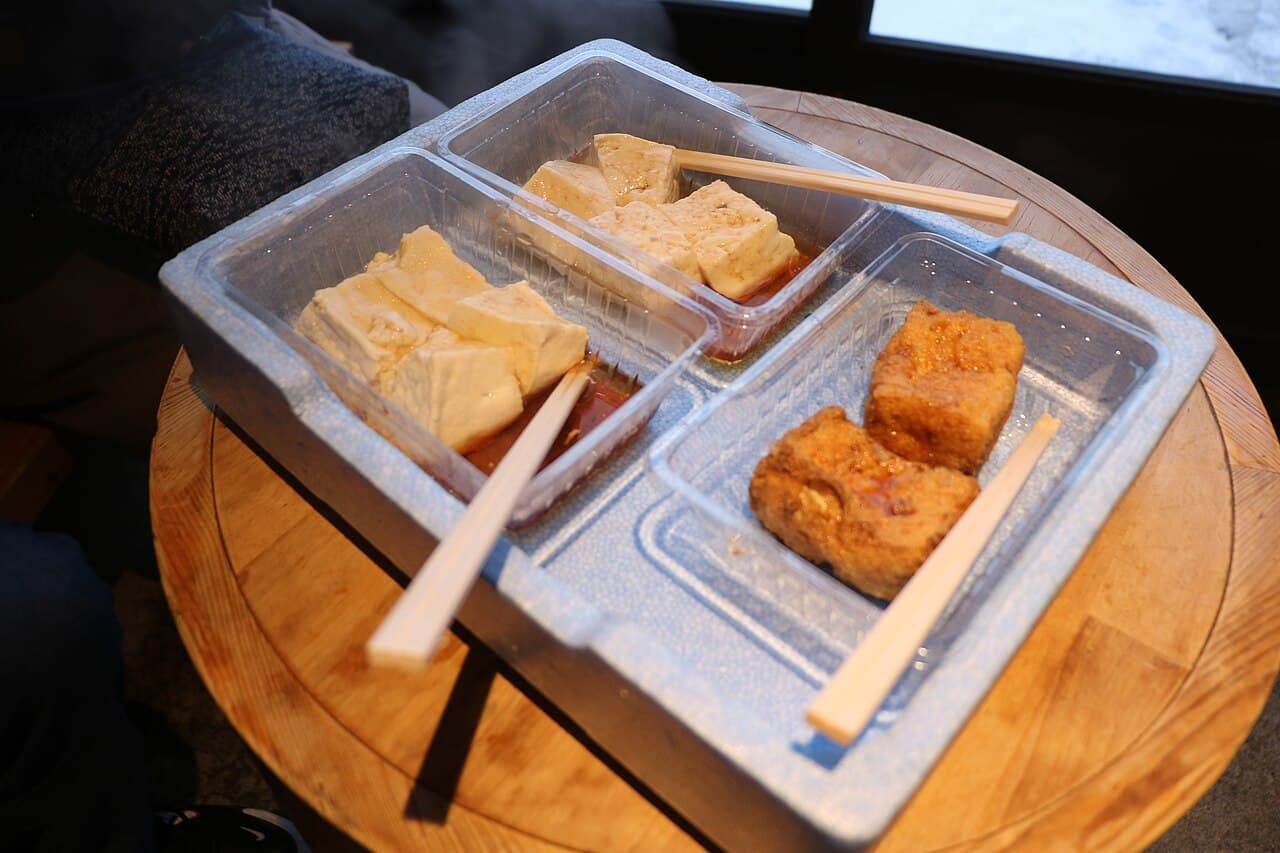
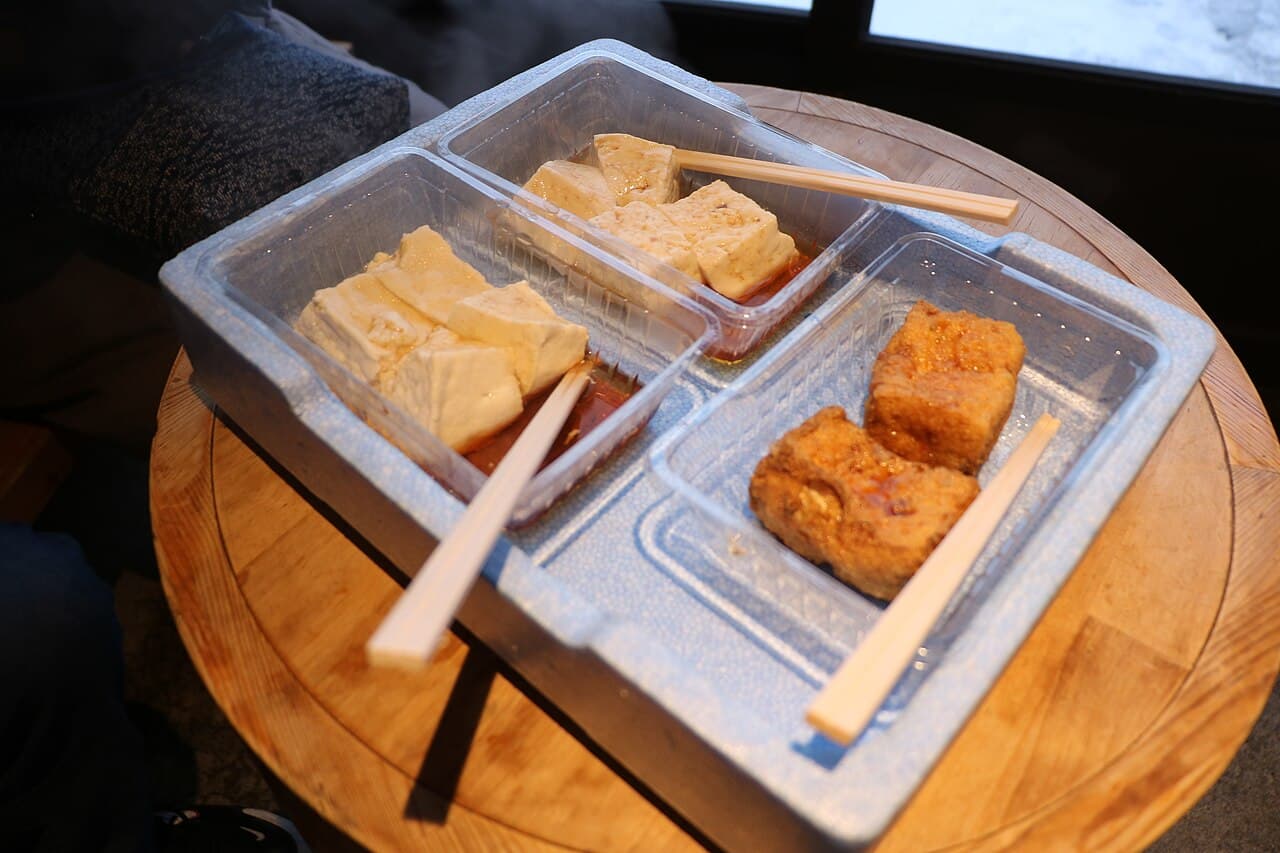
是的——豆腐本身是纯素的。它只由大豆和一种矿物质凝固剂"卤水"制成,不含任何动物成分。陷阱在于它周围的搭配:揚げ出し豆腐里的鲣鱼高汤、冷奴上的干鱼片配料,以及麻婆豆腐里的猪肉。点一份豆腐,问清酱汁,豆腐就会成为日本最简单、最可靠的植物蛋白来源之一。
饮食指南
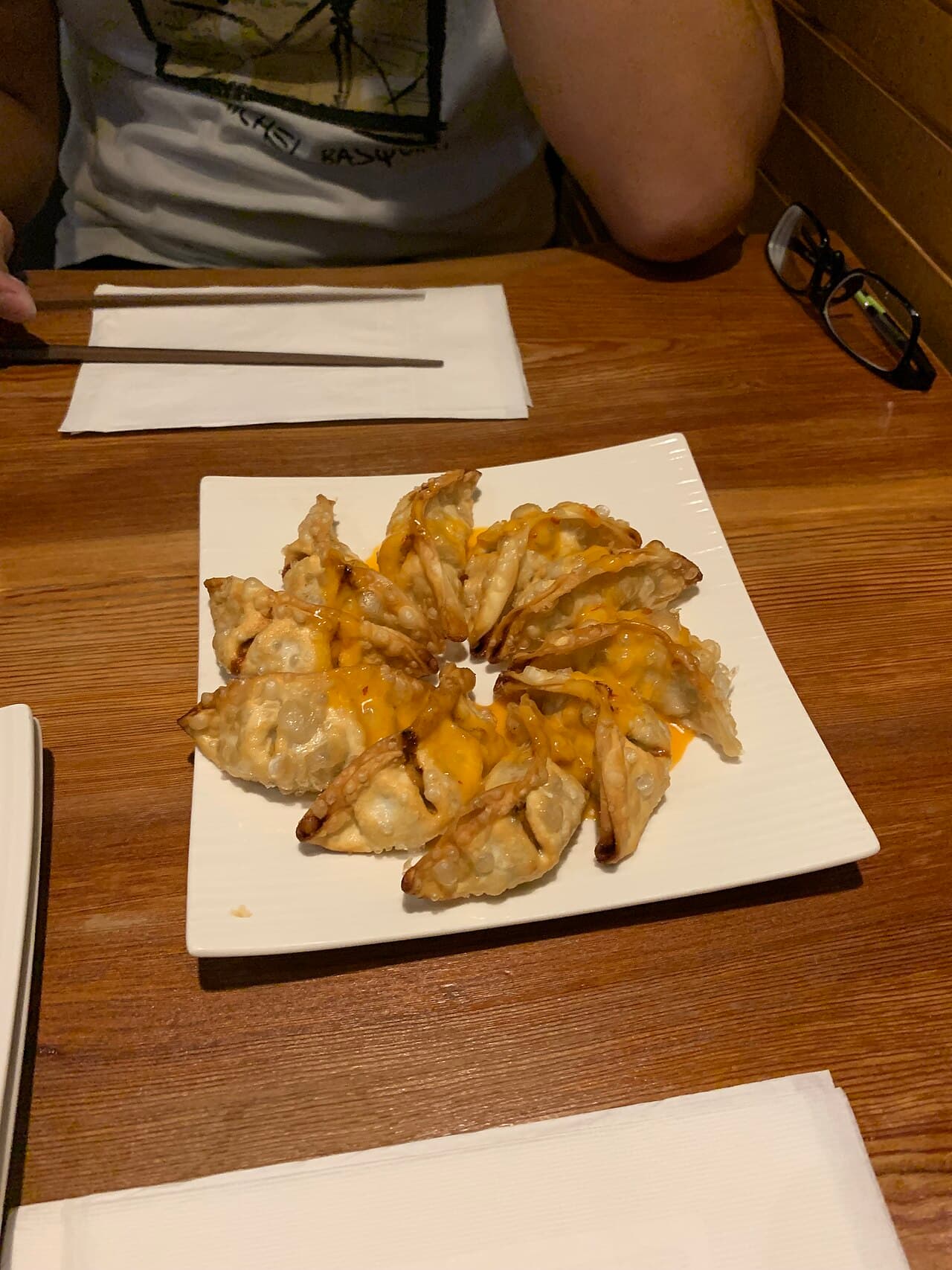
标准的日式煎饺并非纯素——馅料几乎总是猪肉。好消息是:饺子皮本身通常是纯素的(只用小麦粉和水,不含鸡蛋),所以在植物性咖啡馆和中华料理店,蔬菜饺子和纯素饺子都很容易找到、也很安全。真正的隐患藏在馅料里的鸡汤、猪油或高汤(dashi)中。以下是如何在日本吃到植物性饺子。
饮食指南
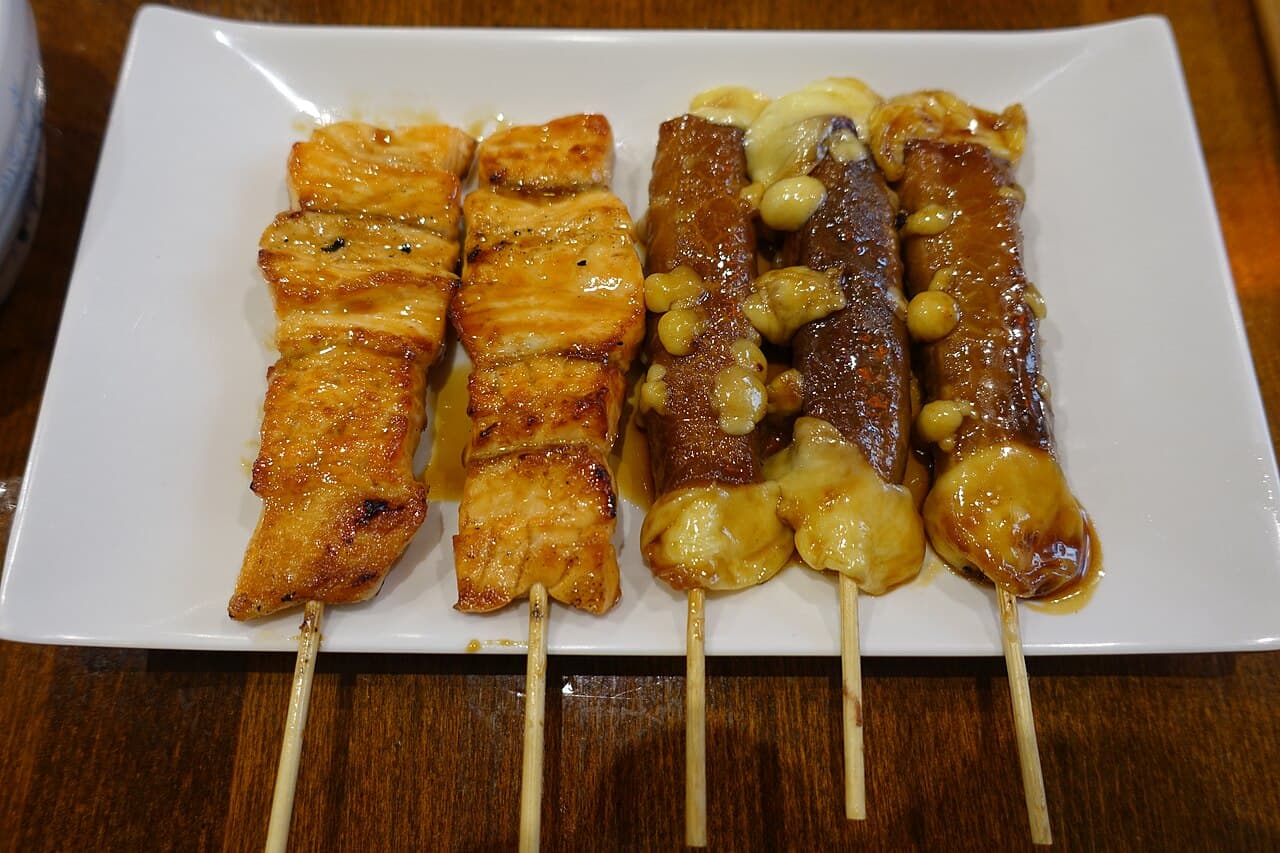
不是——经典烤鸡串就是烤鸡肉,即便是蔬菜串,通常也会蘸上以鸡骨高汤、味醂、有时还加鲣鱼调制的照烧酱(tare)。所以标准烤鸡串并不是纯素的。好消息是:东京的纯素居酒屋确实有"烤鸡串风味"的植物性串烧——香菇、大葱、豆腐和魔芋。下面教你如何分辨、吃得安心。
饮食指南
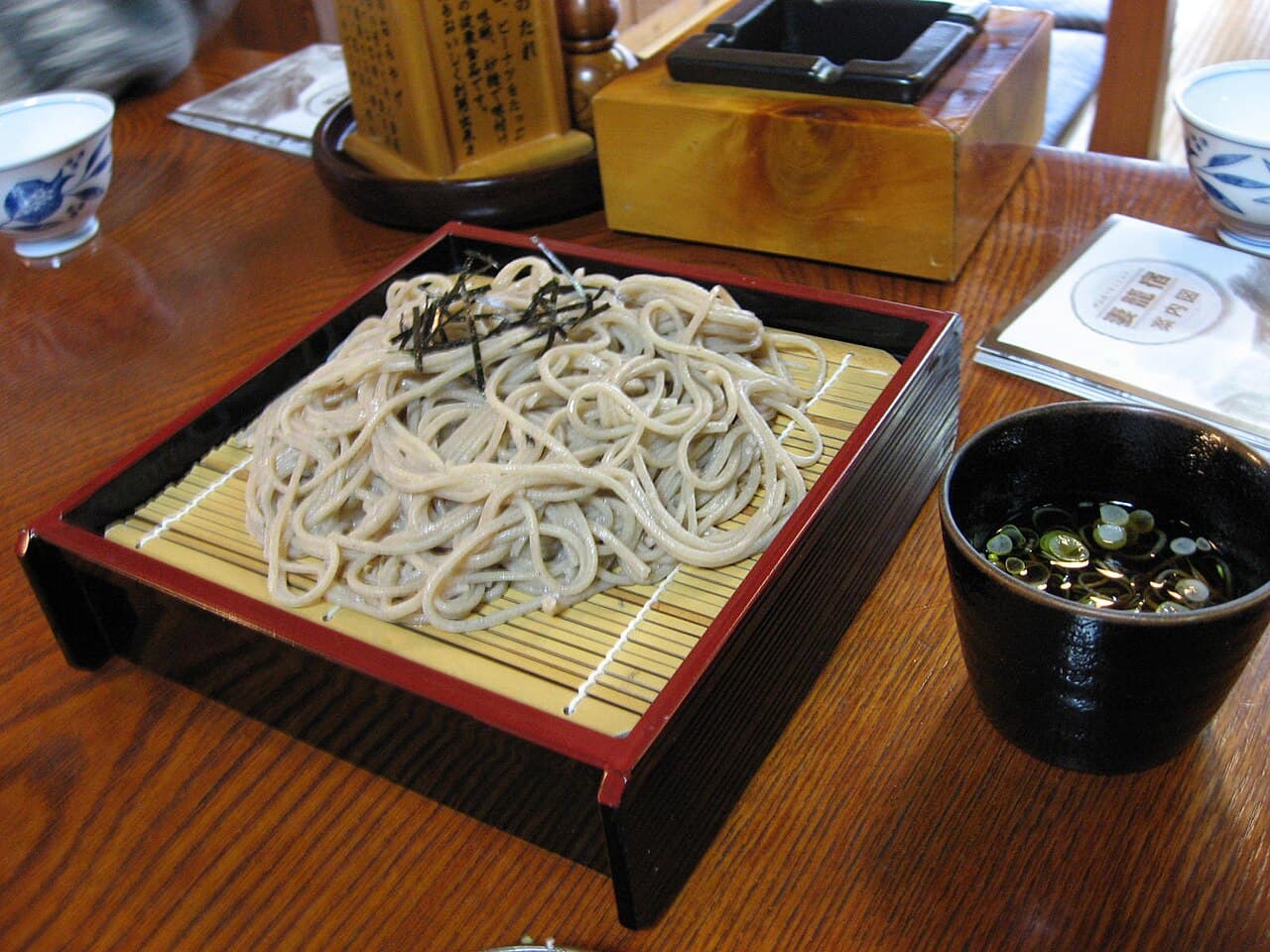
荞麦面是纯素的吗?面条本身通常是——荞麦粉制成,有时会掺入少量小麦——但汤底才是陷阱。大多数餐厅的荞麦面蘸汁或高汤都是用鲣鱼干(木鱼花)或小鱼干熬制的日式高汤(出汁),所以按常规做法端上来的荞麦面并不是纯素的。解决办法:点一份笊荞麦(ざるそば,冷面配蘸汁另上),要求用昆布高汤的蘸汁,或者找专做纯素荞麦面的店家。只要多问一句,就能吃得安心。
地区指南
六本木及其毗邻的麻布,是东京最适合享用一顿精致素食晚餐的地方。这里的优势在于精致:融合现代风格的精进怀石料理、无麸质素食舒适餐,以及从设计之初就以植物性为本的佛寺料理。英文菜单随处可见,让来日旅行的素食者能够安心放松,享用一顿美好的餐点。
区域指南
没错,在银座也能优雅地吃素。这里的头牌是 AIN SOPH. GINZA——一家提供英文菜单的精致全素餐厅;2foods Ginza Loft 主打植物性咖啡简餐;Kannonyama Fruit Parlour(观音山水果客厅)则供应当季水果芭菲。AIN SOPH 建议提前预约,任何看似"纯素"的菜品都要记得确认是否使用了柴鱼高汤(dashi)。
地区指南
得益于历经数百年传承的精进料理(禅宗寺院素斋)与豆腐文化,京都是日本天然最适合素食者的城市之一。从岚山的寺院怀石到下鸭附近的豆浆拉面,在这里吃纯素相当轻松——但有一点务必留意:一定要确认高汤用的是昆布或香菇,而非鱼类。
Translation task
Simplified Chinese translation of the Harajuku vegan restaurants guide (VEGAN JAPAN), delivered as structured title/excerpt/kicker/body/faq with /zh/ internal links.
区域指南
涩谷是东京最容易吃到植物性餐食的街区之一:从涩谷十字路口出发,只需几分钟步程,你就能吃到全素法拉费(falafel)、植物性寿司、纯素居酒屋料理,还有配英文菜单的印度咖喱。唯一要留意的还是老问题——“蔬菜”料理里暗藏的高汤(dashi)和鸡蛋——所以请优先选择下文这些百分之百纯素的店家,点餐前也别忘了再确认一次。
旅途之中
简短结论:在便利店也能吃纯素——只要知道哪些常备品安全、怎么看配料标签。这里整理7-11、罗森、全家里靠得住的选择、要避开的陷阱,以及该认的汉字。
植物性的传统
简短结论:精进料理是禅宗寺院料理,出于戒律完全植物性,是世界上最古老的纯素料理之一。寺院之都京都最适合品尝。这里说清它是什么、在哪里吃、以及如何预约。
Before you go
Short answer: more than you fear, less than you hope — and very doable with a plan. Big cities are genuinely good and improving fast; the trap to learn is dashi (fish stock). Here's the honest picture and a simple plan.
Can I eat it?
Short answer: classic sushi is built around fish, so most isn't vegan — but several traditional pieces are 100% plant-based, the rice usually is, and good restaurants will make vegetable sushi to order. Here's the safe list.
Good news
So much of Japan's everyday food is plant-based by nature. A joyful list of things that are usually vegan — plus the one or two quick checks that keep it stress-free.
Before you fly
Five calm steps that turn 'will I be able to eat?' into excitement — phrases, apps, the one trap to learn, and how to plan a trip you'll love.
基础
清晰又温柔地解释每个词的含义、它们在日本有何不同,以及为什么这整片光谱都值得让人心生欢喜。
这个我能吃吗?
简短的答案:大多数拉面并不是纯素的——但如今的日本有了非常棒的纯素拉面,而且只要知道一句话,一切都会不一样。
健康茁壮
营养师们说,规划得当的纯素、素食或鱼素饮食在生命的每个阶段都是健康的。这里讲讲那几样值得规划的营养素(没错,B12),以及为什么日本是最容易活得健康的地方之一。
联结
家庭聚餐、心存怀疑的朋友、出于好意的那句「你蛋白质从哪儿来呀?」。这里有平静、有据可循的方法,帮你减少摩擦、让关系保持温暖,并在全世界增加志同道合的人——靠吸引,而非争论。
共情
「爱说教的纯素者」这一刻板印象,掩盖了一个更温柔的真相。关于植物饮食背后的价值观、共情与安静的善意,研究是怎么说的——以及为什么你从来无需向谁证明自己。
理解
大多数人选择植物饮食,往往同时出于好几个理由——为了动物、为了健康、为了地球、出于信仰、也为了味道。这里有研究真正告诉我们的答案,为什么这份多元本身就是力量,以及为什么你属于这里。

Every fact on VEGAN JAPAN is checked against at least two independent sources before publication, dated ("as of"), and corrected in public when wrong — this page explains exactly how.
Dietary guide
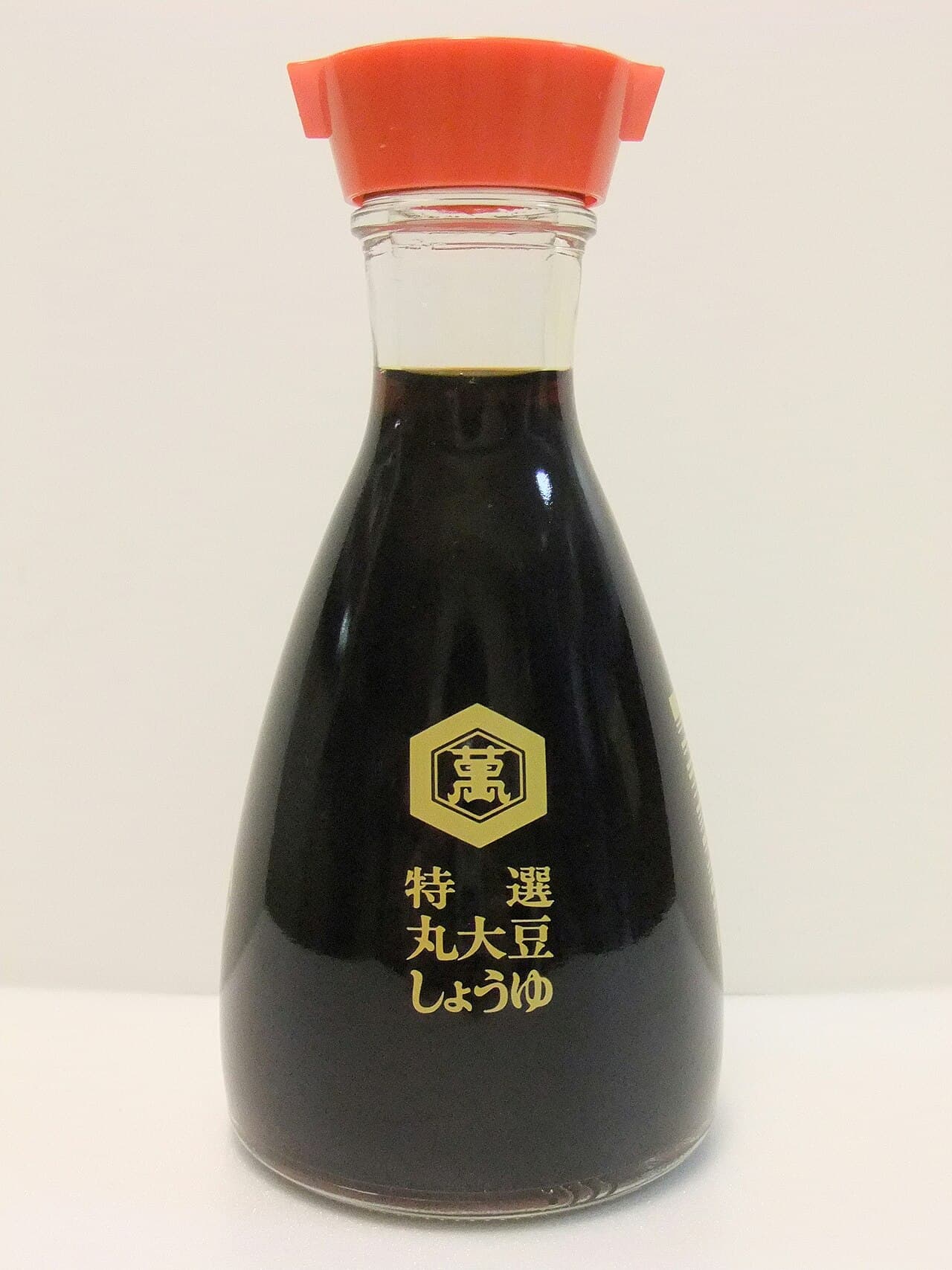
Plain Japanese soy sauce (shoyu) is naturally vegan -- it's fermented from soybeans, wheat and salt, nothing animal-based about the process. The catch is that a lot of what gets called "soy sauce" in restaurants and on shelves isn't plain shoyu at all: tsuyu, ponzu and teriyaki sauce are soy-sauce-based blends that commonly add fish. Here's how to tell them apart, plus the gluten-free tamari option.
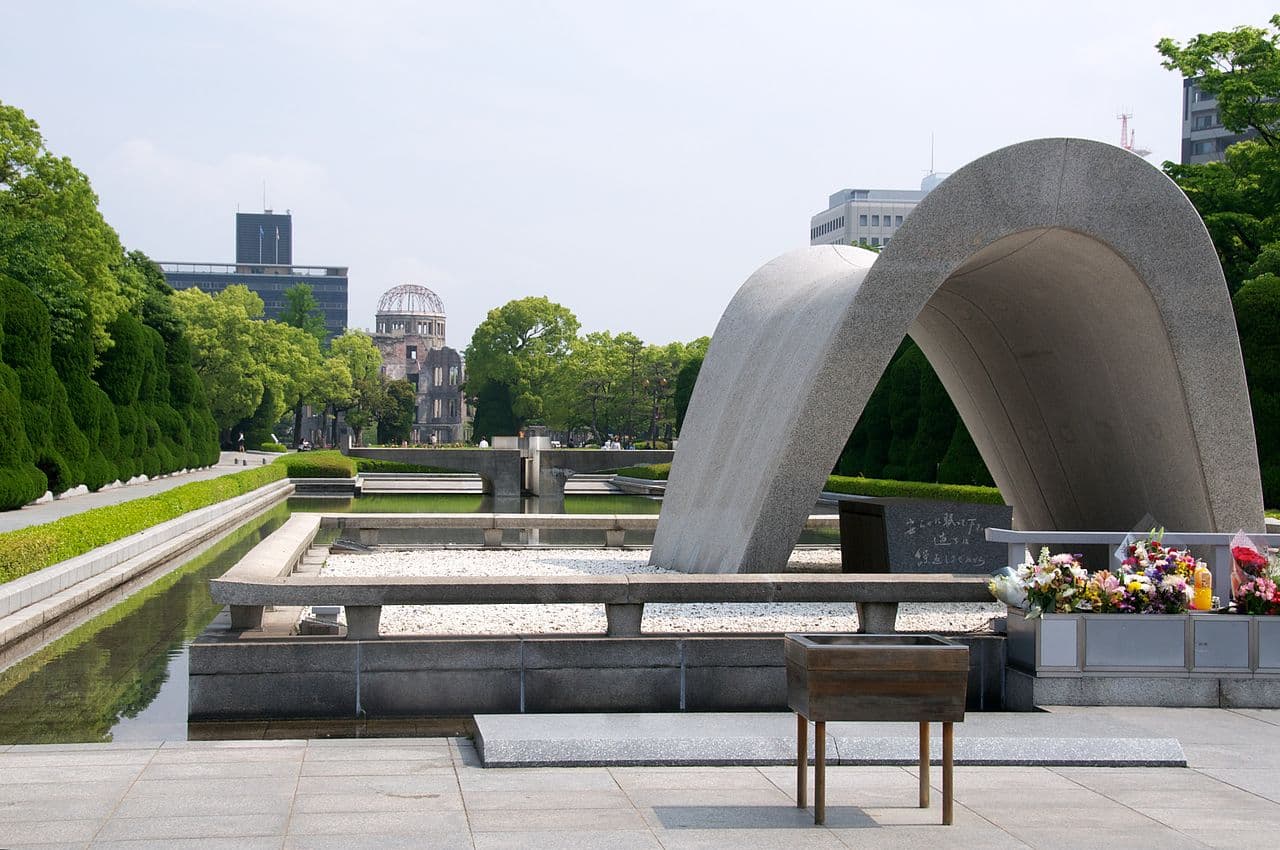
Hiroshima
Until May 2025, Hiroshima had no fully vegan restaurant at all -- you could only get vegan-friendly okonomiyaki with the pork and egg left out. That changed with JoGeSaYu, a five-minute walk from Peace Memorial Park. As of July 2026, here's the honest picture: one fully vegan kitchen from two acclaimed chefs, one dedicated vegan-okonomiyaki specialist, and the one souvenir (momiji manju) that actually has a verified vegan version.
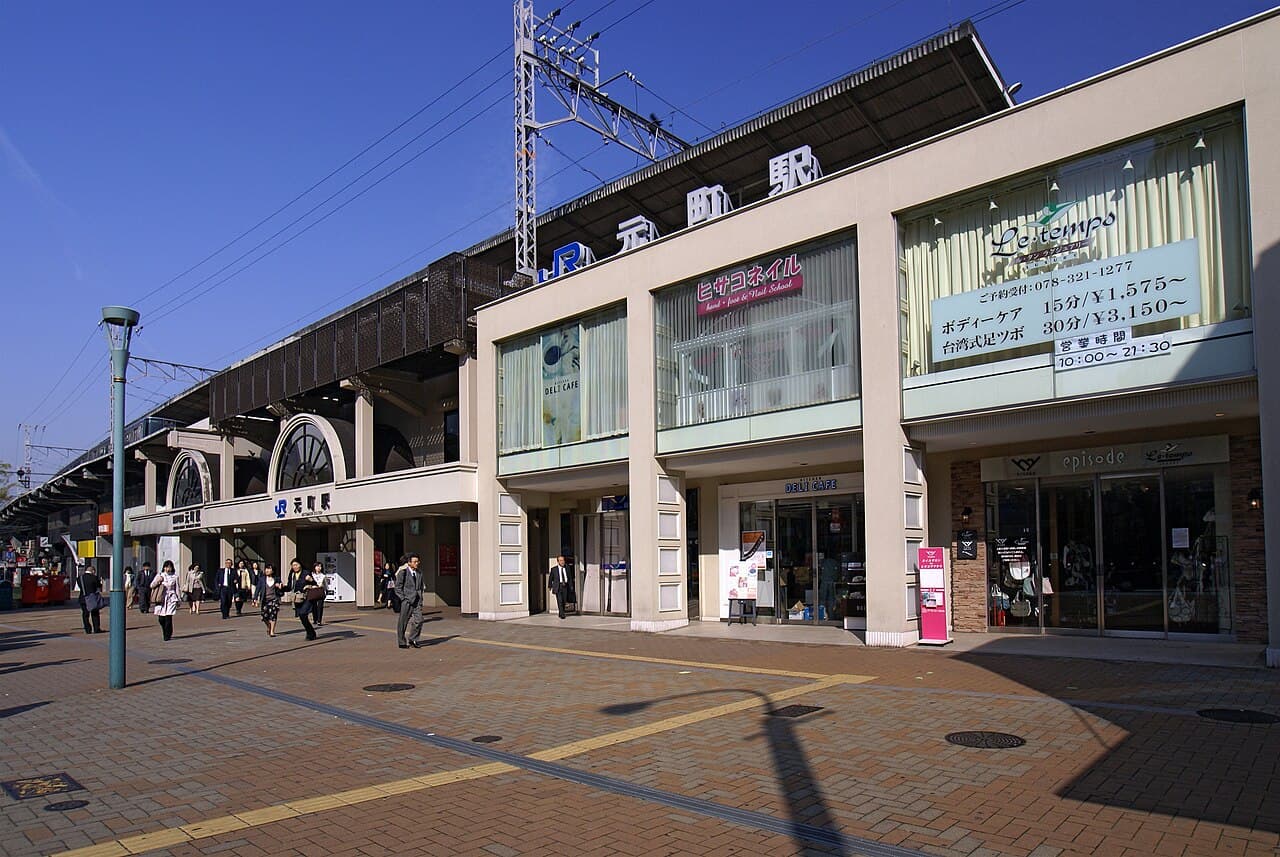
Kobe
Kobe is famous worldwide for a beef so prized it doesn't need a last name -- which makes it an unlikely place to look for vegan food. As of July 2026, three real addresses make it possible: a fully vegan, entirely gluten-free café in Motomachi, a long-running macrobiotic café in Sannomiya with clearly marked vegan dishes, and an Egyptian-run falafel counter between the two. Here's where to go, what to order, and why 'no meat' isn't the same as 'no dashi.'
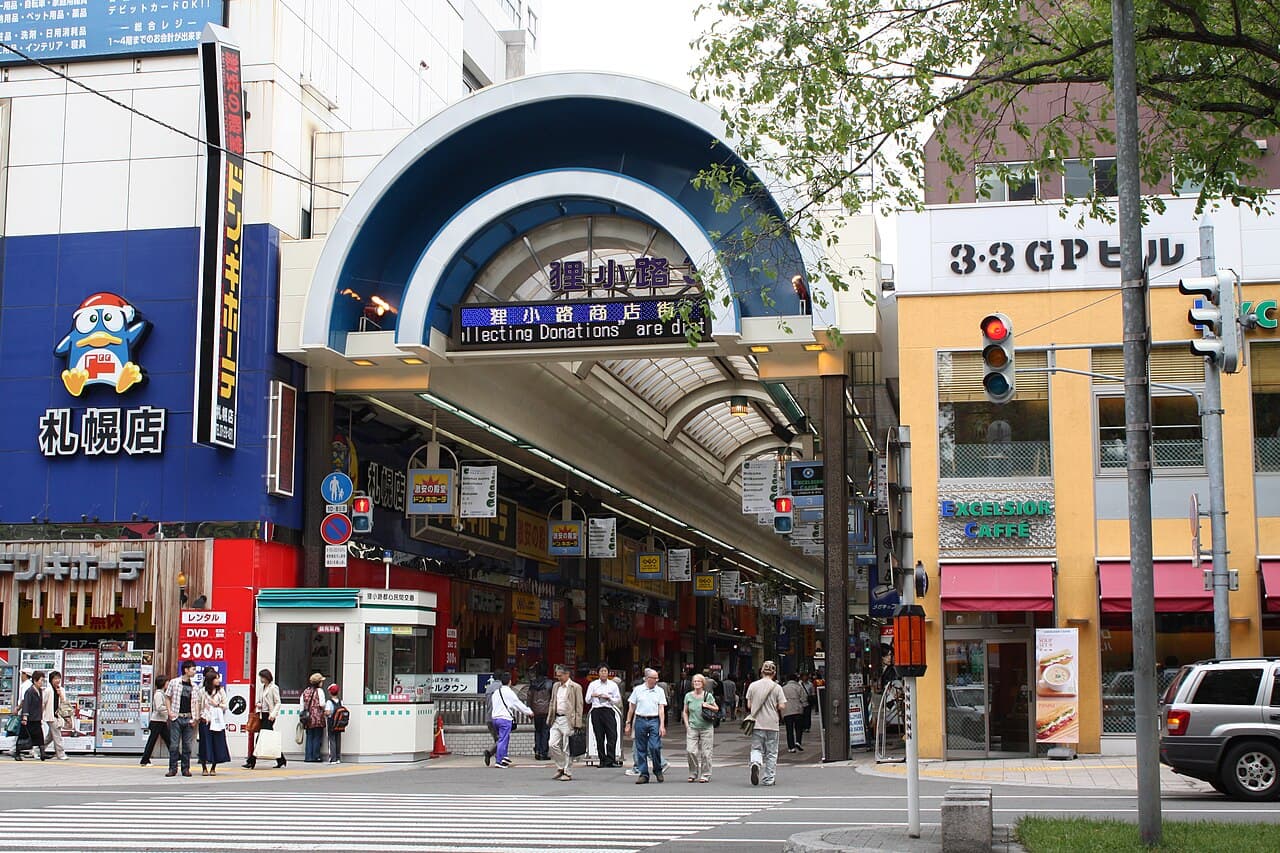
札幌
札幌的饮食文化建立在乳制品、味噌拉面和成吉思汗烤肉这三样纯素者最需要避开的东西上。截至2026年7月,围绕圆山的全素日式料理店、薄野的清真友好纯素拉面、以及市内连锁的纯素汤咖喱这三家展开一天的行程,就能安心用餐。以下是具体去处、点餐诀窍,以及北海道特有的陷阱(黄油、鲜奶油、羊肉)。
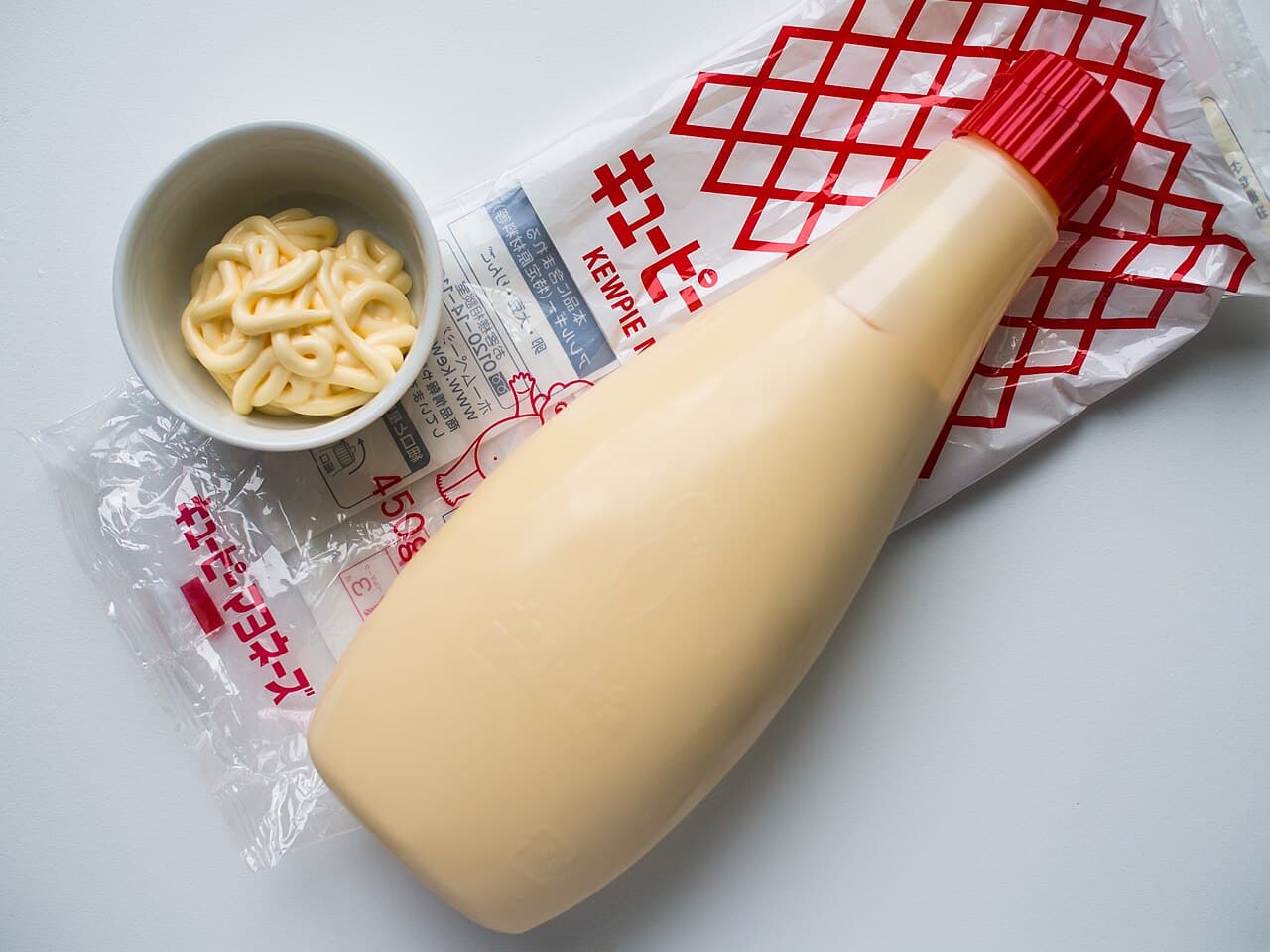
Dietary guide
No -- standard Kewpie Mayonnaise is built on egg yolk (about 3.6 yolks per 450g bottle, by Kewpie's own figures). The same company also makes an official all-plant Kewpie Vegan Mayonnaise, so the fix is checking the specific bottle, not avoiding the brand. For vegetarians who eat egg, though, the standard bottle is fine -- the label lists no meat or fish ingredients.
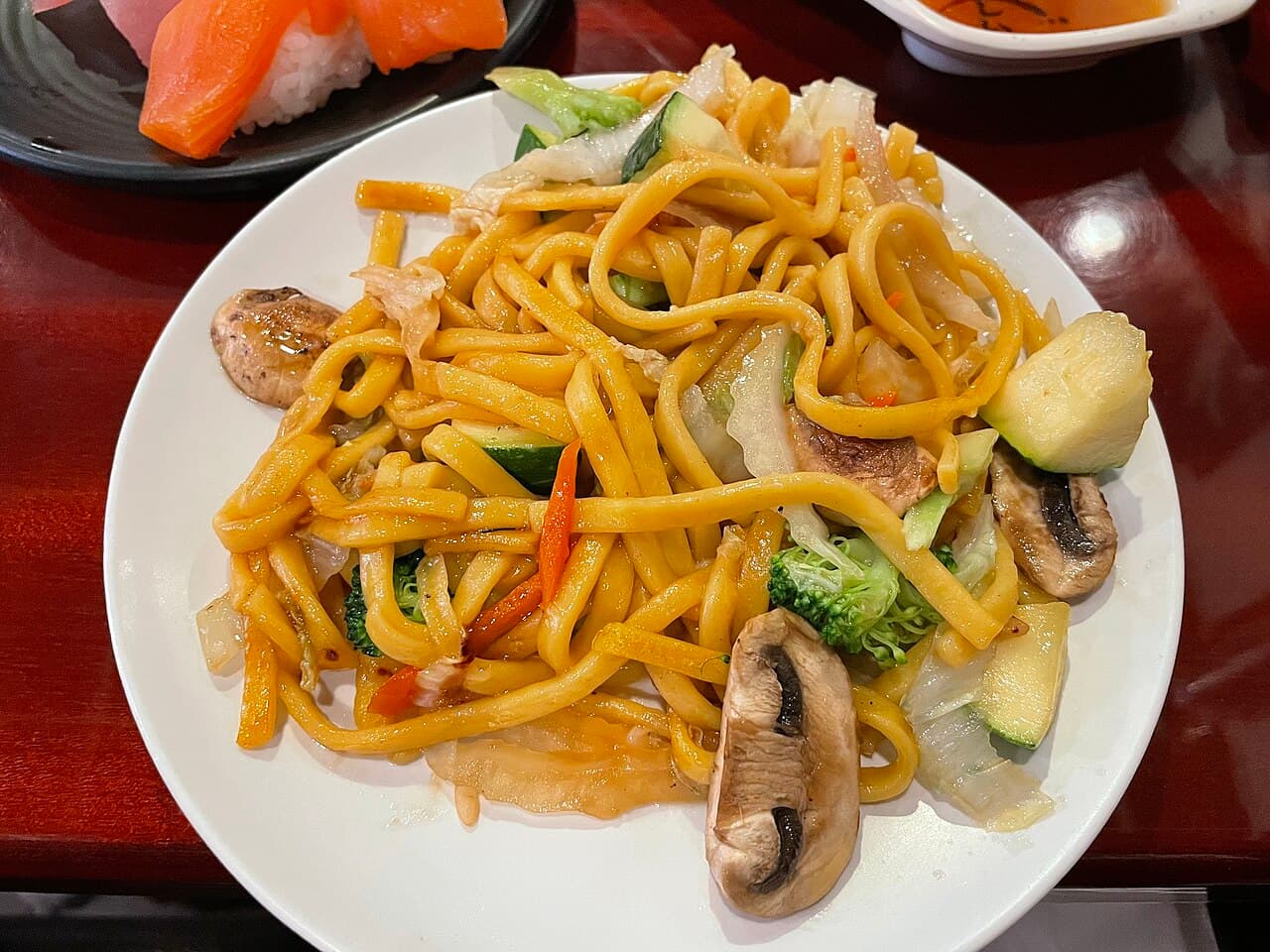
Dietary guide
Usually not. The noodles themselves are just wheat and water, but Otafuku's standard yakisoba sauce -- Japan's dominant brand -- lists oyster extract, meat extract and fish extract. A dedicated vegan version of the same sauce exists for the US market, but it isn't the one used at a Japanese festival stall. The sauce rules out vegetarians too, not just vegans -- only the plain noodles are safe.
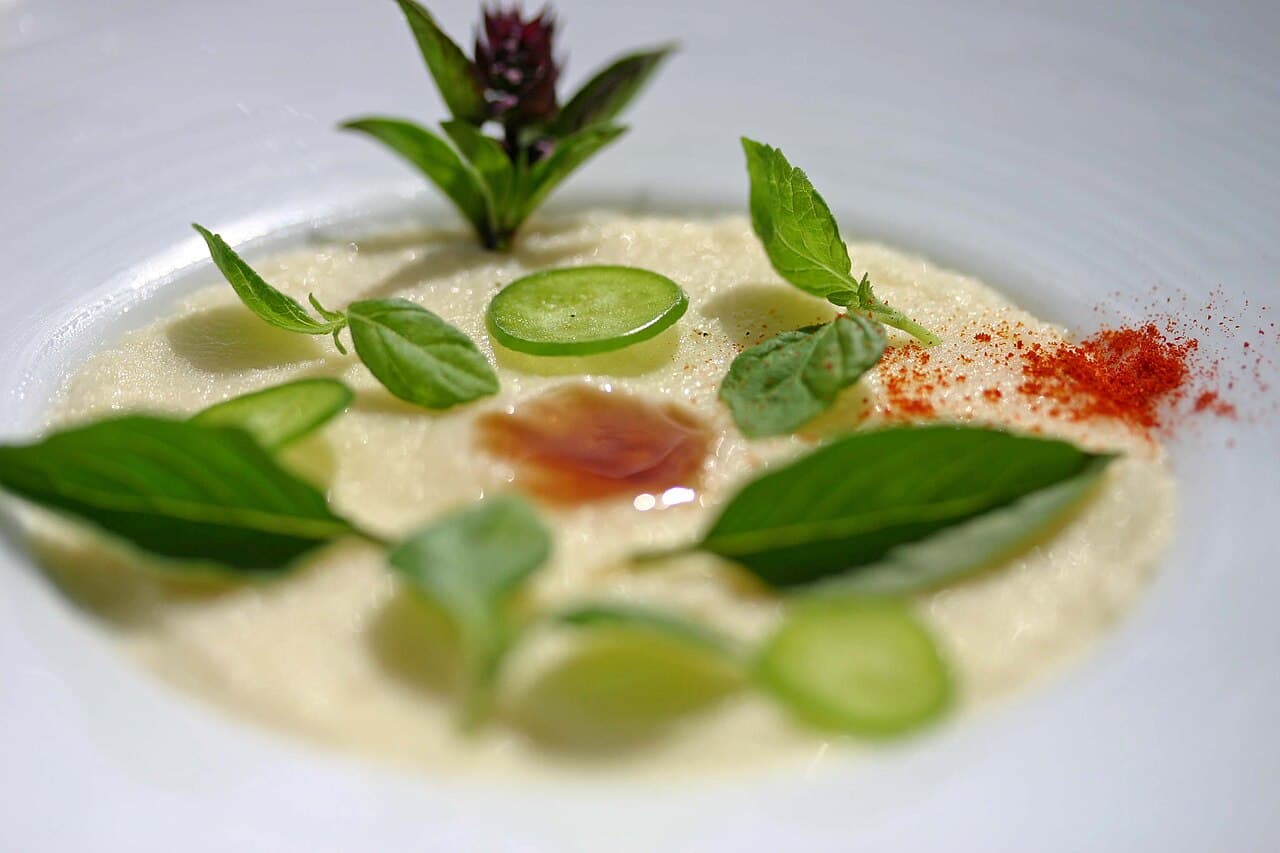
Dietary guide
Usually not. Most bottled ponzu -- including Kikkoman's standard citrus ponzu sauce -- lists bonito (fish) extract as an ingredient. A few dashi-free versions exist, and it's simple to make bonito-free ponzu at home with kombu. The same bonito rules it out for vegetarians too, not just vegans.
