Trend
Tokyo's vegan ramen boom in 2026: real bowls, not afterthoughts

The short answer
Tokyo is now one of the easiest big cities in the world to eat vegan ramen, and 2026 is its breakout moment. Plant-based and plant-friendly venues across the metropolitan area have roughly doubled since 2019, concentrated in Shinjuku, Shibuya, Harajuku, Asakusa and the newer Toranomon Hills cluster — so in the central wards you are rarely more than a short walk from a verified bowl. The big shift is quality: the best vegan ramen here is built to stand on its own, not to apologise for missing meat.
Why now
Two forces are driving it. Record inbound tourism (Japan drew over 10 million visitors in the first quarter of 2026 alone) has created steady demand from travellers who keep plant-based diets, and a growing eco-conscious local audience is meeting it. The cooking has caught up too: 2026 has brought a wave of bowls whose umami comes from shiitake and other mushrooms, roasted vegetables, kombu kelp and fermented miso — the same playbook shojin temple cuisine has used for 800 years to build savoury depth without animal products.
The trap to know
The oldest vegan trap in Japan still applies: dashi. A bowl can look entirely plant-based and still sit in bonito (katsuo) or niboshi (sardine) fish stock, and toppings like chashu, egg (ajitama) and certain oils can hide animal products. The good news is that dedicated vegan-ramen shops design this out — but at a general ramen-ya, always confirm the broth is animal-free, and watch for fish dashi specifically.
Bowls worth crossing town for
Our directory points to standouts. Vegan Ramen UZU Tokyo, the plant-based concept from the team behind a celebrated art collective, serves a refined, fully vegan bowl. The Tokyo Vegan Ramen Center in Harajuku is a dedicated all-vegan shop. Soranoiro Nippon near Tokyo Station built its name partly on vegetable-forward ramen and offers vegan options. T's TanTan, inside Tokyo Station's Keiyo Street, is the famous all-vegan tantanmen that has converted countless sceptics. And Konjiki Hototogisu in Shinjuku-Gyoen is a former Michelin-starred ramen-ya offering a plant-based bowl — proof of how mainstream this has become.
How to eat well
Lead with the dedicated shops above, where vegan is the default rather than a special request. If you venture into a general ramen-ya, say bīgan desu (I'm vegan) and ask katsuo-dashi wa haitte imasu ka? (does it contain bonito dashi?). For the hidden-ingredient deep dive, see our vegan and vegetarian guides and the dietary phrase sheet — and remember that Tokyo's plant-based map keeps growing month to month.
我们已确认的餐厅
Tokyo Vegan Ramen Center
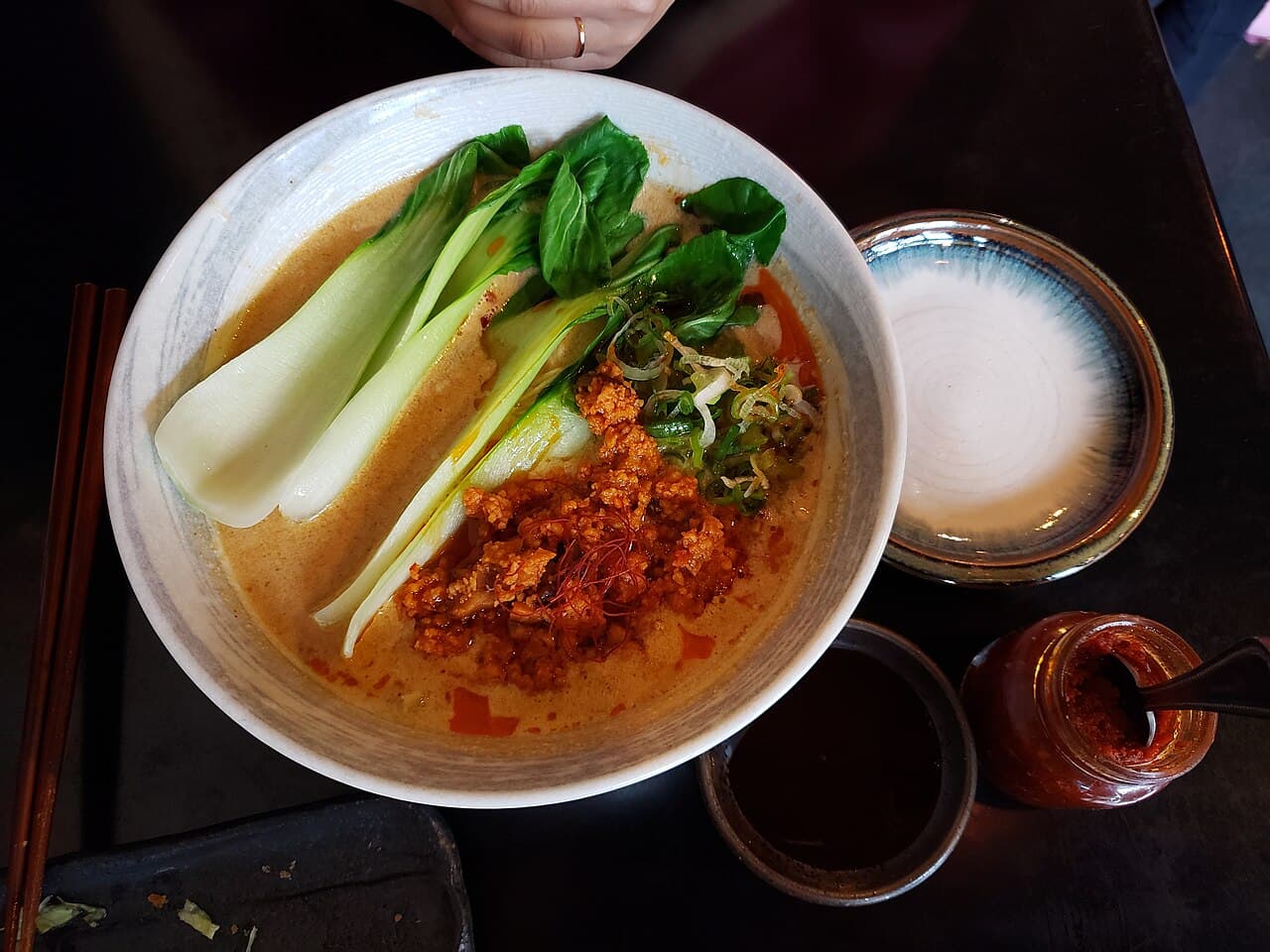
奶香芝麻酱汤底拉面配大豆肉与生蔬菜
一家100%纯素拉面专门店,2025年6月开在原宿Laforet附近,距明治神宫前站几分钟。招牌一碗以浓郁芝麻酱汤底搭配大豆肉与缤纷生蔬菜。
- 纯素
- 素食
- 休闲
- 一人用餐
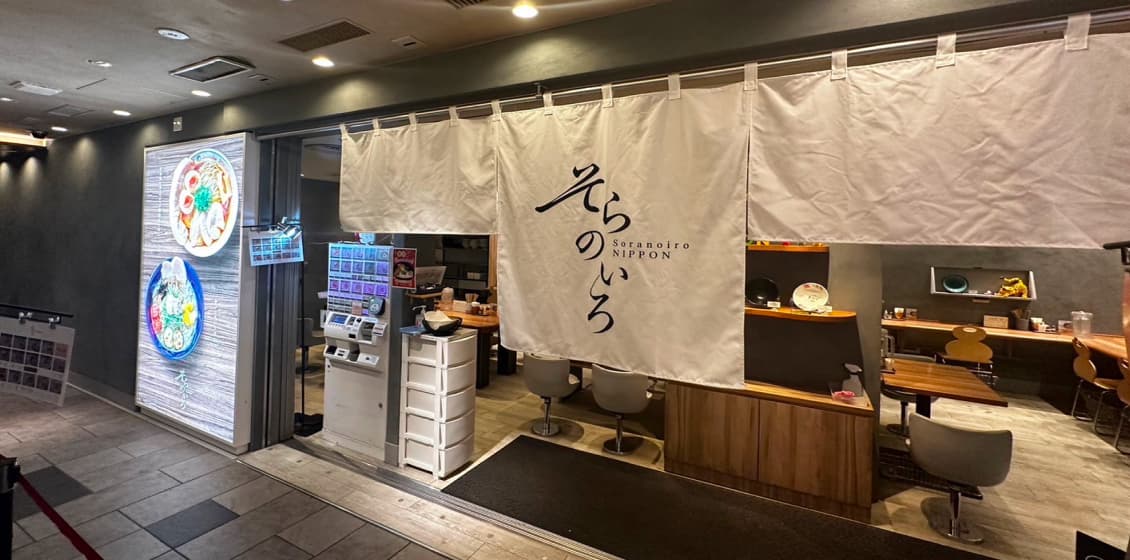
Soranoiro NIPPON
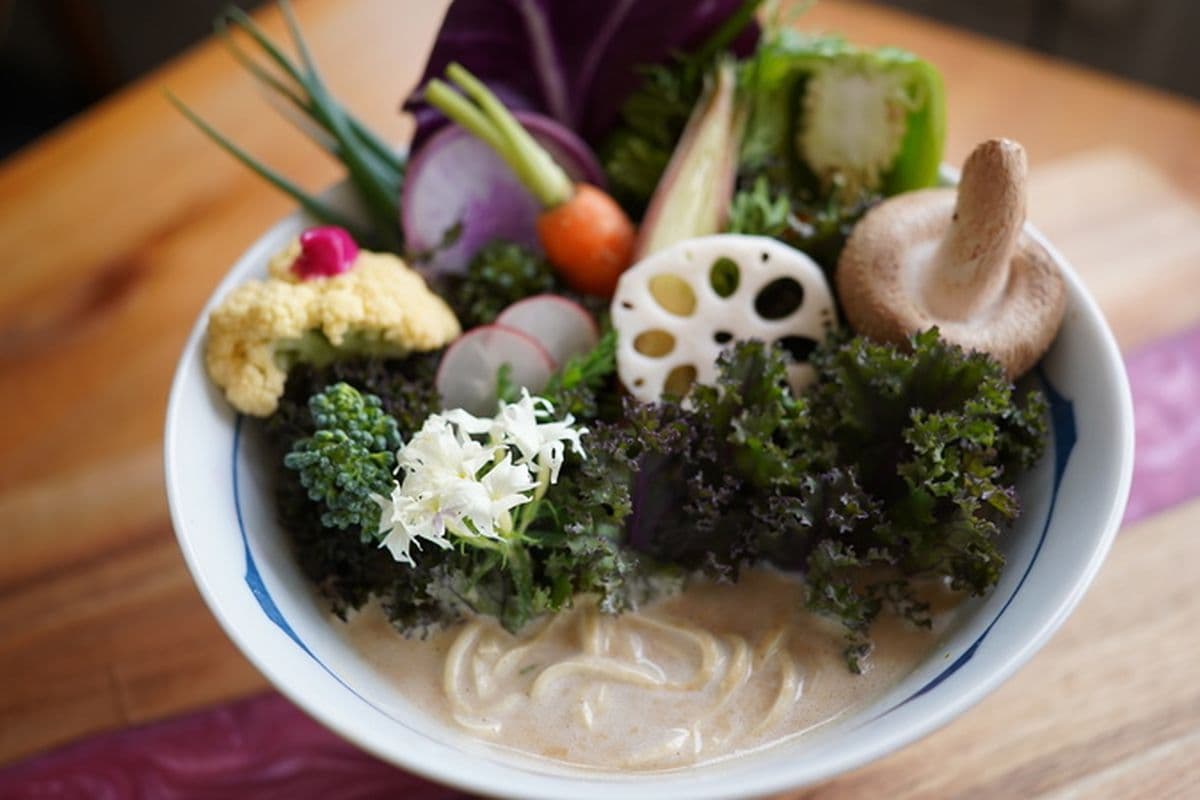
米制面的无麸质盐味拉面;蔬菜“Vegisoba”
东京拉面街上一家人气店,提供以米制面做的无麸质盐味拉面,以及色彩缤纷的蔬菜“Vegisoba”。属有选项的店而非专门无麸质厨房——官网提醒可能交叉污染,故乳糜泻者不宜。
- 无麸质
- 素食
- 休闲
- 一人用餐
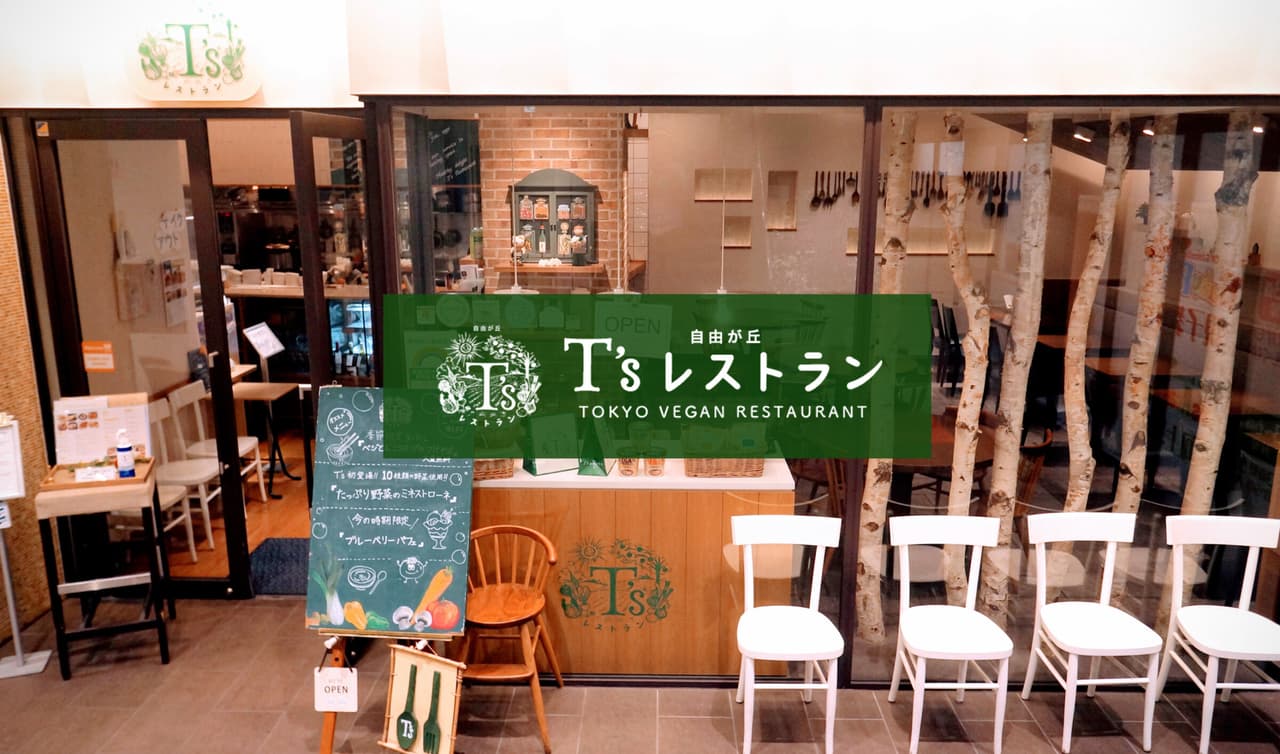
T's TanTan (Tokyo Station)
金芝麻担担面(纯素)
位于东京站检票口内的100%纯素担担面专门店,奶香芝麻汤底连资深拉面食肉客都能骗过——换乘途中歇脚的一碗好选择。
- 素食
- 纯素
- 无乳制品
- 一人用餐
Sources
FAQ
- Is vegan ramen easy to find in Tokyo in 2026?
- Yes — more than ever. Plant-based and plant-friendly venues across Tokyo have roughly doubled since 2019, concentrated in Shinjuku, Shibuya, Harajuku and Asakusa, and several dedicated vegan-ramen shops now build deep umami from mushrooms, kombu and miso. In the central wards you are rarely far from a verified bowl.
- Can ramen that looks vegetable-based still contain animal products?
- Yes. The most common trap is fish dashi — bonito (katsuo) or sardine (niboshi) stock — which can sit under a bowl that looks plant-based. Toppings like chashu pork, egg and some oils also hide animal products. At dedicated vegan-ramen shops this is designed out; at a general ramen-ya, always confirm the broth is animal- and fish-free.