
城市指南
初次在京都吃饭:一座宁静、对植物性友好的城市
为何京都是那座轻松的城市
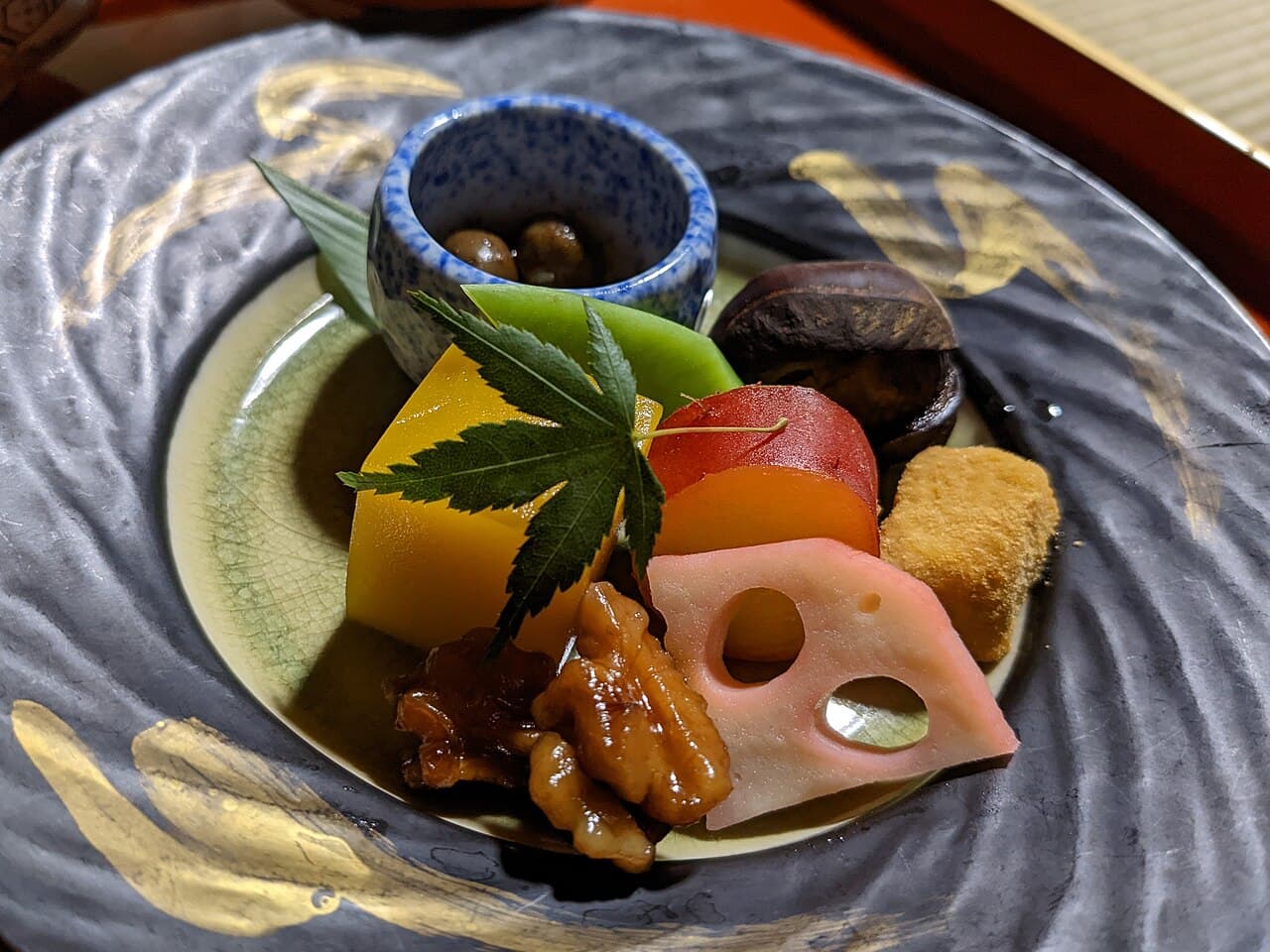
京都围绕佛教寺院建立起自己的饮食文化,而这段历史至今仍显现在餐盘上。精进料理——赋予日本第一份精致素食烹饪的寺院料理——以及这座城市对 豆腐和豆皮(yuba) 的痴迷,意味着在这里以植物为先地用餐是真正的传统,而非现代的迁就。节奏也有帮助:京都比东京安静,各处距离步行或短途巴士即可抵达,厨房也习惯于细心的食客。唯一要记住的陷阱和日本各地一样——用柴鱼(katsuo)熬制的高汤。即便一道“蔬菜”菜肴也可能浸在鱼高汤里,所以务必确认。
该去哪里吃
先从正宗的开始:Shigetsu,位于岚山 天龙寺 内、由寺院经营的禅宗素食餐厅(米其林必比登),其汤底用昆布和香菇,绝不用柴鱼——严格纯素者只需在预订时确认鸡蛋和蜂蜜。晚餐方面,Tousuiro 是京都市中心一家高档的河畔豆腐怀石店,配有完整英文菜单和一份专门的无鱼纯素套餐(请点“Rokuhara”套餐——标准的豆腐套餐很可能使用柴鱼高汤)。两家拉面专门店照顾了更棘手的饮食:Gion Soy Milk Ramen Uno Yukiko 使用米粉面条和无麸质酱油,是京都最可靠的无麸质、无鱼面碗之一(麸质不耐食客应直接确认交叉污染),而位于宁静下鸭的 Towzen 自 2018 年起全纯素,用清爽的昆布豆浆汤底。穆斯林旅客可选 Ayam-Ya Karasuma,一家第三方清真认证的鸡肉拉面柜台,设有祈祷室和英文菜单。
规划你的行程
按街区归类:岚山(Shigetsu、寺庙、竹林)适合西部的半日游;祇园和木屋町(Uno Yukiko、Tousuiro)用于市中心和夜晚;乌丸适合一顿快速的清真认证午餐。这几家店有的周中歇业,也有几家仅营业午餐,所以出发前请查看日期和营业时间,并将目录筛选到 京都 来规划你的路线。
我们已确认的餐厅
Shigetsu (Tenryu-ji)
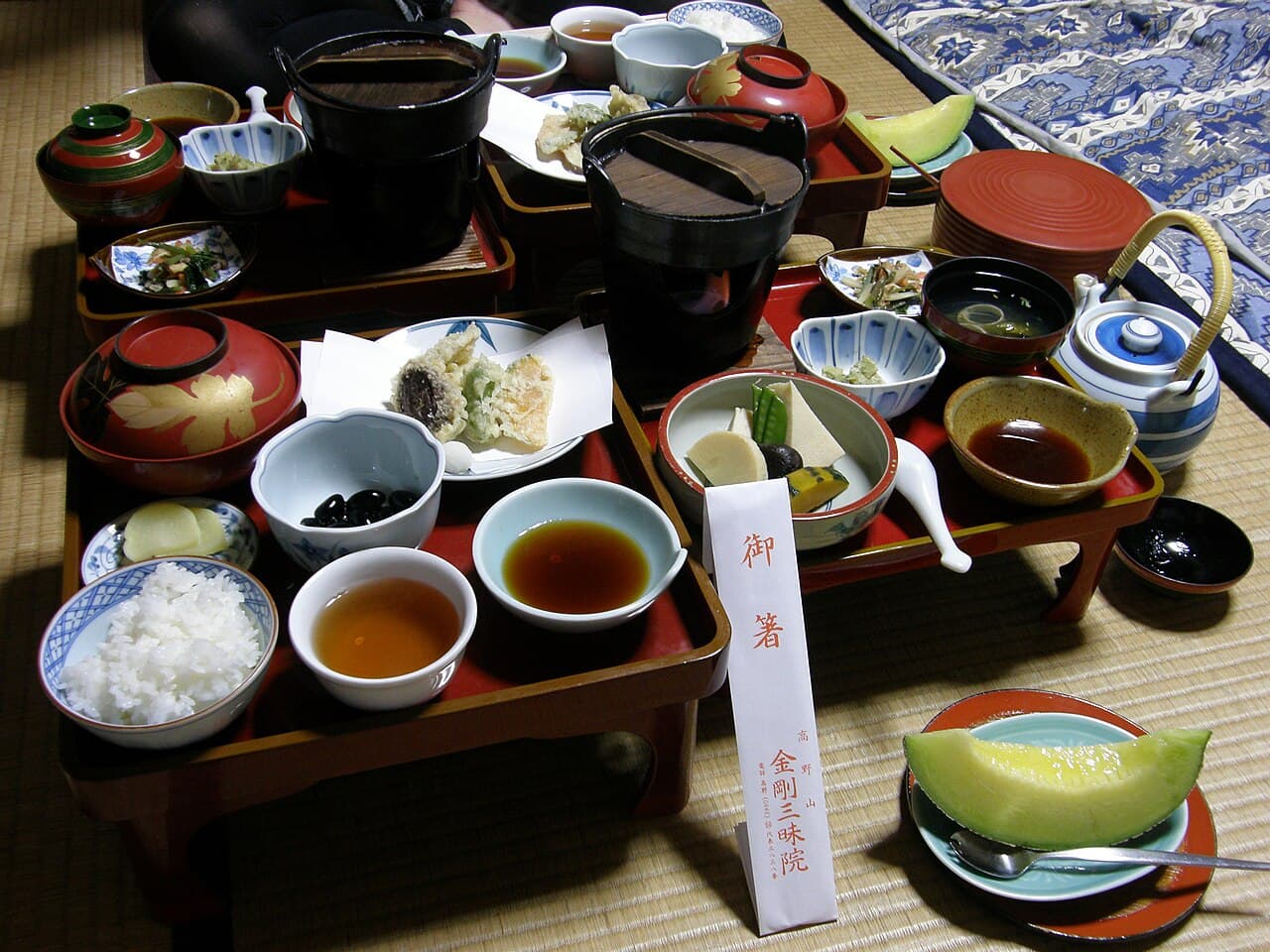
以漆器盛装的时令多道式精进套餐
岚山名刹之一天龙寺内由寺院经营的禅意素食(米其林必比登推介,京都·大阪2025),以漆器呈上时令多道式套餐。传统精进料理以昆布与香菇取代鱼高汤,故无鲣鱼汤底;菜单未公开标注蛋或蜂蜜,严格纯素者预约时请确认。课程之外另需庭园门票。
- 素食
- 纯素
- 无乳制品
- 约会
- 纪念日
- 休闲
- 包间
Tousuiro Kiyamachi
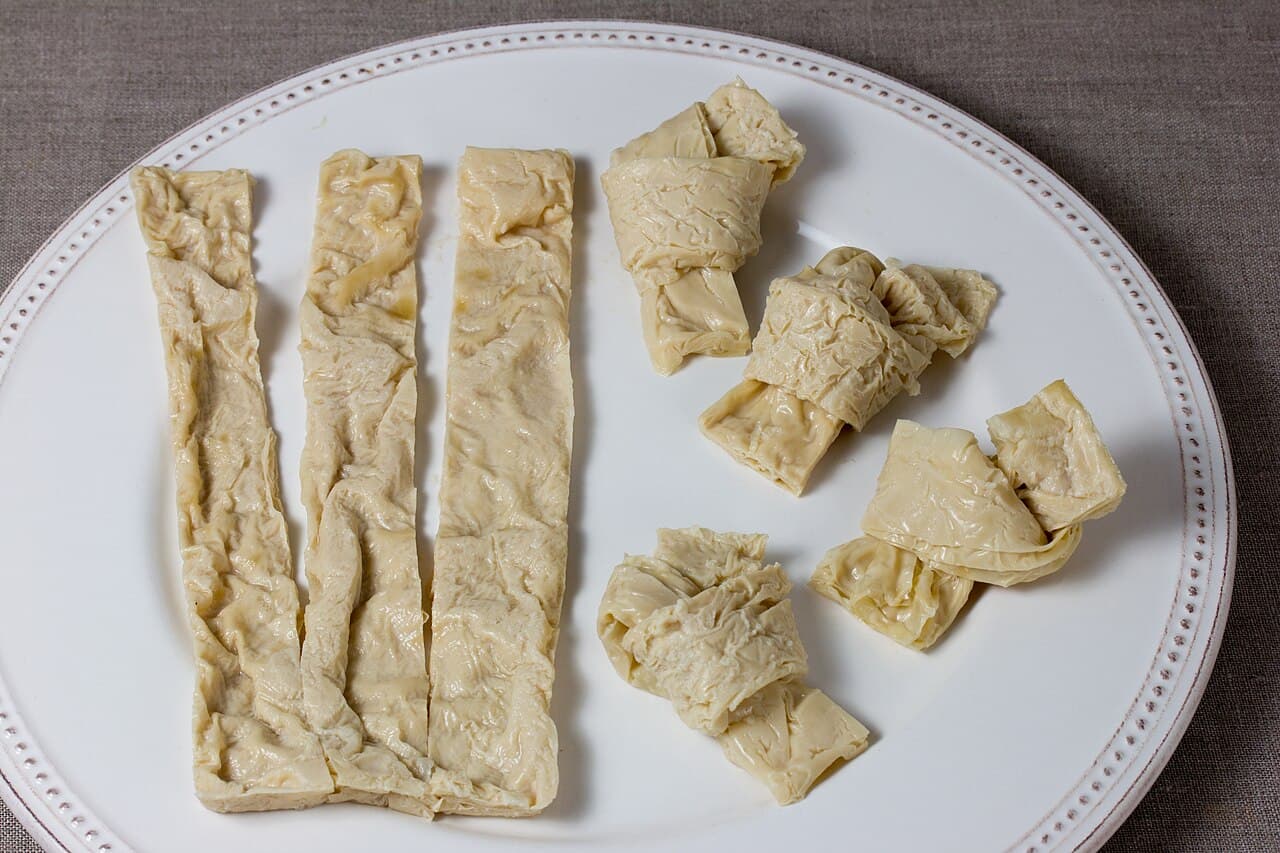
丝滑朧豆腐与湯叶组成的时令多道式料理
京都中心一家高档的河畔豆腐怀石店,以时令多道式呈上丝滑朧豆腐与湯叶,备有完整英文菜单及夏季河畔(川床)座位。设有专门的无鱼纯素套餐(“六波罗”),不含肉、贝、蛋、乳或鱼——但须特别点这一套餐,因标准豆腐套餐很可能用鲣鱼高汤。
- 鱼素
- 素食
- 纯素
- 无乳制品
- 约会
- 纪念日
- 商务
- 包间
Gion Soy Milk Ramen Uno Yukiko
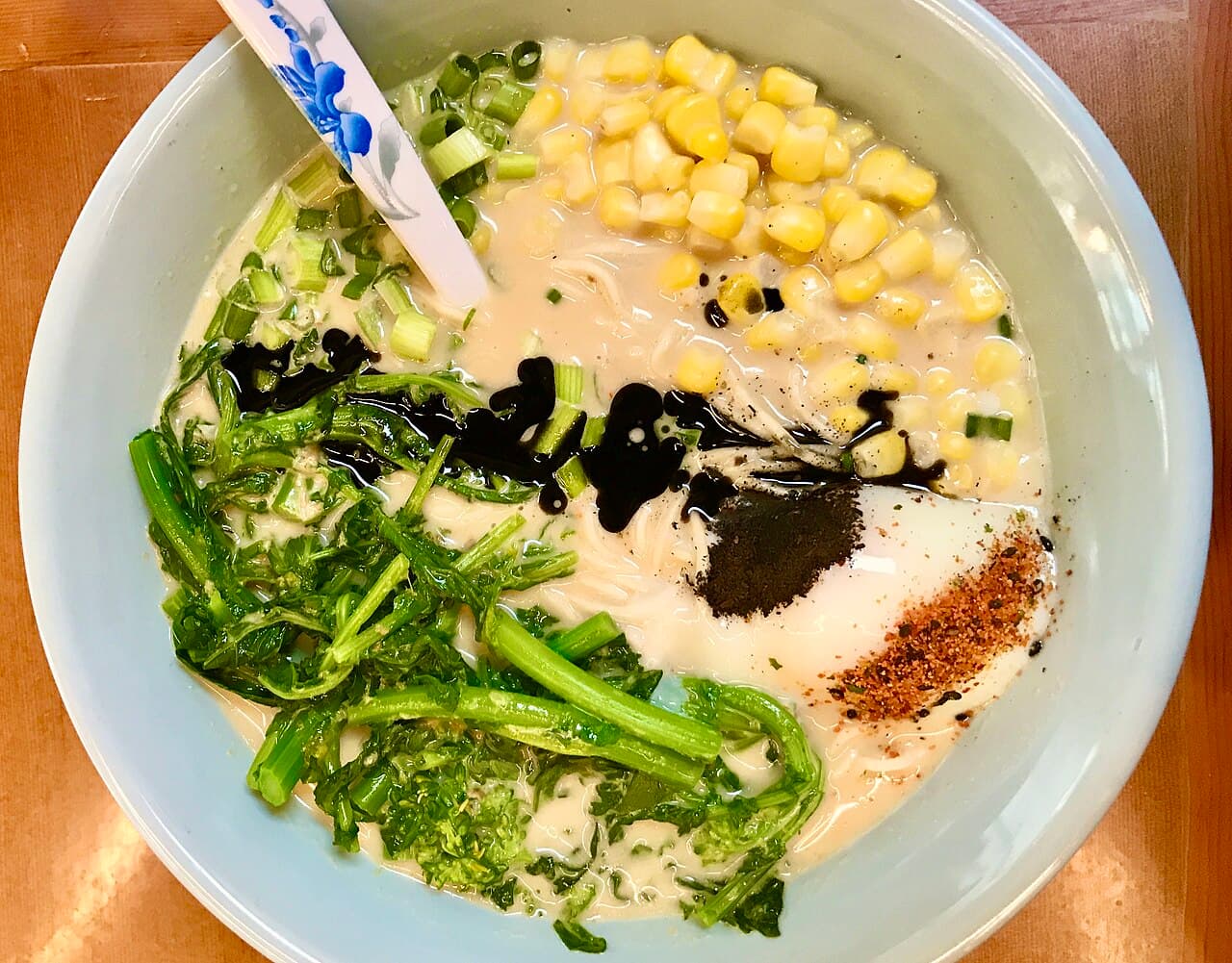
米粉面与无麸质酱油的奶香豆乳拉面
祇园一家由甜点师宇野幸子主理的纯素兼无麸质拉面专门店,用米粉海带面与无麸质酱油配豆乳汤底——是京都最可靠的无麸质、无鱼高汤拉面之一。最强的“专用厨房”说法多来自第三方而非店家本身,乳糜泻食客应直接向店员确认防交叉污染流程。
- 纯素
- 素食
- 无麸质
- 无乳制品
- 休闲
- 一人用餐
- 约会
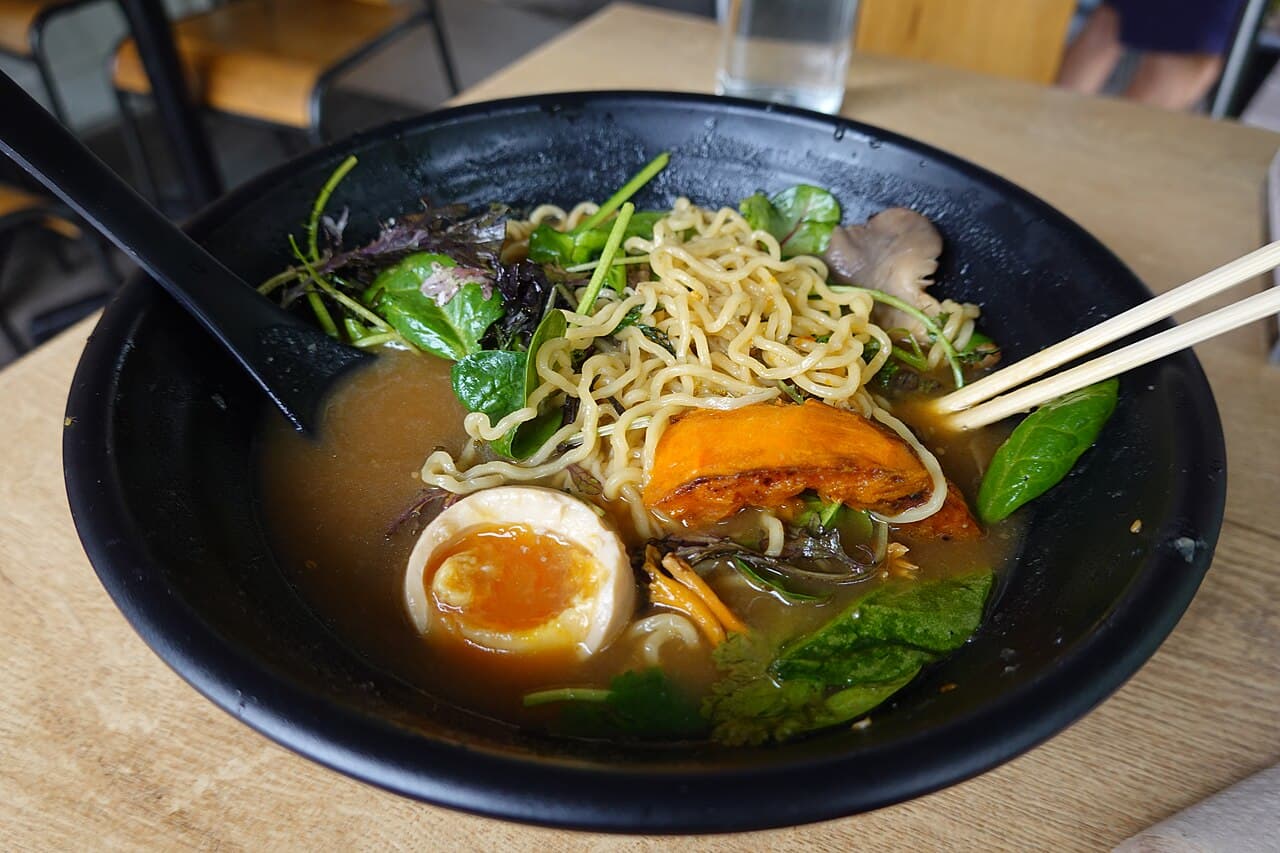
Towzen (Mamezen)
昆布大豆汤底的奶香豆乳拉面(无鱼高汤)
位于宁静下鸭的一家全纯素豆乳拉面小店,2018年起即为纯素,奶香昆布豆乳汤底完全不含鱼高汤——是京都最纯粹的严格纯素拉面之一。也避用佛教五辛(葱与蒜)。面含小麦,故纯素但非无麸质;周中休息,前往前请查营业日。
- 纯素
- 素食
- 无乳制品
- 休闲
- 一人用餐
常见问题
- 京都真的比东京更素食友好吗?
- 对于植物性饮食来说,是的——京都的寺院料理(精进料理)以及豆腐/豆皮传统,意味着全素的多道套餐是当地文化的一部分,而非特殊要求。唯一要处处确认的是柴鱼(鱼)高汤,它可能藏在原本是蔬菜的菜肴里。
- 我能在京都找到清真美食吗?
- 可以,尽管选择比东京少。Ayam-Ya Karasuma 是一家第三方清真认证的鸡肉拉面店,设有祈祷室和英文菜单。前往前请确认营业时间,因为它基本只营业午餐且周中歇业。