Starbucks Japan is rare among Japanese chains in publishing a written definition of plant-based — one that counts honey as an animal ingredient. Milk substitution, though, splits: free on a Starbucks Latte, +¥55 for oat or almond on other drinks. Here is the official definition, the current lineup, and the whipped-cream trap.
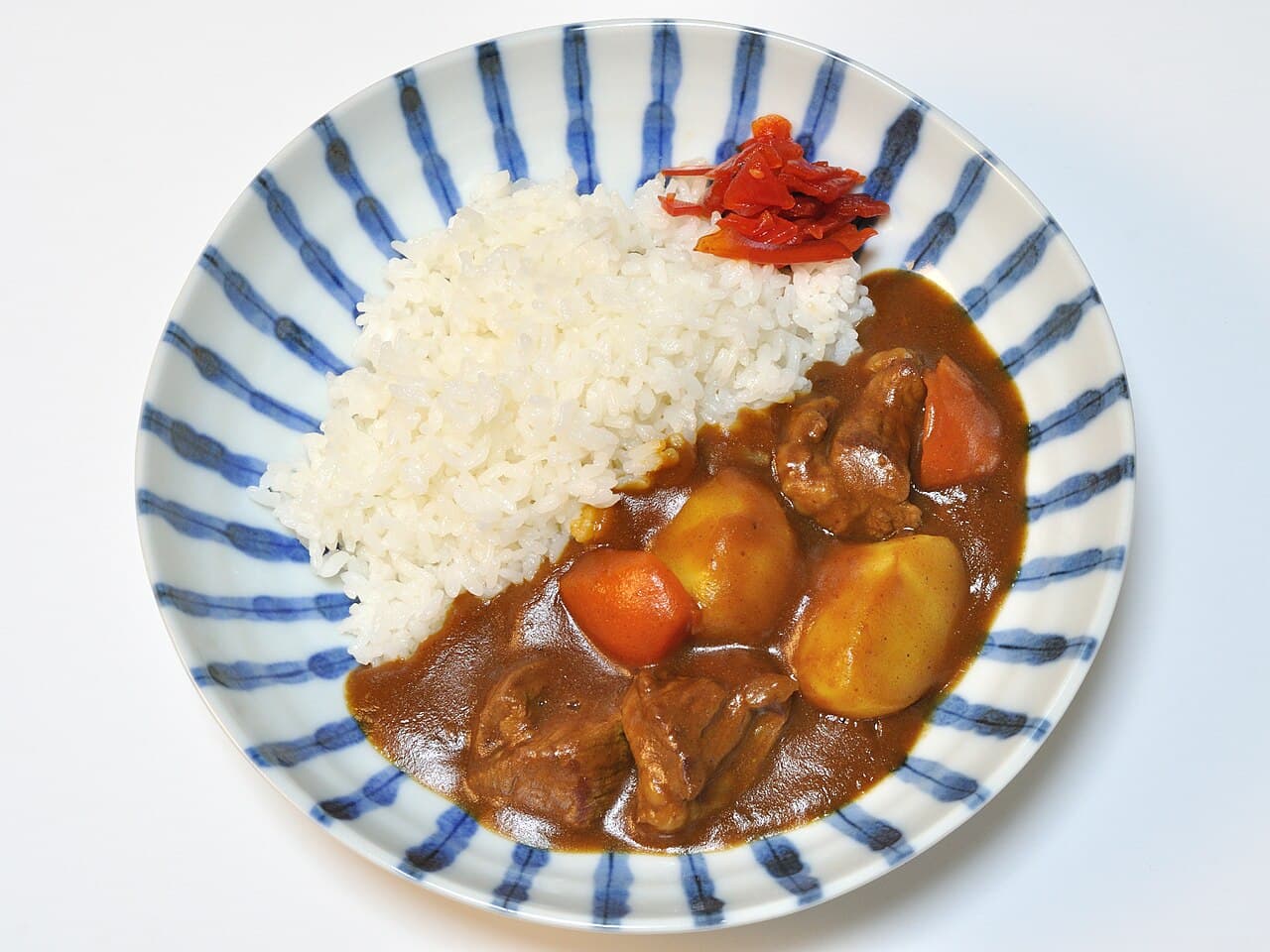
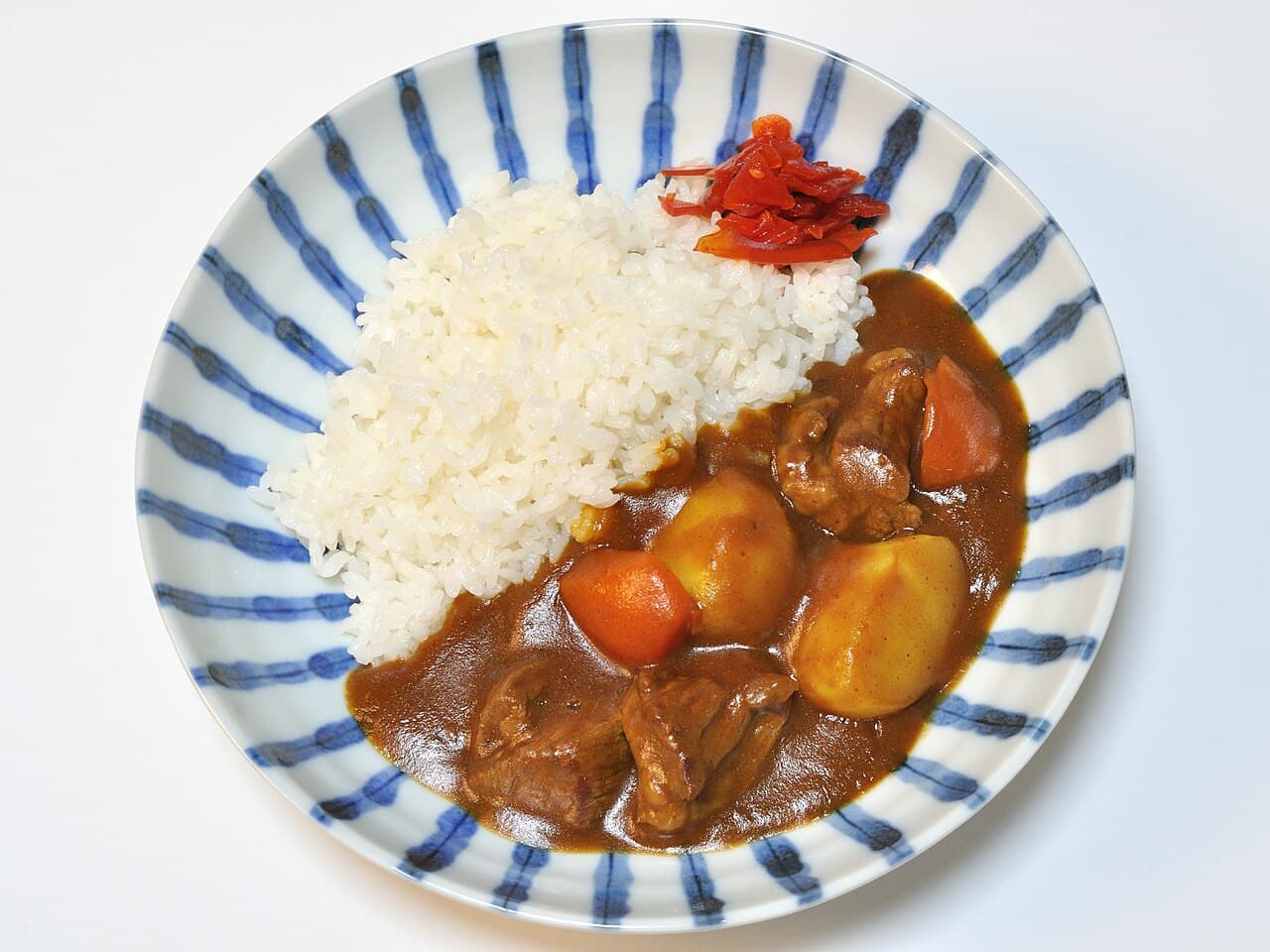
At CoCo Ichibanya, the only item officially described as using no animal-derived ingredients is the CoCoICHI vegetarian curry (¥621, ¥683 with tax). The standard curry sauce is not vegetarian, so you must order this one by name. It is not at every branch, and it cannot be made mild. Here is what the guarantee covers, what it does not, and the honest caveat on dairy.
As of September 2026 exactly one MOS Burger item is described by the company as free of animal ingredients in its primary materials: the Avocado Basil Burger with rice-flour buns (¥620). The Green Burger (Teriyaki) was discontinued on 20 May 2026. Here is why swapping in a soy patty does not make a burger vegan, and what MOS means when it says these are not for strict vegetarians.
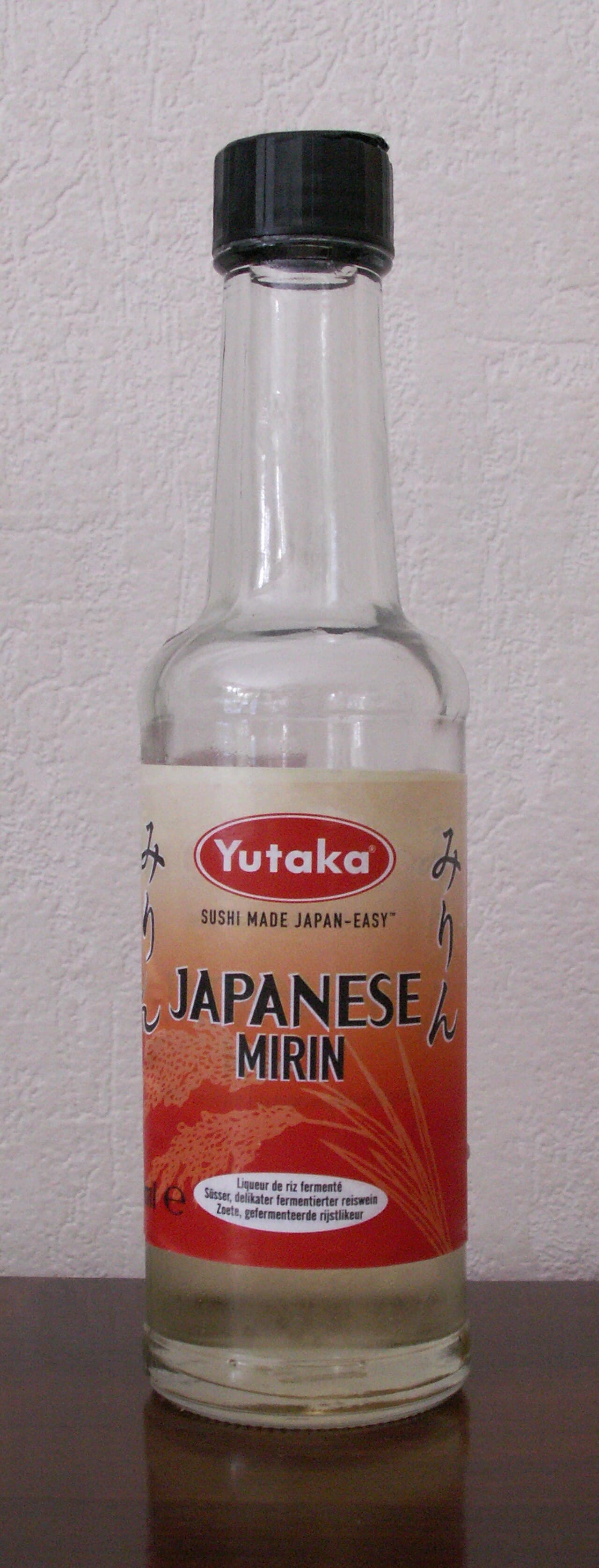
Yes, standard mirin is vegan — here's what's actually in hon-mirin, shio-mirin, and mirin-fu chōmiryō, plus the one label warning worth checking and one you can ignore.
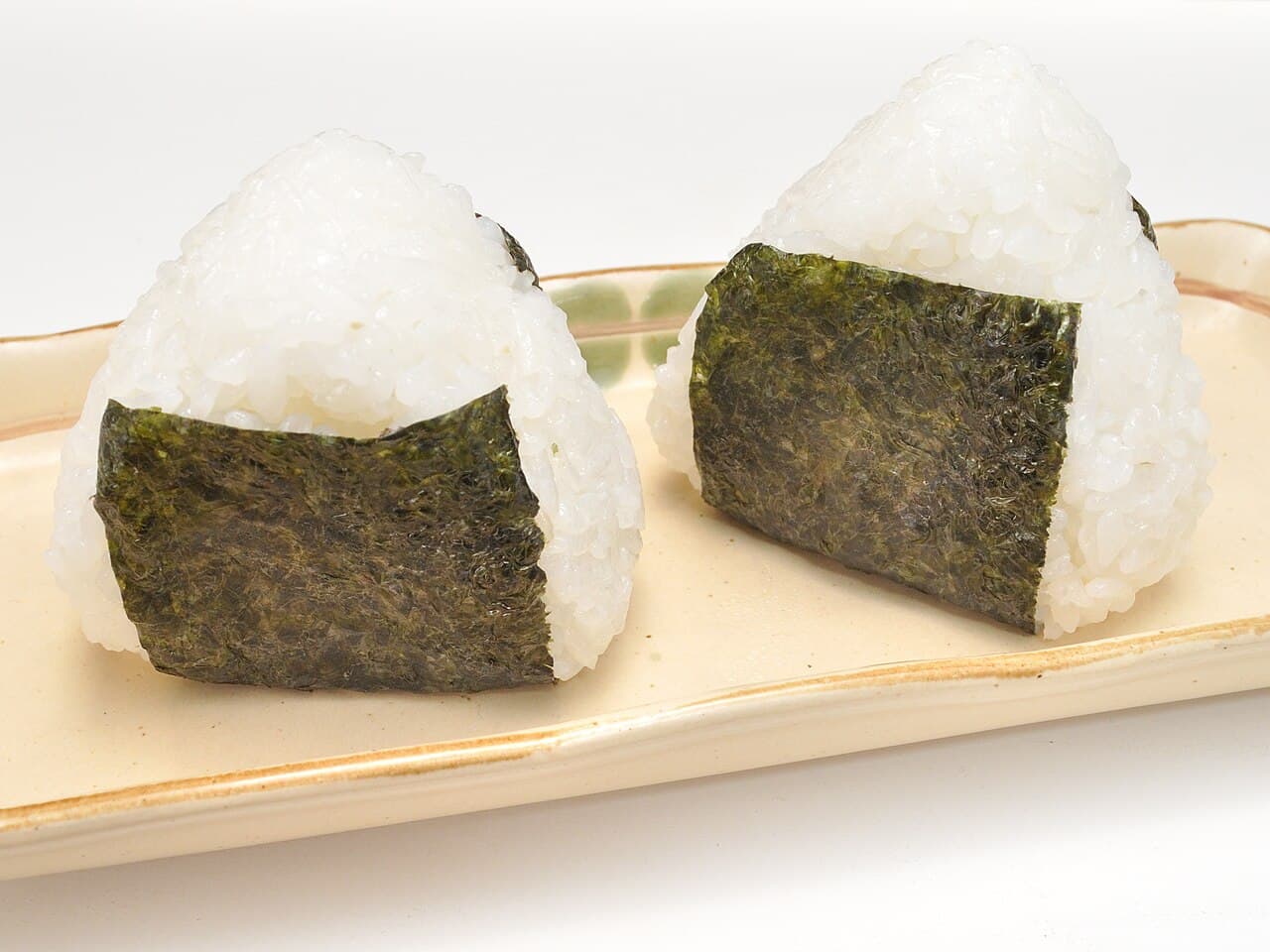
Simplified Chinese (/zh/) translation of the "Is Onigiri Vegan?" UMAMI HUNT dietary guide, with all internal links rewritten to /zh/ and dietary facts (dashi, okaka/bonito, nori) preserved exactly.
Short answer: more than you fear, less than you hope — and very doable with a plan. Big cities are genuinely good and improving fast; the trap to learn is dashi (fish stock). Here's the honest picture and a simple plan.
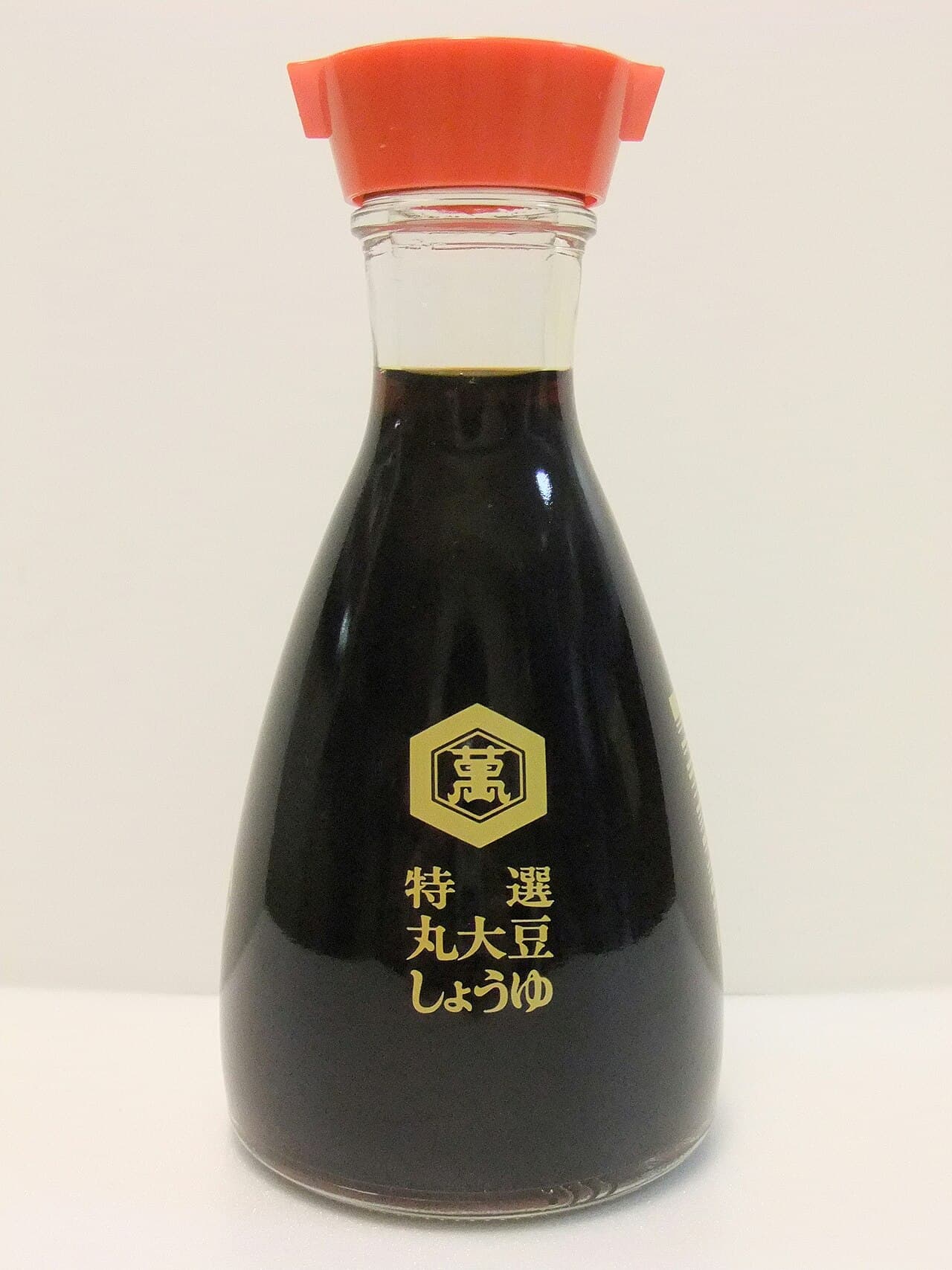
Plain Japanese soy sauce (shoyu) is naturally vegan -- it's fermented from soybeans, wheat and salt, nothing animal-based about the process. The catch is that a lot of what gets called "soy sauce" in restaurants and on shelves isn't plain shoyu at all: tsuyu, ponzu and teriyaki sauce are soy-sauce-based blends that commonly add fish. Here's how to tell them apart, plus the gluten-free tamari option.
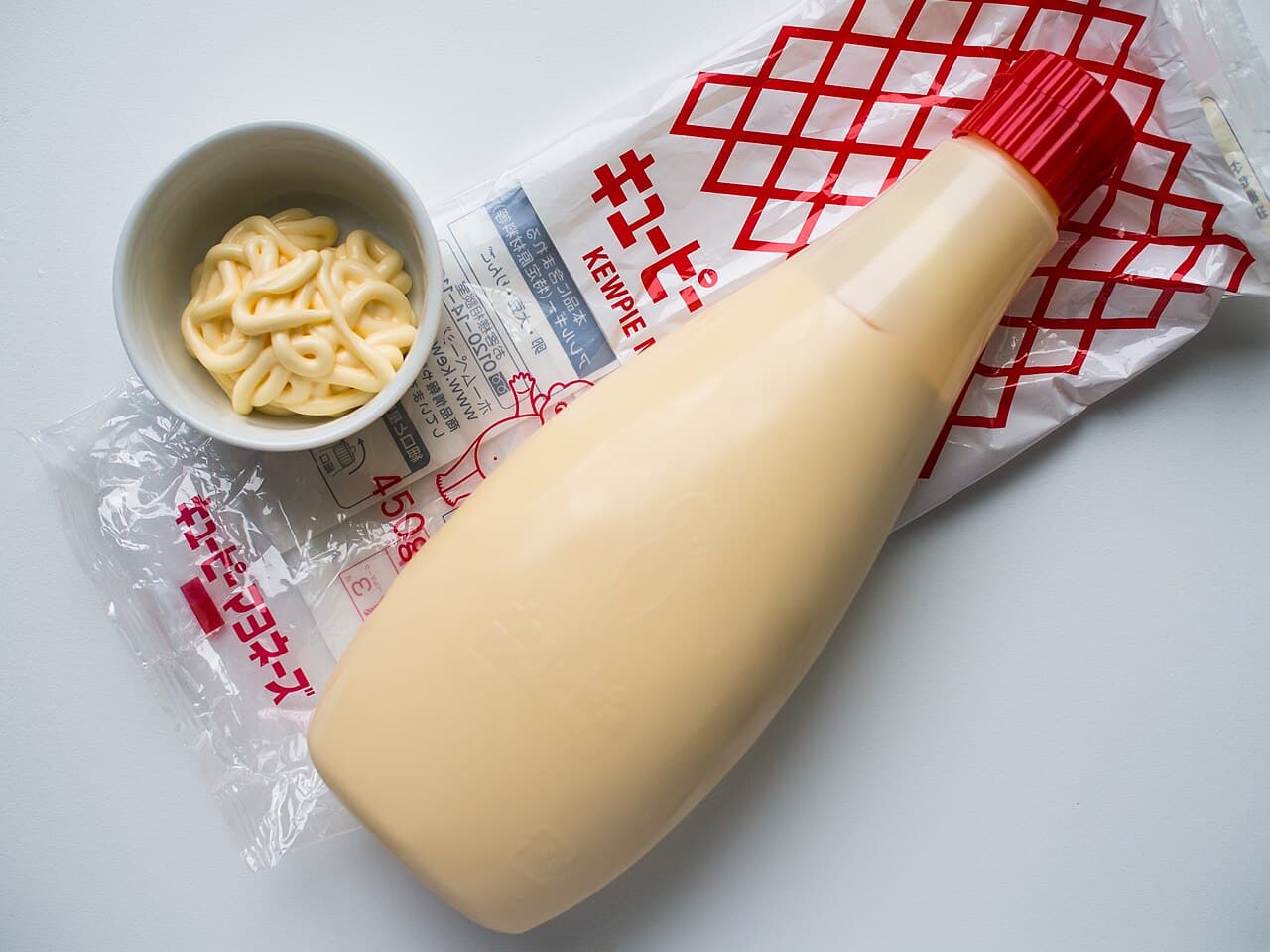
No -- standard Kewpie Mayonnaise is built on egg yolk (about 3.6 yolks per 450g bottle, by Kewpie's own figures). The same company also makes an official all-plant Kewpie Vegan Mayonnaise, so the fix is checking the specific bottle, not avoiding the brand. For vegetarians who eat egg, though, the standard bottle is fine -- the label lists no meat or fish ingredients.
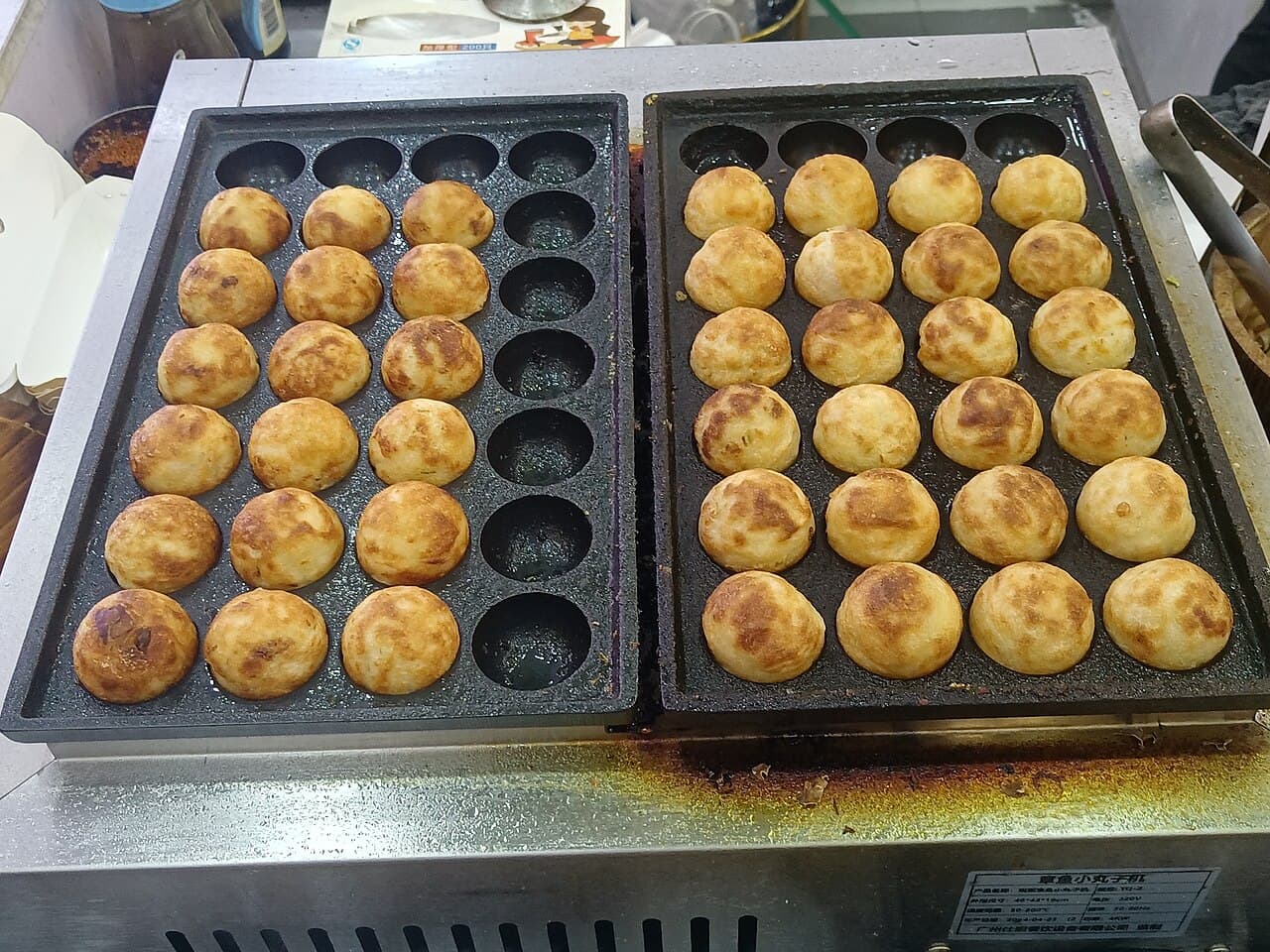
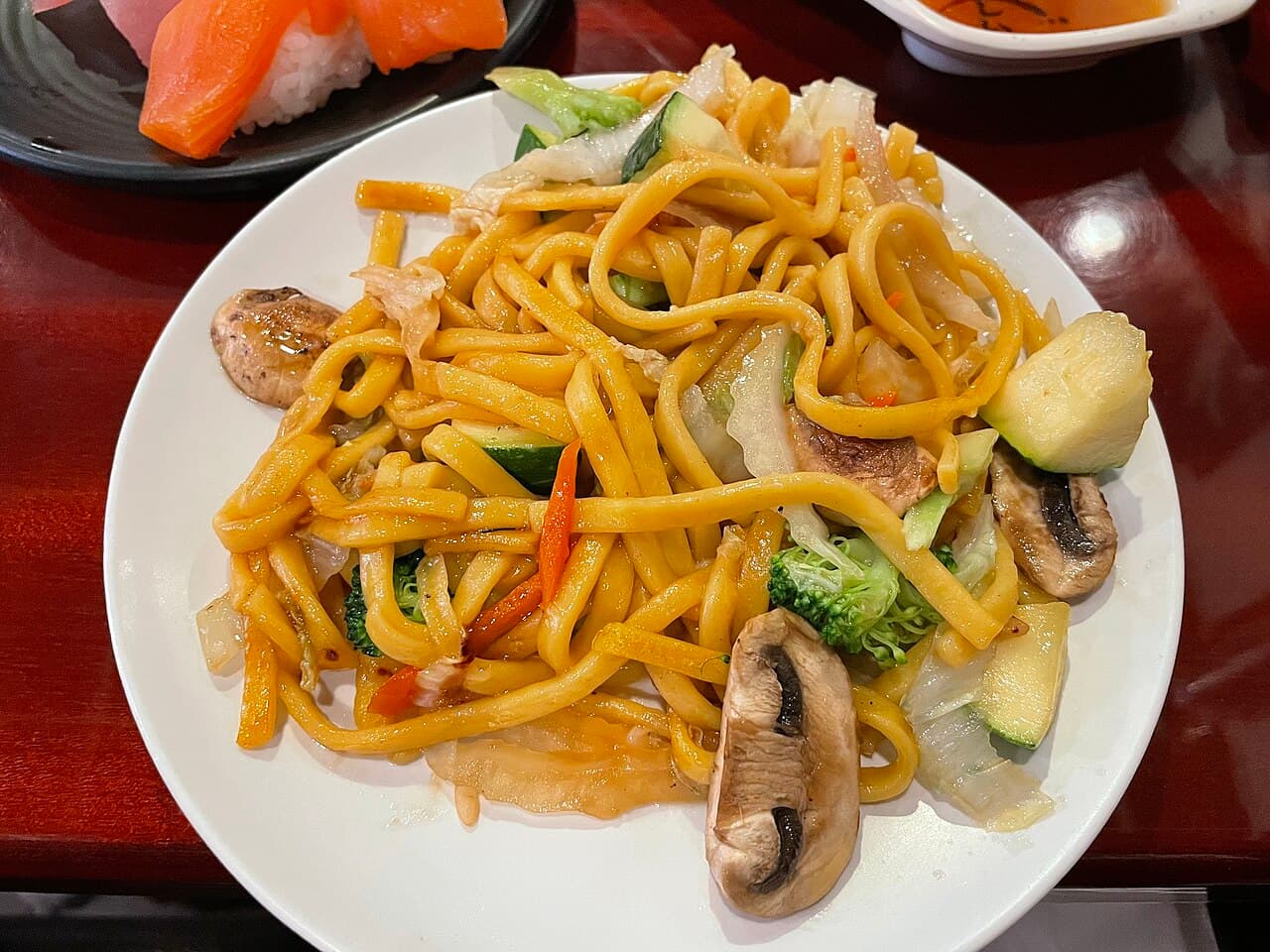
Usually not. The noodles themselves are just wheat and water, but Otafuku's standard yakisoba sauce -- Japan's dominant brand -- lists oyster extract, meat extract and fish extract. A dedicated vegan version of the same sauce exists for the US market, but it isn't the one used at a Japanese festival stall. The sauce rules out vegetarians too, not just vegans -- only the plain noodles are safe.
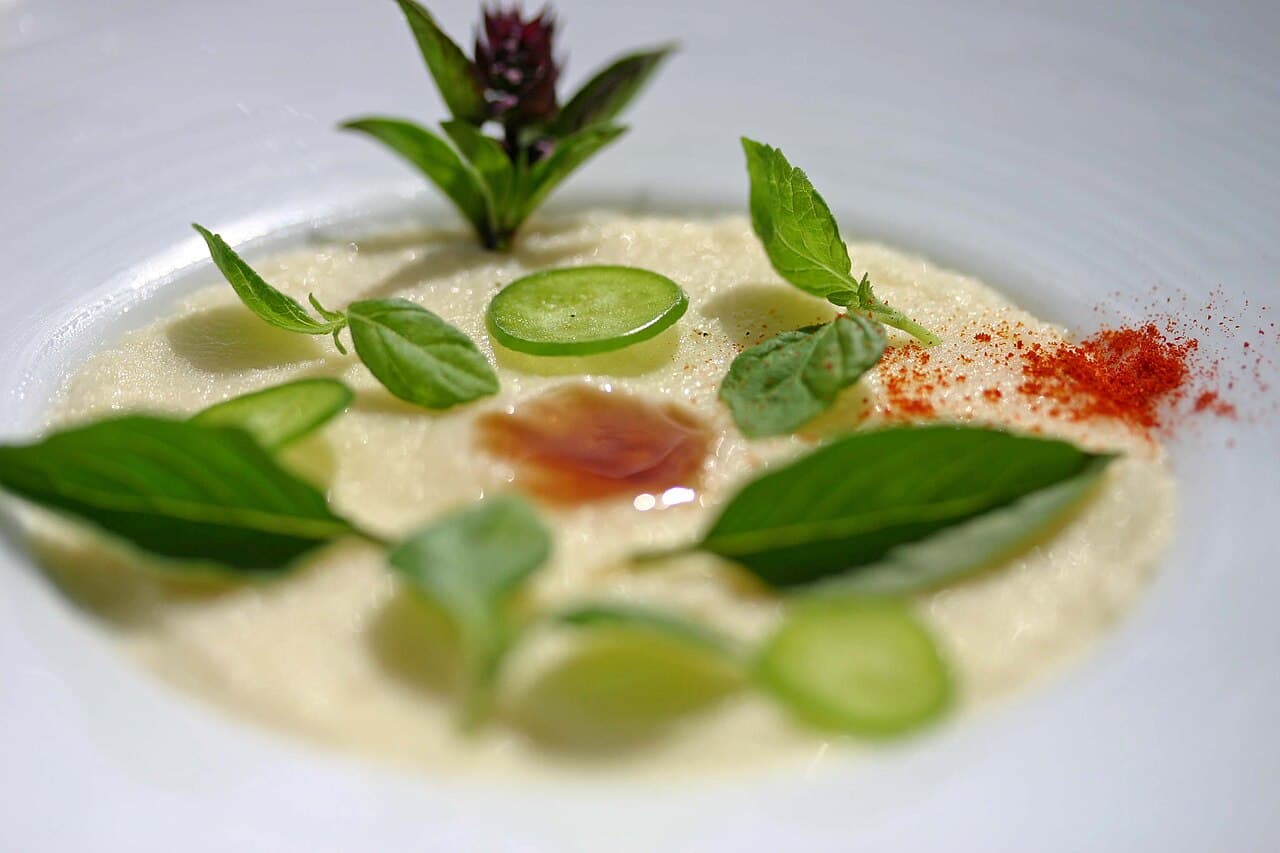
Usually not. Most bottled ponzu -- including Kikkoman's standard citrus ponzu sauce -- lists bonito (fish) extract as an ingredient. A few dashi-free versions exist, and it's simple to make bonito-free ponzu at home with kombu. The same bonito rules it out for vegetarians too, not just vegans.