Starbucks Japan is rare among Japanese chains in publishing a written definition of plant-based — one that counts honey as an animal ingredient. Milk substitution, though, splits: free on a Starbucks Latte, +¥55 for oat or almond on other drinks. Here is the official definition, the current lineup, and the whipped-cream trap.
At CoCo Ichibanya, the only item officially described as using no animal-derived ingredients is the CoCoICHI vegetarian curry (¥621, ¥683 with tax). The standard curry sauce is not vegetarian, so you must order this one by name. It is not at every branch, and it cannot be made mild. Here is what the guarantee covers, what it does not, and the honest caveat on dairy.
As of September 2026 exactly one MOS Burger item is described by the company as free of animal ingredients in its primary materials: the Avocado Basil Burger with rice-flour buns (¥620). The Green Burger (Teriyaki) was discontinued on 20 May 2026. Here is why swapping in a soy patty does not make a burger vegan, and what MOS means when it says these are not for strict vegetarians.
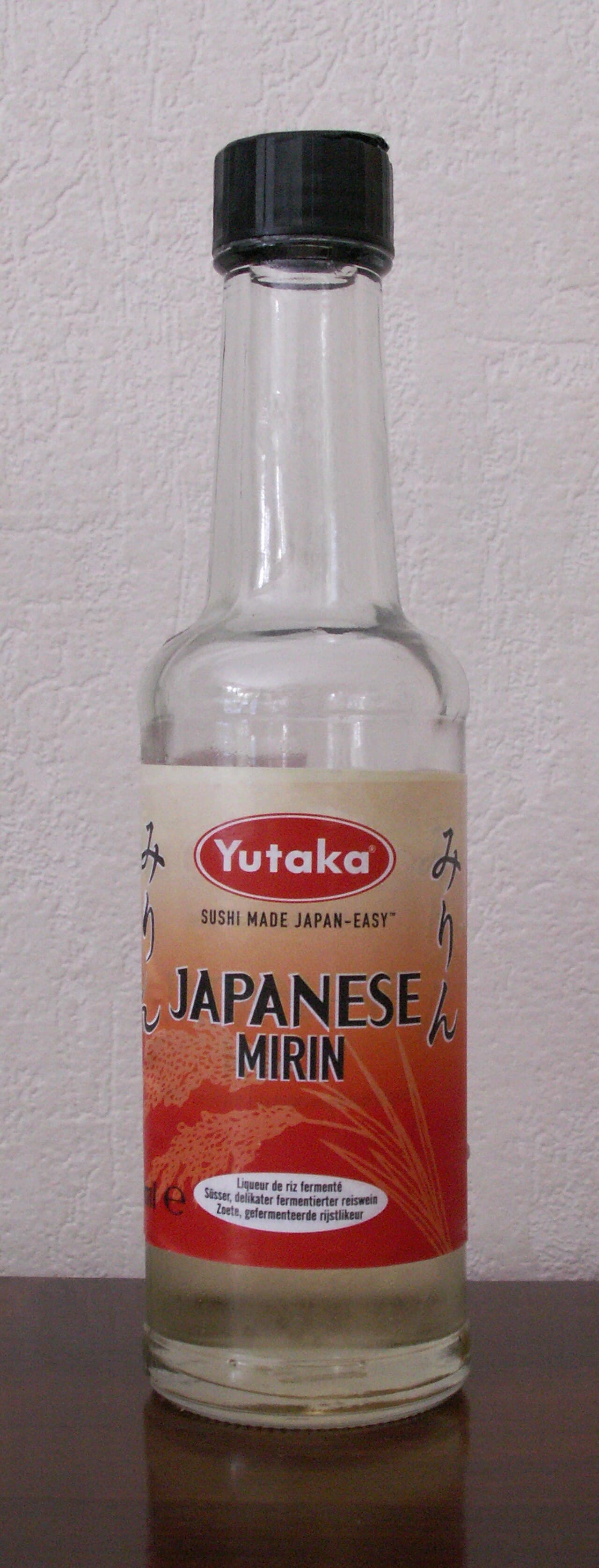
Rice, kōji, and distilled alcohol — no dairy, egg, honey, or fish in standard mirin.
Yes, standard mirin is vegan — here's what's actually in hon-mirin, shio-mirin, and mirin-fu chōmiryō, plus the one label warning worth checking and one you can ignore.
Japanese curry looks meat-free but rarely is — bonito dashi and lard hide in most roux. Here's how to order safely, plus real vegan curry spots in Tokyo.
Vegan clears pork, lard and gelatin, but it is not automatically halal in Japan — cooking alcohol like mirin and sake hides in everyday seasoning. Here is exactly where plant-based helps a Muslim traveler, where the alcohol question remains, and how to ask.
Gluten-free vegan Japan is doable, but wheat hides in soy sauce and most soba. Rice, tofu, and vegetables give you a safe base; here are the wheat traps, the naturally GF-vegan wins, and five dedicated Tokyo spots that take out the guesswork.
Soy meat (大豆ミート) is everywhere in Japan — but not all of it is vegan. Here are the real, current brands, where to buy them, and how to dodge the egg-and-dairy binders hiding in some "plant-based" packs.
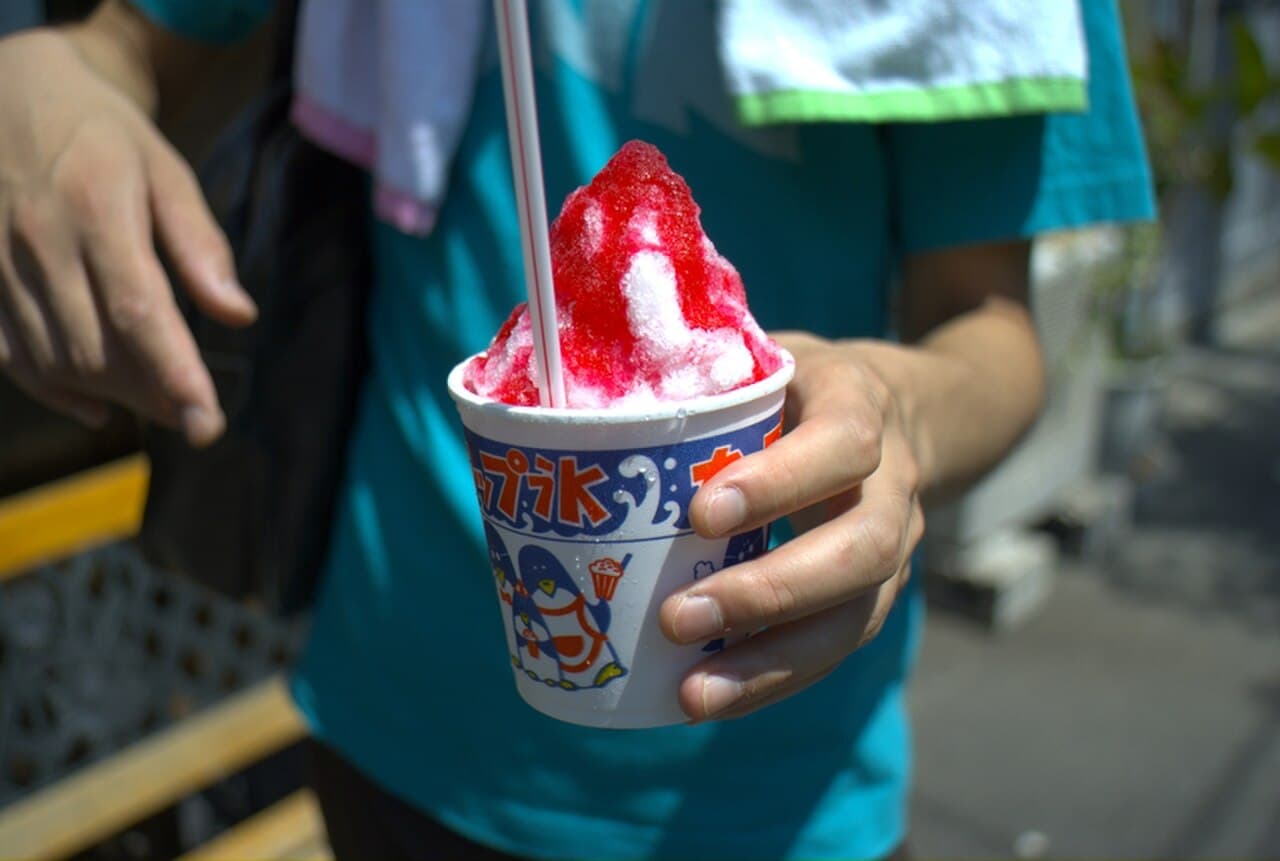
Yes: plant-based cold treats exist all over summer Japan—if you know what to check. Kakigori (shaved-ice) syrups are usually vegan, but most soft serve is dairy, and a handful of verified Tokyo shops plus konbini ice lollies fill the gap. Here is what to order and what to ask.
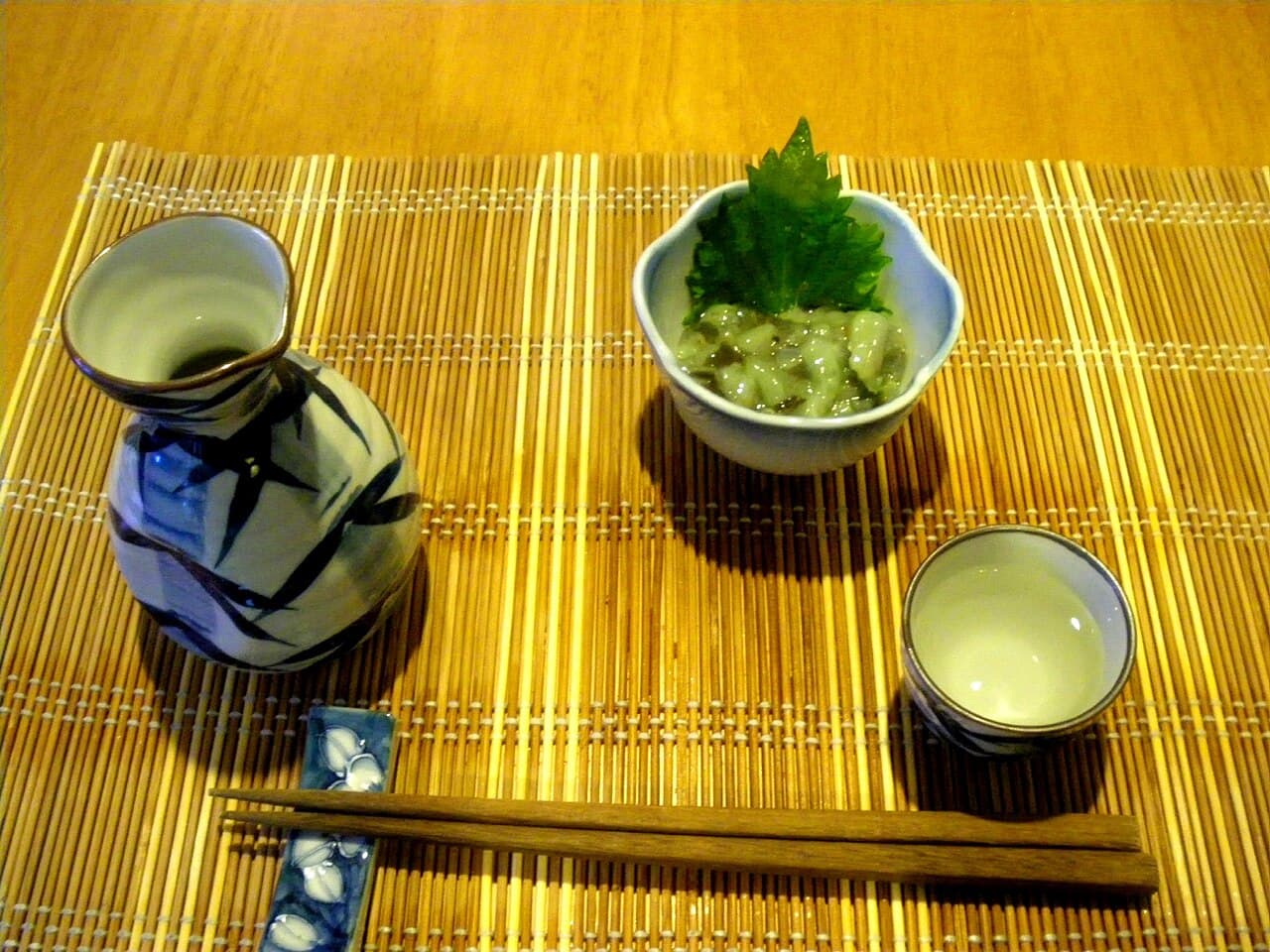
Sake is almost always vegan — rice, water, koji and yeast, nothing animal. The rare traps sit elsewhere: fish-bladder fining in a few beers, honey in some umeshu, and wine's usual animal clarifying. Here's the whole Japanese drinks shelf, decoded so you can order with confidence.
A few everyday Japanese chains genuinely work plant-based — T's Tantan (fully vegan), CoCo Ichibanya's Vegetarian Curry, MOS Burger's plant-based burger, and Freshness Burger's free soy-patty swap — but most "veggie" items still hide fish dashi, egg or dairy, so order on purpose. Here's exactly what to get, verified against official menus as of July 2026.
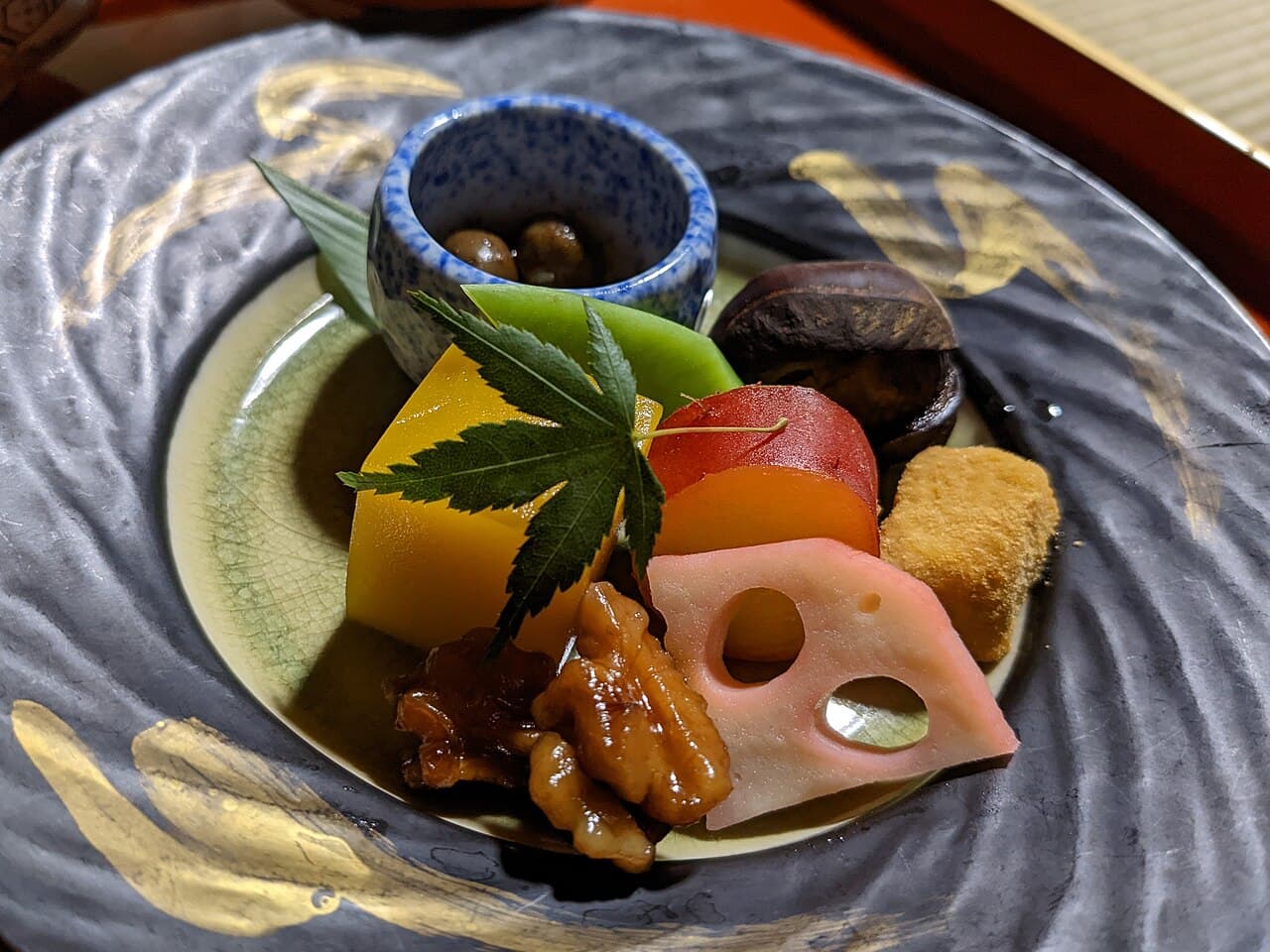
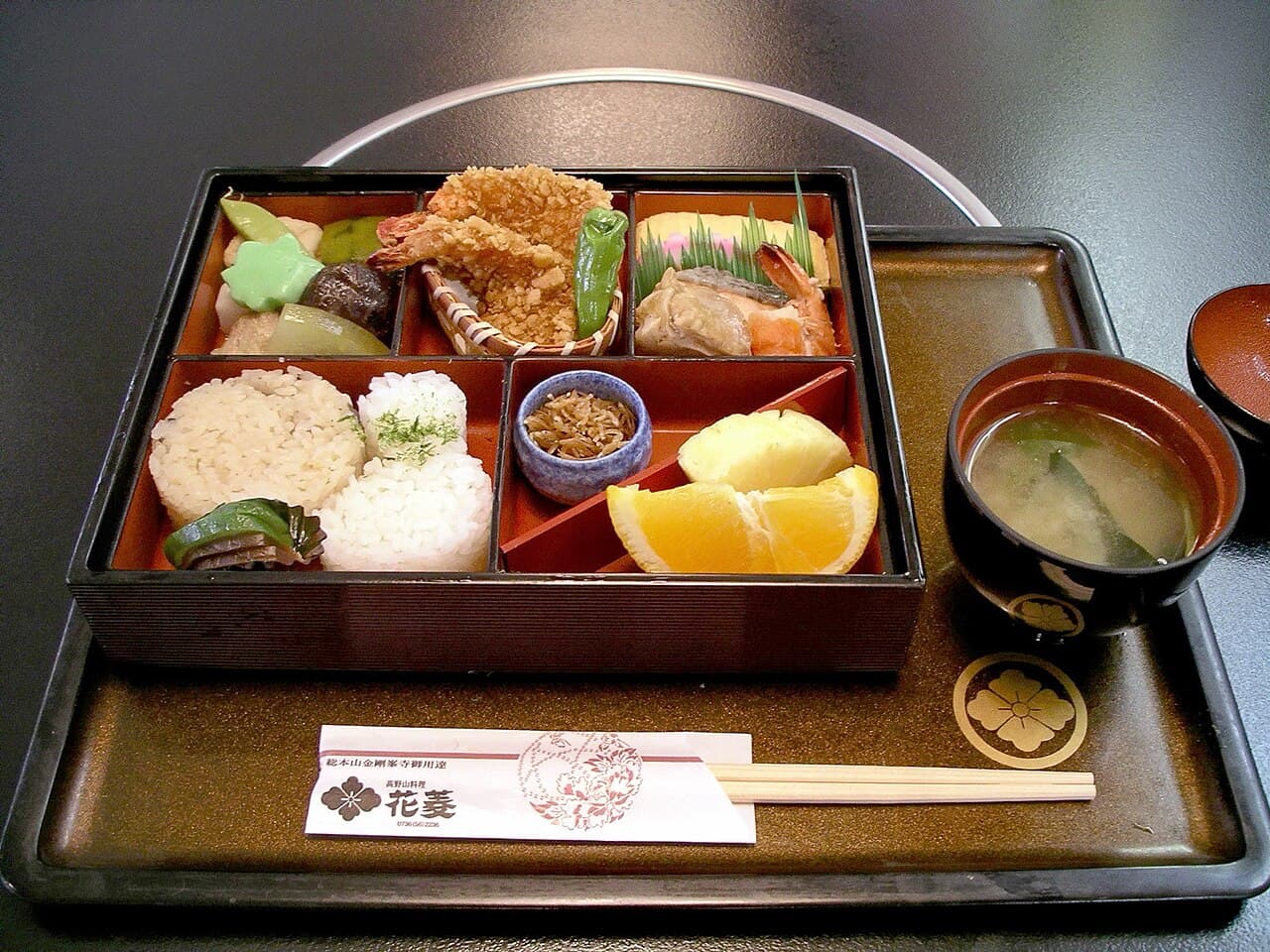
For the most naturally plant-based nights of your trip, book a shukubo (temple lodging) — especially on Koyasan — where monks serve shojin ryori, Buddhist vegetarian kaiseki that traditionally excludes meat, fish and even onion and garlic. It is usually vegan, but confirm two things: fish dashi in the miso soup, and egg or dairy at breakfast. Ordinary ryokan can adapt on request.
A traditional Japanese breakfast is closer to vegan than almost any other in the world: steamed rice, nori, tofu, tsukemono, umeboshi and natto are already plant-based. The one thing that usually isn't is the dashi — bonito or sardine stock hiding in the miso soup and the natto tare. Swap in kombu dashi, skip the fish flakes, and you have a beautiful, protein-rich vegan start.
Here's the honest truth: most ekiben (station bento) contain fish, egg, or dashi, so a vegan riding the shinkansen should shop before boarding. Stock up at the konbini or station food hall on umeboshi and kombu onigiri, inari, edamame, fruit, roasted nuts, and soy milk. A dedicated veg ekiben exists but is rare. Plan your picnic, and the ride is easy.
Finding vegan food at Japanese airports (Narita, Haneda, Kansai) is doable but uneven. Your safest bets: T's Tantan vegan ramen near Tokyo Station and Narita, a few veg-friendly cafes, and the reliable konbini grab-and-go — shio onigiri, edamame, fruit, nuts. Options thin out landside vs airside, so plan a buffer and read labels for hidden dashi.
Reading Japanese food labels as a vegan comes down to one skill: find the ingredient list (原材料名) and scan for a short set of kanji. The number-one hidden trap is dashi — bonito or sardine fish stock tucked into foods that look entirely plant-based. Kombu and shiitake dashi are the vegan exceptions. Learn ten characters and almost any konbini opens up.
The single biggest trap is dashi — the bonito or sardine fish stock hiding in miso soup, simmered vegetables, and most "veggie" dishes. Also watch for egg, dairy, honey, gelatin, lard, fish sauce, oyster sauce, and bonito flakes on top. Only kombu (kelp) or shiitake dashi is vegan. When in doubt, ask about dashi first.
Yes — self-catering vegan in Japan is easy once you know the aisles. Japanese supermarkets are full of naturally plant-based staples: tofu, atsuage, natto, soy milk, frozen edamame, seaweed, pickles and fresh produce. The one habit that matters is reading for dashi (fish stock), which hides in sauces, miso and "vegetable" broths. Learn a few kanji and a week of home cooking is genuinely simple.
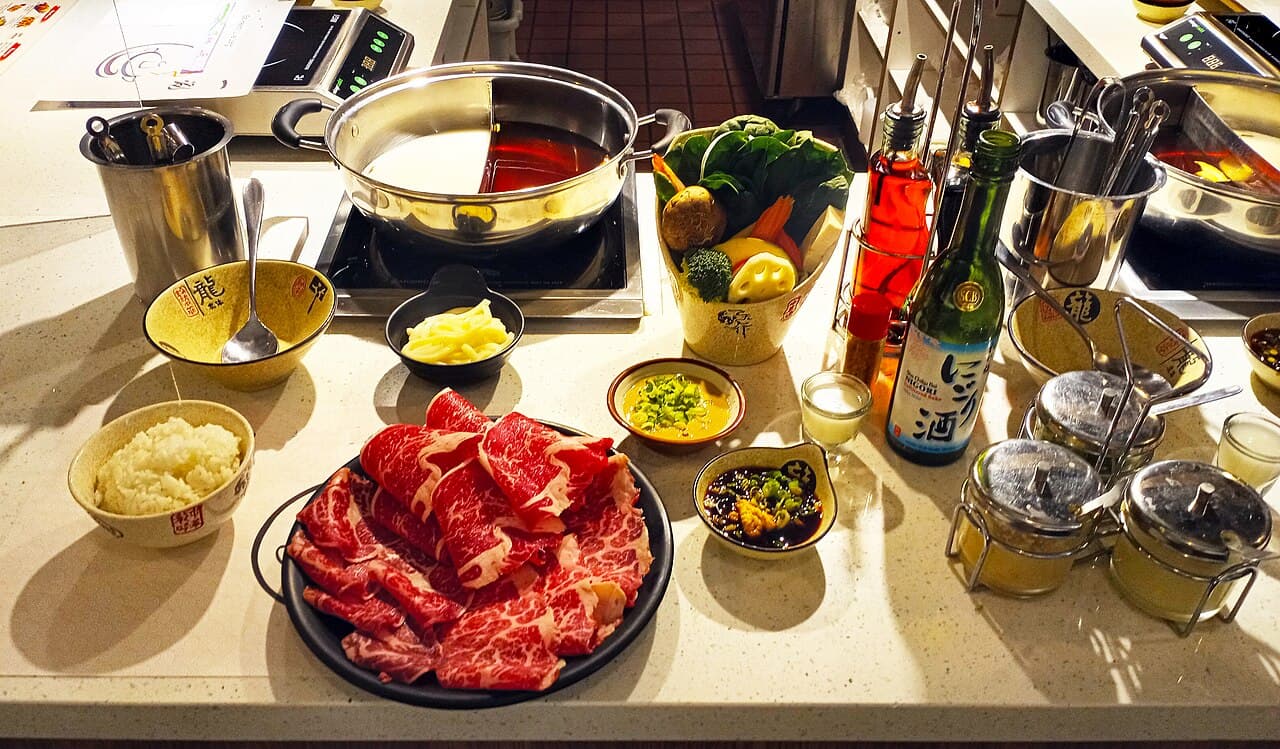
Hotpot is one of the easiest Japanese meals to make vegan—if you get the broth right. Ask for a kombu (kelp) dashi instead of the pork or chicken base, skip the shabu meat, and load the pot with tofu, yuba, mushrooms, greens, harusame and mochi. The one trap that undoes it all is hidden fish dashi, so always ask before you dip.
Japanese family restaurants are a genuine budget-vegan lifeline once you know the moves. At Saizeriya, a plate of peperoncino, green salad, olives and focaccia lands under ¥1,000. The catch: dashi (fish stock), egg and dairy hide almost everywhere, so lean on the allergen chart and order plant-forward sides deliberately.
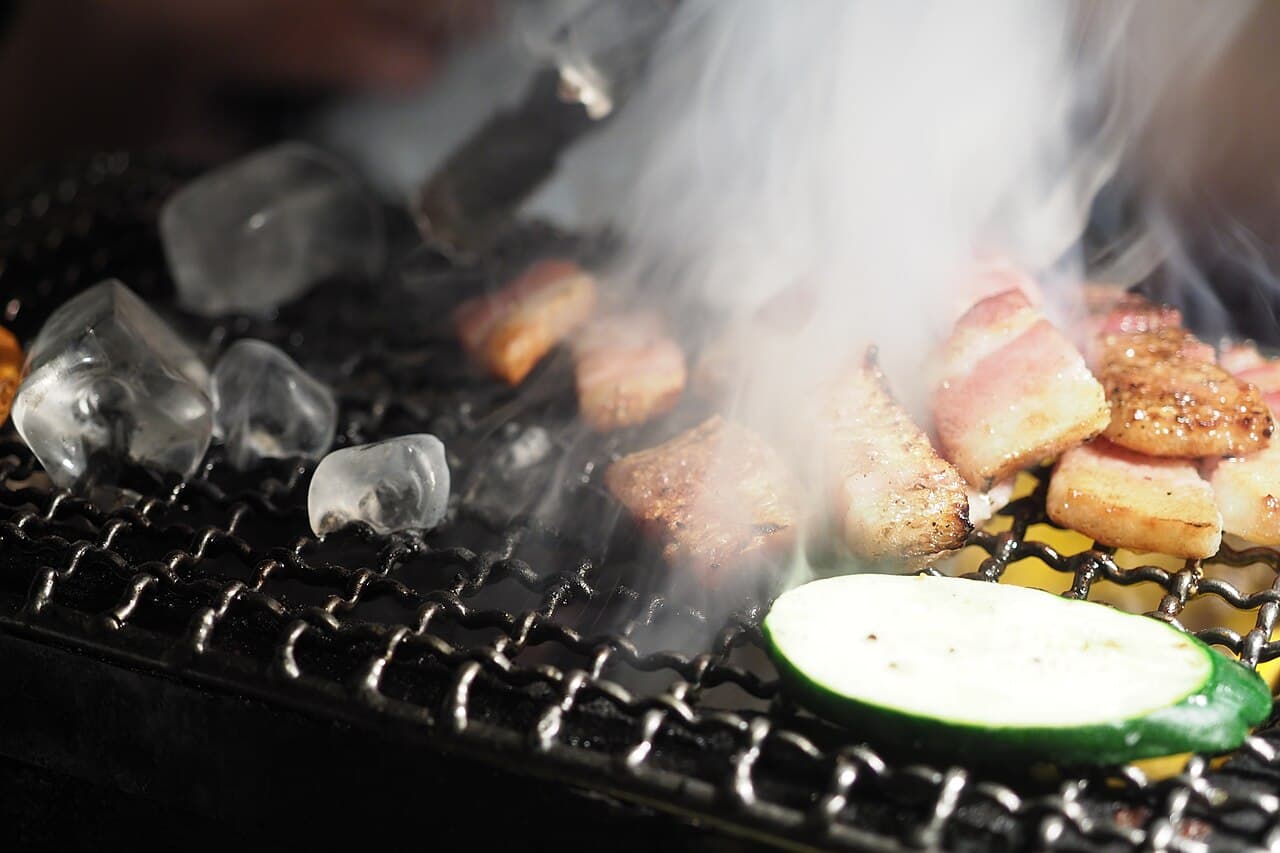
Yakiniku is meat's temple, but a vegan can absolutely share the table. Stick to grilled vegetables, corn, shiitake, garlic, tofu and namul, ask for a clean corner of the grill, and watch for fish-based dashi, kimchi's hidden fish sauce, and dipping sauces. If the group is flexible, a nearby vegan restaurant may serve you better — but you won't go hungry.
You can eat well vegan at a Japanese izakaya — better than you'd expect — if you sidestep one hidden trap: dashi, the bonito or sardine stock that sneaks into "vegetable" dishes. Lean on edamame, cold tofu, grilled shishito and asparagus, pickles and simmered potato, and ask about dashi, egg and fish before you order. You'll leave full and happy.
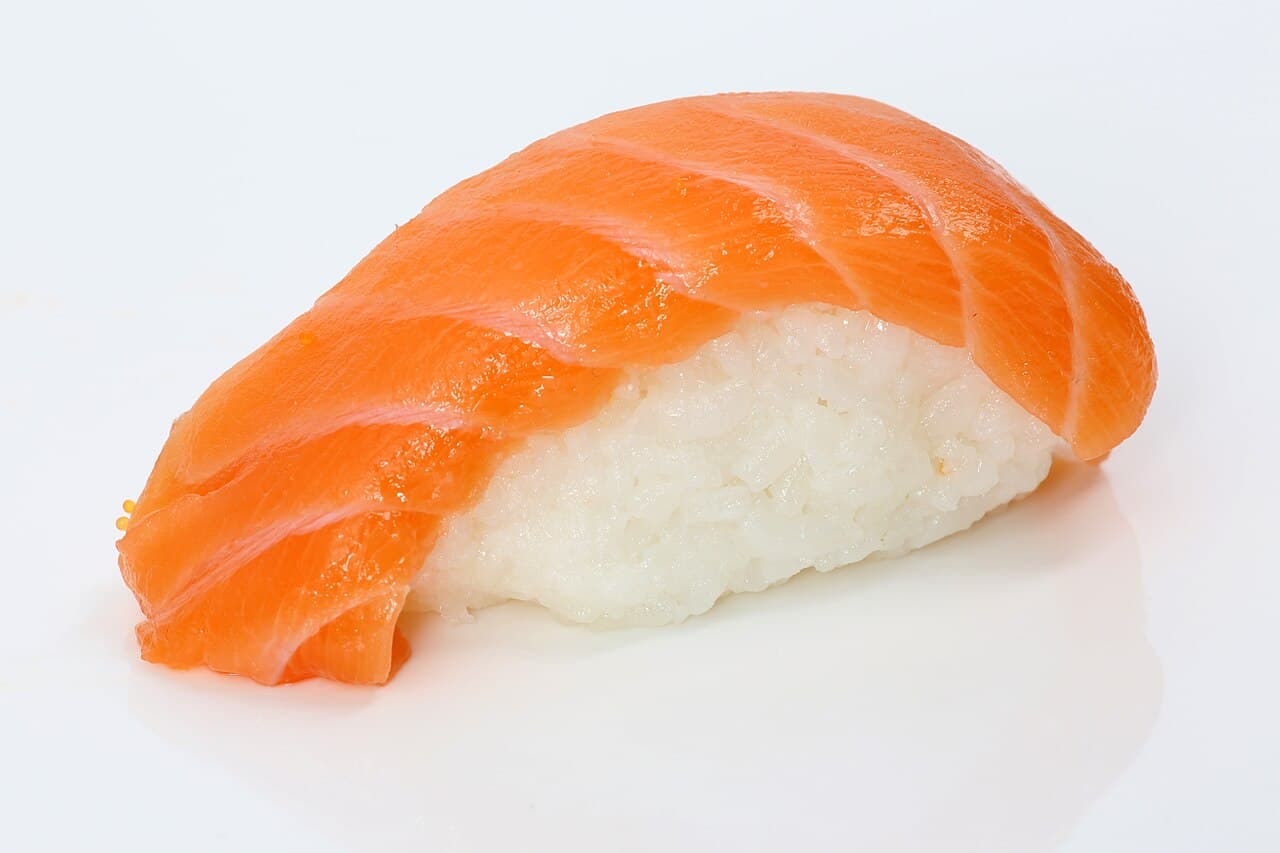
Yes, a vegan can eat well at kaiten-zushi (conveyor belt sushi). Reach for kappa (cucumber), avocado, plain rice, oshinko, corn and natto — usually plant-based. Skip anything with fish, egg tamago or imitation crab, and check that the miso soup and any brushed-on glaze aren't hiding fish dashi. Inari and kanpyo are often simmered in dashi, so ask. Order fresh from the tablet to be sure.
Often, yes. Many traditional wagashi are naturally vegan: mochi, daifuku, dango, yokan, monaka and anko (sweet red bean) are plant-based, and most jellies set with agar (kanten), not gelatin. The traps to watch are egg (dorayaki, castella, some manju), honey, rare gelatin — and, in savoury-leaning sweets, hidden fish dashi.
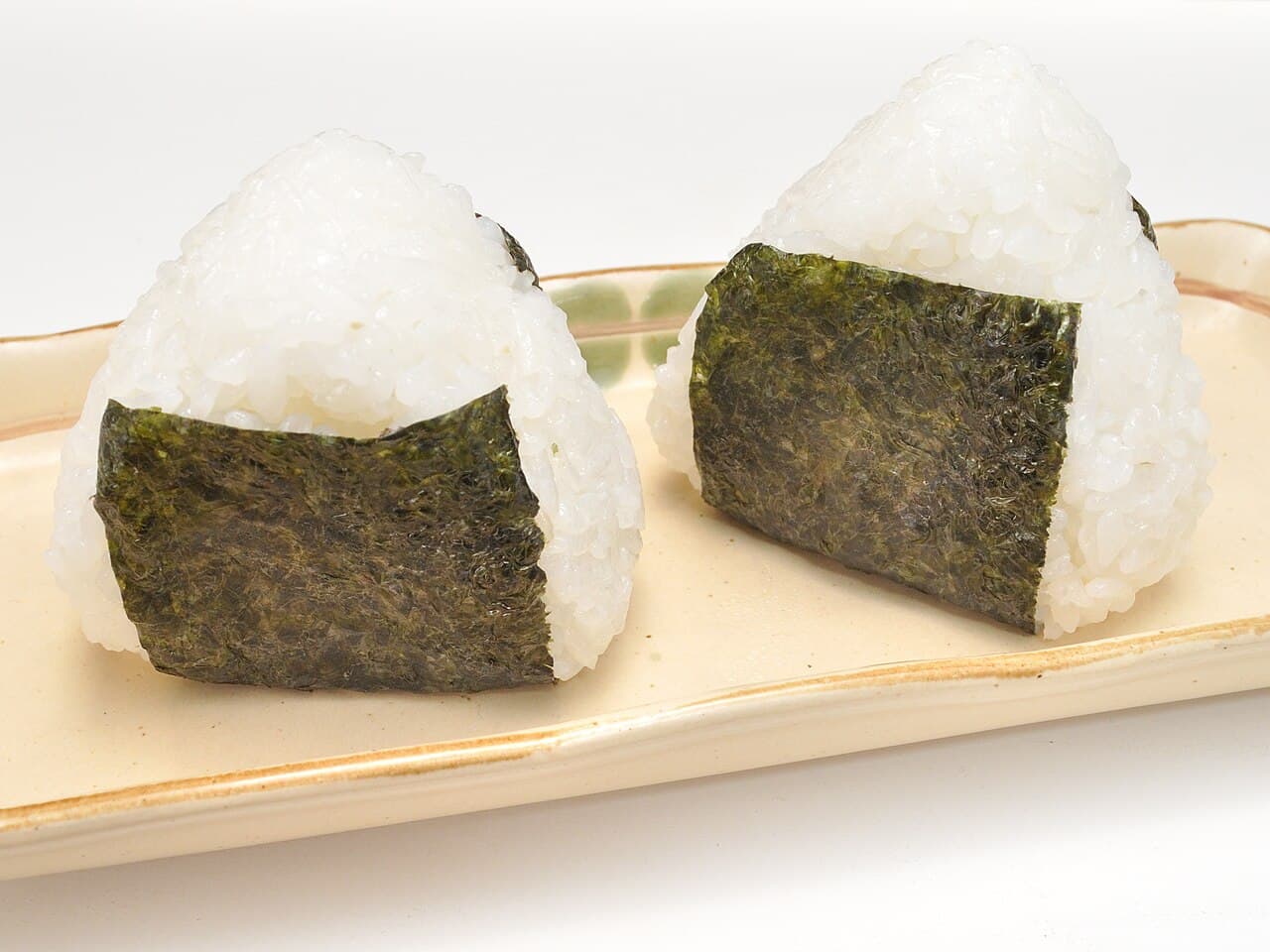
Often, yes. Many onigiri are vegan: umeboshi (pickled plum), kombu, and pickled-vegetable fillings wrapped in seaweed nori are plant-based. But watch for tuna-mayo, salmon, and okaka (bonito flakes), plus the quiet trap of dashi (fish stock) seasoning the rice. Learn to read the label and konbini onigiri becomes a reliable vegan meal.
Usually no — even vegetable tempura is rarely vegan in Japan. There are three hidden traps: egg in the batter, dashi (fish stock) in the tentsuyu dipping sauce, and oil shared with prawns and fish. The genuinely vegan version is shojin (Buddhist temple) tempura, fried in egg-free batter and dipped in salt or a kombu sauce.
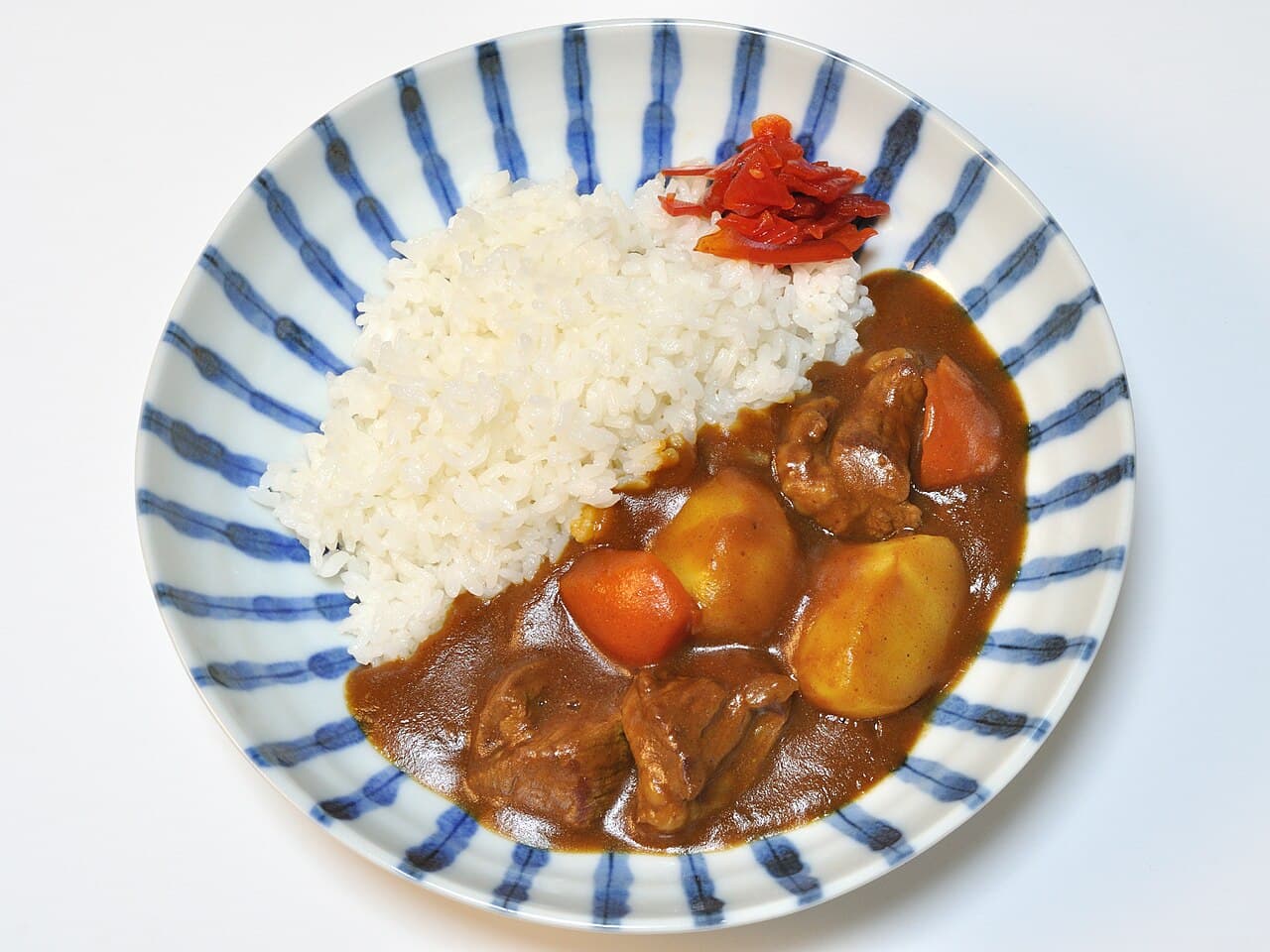
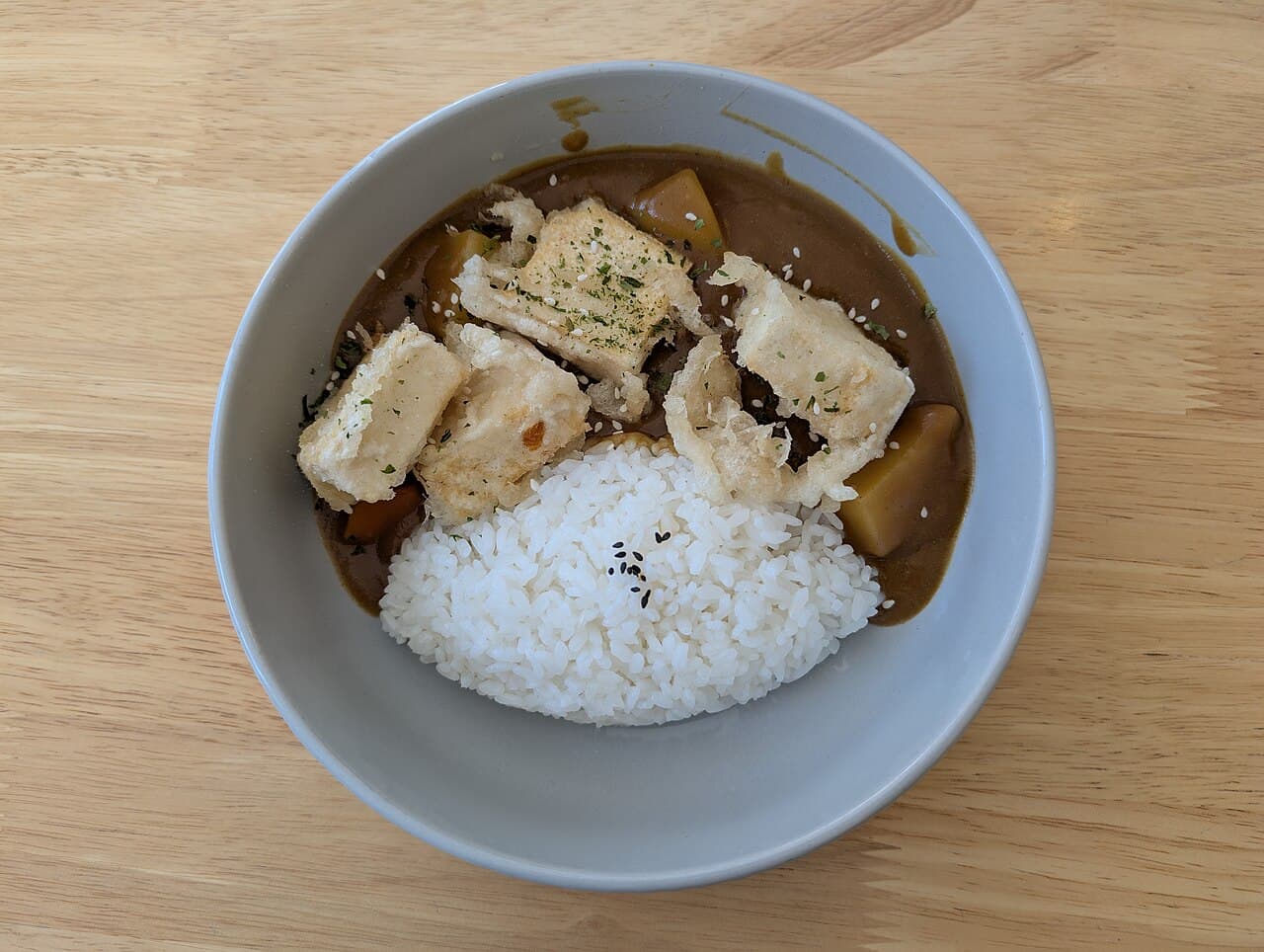
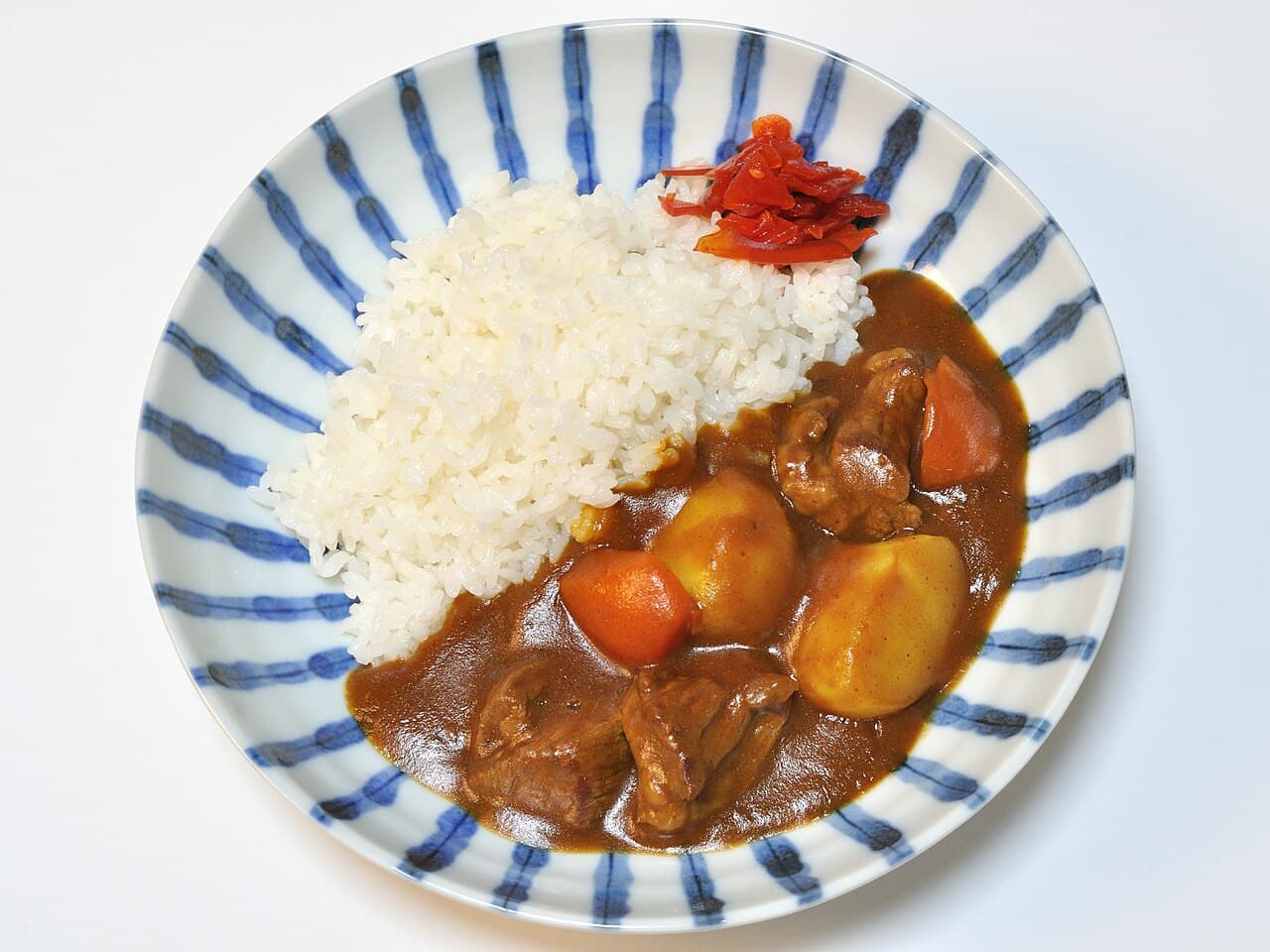
Usually no. The Japanese curry you meet at a diner or from a supermarket roux block is rarely vegan: those glossy blocks are bound with beef, pork or chicken fat, and often carry honey and dairy. Even a plain "vegetable curry" is typically cooked in that same animal-based roux. Fully vegan curry does exist in Japan — you just have to seek it out.
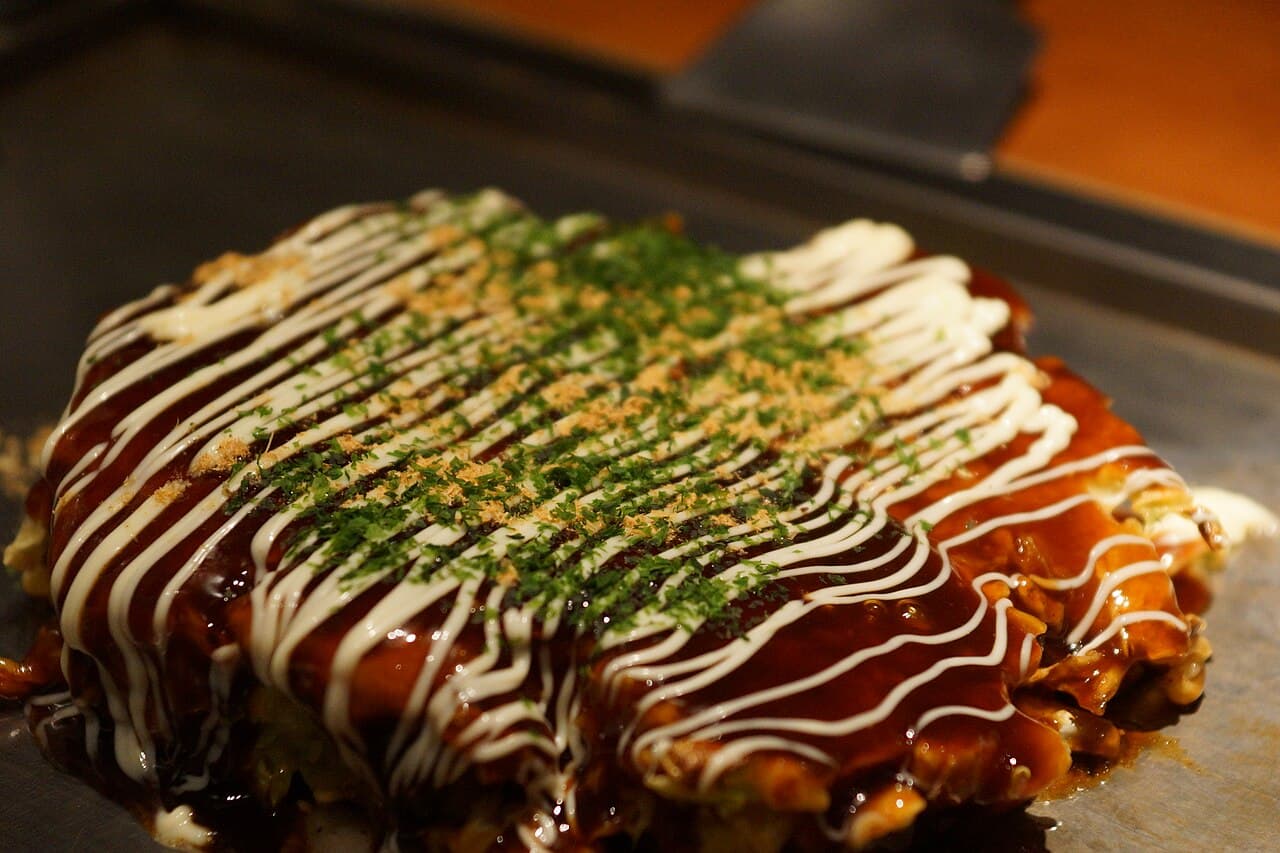
Usually not. Standard okonomiyaki is vegetarian in spirit but rarely in fact: the batter is loosened with dashi (fish stock), the finished pancake is dusted with dancing katsuobushi (bonito) flakes, the brown sauce can hide oyster or anchovy, and most versions fold in pork or squid. Truly vegetarian okonomiyaki exists — you just have to ask for it, or go where it's the whole point.
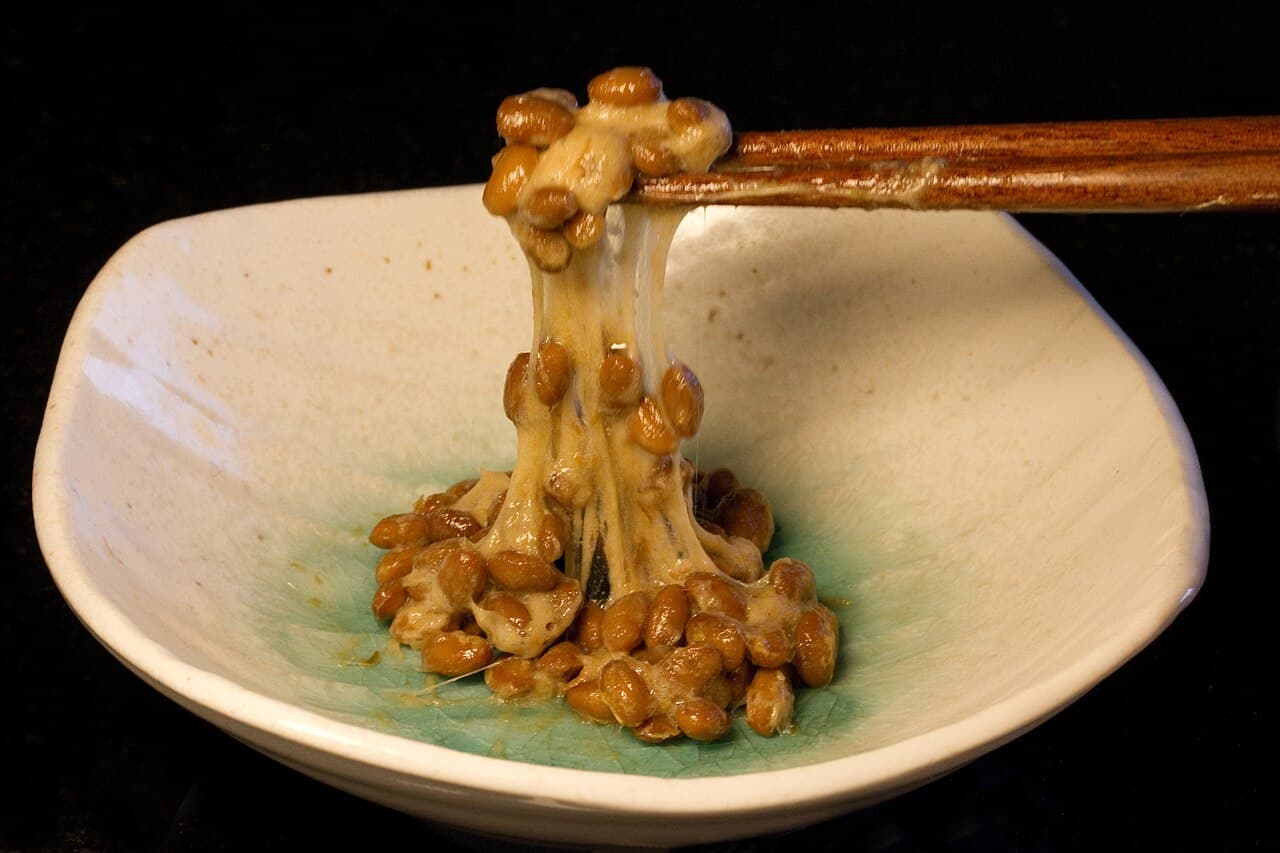
Is natto vegan? Yes. Natto itself is nothing but soybeans fermented with a bacterium, Bacillus subtilis — a plant protein with no animal ingredients. The only trap is the tiny tare sauce packet tucked inside the pack, which usually contains bonito (fish) dashi. Skip the tare, keep the karashi mustard, and dress it with soy sauce and scallion instead.
Yes — Japan is one of the easiest places on earth to eat plant protein. Tofu, natto, edamame, yuba, koya-dofu, atsuage, soy milk and tempeh are woven into everyday cooking, and most cost very little. The one real catch is dashi, the fish stock hiding in food that looks plant-only. Learn to spot it and you'll eat richly.
Japan is more vegan-friendly than its reputation suggests — if you plan before you fly. Tokyo has dedicated vegan kitchens, Kyoto has temple shojin cuisine, and konbini can save any day. The one rule that changes everything: assume dashi (fish stock) is hiding in "vegetable" dishes until proven otherwise. Here's a plant-based itinerary and the traps to sidestep.
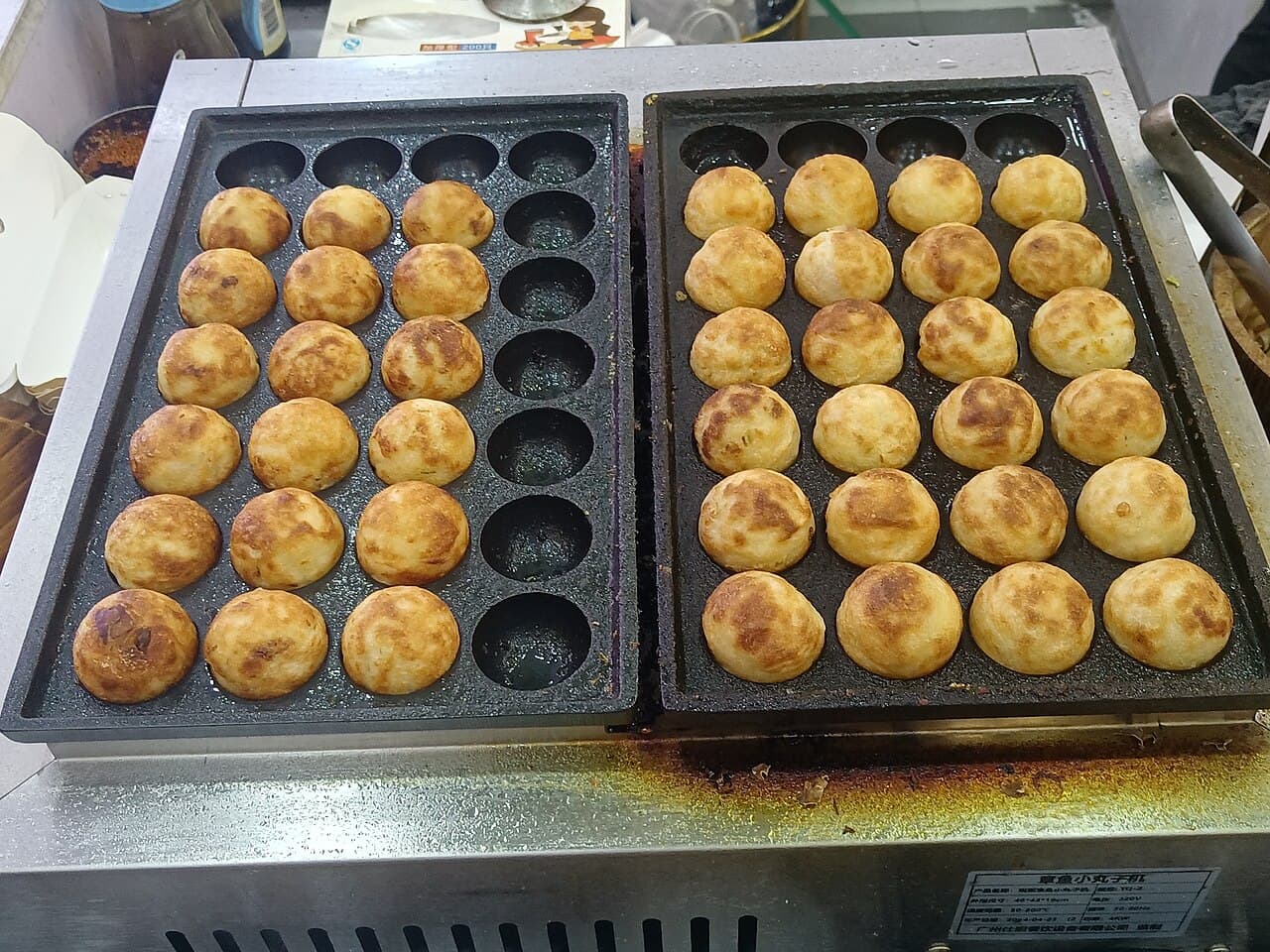
No — traditional takoyaki is not vegan. Those golden street-food balls hide octopus, a batter bound with dashi and egg, a shower of bonito flakes, and usually mayo. Every layer breaks plant-based rules. The good news: eggless, dashi-free vegan takoyaki (konnyaku or mushroom in place of octopus) does exist at plant-based festivals and a few specialist shops.
Yes — plain mochi is vegan. It is simply pounded glutinous rice and water, and the red-bean daifuku wrapped around it is usually vegan too. The traps are narrow but real: a few brands sweeten with honey, ice-cream mochi hides dairy, and some coatings use gelatin. Read the label, and mochi is one of Japan's most reliably plant-based sweets.
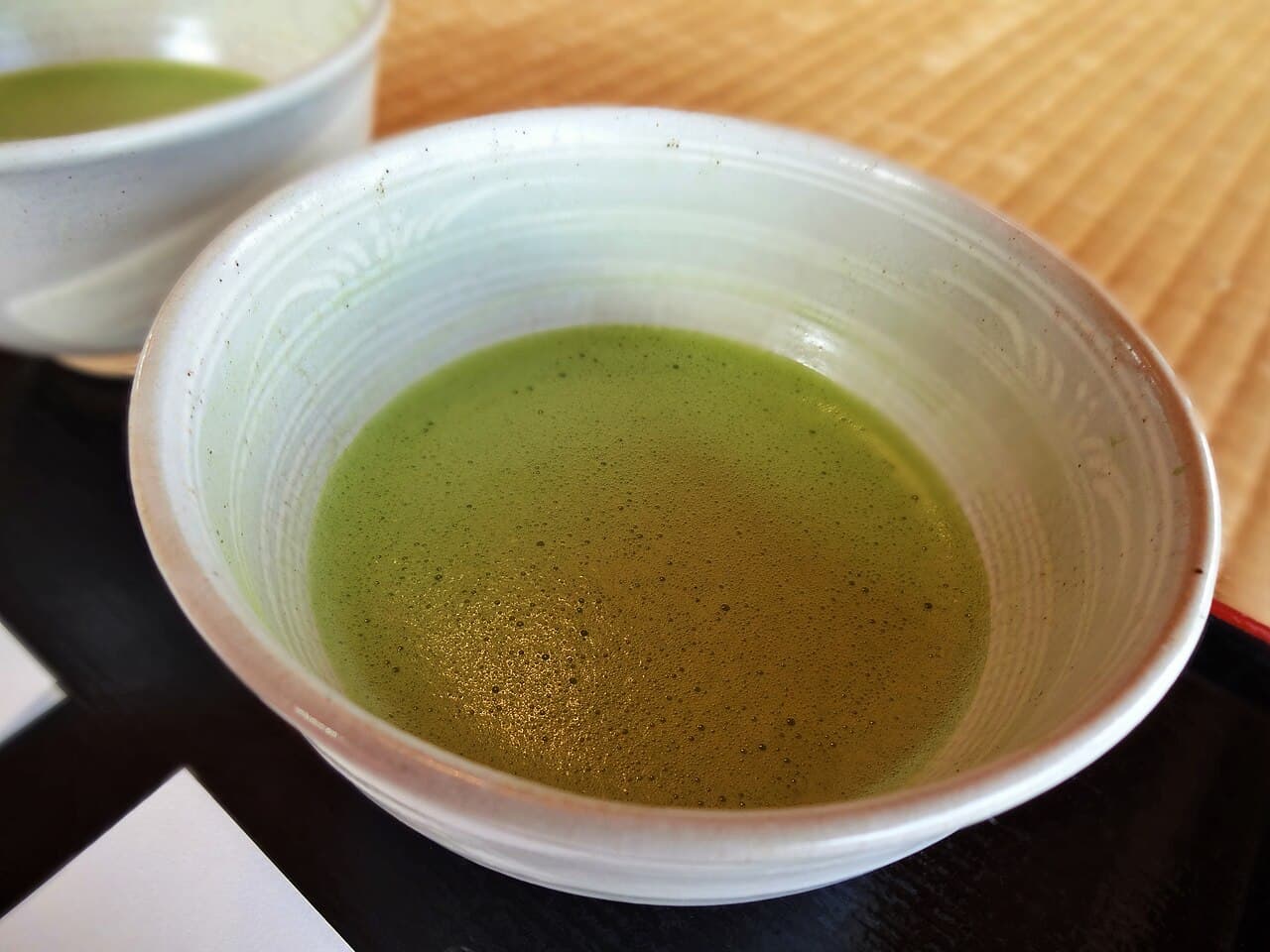
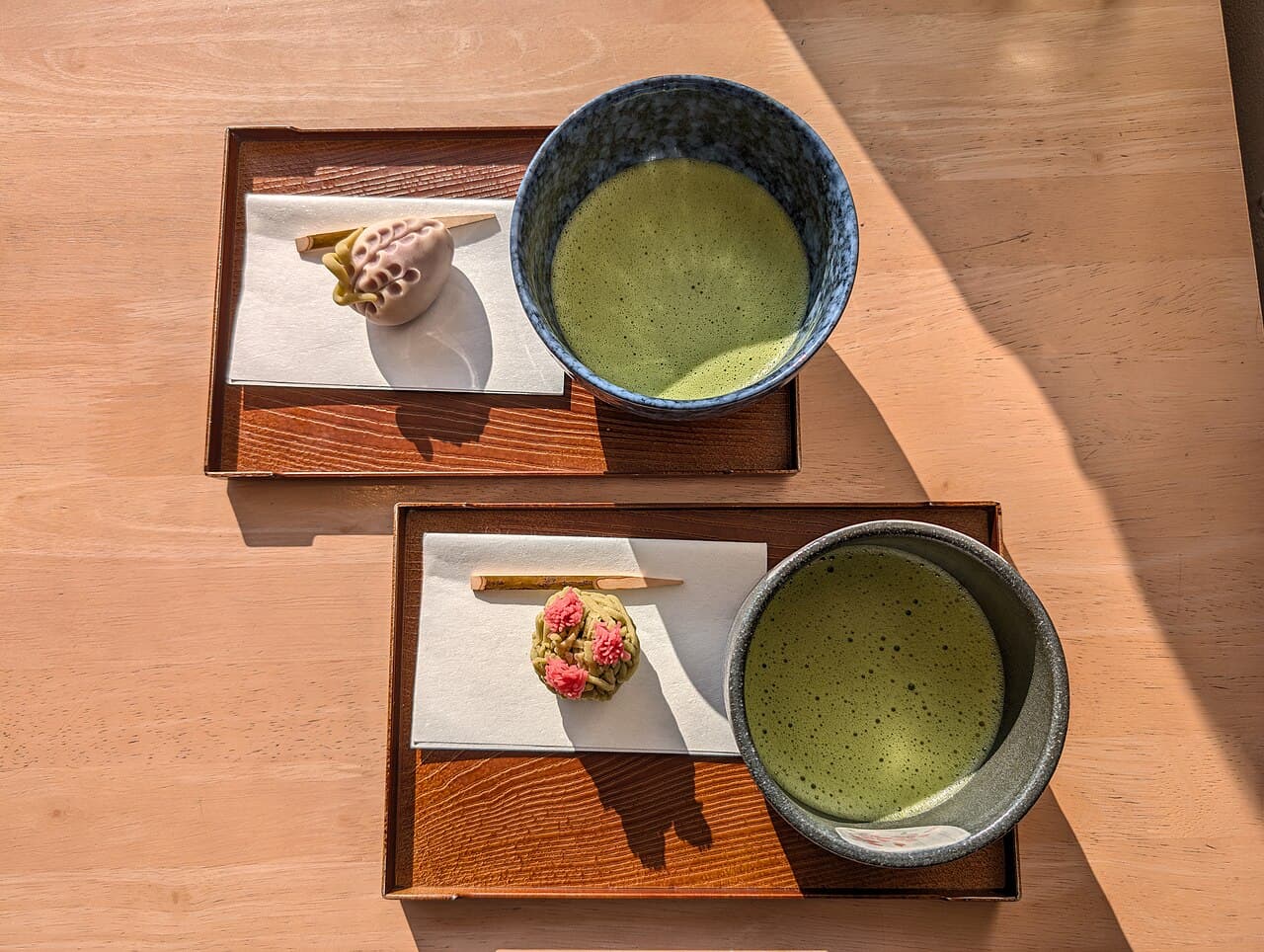
Yes — pure matcha is vegan. It's simply young green tea leaves stone-ground into powder, nothing else. The traps come later: a matcha latte usually means dairy milk, and matcha ice cream, cakes and KitKats often hide milk, eggs or honey. Order it as tea, ask for soy or oat, and you're safe.
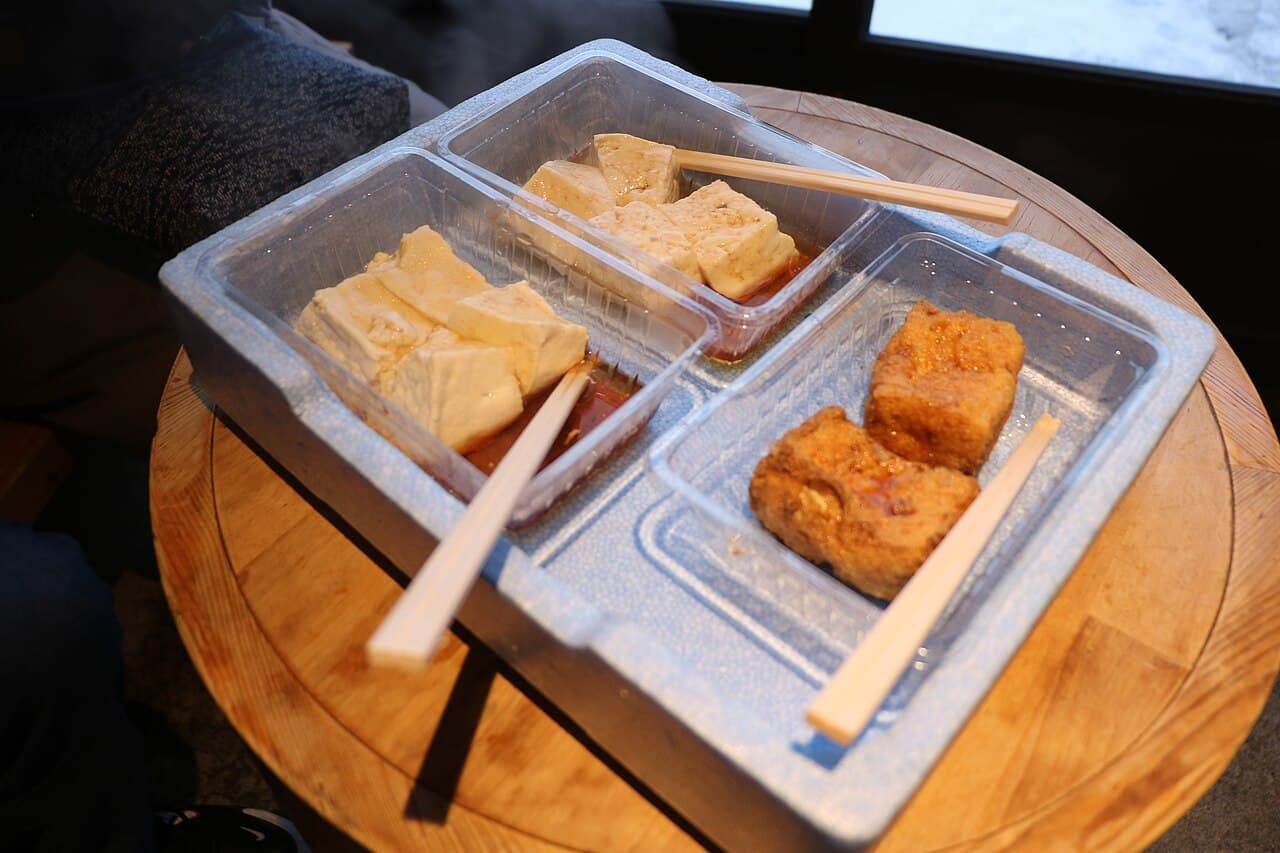
Yes — tofu itself is vegan. It's made from just soybeans and nigari, a mineral coagulant, with nothing animal in it. The trap is what surrounds it: agedashi tofu's bonito dashi, hiyayakko's dried-fish topping, and mapo tofu's pork. Order the block, question the sauce, and tofu becomes one of Japan's easiest, most reliable plant proteins.
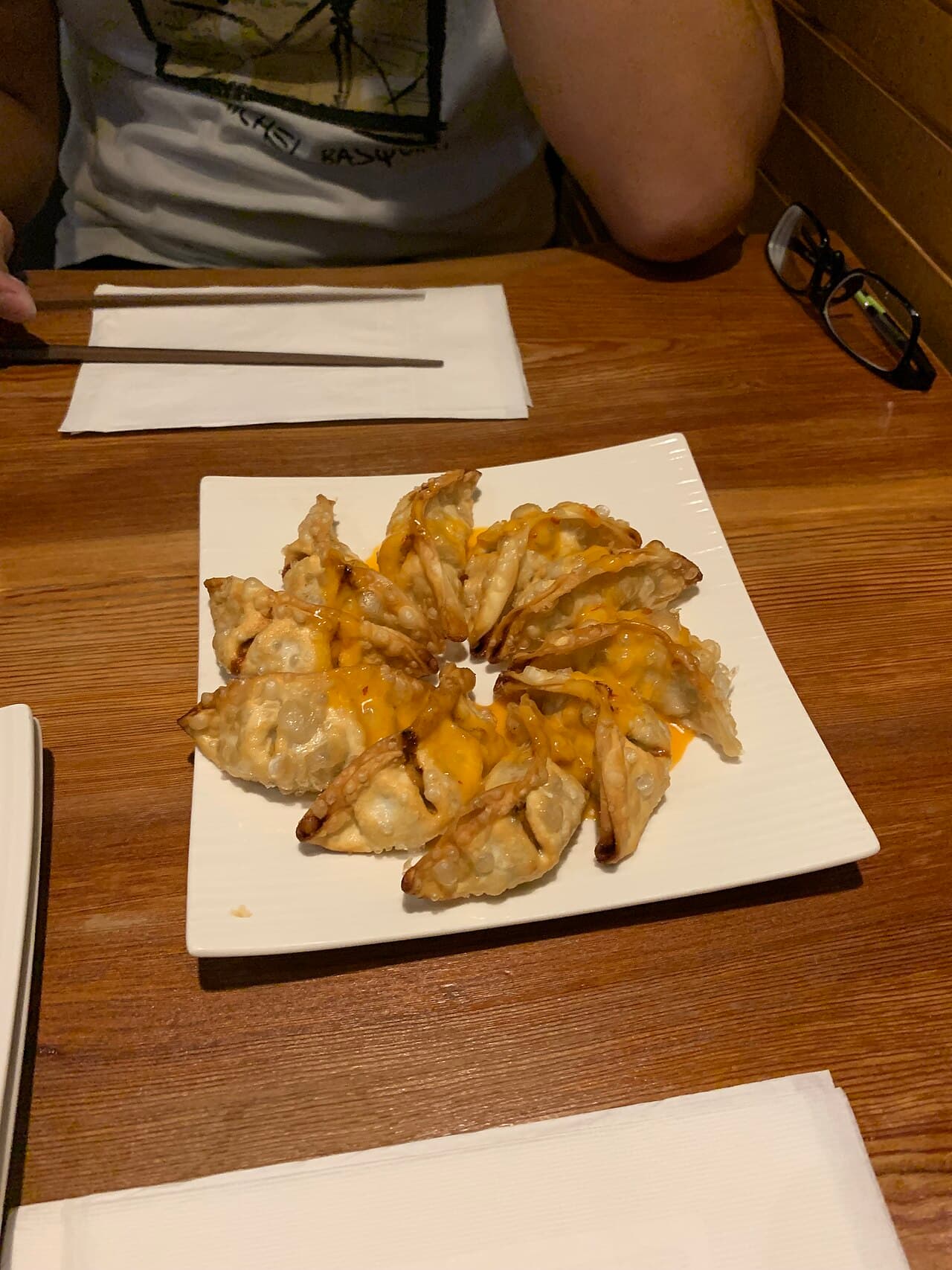
Standard gyoza is not vegan — the filling is almost always pork. The good news: the wrapper itself is usually vegan (wheat flour and water, no egg), so vegetable and vegan gyoza are easy wins at plant-based cafes and Chinese spots. The hidden trap is chicken stock, lard, or dashi tucked into the filling. Here's how to eat gyoza plant-based in Japan.
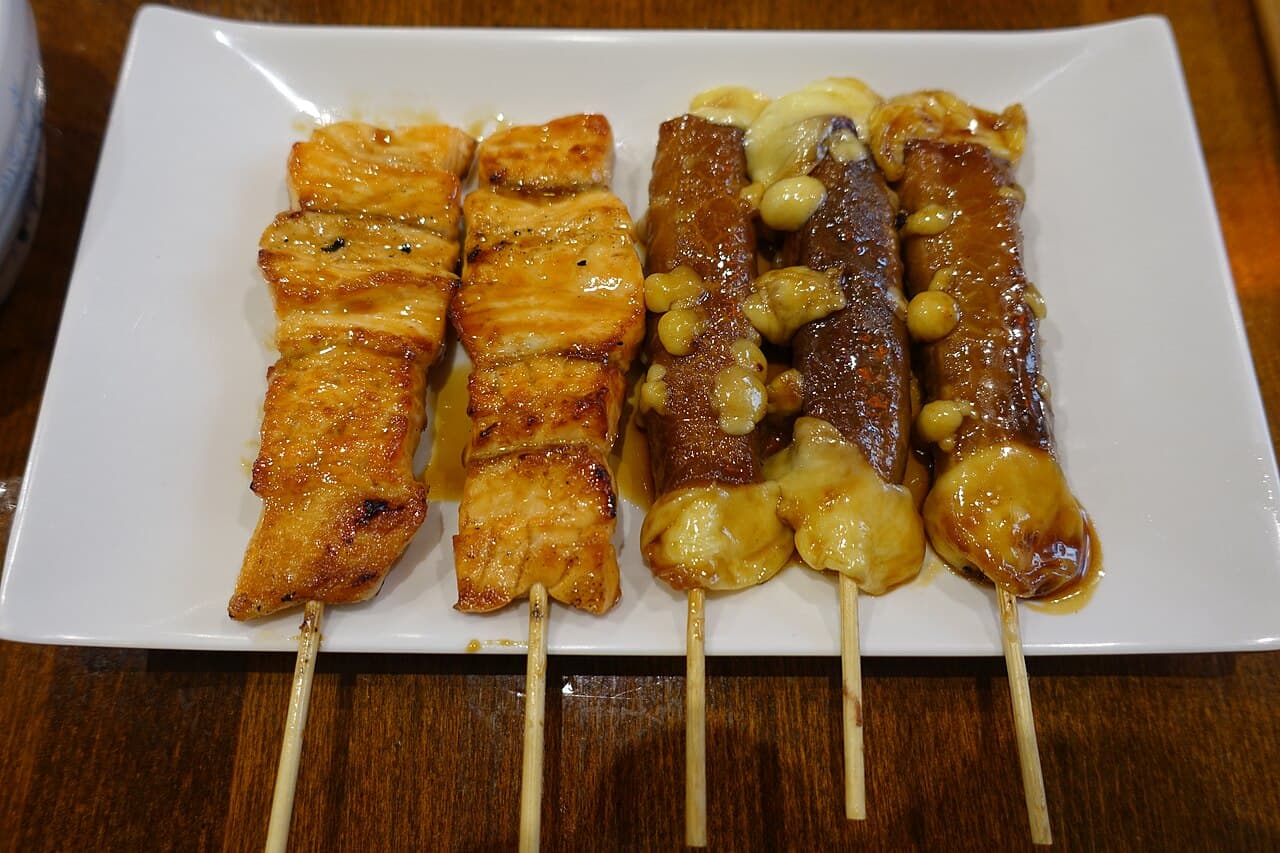
No — classic yakitori is grilled chicken, and even the vegetable skewers usually share a tare glaze built on chicken stock, mirin and sometimes bonito. So standard yakitori is not vegan. The good news: plant-based "yakitori-style" skewers — shiitake, negi, tofu and konnyaku — do exist at Tokyo's vegan izakaya. Here's how to tell the difference and eat well.
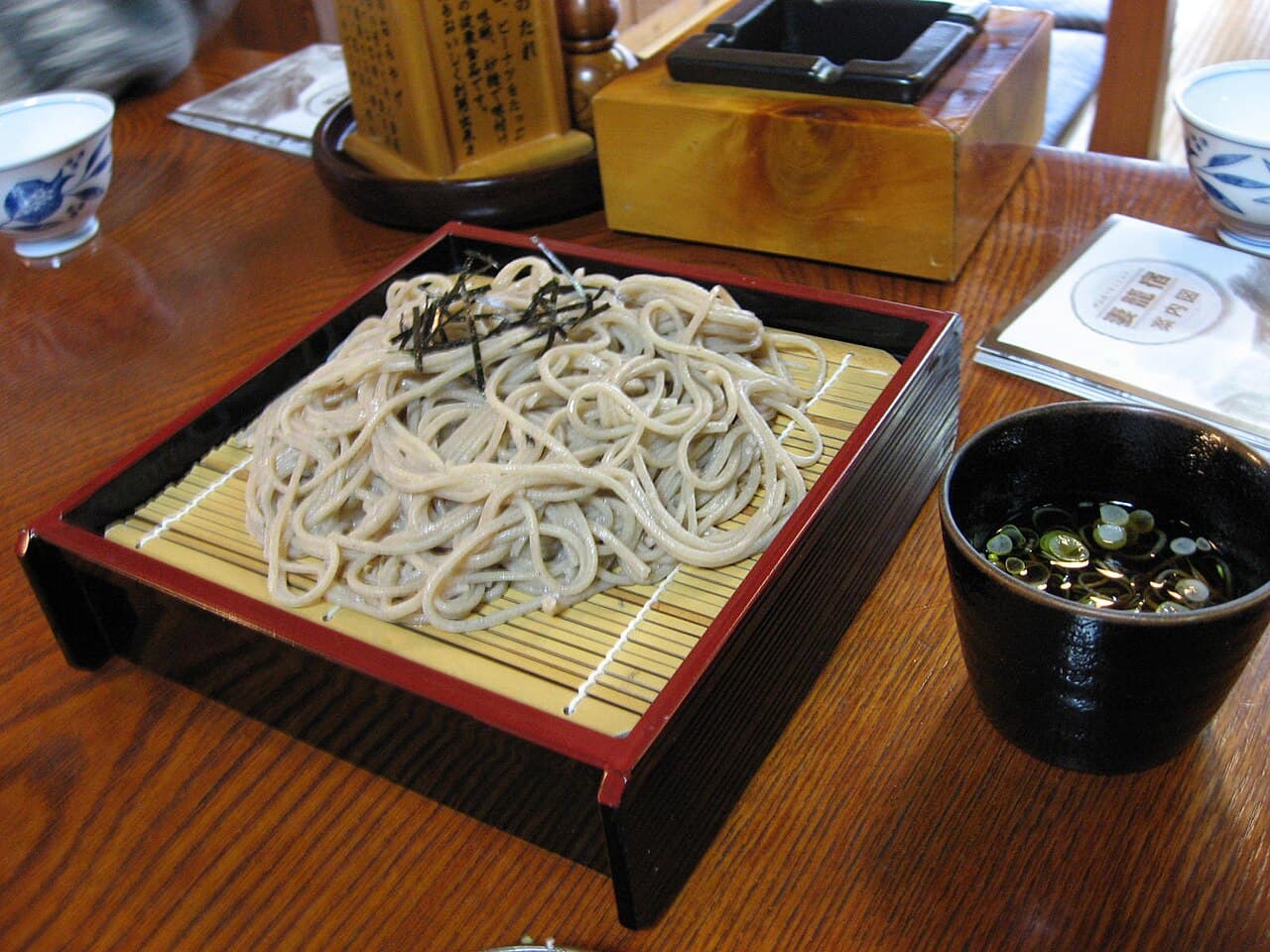
Is soba vegan? The noodle itself usually is — buckwheat, sometimes cut with a little wheat — but the broth is the trap. Most restaurant soba is dipped in or served in tsuyu built on katsuobushi (bonito) or niboshi (sardine) dashi, so it isn't vegan as served. The fix: order zaru soba, ask for a kombu-based dip, or find a vegan soba specialist. Doable, with one question.
Short answer: yes, you can eat vegan from a konbini — if you know which staples are safe and how to read a label. Here are the reliable picks at 7-Eleven, Lawson and FamilyMart, the traps to skip, and the kanji to scan.
Short answer: more than you fear, less than you hope — and very doable with a plan. Big cities are genuinely good and improving fast; the trap to learn is dashi (fish stock). Here's the honest picture and a simple plan.
A well-planned vegan, vegetarian or pescatarian diet is healthful at every life stage — say the dietitians. The few nutrients worth planning (yes, B12), and why Japan is one of the easiest places to thrive.
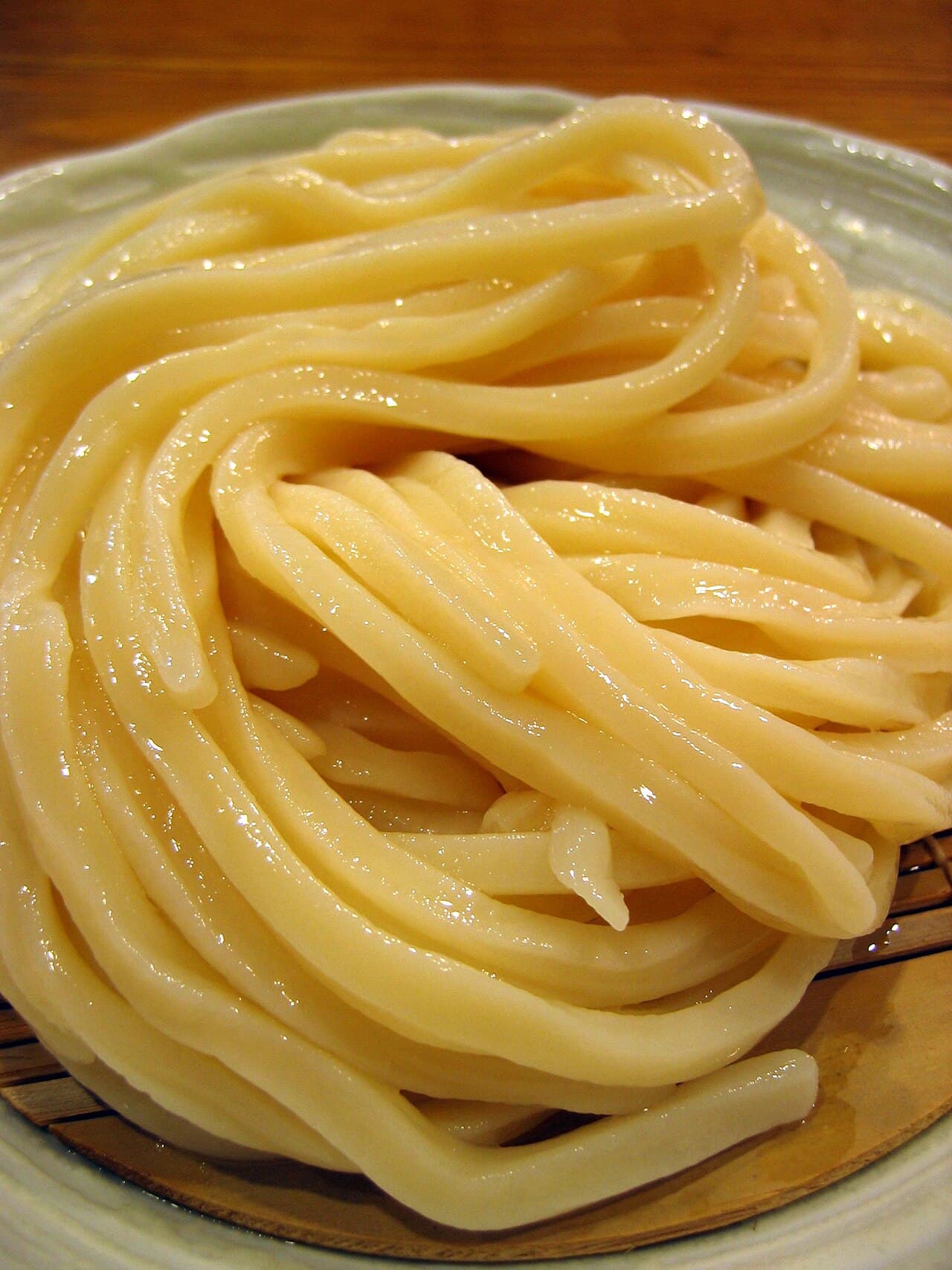
The noodles are vegan — udon is just wheat flour, water and salt — but the dish usually is not. Standard udon broth (tsuyu) is made with bonito dashi and finished with soy sauce and mirin, and toppings like tempura, fish cake and egg add more. Vegan udon with kelp-shiitake broth exists at plant-based shops.
Usually not. Miso paste itself is plant-based, but almost all miso soup in Japan is made with bonito-and-sardine dashi, so the standard bowl is neither vegan nor vegetarian. Versions made with kombu (kelp) or shiitake dashi — common at temple and vegan restaurants — are fully plant-based.
Most dashi is not vegan. The everyday Japanese stock is built on katsuobushi (dried bonito) and niboshi (dried sardines), so it carries fish even when a dish looks plant-based. The vegan exceptions are kombu (kelp) and dried-shiitake dashi — the base of Buddhist shojin cooking and of modern vegan ramen.
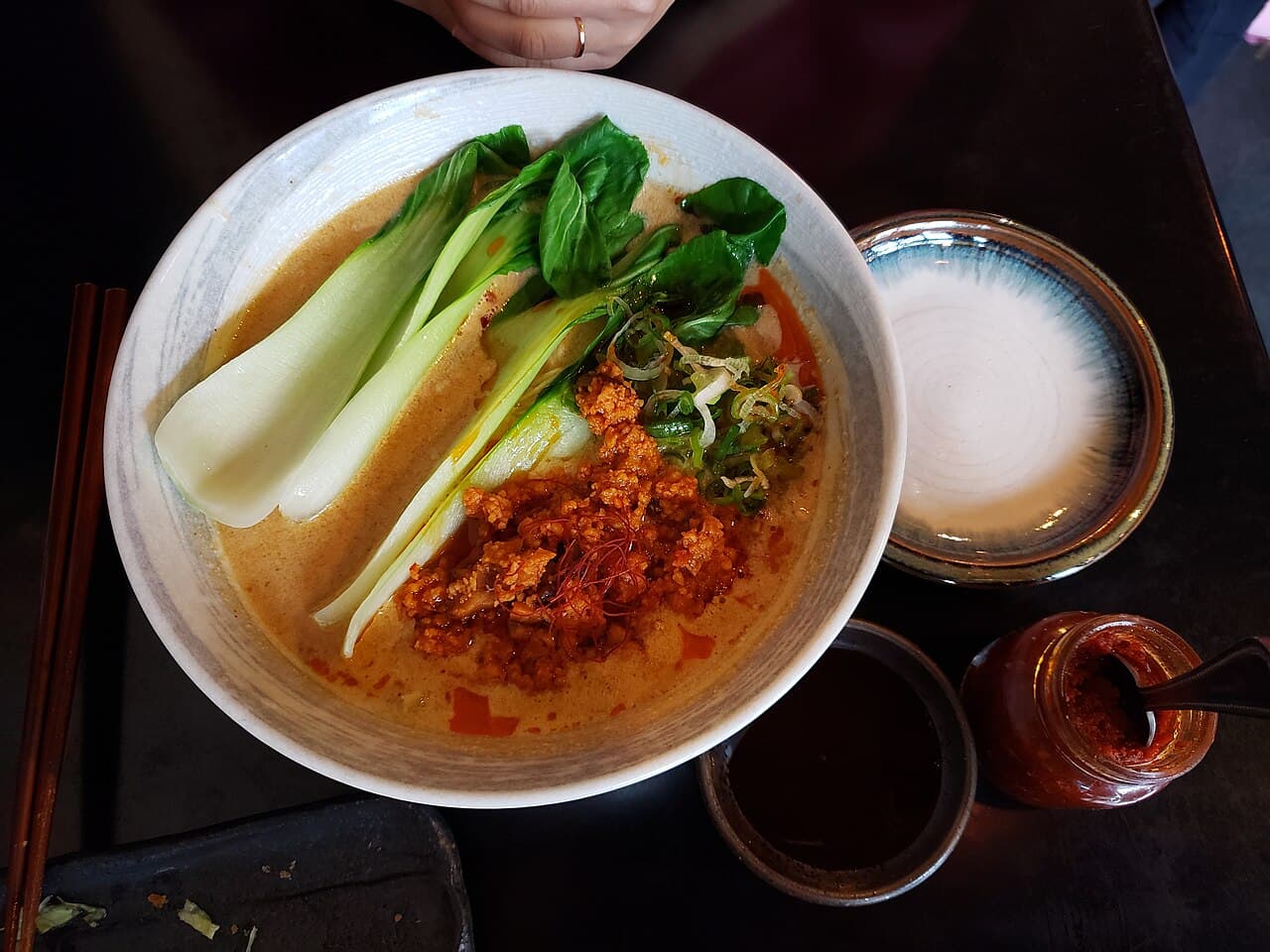
Plant-based dining in Tokyo has roughly doubled since 2019, and vegan ramen is the clearest sign — dedicated shops building deep umami from mushrooms, kombu and miso rather than meat. Here's what's driving it, and the bowls worth crossing town for.
Yes — Nara is quietly one of Japan's easier cities for plant-based eating, but its famous specialty is fish, and bonito dashi still hides everywhere. Here is how to eat well, and the one shop to trust.
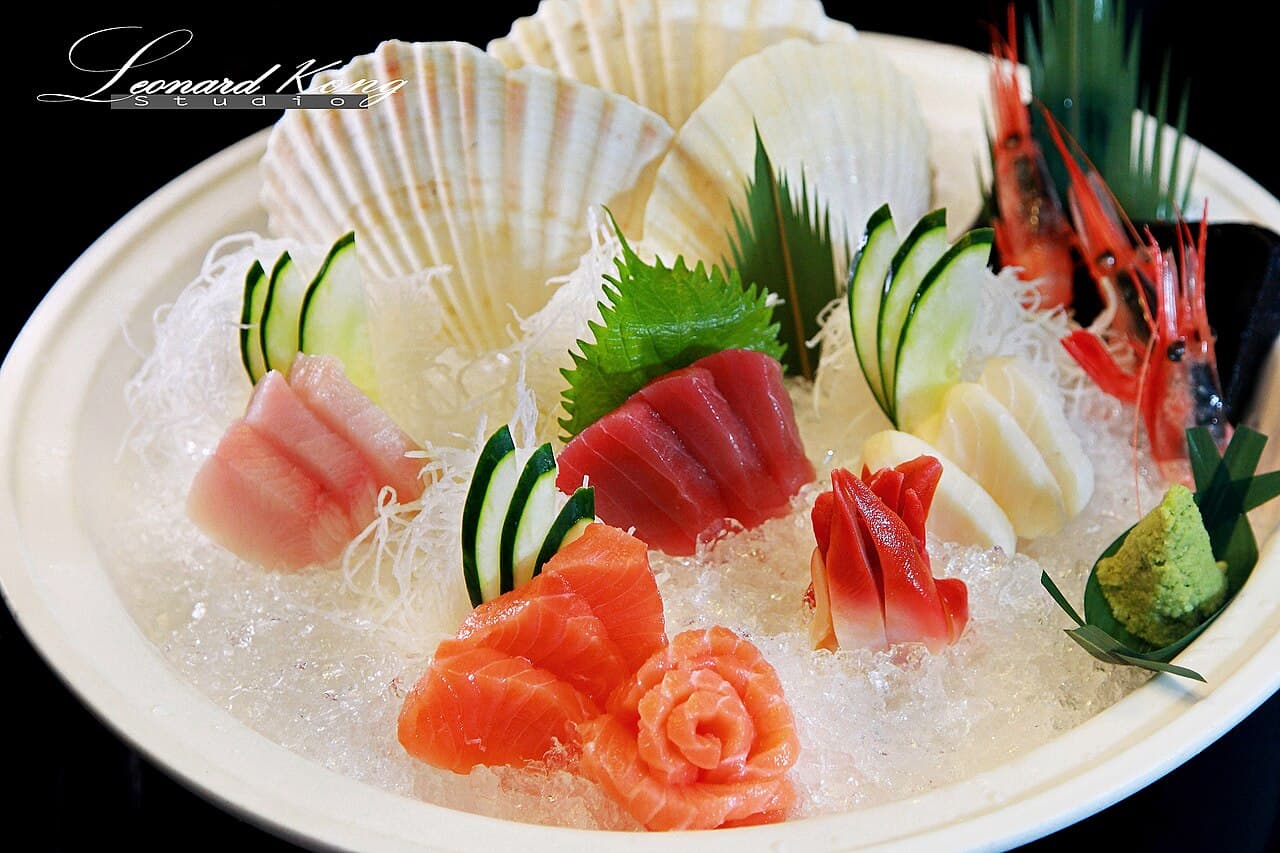
If you eat seafood but not meat, Tokyo is paradise. Sushi, sashimi, grilled fish and seafood bowls are everywhere — here's how to order with confidence, plus the hidden meat to watch for.
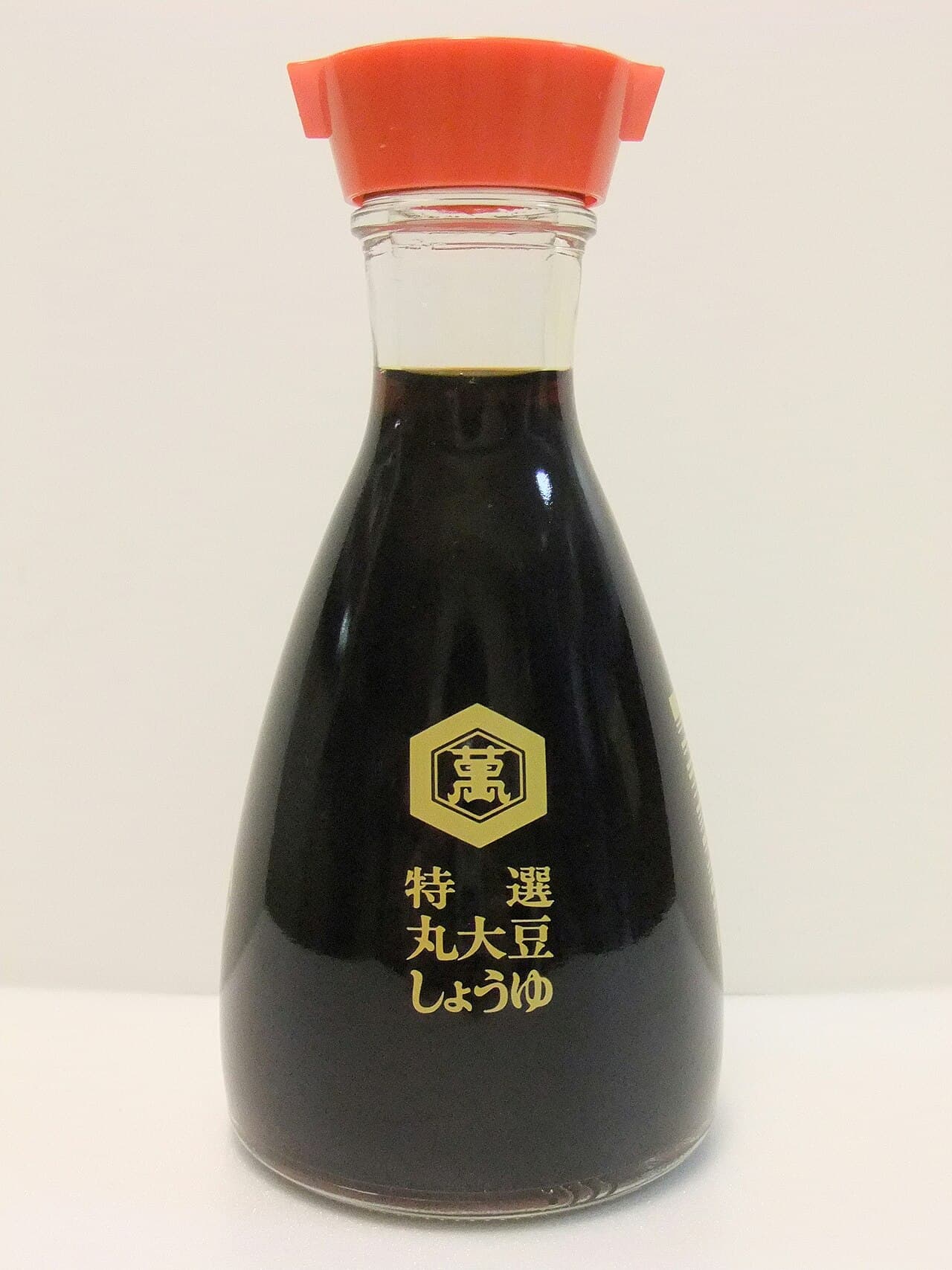
Plain Japanese soy sauce (shoyu) is naturally vegan -- it's fermented from soybeans, wheat and salt, nothing animal-based about the process. The catch is that a lot of what gets called "soy sauce" in restaurants and on shelves isn't plain shoyu at all: tsuyu, ponzu and teriyaki sauce are soy-sauce-based blends that commonly add fish. Here's how to tell them apart, plus the gluten-free tamari option.
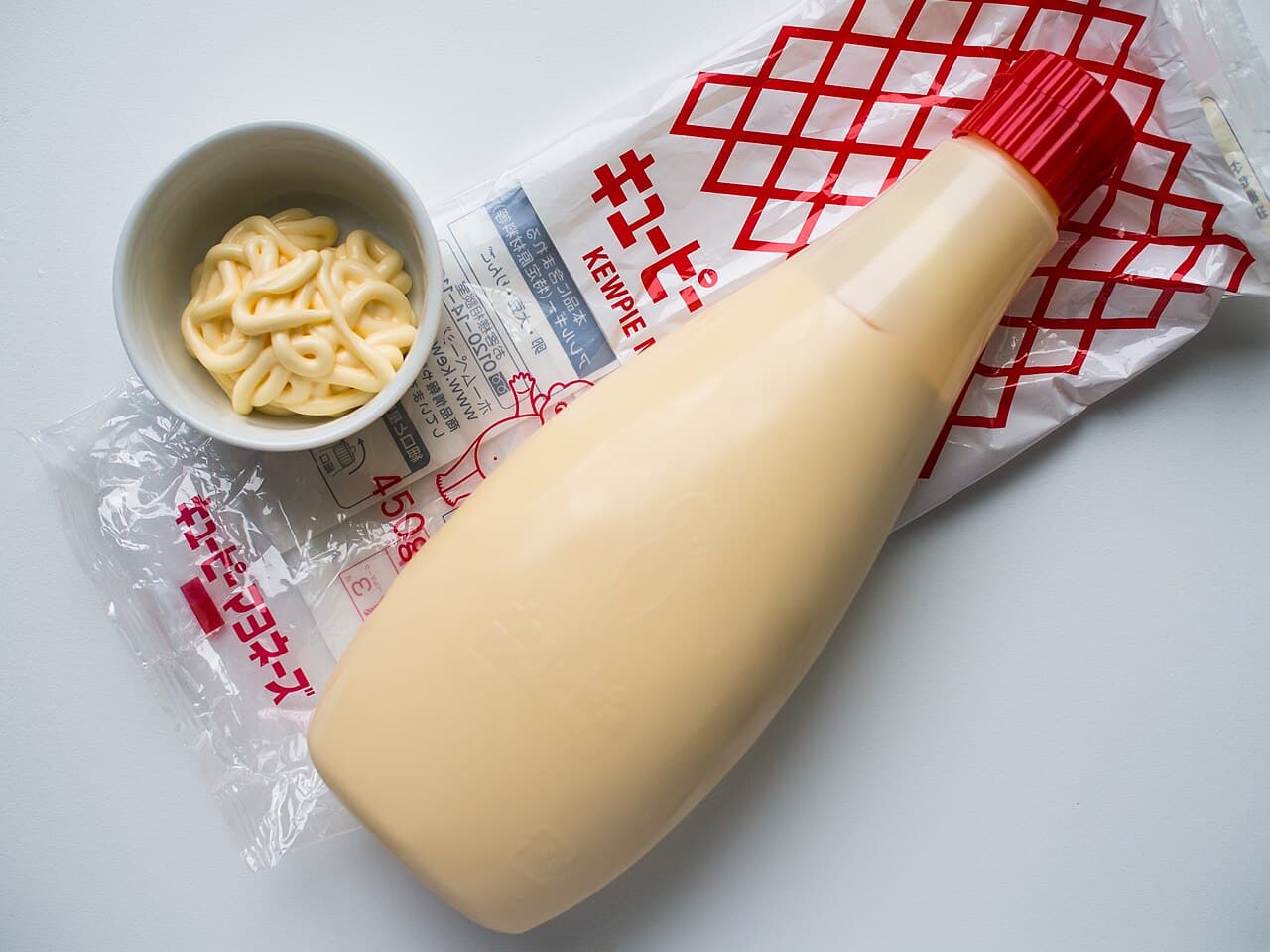
No -- standard Kewpie Mayonnaise is built on egg yolk (about 3.6 yolks per 450g bottle, by Kewpie's own figures). The same company also makes an official all-plant Kewpie Vegan Mayonnaise, so the fix is checking the specific bottle, not avoiding the brand. For vegetarians who eat egg, though, the standard bottle is fine -- the label lists no meat or fish ingredients.
No — no Pocky flavor is vegan. Glico's own labels list whole milk powder or lactose in every standard flavor — Chocolate, Cookies & Cream, Almond Crush and Matcha alike — and Glico itself confirms there is no vegan Pocky at the moment. The dairy is in the coating, not the biscuit stick.
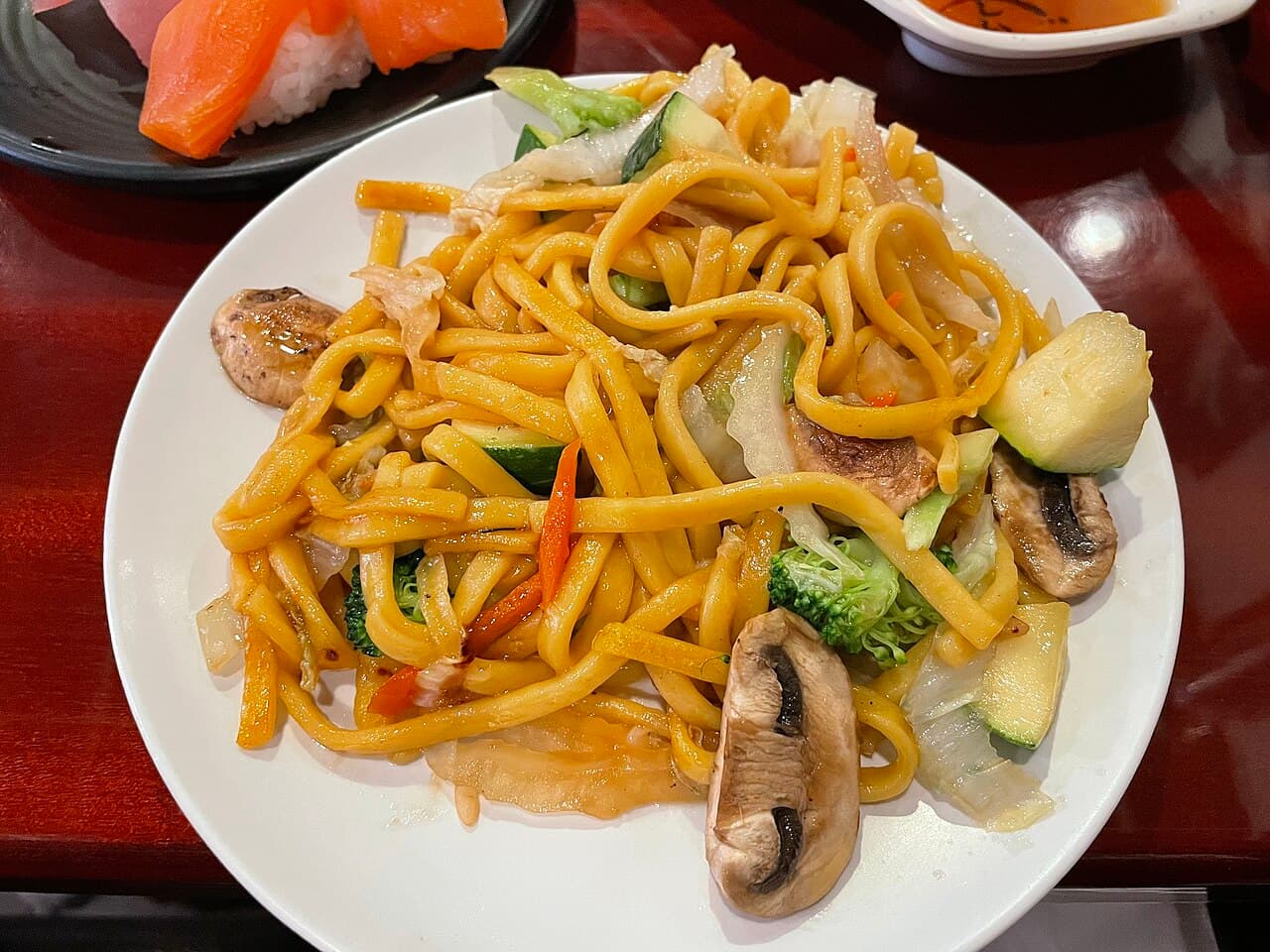
Usually not. The noodles themselves are just wheat and water, but Otafuku's standard yakisoba sauce -- Japan's dominant brand -- lists oyster extract, meat extract and fish extract. A dedicated vegan version of the same sauce exists for the US market, but it isn't the one used at a Japanese festival stall. The sauce rules out vegetarians too, not just vegans -- only the plain noodles are safe.
Usually not. Most bottled ponzu -- including Kikkoman's standard citrus ponzu sauce -- lists bonito (fish) extract as an ingredient. A few dashi-free versions exist, and it's simple to make bonito-free ponzu at home with kombu. The same bonito rules it out for vegetarians too, not just vegans.
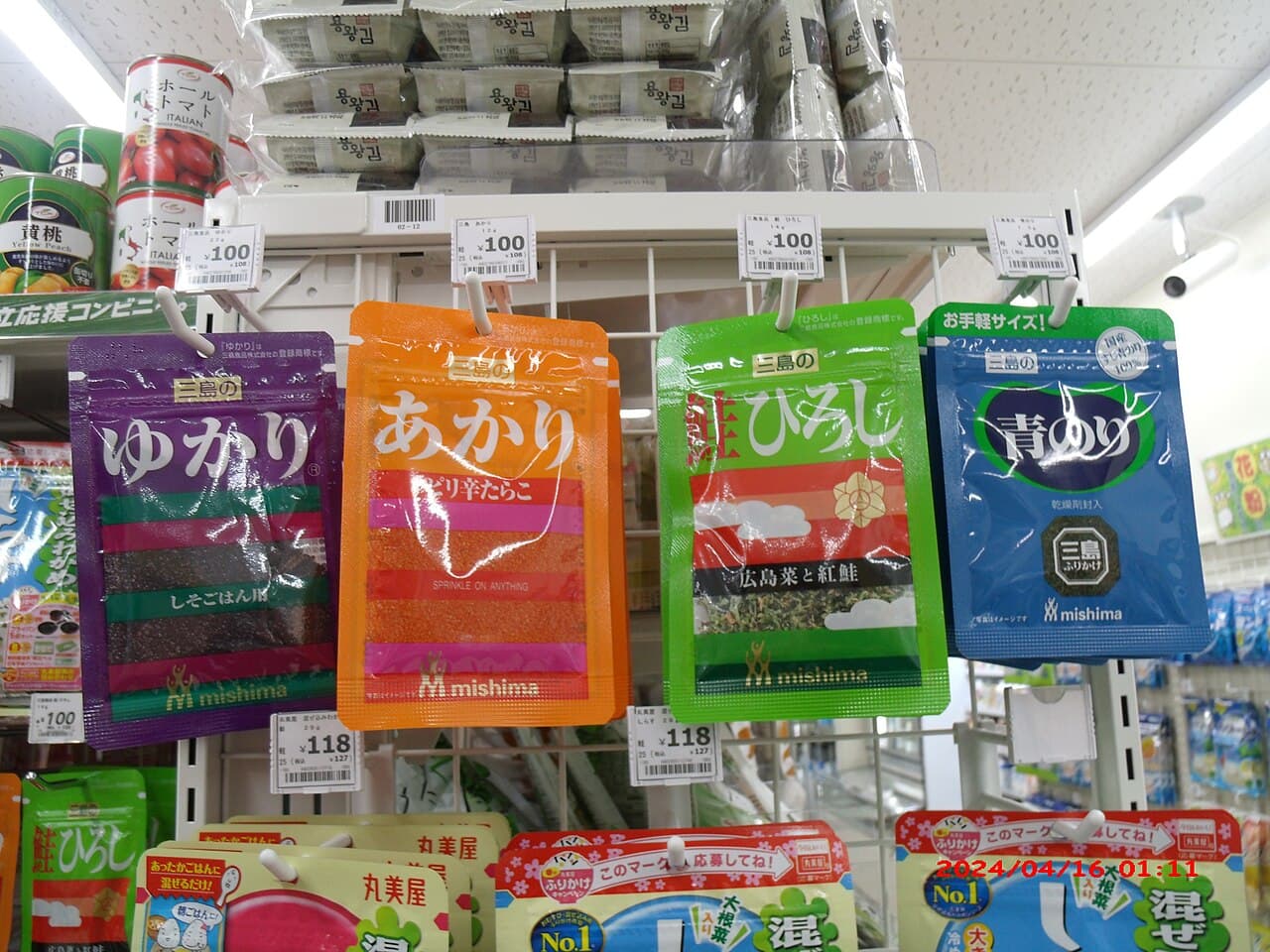
It depends on the flavor. Japan's two best-selling furikake are out: noritama is built on egg and katsuo/okaka on bonito fish — so the katsuo kind isn't even vegetarian. Yukari (shiso) and plain seaweed-sesame blends with no fish "extract" on the label are the reliable plant-based picks.