
In the moment
Vegan konbini guide: what to buy at Japanese convenience stores
The honest reality
Japan's convenience stores (konbini) are everywhere, open all night, and a lifeline when you're tired or rural. They are not designed for vegans, though — most bentō, sandwiches and a lot of "plain" items hide egg, dairy, fish or dashi (fish stock). The good news: a handful of staples are reliably plant-based, and a one-minute label scan turns the konbini into an easy, cheap meal.
The reliable staples
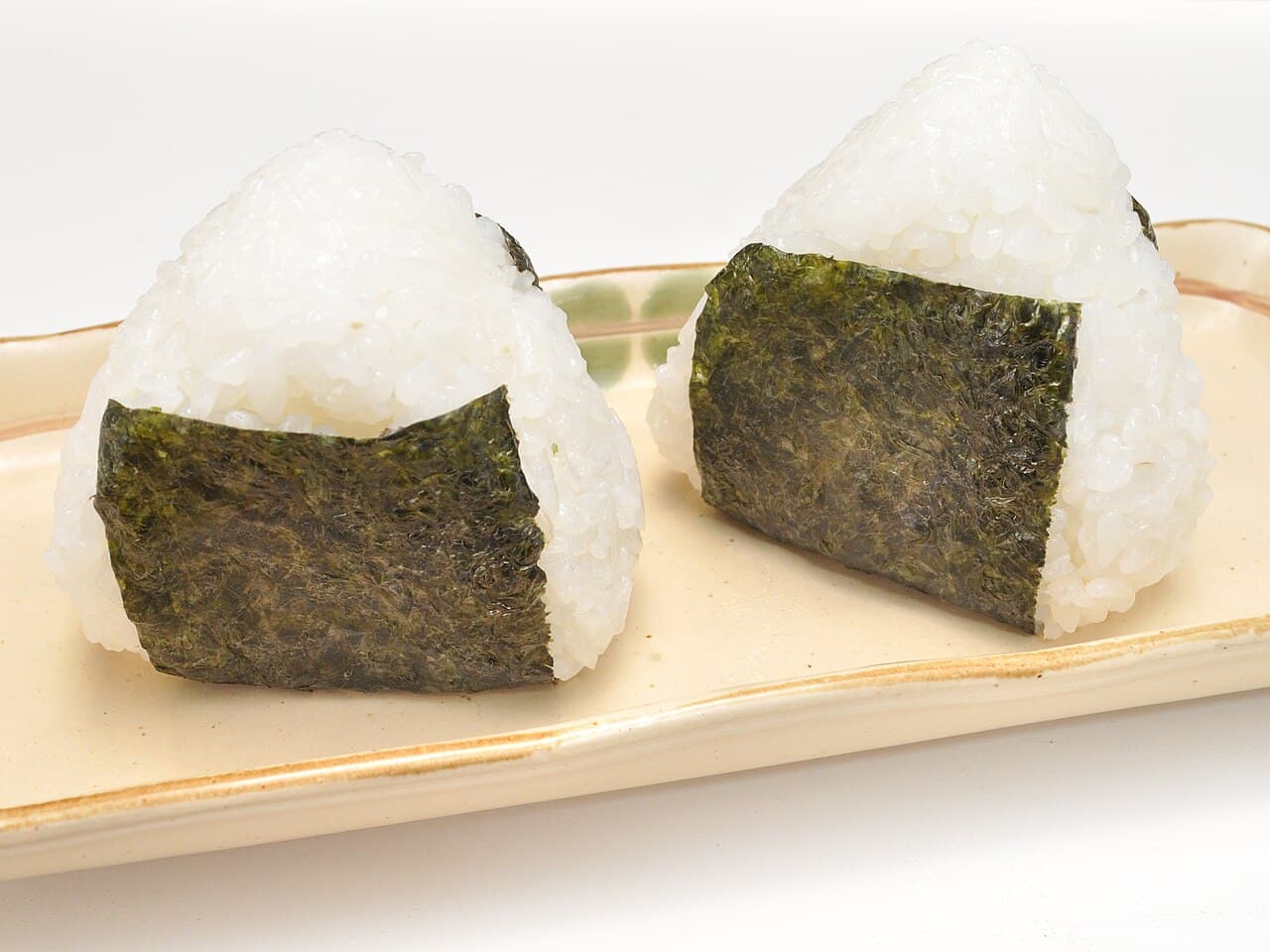
- Onigiri (rice balls): ume (pickled plum) and kombu (kelp) are the classic safe fillings. Skip tuna-mayo, salmon and anything with bonito — and check even simple ones, as dashi sometimes appears.
- Edamame (chilled or frozen), plain tofu, and steamed soybeans — clean protein, almost always just soy and salt.
- Nattō — the beans are vegan, but the little sauce packet often contains bonito; use plain soy sauce instead, or check.
- Soy milk (tōnyū) — unsweetened is safest; flavoured cartons sometimes add honey.
- Fruit cups, nuts, dried fruit and roasted seaweed snacks.
- Plain salads — bring or buy a simple oil-and-vinegar option, since many dressings carry dairy, egg or fish.
- *Mochi and red-bean (anko) sweets* — many are plant-based; just check for egg in the dough.
Read the label in one minute
Every packaged food lists allergens. Scan for these and put it back if you see them: 乳 (dairy), 卵 (egg), 魚 (fish), えび/かに (shrimp/crab), 豚 (pork), かつお (bonito), ゼラチン (gelatin), はちみつ (honey). The phrase かつおだし or かつお節 means bonito stock — the most common hidden trap.
The chains, briefly
7-Eleven (セブン), Lawson (ローソン) and FamilyMart (ファミマ) are all nationwide and stock the staples above. Lawson's Natural Lawson branches tend to carry more soy and plant-based options. Stock changes constantly, so treat any single product as "check today," not "safe forever."
A note on strictness
Konbini food is mass-produced, ingredient lists change, and cross-contamination is possible. For ordinary plant-based eating this is no problem; if you have a true allergy, read every label fully and lean on whole items (fruit, nuts, plain edamame) rather than prepared foods.
Sources
FAQ
- Can vegans eat at konbini (convenience stores) in Japan?
- Yes, with label-reading. Reliable staples include ume (pickled plum) and kombu (kelp) onigiri, edamame, plain tofu, unsweetened soy milk, fruit, nuts and roasted seaweed. Avoid prepared bentō and check for fish, egg, dairy and dashi.
- Which onigiri fillings are vegan?
- Ume (pickled plum) and kombu (kelp) are usually the safe choices. Skip tuna-mayo and salmon, and check even simple rice balls, because bonito dashi sometimes hides in the seasoning.
- Is nattō vegan at the konbini?
- The fermented soybeans are vegan, but the sauce packet that comes with it often contains bonito (fish). Use plain soy sauce instead, or check the packet's label.
- What kanji should I look for on labels?
- Scan for 乳 (dairy), 卵 (egg), 魚 (fish), 豚 (pork), かつお (bonito), ゼラチン (gelatin) and はちみつ (honey). The words かつおだし or かつお節 mean bonito stock, the most common hidden non-vegan ingredient.