
Dietary guide
Is Onigiri Vegan? A Vegan's Guide to Japan's Rice Balls
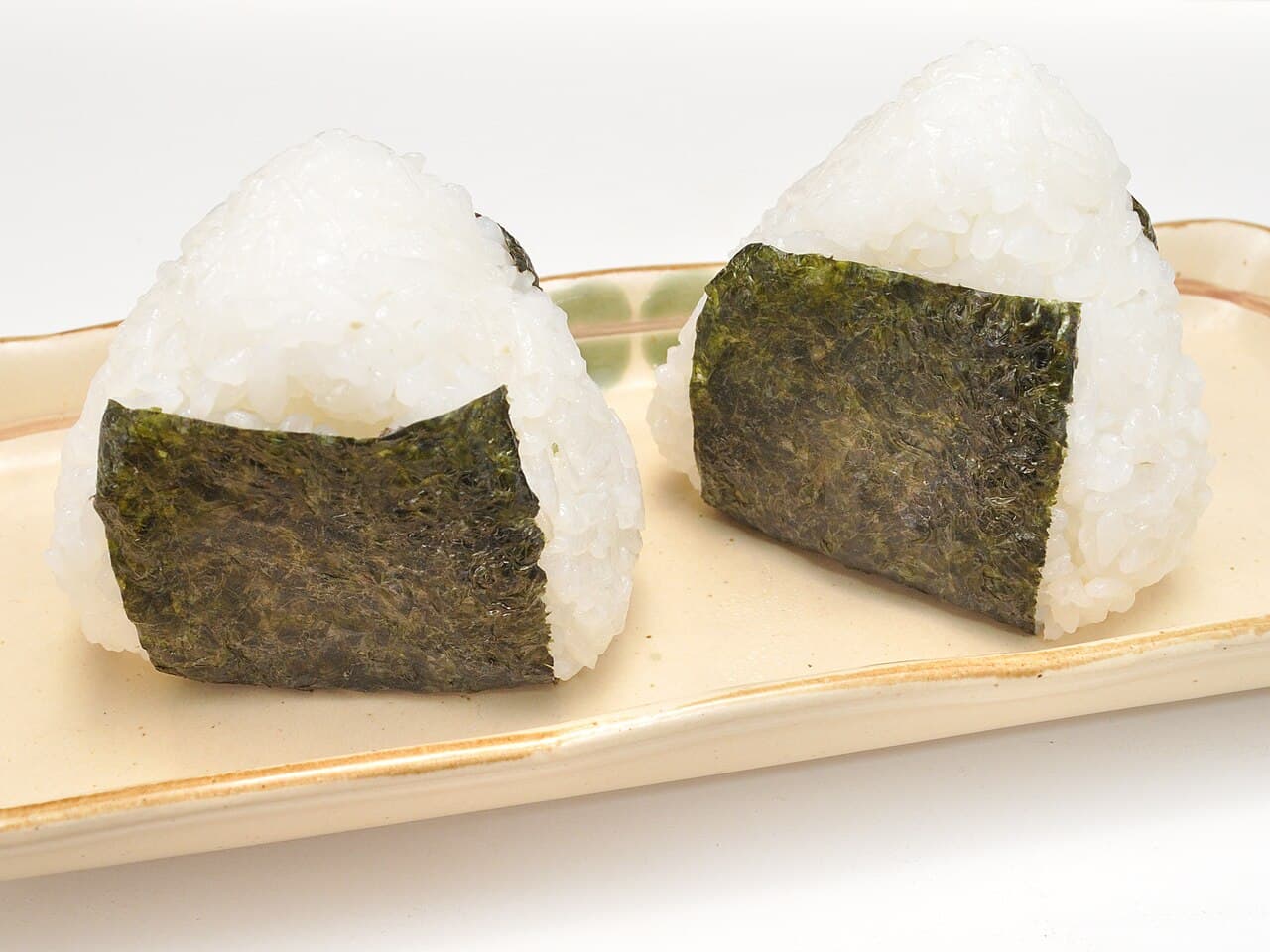
The short answer
Plenty of onigiri are genuinely vegan. The rice ball itself is just steamed short-grain rice, usually pressed around a filling and wrapped in a strip of nori seaweed — all plant-based. What decides the question is the filling and, less obviously, how the rice is seasoned. Get those two right and onigiri becomes one of the easiest, cheapest vegan meals in Japan.
Fillings that are usually vegan
Reach for the classics built on plants:
- Umeboshi — a single sour, salt-cured pickled plum. The bracing tang cuts through the soft rice; reliably vegan.
- Kombu — kelp simmered in soy and sugar, glossy and savory-sweet.
- Pickled vegetables — takana (mustard greens), shiba-zuke, and other tsukemono fillings.
- Yaki-onigiri — a grilled rice ball brushed with soy; vegan when it isn't glazed with a dashi-based sauce.
The traps
Some fillings are obviously animal — tuna-mayo (also carries egg in the mayonnaise), salmon, salmon roe, chicken. The sneakier one is okaka: rice flecked with katsuobushi, dried bonito, which looks like a harmless brown seasoning but is fish.
The quietest trap of all is dashi — bonito or sardine stock — used to season the rice or a filling that otherwise reads as vegetable-only. This is the single most important thing to check, because it hides in food that looks plant-based. If you eat one thing before your trip, read is dashi vegan in Japan; kombu or shiitake dashi is the vegan exception. The same care applies to a bowl of miso soup beside it.
Reading the konbini label
Convenience stores are a real help here. Onigiri carry an ingredients panel; scan for 鰹/かつお (bonito), 出汁/だし (dashi), 魚 (fish), 卵 (egg), and はちみつ (honey). Umeboshi and kombu onigiri are your safest defaults. Our konbini eating guide maps the wider aisle, and the broader can vegans eat in Japan primer sets expectations for the trip.
Eating well
For a sit-down meal, shojin-ryori — Buddhist temple cuisine — is plant-based by doctrine, a graceful step up from a rice ball. See the vegan dining directory for verified rooms. Carry a couple of umeboshi onigiri for train days, learn the four kanji above, and you'll eat vegan across Japan without stress.
Places we’ve confirmed
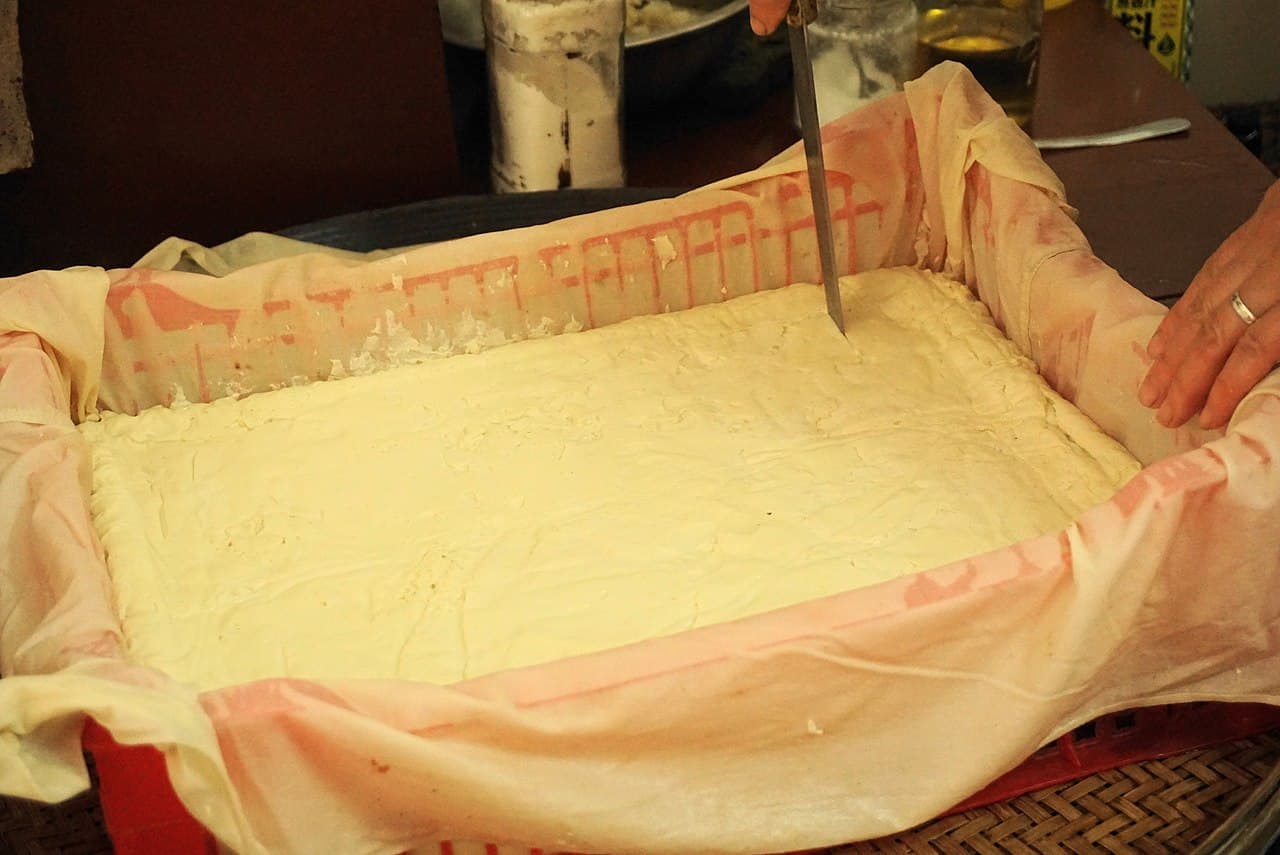
Komaki Shokudo
Kuchifuku set — nine seasonal vegan sides with rice and miso soup
A casual, affordable vegan cafeteria run by a Kamakura temple lineage beneath the Akihabara rail arches, where even garlic and onion are forsaken in true shojin style.
- Vegetarian
- Vegan
- Solo
- Casual

Shinsekai Paprika Shokudou
Vegan takoyaki, kushikatsu and ramen versions of Osaka street food
A fully plant-based izakaya in Shinsekai (opened 2023) serving vegan, gluten-free versions of Osaka street food — takoyaki, kushikatsu and ramen — with no animal products and no fish dashi by design, so it sidesteps the bonito-dashi trap. 'Gluten-free' is the venue's own claim rather than a certification, so celiac diners should confirm dedicated-fryer and cross-contamination handling directly.
- Vegan
- Vegetarian
- Gluten-free
- Dairy-free
- Casual
- Solo
Mr. Farmer Omotesando
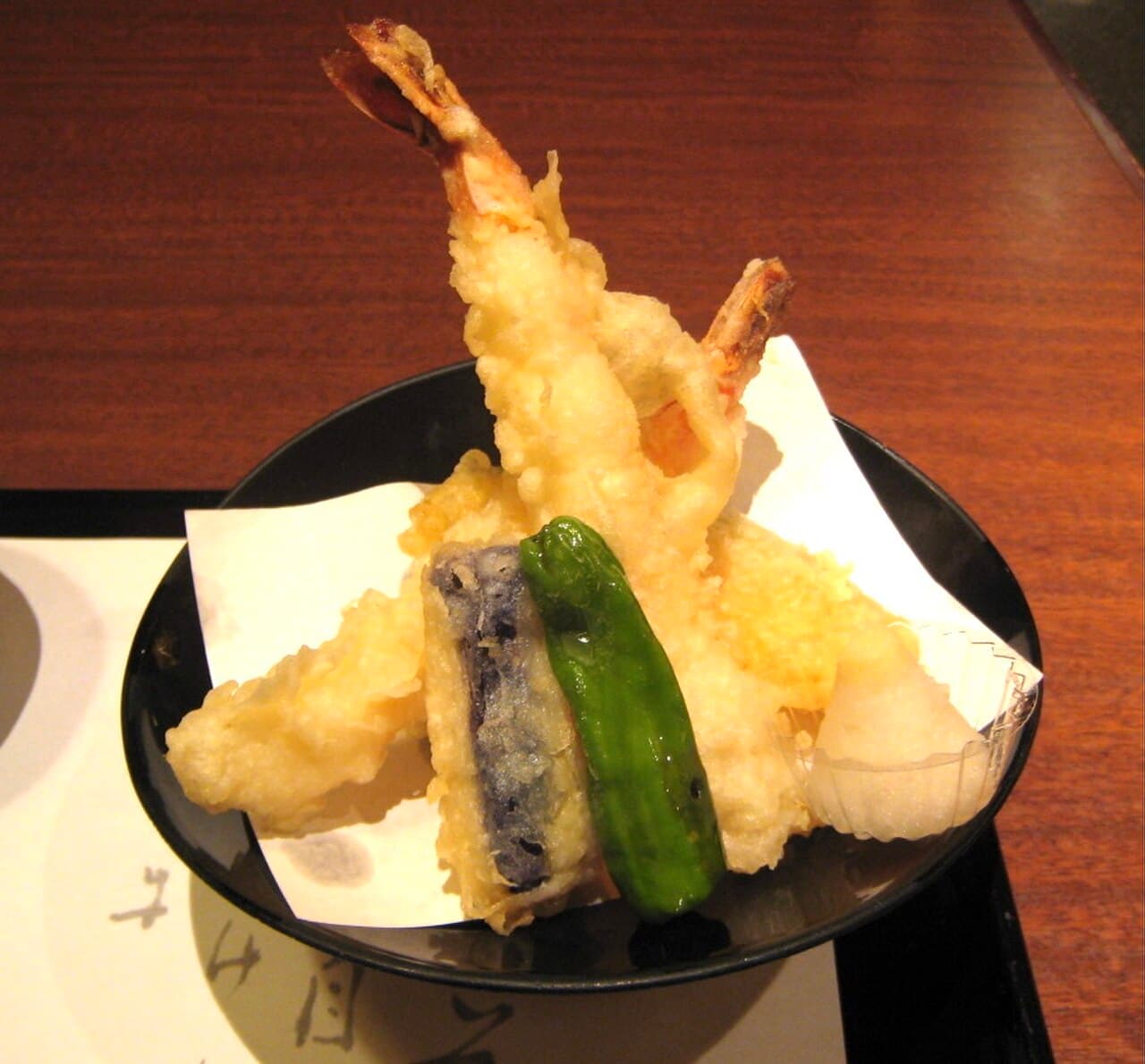
Farmer's vegan salad & vegetable omelette
A bright Omotesando flagship where a 'field evangelist' sources produce from 100 farms, plated into vivid vegan, gluten-free and athlete bowls.
- Vegetarian
- Vegan
- Gluten-free
- Casual
- Date
Sougo
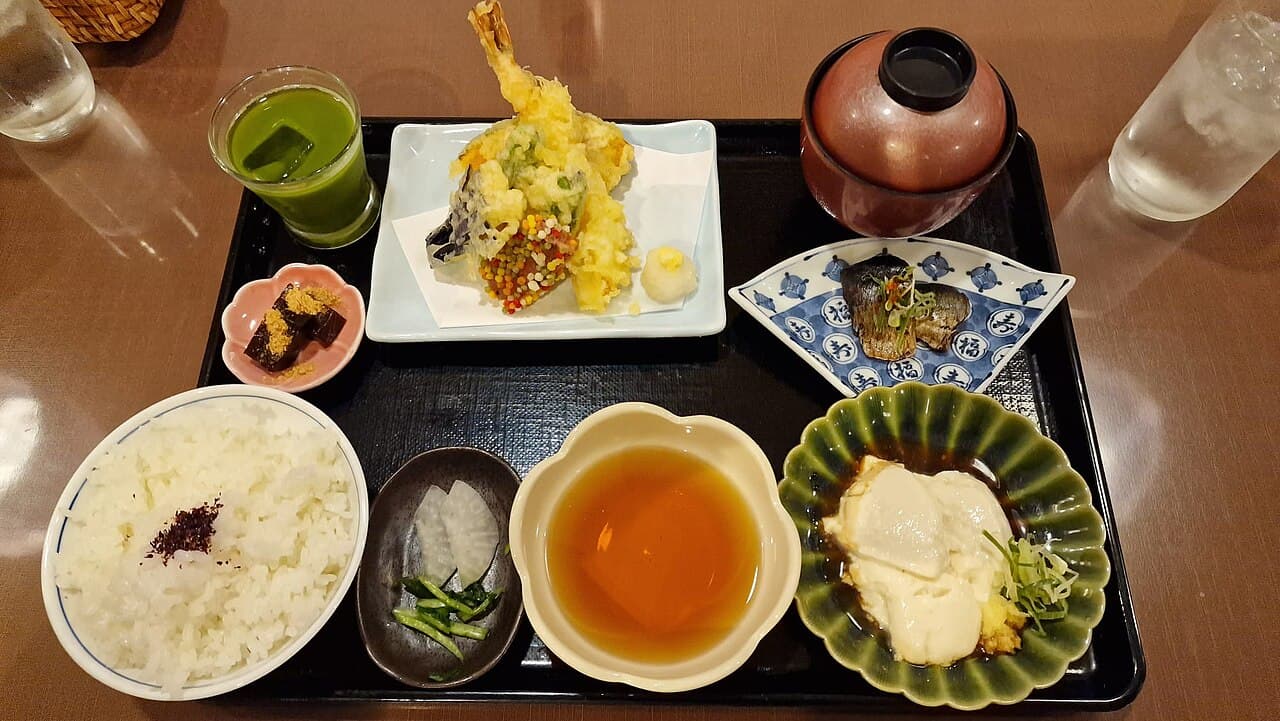
Seasonal shojin kaiseki paired with sake and wine, refreshed every three weeks
A refined Roppongi shojin restaurant led by chef Daisuke Nomura, formerly of two-Michelin-starred Daigo, pairing plant-based Zen cuisine with carefully chosen sake and wine.
- Vegetarian
- Vegan
- Anniversary
- Business
- Date
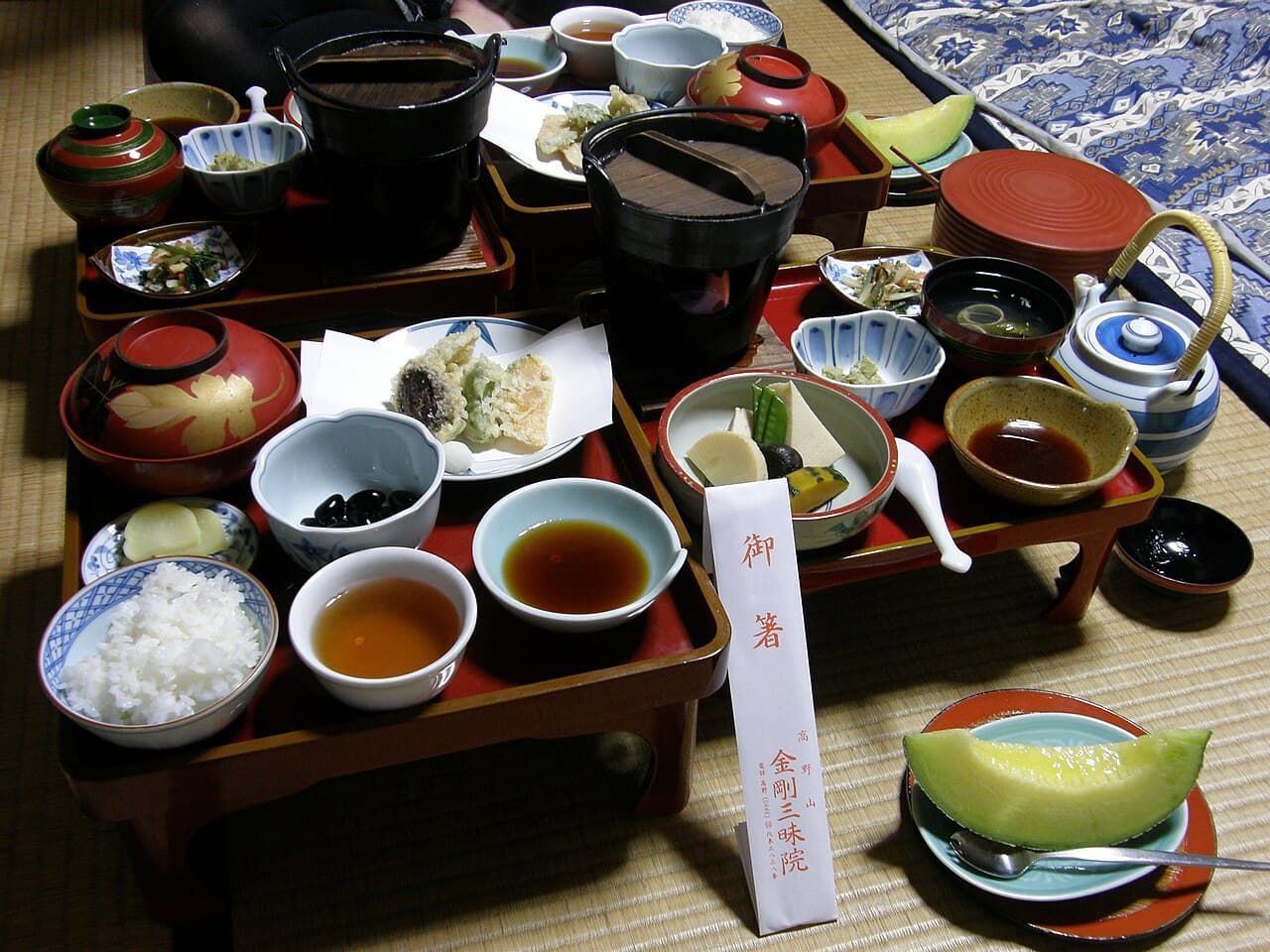
Shigetsu (Tenryu-ji)
Seasonal multi-course shojin set served in lacquerware
Temple-run Zen vegetarian dining inside Tenryu-ji, one of Arashiyama's great Zen temples (Michelin Bib Gourmand, Kyoto-Osaka 2025), served as a seasonal multi-course set in lacquerware. Traditional shojin uses kombu and shiitake rather than fish dashi, so there is no bonito broth; the menu does not publicly itemise egg or honey, so strict vegans should confirm when reserving. A garden admission fee applies on top of the course.
- Vegetarian
- Vegan
- Dairy-free
- Date
- Anniversary
- Casual
- Private room
Sources
FAQ
- Which convenience-store onigiri are safe for vegans?
- Umeboshi (pickled plum) and kombu (kelp) are your most reliable defaults, and pickled-vegetable fillings are usually fine. Still scan the ingredients panel for dashi and bonito, which can season even a vegetable filling.
- Is the nori seaweed wrapper vegan?
- Yes. Plain nori is dried seaweed and fully plant-based. Just be aware that some flavored or seasoned nori snacks (not the onigiri wrap) can include bonito or fish extracts.
- Why isn't okaka onigiri vegan if it looks like a plain seasoning?
- Okaka is katsuobushi — dried, shaved bonito fish. Despite looking like a harmless brown flake mixed into rice, it's an animal product, so okaka onigiri is not vegan.