
Dietary guide
Is Mochi Vegan? The Honest Answer for Plant-Based Travellers in Japan

The short answer
Yes — plain mochi is vegan. It is simply pounded glutinous rice and water, and the red-bean daifuku wrapped around it is usually vegan too. The traps are narrow but real: a few brands sweeten with honey, ice-cream mochi hides dairy, and some coatings use gelatin. Read the label, and mochi is one of Japan's most reliably plant-based sweets.
What mochi is actually made of
Traditional mochi is mochigome (glutinous rice) steamed and pounded until sticky, then shaped. Rice, water, sometimes a pinch of salt — that's it. The classic filled version, daifuku, wraps a soft skin around anko, sweet azuki-bean paste made from beans, sugar and water. Both are plant-based by nature, which is why mochi sits comfortably in Japan's wagashi tradition alongside other quietly vegan sweets.
Where it can go wrong
A handful of things turn an otherwise plant-based mochi non-vegan:
- Honey — some modern or flavoured daifuku are sweetened with honey rather than sugar. Bees, so not vegan for strict eaters.
- Dairy — ice-cream mochi (the frozen supermarket kind) has a milk-based centre. The wrapper is fine; the filling is not.
- Gelatin — occasionally used in glossy fruit-daifuku glazes or novelty fillings. Agar (kanten, from seaweed) is the vegan version and far more common.
- Egg — rare in mochi itself, but a factor in mixed sweet boxes.
None of these are the default. They're the exceptions to check for, especially on packaged and convenience-store products.
Savoury mochi: watch the dashi
The sweet stuff is easy. The trap moves when mochi turns savoury. Ozoni, the New Year mochi soup, is almost always built on katsuo-dashi — bonito (fish) stock. Isobe-yaki, grilled mochi wrapped in nori, is usually brushed with soy sauce and is fine, but a dipping broth can carry dashi. As with almost everything in Japan, dashi is the hidden animal ingredient — kombu (kelp) or shiitake dashi is the vegan exception, so it's always worth asking. Our guide to whether Japan is vegan-friendly covers the dashi question in full.
Vegan-friendly cousins
If you love the chew, you have options that are almost always plant-based: warabi-mochi (bracken-starch) and kuzu-mochi (arrowroot) are gelled from plants, not gelatin, and dusted with kinako (roasted soy flour) and kuromitsu (brown-sugar syrup). Matcha-dusted versions are a joy — see our matcha wagashi notes. For the wider sweets picture, our is wagashi vegan explainer maps the whole shelf.
How to eat mochi well as a vegan
Buy fresh daifuku from a wagashi counter over packaged novelty flavours; ask for hachimitsu nashi (no honey) if unsure; skip anything labelled アイス (ice) for the dairy; and default to warabi or kuzu when you want a safe bet. Mochi is a genuinely joyful, low-stress sweet for plant-based travellers — the exceptions are few, named, and easy to sidestep.
Places we’ve confirmed
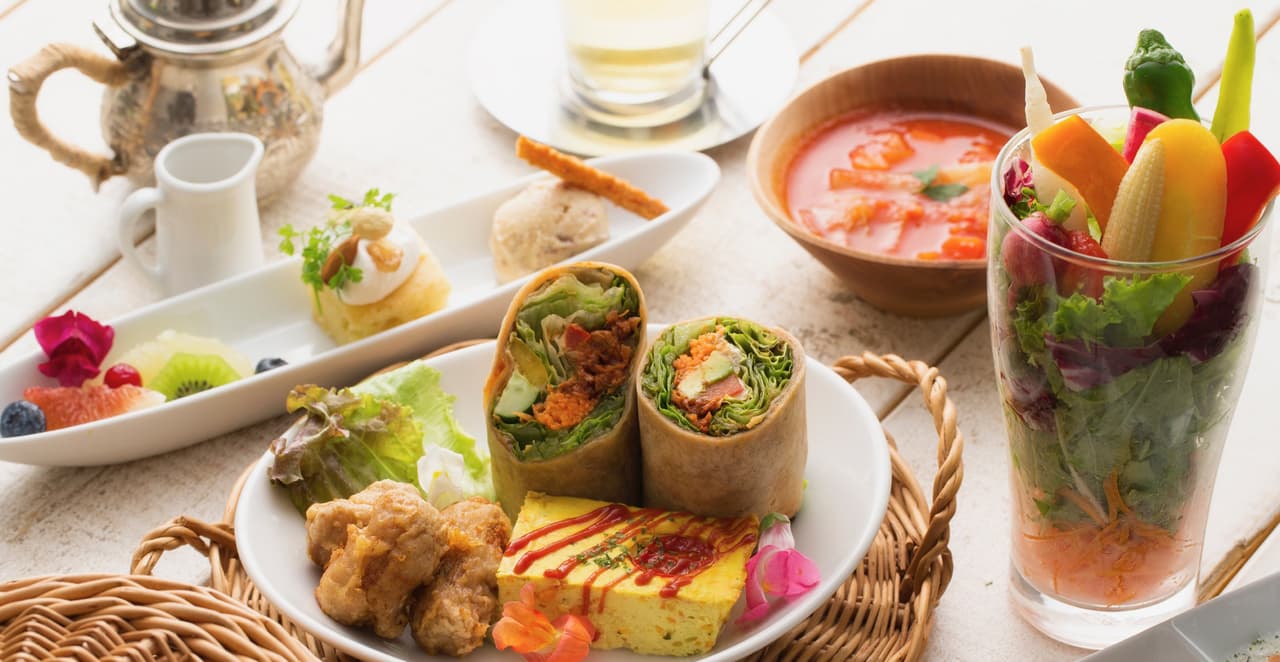
AIN SOPH. Journey Shinjuku
Heavenly Vegan Pancakes
The Shinjuku birthplace of the cloud-soft 'Heavenly Vegan Pancakes' that draw queues from vegans and non-vegans alike, with gluten-free options on the same menu.
- Vegetarian
- Vegan
- Gluten-free
- Dairy-free
- Date
- Solo
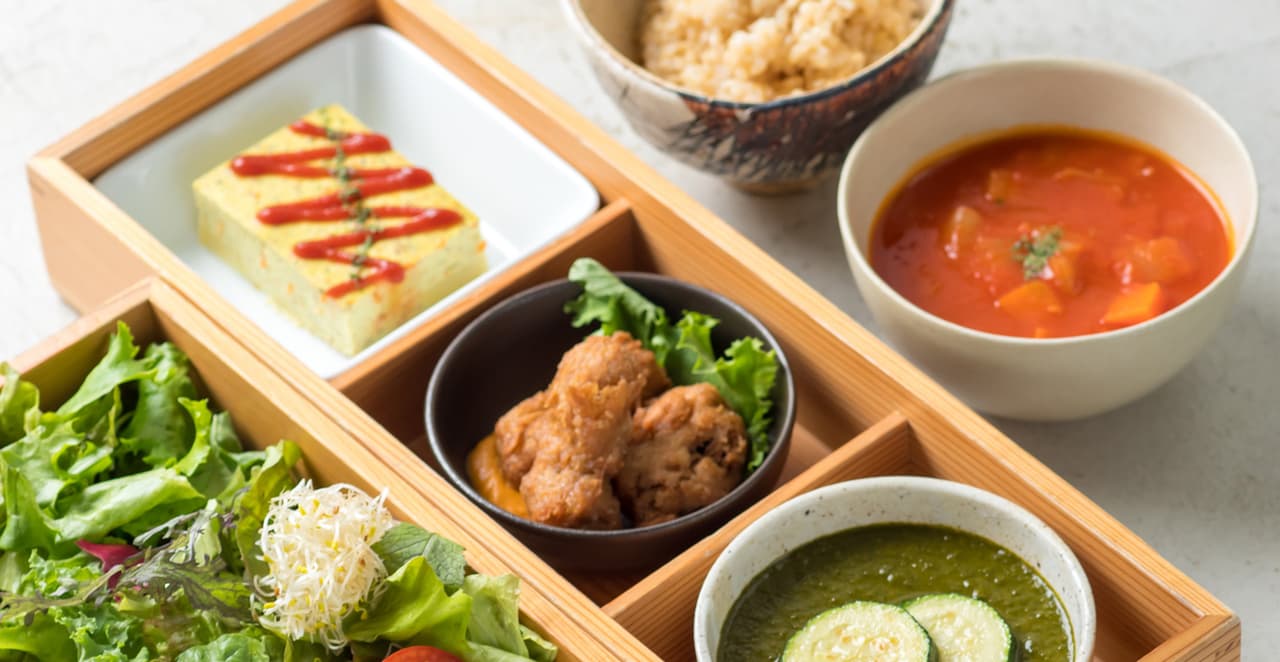
AIN SOPH. GINZA
Vegan pudding & seasonal vegetable course
AIN SOPH.'s flagship spreads across four Ginza floors, where a ground-floor patisserie of vegan pudding gives way to refined plant-based courses upstairs.
- Vegan
- Vegetarian
- Dairy-free
- Gluten-free
- Date
- Anniversary
Sources
FAQ
- Is daifuku (red-bean mochi) vegan?
- Usually yes. Daifuku is a mochi skin wrapped around anko — sweet azuki-bean paste made from beans, sugar and water. The main things to check are honey (used in a few brands instead of sugar) and, rarely, gelatin in fruit-daifuku glazes.
- Is mochi ice cream vegan?
- No — the classic frozen kind has a dairy ice-cream centre. The mochi wrapper itself is plant-based, but the filling is not. A handful of shops now make plant-based mochi ice cream, so check the label for milk.
- Is ozoni (New Year mochi soup) vegan?
- Rarely by default. Ozoni is almost always built on bonito (fish) dashi. It can be made vegan with kombu or shiitake stock, so ask whether the broth is katsuo-based before ordering.