
Travel guide
Vegan Japan Travel Guide: A Plant-Based Itinerary for Tokyo, Kyoto & Osaka
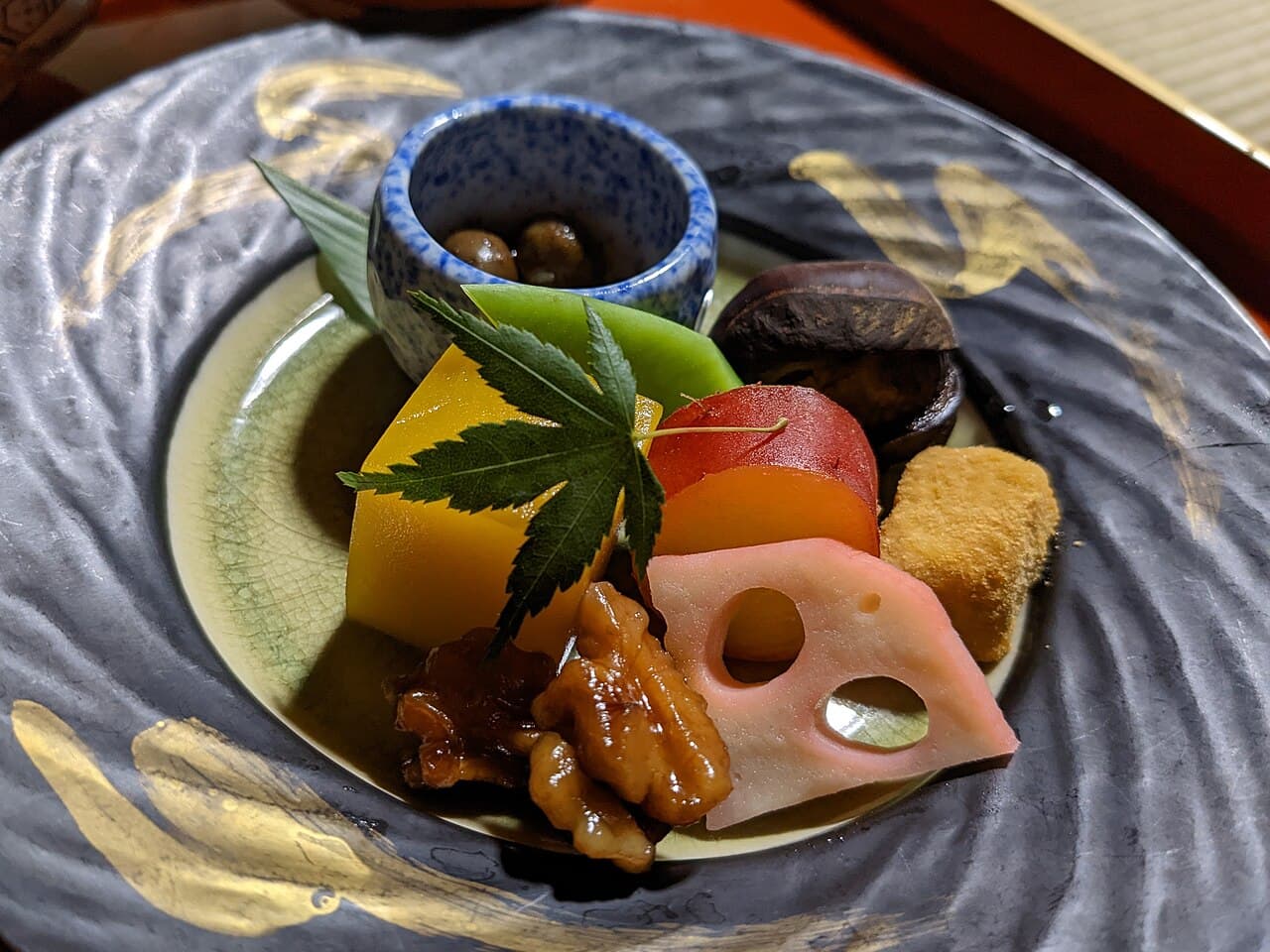
Japan rewards the vegan who plans. Show up hungry and unprepared and you'll live on rice balls; arrive with a shortlist and a phrasebook and you'll eat some of the most thoughtful plant-based food of your trip. The single skill that matters most is spotting dashi — the bonito or sardine stock that quietly seasons miso soup, simmered vegetables and most broths. A "vegetable tempura" or a bowl of pickles is not automatically vegan. The exception worth memorizing: kombu (kelp) and shiitake dashi are plant-based, and good vegan kitchens use them proudly.
How vegan-friendly is each city?
Tokyo is the easy win, with genuinely vegan restaurants across Ginza, Harajuku and beyond. Kyoto is spiritual home turf: shojin ryori, the Buddhist temple cuisine, is plant-based by doctrine — though confirm the dashi even here. Osaka is trickier, since its street-food canon leans on egg, dashi and bonito flakes, so lean on dedicated cafes and plan around konbini. For the honest overview, read is Japan vegan-friendly.
A sample plant-based route
Anchor each city with one or two verified kitchens and improvise around them. In Tokyo, a creative dinner at SAIDO in Jiyugaoka or a plant-forward course at Restaurant 8ablish is worth booking ahead; AIN SOPH. GINZA and 2foods Ginza Loft cover central days, and Vegan Bistro Jangara scratches the ramen itch — see our take on vegan ramen. For Kyoto, block an afternoon for temple shojin.
Konbini survival and what to pack
The convenience store is your safety net: onigiri (check for salmon/roe), edamame, plain natto, roasted sweet potato, dark chocolate and soy milk. Our konbini guide lists the reliable buys. Pack a printed phrasebook card — "no fish stock, no meat, no egg, no dairy" in Japanese does more than any app — plus snacks for travel days. For groceries and specialty shops, see where to buy vegan food.
The honest traps
Beyond dashi, watch for egg in noodles and batter, honey in dressings and sweets, gelatin in desserts, and lard in fried foods and some "vegetable" gyoza. Regular soy sauce also contains wheat, which matters if you avoid gluten. "Vegetarian" often means the kitchen still uses dashi. Ask directly, and treat an English menu as a helpful signal rather than a guarantee — many staff will gladly adjust a dish once they understand.
How to eat well
Plan two anchor meals per city, keep konbini and tofu staples as your floor, and carry the phrasebook. Do that and Japan opens up — quietly generous, genuinely delicious, and far kinder to plant-based travelers than the guidebooks warn.
Places we’ve confirmed
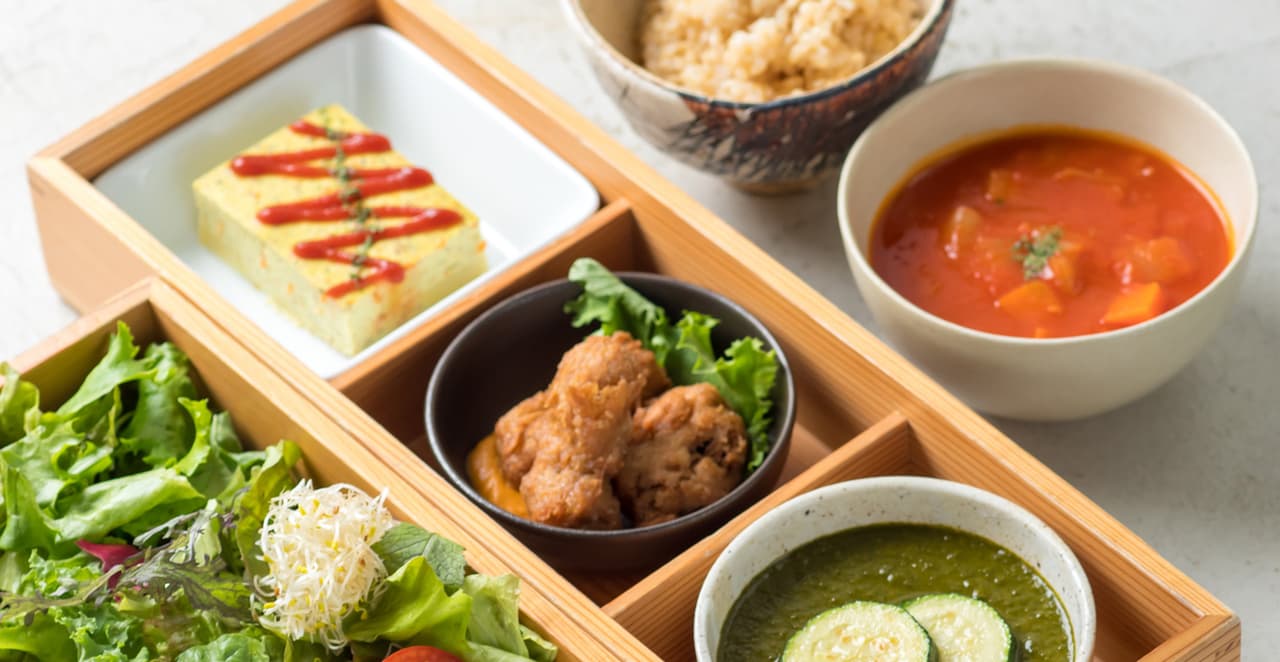
AIN SOPH. GINZA
Vegan pudding & seasonal vegetable course
AIN SOPH.'s flagship spreads across four Ginza floors, where a ground-floor patisserie of vegan pudding gives way to refined plant-based courses upstairs.
- Vegan
- Vegetarian
- Dairy-free
- Gluten-free
- Date
- Anniversary
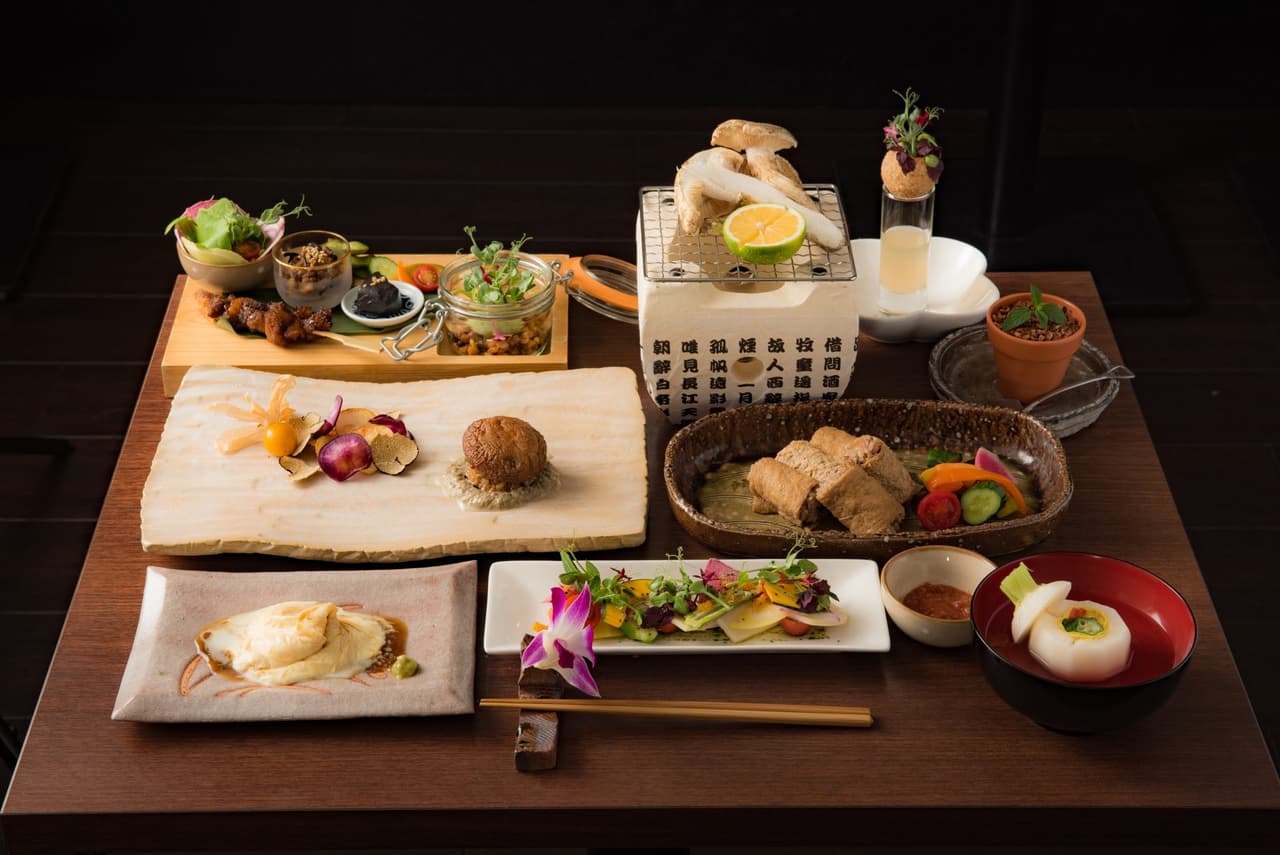
SAIDO
Plant-based 'meat & fish' course made entirely from vegetables
Once crowned the world's #1 vegan restaurant on HappyCow, this Jiyugaoka temple of 'new washoku' conjures convincing meat and fish dishes from nothing but vegetables — and welcomes vegan and Muslim diners alike.
- Vegetarian
- Vegan
- Halal
- Dairy-free
- Date
- Anniversary
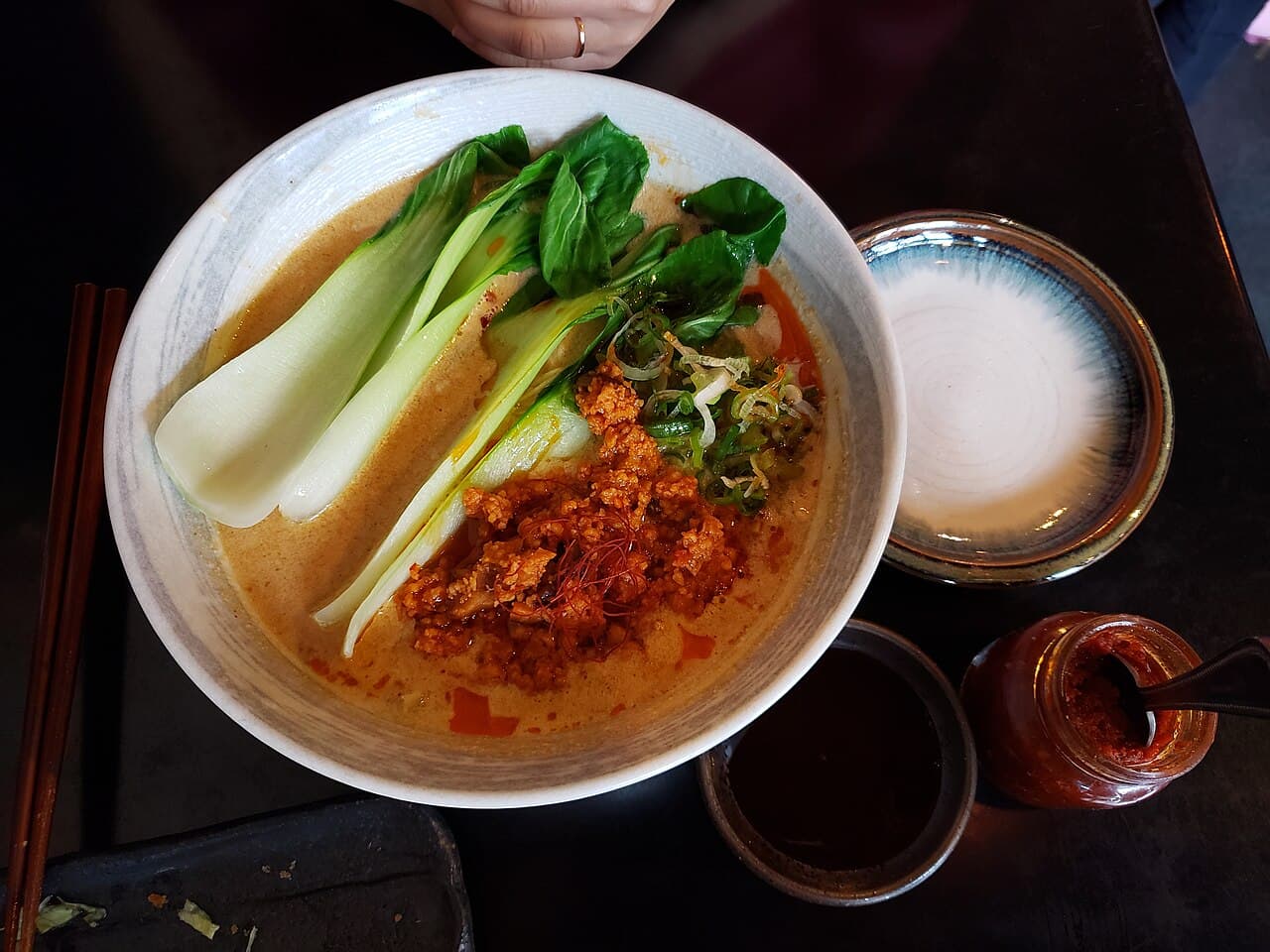
2foods Ginza Loft
Plant-based omurice
An all-vegan cafe inside Ginza Loft turning guilt-free junk food — omurice, nuggets and donuts — into something you'd never guess was plant-based.
- Vegetarian
- Vegan
- Casual
- Solo
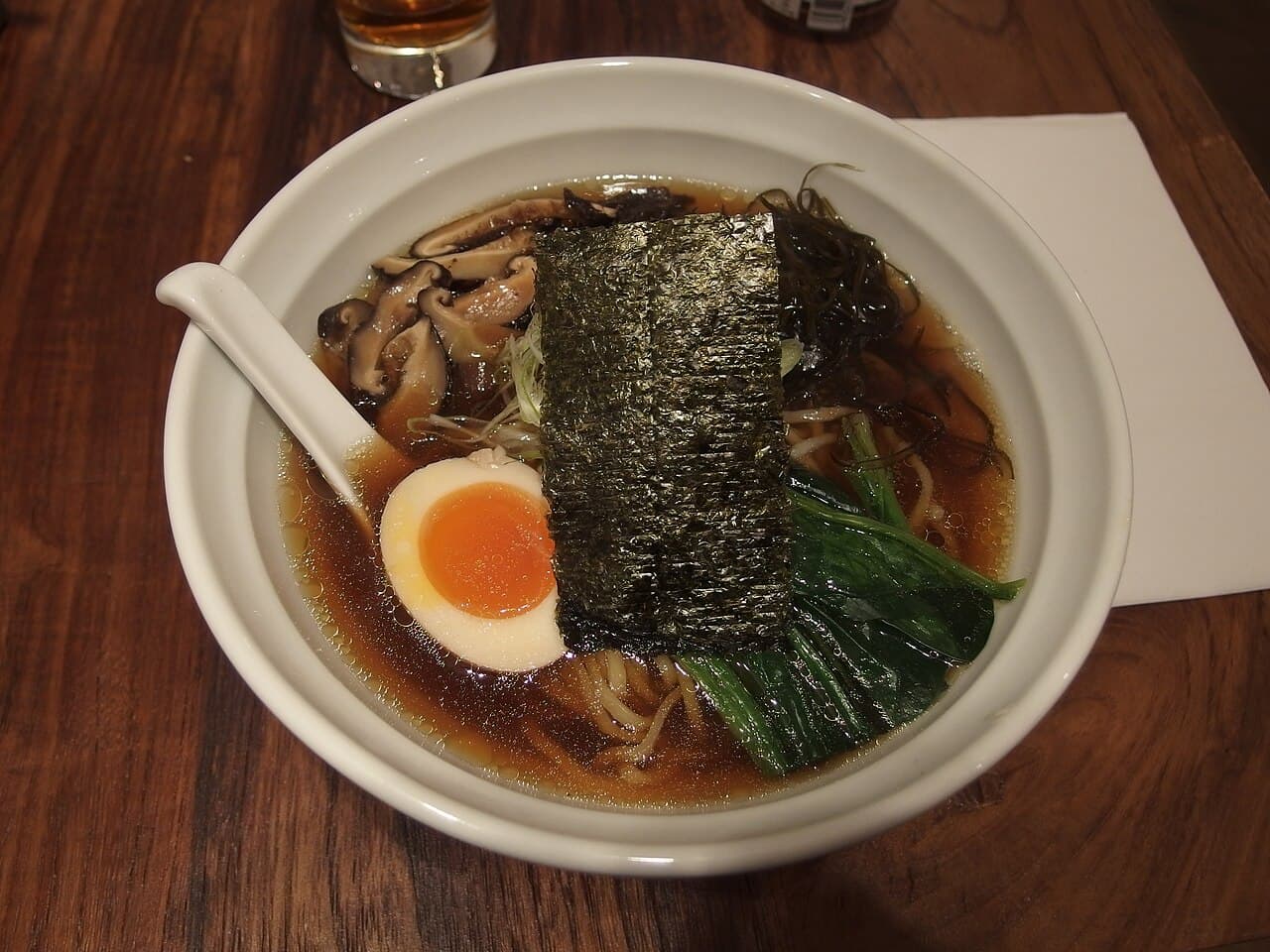
Vegan Bistro Jangara
Vegan ramen and grilled soy-meat plates
A second-floor all-vegan bistro in Harajuku opened in 2021 by the Kyushu Jangara ramen chain. The menu spans vegan ramen, curries, grilled soy-meat plates, gyoza and karaage.
- Vegan
- Vegetarian
- Casual
- Solo
Sources
FAQ
- Is it hard to eat vegan in Japan as a tourist?
- Not if you plan. Tokyo and Kyoto have plenty of dedicated vegan kitchens, and konbini fill the gaps. The real challenge is hidden dashi (fish stock) and egg, so carry a Japanese phrasebook card and confirm rather than assume.
- What is dashi and why does it matter for vegans?
- Dashi is a Japanese stock usually made from bonito (dried fish) or sardines, and it seasons miso soup, simmered dishes and most broths — even ones that look purely vegetable. Kombu (kelp) and shiitake dashi are the plant-based exceptions, so always ask which one a dish uses.
- Can I get by on convenience store food?
- For a day or two, yes. Onigiri (avoid salmon and roe), edamame, plain natto, roasted sweet potato, soy milk and dark chocolate are reliable. It's a floor, not a diet — pair it with one or two proper vegan meals per city.