
Dietary guide
Is Wagashi Vegan? A Clear Guide to Japan's Traditional Sweets
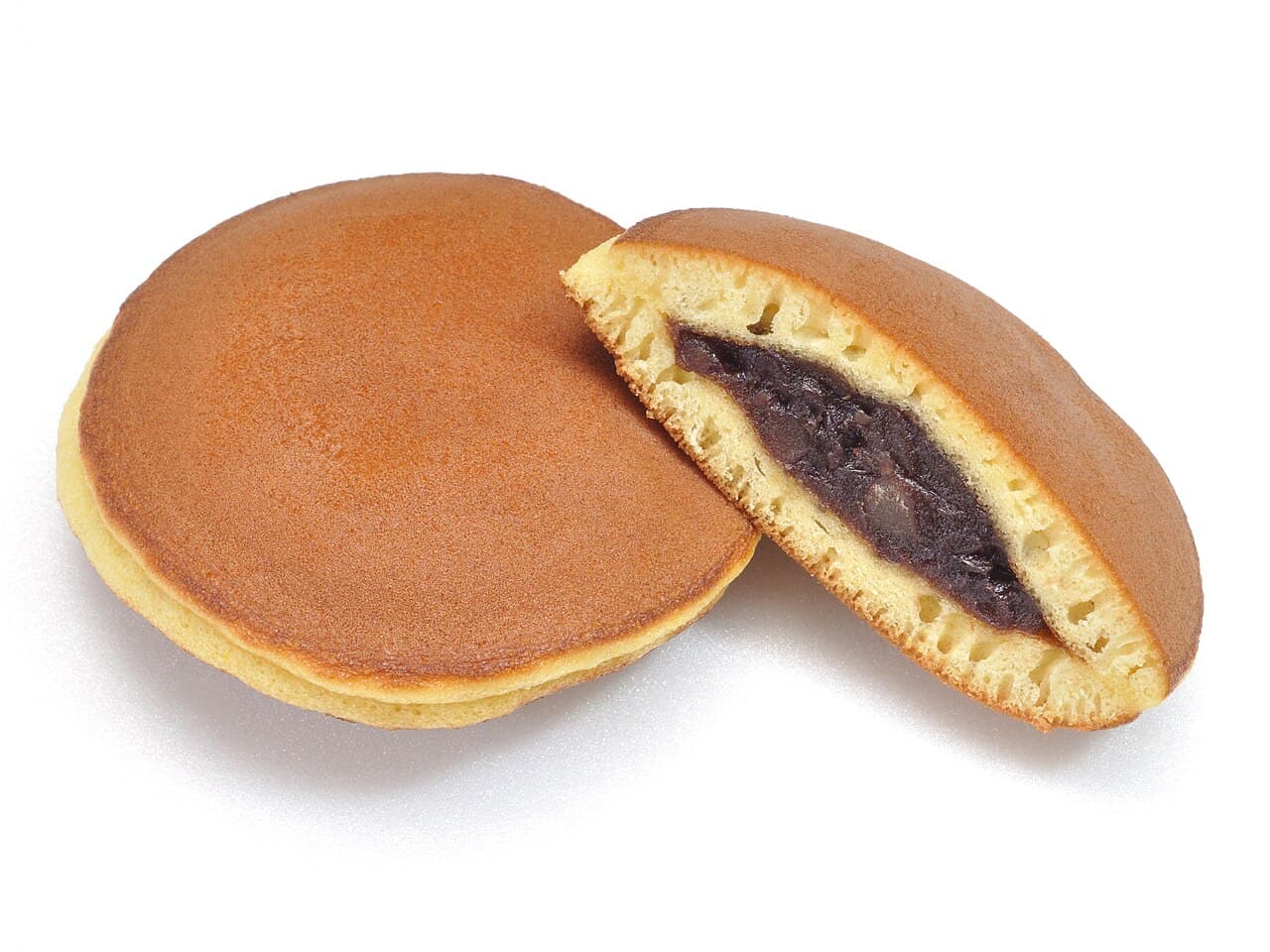
If you're vegan and worried Japan's dessert culture will pass you by, wagashi is quietly good news. A large share of the traditional canon is plant-based by design, built around rice, beans, and sugar rather than butter and cream.
What's usually vegan
The backbone of wagashi is anko — sweet red bean paste made from azuki, sugar and water. That means mochi, daifuku (mochi wrapped around anko), dango (skewered rice dumplings), yokan (firm bean jelly), monaka (crisp wafers with a bean filling) and many steamed or nerikiri sweets are naturally free of animal products. Crucially, Japanese jellies — yokan, mizu-yokan, anmitsu jelly — set with kanten (agar), a seaweed extract, not gelatin. Matcha-based sweets like matcha wagashi are usually plant-based too, unless served with dairy ice cream.
The traps to watch
Honesty matters more than optimism here. Some beloved items are not vegan:
- Egg: dorayaki (the pancake-like batter), castella sponge, and some manju use egg.
- Honey: occasionally used as a sweetener or glaze.
- Gelatin: rare, but check imported-style jellies and gummies.
- Dashi: the sneakiest one. Anything savoury-leaning — some senbei, or sweets glazed with a soy-based sauce — can carry bonito or sardine fish stock. Kombu or shiitake dashi is the vegan exception, so it's worth asking. This same rule governs all of Japanese dining; see can vegans eat in Japan.
Where to eat wagashi without the guesswork
For fewer surprises, go to a kitchen that already thinks this way. NO OHAGI in Daikanyama makes ohagi (anko-coated rice sweets) that are vegan and, being rice-based, naturally gluten-free. AIN SOPH. Journey in Shinjuku and AIN SOPH. GINZA are fully plant-based cafés with sweets and English menus, and 2foods at Ginza Loft does modern vegan desserts. For a calmer sit-down, Restaurant 8ablish in Aoyama plates refined plant-based sweets. More options live in our vegan sweets cafes in Tokyo guide and the wider vegan dining directory.
How to eat well
At a traditional wagashi counter, ask two questions: tamago wa haitteimasu ka? (does it contain egg?) and, for anything not obviously sweet, dashi wa sakana desu ka? (is the dashi fish-based?). Buy anko-based sweets, mochi, dango and kanten jellies with confidence; treat dorayaki, castella and glazed items as check-first. Do that, and Japan's sweets become one of the easiest, loveliest parts of a plant-based trip.
Places we’ve confirmed
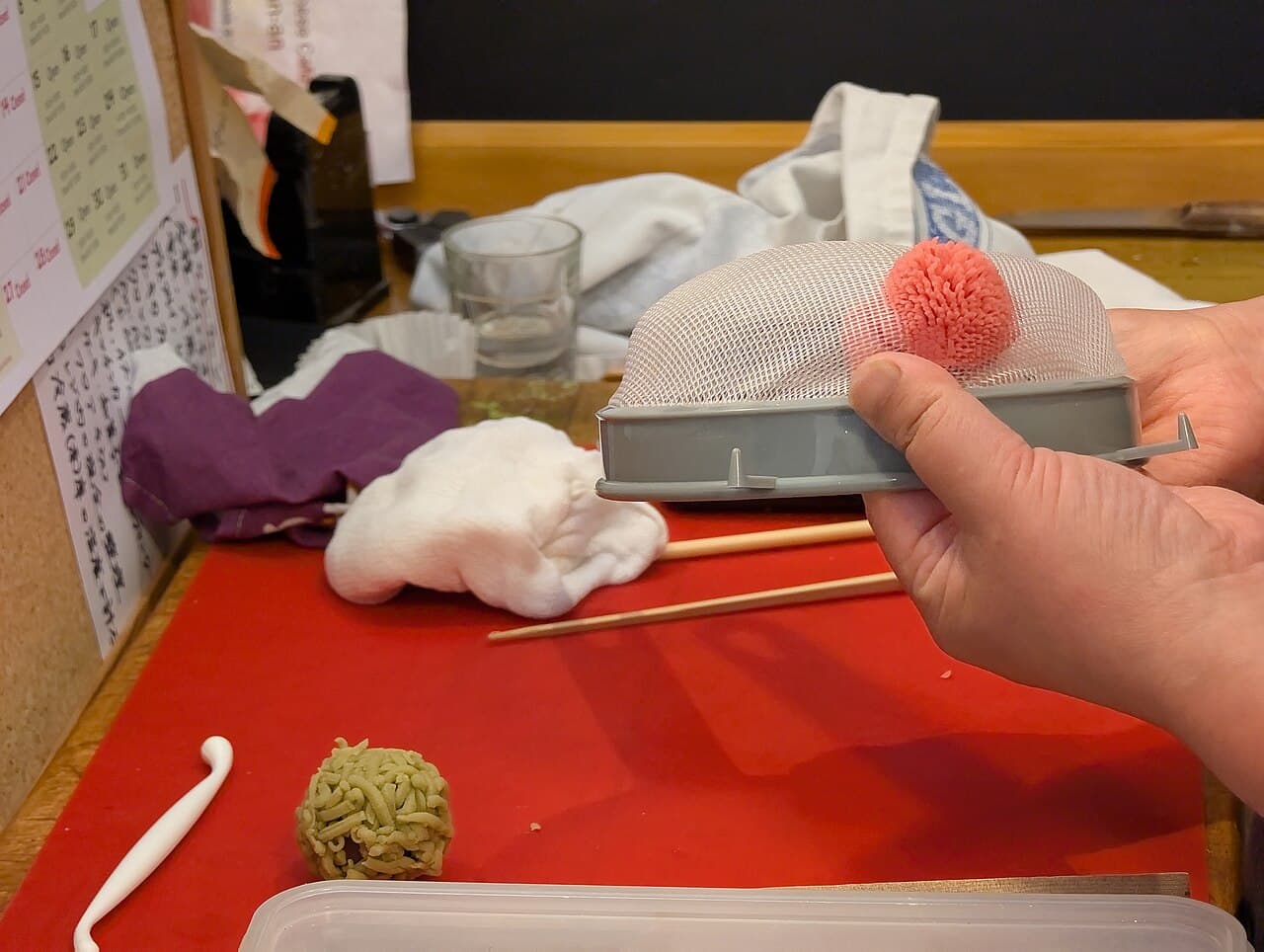
NO OHAGI
Seasonal ohagi & kuzumochi soy-milk shakes
A stylish little Daikanyama ohagi cafe where the rice-and-bean sweets and kuzumochi shakes are all gluten-free, vegan, dairy-free and free of white sugar.
- Gluten-free
- Vegan
- Dairy-free
- Casual
- Solo
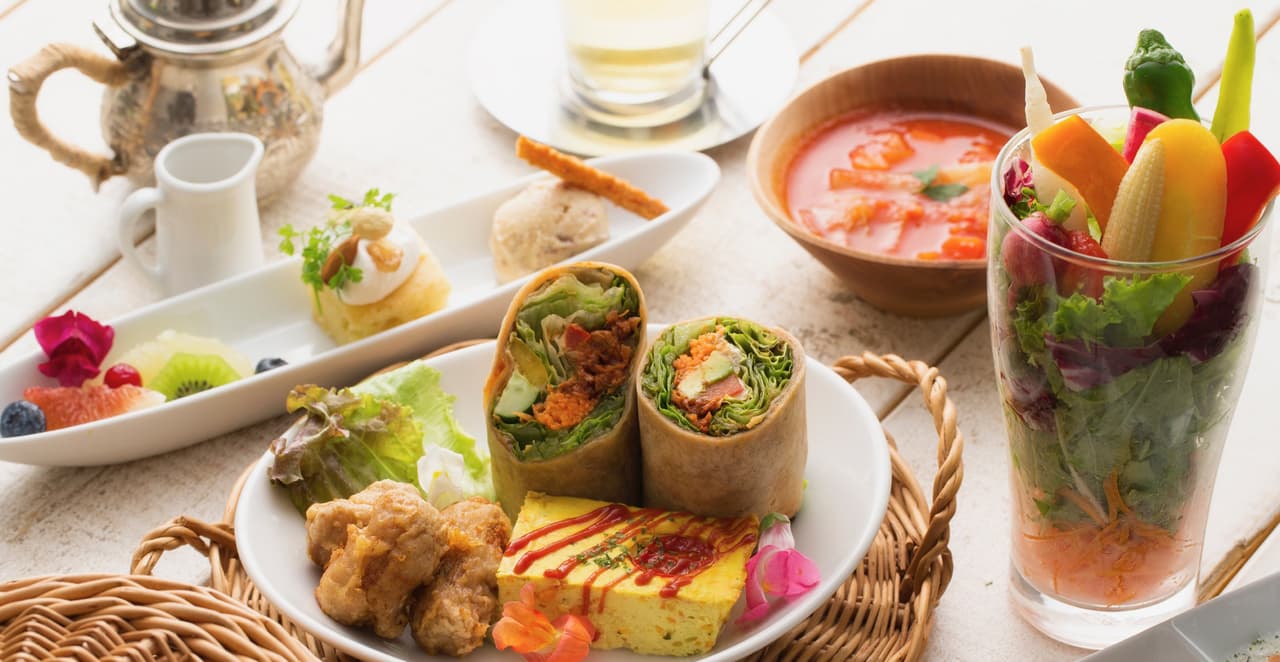
AIN SOPH. Journey Shinjuku
Heavenly Vegan Pancakes
The Shinjuku birthplace of the cloud-soft 'Heavenly Vegan Pancakes' that draw queues from vegans and non-vegans alike, with gluten-free options on the same menu.
- Vegetarian
- Vegan
- Gluten-free
- Dairy-free
- Date
- Solo
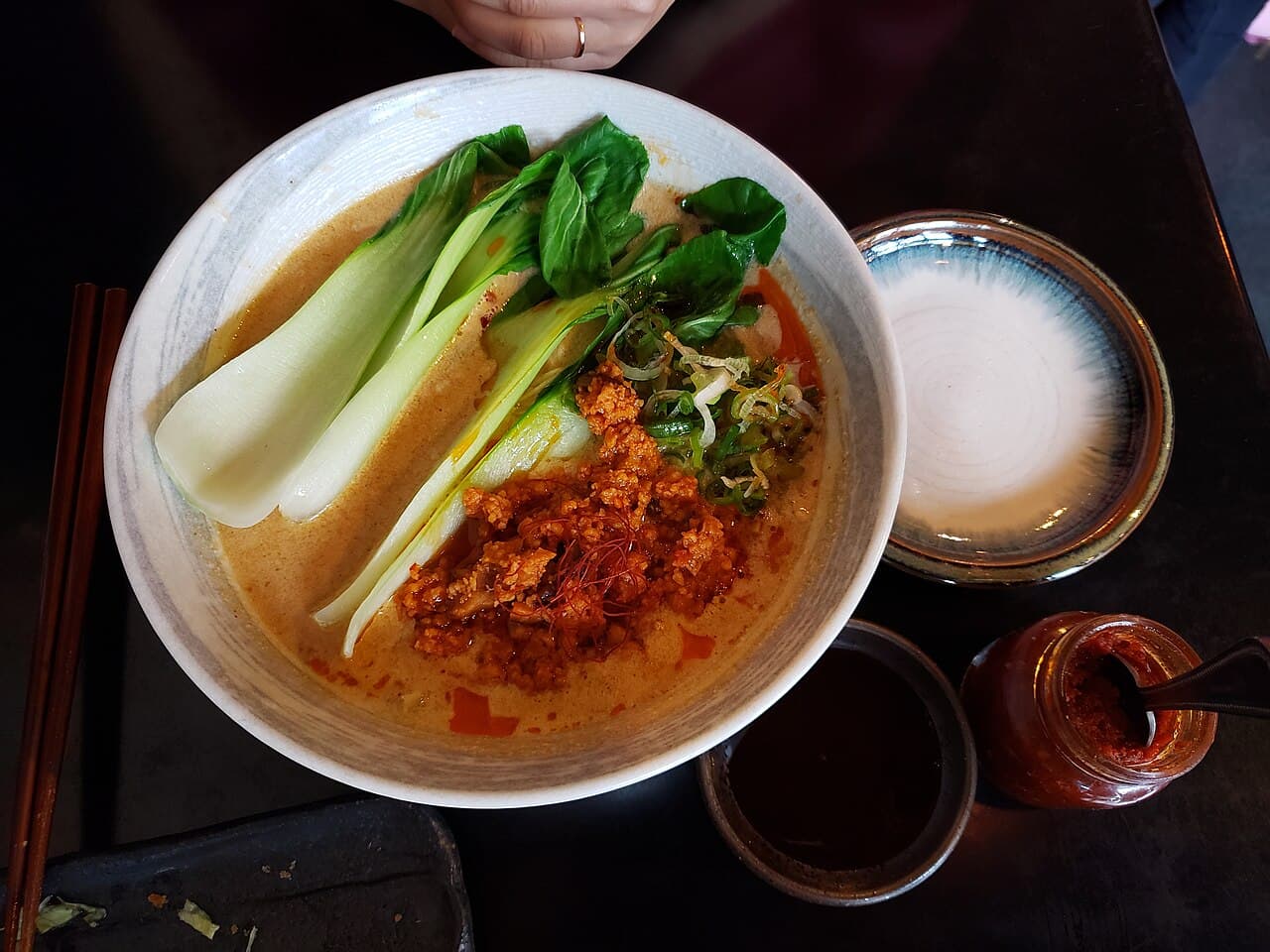
2foods Ginza Loft
Plant-based omurice
An all-vegan cafe inside Ginza Loft turning guilt-free junk food — omurice, nuggets and donuts — into something you'd never guess was plant-based.
- Vegetarian
- Vegan
- Casual
- Solo
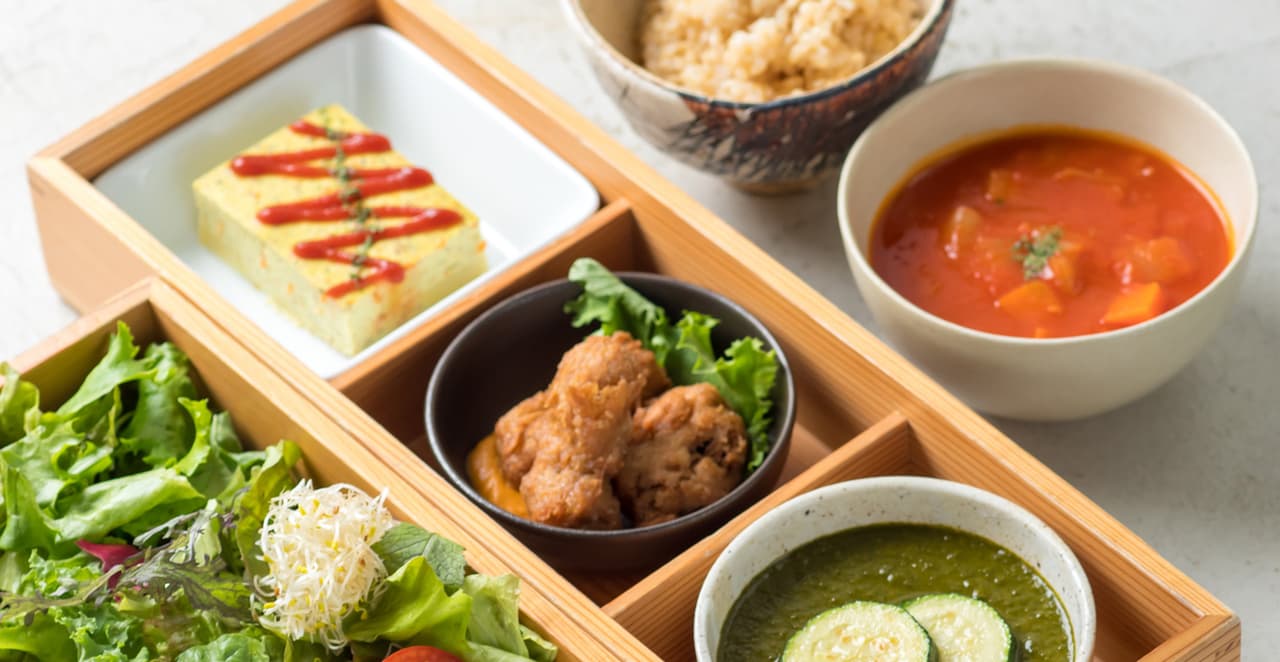
AIN SOPH. GINZA
Vegan pudding & seasonal vegetable course
AIN SOPH.'s flagship spreads across four Ginza floors, where a ground-floor patisserie of vegan pudding gives way to refined plant-based courses upstairs.
- Vegan
- Vegetarian
- Dairy-free
- Gluten-free
- Date
- Anniversary
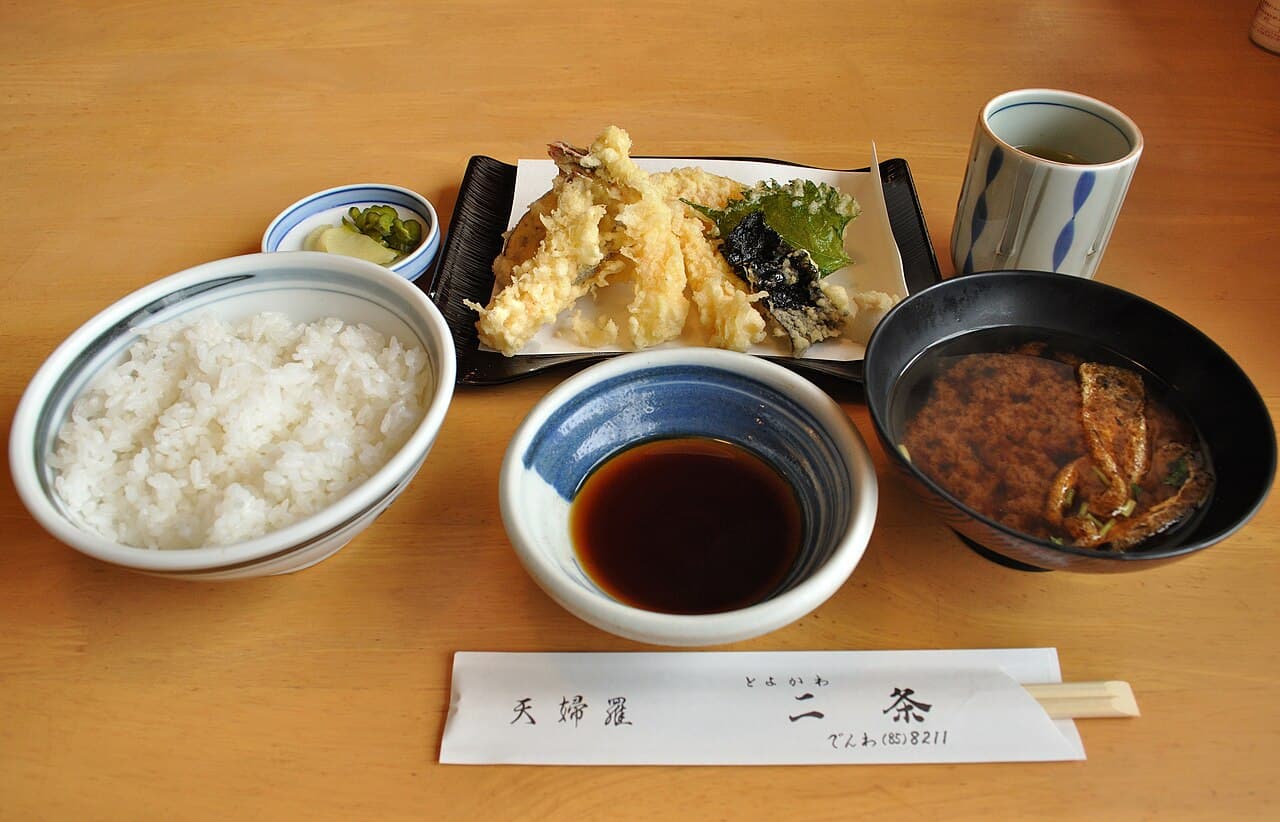
Restaurant 8ablish
Vegan plates and desserts (lunch sets)
A 100% vegan restaurant near Omotesando Station serving Mediterranean-influenced plant-based dishes and desserts across breakfast, lunch and dinner, from the team behind the former Pure Cafe.
- Vegan
- Vegetarian
- Date
- Casual
Sources
FAQ
- Is anko (sweet red bean paste) vegan?
- Yes. Traditional anko is just azuki beans, sugar and water, so it's plant-based. It's the foundation of most vegan-friendly wagashi like daifuku, dango and monaka.
- Do Japanese jellies use gelatin?
- Usually not. Yokan and most wagashi jellies set with kanten (agar), a seaweed extract, which is vegan. Gelatin appears mainly in Western-style jellies and gummies, so check those.
- Which common wagashi are NOT vegan?
- Dorayaki and castella typically contain egg, some manju use egg, and a few sweets use honey. Savoury items can hide fish dashi, so ask before assuming.