
Dietary guide
Vegan Options at Yakiniku (Japanese BBQ): A Survival Guide
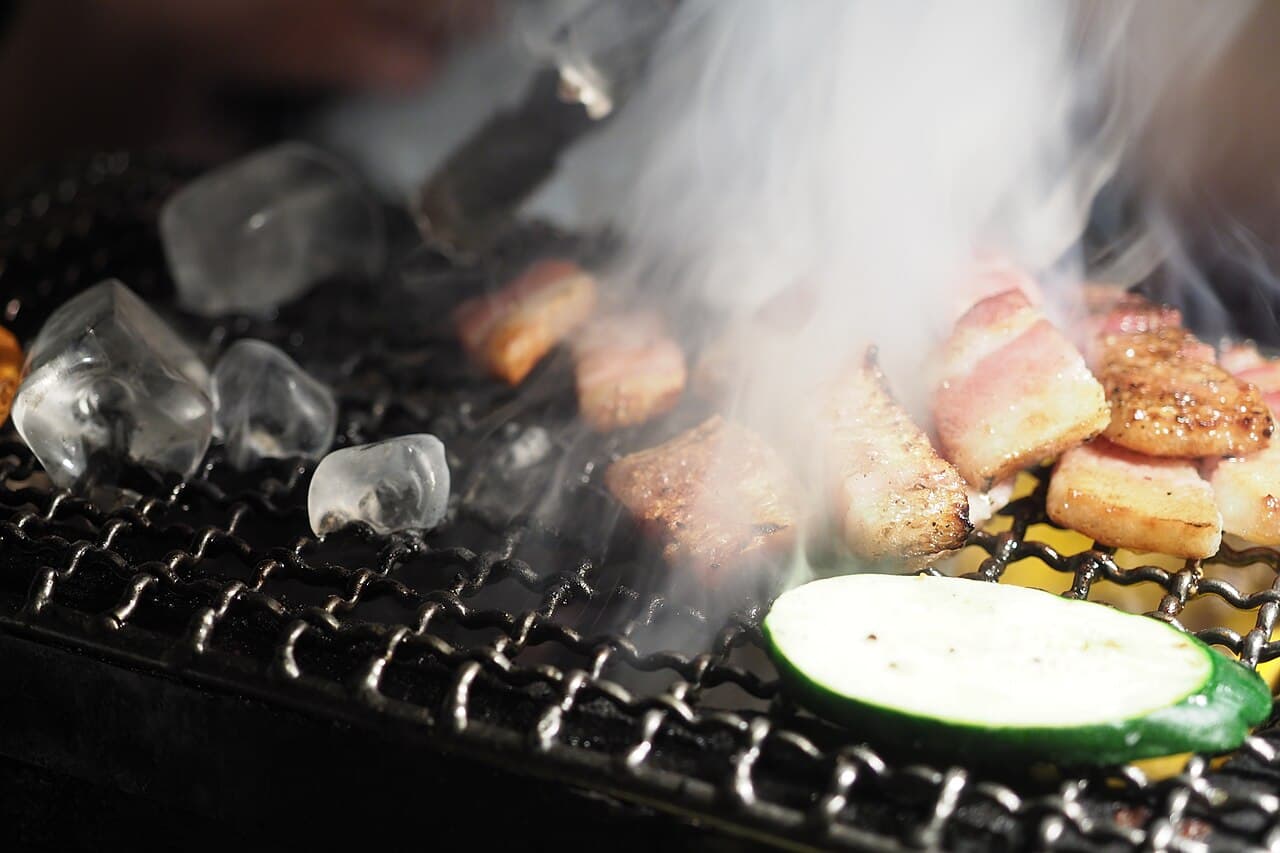
The honest verdict
Yakiniku is built around grilling meat over charcoal, so no one will pretend it's a plant-based destination. But most yakiniku menus carry a surprising amount of vegetables, tofu and Korean-style side dishes, and the grill doesn't care what you put on it. With a clean corner of the grate and a little label-reading, a vegan can eat well and stay part of the group. For the wider picture, see is Japan vegan-friendly.
Naturally vegan-friendly (usually safe)
- Grilled vegetables — corn, shiitake and other mushrooms, onion, pumpkin, bell pepper, eggplant, garlic
- Plain tofu and green salads (ask for dressing on the side)
- Namul (seasoned vegetable sides) — spinach, bean sprouts, carrot
- Steamed rice, and bibimbap ordered without egg or meat
- A shared plate of salt for dipping, instead of the house tare sauce
The traps to check
- Dashi — bonito or sardine fish stock hides in soups, sauces and even some namul. Kombu or shiitake dashi is the vegan exception; ask, or read is dashi vegan.
- Tare (dipping sauce) — often contains dashi, honey or oyster/fish sauce. Choose salt and lemon instead.
- Kimchi — many versions use fish sauce or shrimp; check before assuming.
- Egg, dairy, honey — egg turns up in bibimbap and some dips; dairy and honey appear in desserts.
- The shared grill — ask for a fresh section, or grill on foil, to avoid meat fat and juices.
What to order, in practice
Open with a vegetable platter, corn, shiitake and garlic; add plain tofu, a couple of namul, and rice or bibimbap without egg. Grill your vegetables on a clean edge, season with salt and lemon, and skip the communal tare. Most izakaya-style yakiniku houses can also bring edamame and a simple salad if you ask.
What to say
- "Bīgan desu" — I'm vegan.
- "Katsuo-dashi wa haitte imasu ka?" — Does this contain bonito dashi?
- "Yasai dake, shio de onegaishimasu" — Just vegetables, with salt please.
- "Aita tokoro de yakitai desu" — I'd like to grill on a clean area.
When to book a vegan place instead
If the meal is about you, or the group is flexible, a dedicated vegan restaurant is calmer and safer — no cross-grilling, clear menus, real desserts. Central Tokyo has good options; see vegan restaurants in Roppongi or browse everything on our vegan page. Yakiniku shines when you're joining meat-loving friends and want to share the ritual — not when you need a fully plant-based feast. Go in knowing that, order smart, and you'll leave happy.
Places we’ve confirmed
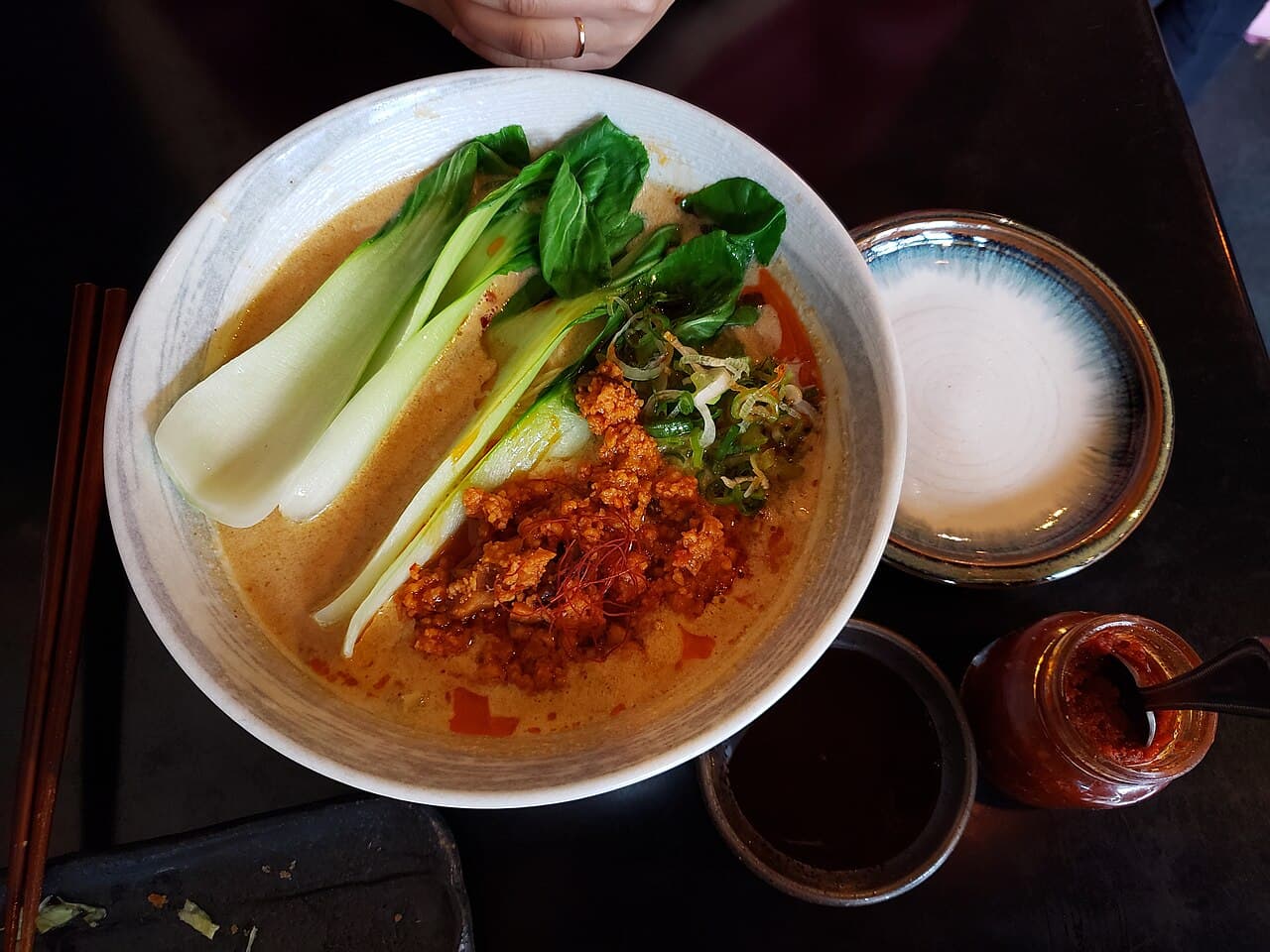
2foods Ginza Loft
Plant-based omurice
An all-vegan cafe inside Ginza Loft turning guilt-free junk food — omurice, nuggets and donuts — into something you'd never guess was plant-based.
- Vegetarian
- Vegan
- Casual
- Solo
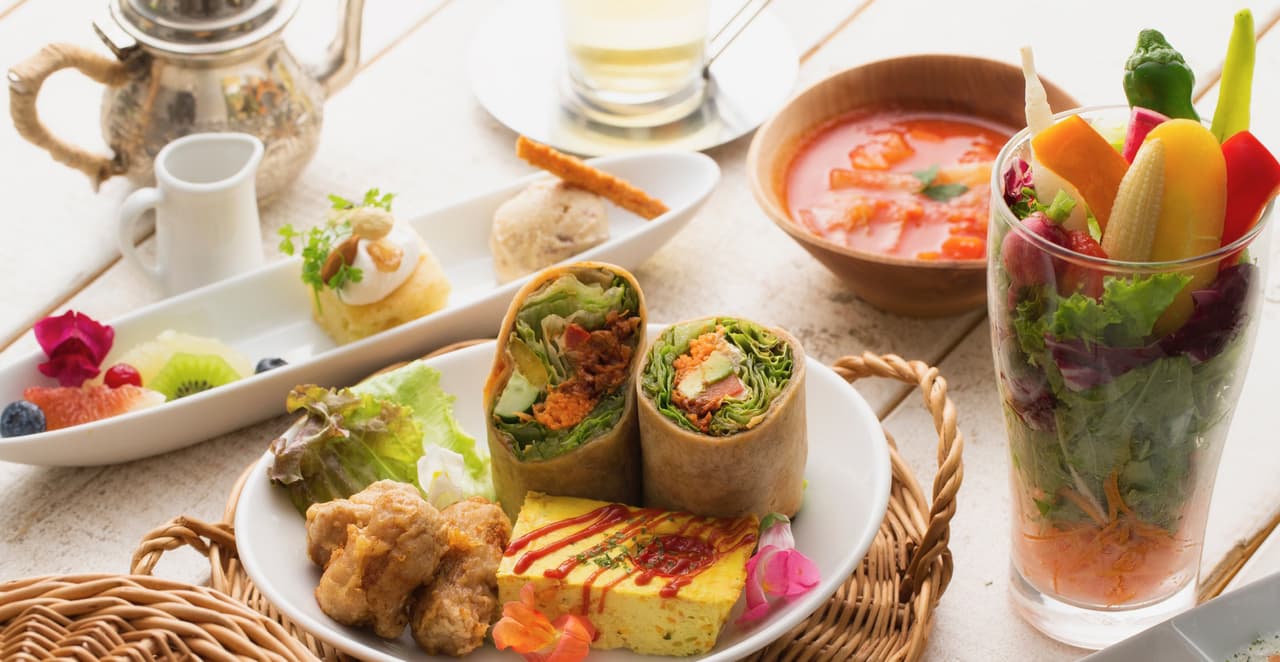
AIN SOPH. Journey Shinjuku
Heavenly Vegan Pancakes
The Shinjuku birthplace of the cloud-soft 'Heavenly Vegan Pancakes' that draw queues from vegans and non-vegans alike, with gluten-free options on the same menu.
- Vegetarian
- Vegan
- Gluten-free
- Dairy-free
- Date
- Solo
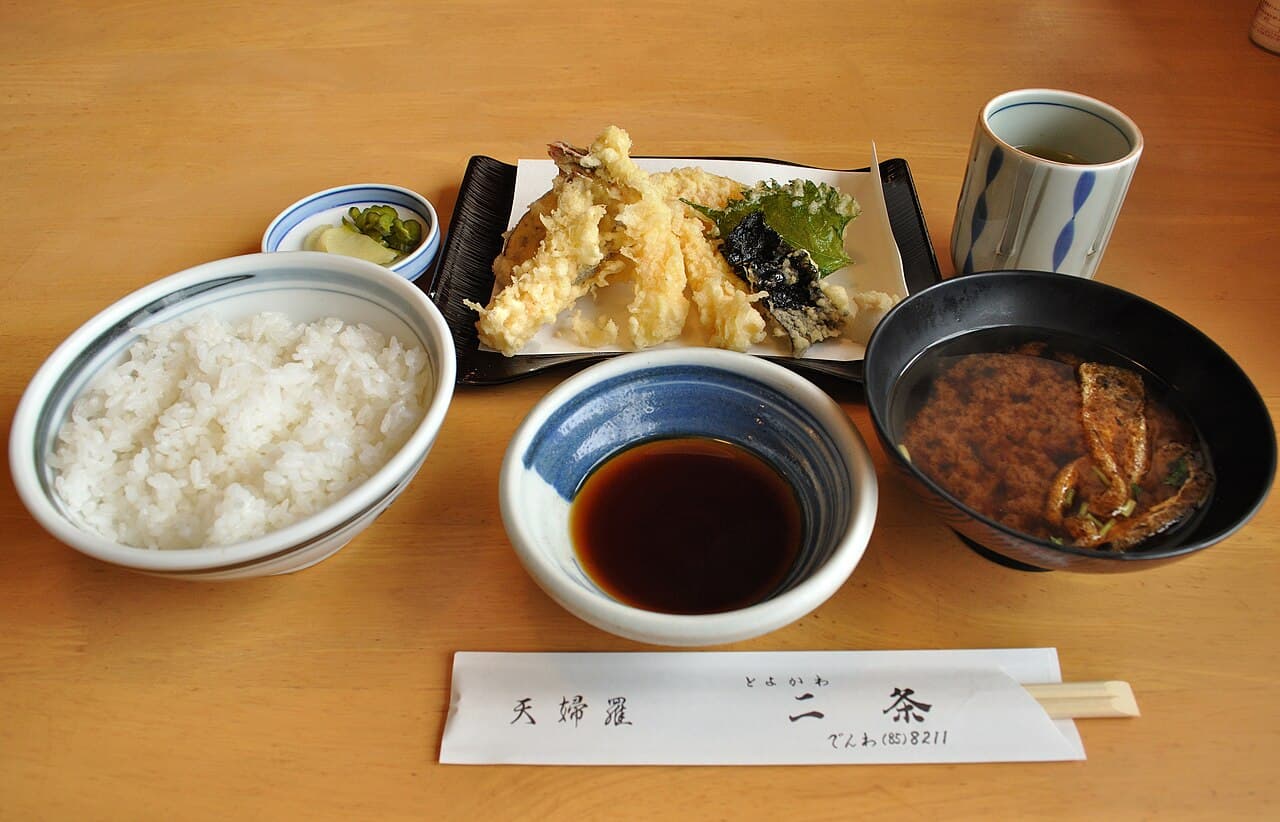
Restaurant 8ablish
Vegan plates and desserts (lunch sets)
A 100% vegan restaurant near Omotesando Station serving Mediterranean-influenced plant-based dishes and desserts across breakfast, lunch and dinner, from the team behind the former Pure Cafe.
- Vegan
- Vegetarian
- Date
- Casual
Sources
FAQ
- Will the vegetables be cooked in meat fat?
- On a shared grill, often yes — meat juices spread across the grate. Ask for a fresh section or a piece of foil, or grill your vegetables first before any meat goes on.
- Is the dipping sauce vegan?
- Usually not. The house tare often contains fish dashi, honey or oyster sauce. Ask for salt and lemon instead, which are naturally plant-based and let the grilled flavour through.
- Is kimchi safe for vegans?
- Not always. Many Japanese kimchi recipes include fish sauce or shrimp paste. Check with staff, or choose namul, which are usually just vegetables and seasoning.