
Dietary guide
Vegan Shabu-Shabu & Sukiyaki: A Hotpot Survival Guide for Japan
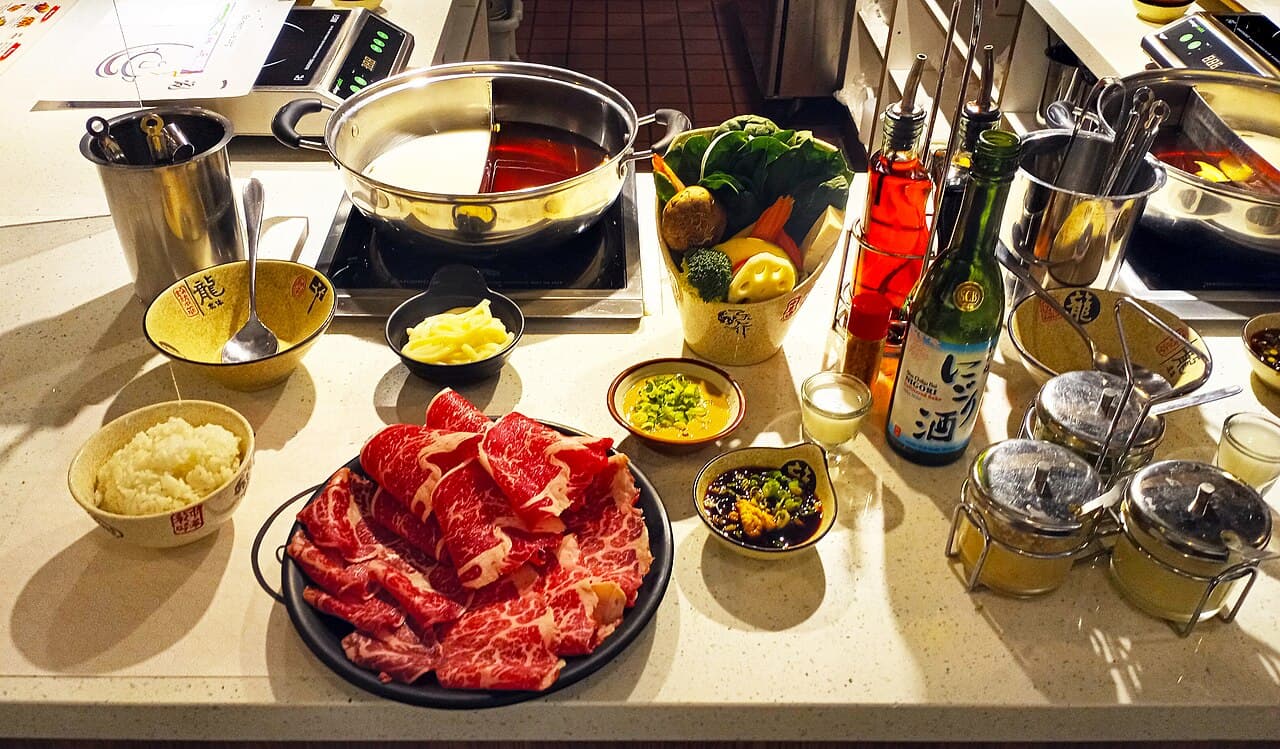
Hotpot is one of the easiest Japanese meals to make vegan—if you get the broth right. Ask for a kombu (kelp) dashi instead of the pork or chicken base, skip the shabu-shabu meat, and load the pot with tofu, yuba, mushrooms, greens, harusame and mochi. The one trap that undoes it all is hidden fish dashi, so always ask before you dip.
Why hotpot is quietly plant-friendly
Both shabu-shabu and sukiyaki are built around a pot simmering at your table, and the vegetable-and-tofu spread that comes with them is already plant-based. You cook everything yourself, so once the broth is sorted you're mostly in control. That makes hotpot a genuine joy for vegan travellers—a warm, generous, DIY meal rather than a plate of concessions.
The broth decides everything
This is the whole game. The default shabu-shabu broth is often a light konbu-dashi you can build on, but many restaurants offer a pork, chicken or bonito base—and even a "plain" broth may be seasoned with fish stock. Sukiyaki is trickier: the sweet-savoury warishita sauce (soy, mirin, sugar) is usually made with dashi, and the traditional dip is raw egg. Kombu (kelp) and dried shiitake dashi are the vegan exception—so ask for those by name. If you're unsure how deep the dashi problem goes, our guide to whether dashi is vegan explains where it hides.
Naturally safe—load up
- Tofu — silken or firm, a hotpot staple
- Yuba — tofu skin, silky and protein-rich
- Mushrooms — enoki, shiitake, shimeji, maitake
- Greens & veg — hakusai (napa), shungiku, negi, carrot, daikon
- Harusame — glass noodles; shirataki, made from konjac
- Mochi — grilled rice cake, wonderful in broth
Traps to check before you dip
- The broth — confirm no pork, chicken or bonito (katsuo) base
- Sukiyaki's raw egg — skip the dipping egg entirely
- Ponzu — often contains bonito dashi; ask, or use plain soy or salt
- Sesame (goma) dip — can hide dashi, honey or dairy—check the label
- "Vegetable" sides — some tofu products or dumplings contain egg or fish
What to order and say
Point to the pot and ask: Konbu-dashi no sūpu ni dekimasu ka? ("Can I have a kombu-dashi broth?"). Then: Oniku wa irenaide kudasai—vegan desu ("No meat, please—I'm vegan"). Before any sauce: Kono tare ni katsuo ya sakana wa haitte imasu ka? ("Does this dip contain bonito or fish?"). Many shabu-shabu buffets let you order a vegetable-only set, which sidesteps the meat entirely.
Where to find veg-friendly hotpot
Fully vegan hotpot specialists are rare, but you have three reliable routes: shabu-shabu chains and vegetable buffets that offer a konbu broth and an all-veg spread (confirm the base); shojin ryori, the Buddhist temple cuisine that is hotpot's plant-based cousin; and the growing plant-based scene covered in is Japan vegan-friendly. Get the broth right and the vegetables do the rest.
Sources
FAQ
- Is the standard shabu-shabu broth vegan?
- Not always. The default is often a light kombu (kelp) dashi, but many places use a pork, chicken or bonito base—and even a plain-looking broth can be seasoned with fish stock. Always ask for a kombu or shiitake broth by name before ordering.
- What about sukiyaki—can I make it vegan?
- With a couple of swaps, yes. The warishita sauce usually contains dashi, so ask whether a plant-based version is possible, and skip the traditional raw-egg dip entirely. Tofu, yuba, mushrooms, negi and shirataki are all naturally safe.
- Are the dipping sauces safe?
- Check each one. Ponzu frequently contains bonito dashi, and sesame (goma) dips can hide dashi, honey or dairy. Plain soy sauce or salt is the safest fallback, and staff can usually tell you what's in the tare.