
Dietary guide
Vegan Ryokan & Temple Stay (Shukubo) in Japan: A Plant-Based Traveller's Guide
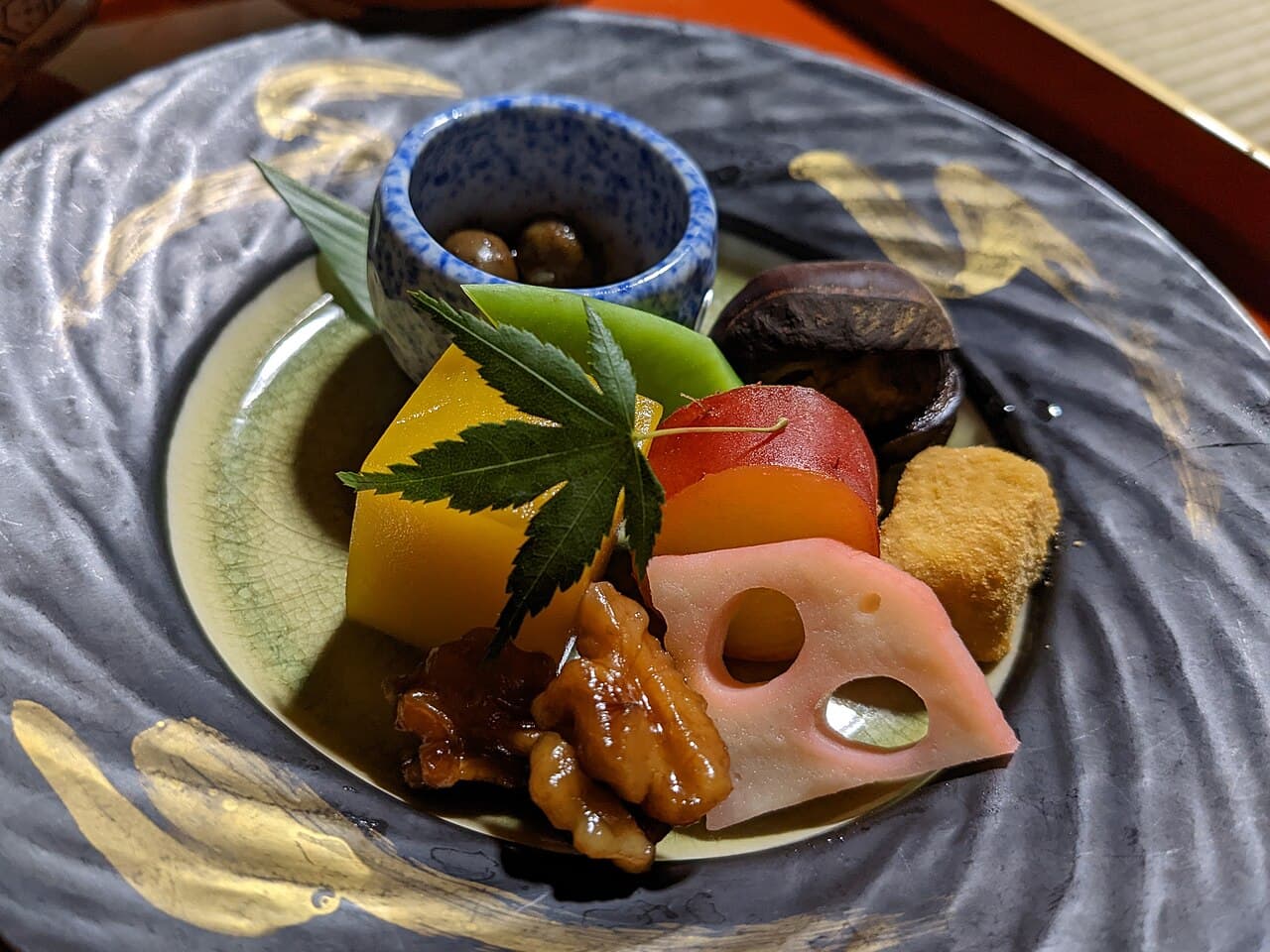
For the most naturally plant-based nights of your trip, book a shukubo (temple lodging) — especially on Koyasan — where monks serve shojin ryori, Buddhist vegetarian kaiseki that traditionally excludes meat, fish and even onion and garlic. It is usually vegan, but confirm two things: fish dashi in the miso soup, and egg or dairy at breakfast. Ordinary ryokan can adapt on request.
Why a shukubo is a vegan's dream stay
Shojin ryori grew out of Buddhist precepts against taking life, so the whole cuisine is built without animals. A dinner tray might bring silky sesame tofu (goma-dofu), simmered vegetables, tempura, pickles, rice and miso soup — course after quiet course. Temples on Koyasan (Wakayama) are the classic choice, with dozens of lodging temples; you also find shukubo at Mount Haguro, Eiheiji and elsewhere. If you want the fuller story of the cuisine, our Kyoto shojin ryori guide goes deeper.
The two checks that make it truly vegan
Shojin is plant-based by design, but two details still deserve a question:
- Dashi (fish stock): Traditional temple dashi uses kombu (kelp) and shiitake, which is vegan. Some kitchens, and many regular ryokan, reach for bonito (katsuo) dashi in the miso soup. Ask: \"Konbu dashi desu ka?\"
- Egg & dairy at breakfast: Breakfast is usually rice, miso soup, pickles and simmered tofu — but the occasional temple adds a small egg dish or yuba glazed with something non-vegan. Flag it when you book.
Honey in a sweet, or gelatin in a dessert, are rarer but worth a mention if you are strict. Dashi is the trap that hides in plain sight — never assume a clear broth is fish-free.
How to book
Most Koyasan temples take reservations through the official Koyasan Shukubo Association or standard travel sites; some reply in English, many do not. When you request, write clearly: \"I am vegan — no meat, fish, dashi, egg or dairy, please.\" Because shojin is already their format, temples rarely find this difficult. Silky yuba and tofu do a lot of the work.
Vegan-friendly ryokan (not temples)
A regular ryokan is not automatically vegan — kaiseki leans on fish and dashi. But many will prepare a plant-based menu if you ask at least a few days ahead and are specific. Smaller inns are often more flexible than big ones. For the wider picture of eating plant-based here, see is Japan vegan-friendly and our Japan vegan travel guide, plus the vegan dietary hub.
A calm, delicious close
A shukubo dinner eaten in a quiet tatami room, then morning prayers and a plant-based breakfast, is one of the gentlest meals Japan offers. Book ahead, ask about dashi and egg, and you will likely eat some of the most memorable vegan food of the whole trip.
Sources
FAQ
- Is shojin ryori always vegan?
- It is plant-based by design — no meat or fish — so it is usually vegan. The two things to confirm are fish (bonito) dashi in the soup and any egg or dairy at breakfast; ask for kombu-and-shiitake dashi and flag your needs when booking.
- Do I have to be Buddhist to stay in a shukubo?
- No. Temple lodgings welcome travellers of any background. You can usually join optional morning prayers or meditation, but it is not required — many people stay simply for the peaceful setting and the shojin meals.
- Can a regular ryokan do a vegan dinner?
- Often yes, if you ask a few days ahead and are specific (no meat, fish, dashi, egg, dairy). Smaller inns tend to be more flexible. It is a special request, not the default, so confirm rather than assume.