
Dietary guide
Is Yakitori Vegan? What Plant-Based Eaters Need to Know in Japan
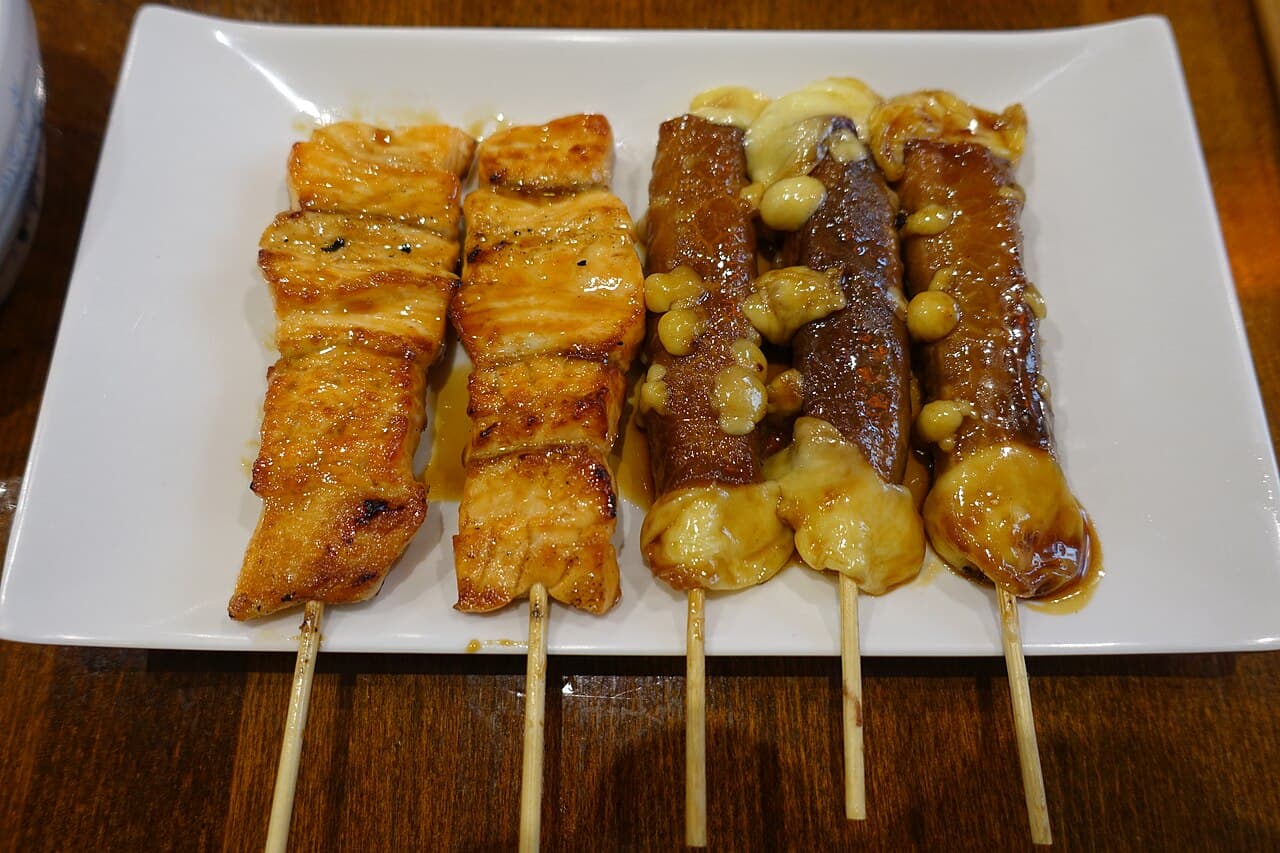
The short answer
Yakitori (焼き鳥) literally means "grilled bird," and that name is honest: the classic dish is bite-size chicken — thigh, skin, liver, cartilage — threaded on bamboo and grilled over charcoal. On a plant-based diet, standard yakitori is off the table. Even the parts that look vegan usually aren't, once you follow the sauce.
The two hidden traps: tare and dashi
The first trap is tare, the sweet-savory glaze brushed on skewers at most yakitori shops. Tare is typically simmered with soy sauce, mirin, sugar and chicken bones or drippings — so a grilled leek or shiitake skewer dipped in it is no longer plant-based. Ordering it shio (just salt) avoids the tare, but not the second trap.
The second, sneakier trap is dashi. A vegetable skewer or a side of grilled tofu can carry bonito or sardine stock in its marinade or dipping sauce, even when nothing on the plate looks like fish. This is the single most common way "vegetable" dishes stop being vegan in Japan. Only kombu (kelp) or dried-shiitake dashi is plant-based — worth understanding before you order anything. We break it down in is dashi vegan?.
What "vegan yakitori" actually is
Here's the encouraging part. A growing number of vegan izakaya and plant-based kitchens serve yakitori-style skewers built on the same charcoal-and-tare theatre, minus the animal: grilled shiitake and eryngii mushrooms for the meaty chew, negi (leek) between pieces, atsuage or firm tofu, and konnyaku brushed with a soy-mirin glaze made without chicken or bonito. Done well, the smoke and char do most of the work your palate remembers.
These aren't at conventional yakitori counters — you'll find them at dedicated vegan spots, where the kitchen can promise the glaze and dashi are plant-based.
How to order well
- Ask directly: "Kore wa bejitarian dashi desu ka?" — is this a vegetarian/kombu dashi? A clear yes is what you want.
- Prefer shio over tare at mixed shops, and still confirm the salt-grilled item wasn't basted.
- Look for kitchens that are vegan by design rather than "has veggie options" — certainty comes from the whole kitchen, not one dish.
- New to navigating this? Start with is Japan vegan friendly? and our vegan dining guide.
The takeaway: classic yakitori is chicken and won't ever be vegan, but the idea of it — smoky skewers, cold beer, a loud counter — translates beautifully to plants at the right table.
Sources
FAQ
- Can I just order the vegetable skewers at a normal yakitori shop?
- Not reliably. Vegetable skewers usually share the same chicken-based tare, and salt-grilled items can still be basted or seasoned with bonito dashi. At a conventional yakitori counter there's no plant-based guarantee, so ask directly or choose a dedicated vegan izakaya instead.
- Is yakitori tare always non-vegan?
- Almost always at yakitori restaurants — classic tare is simmered with chicken bones or drippings plus mirin. Only tare made specifically without chicken or bonito, which you'll find at plant-based kitchens, is vegan.
- What should I look for to find vegan yakitori-style skewers?
- Seek out kitchens that are vegan by design rather than shops that merely offer a veggie option. Confirm both the glaze and the dashi are plant-based (kombu or shiitake), and you can enjoy grilled shiitake, negi, tofu and konnyaku skewers with confidence.