
Drinks shelf
Is Sake Vegan? Japan's Whole Drinks Shelf, Decoded
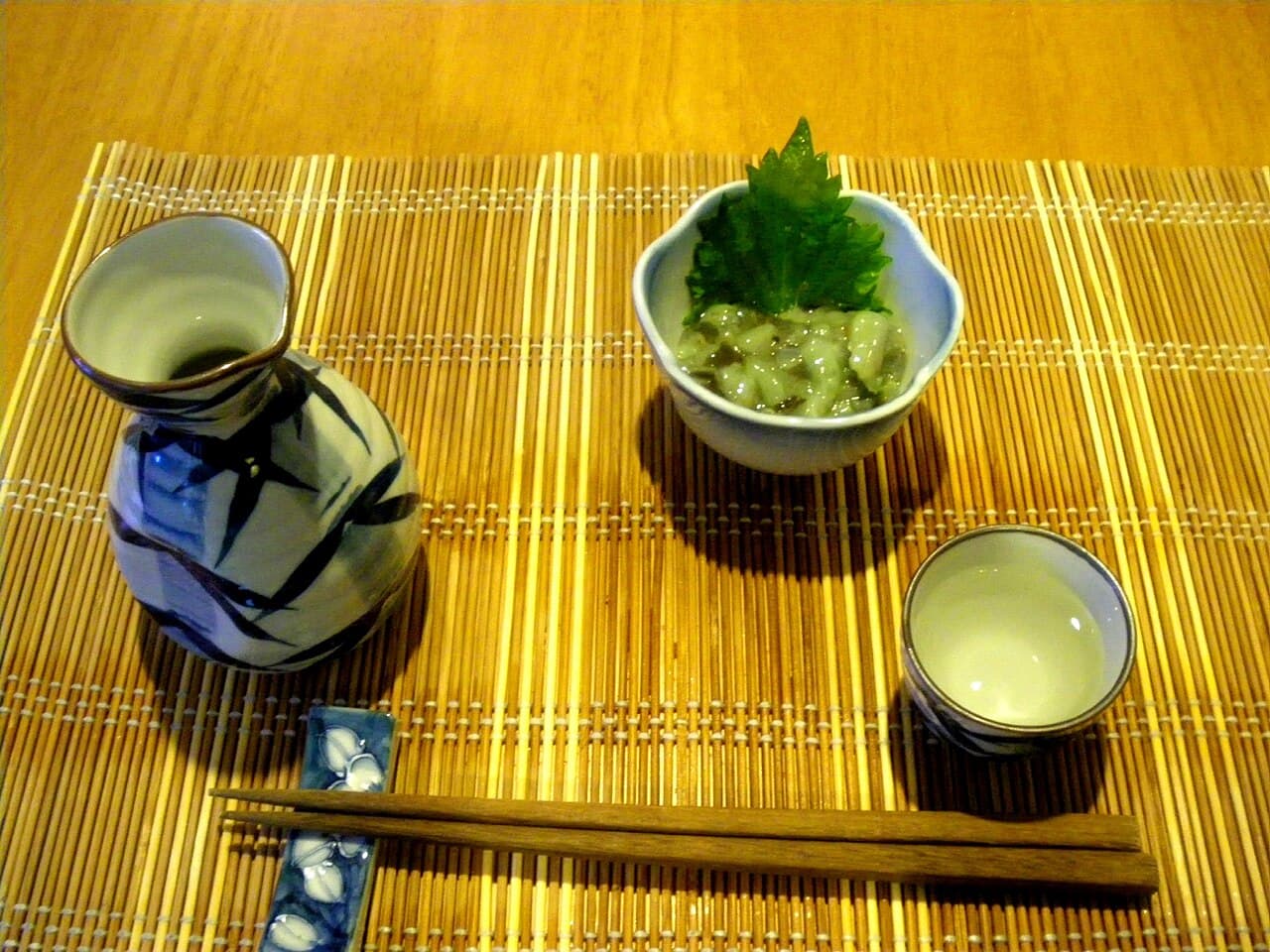
Sake is almost always vegan: it's brewed from rice, water, koji mold and yeast, with no animal ingredients. The traps on the Japanese drinks shelf are elsewhere and small — a handful of beers fined with fish bladder, the odd plum wine sweetened with honey, and wine's well-known animal clarifying. Here's how to order with confidence.
Why sake is (almost) always vegan
Real sake (nihonshu) has four ingredients: rice, water, koji (steamed rice grown with Aspergillus oryzae mold) and yeast. Koji and yeast are fungi, not animals, so the base is entirely plant- and fungus-derived. Some sake also adds a little distilled jozo alcohol, which is plant-based too. That's it.
The only asterisk is *filtration (roka). To polish colour and clarity, most breweries use activated charcoal — vegan. A minority have historically used animal-derived fining agents such as egg white or gelatin, which is why a strict vegan can't assume 100% (per Palate Project / Tippsy, as of July 2026). If you want zero doubt, buy a vegan-certified sake: Nanbu Bijin was the first Japanese brewery to earn certification (NPO Vege Project and The Vegan Society), and some Dassai bottles (Asahi Shuzo) carry The Vegan Society mark, as of July 2026. Unfiltered muroka* sake is another safe bet.
The whole shelf, decoded
| Drink | Usually vegan? | Watch-out |
|---|---|---|
| Sake (nihonshu) | Almost always | Rare animal fining during filtration — pick vegan-certified if strict |
| Japanese beer | Usually | Isinglass/gelatin in a few brands; milk/sweet stout (lactose); some "umami" craft beers use bonito |
| Shochu / awamori | Yes | Habushu (snake-infused); honey-flavoured bottles |
| Umeshu (plum wine) | Usually | Some brands sweeten with honey or royal jelly |
| Whisky | Usually | Unusual cask finishes/additives — check the exact bottle |
| Wine (incl. Japanese) | Often not | Isinglass, gelatin, casein, egg-white fining |
Beer
Most Japanese lager is vegan — malt, hops, water, yeast. The classic risk is isinglass (dried fish bladder) or gelatin used to clarify, though it's now uncommon here. As of July 2026: Sapporo states it uses no animal-derived fining agents and is listed vegan-friendly on Barnivore; Kirin says its mainline beers (Ichiban Shibori, Lager, Tanrei, Nodogoshi) use no isinglass or gelatin, though it won't formally certify; Asahi declines to disclose its full process, so its beers are simply unconfirmed rather than proven non-vegan. Separate traps: milk / sweet stout (lactose), honey ales, and the occasional "umami" craft beer brewed with bonito (fish) flakes.
Shochu, awamori and umeshu
Distilled shochu and Okinawan awamori are made from rice, barley, sweet potato, buckwheat or brown sugar — vegan. Skip habushu (awamori with a whole snake inside) and honey-flavoured bottles. Umeshu (plum "wine") is traditionally just green ume, shochu and rock sugar — vegan (per Just One Cookbook). The one thing to verify: a minority of commercial umeshu is sweetened with honey or royal jelly, so read the label.
Whisky and wine
Japanese whisky is grain, water and yeast, and is usually vegan; unusual cask finishes or additives are the only reason to double-check a specific bottle. Wine is the real outlier — and it's not a Japan thing. Winemakers worldwide often "fine" with isinglass, gelatin, casein (milk) or egg white (per PETA). Look for "unfined / unfiltered" on the label or a vegan mark.
How to check any bottle in 30 seconds
- Barnivore.com is a free, crowd-sourced database for beer, wine and liquor — just search the brand.
- On a label or shelf-tag, "unfined / unfiltered" (無濾過, muroka) is a good sign; a vegan mark is better.
- At an izakaya, the drink is rarely the problem — the food is. See our izakaya survival guide, the list of accidentally vegan Japanese foods, or browse vegan-friendly restaurants.
Bottom line: pour freely. Sake, most Japanese beer, shochu and umeshu are vegan or easily vegan; only wine (and a rare honey- or fish-fined bottle) needs a second look. For the bigger picture, see is Japan vegan-friendly? and, because fish stock hides everywhere at the table, is dashi vegan?.
Sources
FAQ
- Is Asahi, Kirin, or Sapporo beer vegan?
- As of July 2026: Sapporo states it uses no animal-derived fining agents and is listed vegan-friendly on Barnivore. Kirin says its mainline beers (Ichiban Shibori, Lager, Tanrei, Nodogoshi) contain no isinglass or gelatin, though it won't formally certify them. Asahi declines to disclose its full manufacturing process, so its beers are best treated as unconfirmed rather than proven non-vegan.
- Is umeshu (Japanese plum wine) vegan?
- Traditional umeshu is just green ume plums, shochu and rock sugar, which is vegan. The catch: a minority of commercial brands sweeten with honey or royal jelly, which are not vegan. Read the label, and when in doubt look it up on Barnivore or ask the bar.
- Is sake ever NOT vegan?
- Rarely. Standard filtration uses activated charcoal, but a small number of breweries have historically used animal-derived fining agents such as egg white or gelatin, so a strict vegan can't assume every bottle is 100%. Choose a vegan-certified brand (e.g. Nanbu Bijin or certain Dassai bottles) or an unfiltered muroka sake to be sure.
- How do I check if a specific bottle is vegan?
- Search the brand on Barnivore.com, a free crowd-sourced beer/wine/liquor database. On the label, 'unfined / unfiltered' (muroka) is a good sign and a vegan mark is better. At an izakaya, the drinks are rarely the issue — it's the food, so ask about dashi and toppings.