
Dietary guide
Is Soba Vegan? The Noodle Is — the Broth Is the Trap
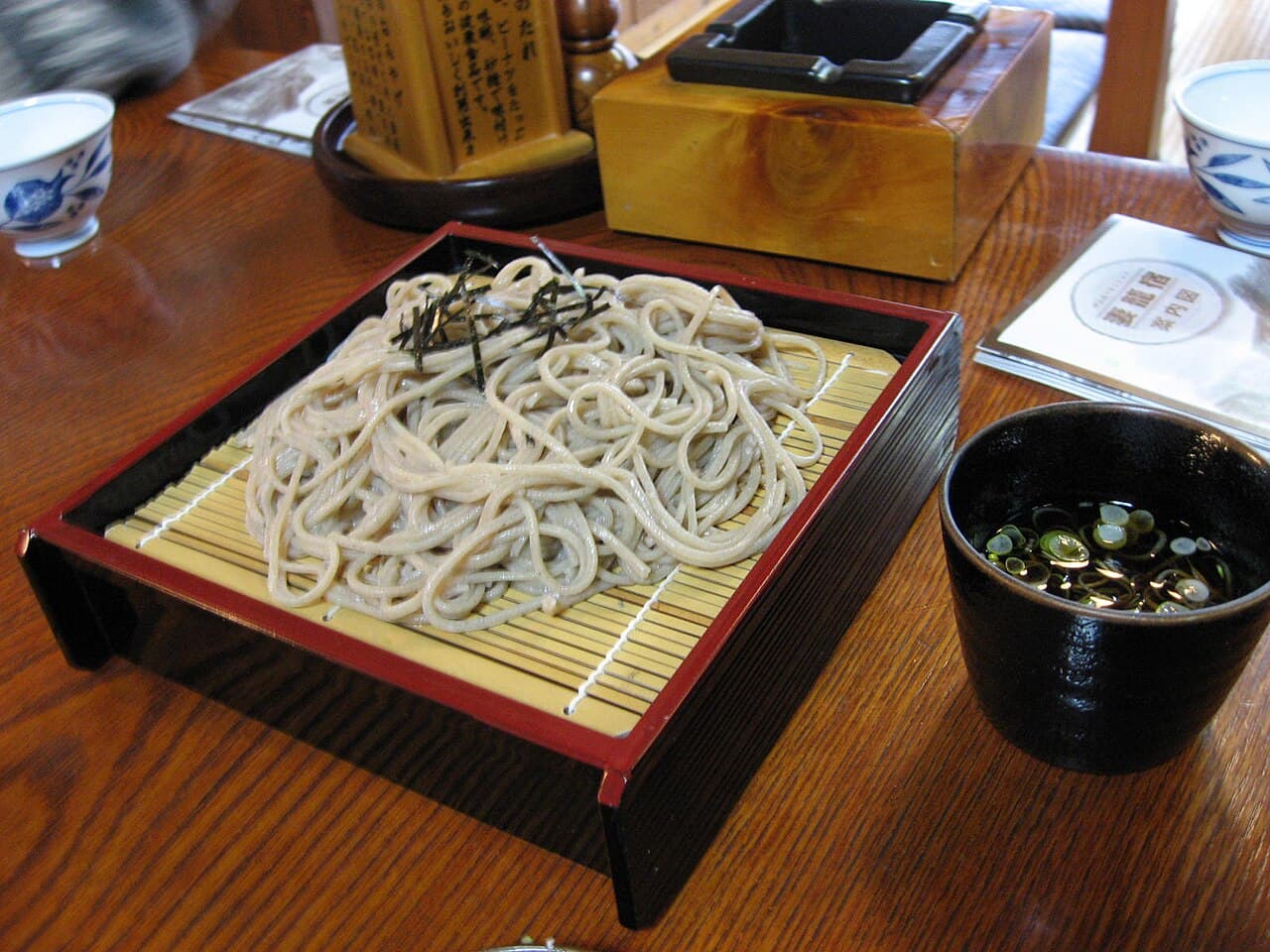
Is soba vegan? The noodle itself usually is — buckwheat, sometimes cut with a little wheat — but the broth is the trap. Most restaurant soba is dipped in or served in tsuyu built on katsuobushi (bonito) or niboshi (sardine) dashi, so it isn't vegan as served. The fix: order zaru soba, ask for a kombu-based dip, or find a vegan soba specialist. Doable, with one question.
The noodle is the easy part
Pure soba is milled buckwheat and water. Many everyday noodles are ni-hachi (80% buckwheat, 20% wheat) for texture, and sarashina soba uses the refined white core of the grain — both are still plant-based. No egg, no dairy in the dough itself. If the noodle were the whole question, soba would be an easy yes.
Dashi is where it stops being vegan
The problem is the liquid. Soba tsuyu — the hot broth or the cold dipping sauce — is almost always built on fish stock: bonito flakes, sardine, sometimes mackerel, plus soy sauce and mirin. Bottled mentsuyu is the same story. This is the single most common hidden animal ingredient in Japanese food, and it's invisible: the bowl looks like clear soup and noodles. For the full picture, read is dashi vegan? — the same trap sinks ramen and countless \"vegetable\" dishes.
Kombu and shiitake — the vegan exception
There is a genuinely vegan Japanese stock: kombu (kelp) and dried shiitake, sometimes with roasted soybean. It's clean, savoury and traditional — the base of shojin (Buddhist temple) cooking. A handful of Tokyo cooks make soba this way on purpose, and some traditional soba houses will prepare a kombu dip if you ask ahead. So the answer isn't \"no,\" it's \"not by default.\"
How to eat soba well as a vegan
Order zaru soba (cold noodles, dip on the side) so you can control or decline the tsuyu. Ask plainly: \"Dashi wa konbu dake desu ka?\" — is the stock kombu only? Skip tempura unless the batter and oil are confirmed vegan (see tempura). And when you want it reliably plant-based, go to a vegan kitchen — Tokyo now has standing vegan soba and plenty of full plant-based tables (browse the vegan list). One honest question turns a fish-broth dish into a bowl you can enjoy.
Places we’ve confirmed
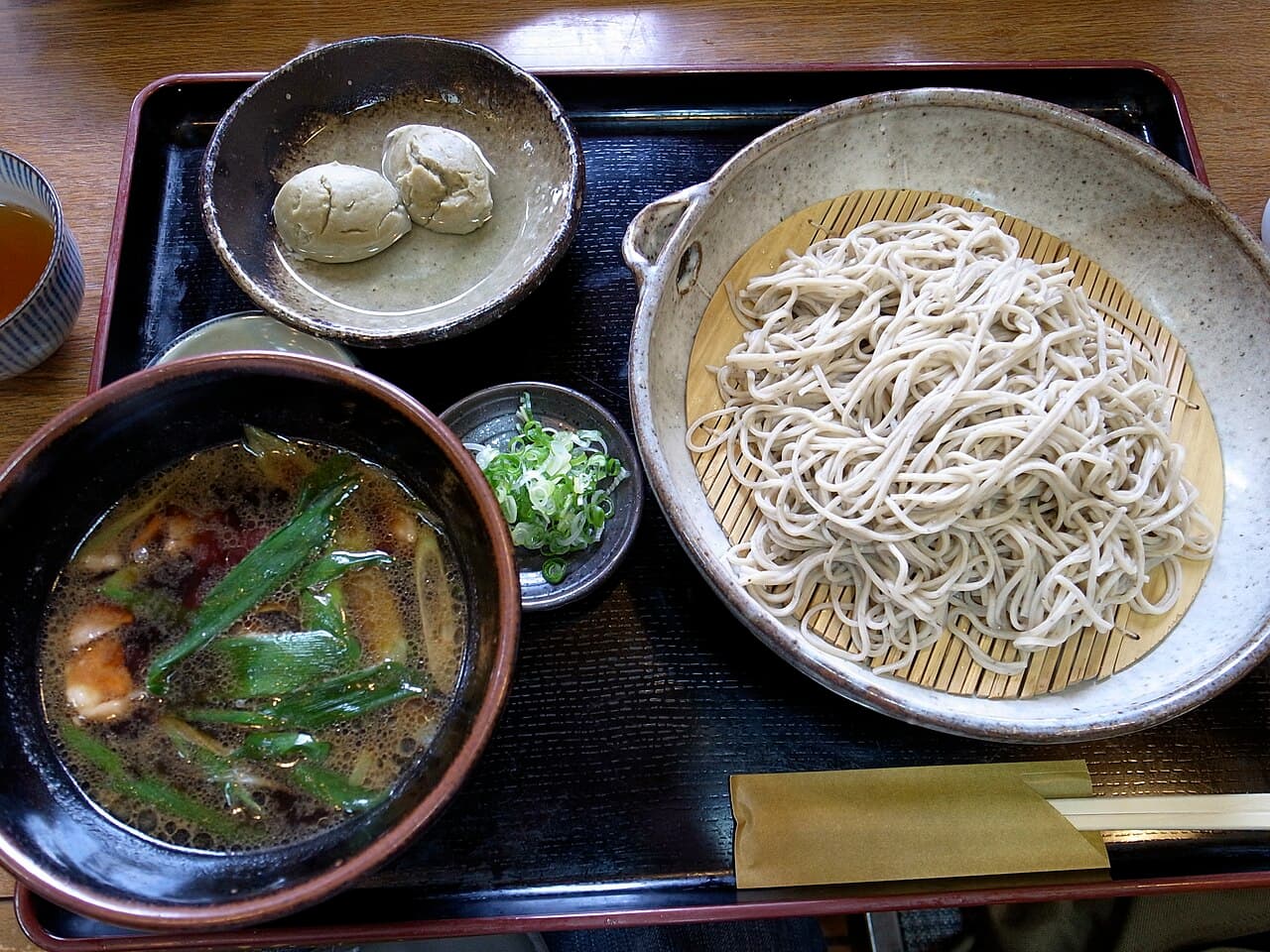
Vegan Soba Tokyo Ayler
Vegan tempura soba and zaru soba with a plant-based broth
A small standing-style soba shop in Shimokitazawa (opened 2024) serving ni-hachi soba with a fully plant-based kombu broth and toppings, so there is no bonito or fish dashi. The noodles are ni-hachi (80% buckwheat, 20% wheat), so it is vegan but not gluten-free; it is daytime-only and closed early in the week, so check hours before visiting.
- Vegan
- Vegetarian
- Dairy-free
- Casual
- Solo
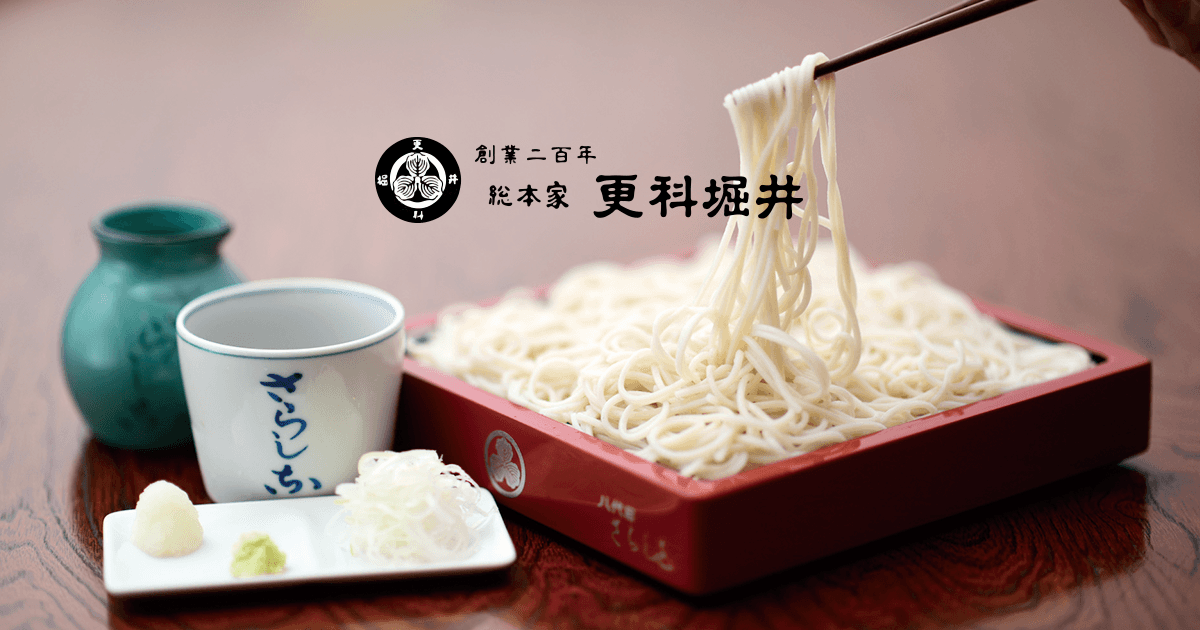
Sarashina Horii
Sarashina soba — pure-white refined buckwheat noodles
A 230-year-old Edo institution and the birthplace of silky, pure-white sarashina soba, served with a choice of light and dark dipping broths.
- Vegetarian
- Vegan
- Solo
- Casual
Sources
FAQ
- Are the buckwheat noodles themselves vegan?
- Usually yes. Soba dough is buckwheat, water, and sometimes a little wheat flour for texture — no egg or dairy. The animal ingredient is in the broth, not the noodle.
- What should I order to eat soba as a vegan?
- Choose zaru soba (cold noodles with the dip served separately) and ask whether the tsuyu is made with kombu only. That way you control the sauce, and can decline the standard fish-dashi dip.
- How do I ask about the dashi in Japanese?
- Say "Dashi wa konbu dake desu ka?" — is the stock kombu only? Most soba tsuyu uses bonito or sardine dashi, so it's worth confirming before you order.