
Dietary guide
Is Japanese Curry Vegan? Usually Not — Golden & Vermont Roux Checked
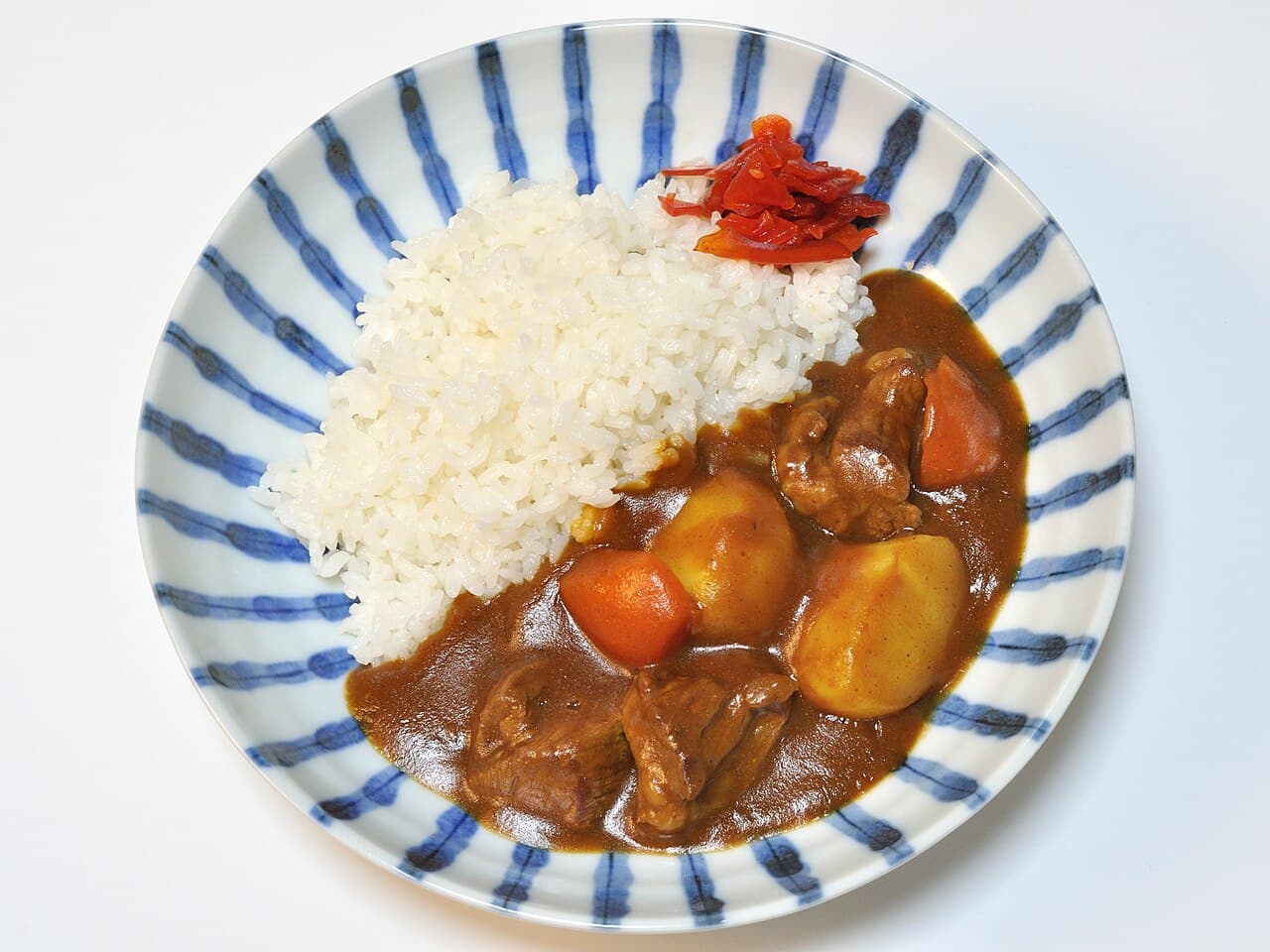
Usually not. The Japanese curry you meet at a diner or from a supermarket roux block is rarely vegan. House Vermont Curry lists a beef-and-pork fat blend, whole milk powder, honey and pork extract. S&B Golden Curry swaps the fat for palm and rapeseed oil, but still declares gelatin. Even a plain "vegetable curry" is typically cooked in one of those animal-based sauces. Fully vegan curry does exist in Japan — you just have to ask for it by name or buy the right box. Labels and menu checked 2026-10-13.
The roux is the trap
Home-style and chain Japanese curry gets its thick, mellow body from a solid roux block, and the animal ingredients are baked into that block before a single vegetable goes in. Ordering the "vegetable" option swaps out the meat topping, not the base. Here is what the two household names actually print on their labels:
| Roux (as sold in Japan) | What the official label lists | Vegan? |
|---|---|---|
| House Vermont Curry, 230g medium hot | Beef-and-pork fat blend, whole milk powder, honey, pork extract | No |
| S&B Golden Curry, 198g (mild / medium hot / hot) | Palm and rapeseed oil — but gelatin (all three spice levels) | No |
| House Vermont Curry, made without the 8 major allergens | Pork extract, pork collagen, honey powder | No |
| House Vegetabel Curry | "No animal ingredients except dairy" — cheese powder | Vegetarian, not vegan |
| S&B Golden Curry 動物性原材料不使用, 1kg | Wheat flour, palm and rapeseed oil, salt, curry powder, sugar, spices; additives: caramel colour, seasoning (amino acids etc.), acidulant | Yes — no animal-derived ingredients |
Two lessons hide in that table. "Allergy-friendly" does not mean animal-free: the allergen-free Vermont Curry drops milk and wheat but keeps pork. And vegetable oil in the ingredients does not settle it: Golden Curry's gelatin is the catch. Of the boxes we checked, the only plant-only roux is S&B's animal-free Golden Curry, a 1kg food-service pack that S&B sells through its online shop, so you will rarely find it on a supermarket shelf. Formulations change, so read the 原材料名 (ingredients) panel of the exact box you pick up.
Watch the dashi, too
Even a curry built without meat can hide the classic trap: dashi. Bonito (katsuo) and sardine (niboshi) stock slip into a lot of savoury Japanese cooking, and a soup curry or a "washoku-style" curry may lean on fish stock for depth. The vegan exception is kombu (kelp) or dried shiitake dashi, which many plant-based kitchens use on purpose. Never assume a brown, vegetable-looking sauce is fish-free — ask. We go deeper in is dashi vegan in Japan.
Eating out at a curry chain
At CoCo Ichibanya, skip the standard sauce and order the item its official menu describes as using no animal-derived ingredients: the CoCoICHI vegetarian curry (ココイチベジカレー), ¥683 with tax for the standard dine-in serving (300g rice, regular spice; some stores and regions price it differently, and some stores do not carry it). Ask for it by name, and note that it cannot be made mild (甘口). Price, availability and our advice on toppings are in the CoCo Ichibanya vegetarian curry guide.
Where to actually eat vegan curry
The reliable route is a kitchen built around plants rather than a meat-free option at a regular curry shop. For restaurants by city, see vegan curry in Japan: where to find it.
How to eat curry well as a vegan
At a chain, name the vegetarian product; at a supermarket, look for 動物性原材料不使用 (no animal-derived ingredients) on the box rather than "vegetable" or "allergy-friendly". And when in doubt, choose a plant-based kitchen over a compromise: the curry you seek out is usually the one you enjoy most. If you eat egg, the fried-cutlet world of katsudon is a separate conversation.
Places we’ve confirmed
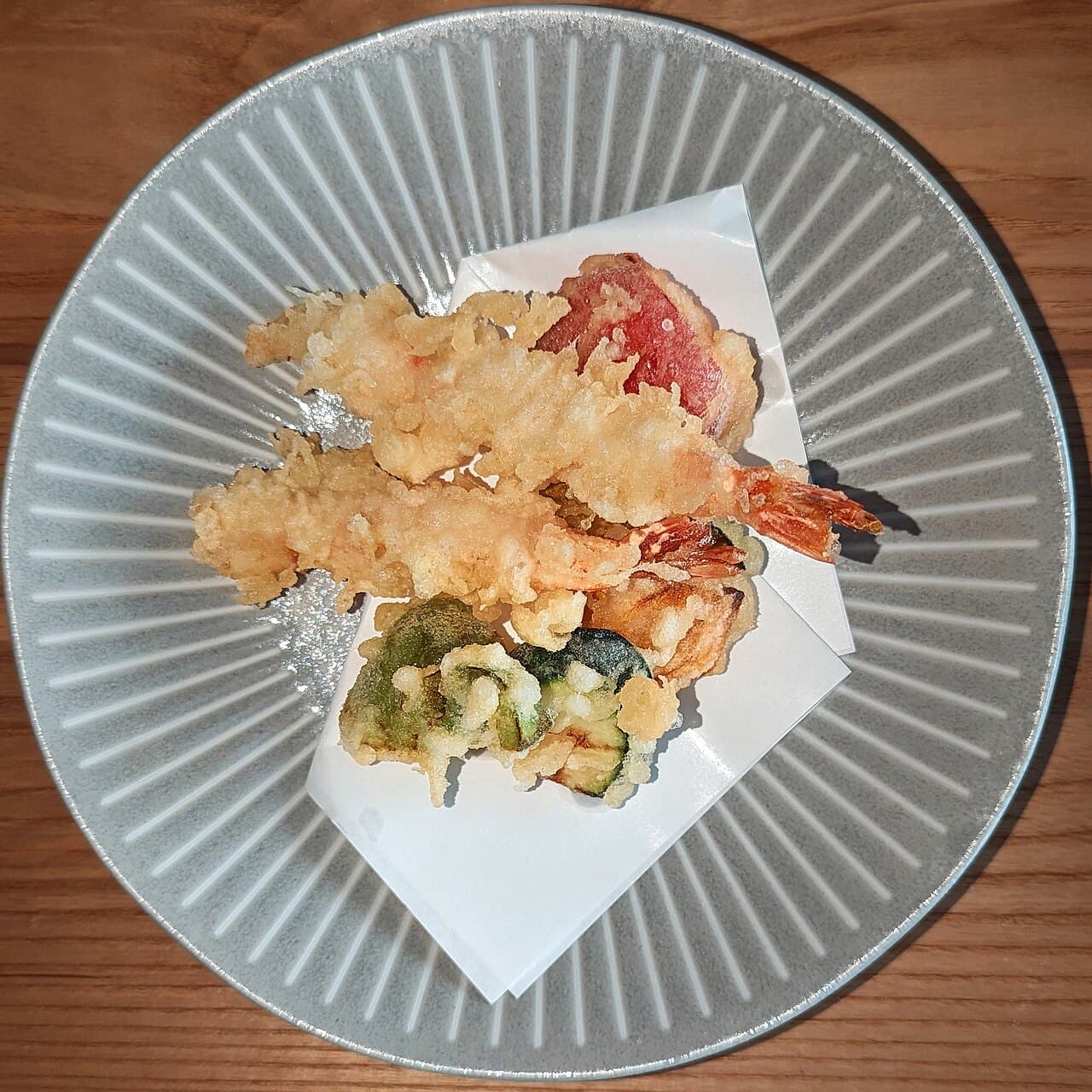
Nataraj Ogikubo
Organic vegetable curries with tandoor naan; vegan, vegetarian and halal menus
A pioneering natural Indian vegetarian restaurant (the brand dates to 1989) serving spice-forward curries and tandoor naan in a spacious basement near Ogikubo Station. Vegan, vegetarian, halal and five-allium-free menus make it unusually accommodating.
- Vegetarian
- Vegan
- Halal
- Casual
- Private room
Nataraj Shibuya
Organic vegetable curries and tandoor naan with vegan, vegetarian and halal options
The Shibuya outpost of the long-running Nataraj natural-Indian vegetarian group, offering spice-rich organic vegetable curries, tandoor naan and clearly labelled vegan, vegetarian and halal menus in the heart of Shibuya.
- Vegetarian
- Vegan
- Halal
- Casual
- Business
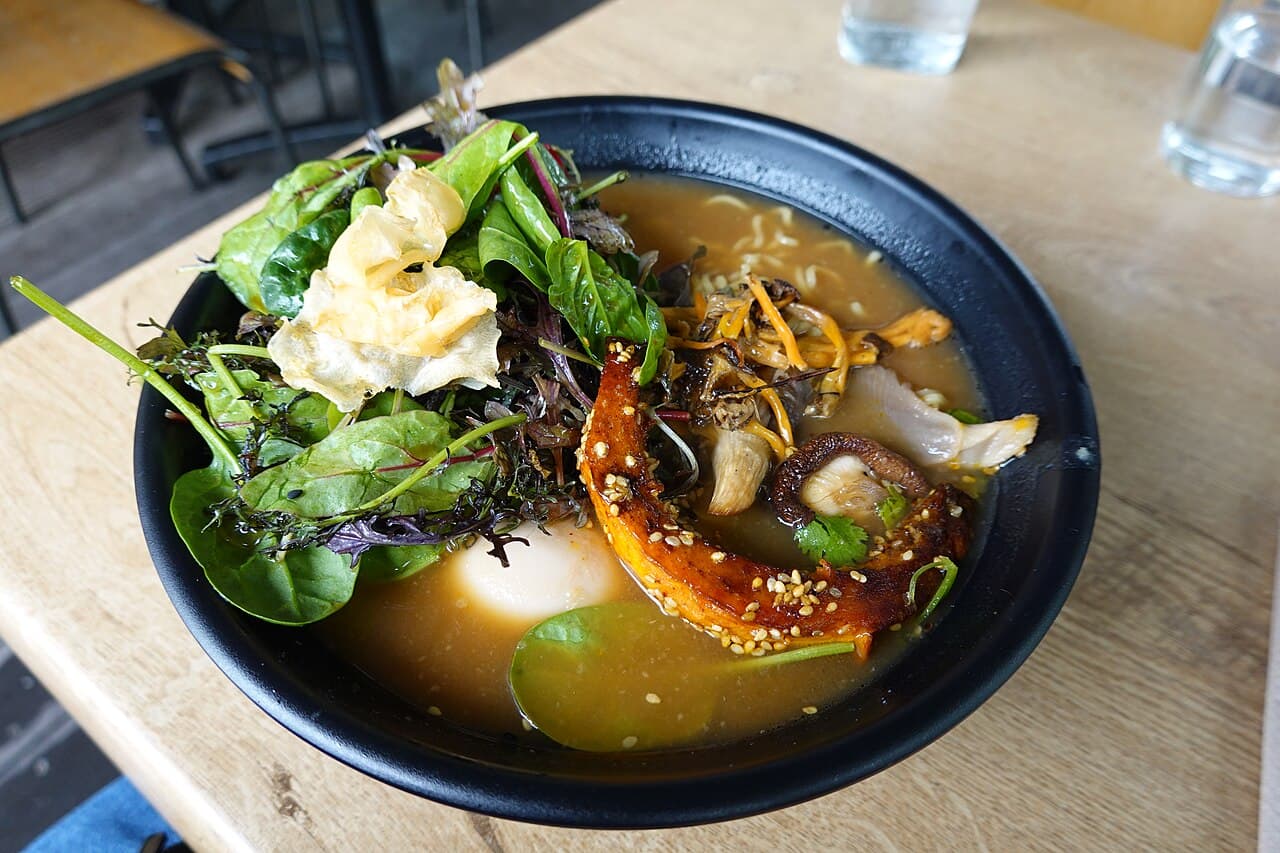
Chabuzen Shimokitazawa
Vegan curry ramen with sprouted brown rice
A tiny tatami-floored diner on the Shimokitazawa backstreets where every bowl of rich, medicinal-herb ramen is 100% plant-based and built on sprouted brown rice.
- Vegetarian
- Vegan
- Gluten-free
- Solo
- Casual
Komaki Shokudo
Kuchifuku set — nine seasonal vegan sides with rice and miso soup
A casual, affordable vegan cafeteria run by a Kamakura temple lineage beneath the Akihabara rail arches, where even garlic and onion are forsaken in true shojin style.
- Vegetarian
- Vegan
- Solo
- Casual
Gopinatha
Daily plant-based set of vegetable dishes, brown rice and soup
A tiny counter near Nakano Broadway serving carefully made vegetarian set meals, with vegan options and homemade sweets.
- Vegetarian
- Vegan
- Solo
- Casual
Sources
- Japanese curry — Wikipedia
- House Foods: 230g Vermont Curry medium hot — ingredients and allergens
- House Foods: Vermont Curry made without the 8 specified allergens — ingredients
- House Foods: Vegetabel Curry (no animal ingredients except dairy)
- S&B Foods: Golden Curry 198g medium hot — ingredients
- S&B Foods: Golden Curry 198g mild — ingredients
- S&B Foods: Golden Curry 198g hot — ingredients
- S&B Foods: Golden Curry with no animal-derived ingredients, 1kg (food service)
- CoCo Ichibanya official menu: CoCoICHI vegetarian curry
FAQ
- Is Japanese curry roux vegan?
- Standard roux blocks are not. House Vermont Curry (230g, medium hot) lists a beef-and-pork fat blend, whole milk powder, honey and pork extract on its official product page. S&B Golden Curry (198g) is made with palm and rapeseed oil, but its label still declares gelatin. Read the 原材料名 (ingredients) panel of the exact box you buy (checked 2026-10-13).
- Is Golden Curry vegan?
- The regular 198g blocks (mild, medium hot and hot) are not: S&B lists gelatin in all three. S&B does make a separate "ゴールデンカレー動物性原材料不使用" (no animal-derived ingredients) roux, but it is a 1kg food-service pack that S&B sells through its online shop. Its listed ingredients are wheat flour, palm and rapeseed oil, salt, curry powder, sugar, spices and additives (checked 2026-10-13).
- Can I get vegan curry at a chain?
- Yes, if you order the named product: CoCo Ichibanya's official menu describes its CoCoICHI vegetarian curry (ココイチベジカレー) as using no animal-derived ingredients, so ask for it by name rather than for "vegetable curry". Our CoCo Ichibanya vegetarian curry guide covers price, availability and toppings (checked 2026-10-13).
- Can I just order the vegetable curry at a normal curry shop?
- Usually not safely. The 'vegetable' option typically swaps the topping while keeping the same roux base, and standard roux carries animal fat, dairy, honey or gelatin. Unless the kitchen makes its sauce from scratch with plant oil, or uses a roux labelled 動物性原材料不使用, the sauce itself is not vegan.
- Is allergy-friendly or "vegetable" curry roux vegan?
- Not necessarily. House's 特定原材料8品目不使用 Vermont Curry (made without the eight major allergens) still lists pork extract, pork collagen and honey powder. House's Vegetabel Curry is described as using no animal ingredients except dairy, and its label includes cheese powder, so it suits lacto-vegetarians, not vegans.
- Does Japanese curry contain fish stock?
- It can. Roux-based curry rarely does, but soup curries and washoku-style curries may use bonito or sardine dashi for depth. Ask specifically, and look for kombu or shiitake dashi if you need it plant-based.