
Rice, kōji, and distilled alcohol — no dairy, egg, honey, or fish in standard mirin.
Is Mirin Vegan? A Guide to Japan's Sweet Cooking Sake
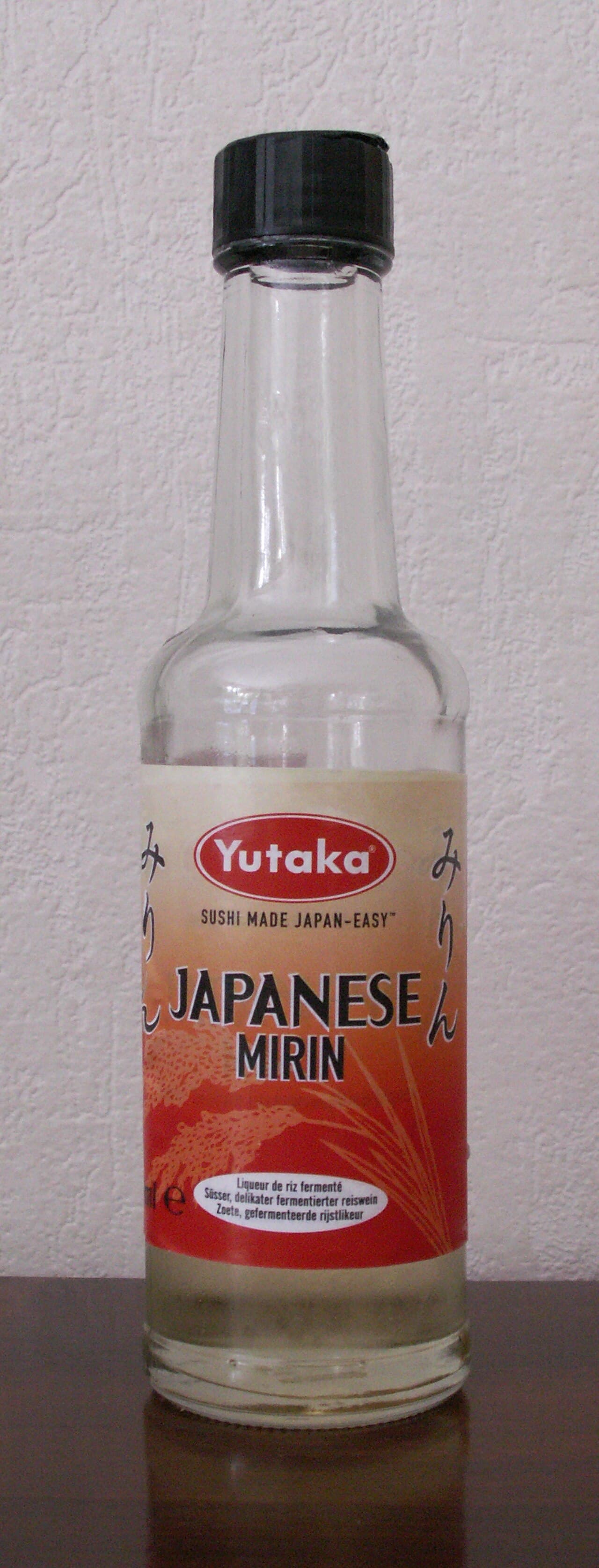
Yes, mirin is vegan. Standard mirin — including hon-mirin, shio-mirin, and the alcohol-free "mirin-style" seasonings sold as aji-mirin outside Japan — is made from rice, rice kōji, water, and a distilled spirit, with no dairy, egg, honey, gelatin, or fish-derived ingredients anywhere in the process.
What mirin is made from
Mirin is produced by fermenting steamed glutinous rice (mochigome) with rice kōji — rice cultured with the mold Aspergillus oryzae — and a distilled spirit, traditionally shōchū or a neutral brewed alcohol. The mash, called moromi, saccharifies and ages for 40 to 60 days, then is pressed, traditionally in a cloth bag under a weighted stone. The alcohol content naturally halts fermentation partway through, which preserves the sugar and gives mirin its sweetness. At no point in this process does an animal-derived ingredient enter the picture.
The four types on the shelf
"Mirin" on a label can mean four different products, and the distinction matters for taste and for legal classification under Japan's Liquor Tax Law:
- Hon-mirin ("true mirin") — rice, rice kōji, water, and distilled alcohol, around 14% ABV. To legally qualify as hon-mirin it must be under 15% alcohol with at least 40% extract content, and it's taxed as a liquor.
- Shio-mirin ("salted mirin") — identical to hon-mirin but with at least 1.5% salt added, which reclassifies it as a seasoning rather than a liquor and exempts it from alcohol tax.
- Shin-mirin / mirin-fu chōmiryō ("mirin-style seasoning") — under 1% alcohol and not traditionally brewed; typically a blend of glucose or high-fructose corn syrup, water, fermented-rice flavoring extract, citric acid, and sometimes a preservative like sodium benzoate.
- Aji-mirin — the umbrella marketing name for these lower-alcohol, mirin-style blends (roughly 8% ABV, though branded products range up to about 14%), usually listing water, corn or glucose syrup, alcohol, rice, and about 2% salt.
All four categories are plant-based across the brand ingredient lists checked for this guide.
Real brands, checked
- Yutaka Mirin Sweet Rice Seasoning (UK) is explicitly labeled "Gluten Free, Vegan" by retailers; its ingredients are glucose syrup, water, fermented rice alcohol (2%, itself water, rice, alcohol, salt, citric acid, and rice malt enzyme), cane molasses, and citric acid (retailer listings vary slightly, some also listing sugar and spirit vinegar).
- Takara Hon-Mirin, one of Japan's major hon-mirin brands, lists glutinous rice, rice kōji, water, distilled alcohol (13.5–14.5%), and glucose/dextrose/maltose syrup — no salt, no preservatives, no animal ingredients.
- Ohsawa Genuine Mirin is organic sweet rice, distilled rice wine, rice kōji, and sea salt, marketed as vegan and USDA organic.
- Mitoku Organic Mikawa Mirin posts a similar rice-based ingredient list, with a salted variant available.
Does the alcohol matter?
Hon-mirin is around 14% ABV, and it's genuinely a liquor under Japanese tax law. Cooking does drive off some alcohol, but Kikkoman's own glossary only says "most" evaporates when heated — there's no reliable figure for an exact percentage, so treat any "boils off completely" claim with skepticism. If you're avoiding alcohol for reasons unrelated to veganism, reach for shin-mirin / mirin-fu chōmiryō (under 1% ABV) — it's also the type most commonly sold as "mirin seasoning" in supermarkets outside Japan.
Why mirin dodges the fining-agent problem that catches wine and sake
Wine and beer are often not vegan because of animal-derived fining agents — isinglass from fish bladders, gelatin, or egg white — used to clarify the liquid before bottling. Sake has historically used some of the same techniques, though that's declined industry-wide since BSE concerns roughly two decades ago. Mirin sidesteps this: traditionally it's clarified by physically pressing the fermented mash in a cloth bag under a weighted stone, not by adding animal-derived fining agents. No source was found describing hon-mirin production using isinglass, gelatin, or egg white — worth stating as a research finding rather than an absolute guarantee for every obscure regional brewery, but a genuine point in mirin's favor compared to wine or sake.
The one caution worth knowing (and one that isn't)
Some vegan-ingredient checker sites carry a generic warning that "some mirin brands might use honey." This research could not find an actual honey-sweetened mirin product on the market — it reads as boilerplate caution rather than a documented real product, so check the label if you're unsure, but don't treat it as common.
Separately, don't confuse mirin with katsuo mirin furikake — a rice-topping seasoning (from brands like Mishima, Urashima, or Takaokaya) that combines bonito flakes and mirin as two separate ingredients. That product isn't vegan because of the bonito, but it's a different item entirely from a bottle of mirin itself.
Bottom line
Buy any standard hon-mirin, shio-mirin, or mirin-fu chōmiryō, check that the label doesn't list honey (it almost certainly won't), and it's vegan. For a supermarket-verified pick, look for products labeled the way Yutaka's is — "vegan" printed right on the bottle.
Sources
FAQ
- Is mirin vegan?
- Yes — standard mirin (hon-mirin, shio-mirin, and mirin-fu chōmiryō) is made from rice, rice kōji, water, and distilled alcohol, with no dairy, egg, honey, or fish ingredients.
- What's the difference between hon-mirin and aji-mirin?
- Hon-mirin is traditionally brewed, around 14% alcohol, and legally classified as a liquor. Aji-mirin (mirin-fu chōmiryō) is under 1% alcohol, not brewed, and typically a blend of glucose syrup, water, and fermented-rice flavoring. Both are plant-based.
- Does mirin contain honey?
- No confirmed honey-sweetened mirin product was found in this research. Some vegan-checker sites carry a generic warning about it, but it appears to be boilerplate caution rather than a documented real product — check the label if you're unsure.
- Is mirin clarified with animal-derived fining agents like wine or sake sometimes are?
- No documented use of isinglass, gelatin, or egg white was found in mirin production. It's traditionally clarified by pressing the fermented mash in a cloth bag under a weighted stone, not by chemical fining agents.
- Is katsuo mirin furikake vegan?
- No — katsuo mirin furikake is a rice topping that contains bonito flakes as well as mirin, so it isn't vegan. It's a different product from a bottle of mirin itself, which contains no fish.