
Dietary guide
Hidden Animal Ingredients in Japanese Food: The Vegan Master List
The single biggest trap is dashi — the bonito or sardine fish stock hiding in miso soup, simmered vegetables, and most "veggie" dishes. Also watch for egg, dairy, honey, gelatin, lard, fish sauce, oyster sauce, and bonito flakes on top. Only kombu (kelp) or shiitake dashi is vegan. When in doubt, ask about dashi first.
Japan is one of the most rewarding places to eat plant-based — but its plant foods are quietly built on the sea. This is the reference to keep on your phone.
The one word that matters: dashi
Dashi is the savoury base of Japanese cooking, and the everyday version is made from katsuo (bonito) and niboshi (dried sardines) — fish. It's in miso soup, tempura dipping sauce, soba/udon broth, simmered dishes (nimono), tamagoyaki, and countless "vegetable" sides. The vegan exceptions are kombu (kelp) and shiitake (mushroom) dashi. Never call a dish vegan until you've addressed dashi — it's the difference that catches almost everyone. More detail: is dashi vegan in Japan.
The master danger list
- Dashi — bonito/sardine fish stock in soups, broths, sauces, miso soup, nimono
- Katsuobushi — bonito flakes sprinkled on tofu, okonomiyaki, salads (they "dance" on top)
- Niboshi / shirasu — dried baby sardines, sometimes in rice or greens
- Fish sauce & oyster sauce — common in stir-fries and "Chinese-style" dishes
- Egg — in tempura/fry batter, some ramen noodles, some udon, mayonnaise, many sweets
- Dairy — butter and cream in "Japanese" curry roux, corn potage, baked goods
- Honey — in dressings, sauces, and drinks
- Gelatin — in puddings, jelly, gummies, some mousses
- Lard & chicken/pork stock — in ramen, gyoza, fried rice, curry
- Isinglass (rare) — fish-derived fining agent in a few unfiltered beverages
The truly-safe staples
- Plain steamed rice, onigiri with umeboshi (salted plum) or kombu — check the filling
- Tofu, edamame, natto, and most pickles (tsukemono)
- Zaru soba — but the dipping sauce (tsuyu) usually has dashi; ask
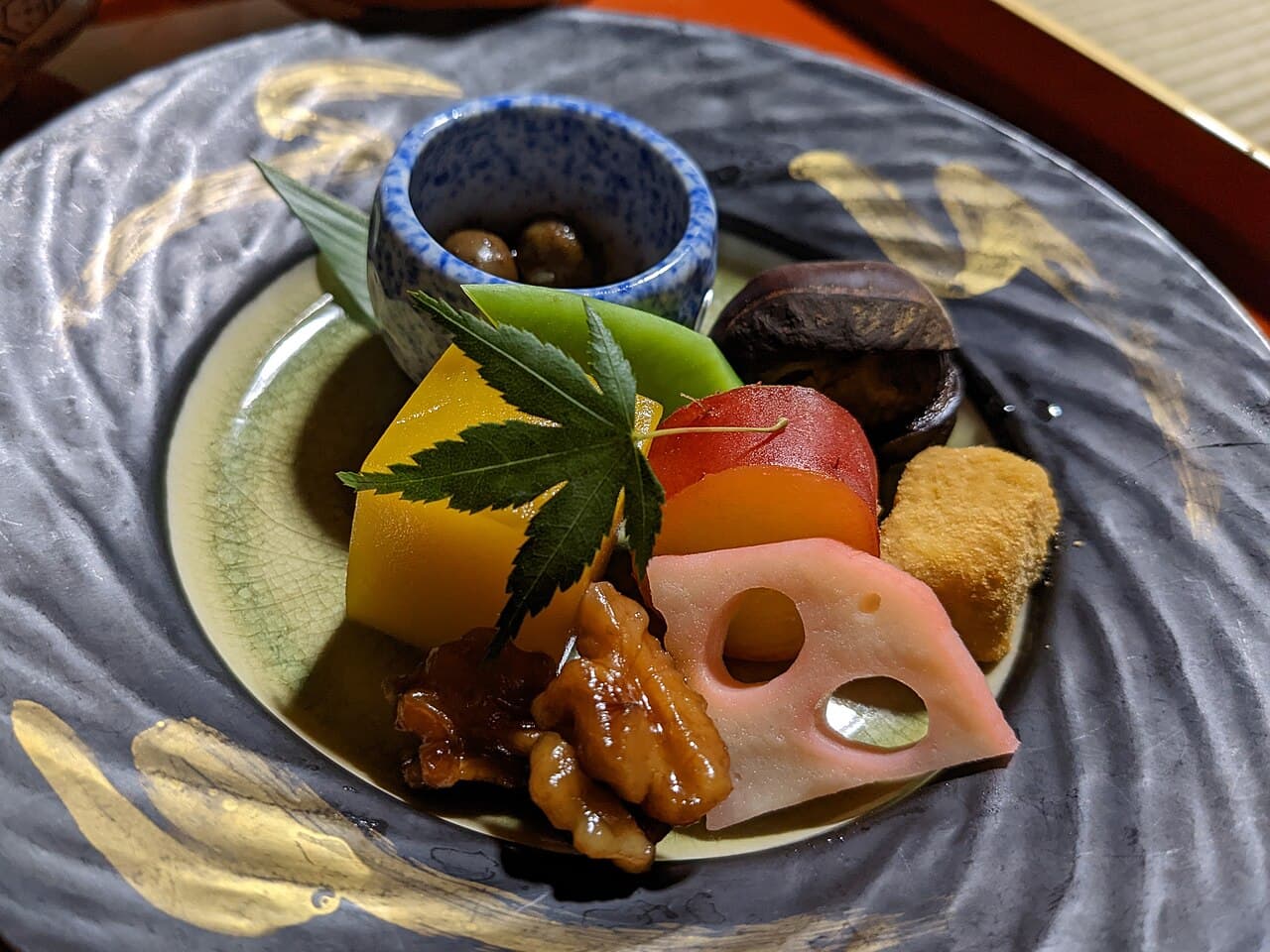
- Fruit, roasted sweet potato, and shojin ryori (Buddhist temple cuisine), which by tradition uses no fish dashi (its stock is kombu or shiitake)
When "vegetable" isn't vegan
A salad topped with bonito flakes, spinach dressed in dashi (ohitashi), or miso soup are the classic surprises. At chains, konbini, and airports, menus vary by branch and season — read the current allergen chart rather than trusting a photo, and treat "vegetarian" as possibly still containing dashi or egg.
The honest gaps
Fully vegan kitchens exist but are the minority; most kind staff will adapt a dish, not guarantee a trace-free plate. If you're strict, seek out vegan cafes and shojin ryori. For the bigger picture, see can vegans eat in Japan and is Japan vegan-friendly, or browse our vegan guide. Learn one phrase — dashi wa haitte imasu ka? (does this contain dashi?) — and Japan opens right up.
Sources
FAQ
- What's the one ingredient vegans miss most often in Japan?
- Dashi — the bonito or sardine fish stock. It's in miso soup, noodle broths, simmered vegetables, and many dressings, even when the dish looks entirely plant-based. Always ask whether kombu or shiitake dashi was used instead.
- Is miso soup vegan?
- Usually not by default, because standard miso soup is made with bonito or sardine dashi. It's vegan only when made with kombu or shiitake dashi, so it's worth confirming before you order.
- How do I ask about hidden fish or meat in Japanese?
- Try dashi wa haitte imasu ka? (does it contain dashi?) and niku ya sakana nashi de dekimasu ka? (can it be made without meat or fish?). A short written note listing dashi, egg, dairy and honey helps too.