
Dietary guide
Plant-Based Protein in Japan: Tofu, Natto, Edamame and Beyond
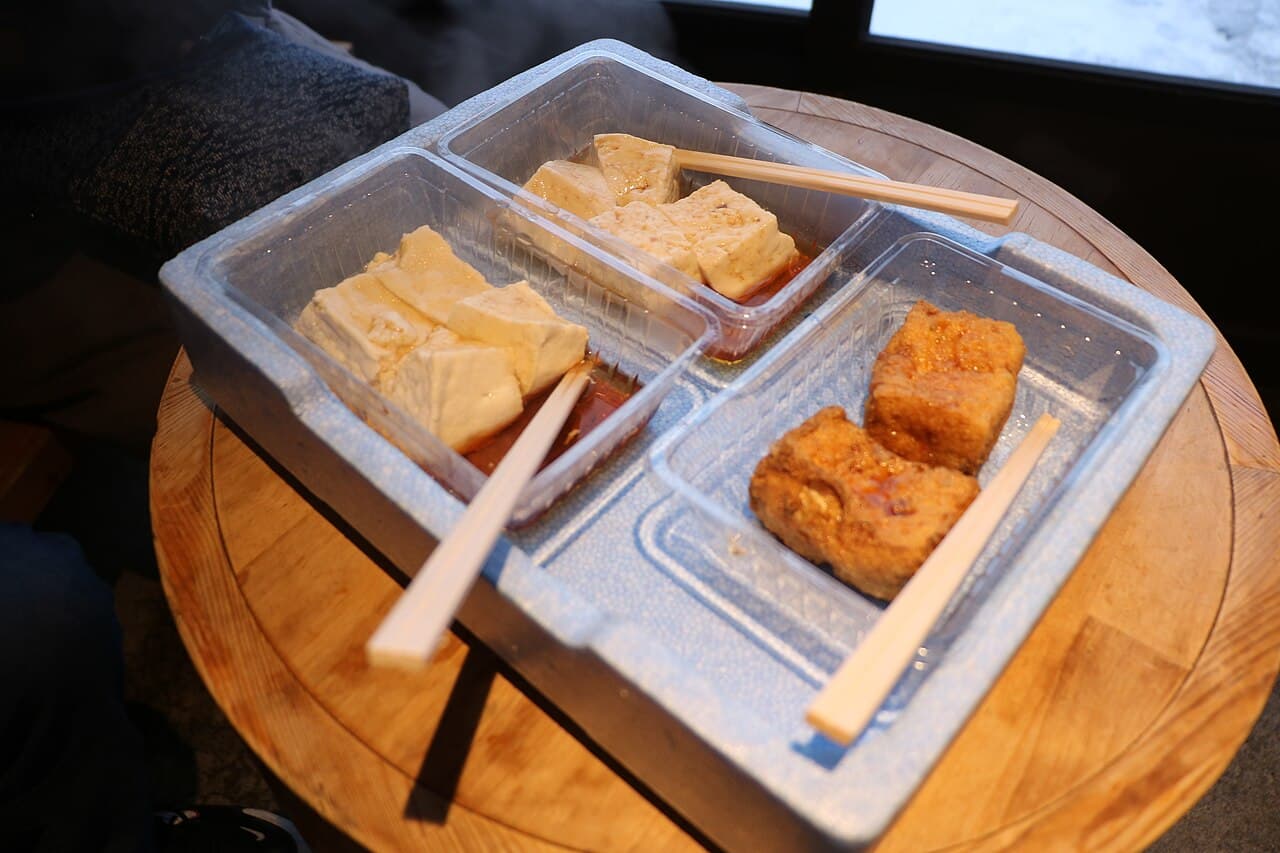
Yes — Japan is one of the easiest places on earth to eat plant protein. Tofu, natto, edamame, yuba, koya-dofu, atsuage, soy milk and tempeh are woven into everyday cooking, and most cost very little. The one real catch is dashi, the fish stock hiding in food that looks plant-only. Learn to spot it and you'll eat richly.
The plant-protein pantry
Japan's protein backbone is soy in a dozen forms. Tofu is the anchor: silky kinugoshi for chilled hiyayakko, firm momen for grilling and stir-fries. Yuba, the delicate skin skimmed from heated soy milk, is a Kyoto specialty rich in protein. Natto — fermented, sticky, pungent — is a breakfast staple and, unusually, vegan by default. Add koya-dofu (freeze-dried tofu that plumps up in broth), atsuage (thick deep-fried tofu), soy milk, edamame, and imported tempeh, and you have a full plant kitchen.
Protein, honestly
Rough per-serving figures: a block of firm tofu (about 100g) gives roughly 7–8g protein; one pack of natto (40–50g) about 7–8g; a cup of edamame around 11g; 200ml of unsweetened soy milk about 7g. Koya-dofu and yuba are surprisingly dense — koya-dofu is close to half protein by dry weight. Tempeh, less traditional here but stocked in natural-food shops, runs near 19g per 100g. None of it is a supplement; it's just dinner.
The dashi trap
Here is the honest part. Miso soup, simmered vegetables, dipping sauces and even inari sushi are routinely made with katsuo (bonito) or niboshi (sardine) dashi — invisible fish stock. Something can be otherwise entirely plant-based and still not vegan. The exception is kombu (kelp) and dried shiitake dashi, which is fully plant-derived and delicious. Ask "dashi wa konbu desu ka?" and watch for egg in tamago, honey in dressings, and lard in fried tofu. See is tofu vegan in Japan for the full breakdown, and is Japan vegan-friendly for the wider picture.
Where to eat it well
For tofu built into a proper meal, Tsuminaki Mapo Tofu in Mita does a plant-based mapo that leans on tofu for both body and protein, while Marugoto Vegan Dining in Asakusa plates soy-forward Japanese sets with confirmed kombu dashi. Vegan Sushi Tokyo in Shibuya reimagines nigiri around tofu and vegetables. All are on our vegan directory.
To eat well: build a day around one soy dish per meal, keep natto and soy milk for easy protein, and always confirm the dashi. Do that, and Japan feeds you generously.
Places we’ve confirmed
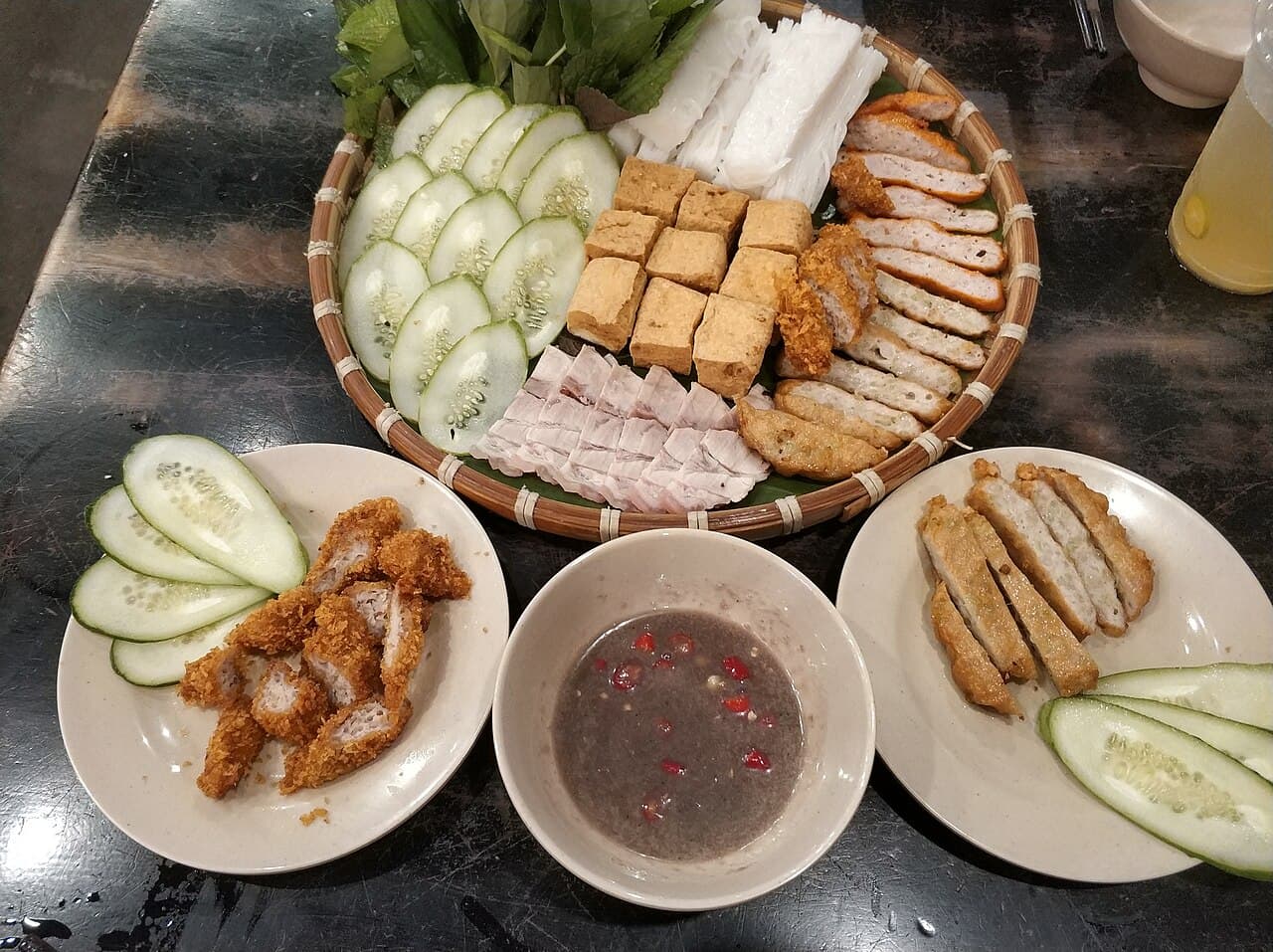
Tsuminaki Mapo Tofu (Mita)
100% plant-based mapo tofu and vegan gyoza
A dedicated vegan mapo tofu specialist near Tamachi, recreating Sichuan heat and richness with no animal products at all.
- Vegetarian
- Vegan
- Solo
- Casual
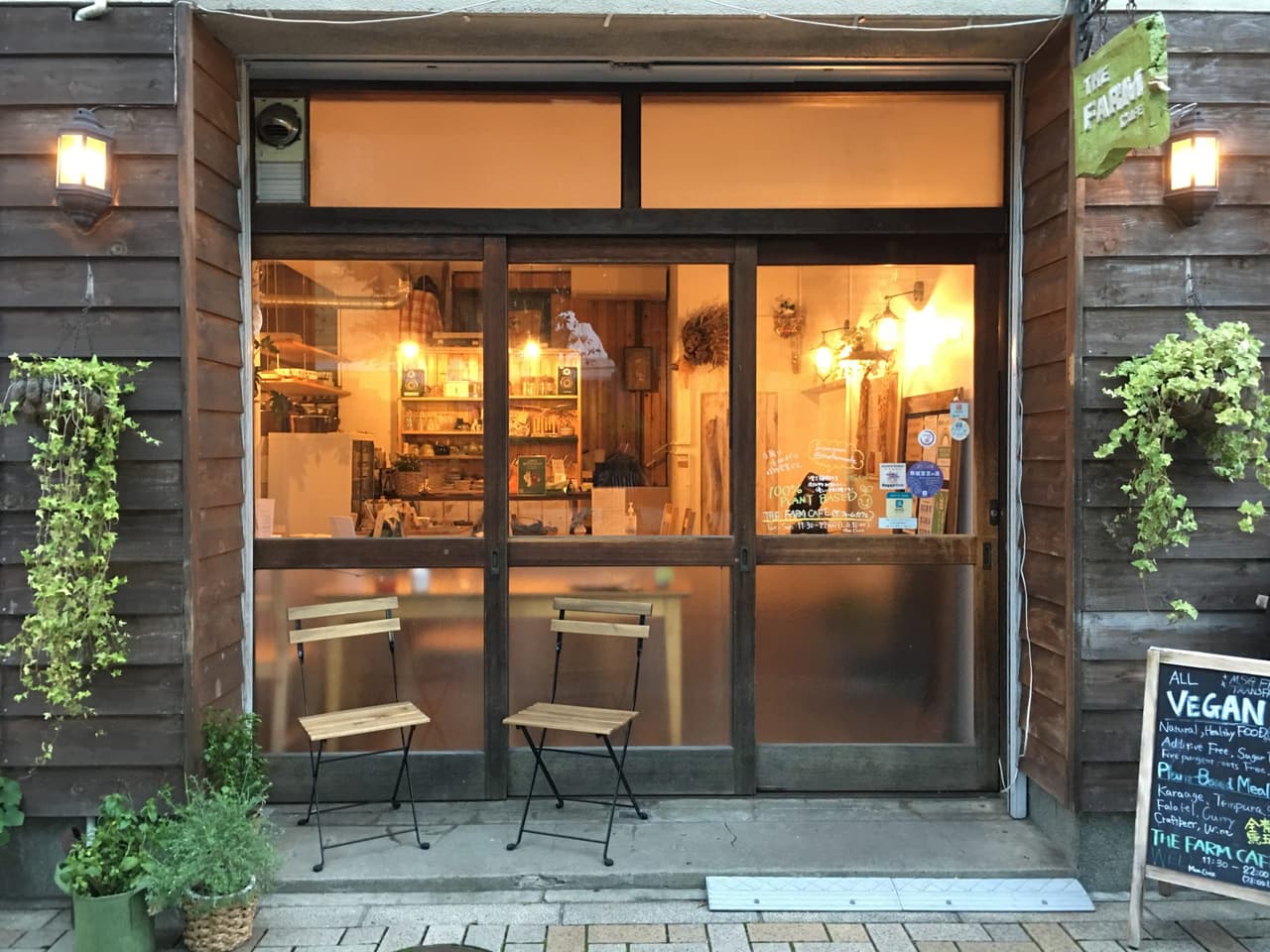
Marugoto Vegan Dining Asakusa
Vegan tempura, waffles and seasonal plant-based plates
A fully vegan restaurant one minute from Asakusa Station, with no garlic, onion or wheat in its dishes. Lunch runs 11:30–15:00; the 10:00 morning menu is served only on days marked on its monthly calendar, and dinner is private hire only. Checked against its own website on 24 September 2026.
- Vegan
- Vegetarian
- Dairy-free
- Gluten-free
- Casual
- Solo
- Date
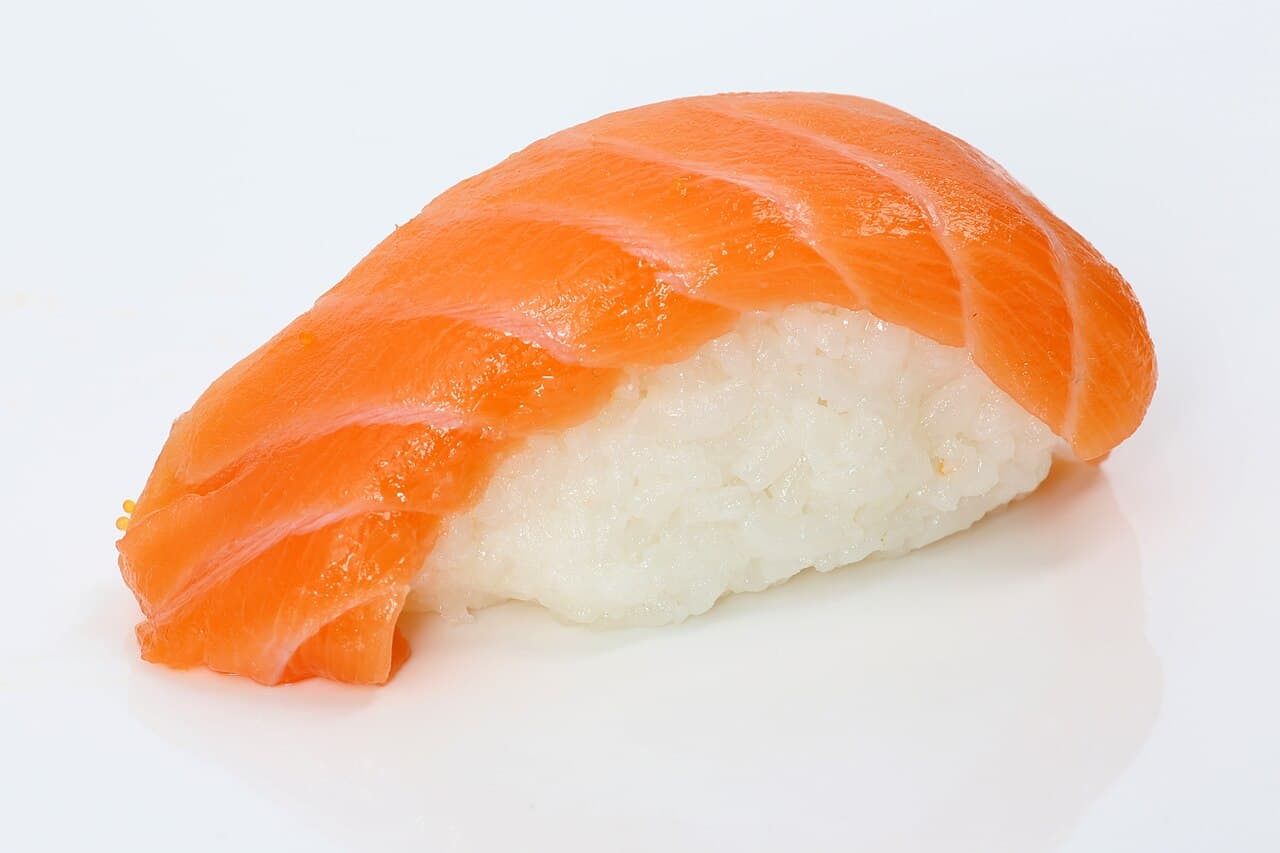
Vegan Sushi Tokyo
Plant-based nigiri and sushi sets using vegetable alternatives to fish
A sit-down plant-based sushi restaurant in Shoto (near Shibuya) where every piece is made without seafood or animal products, so there is no fish dashi to worry about. It is not gluten-free (soy sauce and some components contain wheat); reservations are recommended and the venue opened its permanent location in late 2025.
- Vegan
- Vegetarian
- Dairy-free
- Date
- Anniversary
- Casual
Sources
FAQ
- Is natto vegan?
- Yes — natto is fermented soybeans and is vegan by default. The only thing to check is the sachet of sauce that comes with it, which sometimes contains bonito (fish) dashi. Skip the sauce or use soy sauce and it's fully plant-based.
- How do I make sure tofu dishes are actually vegan in Japan?
- The tofu itself is plant-based, but the broth or sauce often is not. Simmered and soup dishes frequently use bonito or sardine dashi. Ask whether the dashi is kombu (kelp) or shiitake, and watch for egg and lard in fried preparations.
- Can I get enough protein eating plant-based in Japan?
- Comfortably. Between tofu, natto, edamame, yuba, koya-dofu and soy milk, one soy dish per meal adds up quickly. Koya-dofu and yuba are especially protein-dense, and all of it is cheap and widely available in supermarkets.