
Dietary guide
Vegan Ekiben & Shinkansen Food: A Pre-Boarding Plan
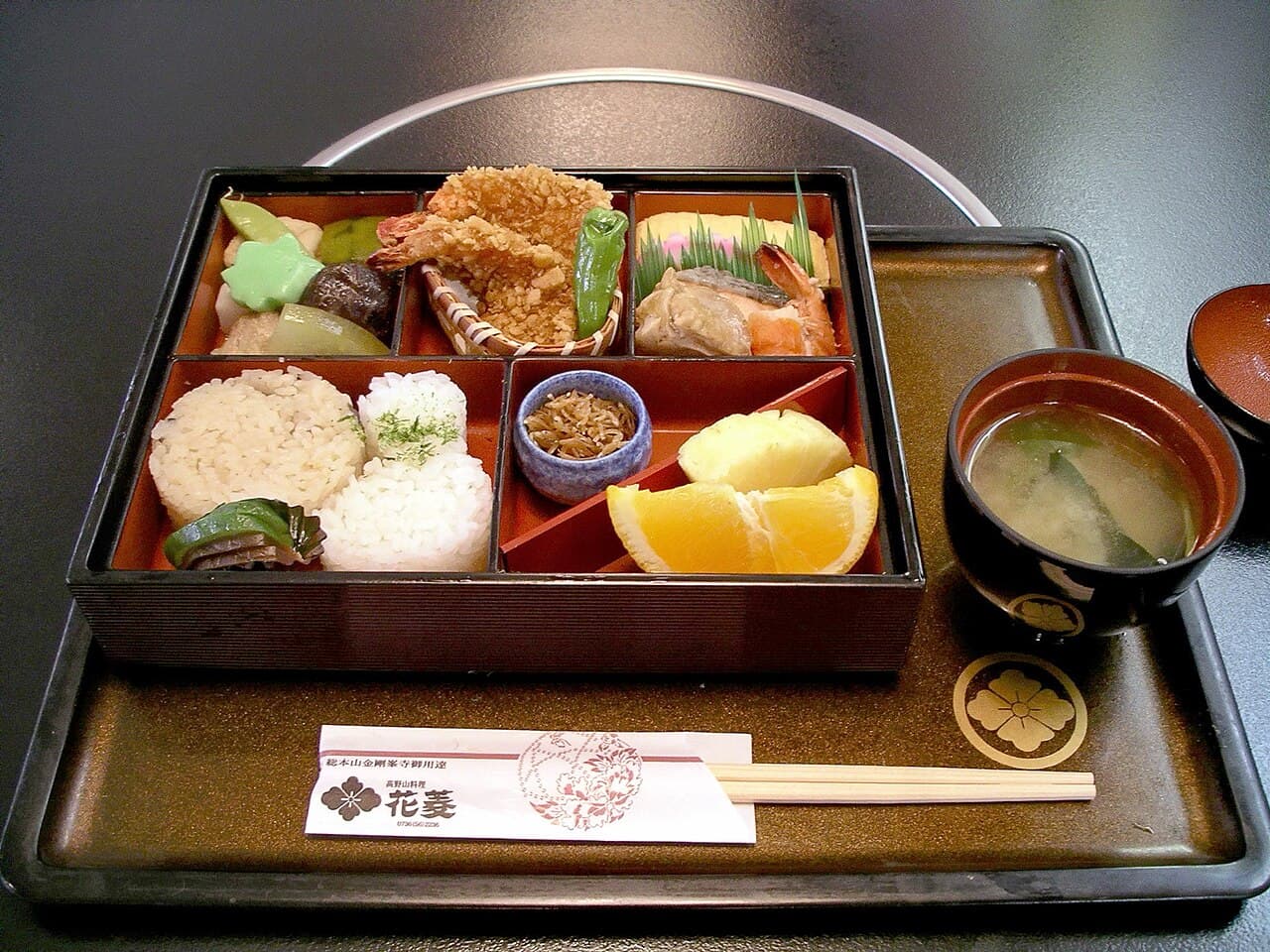
Eating vegan on the bullet train is completely doable, but it rewards a little planning. The onboard trolley and most platform kiosks are built around fish, meat, and egg, so treat your departure station as the real meal stop. Buy first, board second, and enjoy the view.
Why most ekiben aren't vegan
Ekiben look plant-friendly and often aren't. The recurring trap is dashi — stock made from bonito (katsuobushi) or sardine — hiding in rice seasoning, simmered vegetables, and sauces that appear meat-free. Kombu (kelp) or shiitake dashi is the vegan exception, but you can't assume it. Egg, dairy, honey, gelatin, and a little fish or pork tucked into a "vegetable" box are also common. When in doubt, check the allergen label and don't call anything vegan until you've cleared the dashi question. Our label-reading guide covers the kanji to look for.
Your pre-boarding shopping list
The konbini and station food halls are your friends. Reliable, mostly-vegan picks:
- Onigiri — choose umeboshi (pickled plum) or kombu; skip tuna-mayo, salmon, and anything with a dashi-seasoned filling. More on safe fillings in our onigiri guide.
- Inari-zushi — sweet tofu pockets of rice; usually plant-based, but the rice may be seasoned with dashi, so check.
- Edamame, roasted nuts, dried fruit, fresh fruit cups
- Soy milk (無調整/調整豆乳) and plain rice crackers (senbei) — many, not all, are accidentally vegan
- A proper veg bento if you spot one — see bento basics
Our konbini deep-dive lists specific accidentally-vegan snacks by chain.
What to avoid
- Anything labelled with a fish or shellfish allergen, or "だし / 出汁"
- Onigiri fillings: tuna, salmon, mentaiko, sea kelp cooked in bonito stock
- Most standard ekiben, tamago (egg), and mayo-based salads
- "Vegetable" tempura and simmered dishes — often built on fish dashi
The rare veg ekiben and where to buy
A handful of genuine vegetable or shojin (Buddhist temple) style ekiben appear at major hubs like Tokyo Station's ekiben halls, but stock is inconsistent and menus change — treat any find as a bonus, not a plan. The safest window is before the ticket gate, where konbini and food floors give you the most choice; onboard options are thin. Give yourself 15 minutes and you'll board with a better lunch than the trolley offers.
For the bigger picture on trips beyond the train, see our vegan Japan travel guide and the vegan overview. Pack smart, and the shinkansen becomes one of the easiest meals of your trip.
Sources
FAQ
- Are any ekiben actually vegan?
- A few vegetable or shojin (temple-style) ekiben exist at major stations like Tokyo Station, but they're uncommon and stock varies. Even veg-looking boxes can hide fish dashi in the rice or simmered items, so always check the allergen label rather than assuming.
- Can I buy vegan food on the shinkansen itself?
- Options onboard are thin — the trolley focuses on coffee, sweets, and standard bento. Do your real shopping at the departure station's konbini or food hall before the ticket gate, where you'll find umeboshi and kombu onigiri, inari, edamame, fruit, and soy milk.
- What's the single biggest hidden trap?
- Dashi — fish stock from bonito or sardine — turns up in rice seasoning, sauces, and simmered vegetables that otherwise look plant-only. Kombu or shiitake dashi is fine, but you can't assume which one is used, so treat any unlabelled cooked dish with caution.