
Summer treats
Vegan Ice Cream in Japan: Kakigori, Soft Serve & Konbini (Summer 2026)
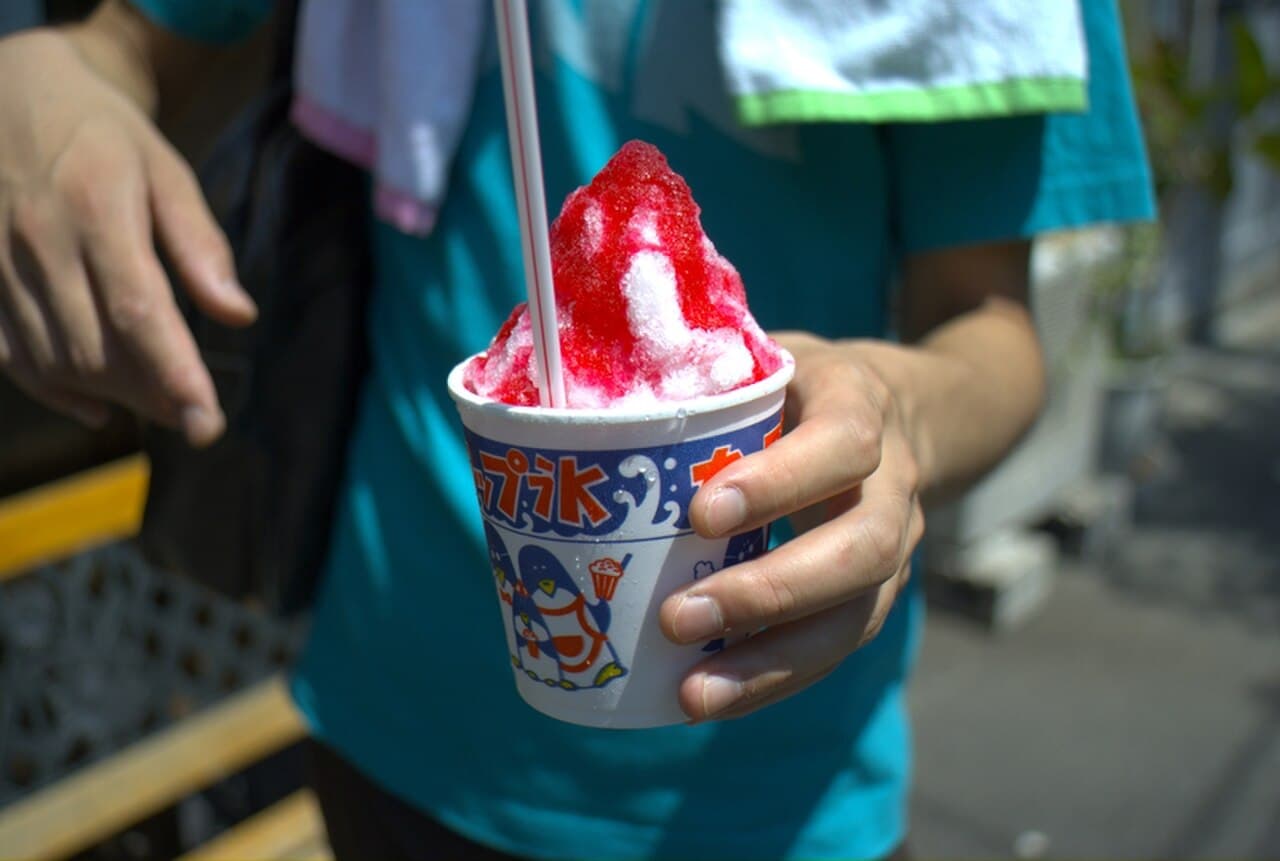
Yes—plant-based cold treats exist all over summer Japan, if you know what to check. The three traps are the same everywhere: condensed milk (練乳, rennyu) drizzled on shaved ice, dairy soft serve hiding behind a "matcha" label, and toppings like gelatin jelly. Learn those three, and a Japanese summer becomes very friendly to plant-based eaters.
Kakigori (かき氷): usually the safest bet
Shaved ice with fruit or tea syrup—strawberry, lemon, melon, "Blue Hawaii", matcha—is plant-based at its core: just ice and flavored sugar syrup (per Wikipedia's kakigōri entry, as of July 2026). The problem is what gets added on top.
- Condensed or evaporated milk is very commonly poured over kakigori to sweeten it. Order it without rennyu ("rennyu nashi de", 練乳なしで).
- Shirokuma (白熊) is built on condensed milk plus mochi, fruit and azuki—skip it.
- Uji kintoki (matcha + sweet red bean) is often finished with a condensed-milk drizzle. Ask for it plain.
- Azuki (sweet red bean) and shiratama (rice-flour dumplings) are plant-based by nature, but pre-made toppings vary—if in doubt, ask. Jelly (ゼリー) may be agar/kanten (vegan) or gelatin (not); confirm.
A plain fruit-syrup kakigori, or matcha ice with plain azuki and no milk, is one of the easiest vegan desserts to find at a summer-festival stall. When a topping is unclear, our guide to reading Japanese labels is a good pocket reference.
Soft serve (ソフトクリーム): assume dairy
Be honest with yourself here: the vast majority of Japanese soft serve is dairy. That includes the famous matcha soft serve—traditional green-tea ice cream is dairy-rich, and a "koi matcha" (extra-strong) cone is no exception. See is matcha vegan in Japan for the full breakdown. Milk soft serve is not something you can "ask them to leave out," and shared machines mean cross-contact even where a plant option exists—worth flagging if you are strict.
The good news: a growing number of Tokyo shops make dedicated plant-based soft serve. As of July 2026, verified spots include:
| Shop | Area | Base | Note |
|---|---|---|---|
| Ballon | Nakameguro | organic soy milk | around ¥550 |
| Far East Bazaar | Shibuya | soy + oat milk | also sold as a sandwich |
| IKEA | Harajuku (and other stores) | plant-based | famously about ¥50; flavors rotate |
| Premium Sow | Daikanyama | plant milk + rice flour | from around ¥550 |
(Prices as of July 2026, per Time Out Tokyo—confirm the current menu on each shop's own channels before a special trip.)
Gelato and scoop shops
For a sit-down scoop, a few all- or mostly-plant-based gelaterias are reliable, as of July 2026:
- Tutto (Kiyosumi-Shirakawa)—craft gelato made only with plant-based milk; single scoop around ¥550.
- Coconut Glen's (Azabu-Juban)—coconut-milk ice cream; scoop from around ¥540.
- Premarché Gelateria (Nakameguro) and Harlow Ice Cream (Hiroo) also list dairy-free options.
At mixed shops, always confirm which tubs are the plant-based ones—dairy and vegan gelato usually sit side by side in the same case.
Konbini and supermarket picks (as of July 2026)
Dedicated vegan ice cream is genuinely scarce at ordinary convenience stores. The reliable "accidentally vegan" freezer picks are ice lollies, not creamy tubs:
- Gari-Gari-kun soda, grape, mikan and muscat ice lollies are plant-based—but some richer flavors add milk, so check the current label.
- Azuki bars (red-bean ice bars) are widely stocked at 7-Eleven, Lawson and FamilyMart; ingredients are typically just azuki, sugar, starch syrup and salt.
For creamier options you usually need a supermarket or a Natural Lawson:
- COOLish Green (vanilla / strawberry), made from soy and pea milk, is sold at supermarkets like Maruetsu and Life—not standard konbini.
- Coconut Glen's cups appear at Natural Lawson.
Line-ups and formulations rotate constantly, so treat any specific product as "verify on the pack." Our vegan konbini guide and accidentally vegan Japan list track the current staples; for built desserts and sit-down treats, see vegan sweets cafes in Tokyo.
The one-line rule
Shaved-ice syrup: probably fine—hold the condensed milk. Soft serve: assume dairy unless the shop is explicitly plant-based. Konbini: reach for ice lollies and azuki bars, not the creamy stuff. Do that and you can eat cold and happy all summer. Browse more plant-based spots at /restaurants?diet=vegan, or start at the /vegan-japan hub.
Sources
FAQ
- Is kakigori (Japanese shaved ice) vegan?
- Usually yes at its core—ice plus fruit or tea syrup is plant-based. The catch is condensed milk (rennyu), which is very commonly poured on top, plus gelatin jelly or an added scoop of dairy ice cream. Order it without rennyu ("rennyu nashi de") and confirm any jelly is agar rather than gelatin.
- Is matcha soft serve vegan in Japan?
- Usually no. Traditional matcha (green-tea) soft serve is dairy-based, including strong "koi matcha" versions, and the milk can't be left out. Instead, look for shops that make a dedicated soy or oat matcha soft serve—a small but growing number of Tokyo cafes do, as of July 2026.
- Can I buy vegan ice cream at a Japanese convenience store?
- Options are limited. The reliable accidentally-vegan picks are ice lollies—Gari-Gari-kun soda/grape/mikan and azuki (red-bean) bars—but check the current label, since some flavors add milk. For creamy plant-based cups you usually need a supermarket or Natural Lawson (e.g., COOLish Green soy-pea, Coconut Glen's), as of July 2026.
- What are the best plant-based ice cream shops in Tokyo?
- As of July 2026, verified spots include Ballon (Nakameguro, soy), Far East Bazaar (Shibuya, soy + oat), Tutto (Kiyosumi-Shirakawa gelato), Coconut Glen's (Azabu-Juban, coconut) and IKEA's roughly ¥50 plant-based soft serve. Confirm current hours and menus on each shop's own channels before a special trip.