คู่มือ
คู่มืออาหารและการกินในญี่ปุ่น
วิธีกินซูชิ ราเมง และอื่น ๆ — มารยาท ธรรมเนียม และเรื่องราวเบื้องหลังอาหาร เขียนเพื่อนักท่องเที่ยว
Chain by chain
Starbucks Japan is rare among Japanese chains in publishing a written definition of plant-based — one that counts honey as an animal ingredient. Milk substitution, though, splits: free on a Starbucks Latte, +¥55 for oat or almond on other drinks. Here is the official definition, the current lineup, and the whipped-cream trap.
Chain by chain
At CoCo Ichibanya, the only item officially described as using no animal-derived ingredients is the CoCoICHI vegetarian curry (¥621, ¥683 with tax). The standard curry sauce is not vegetarian, so you must order this one by name. It is not at every branch, and it cannot be made mild. Here is what the guarantee covers, what it does not, and the honest caveat on dairy.
Chain by chain
As of September 2026 exactly one MOS Burger item is described by the company as free of animal ingredients in its primary materials: the Avocado Basil Burger with rice-flour buns (¥620). The Green Burger (Teriyaki) was discontinued on 20 May 2026. Here is why swapping in a soy patty does not make a burger vegan, and what MOS means when it says these are not for strict vegetarians.
Trend Watch
From a new all-vegan ramen shop in Osaka to MOS Burger's plant-based relaunch, here's what's genuinely new in Japan's plant-based dining scene as of July 2026 — with sources for every claim.
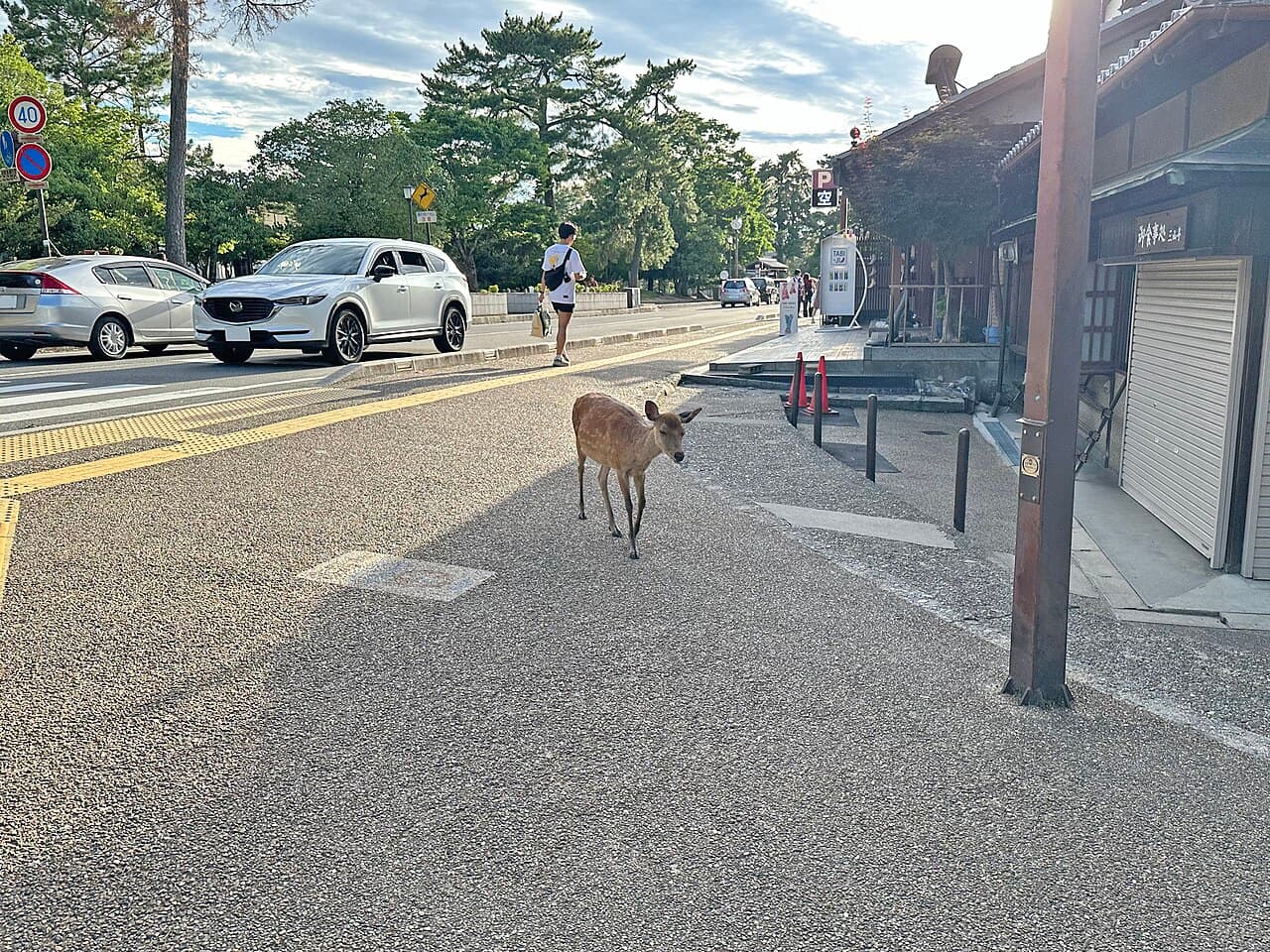
Deer, temples, and Nara's quiet vegan scene
Nara's plant-based scene is small but real: five fully vegan restaurants clustered near Nara Park and the two stations, plus an honest look at why there's no shojin ryori restaurant at Todai-ji itself.
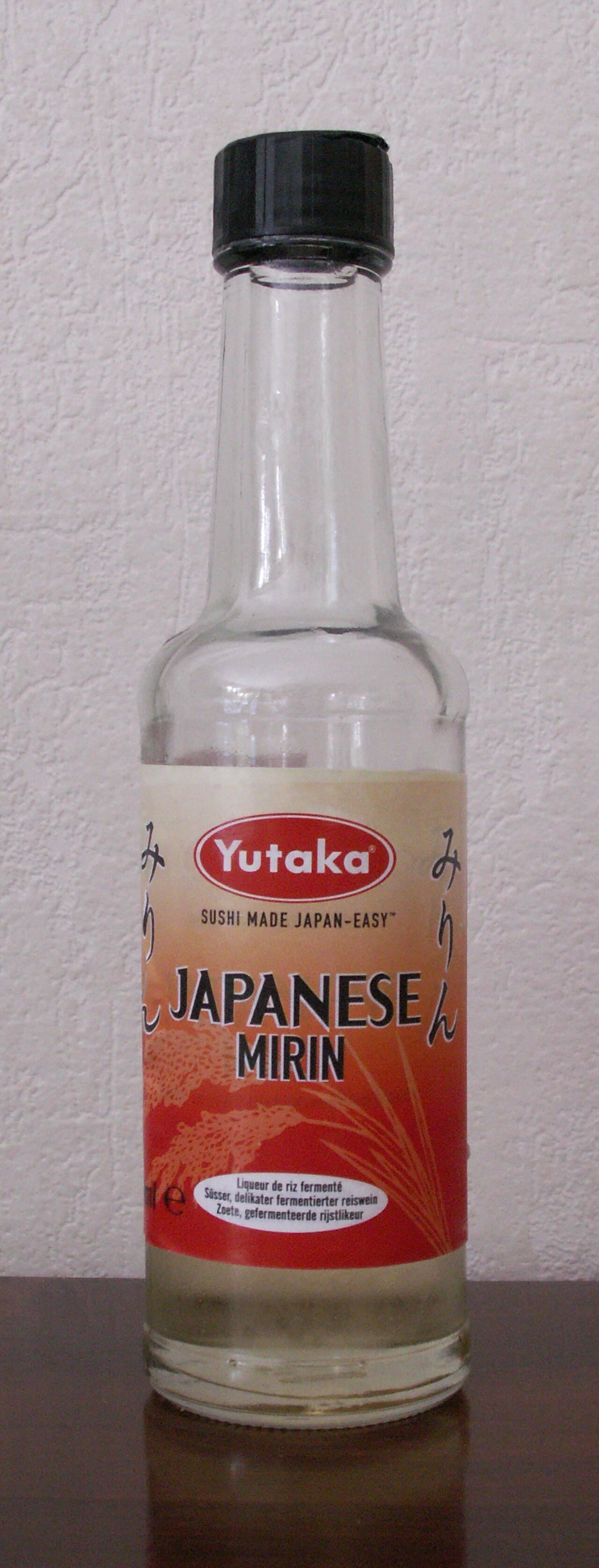
Rice, kōji, and distilled alcohol — no dairy, egg, honey, or fish in standard mirin.
Yes, standard mirin is vegan — here's what's actually in hon-mirin, shio-mirin, and mirin-fu chōmiryō, plus the one label warning worth checking and one you can ignore.
5 verified plant-based restaurants in Naha, plus a dedicated vegan menu at the airport
Naha's vegan scene is small but real: five owner-run restaurants within walking distance of Kokusai-dori serve fully plant-based Okinawan food, and Naha Airport has its own dedicated vegan menu. Here's what's confirmed, with hours, prices, and honest caveats as of July 2026.
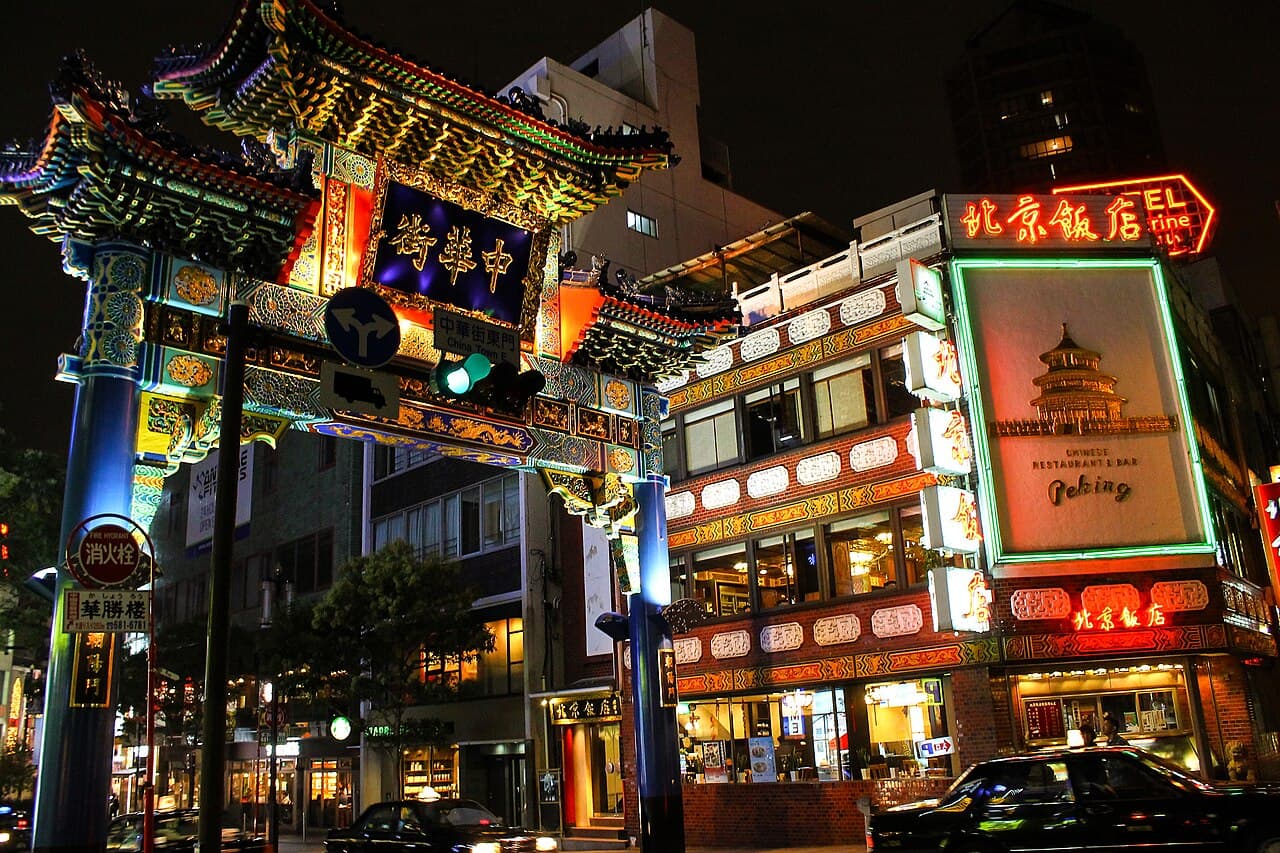
From a fully vegan bakery-café in Motomachi to century-old Chinatown restaurants with dedicated vegan menus — eight real, verified options across Yokohama.
Yokohama has only a handful of fully vegan restaurants, but it also has something almost no other Japanese city offers: two century-old Chinatown institutions with real, separately prepared vegan menus. Here are eight verified places, from Motomachi to Yokohama Station to Chinatown.
คู่มือด้านอาหาร
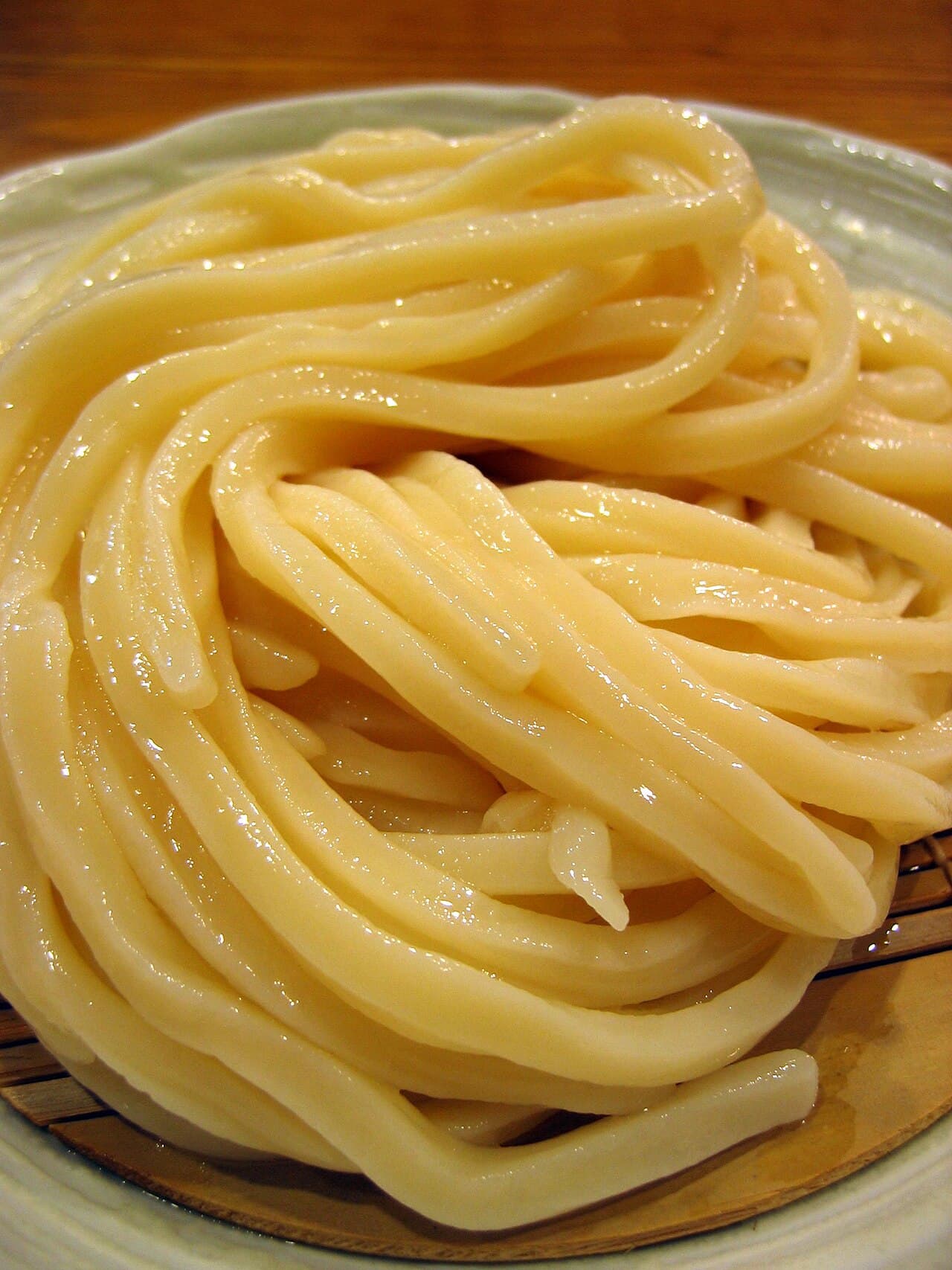
เส้นเป็นวีแกน — อูด้งมีแค่แป้งสาลี น้ำ และเกลือ — แต่ทั้งจานมักไม่ใช่ น้ำซุปอูด้งมาตรฐาน (สึยุ) ทำจากดาชิปลาโบนิโตะ ปรุงรสด้วยซีอิ๊วและมิริน ส่วนเครื่องอย่างเทมปุระ ลูกชิ้นปลา และไข่ ก็เพิ่มเข้าไปอีก อูด้งวีแกนที่ใช้น้ำซุปสาหร่ายคอมบุ-เห็ดหอมมีให้ลองที่ร้านแพลนต์เบส
คู่มือด้านอาหาร
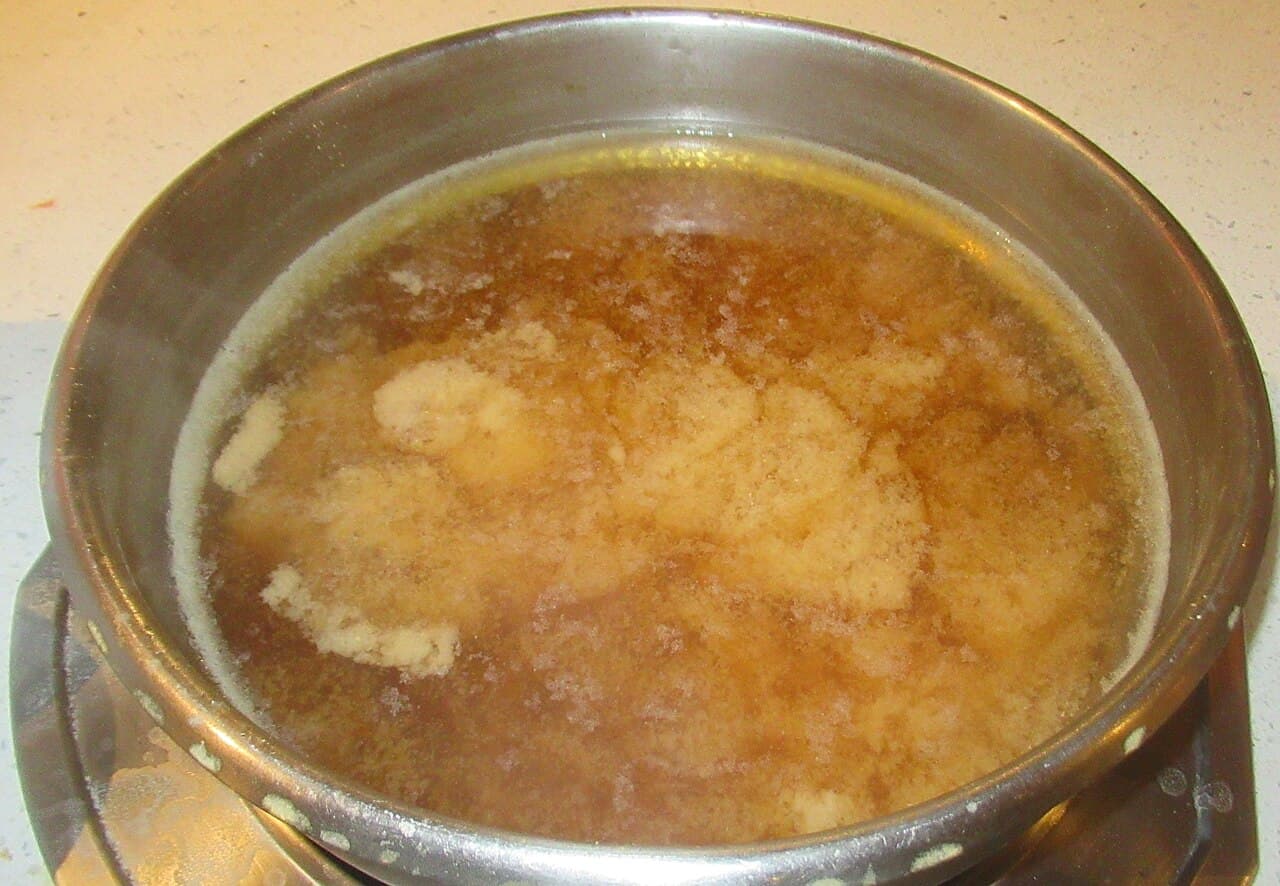
โดยทั่วไปไม่ มิโซะเพสต์เองทำจากพืช แต่ซุปมิโซะเกือบทั้งหมดในญี่ปุ่นทำจากดาชิปลาโบนิโตะและปลาซาร์ดีน ดังนั้นซุปมาตรฐานหนึ่งถ้วยจึงไม่ใช่ทั้งวีแกนและมังสวิรัติ ส่วนเวอร์ชันที่ทำด้วยดาชิคมบุ (สาหร่ายเคลป์) หรือเห็ดหอม — พบได้ทั่วไปตามร้านอาหารวัดและร้านวีแกน — เป็นพืชล้วน
คู่มือผู้มีข้อจำกัดด้านอาหาร
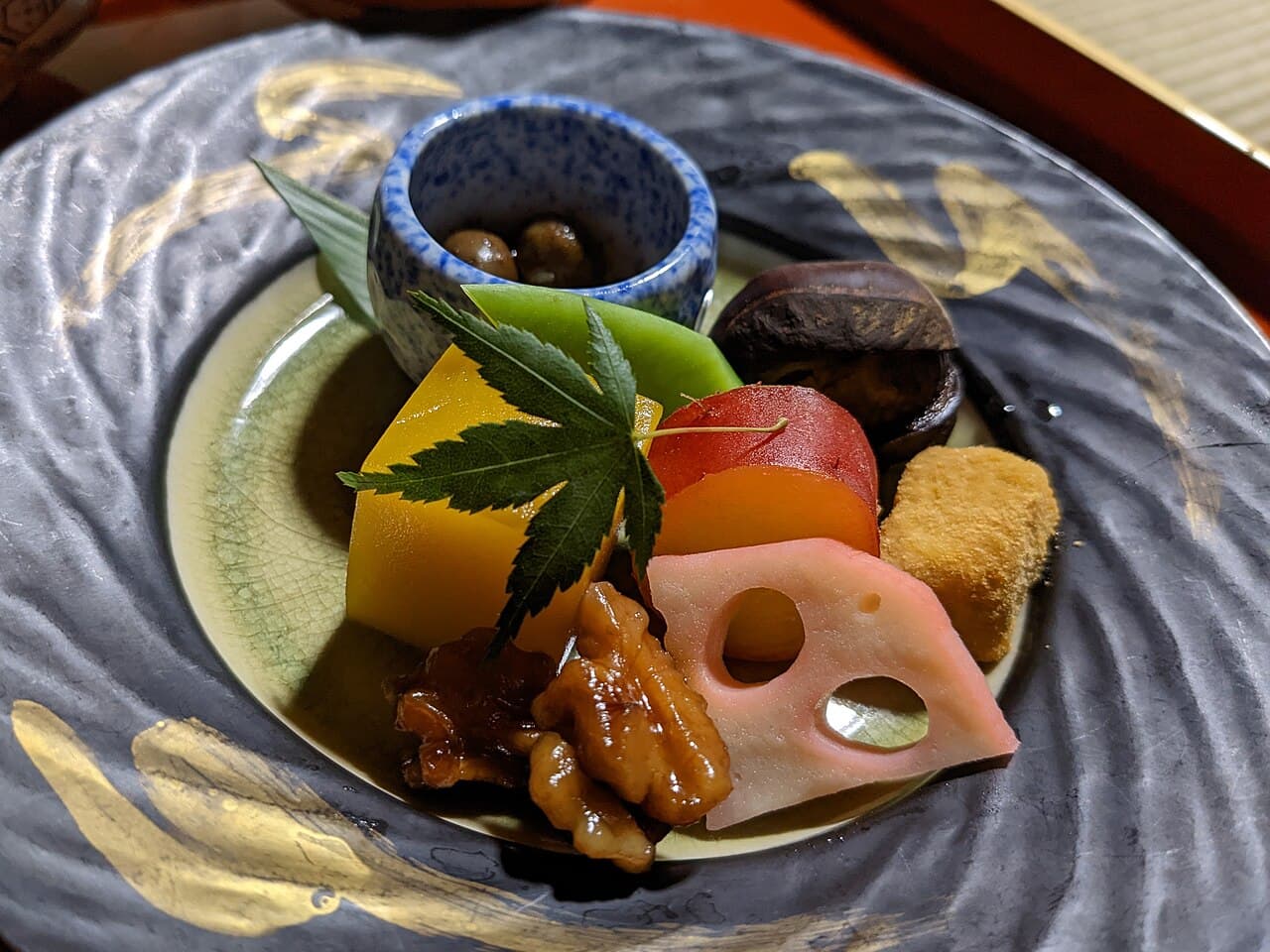
ดาชิส่วนใหญ่ไม่เป็นวีแกน น้ำสต๊อกญี่ปุ่นในชีวิตประจำวันสร้างจากคัตสึโอะบุชิ (ปลาโบนิโตะแห้ง) และนิโบชิ (ปลาซาร์ดีนแห้ง) ดังนั้นมันจึงมีปลาแม้อาหารจะดูเป็น plant-based ข้อยกเว้นที่เป็นวีแกนคือดาชิคมบุ (สาหร่าย) และดาชิเห็ดชิตาเกะแห้ง — รากฐานของอาหารโชจินแบบพุทธและราเมงวีแกนสมัยใหม่
ปลอดกลูเตนโตเกียว · อาซากุสะ
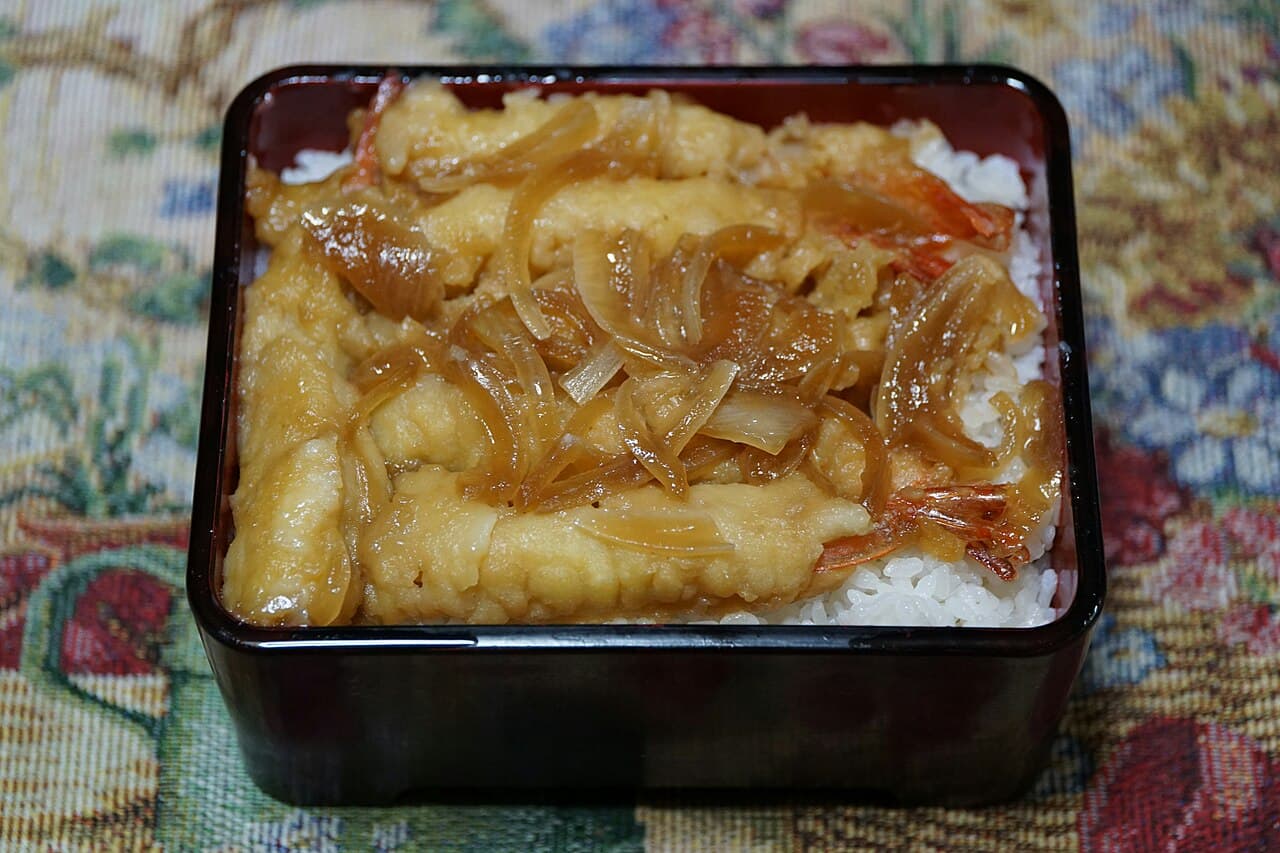
การกินแบบปลอดกลูเตนในโตเกียวเก่าเป็นไปได้มากกว่าที่คิด—อาซากุสะมีเคาน์เตอร์เทมปุระปลอดกลูเตนล้วน (ทอดด้วยแป้งข้าว) และครัววีแกนล้วนที่ปลอดกลูเตนทั้งหมด รวมถึงตัวเลือกที่ปลอดภัยกว่าโดยธรรมชาติ นี่คือที่ที่ควรไปกิน และคำถามเรื่องการปนเปื้อนข้ามที่ควรถาม
วีแกนโตเกียว · อาซากุสะ
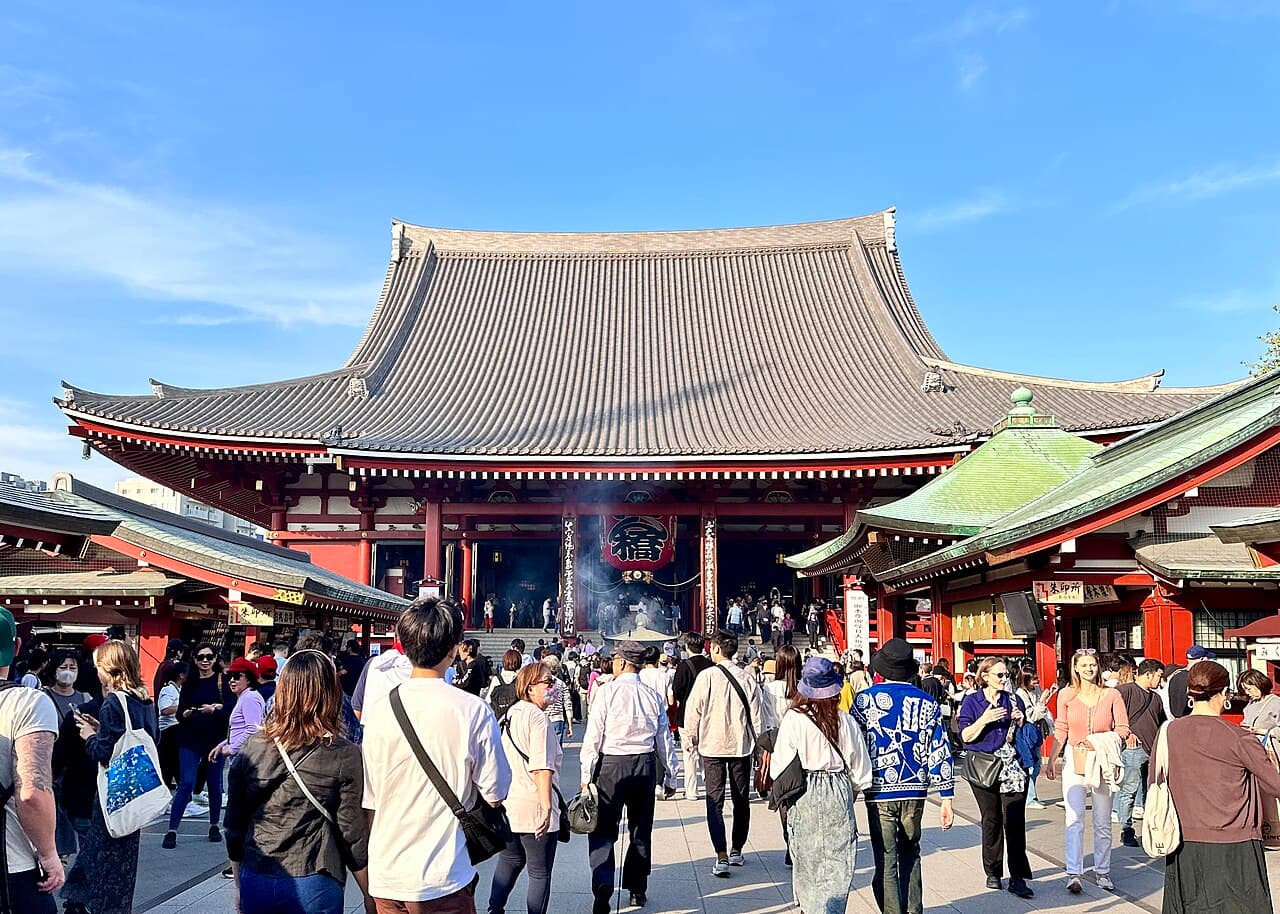
ตรวจสอบ 23 ก.ย. 2026: ร้านวีแกนทั้งเมนูในอาซากุสะที่เรายืนยันได้จากเว็บไซต์ของร้านเองคือ Marugoto Vegan Dining Asakusa, Etsunou (injoy) และ Shochikuen Cafe ส่วน Yoroiya ข้างวัดเซนโซจิมีราเมงวีแกน เวลาเปิดจากเว็บไซต์ของแต่ละร้าน พร้อมร้านที่ปิดแล้วและร้านที่ยังยืนยันไม่ได้
วีแกนโตเกียว · ชิบูยะ
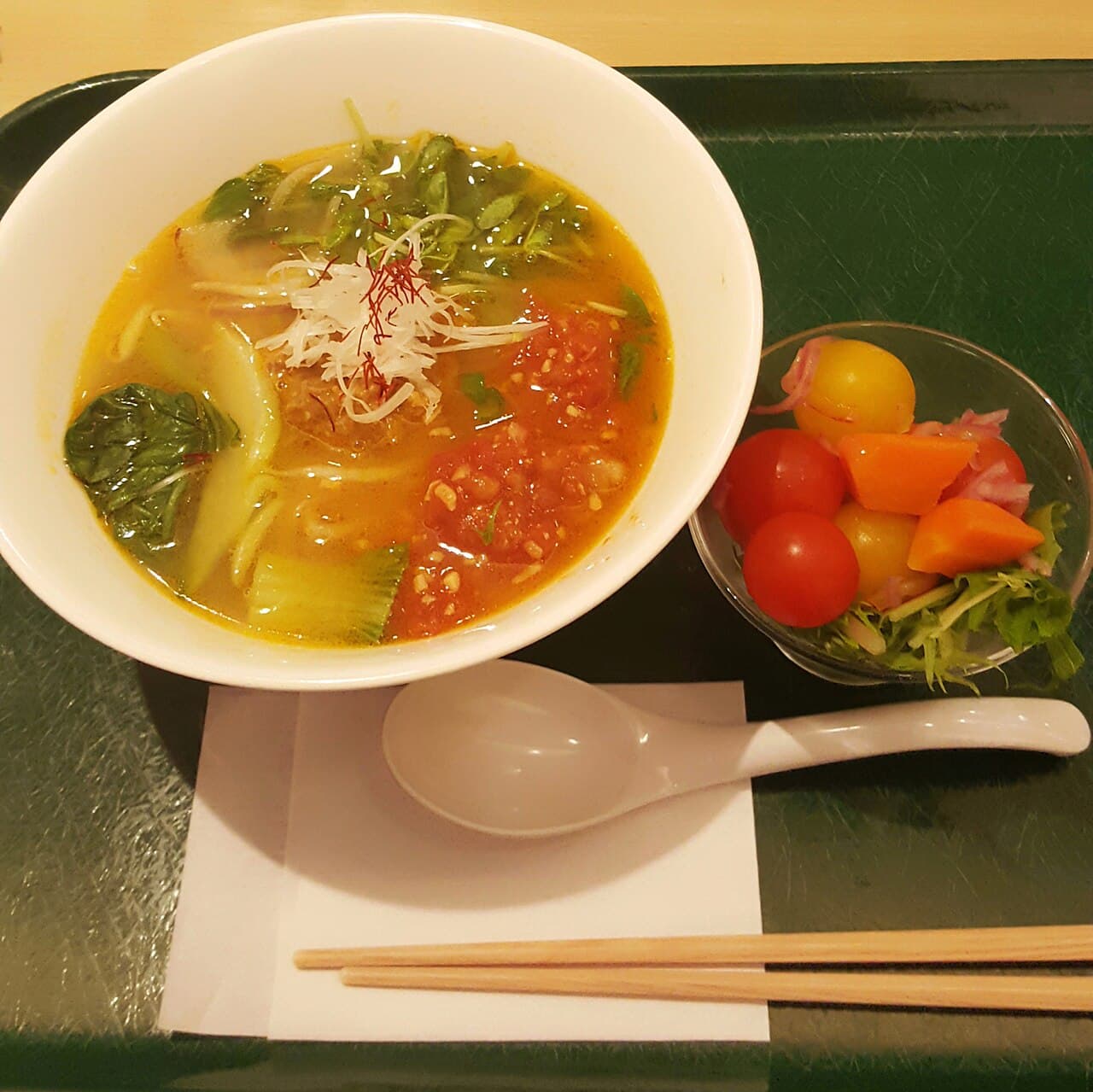
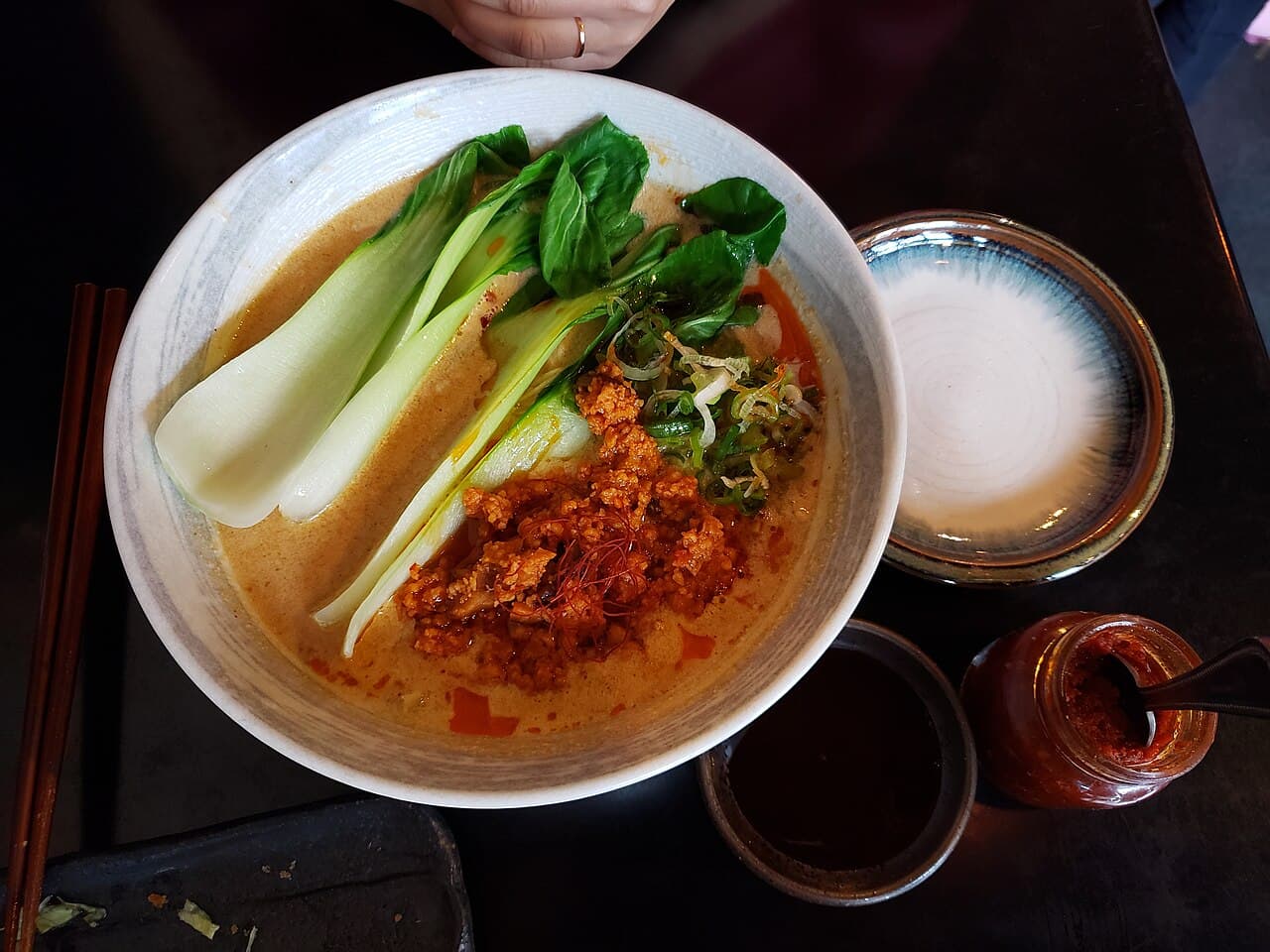
ราเมงวีแกนในชิบูยะมีจริง ไม่ใช่ของแถม—ชามพืชล้วนที่น้ำซุปทำจากคอมบุ ชิตาเกะ และงา ไม่มีคัตสึโอบุชิหรือหมู นี่คือที่ที่ควรไปซด และคำถามหนึ่งข้อที่ทำนักเดินทางพลาด
เทรนด์
การกินแบบ plant-based ในโตเกียวเพิ่มขึ้นราวเท่าตัวนับตั้งแต่ปี 2019 และราเมงวีแกนคือสัญญาณที่ชัดที่สุด — ร้านเฉพาะทางที่สร้างรสอูมามิอันลึกล้ำจากเห็ด คมบุ และมิโซะแทนเนื้อสัตว์ นี่คือสิ่งที่ขับเคลื่อนกระแสนี้ และชามที่คุ้มค่าจะข้ามเมืองไปกิน
คู่มือผู้มีข้อจำกัดด้านอาหาร
ได้ — นาราเป็นหนึ่งในเมืองของญี่ปุ่นที่กินแบบ plant-based ได้ง่ายอย่างเงียบ ๆ แต่ของขึ้นชื่อของเมืองคือปลา และดาชิปลาโบนิโตะก็ยังซ่อนอยู่ทุกหนแห่ง นี่คือวิธีกินให้ดี และร้านหนึ่งเดียวที่ไว้ใจได้
บรรณาธิการคัดสรร
ราเมงส่วนใหญ่ตั้งอยู่บนฐานหมูและปลาโบนิโตะ—แต่ร้านในโตเกียวเหล่านี้เป็นพืชล้วน 100% โดยมีคมบุ ชิตาเกะ และงาทำหน้าที่หลัก ไม่มีดาชิปลา ไม่มีการประนีประนอม
คู่มือเมือง
เกียวโตเป็นเมืองที่เป็นมิตรกับมังสวิรัติที่สุดของญี่ปุ่นโดยธรรมชาติ—อาหารวัด ไคเซกิเต้าหู้ ราเมงน้ำนมถั่วเหลือง และฮาลาลที่ได้รับการรับรอง ทั้งหมดในที่ที่ช้าและอ่อนโยนกว่าโตเกียว
คู่มือผู้มีข้อจำกัดด้านอาหาร
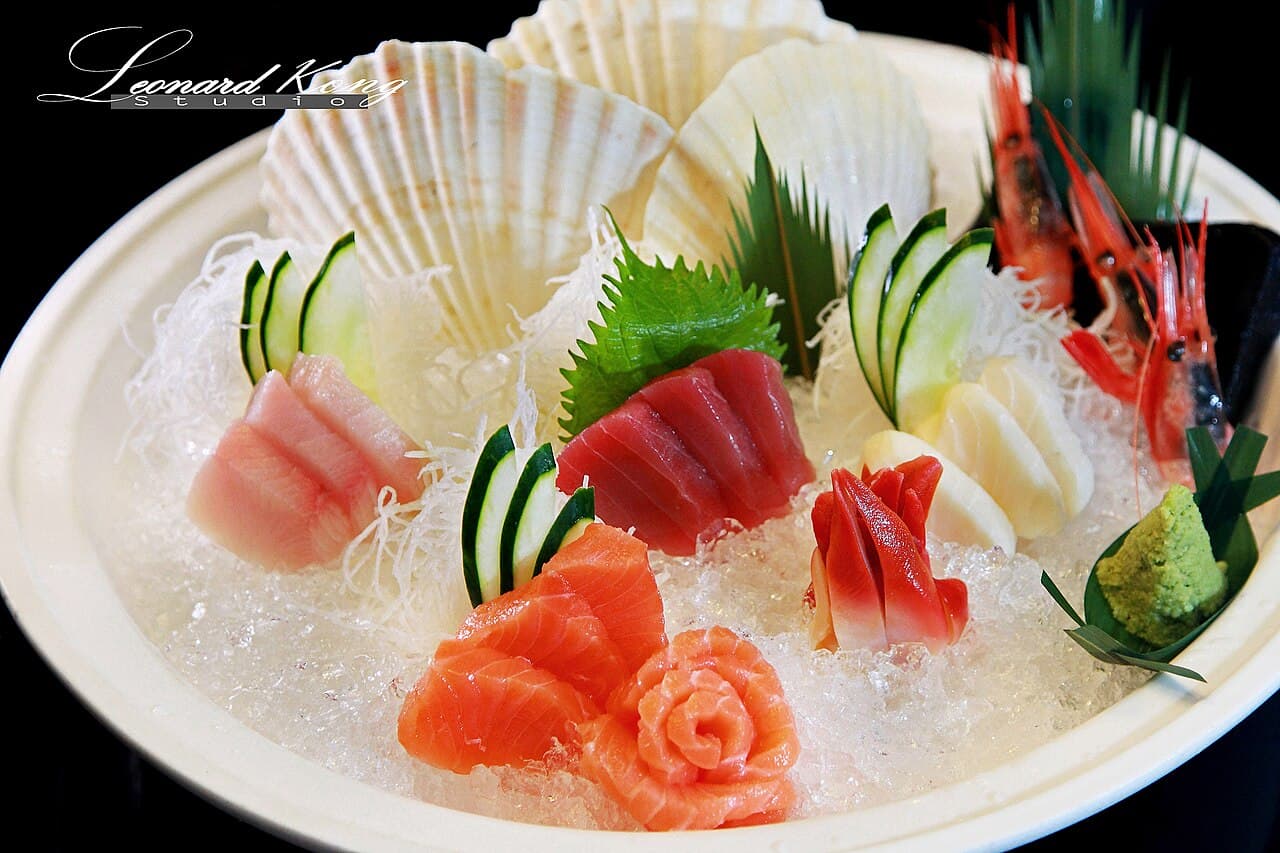
หากคุณกินอาหารทะเลแต่ไม่กินเนื้อสัตว์ โตเกียวคือสวรรค์ ซูชิ ซาชิมิ ปลาย่าง และข้าวหน้าอาหารทะเลมีอยู่ทุกที่ — นี่คือวิธีสั่งอย่างมั่นใจ พร้อมเนื้อสัตว์ที่ซ่อนอยู่ซึ่งต้องระวัง
คู่มือด้านอาหาร
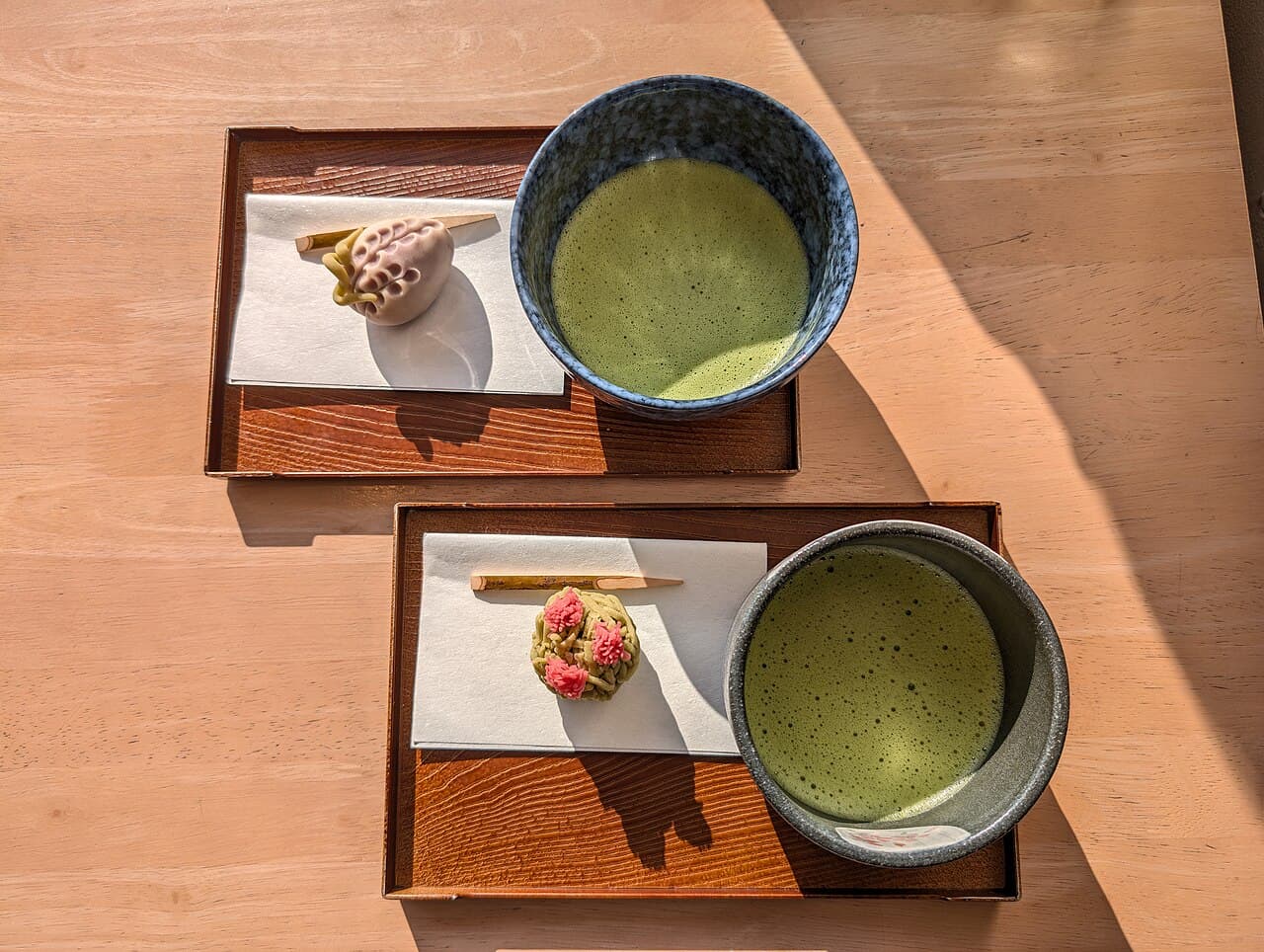
แพนเค้กไร้ไข่นุ่มฟู พุดดิ้งจากพืช และเจลาโตชาเขียวที่เข้มข้นที่สุดในโลก—ของหวานที่ไม่ต้องประนีประนอม
คู่มือด้านอาหาร
อาหารวัดในพุทธศาสนาเป็นวีแกนมาหลายศตวรรษก่อนที่คำนี้จะมีอยู่ มารู้จักโชจินเรียวริ — และโต๊ะอาหารในโตเกียวที่ทำให้มันยังคงอยู่
คู่มือด้านอาหาร
โตเกียวง่ายกว่าชื่อเสียงของมันมาก — ถ้าคุณรู้จักดาชิ จะกินที่ไหน ต้องระวังอะไร และวลีที่ช่วยได้
คู่มือย่าน
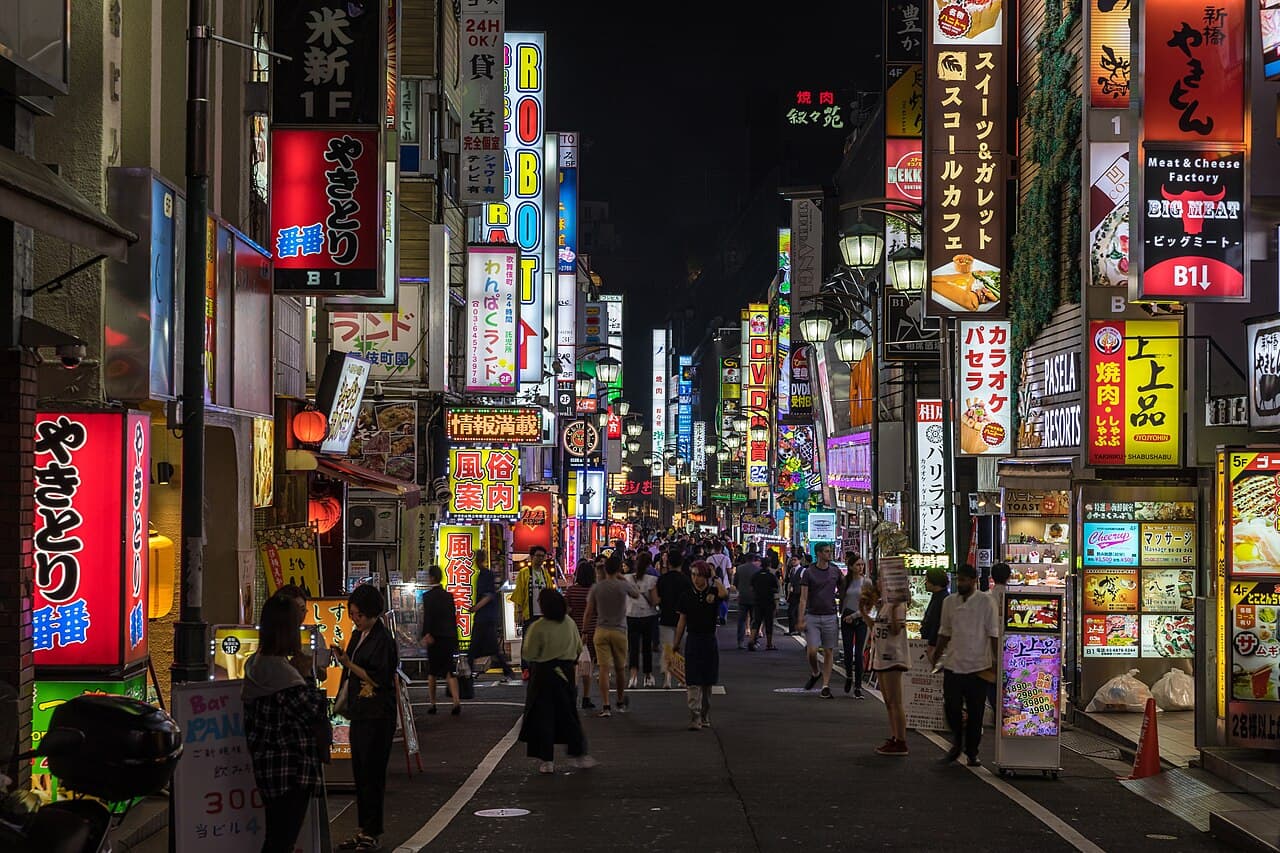
ชินจูกุซ่อนอาหารจากพืชไว้มากกว่าที่แสงนีออนบอก: บาร์เบอร์เกอร์วีแกนล้วนข้างชินจูกุซันโจเมะ คาเฟ่ CBD วีแกน 100% ในมารุอิ ร้านขนมอบวีแกนข้างสวนชินจูกุเกียวเอ็น รวมถึงชั้นที่เป็นมิตรกับวีแกนที่อิเซตันและลูมิเนะ เจ็ดจุดที่ตรวจสอบแล้ว พร้อมหมายเหตุเมนูอังกฤษและข้อควรระวังเรื่องดาชิ/ไข่
Tokyo
ตั้งแต่ "ห้องแล็บขนมหวาน" ปลอดกลูเตนย่านฮิโรโอะ ไปจนถึงร้านเค้กสตรอว์เบอร์รีสุดฮิตตรงข้ามสวนชินจูกุเกียวเอ็น นี่คือแหล่งรวมเค้ก ครัวซองต์ และเพสตรี้ที่เป็นวีแกน 100% จริง ๆ ในโตเกียว พร้อมส่วนผสมจากสัตว์ที่ซ่อนอยู่ในเบเกอรี่ทั่วไปที่ควรระวัง
Nagoya
นาโกย่าอาจไม่ใช่เมืองแรกที่นักท่องเที่ยววีแกนนึกถึง แต่ที่นี่มีร้านอาหารวีแกนล้วนขนาดเล็กที่น่าเชื่อถืออยู่หลายแห่ง และร้านอุด้งสไตล์โชจินเรียวริอายุกว่าร้อยปีที่มีเมนูวีแกนแท้ ๆ ให้เลือก — นี่คือที่ที่ควรไปและสิ่งที่ควรสั่ง
Dietary guide
แกงกะหรี่ญี่ปุ่นดูเหมือนไม่มีเนื้อสัตว์ แต่ส่วนใหญ่มักซ่อนน้ำสต๊อกปลาโอแห้งและมันหมูไว้ในซอส นี่คือวิธีสั่งอาหารอย่างปลอดภัย พร้อมร้านแกงกะหรี่วีแกนตัวจริงในโตเกียว
ฟุกุโอกะ
ณ กรกฎาคม 2026 ฟุกุโอกะ เมืองที่ขึ้นชื่อเรื่องราเมนทงคตสึและไข่ปลาเมนไทโกะ กลับกินวีแกน 100% ได้ง่ายอย่างน่าประหลาดใจ โดยมีครัวสายพืชกระจุกตัวรอบย่านเท็นจิน ยาคุอิน และไดเมียว แถมยังมีสิ่งที่เมืองอื่นแทบไม่มี—ราเมนที่ทำให้ฟุกุโอกะโด่งดังในเวอร์ชันวีแกน คู่มือนี้ปักหมุด 6 ร้านที่ควรวางแผนไปตามย่าน พร้อมเตือน 2 กับดักที่ทำให้ 'เมนูผัก' กลายเป็นไม่วีแกนอย่างเงียบ ๆ เช็กเวลาเปิดก่อนไปเสมอ
คู่มือฉบับสมบูรณ์
ใช่ — ถ้ารู้เคล็ดลับเล็กน้อย ญี่ปุ่นเป็นประเทศที่กินวีแกนได้ดีจริง ๆ คู่มือหลักนี้จะปูให้เห็นกับดักเดียวที่ต้องเอาชนะ (ดาชิ) วลีสำหรับสั่งอาหาร เมนูไหนกินได้จริง และเมืองไหนควรไปกินที่ไหน
อีเวนต์
อีเวนต์ 'วีแกนทั้งงาน' ที่วางใจได้ที่สุดในญี่ปุ่นคือ Vegan Gourmet Festival (Vegefes) ที่ทุกร้านเป็นวีแกนตามนโยบาย ส่วน Earth Day Tokyo ที่สวนโยโยงิ และตลาดนัดเกษตรกรหน้ามหาวิทยาลัยสหประชาชาติ (อาโอยามะ) ที่จัดทุกสัปดาห์นั้นไม่ได้วีแกนทั้งงาน แต่มีร้านพืชล้วนและออร์แกนิกจำนวนมาก แม้แต่งานที่วีแกนทั้งงานก็ไม่ได้สมบูรณ์แบบ—ผู้จัดเคยออกมาขอโทษต่อสาธารณะเมื่อมีตัวอย่างชิมที่มีนมหลุดเข้ามา—ดังนั้นหากแพ้รุนแรง ให้ตรวจฉลากเสมอ วันและสถานที่เปลี่ยนทุกปี โปรดยืนยันกับเว็บไซต์ทางการแต่ละงาน (ณ กรกฎาคม 2026)
ฮาลาลและวีแกน
การกินแบบพืชล้วนช่วยตัดหมู มันหมู และเจลาตินออกไป แต่ในญี่ปุ่น วีแกนไม่ได้แปลว่าฮาลาลโดยอัตโนมัติ เพราะมิรินและเหล้าปรุงอาหารมีอยู่แทบทุกที่ บทความนี้อธิบายว่าพืชล้วนช่วยอะไร เหลืออะไร และจะถามอย่างสุภาพและแม่นยำได้อย่างไร
คู่มือเซลิแอค
การกินวีแกนปลอดกลูเตนในญี่ปุ่นทำได้ แต่ข้าวสาลีแอบอยู่ในซีอิ๊วและโซบะส่วนใหญ่ ข้าว เต้าหู้ และผักคือฐานที่ปลอดภัย บทความนี้รวมกับดักข้าวสาลี ตัวเลือกวีแกนปลอดกลูเตนโดยธรรมชาติ และห้าร้านในโตเกียวที่ไปได้สบายใจ
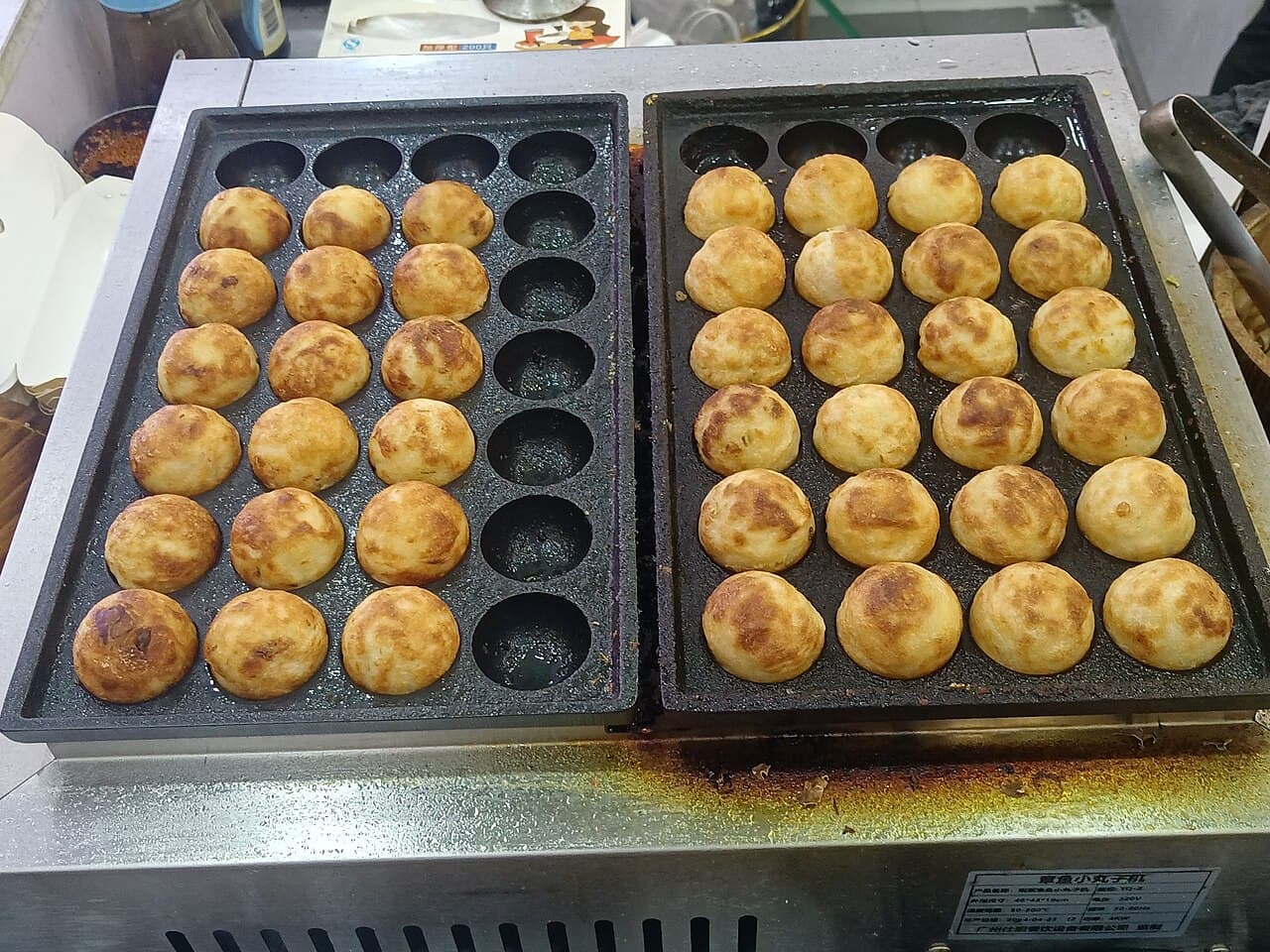
โอซากะ
โอซากะอาจเป็นเมืองที่กิน ‘วีแกนล้วน’ ได้อิ่มที่สุดในญี่ปุ่น ณ เดือนกรกฎาคม 2026 คุณสามารถใช้เวลาทั้งวันตระเวนกินทาโกยากิ ซูชิ ราเมง คุชิคัตสึ และเค้กแบบพืชล้วนได้แทบไม่ต้องประนีประนอม บทความนี้จัดแยกตามย่าน—มินามิ (ชินไซบาชิ–นัมบะ), ชินเซไก, ใจกลางเมือง (ทานิมาจิ) และคิตะ—พร้อม 8 ร้านที่ควรวางแผนไป และกับดัก ‘ดาชิ (dashi)’ ที่นักท่องเที่ยวทุกคนพลาด อย่าลืมเช็กเวลาเปิดก่อนไป
ซอยมีท
ในญี่ปุ่นหาซอยมีทได้ทุกที่ แต่ไม่ใช่ทุกตัวที่เป็นวีแกน นี่คือแบรนด์จริงที่ขายอยู่ แหล่งซื้อ และวิธีเลี่ยงตัวประสานไข่-นมที่ซ่อนอยู่ในสินค้า 'พืชล้วน' บางตัว
ของฝาก
ขนมญี่ปุ่นหลายอย่างบังเอิญเป็นวีแกน แต่โบนิโตะ นม และน้ำผึ้งซ่อนอยู่ จึงต้องอ่านฉลากเสมอ นี่คือตารางเช็กรายชนิดและของฝากวีแกนที่ยืนยันแล้วสำหรับพกกลับบ้าน
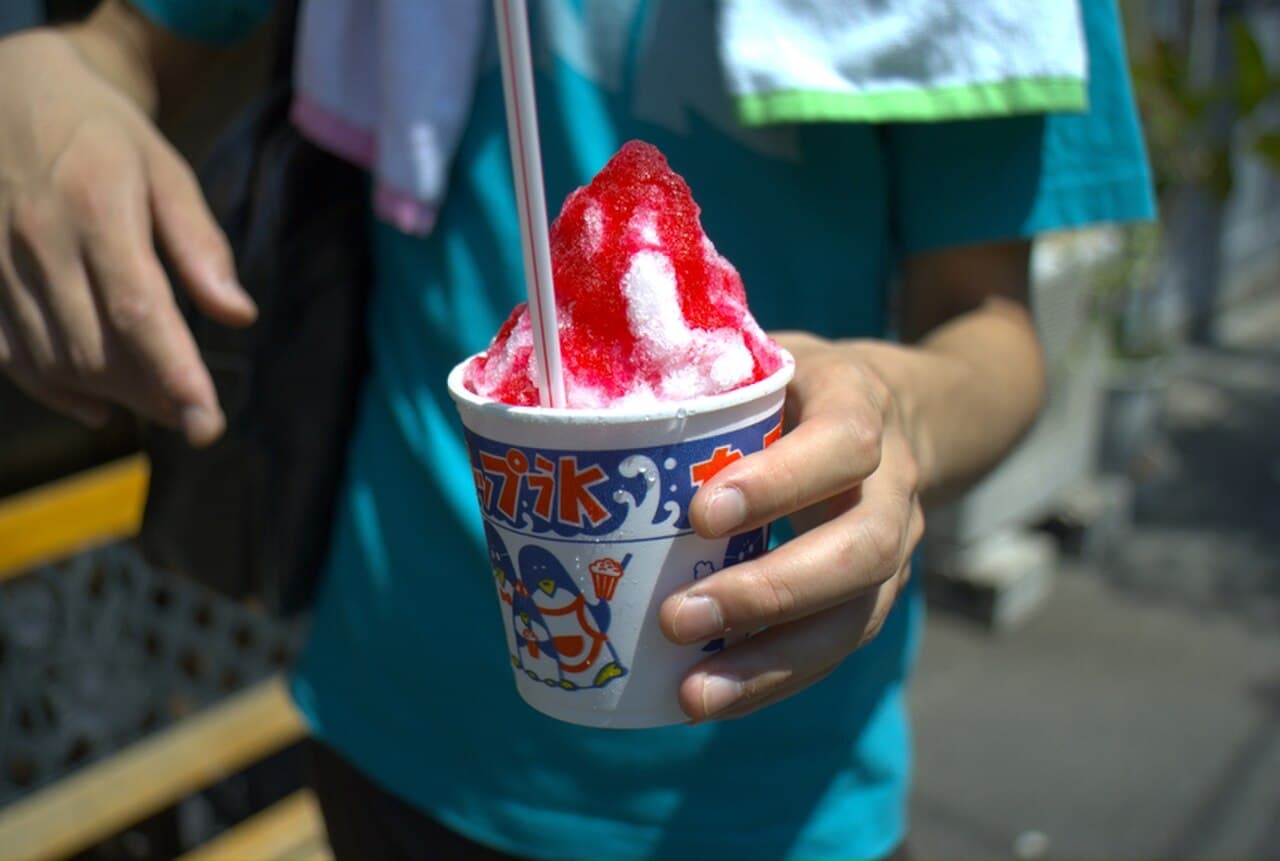
ของหวานหน้าร้อน
สรุป: ฤดูร้อนที่ญี่ปุ่นก็มีของหวานเย็นแบบพืชล้วนให้กินแน่นอน—ถ้ารู้ว่าต้องเช็กอะไร ไซรัปคาคิโกริ (น้ำแข็งไส) มักเป็นวีแกน แต่ซอฟต์ครีมส่วนใหญ่มีนม โดยมีร้านในโตเกียวที่ยืนยันแล้วบางร้านและไอติมแท่งในร้านสะดวกซื้อช่วยเติมเต็มช่องว่าง นี่คือสิ่งที่ควรสั่งและควรถาม
ชั้นเครื่องดื่ม
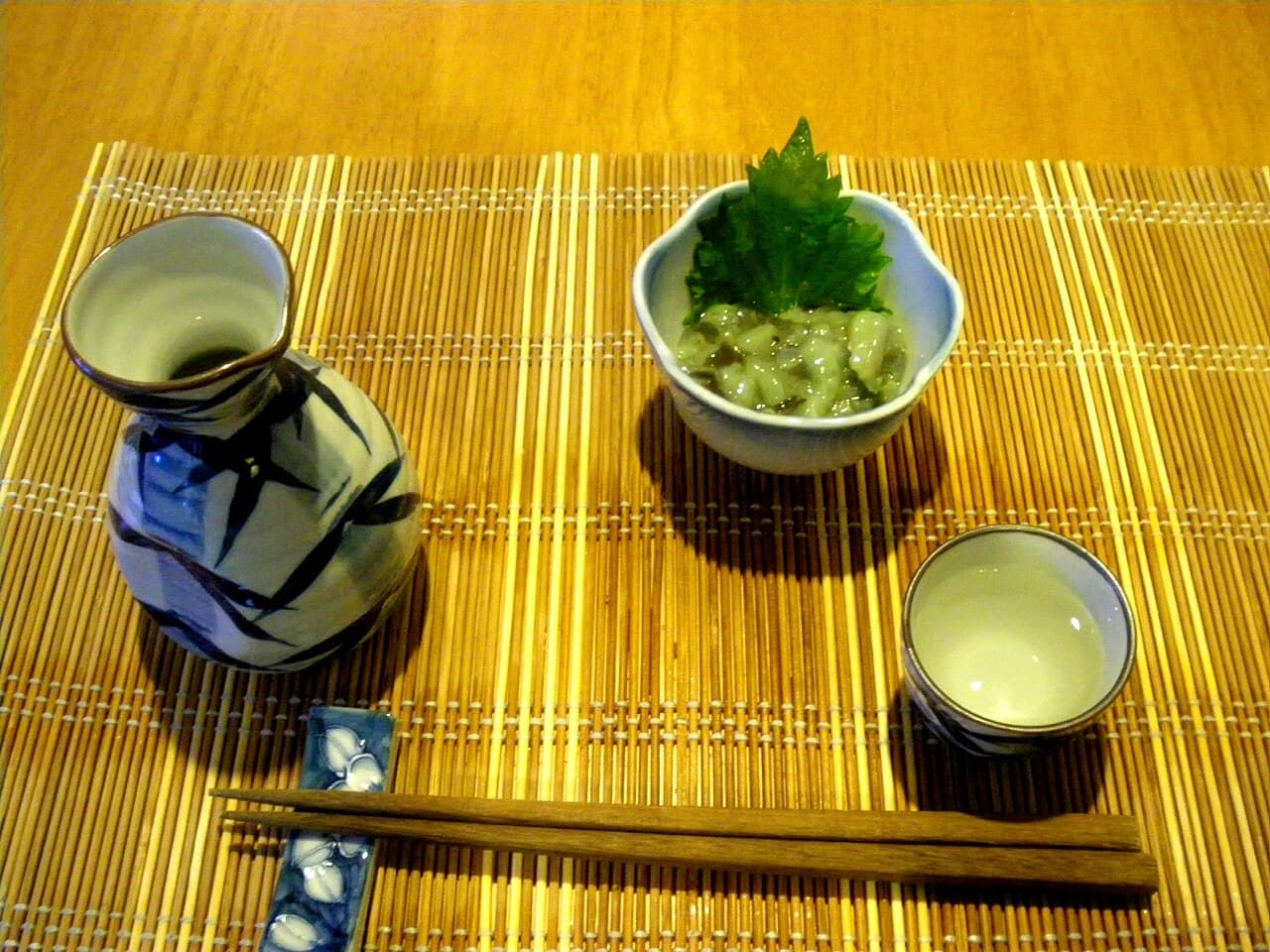
สาเกเกือบทั้งหมดเป็นวีแกน——มีแค่ข้าว น้ำ โคจิ และยีสต์ ไม่มีส่วนผสมจากสัตว์ กับดักที่พบยากอยู่ที่อื่น: เบียร์บางยี่ห้อใช้ถุงลมปลากรอง อุเมชูบางขวดเติมน้ำผึ้ง และไวน์ที่มักใช้สารกรองจากสัตว์ นี่คือการไขทั้งชั้นเครื่องดื่มญี่ปุ่นให้คุณสั่งได้อย่างมั่นใจ
เชน & ฟาสต์ฟู้ด
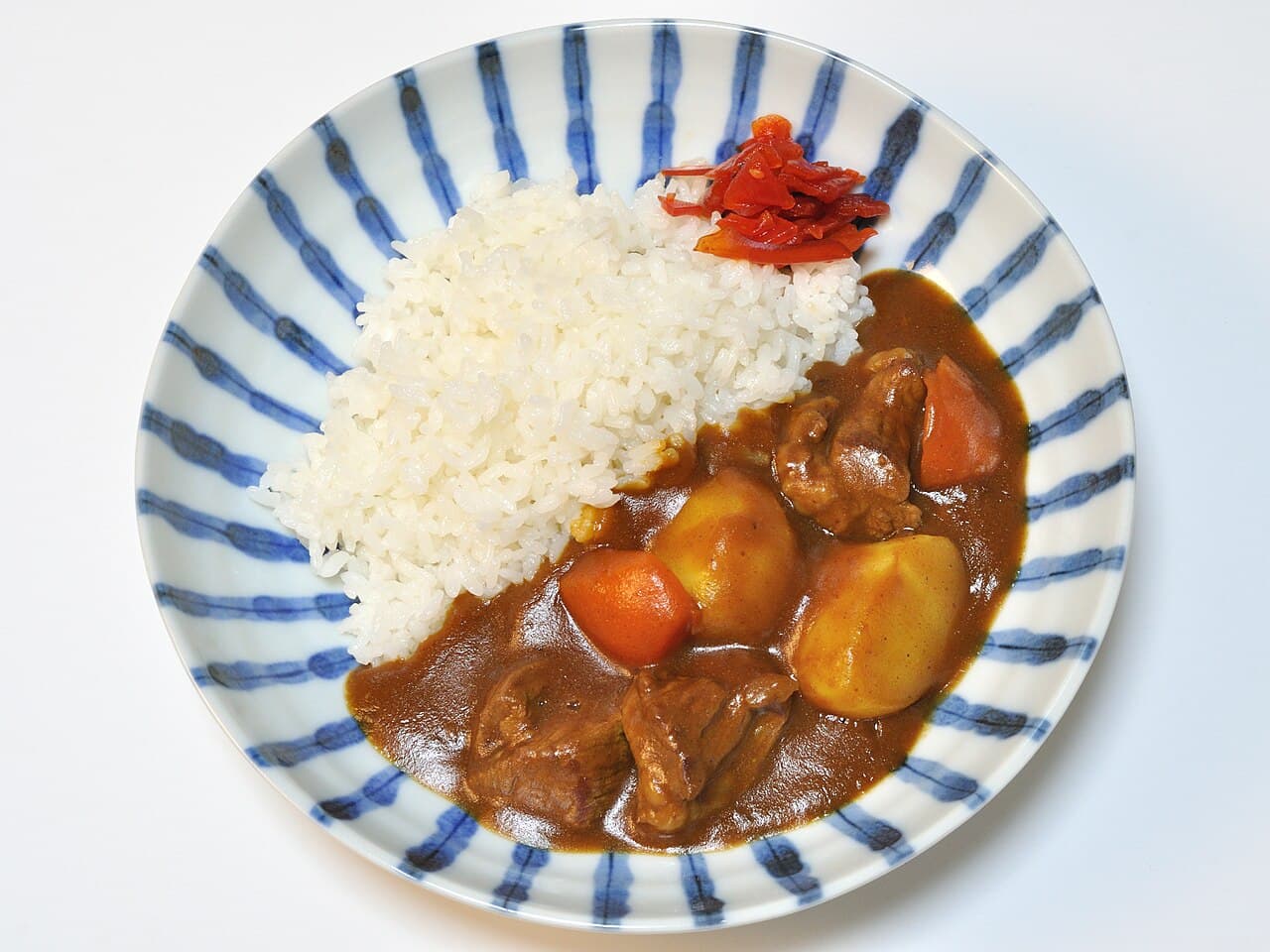
มีเชนในชีวิตประจำวันที่กินแบบพืชล้วนได้จริง——T's Tantan (วีแกนทั้งร้าน), แกงกะหรี่มังสวิรัติของ CoCo Ichibanya, เบอร์เกอร์พืชของ MOS และการเปลี่ยนเป็นแพตตี้ถั่วเหลืองฟรีของ Freshness——แต่เมนู 'ดูเป็นผัก' ส่วนใหญ่ยังซ่อนดาชิปลา ไข่ หรือนม จึงต้องสั่งอย่างตั้งใจ นี่คือ 'สั่งอะไรถึงปลอดภัย' ที่ตรวจกับเมนูทางการ ณ กรกฎาคม 2026
วลีจำเป็น
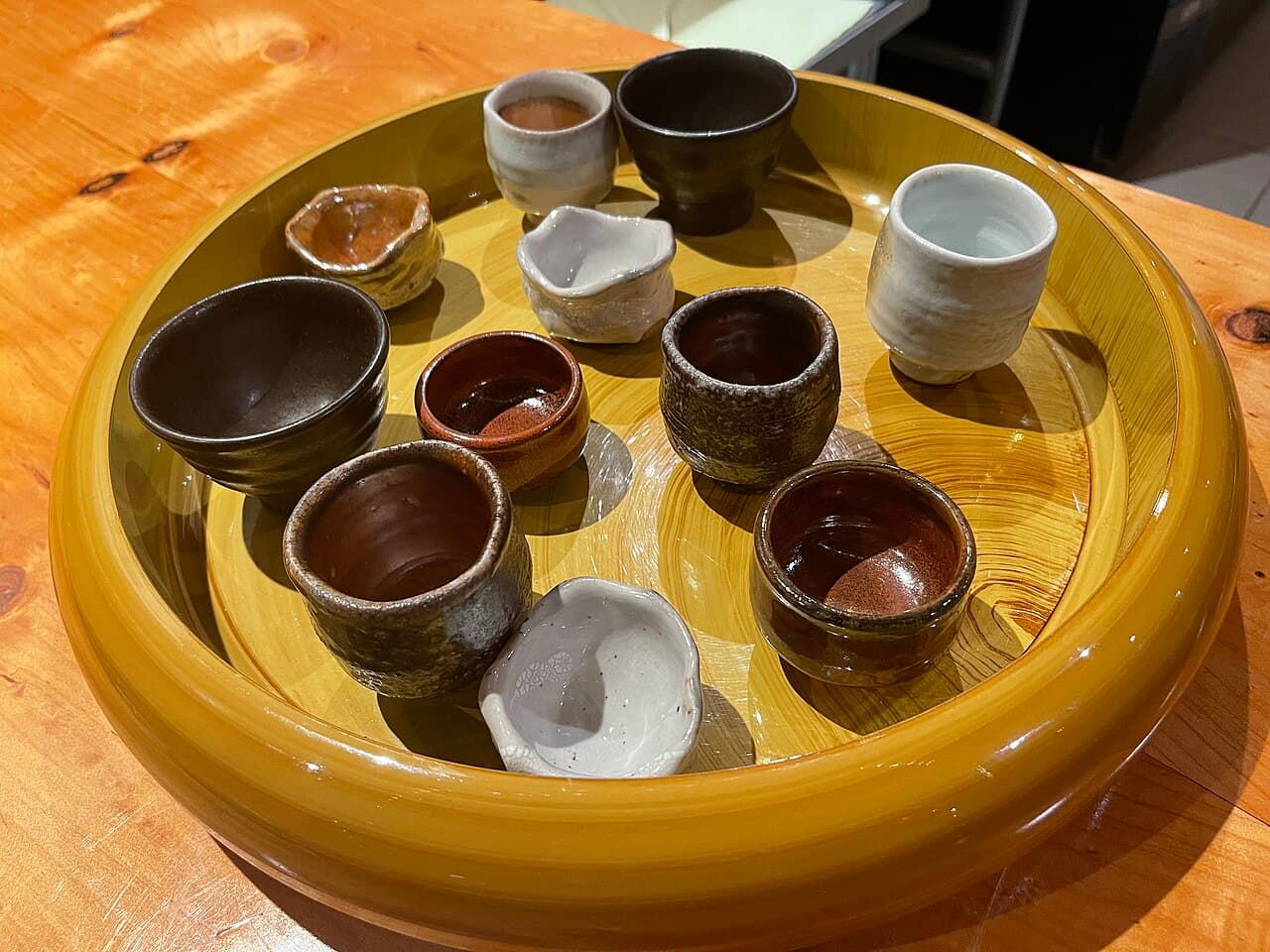
จำหกประโยคและพกการ์ดหนึ่งใบ ก็รับมือมื้ออาหารวีแกนในญี่ปุ่นได้เกือบทั้งหมด — รวมถึงคำถามเรื่องดาชิ (น้ำสต๊อกปลา) ที่สำคัญที่สุด
วัฒนธรรมอาหาร
จริงอยู่ที่คุณสามารถจัดชุดปิกนิกฮานามิ (ชมดอกซากุระ) สายวีแกนสวยๆ ได้เกือบทั้งหมดจากร้านสะดวกซื้อ (konbini) และซูเปอร์มาร์เก็ต ไม่ว่าจะเป็นอินาริซูชิ, โอนิกิริไส้อุเมะโบชิหรือคมบุ, เอดามาเมะ, นักเก็ตคาราอาเงะจากถั่วเหลือง, ผลไม้ และวากาชิบางชนิด สิ่งเดียวที่ต้องระวังคือดาชิ (ซุปปลา) ที่ซ่อนอยู่ในของที่ดูเหมือนจะเป็นพืชล้วนๆ แค่เช็กฉลากให้ดี แล้วคุณก็พร้อมลุยฤดูใบไม้ผลิได้เลย
คู่มือด้านอาหาร
สำหรับคืนที่กินพืชล้วนได้เป็นธรรมชาติที่สุดในทริป ให้จองชุคุโบ (shukubo ที่พักในวัด) โดยเฉพาะที่โคยะซัง (Koyasan) ซึ่งพระสงฆ์จะเสิร์ฟโชจินเรียวริ (shojin ryori) อาหารไคเซกิเจแบบพุทธที่ตามธรรมเนียมแล้วไม่ใส่เนื้อสัตว์ ปลา และแม้แต่หัวหอมกับกระเทียม โดยทั่วไปมักเป็นวีแกน แต่ควรตรวจสอบสองเรื่อง คือน้ำสต๊อกดาชิที่ทำจากปลาในซุปมิโซะ และไข่หรือผลิตภัณฑ์นมในมื้อเช้า ส่วนเรียวกังทั่วไปสามารถปรับเมนูให้ได้หากแจ้งล่วงหน้า
คู่มือด้านอาหาร
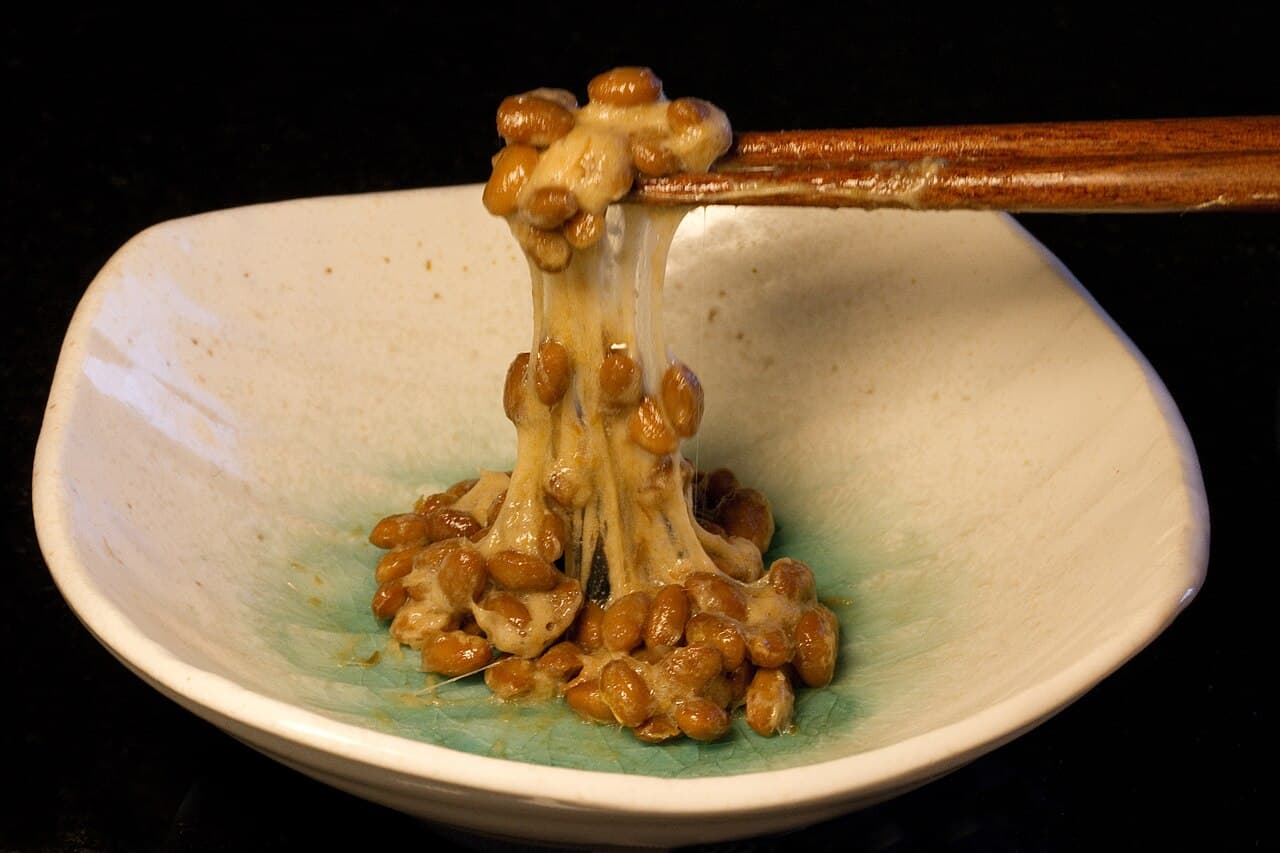
อาหารเช้าญี่ปุ่นแบบดั้งเดิมใกล้เคียงกับมื้อวีแกนมากกว่าอาหารเช้าชาติไหนๆ ในโลก ไม่ว่าจะเป็นข้าวสวย สาหร่ายโนริ เต้าหู้ สึเคโมโนะ (ผักดอง) อุเมโบชิ และนัตโตะ ล้วนเป็นพืชล้วนอยู่แล้ว สิ่งเดียวที่มักไม่ใช่วีแกนคือดาชิ (dashi) ซึ่งเป็นน้ำสต๊อกจากปลาโอแห้งหรือปลาซาร์ดีนที่แอบซ่อนอยู่ในซุปมิโสะและซอสทาเระของนัตโตะ แค่เปลี่ยนมาใช้ดาชิจากคอมบุ (สาหร่ายทะเล) แล้วข้ามเกล็ดปลาไป ก็จะได้อาหารเช้าวีแกนที่อุดมโปรตีนและอร่อยงดงาม
คู่มือการกิน
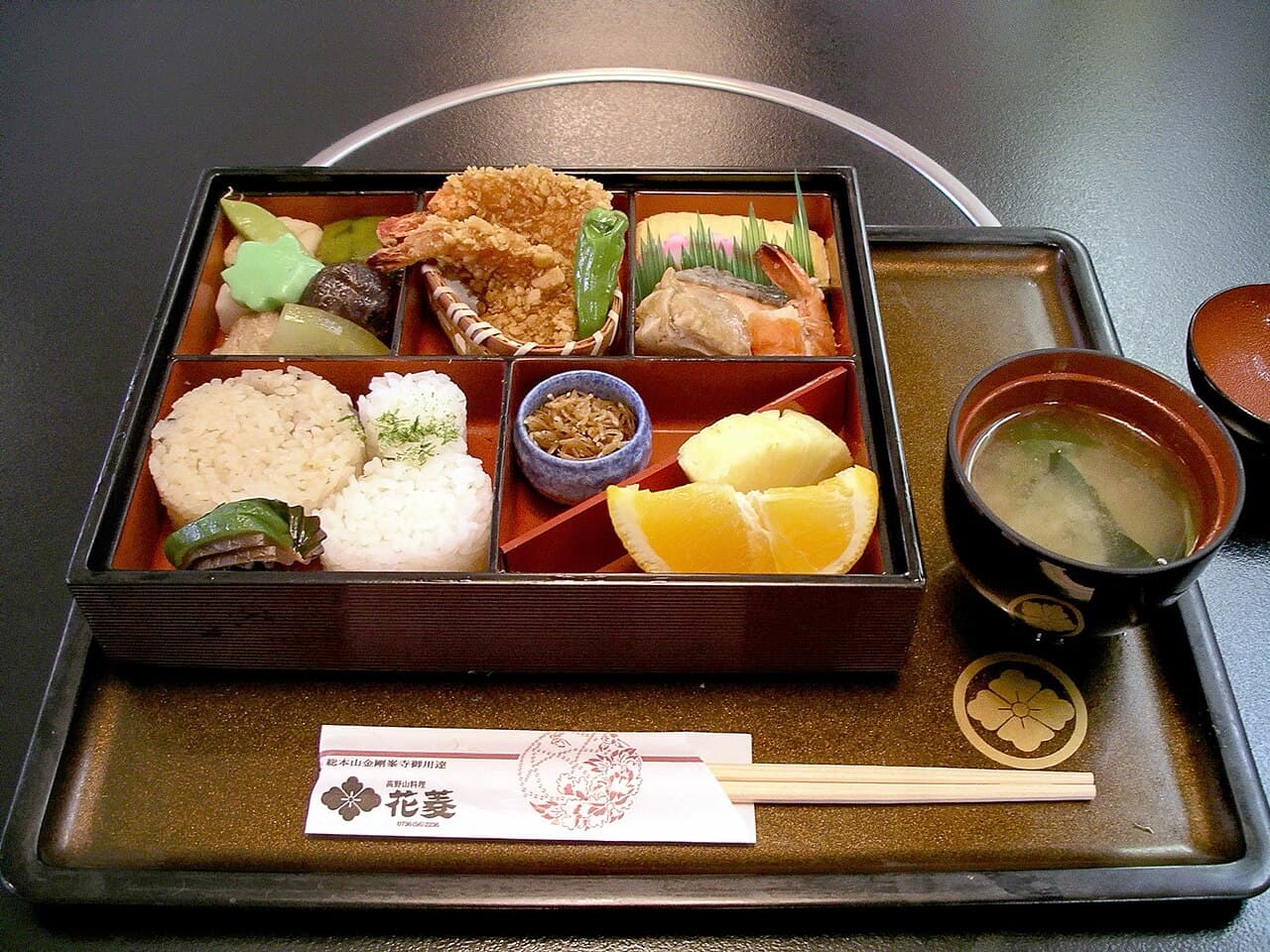
ต้องพูดตรงๆ ว่าเอกิเบ็น (เบนโตะขายในสถานี) ส่วนใหญ่มีปลา ไข่ หรือดาชิผสมอยู่ ดังนั้นสายวีแกนที่จะขึ้นรถไฟชินคันเซ็นควรช้อปอาหารให้พร้อมก่อนขึ้นรถ ตุนของจากร้านสะดวกซื้อหรือโซนอาหารในสถานี ไม่ว่าจะเป็นโอนิกิริไส้อุเมะโบชิและคมบุ อินาริ เอดามาเมะ ผลไม้ ถั่วอบ และนมถั่วเหลือง เอกิเบ็นวีแกนโดยเฉพาะก็มีอยู่บ้างแต่หายาก วางแผนปิกนิกไว้ล่วงหน้า แล้วการเดินทางครั้งนี้จะง่ายขึ้นมาก
คู่มือด้านอาหาร
การหาอาหารวีแกนตามสนามบินของญี่ปุ่น (นาริตะ ฮาเนดะ คันไซ) เป็นไปได้แต่ไม่สม่ำเสมอ ตัวเลือกที่ปลอดภัยที่สุด ได้แก่ ราเมนวีแกนของ T's Tantan ใกล้สถานีโตเกียวและที่สนามบินนาริตะ คาเฟ่ที่เป็นมิตรกับวีแกนไม่กี่แห่ง และร้านสะดวกซื้อที่พึ่งพาได้เสมอ — โอนิกิริไส้ชิโอะ เอดามาเมะ ผลไม้ ถั่ว ตัวเลือกจะบางลงเมื่อเข้าสู่โซนหลังจุดตรวจเทียบกับก่อนจุดตรวจ ดังนั้นควรเผื่อเวลาไว้และอ่านฉลากเพื่อเช็คดาชิที่อาจแอบแฝงอยู่
คู่มือการกิน
การอ่านฉลากอาหารญี่ปุ่นสำหรับสายวีแกนสรุปได้เป็นทักษะเดียว คือหาส่วนที่ระบุส่วนประกอบ (原材料名) แล้วกวาดสายตาหาคันจิกลุ่มสั้นๆ กับดักที่ซ่อนอยู่อันดับหนึ่งคือ ดาชิ (dashi) ซึ่งเป็นน้ำสต๊อกจากปลาโอแห้งหรือปลาซาร์ดีนที่แอบแฝงอยู่ในอาหารที่ดูเหมือนทำจากพืชล้วนๆ ดาชิจากคอมบุและชิทาเกะคือข้อยกเว้นที่วีแกนกินได้ เรียนรู้ตัวอักษรสิบตัวแล้วร้านสะดวกซื้อเกือบทุกร้านก็จะเปิดกว้างสำหรับคุณ
คู่มือด้านอาหาร
กับดักใหญ่ที่สุดเพียงหนึ่งเดียวคือ ดาชิ — ซุปสต๊อกปลาโอหรือปลาซาร์ดีนที่แอบซ่อนอยู่ในซุปมิโซะ ผักตุ๋น และเมนู "ผัก" ส่วนใหญ่ นอกจากนี้ยังต้องระวังไข่ นม น้ำผึ้ง เจลาติน มันหมู น้ำปลา ซอสหอยนางรม และเกล็ดปลาโอแห้งที่โรยหน้า มีเพียงดาชิจากคอมบุ (สาหร่ายทะเล) หรือชิทาเกะเท่านั้นที่เป็นวีแกน หากไม่แน่ใจ ให้ถามเรื่องดาชิก่อนเป็นอันดับแรก
Translation deliverable
Thai (/th/) translation of the VEGAN JAPAN supermarket-shopping guide, delivered as a single JSON object matching the source schema (title/excerpt/kicker/body/faq), with all /en/ links rewritten to /th/ and slugs preserved.
คู่มือด้านอาหาร
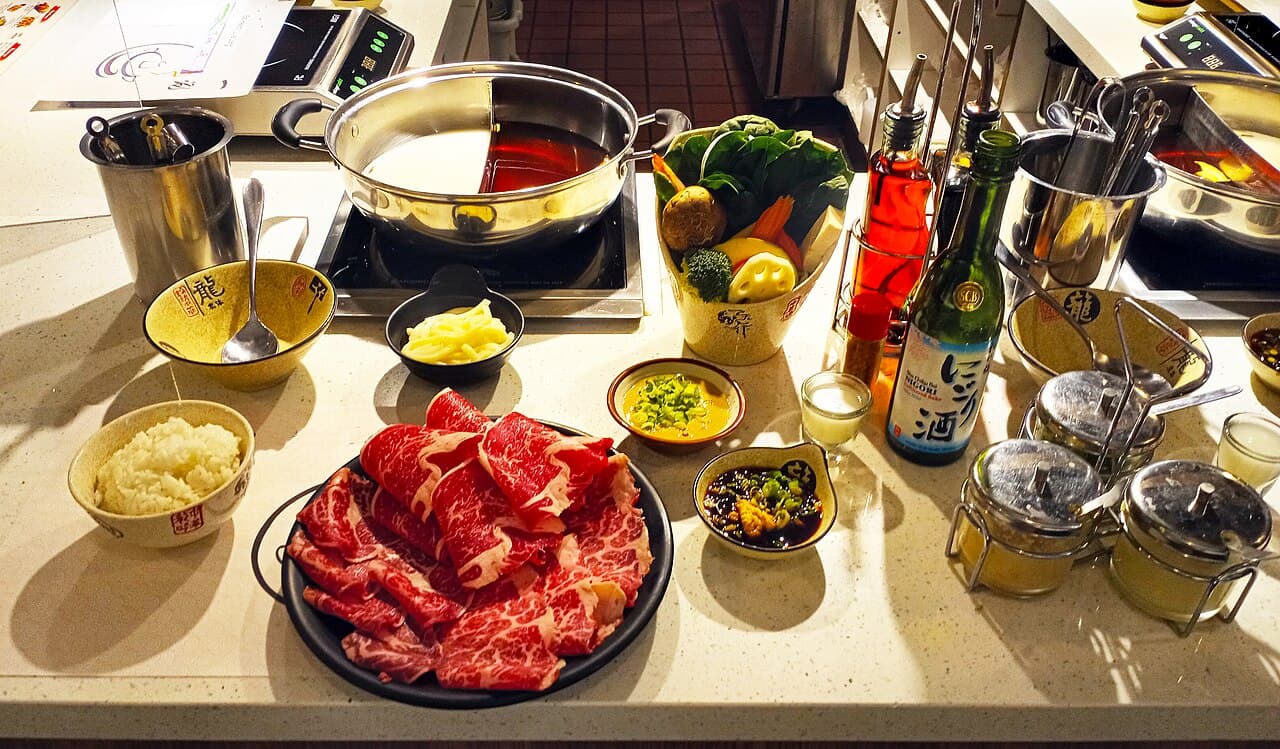
หม้อไฟเป็นหนึ่งในอาหารญี่ปุ่นที่ทำให้เป็นวีแกนได้ง่ายที่สุด—ถ้าคุณเลือกน้ำซุปให้ถูกต้อง ขอน้ำซุปดาชิจากคมบุ (สาหร่ายทะเล) แทนน้ำซุปหมูหรือไก่ ข้ามเนื้อชาบูไป แล้วใส่เต้าหู้ ยูบะ เห็ด ผักใบเขียว เส้นฮารุซาเมะ และโมจิลงในหม้อให้เต็ม กับดักเดียวที่อาจทำลายทุกอย่างคือดาชิปลาที่ซ่อนอยู่ ดังนั้นควรถามก่อนจุ่มทุกครั้ง
คู่มือการกิน
ร้านอาหารครอบครัวในญี่ปุ่นคือที่พึ่งตัวจริงสำหรับวีแกนสายประหยัด เมื่อคุณรู้เคล็ดลับแล้ว ที่ Saizeriya จานเปเปโรนชิโนพร้อมสลัดผัก มะกอกดอง และโฟกัชชา ราคารวมต่ำกว่า 1,000 เยน แต่ข้อควรระวังคือ ดาชิ (น้ำสต๊อกปลา) ไข่ และผลิตภัณฑ์นมแฝงตัวอยู่แทบทุกที่ จึงควรพึ่งตารางสารก่อภูมิแพ้และเลือกสั่งเครื่องเคียงที่เป็นพืชล้วนอย่างตั้งใจ
คู่มือการกิน
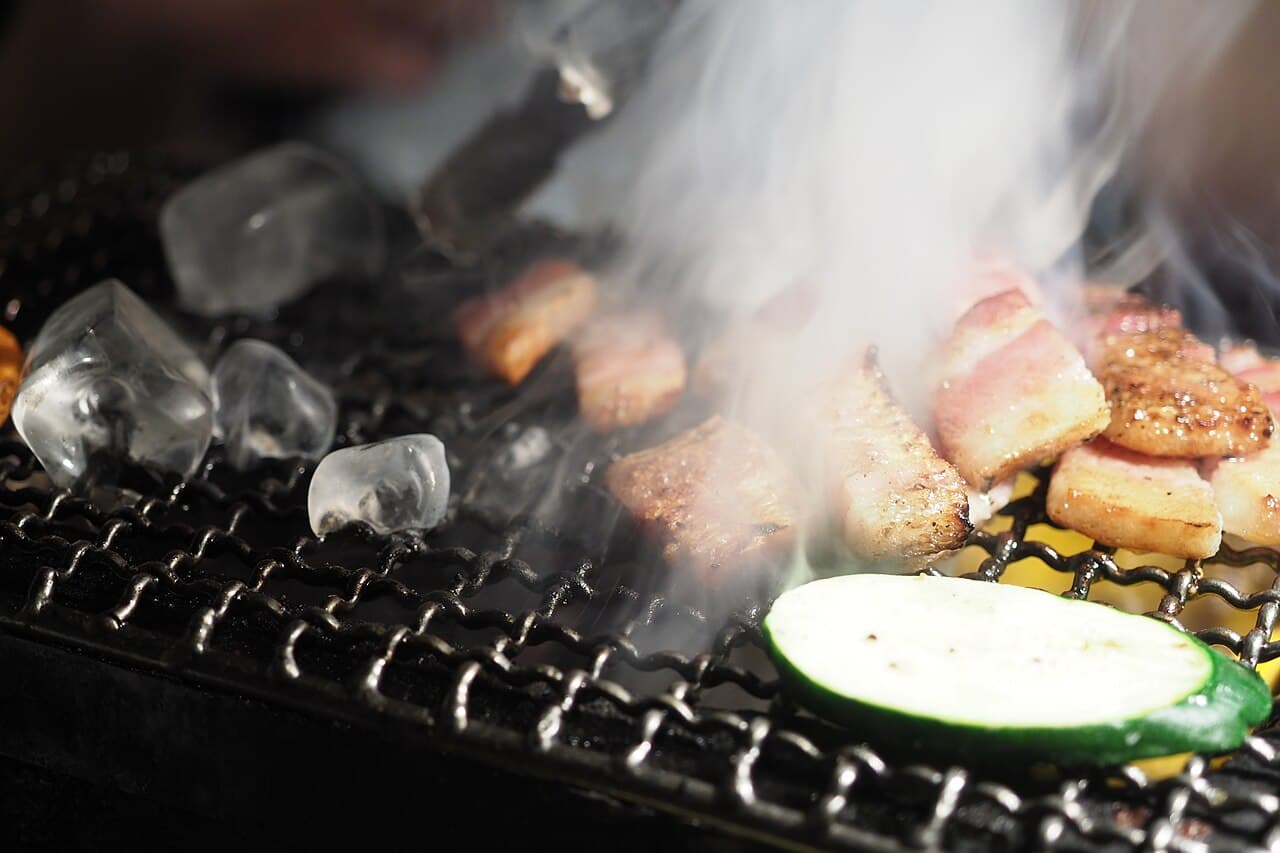
ยากินิกุคือวิหารแห่งเนื้อสัตว์ แต่คนกินวีแกนก็ร่วมโต๊ะได้แน่นอน เลือกผักย่าง ข้าวโพด เห็ดชิทาเกะ กระเทียม เต้าหู้ และนามุล ขอพื้นที่สะอาดบนตะแกรงย่าง และระวังดาชิที่ทำจากปลา น้ำปลาที่ซ่อนอยู่ในกิมจิ และซอสจิ้มต่างๆ หากเพื่อนร่วมโต๊ะยืดหยุ่นได้ ร้านวีแกนใกล้ๆ อาจตอบโจทย์ได้ดีกว่า — แต่รับรองว่าคุณจะไม่หิวโหยแน่นอน
คู่มือการกิน
คุณสามารถกินวีแกนได้ดีที่อิซากายะญี่ปุ่น — ดีกว่าที่คิดไว้ด้วยซ้ำ — ถ้าหลีกเลี่ยงกับดักที่ซ่อนอยู่หนึ่งอย่าง นั่นคือดาชิ น้ำสต๊อกจากปลาโอแห้งหรือปลาซาร์ดีนที่แอบแฝงอยู่ในเมนู "ผัก" เน้นสั่งเอดามาเมะ เต้าหู้เย็น พริกชิชิโตะและหน่อไม้ฝรั่งย่าง ผักดอง และมันตุ๋น พร้อมถามเรื่องดาชิ ไข่ และปลาก่อนสั่งทุกครั้ง แล้วคุณจะอิ่มและมีความสุข
คู่มือการกินตามข้อจำกัดด้านอาหาร
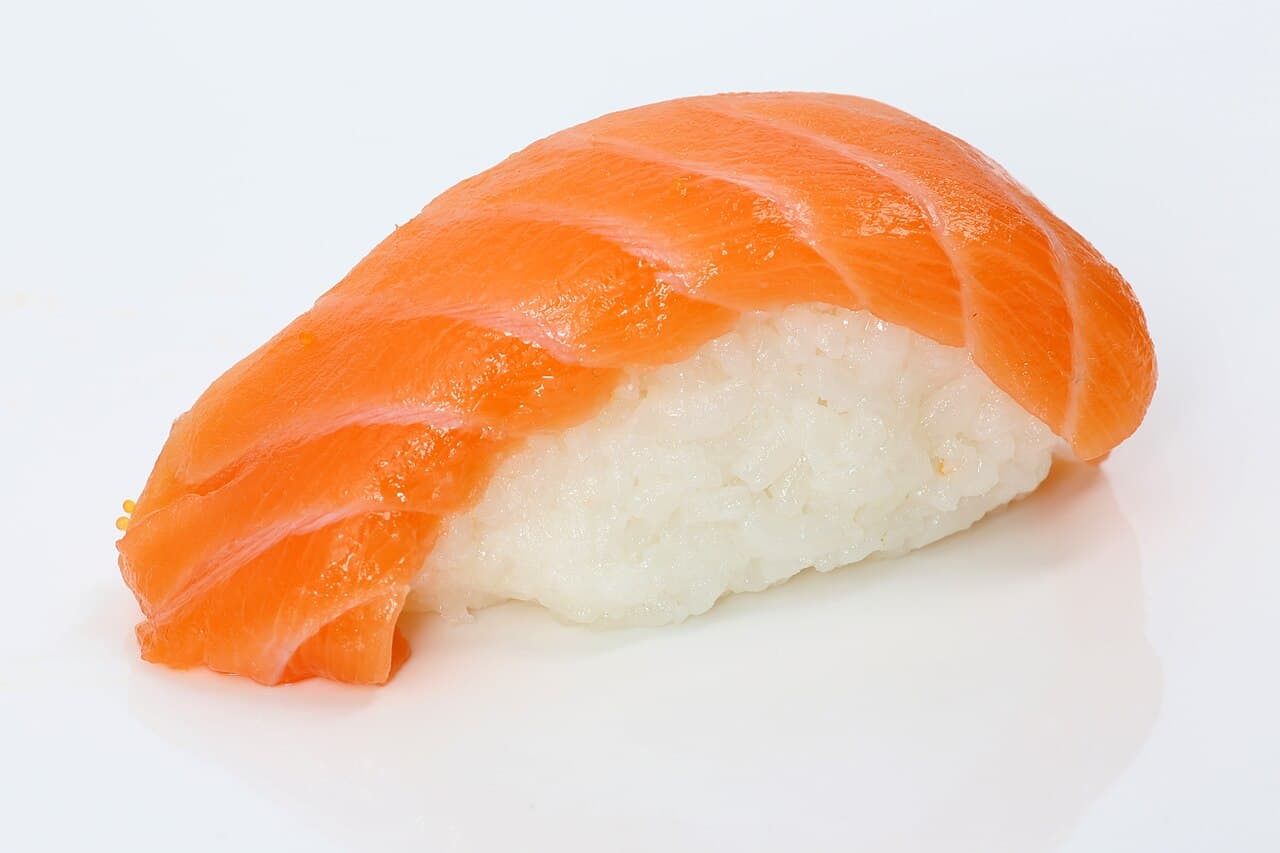
ได้แน่นอน คนกินวีแกนสามารถอิ่มอร่อยที่ไคเท็นซูชิ (ซูชิสายพาน) ได้ เลือกจานคัปปะ (แตงกวา) อะโวคาโด ข้าวเปล่า โอชินโกะ ข้าวโพด และนัตโตะ ซึ่งมักเป็นวัตถุดิบจากพืชล้วน หลีกเลี่ยงจานที่มีปลา ไข่ทามาโกะ หรือปูอัด และตรวจสอบว่าซุปมิโซะกับซอสเคลือบต่าง ๆ ไม่ได้แอบใส่ดาชิจากปลา อินาริและคัมเปียวมักต้มในดาชิ จึงควรถามก่อน สั่งสดใหม่ผ่านแท็บเล็ตเพื่อความมั่นใจ
คู่มือย่าน
ชิโมคิตะซาวะเป็นหนึ่งในย่านที่นักเดินทางสายอาหารจากพืชและระวังกลูเตนจะรู้สึกสบายใจที่สุดในโตเกียว — เดินง่าย บรรยากาศวัยรุ่น ไม่เร่งรีบ คู่มือนี้พาไปเริ่มที่ราเมงยาสมุนไพรและซุปแกงกะหรี่สายวีแกนที่ Chabuzen ตามด้วยร้านเบเกอรี่วีแกนสุดที่รักในย่านไดตะใกล้ๆ กัน โซบะยืนกินสายวีแกน และแวะสั้นๆ ไปนากาโนะเพื่อแกงกะหรี่แบบมังสวิรัติ มาเพื่อบรรยากาศร้านวินเทจ แล้วอยู่ต่อเพื่ออาหาร
คู่มือด้านอาหาร
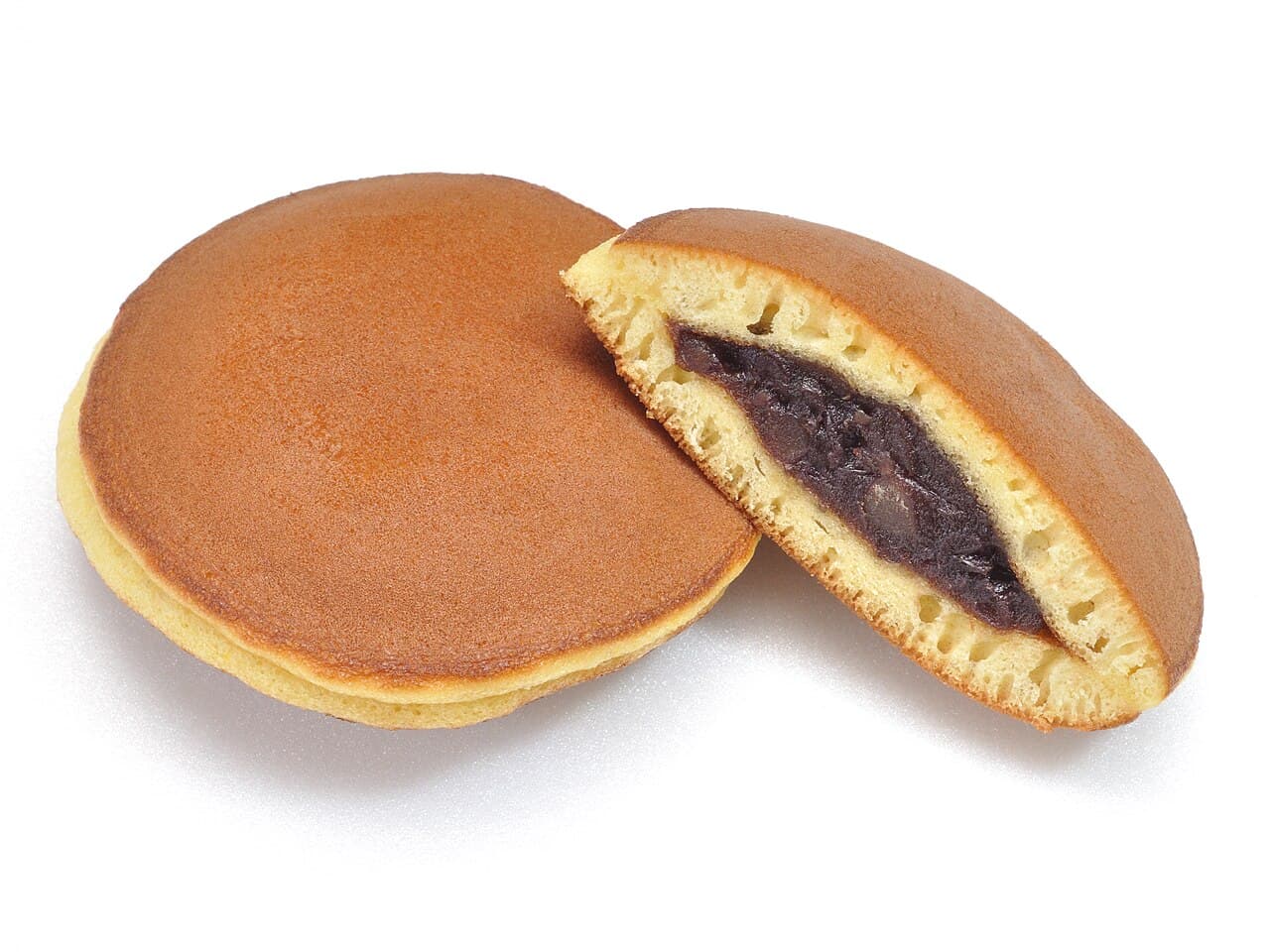
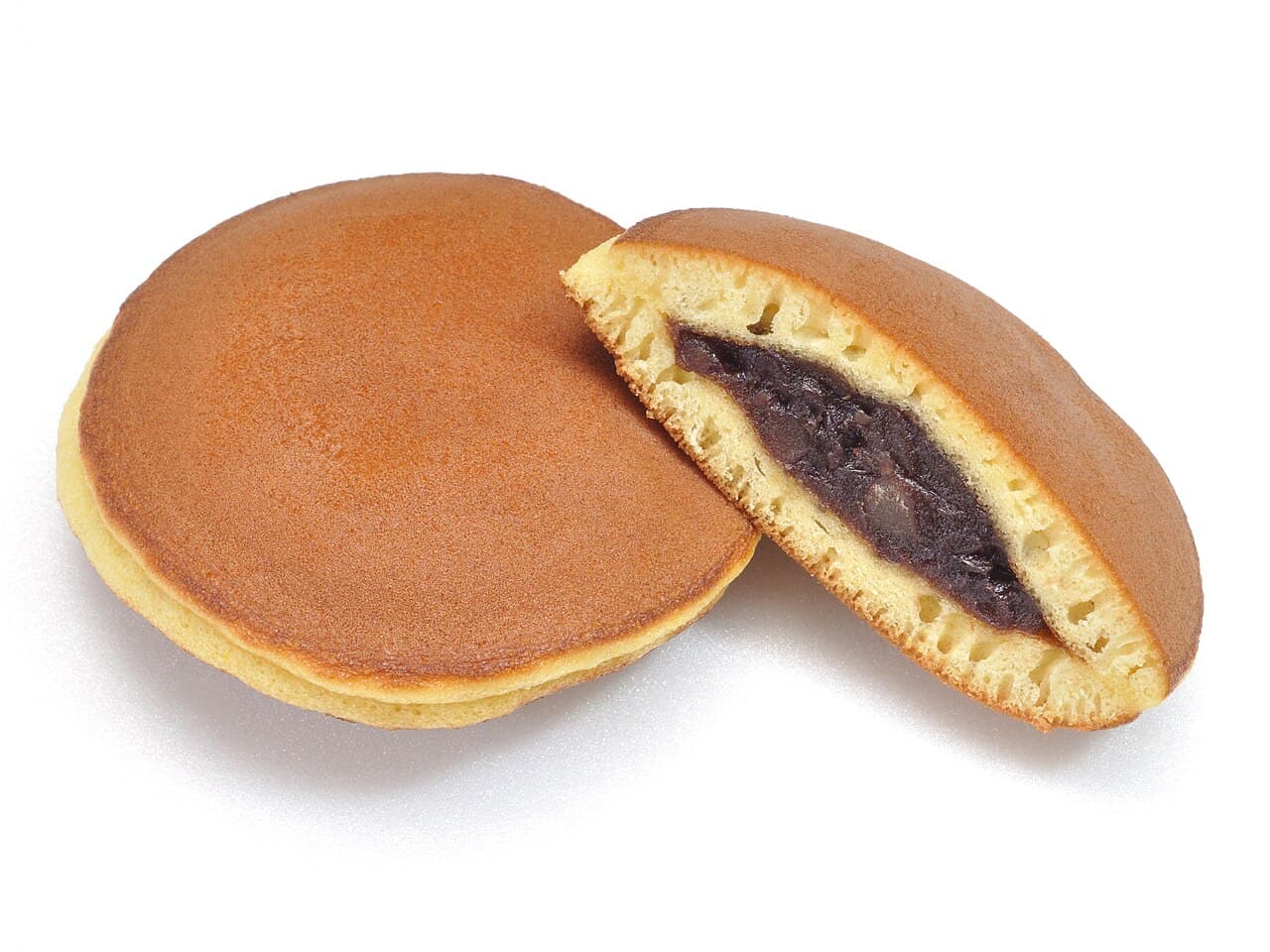
ส่วนใหญ่แล้วใช่ วากาชิดั้งเดิมหลายชนิดเป็นวีแกนโดยธรรมชาติ ไม่ว่าจะเป็นโมจิ (mochi) ไดฟุกุ (daifuku) ดังโงะ (dango) โยกัง (yokan) โมนากะ (monaka) และอังโกะ (anko หรือถั่วแดงกวน) ล้วนทำจากพืชล้วนๆ และเยลลี่ส่วนใหญ่ก็แข็งตัวด้วยวุ้น (คันเท็ง/kanten) ไม่ใช่เจลาตินจากสัตว์ สิ่งที่ต้องระวังคือไข่ (ในโดรายากิ คาสเทลล่า และมันจูบางชนิด) น้ำผึ้ง เจลาตินที่พบได้น้อย และในขนมแนวรสเค็ม อาจมีดาชิจากปลาซ่อนอยู่
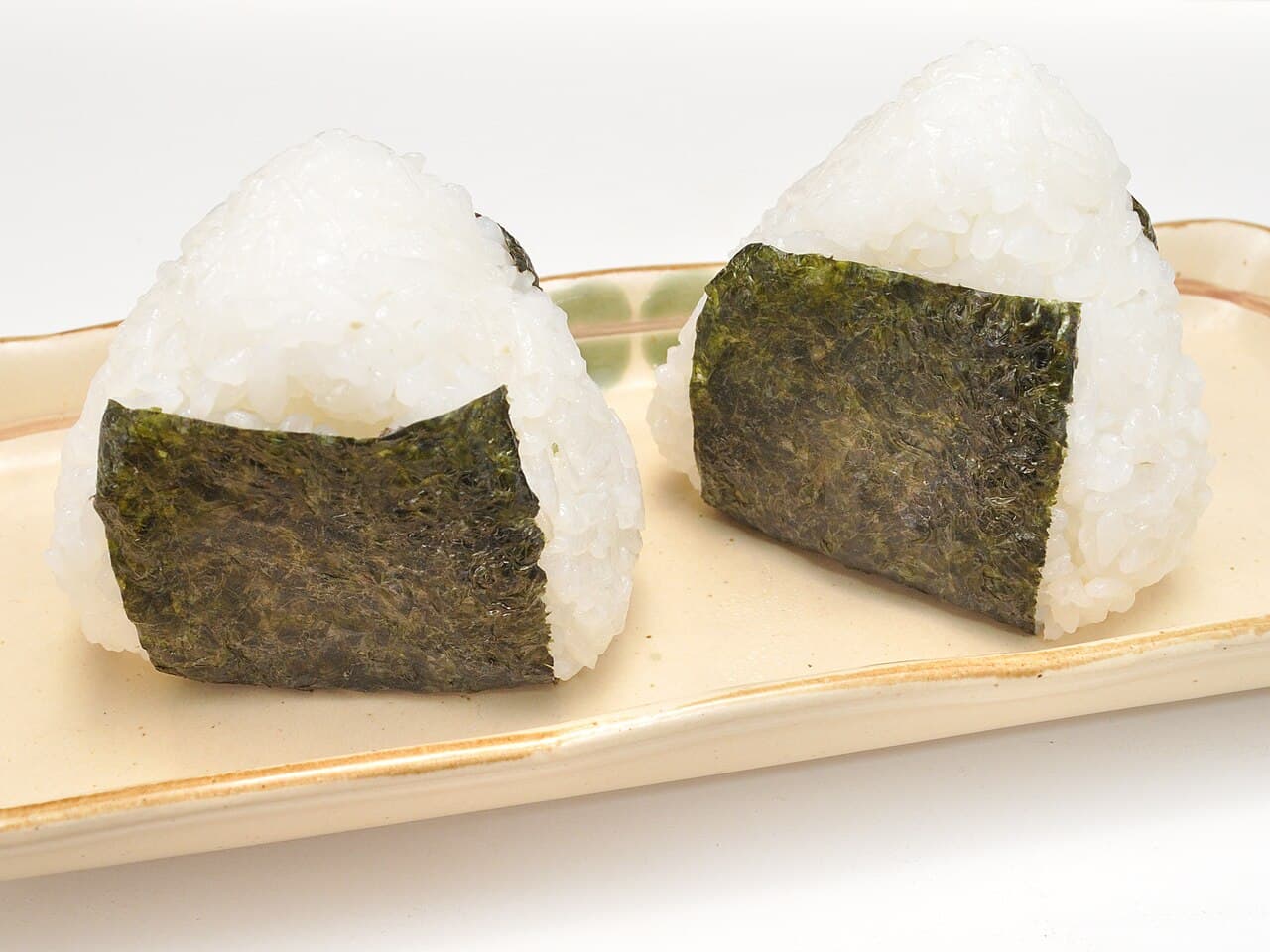
คู่มือข้อจำกัดด้านอาหาร
ส่วนใหญ่แล้วใช่ค่ะ โอนิกิริหลายแบบเป็นวีแกน เช่น ไส้อุเมะโบชิ (บ๊วยดอง), คมบุ (สาหร่ายทะเล) และผักดองต่างๆ ที่ห่อด้วยสาหร่ายโนริ ล้วนทำจากพืชล้วน แต่ต้องระวังไส้ทูน่ามายองเนส แซลมอน และโอคาคะ (เกล็ดปลาโอแห้ง) รวมถึงกับดักที่มองไม่เห็นอย่างดาชิ (น้ำสต๊อกปลา) ที่ใช้ปรุงรสข้าว เรียนรู้วิธีอ่านฉลากแล้วโอนิกิริจากร้านสะดวกซื้อจะกลายเป็นมื้ออาหารวีแกนที่ไว้ใจได้
คู่มือด้านอาหาร
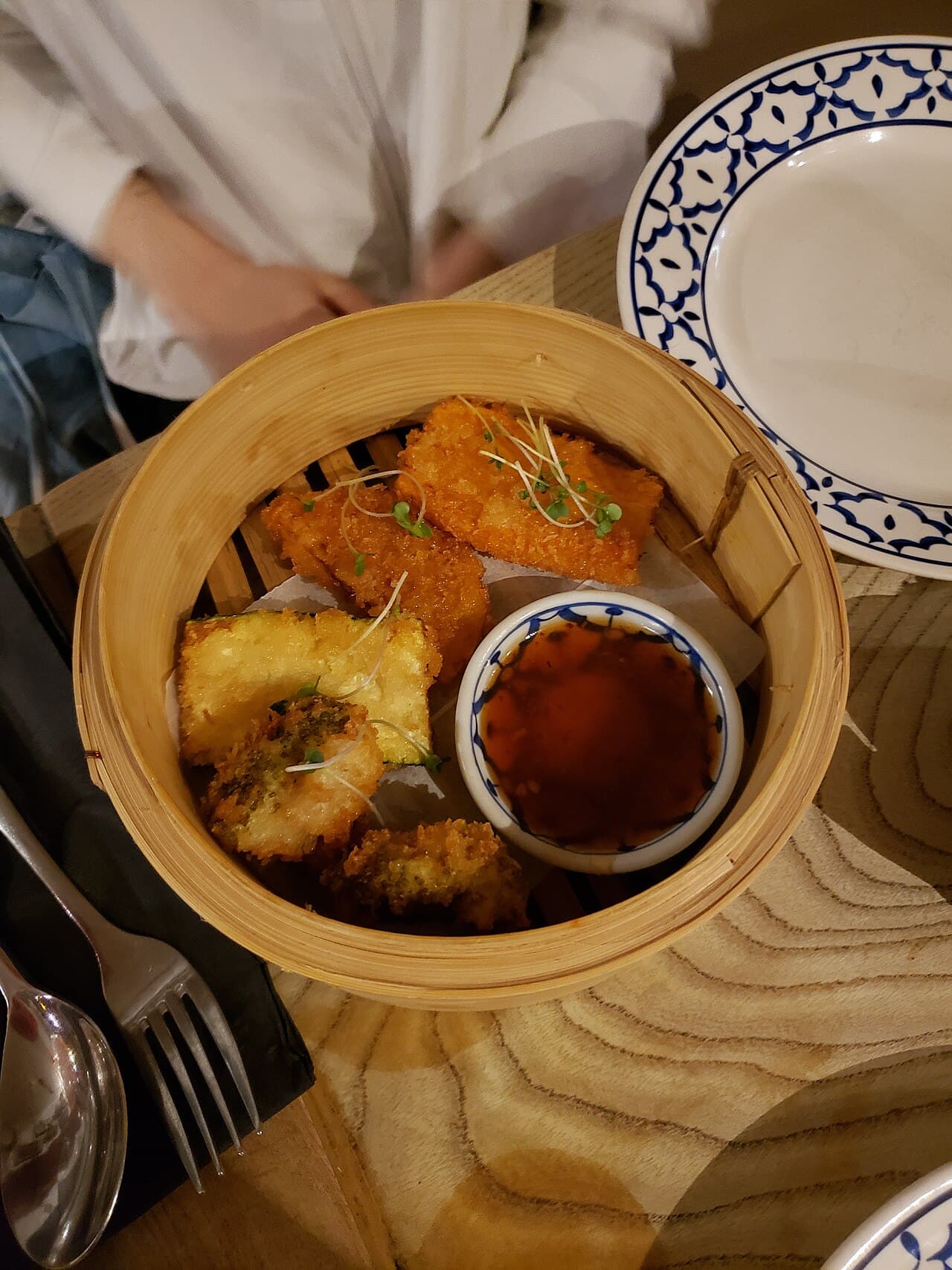
ปกติแล้วไม่ใช่ — แม้แต่เทมปุระผักก็แทบไม่ใช่วีแกนแท้ในญี่ปุ่น มีกับดักที่มองไม่เห็น 3 อย่าง ได้แก่ ไข่ในแป้งชุบทอด, ดาชิ (น้ำสต๊อกปลา) ในน้ำจิ้มเท็นสึยุ และน้ำมันทอดที่ใช้ร่วมกับกุ้งและปลา ส่วนเทมปุระที่วีแกนแท้จริงคือเทมปุระแบบโชจิน (อาหารวัดพุทธ) ที่ทอดด้วยแป้งไม่ใส่ไข่และจิ้มกับเกลือหรือน้ำจิ้มคอมบุ
คู่มือข้อจำกัดด้านอาหาร
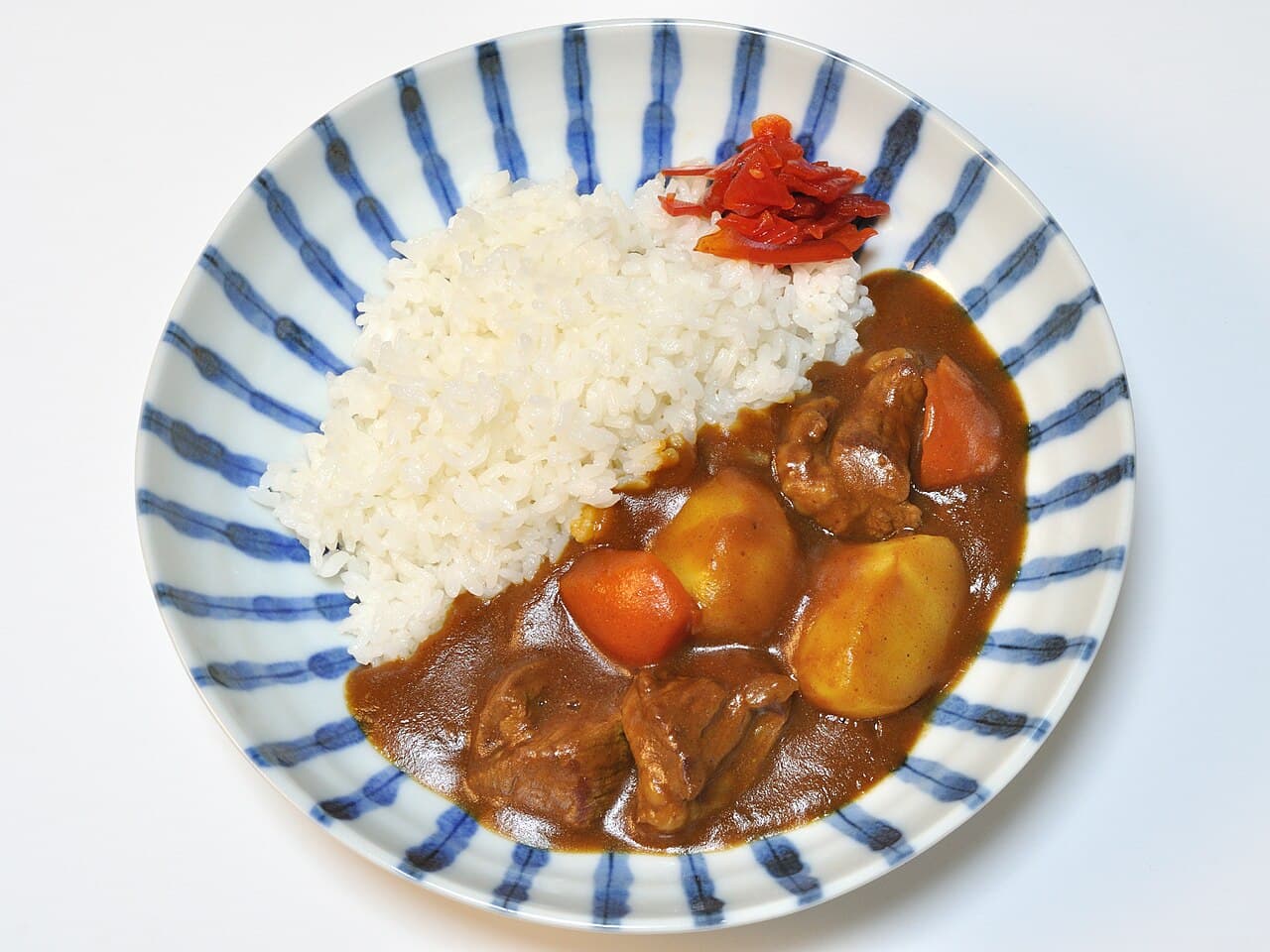
ส่วนใหญ่ไม่ใช่ แกงกะหรี่ญี่ปุ่นที่พบตามร้านอาหารทั่วไปหรือที่ทำจากก้อนรูซ์ (roux) ซูเปอร์มาร์เก็ต แทบไม่ใช่วีแกนเลย เพราะก้อนรูซ์มันวาวเหล่านั้นมักผสมไขมันวัว หมู หรือไก่ และบ่อยครั้งยังใส่น้ำผึ้งกับผลิตภัณฑ์นม แม้แต่ "แกงกะหรี่ผัก" แบบธรรมดาก็มักปรุงด้วยรูซ์ที่มีส่วนผสมจากสัตว์ตัวเดียวกันนี้ แต่แกงกะหรี่วีแกนแท้ๆ ก็มีอยู่จริงในญี่ปุ่น เพียงแต่ต้องเสาะหาสักหน่อย
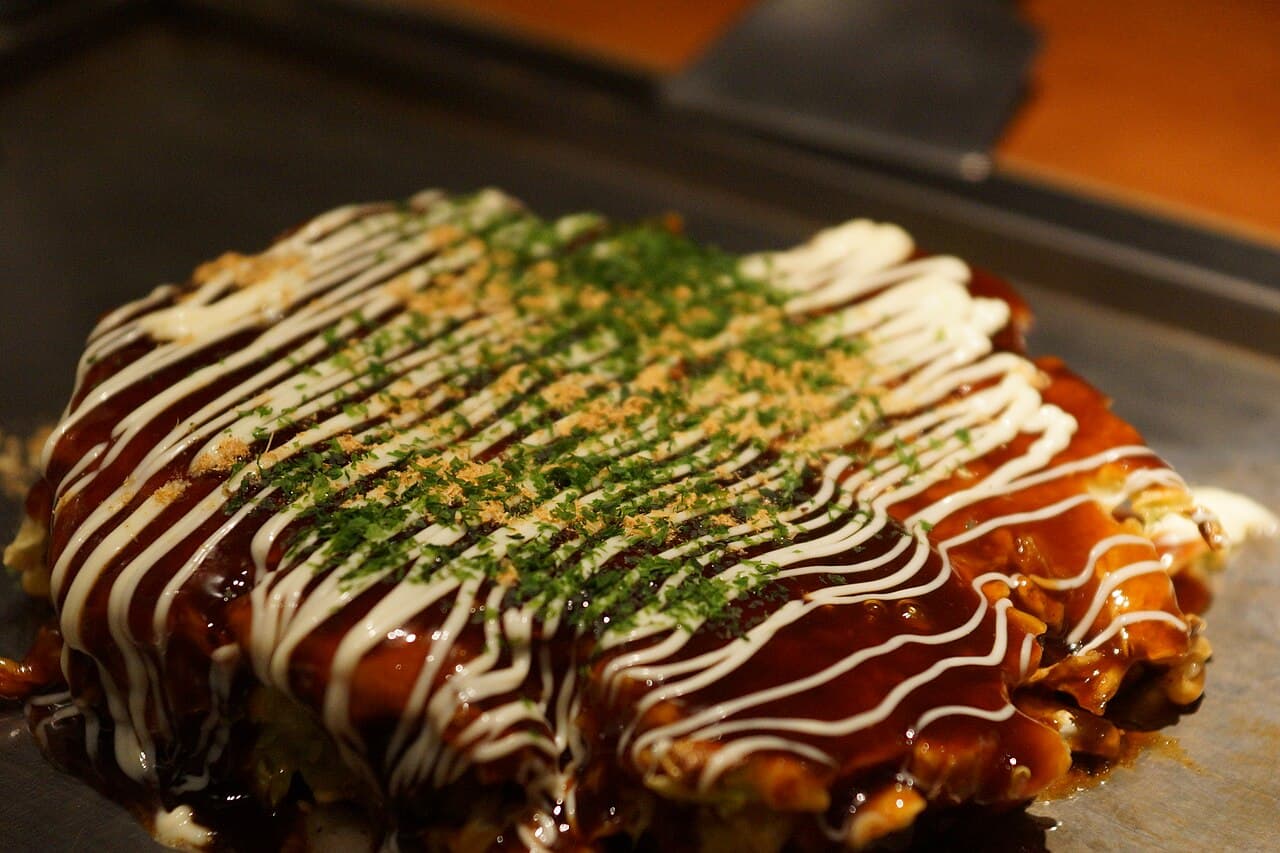
คู่มือข้อจำกัดด้านอาหาร
โดยทั่วไปแล้วไม่ใช่ โอโคโนมิยากิสูตรมาตรฐานดูเหมือนจะกินมังสวิรัติได้ในทางจิตวิญญาณ แต่ในความเป็นจริงแทบไม่ใช่เลย แป้งที่ใช้ทำมักผสมกับดาชิ (dashi น้ำสต๊อกปลา) ให้เหลว หน้าเค้กที่เสร็จแล้วจะโรยด้วยเกล็ดคัตสึโอบุชิ (katsuobushi ปลาโอแห้ง) ที่กระดิกไหวเมื่อโดนความร้อน ซอสสีน้ำตาลก็อาจซ่อนหอยนางรมหรือปลาแอนโชวี่ไว้ และส่วนใหญ่ยังใส่หมูสามชั้นหรือปลาหมึกลงไปด้วย โอโคโนมิยากิที่กินมังสวิรัติได้จริงๆ นั้นมีอยู่ — เพียงแต่คุณต้องขอเป็นพิเศษ หรือไปร้านที่ทำแบบนี้เป็นหลักอยู่แล้ว
คู่มือด้านอาหาร
นัตโตะ (Natto) เป็นวีแกนหรือเปล่า? ใช่ค่ะ นัตโตะเองไม่มีอะไรเลยนอกจากถั่วเหลืองที่หมักด้วยแบคทีเรีย Bacillus subtilis — โปรตีนจากพืชล้วนๆ ไม่มีส่วนผสมจากสัตว์ กับดักเดียวคือซองซอสทาเระ (tare) เล็กๆ ที่แนบมาในแพ็ก ซึ่งมักทำจากดาชิโบนิโตะ (ปลา) ให้ข้ามซองทาเระไป เก็บมัสตาร์ดคาราชิไว้ แล้วปรุงรสด้วยซอสถั่วเหลืองและต้นหอมแทน
คู่มือการกิน
ใช่แล้ว — ญี่ปุ่นเป็นหนึ่งในสถานที่ที่กินโปรตีนจากพืชได้ง่ายที่สุดในโลก เต้าหู้ นัตโตะ เอดามาเมะ ยูบะ โคยะโดฟุ อัตสึอาเกะ นมถั่วเหลือง และเทมเป้ ล้วนเป็นส่วนหนึ่งของอาหารประจำวัน และส่วนใหญ่ราคาไม่แพง ข้อควรระวังจริงๆ มีอย่างเดียวคือดาชิ น้ำสต็อกจากปลาที่ซ่อนอยู่ในอาหารที่ดูเหมือนจะมีแต่พืชล้วน เรียนรู้วิธีสังเกตแล้วคุณจะกินได้อย่างอุดมสมบูรณ์
คู่มือท่องเที่ยว
ญี่ปุ่นเป็นมิตรกับสายวีแกนมากกว่าที่หลายคนคิด — ถ้าคุณวางแผนไว้ก่อนขึ้นเครื่อง โตเกียวมีร้านวีแกนแท้ๆ โดยเฉพาะ เกียวโตมีอาหารเจแบบวัด (โชจิน เรียวริ) และร้านสะดวกซื้อ (konbini) ช่วยกู้สถานการณ์ได้ทุกวัน กฎข้อเดียวที่เปลี่ยนทุกอย่าง: ให้สันนิษฐานไว้ก่อนว่า "ดาชิ" (น้ำสต๊อกจากปลา) แอบซ่อนอยู่ในเมนู "ผัก" จนกว่าจะพิสูจน์ได้ว่าไม่ใช่ นี่คือแพลนเที่ยวสายกินพืชพร้อมกับดักที่ควรเลี่ยง
คู่มือด้านอาหาร
ไม่ — ทาโกะยากิแบบดั้งเดิมไม่ใช่วีแกน ลูกกลมสีทองข้างทางเหล่านี้ซ่อนหมึกยักษ์ไว้ข้างใน แป้งที่ผสมด้วยดาชิและไข่ โรยหน้าด้วยคัตสึโอบุชิ (ปลาโอแห้ง) และมักราดด้วยมายองเนส ทุกชั้นล้วนขัดกับหลักการกินพืชเป็นหลัก ข่าวดีคือทาโกะยากิวีแกนที่ไม่ใส่ไข่และไม่ใช้ดาชิ (ใช้คอนเนียคุหรือเห็ดแทนหมึกยักษ์) มีอยู่จริงตามงานเทศกาลอาหารวีแกนและร้านเฉพาะทางบางแห่ง
คู่มือด้านอาหาร
ใช่ — โมจิธรรมดาเป็นวีแกน เพราะทำจากข้าวเหนียวตำกับน้ำเพียงเท่านั้น และไดฟุกุถั่วแดงที่ห่อรอบนอกก็มักเป็นวีแกนเช่นกัน กับดักมีไม่มากแต่ก็มีจริง เช่น บางแบรนด์ใช้น้ำผึ้งแทนน้ำตาล โมจิไอศกรีมมักซ่อนนมไว้ข้างใน และบางชนิดใช้เจลาตินเคลือบผิว อ่านฉลากให้ดี แล้วโมจิก็จะเป็นหนึ่งในของหวานญี่ปุ่นที่มั่นใจได้ว่าเป็นวีแกนมากที่สุด
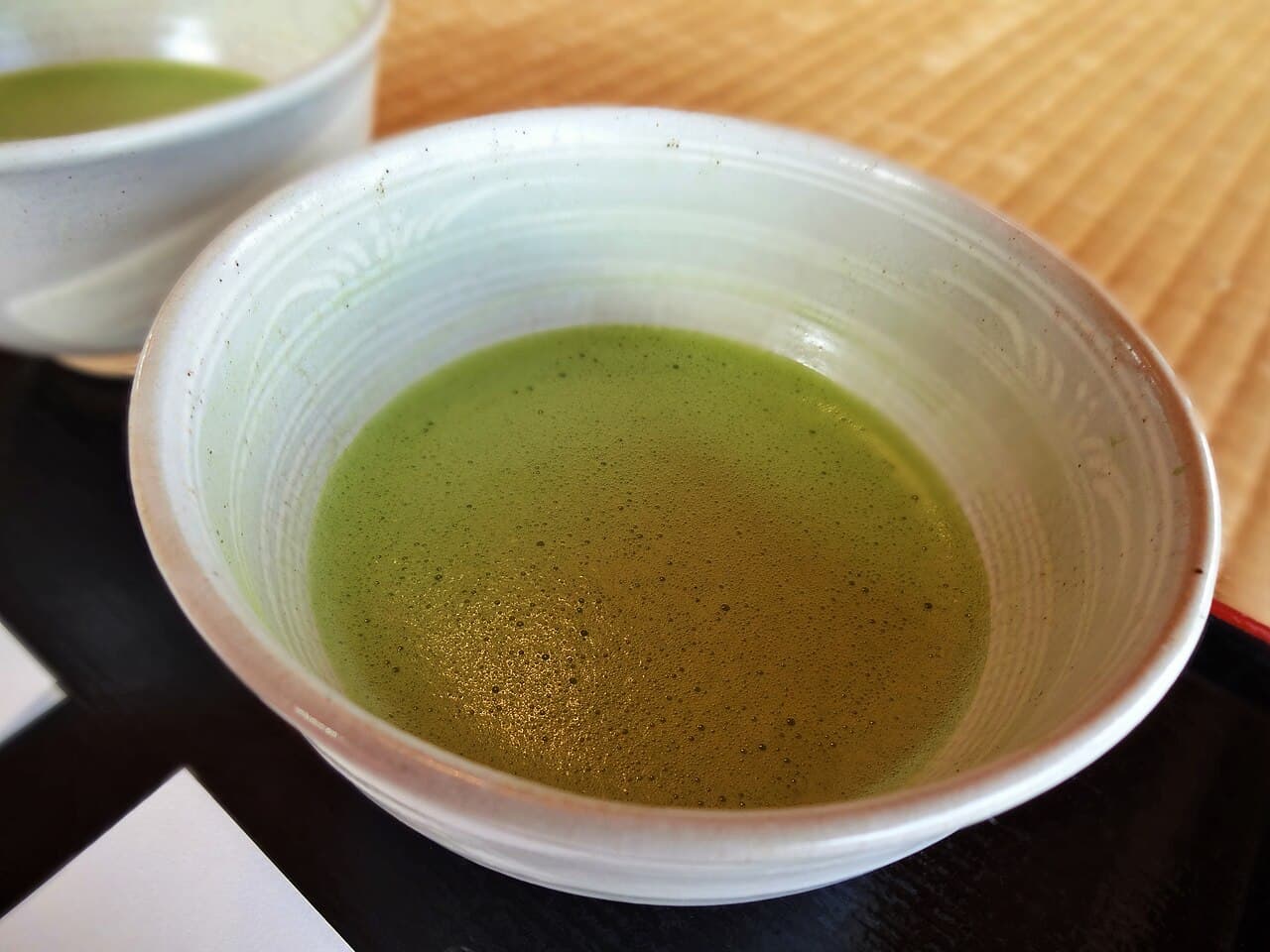
คู่มืออาหาร
ใช่ — มัทฉะแท้เป็นวีแกน เพราะมันคือใบชาเขียวอ่อนที่นำมาบดด้วยหินจนเป็นผง ไม่มีส่วนผสมอื่นใดเลย กับดักจะมาทีหลัง: มัทฉะลาเต้ส่วนใหญ่หมายถึงนมวัว ส่วนไอศกรีมมัทฉะ เค้ก และคิทแคทมักซ่อนนม ไข่ หรือน้ำผึ้งไว้ สั่งเป็นชาเปล่าๆ หรือขอเปลี่ยนเป็นนมถั่วเหลืองหรือนมข้าวโอ๊ต แล้วคุณจะปลอดภัย
คู่มือการกิน
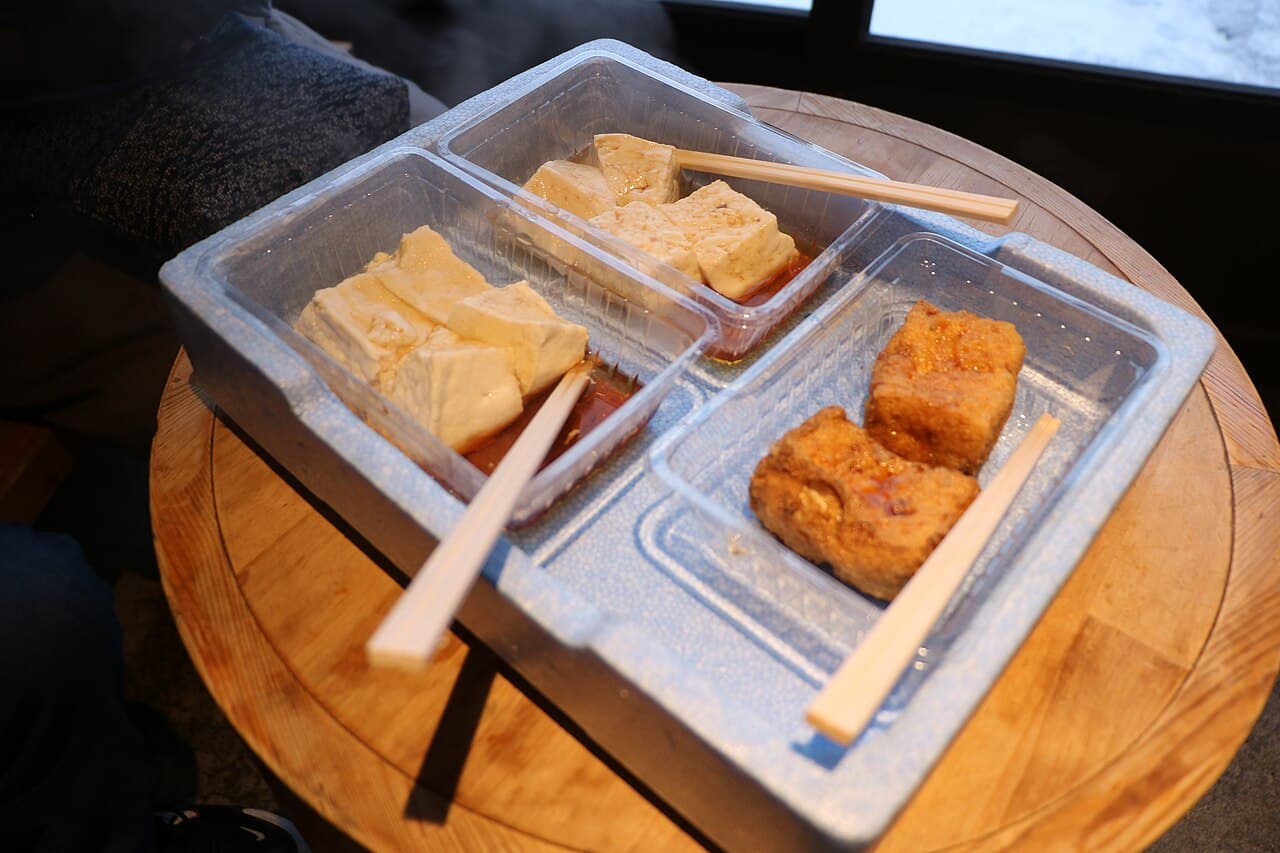
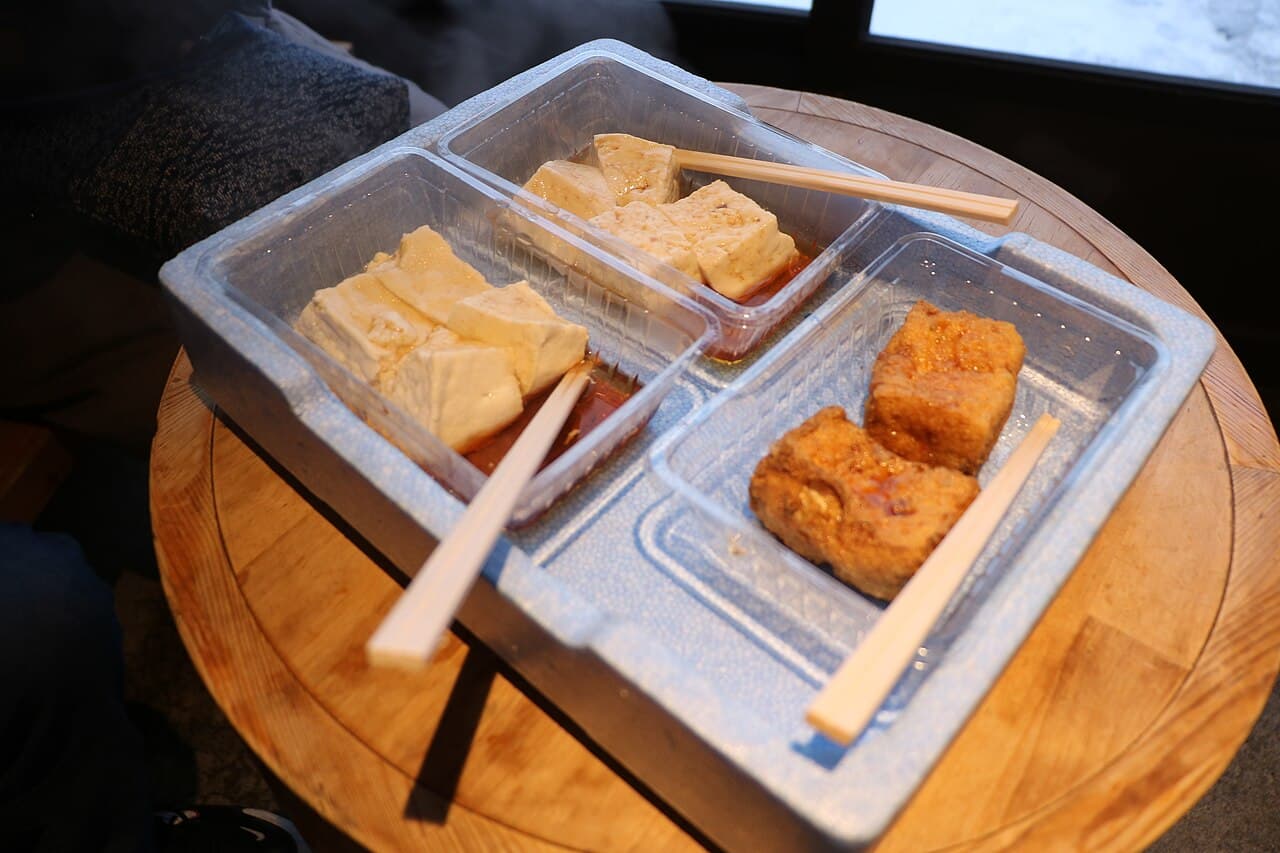
ใช่ — เต้าหู้ล้วนๆ เป็นวีแกน ทำจากถั่วเหลืองและนิงาริ (สารตกตะกอนจากแร่ธาตุ) เท่านั้น ไม่มีส่วนผสมจากสัตว์เลย กับดักอยู่ที่สิ่งที่ห้อมล้อมมันต่างหาก ไม่ว่าจะเป็นดาชิปลาโอแห้งในอาเกะดาชิโดฟุ ท็อปปิ้งปลาแห้งของฮิยะยักโกะ หรือเนื้อหมูในหม่าโป่โต้วฝู่ สั่งก้อนเต้าหู้มา แล้วถามเรื่องซอสให้ชัด เต้าหู้ก็จะกลายเป็นหนึ่งในโปรตีนจากพืชที่หาง่ายและเชื่อถือได้ที่สุดของญี่ปุ่น
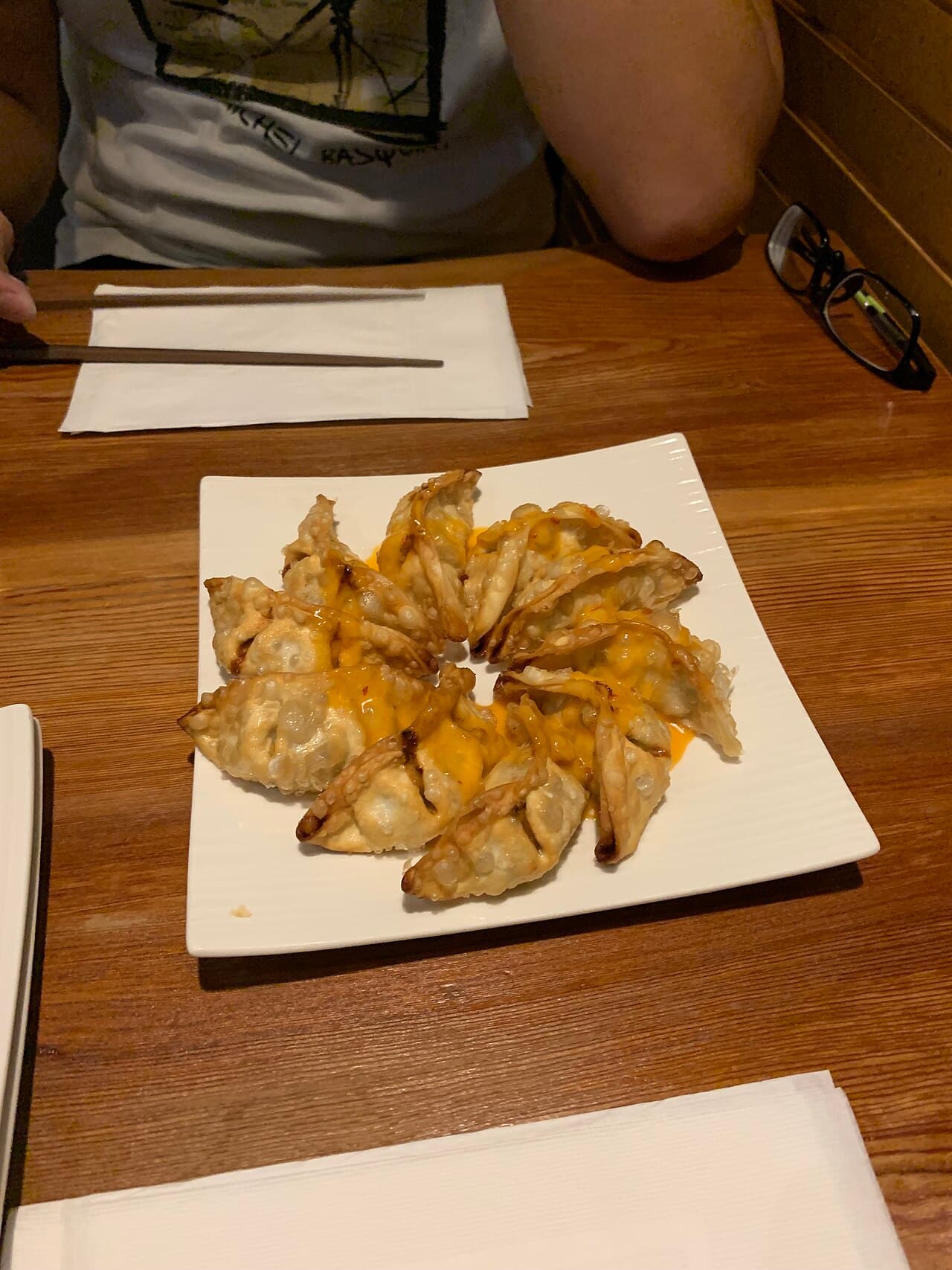
คู่มือการกินตามข้อจำกัดด้านอาหาร
เกี๊ยวซ่าแบบมาตรฐานไม่ใช่วีแกน เพราะไส้เกือบทั้งหมดทำจากเนื้อหมู แต่ข่าวดีคือแป้งห่อเกี๊ยว (wrapper) ส่วนใหญ่เป็นวีแกนอยู่แล้ว (ทำจากแป้งสาลีและน้ำ ไม่มีไข่) ทำให้เกี๊ยวผัก (vegetable gyoza) และเกี๊ยววีแกนเป็นตัวเลือกที่หาได้ไม่ยากตามร้านอาหารพืชล้วนและร้านอาหารจีน กับดักที่มองไม่เห็นคือน้ำสต๊อกไก่ มันหมู หรือดาชิที่อาจแอบแฝงอยู่ในไส้ นี่คือวิธีกินเกี๊ยวซ่าแบบพืชล้วนในญี่ปุ่น
คู่มือด้านอาหาร
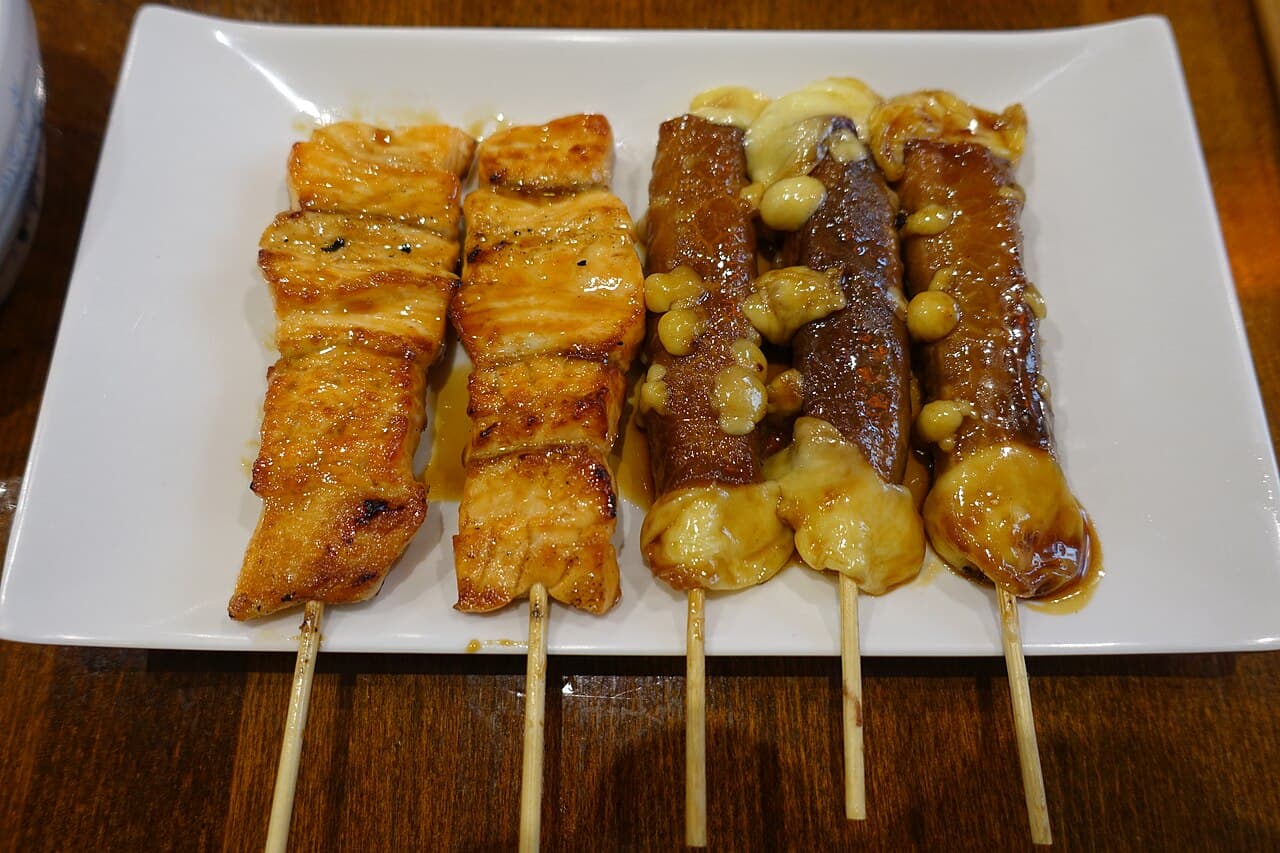
ไม่ — ยากิโทริแบบดั้งเดิมคือไก่ย่าง แม้แต่ไม้เสียบผักก็มักราดซอสทาเระที่ปรุงจากซุปกระดูกไก่ มิริน และบางครั้งมีคัตสึโอะบุชิผสมอยู่ด้วย ดังนั้นยากิโทริมาตรฐานจึงไม่ใช่วีแกน ข่าวดีคือ ไม้เสียบสไตล์ "ยากิโทริ" แบบพืชล้วน — เห็ดชิทาเกะ ต้นหอมญี่ปุ่น เต้าหู้ และคอนยาคุ — มีให้เลือกที่ร้านอิซากายะวีแกนในโตเกียว มาดูกันว่าจะแยกความแตกต่างและกินให้อร่อยและปลอดภัยได้อย่างไร
คู่มือข้อจำกัดด้านอาหาร
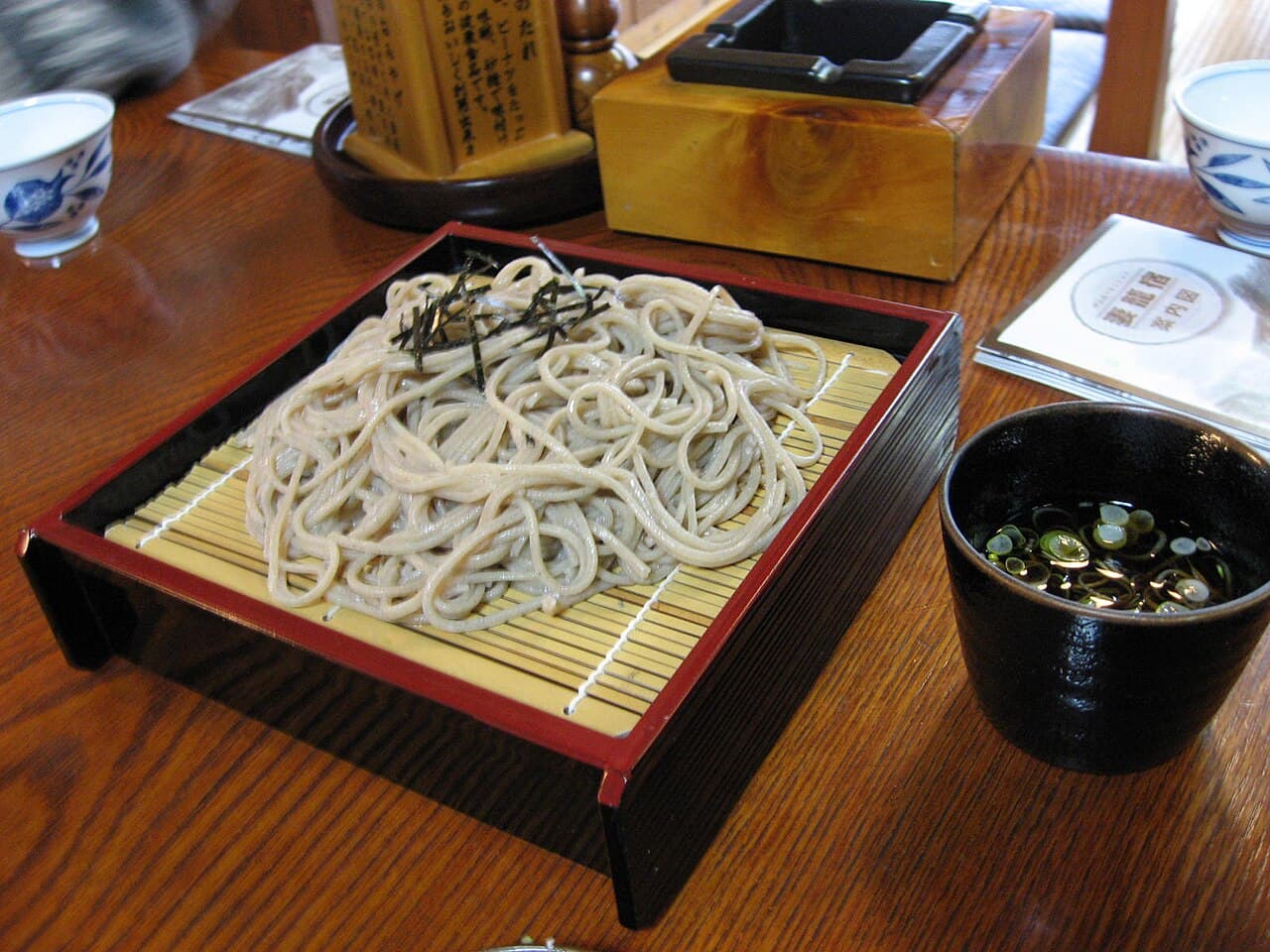
โซบะเป็นวีแกนไหม? ตัวเส้นเองมักจะใช่ — ทำจากบัควีท บางครั้งผสมแป้งสาลีเล็กน้อย — แต่น้ำซุปคือกับดัก เพราะโซบะตามร้านอาหารส่วนใหญ่จะเสิร์ฟพร้อมจิ้มหรือราดด้วยสึยุ (tsuyu) ที่ทำจากดาชิคัตสึโอะบุชิ (ปลาโอแห้ง) หรือนิโบชิ (ปลาไส้ตันแห้ง) จึงไม่ใช่วีแกนตามที่เสิร์ฟจริง วิธีแก้คือสั่งซารุโซบะ ขอน้ำจิ้มที่ทำจากคมบุล้วน หรือหาร้านโซบะวีแกนโดยเฉพาะ — ทำได้ไม่ยาก แค่ถามคำถามเดียว
คู่มือประจำย่าน
รปปงงิและอาซาบุที่อยู่ใกล้เคียงเป็นพื้นที่ที่สะดวกสบายที่สุดของโตเกียวสำหรับมื้อค่ำวีแกนสุดพิเศษ จุดเด่นที่นี่คือความประณีต ทั้งโชจินไคเซกิสไตล์โมเดิร์น อาหารวีแกนปลอดกลูเตนแบบคอมฟอร์ตฟู้ด และอาหารวัดพุทธที่เป็นอาหารจากพืชโดยธรรมชาติของมันเอง เมนูภาษาอังกฤษหาได้ทั่วไป ทำให้ที่นี่เป็นย่านที่นักท่องเที่ยววีแกนจากต่างประเทศจะได้ผ่อนคลายและอิ่มอร่อยกับอาหารที่สวยงาม
คู่มือประจำย่าน
ใช่แล้ว คุณสามารถกินวีแกนได้อย่างประณีตในกินซ่า ร้านเรือธงของย่านนี้คือ AIN SOPH. GINZA ร้านอาหารวีแกนล้วนสไตล์หรูหราที่มีเมนูภาษาอังกฤษ ส่วน 2foods Ginza Loft เสิร์ฟอาหารคาเฟ่จากพืชแบบสบายๆ และ Kannonyama Fruit Parlour มีพาร์เฟ่ต์ตามฤดูกาล ควรจองล่วงหน้าสำหรับ AIN SOPH และอย่าลืมสอบถามเรื่องดาชิ (dashi) ทุกครั้งกับเมนูที่ดูเหมือนจะเป็นพืชล้วน
คู่มือรายพื้นที่
เกียวโตเป็นหนึ่งในเมืองที่เป็นมิตรกับวีแกนโดยธรรมชาติมากที่สุดในญี่ปุ่น ด้วยมรดกหลายศตวรรษของโชจิน (อาหารเซนของวัด) และวัฒนธรรมเต้าหู้อันลึกซึ้ง ตั้งแต่ไคเซกิของวัดในอาราชิยามะ ไปจนถึงราเมนนมถั่วเหลืองแถวชิโมกาโมะ การกินอาหารจากพืชที่นี่ทำได้ง่าย — มีข้อควรระวังเดียวคือ ต้องตรวจสอบเสมอว่าดาชิทำจากคอมบุหรือชิตาเกะ ไม่ใช่ปลา
ไกด์ประจำย่าน
สำหรับร้านอาหารวีแกนในฮาราจูกุ ให้เดินออกจากถนนทาเคชิตะไปทางฝั่งโอโมเตะซันโดและเซ็นดางายะที่เงียบกว่า ร้าน Restaurant 8ablish และ Mr. Farmer มีจานอาหารจากพืชล้วนครบครัน ส่วน Vegan Bistro Jangara และ Tokyo Vegan Ramen Center ตอบโจทย์คนอยากกินเส้น และร้านเบเกอรี่แป้งข้าวก็มีของหวานให้เลือก ที่นี่ถือเป็นหนึ่งในย่านที่มีร้านวีแกนหนาแน่นที่สุดในโตเกียวและเดินถึงกันได้ง่าย เพียงแต่ต้องระวังดาชิ ไข่ และน้ำผึ้งที่อาจแอบแฝงอยู่ในเมนูที่ดูเหมือนจะเป็นวีแกน
คู่มือรายพื้นที่
ชิบุยะเป็นหนึ่งในย่านที่กินอาหารจากพืชได้ง่ายที่สุดในโตเกียว เพียงไม่กี่นาทีจากทางแยกชื่อดัง คุณจะเจอฟาลาเฟลวีแกนเต็มรูปแบบ ซูชิจากพืช อิซากายะวีแกน และแกงอินเดียที่มีเมนูภาษาอังกฤษ ข้อควรระวังตามเคยคือ ดาชิและไข่ที่ซ่อนอยู่ในเมนู "ผัก" ดังนั้นควรเลือกร้านที่เป็นวีแกนเต็มรูปแบบตามรายชื่อด้านล่าง และถามให้แน่ใจก่อนสั่งเสมอ
ระหว่างเที่ยว
คำตอบสั้น ๆ: กินวีแกนจากร้านสะดวกซื้อได้ — ถ้ารู้ว่าของประจำชิ้นไหนปลอดภัยและอ่านฉลากเป็น นี่คือตัวเลือกที่ไว้ใจได้ที่ 7-Eleven, Lawson และ FamilyMart กับดักที่ควรเลี่ยง และคันจิที่ต้องมองหา
ประเพณีพืชล้วน
คำตอบสั้น ๆ: โชจินเรียวริคืออาหารวัดในพุทธศาสนานิกายเซน เป็นพืชล้วนตามหลักศาสนา และเป็นหนึ่งในอาหารวีแกนที่เก่าแก่ที่สุดในโลก เกียวโตเมืองหลวงแห่งวัดคือที่ที่ดีที่สุดในการลิ้มลอง นี่คือว่ามันคืออะไร กินที่ไหน และจองอย่างไร
Before you go
Short answer: more than you fear, less than you hope — and very doable with a plan. Big cities are genuinely good and improving fast; the trap to learn is dashi (fish stock). Here's the honest picture and a simple plan.
Can I eat it?
Short answer: classic sushi is built around fish, so most isn't vegan — but several traditional pieces are 100% plant-based, the rice usually is, and good restaurants will make vegetable sushi to order. Here's the safe list.
พื้นฐาน
คำอธิบายที่ชัดเจนและอ่อนโยนว่าแต่ละคำหมายถึงอะไร แตกต่างกันอย่างไรในญี่ปุ่น และทำไมความหลากหลายทั้งหมดนี้จึงเป็นสิ่งที่ควรภูมิใจ
อันนี้กินได้ไหม?
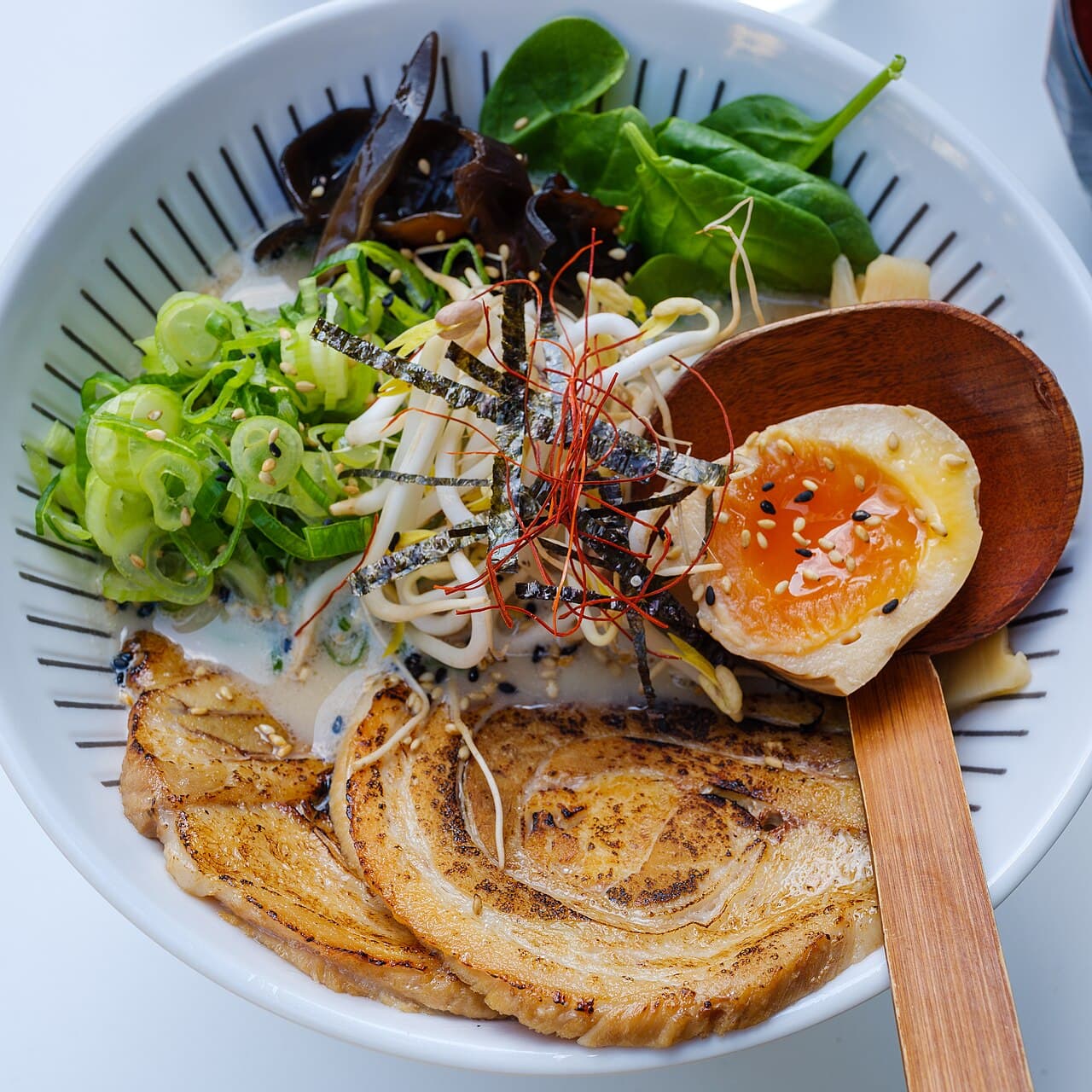
คำตอบสั้น ๆ คือ ราเมงส่วนใหญ่ไม่ใช่วีแกน — แต่ตอนนี้ญี่ปุ่นมีราเมงวีแกนที่ยอดเยี่ยม และการรู้วลีเพียงหนึ่งเปลี่ยนทุกอย่างได้
เติบโตงอกงาม
อาหารวีแกน มังสวิรัติ หรือเพสคาทาเรียนที่วางแผนมาอย่างดี มีประโยชน์ต่อสุขภาพในทุกช่วงวัย — นักโภชนาการกล่าวไว้เช่นนั้น นี่คือสารอาหารไม่กี่อย่างที่ควรวางแผน (ใช่ค่ะ B12) และเหตุผลที่ญี่ปุ่นเป็นหนึ่งในที่ที่เติบโตงอกงามได้ง่ายที่สุด
การเชื่อมโยง
มื้ออาหารครอบครัว เพื่อนที่กังขา และคำถามด้วยความหวังดีว่า 'แล้วได้โปรตีนจากไหน?' นี่คือวิธีอันสงบและมีหลักฐานรองรับในการลดความขัดแย้ง รักษาความสัมพันธ์ให้อบอุ่น และเพิ่มผู้คนที่คิดเหมือนกันทั่วโลก — ด้วยการดึงดูด ไม่ใช่การโต้เถียง
ความเห็นอกเห็นใจ
ภาพจำของ 'วีแกนชอบเทศนา' ซ่อนความจริงที่อ่อนโยนกว่านั้นไว้ นี่คือสิ่งที่งานวิจัยบอกเกี่ยวกับคุณค่า ความเห็นอกเห็นใจ และความเมตตาอันเงียบสงบที่อยู่เบื้องหลังการกินอาหารจากพืช — และเหตุผลที่คุณไม่จำเป็นต้องพิสูจน์ตัวเองเลย
ทำความเข้าใจ
คนส่วนใหญ่เลือกกินอาหารจากพืชด้วยเหตุผลหลายอย่างพร้อมกัน — เพื่อสัตว์ สุขภาพ โลกใบนี้ ความเชื่อ และรสชาติ นี่คือสิ่งที่งานวิจัยบอกไว้จริง ๆ ว่าทำไมความหลากหลายนี้จึงเป็นจุดแข็ง และทำไมคุณถึงเป็นส่วนหนึ่งของที่นี่
Good news
So much of Japan's everyday food is plant-based by nature. A joyful list of things that are usually vegan — plus the one or two quick checks that keep it stress-free.
Before you fly
Five calm steps that turn 'will I be able to eat?' into excitement — phrases, apps, the one trap to learn, and how to plan a trip you'll love.

Every fact on VEGAN JAPAN is checked against at least two independent sources before publication, dated ("as of"), and corrected in public when wrong — this page explains exactly how.
Dietary guide
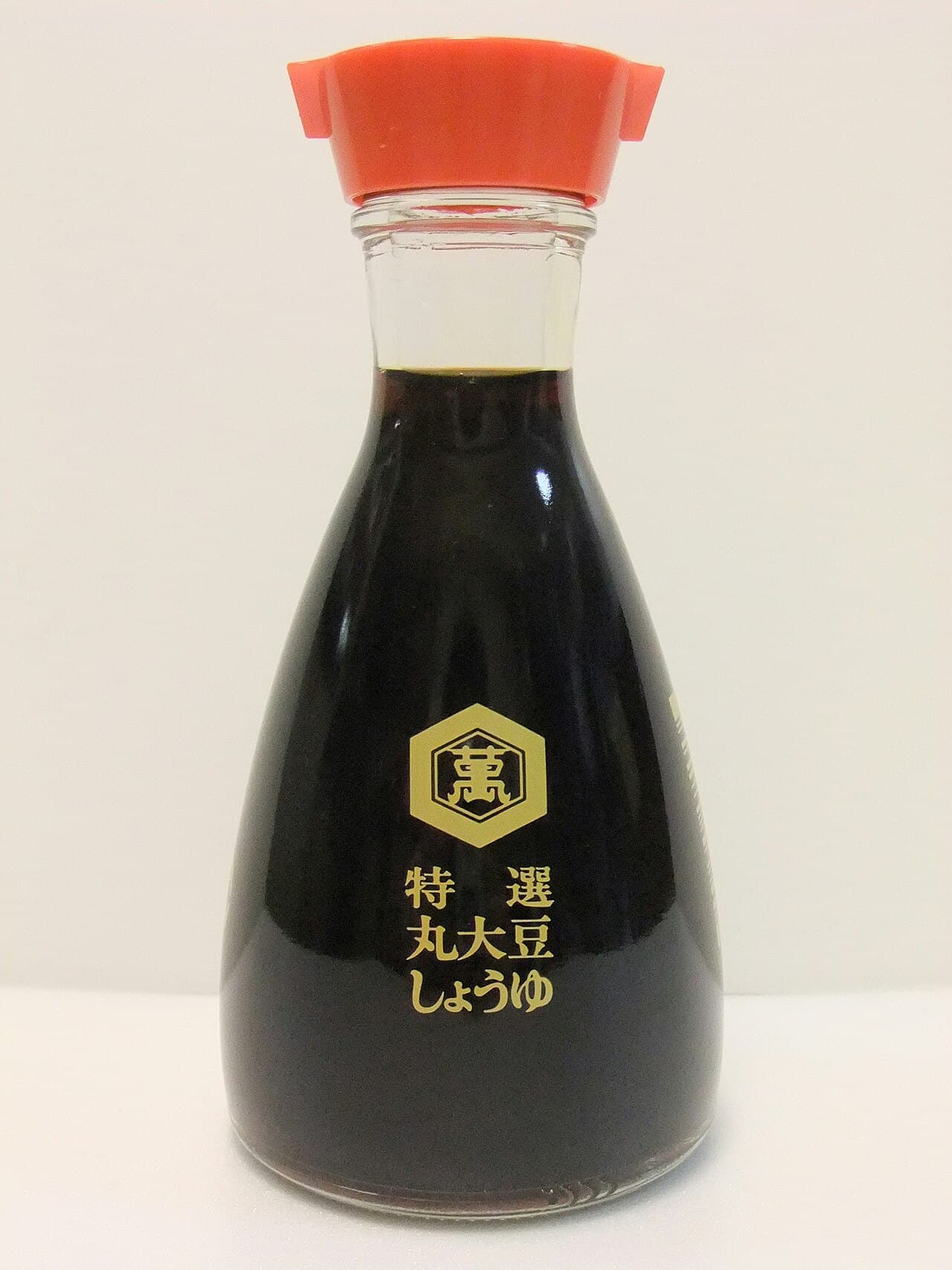
Plain Japanese soy sauce (shoyu) is naturally vegan -- it's fermented from soybeans, wheat and salt, nothing animal-based about the process. The catch is that a lot of what gets called "soy sauce" in restaurants and on shelves isn't plain shoyu at all: tsuyu, ponzu and teriyaki sauce are soy-sauce-based blends that commonly add fish. Here's how to tell them apart, plus the gluten-free tamari option.
Hiroshima
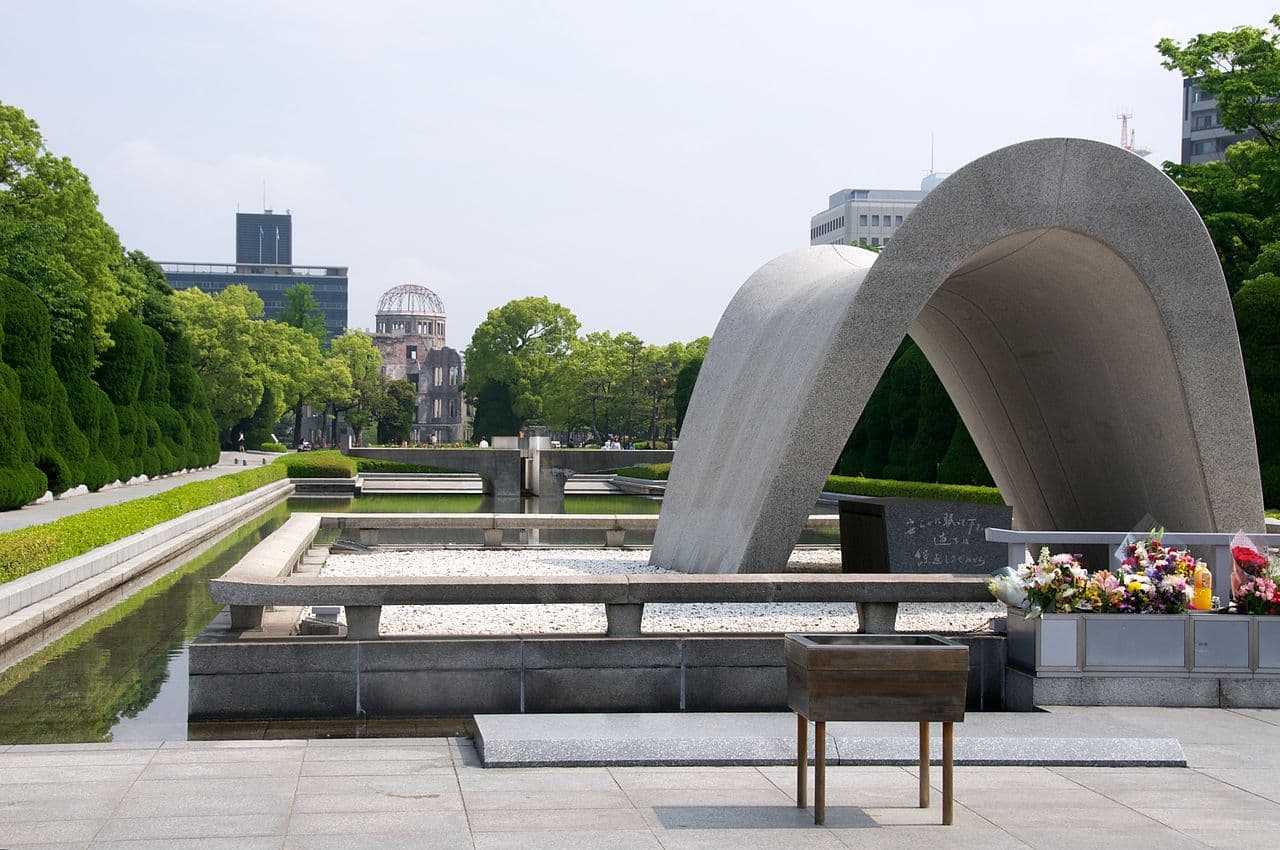
Until May 2025, Hiroshima had no fully vegan restaurant at all -- you could only get vegan-friendly okonomiyaki with the pork and egg left out. That changed with JoGeSaYu, a five-minute walk from Peace Memorial Park. As of July 2026, here's the honest picture: one fully vegan kitchen from two acclaimed chefs, one dedicated vegan-okonomiyaki specialist, and the one souvenir (momiji manju) that actually has a verified vegan version.
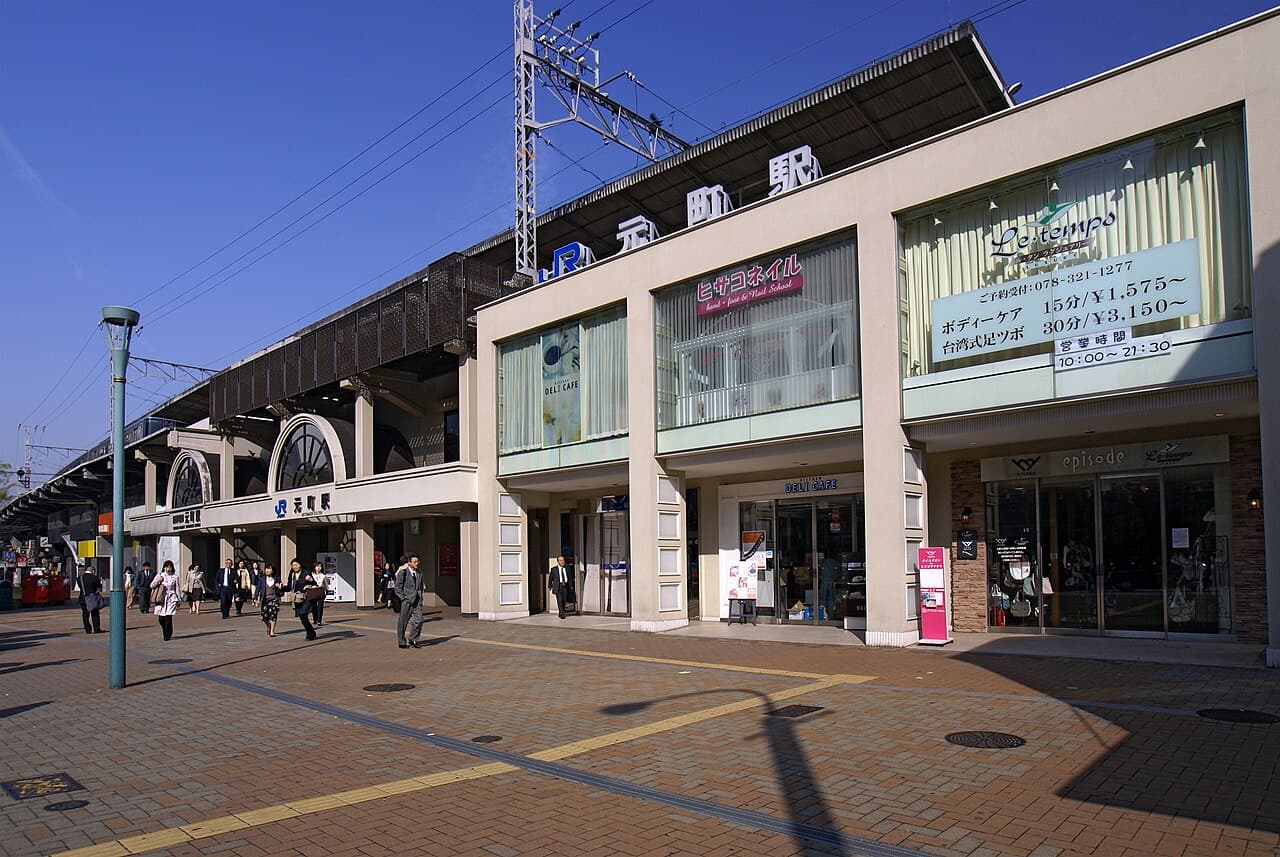
Kobe
Kobe is famous worldwide for a beef so prized it doesn't need a last name -- which makes it an unlikely place to look for vegan food. As of July 2026, three real addresses make it possible: a fully vegan, entirely gluten-free café in Motomachi, a long-running macrobiotic café in Sannomiya with clearly marked vegan dishes, and an Egyptian-run falafel counter between the two. Here's where to go, what to order, and why 'no meat' isn't the same as 'no dashi.'
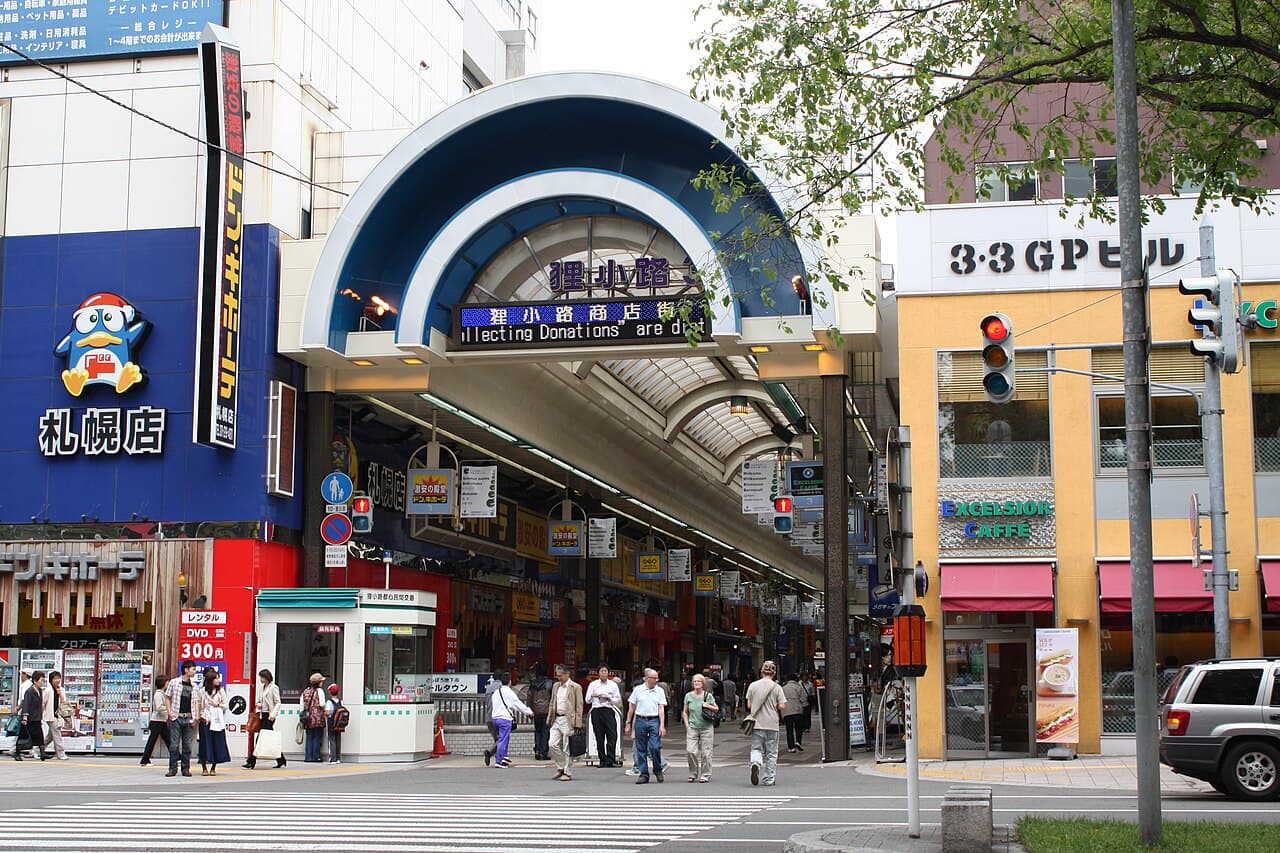
ซัปโปโร
วัฒนธรรมอาหารของซัปโปโรสร้างขึ้นจากผลิตภัณฑ์นม ราเมงมิโซะ และจิงกิสข่าน สามสิ่งที่ชาววีแกนต้องเลี่ยงมากที่สุด ข้อมูล ณ เดือนกรกฎาคม 2026 มี 3 ร้านที่ควรวางแผนวันเที่ยวรอบๆ ได้แก่ ร้านอาหารญี่ปุ่นวีแกน 100% ในมารุยามะ ร้านราเมงวีแกนที่เป็นมิตรกับฮาลาลในซูซูกิโนะ และเชนซุปแกงวีแกนที่มีหลายสาขาทั่วเมือง นี่คือที่ที่ควรไป สิ่งที่ควรสั่ง และกับดักเฉพาะของฮอกไกโด (เนย ครีม เนื้อแกะ) ที่ต้องระวัง
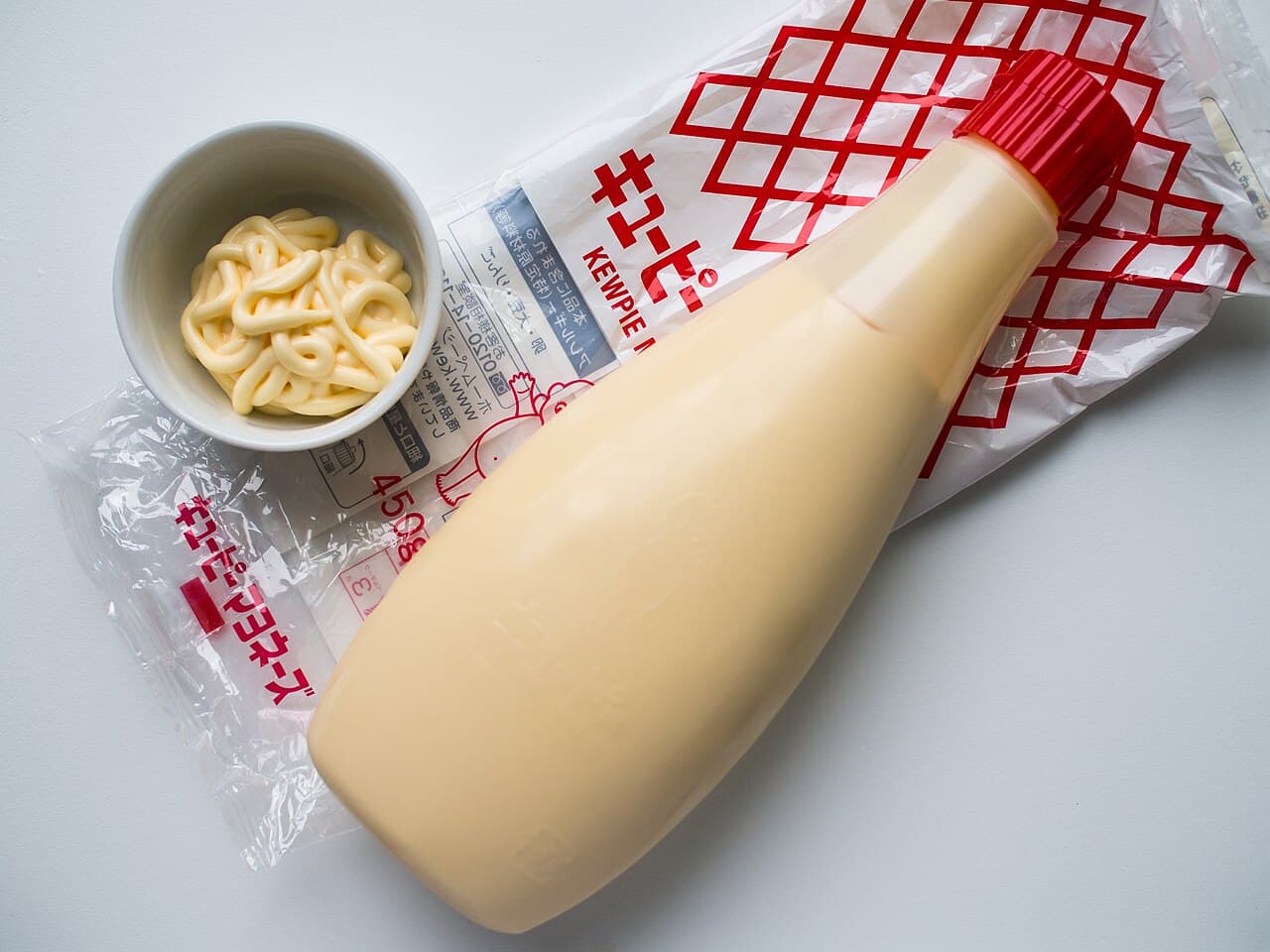
Dietary guide
No -- standard Kewpie Mayonnaise is built on egg yolk (about 3.6 yolks per 450g bottle, by Kewpie's own figures). The same company also makes an official all-plant Kewpie Vegan Mayonnaise, so the fix is checking the specific bottle, not avoiding the brand. For vegetarians who eat egg, though, the standard bottle is fine -- the label lists no meat or fish ingredients.

Dietary guide
No — no Pocky flavor is vegan. Glico's own labels list whole milk powder or lactose in every standard flavor — Chocolate, Cookies & Cream, Almond Crush and Matcha alike — and Glico itself confirms there is no vegan Pocky at the moment. The dairy is in the coating, not the biscuit stick.
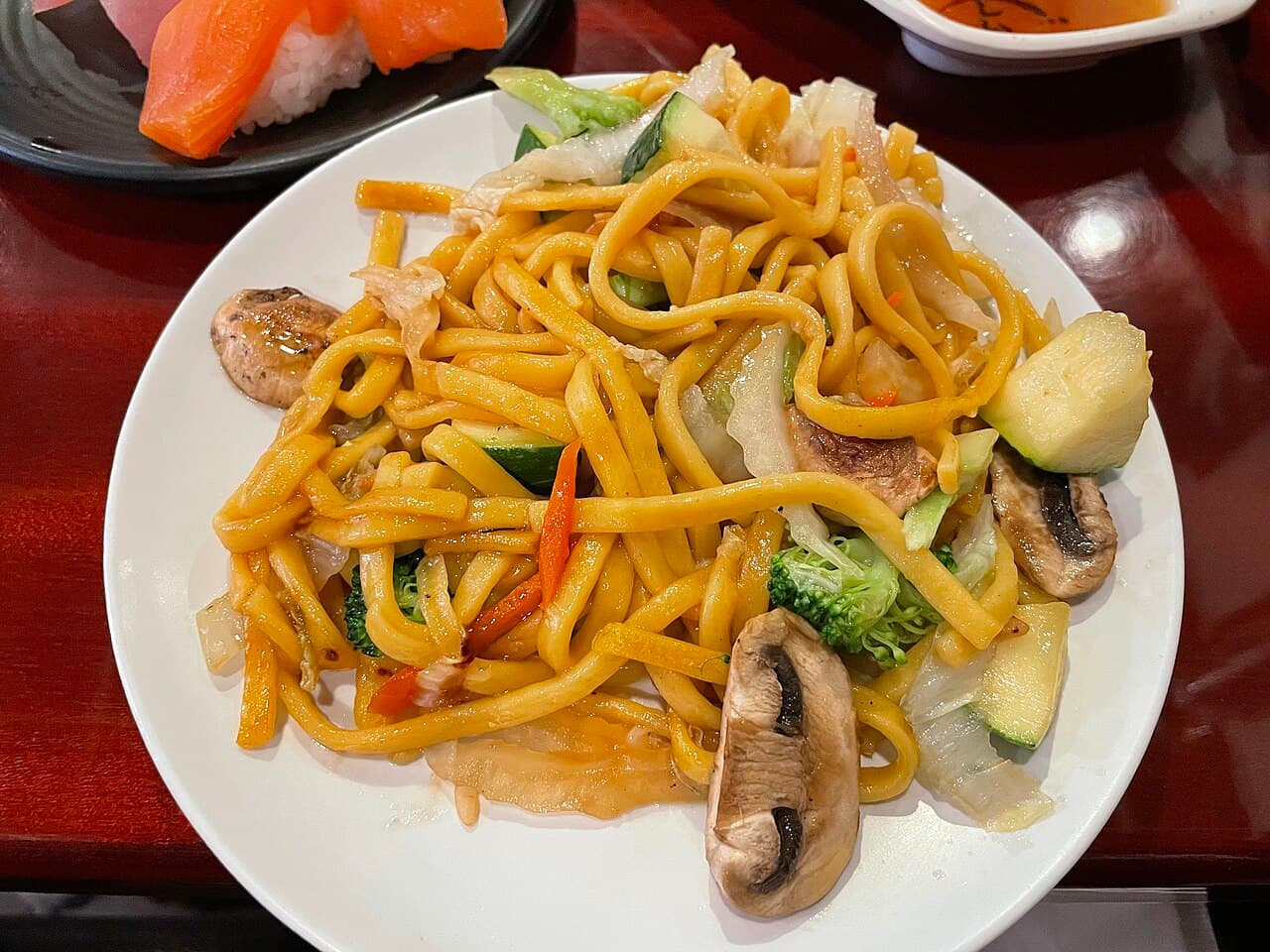
Dietary guide
Usually not. The noodles themselves are just wheat and water, but Otafuku's standard yakisoba sauce -- Japan's dominant brand -- lists oyster extract, meat extract and fish extract. A dedicated vegan version of the same sauce exists for the US market, but it isn't the one used at a Japanese festival stall. The sauce rules out vegetarians too, not just vegans -- only the plain noodles are safe.
Dietary guide
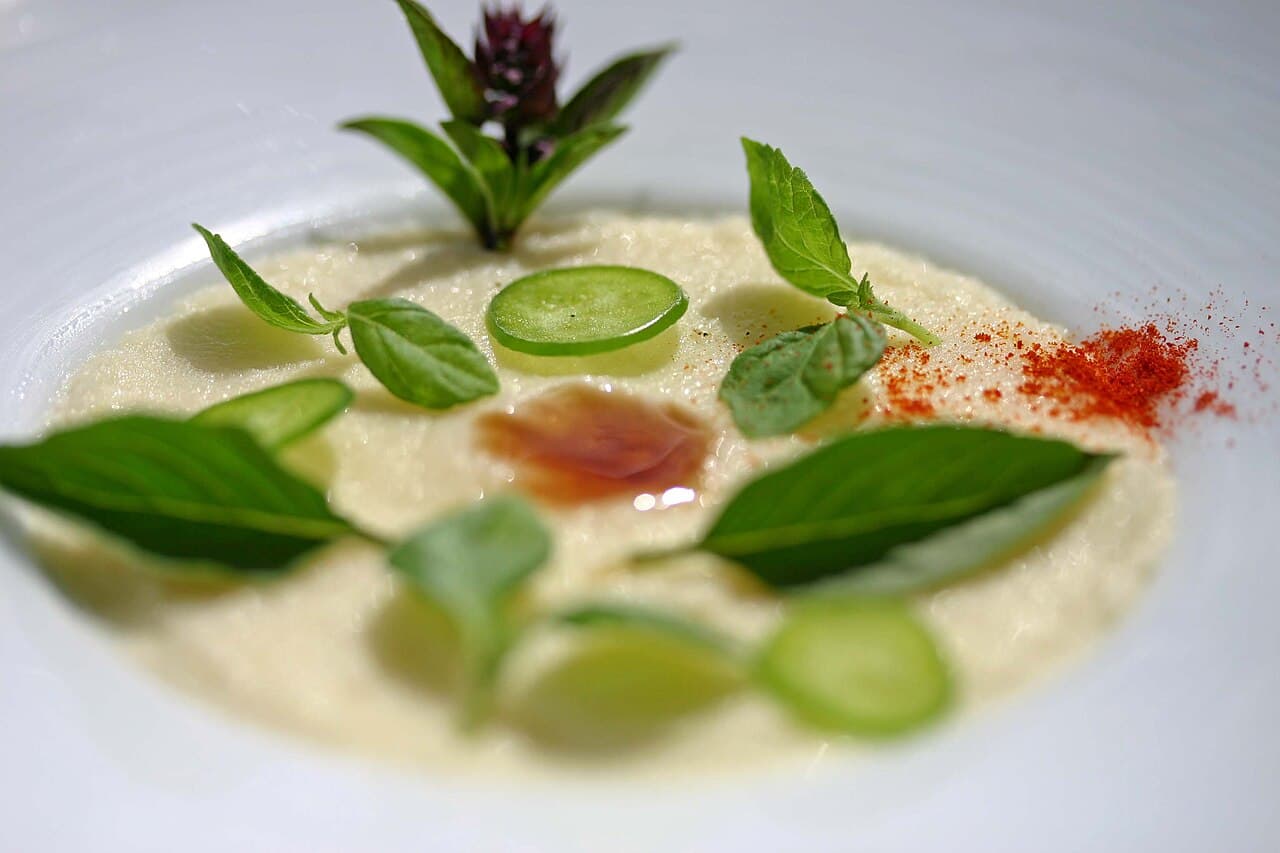
Usually not. Most bottled ponzu -- including Kikkoman's standard citrus ponzu sauce -- lists bonito (fish) extract as an ingredient. A few dashi-free versions exist, and it's simple to make bonito-free ponzu at home with kombu. The same bonito rules it out for vegetarians too, not just vegans.
Dietary guide
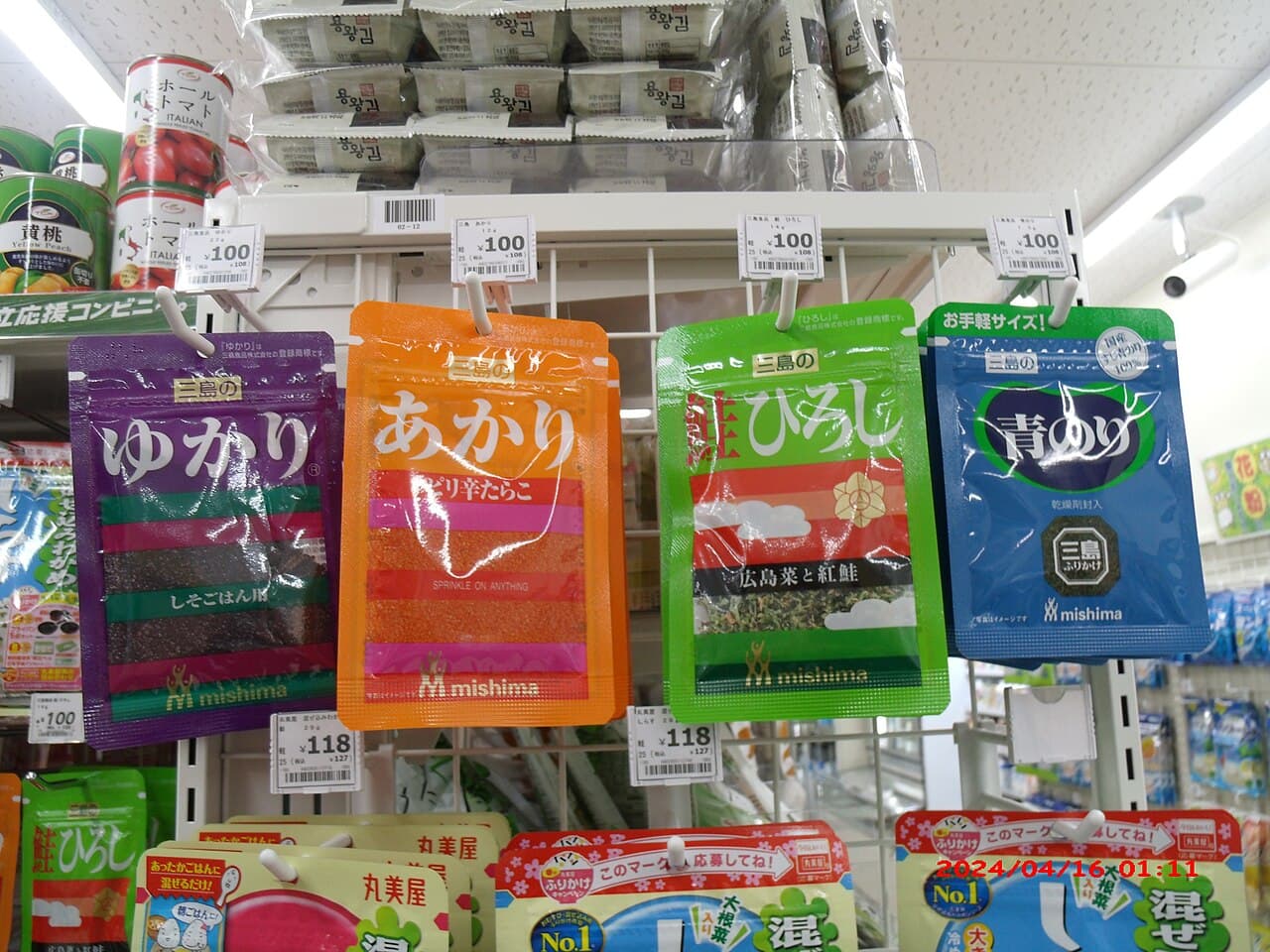
It depends on the flavor. Japan's two best-selling furikake are out: noritama is built on egg and katsuo/okaka on bonito fish — so the katsuo kind isn't even vegetarian. Yukari (shiso) and plain seaweed-sesame blends with no fish "extract" on the label are the reliable plant-based picks.
