
บรรณาธิการคัดสรร
ราเมงวีแกนที่ดีที่สุดในโตเกียว: ชามที่ไม่ใช้ดาชิปลาเลยแม้แต่น้อย
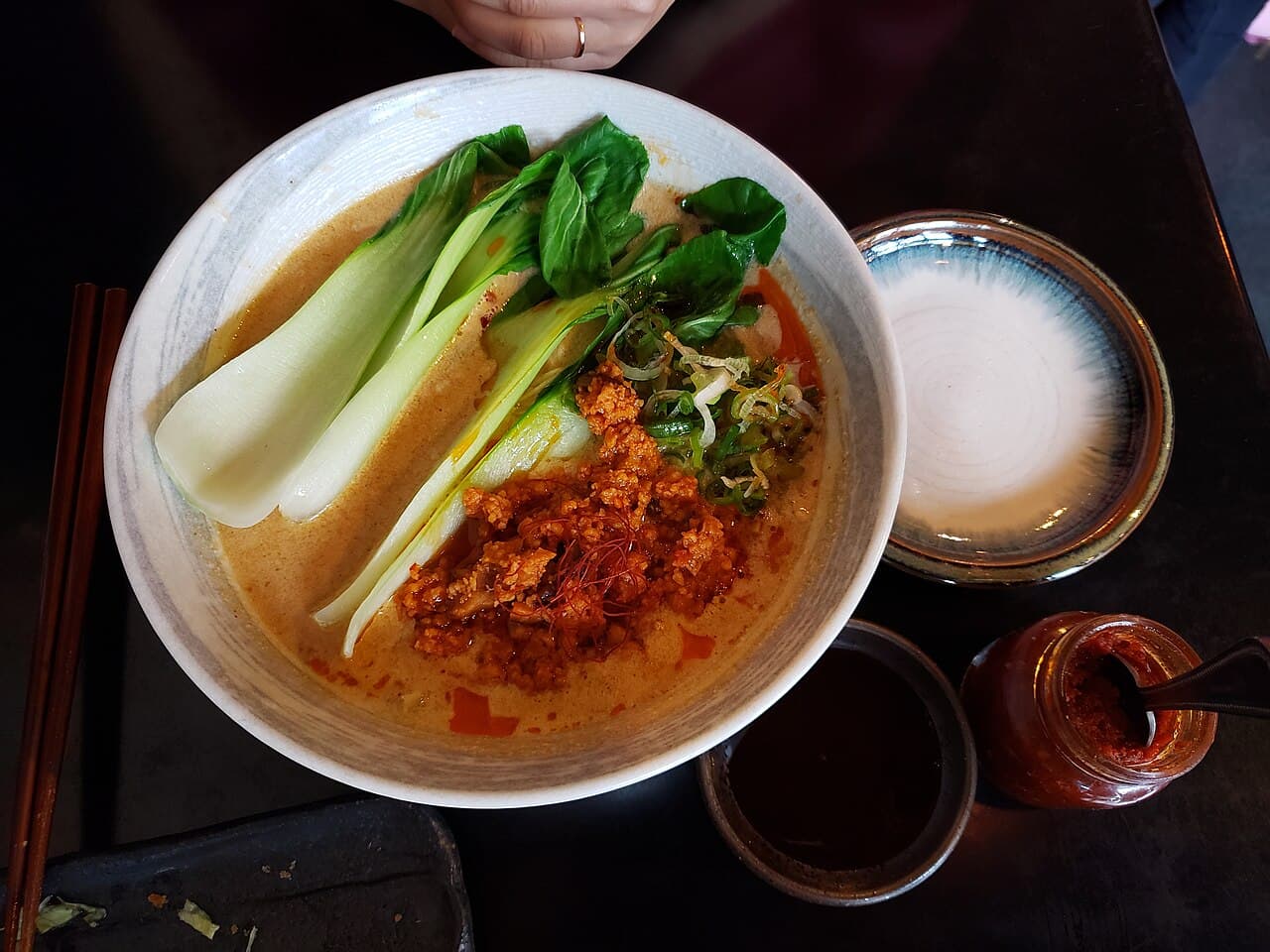
ทำไมราเมงวีแกนถึงทำยาก—และร้านเหล่านี้ทำได้ถูกต้อง
ราเมงคลาสสิกเป็นหนึ่งในอาหารที่เป็นมิตรกับวีแกนน้อยที่สุดในญี่ปุ่น: น้ำซุปมักเป็นกระดูกหมู (ทงคตสึ) หรือไก่ เครื่องปรุงมักมี ดาชิปลาโบนิโตะหรือปลาตัวเล็ก (นิโบชิ) และแม้แต่ชาม 'โชยุ' ก็อาจซ่อนไขมันสัตว์ไว้ ชามที่ ดูเหมือน ไม่มีเนื้อสัตว์บ่อยครั้งกลับไม่ใช่ ร้านด้านล่างนี้ต่างออกไป—พวกเขา เป็นพืชล้วนโดยการออกแบบ สร้างความลึกจากคมบุ ชิตาเกะ งา และมิโสะ แทนที่จะเป็นปลาและหมู คำเตือนที่ซื่อตรงหนึ่งข้อสำหรับผู้ป่วยเซลิแอค: ราเมงและโซบะทั่วไปมีข้าวสาลี ดังนั้น 'วีแกน' จึงไม่ได้แปลว่า 'ปลอดกลูเตน' เว้นแต่ร้านจะบอกไว้
ร้านที่แนะนำ
T's TanTan ในสถานีโตเกียวเป็นชามแรกที่เข้าถึงง่าย—ทันทันเมงวีแกน 100% ที่น้ำซุปงาเนียนนุ่มหลอกคนกินเนื้อตัวยงได้ และอยู่ในเขตประตูตรวจตั๋วพอดี เหมาะแวะพักระหว่างต่อรถ Vegan Ramen UZU Tokyo ที่โทโยสุเสิร์ฟราเมงมิโสะคมบุ-ชิตาเกะในห้องอาหาร teamLab ที่ล้อมด้วยกระจก ราวกับกินอยู่ในกล้องคาไลโดสโคป Vegan Bistro Jangara ที่ฮาราจูกุ เปิดในปี 2021 โดยเครือราเมง Jangara แห่งคิวชู เป็นบิสโทรวีแกนล้วนครอบคลุมทั้งราเมง แกงกะหรี่ และคาราอาเกะ ใกล้ ๆ กัน Tokyo Vegan Ramen Center (เปิดมิถุนายน 2025) รังสรรค์น้ำซุปงา-ทาฮินีเข้มข้นด้วยเนื้อถั่วเหลืองและผักสด หากต้องการอะไรที่แปลกกว่านั้น Chabuzen ที่ชิโมกิตาซาวะเป็นร้านทาทามิเล็ก ๆ ที่ราเมงสมุนไพรทุกชามเป็นพืชล้วนและตั้งอยู่บนข้าวกล้องงอก และหากอยากเปลี่ยนเป็นเส้นอื่น Vegan Soba Ayler—ที่ชิโมกิตาซาวะเช่นกัน—เป็นร้านโซบะแบบยืนกินที่ใช้น้ำซุปคมบุพืชล้วน (เส้นนิฮาจิคือบัควีท 80% ข้าวสาลี 20% จึงเป็นวีแกนแต่ไม่ปลอดกลูเตน)
วิธีสั่งอย่างปลอดภัย
ที่ร้านวีแกนเฉพาะทาง เมนูทั้งหมดปลอดภัย ซึ่งนั่นคือจุดเด่น—คุณสั่งอะไรก็ได้โดยไม่ต้องซักไซ้เรื่องน้ำซุป หากคุณหลีกเลี่ยงเครื่องเทศฉุนทั้งห้า (หัวหอม กระเทียม) ด้วย ให้ถาม เพราะบางชามพืชล้วนยังใช้อยู่ และหากกังวลเรื่องกลูเตน ให้ยืนยันเส้น: ส่วนใหญ่ใช้ข้าวสาลี มีเพียงไม่กี่ร้านที่เสนอทางเลือกแป้งข้าวเจ้าหรือบัควีท
อันดับประจำเดือน
T's TanTan (Tokyo Station)
ทันทันเมงงาดำทอง (วีแกน)
เคาน์เตอร์ทันทันเมงวีแกน 100% ภายในประตูตรวจตั๋วสถานีโตเกียว ซุปงาเข้มข้นหลอกแม้แต่คอราเมงตัวยง เหมาะกับการแวะระหว่างเปลี่ยนขบวน
- มังสวิรัติ
- วีแกน
- ปลอดนม
- มาคนเดียว
Vegan Ramen UZU Tokyo
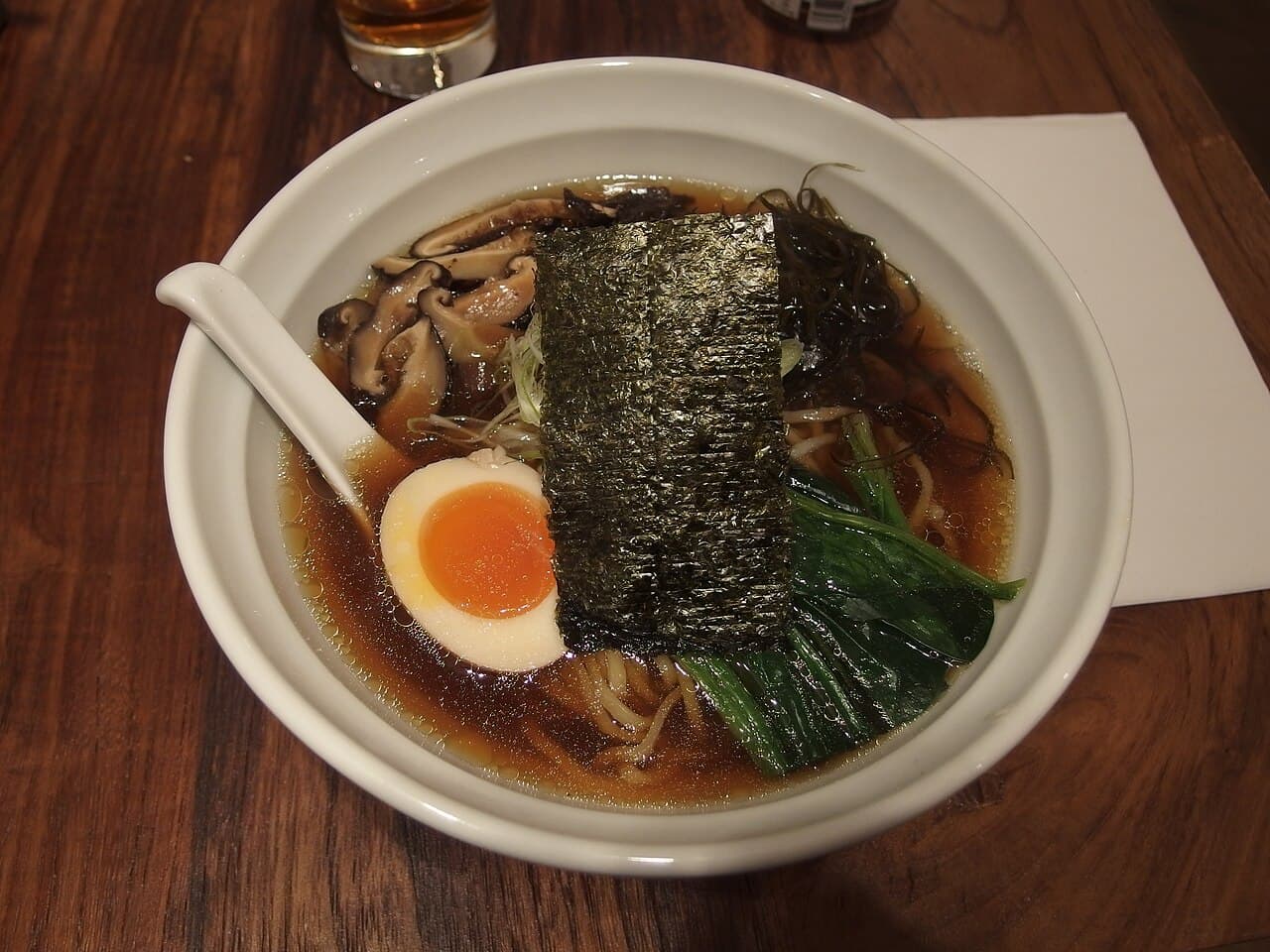
ราเมงมิโซะวีแกนสไตล์ UZU
ซดราเมงมิโซะคอมบุและเห็ดหอม ท่ามกลางงานศิลปะกระจกสะท้อนของ teamLab ในห้องอาหารที่เหมือนก้าวเข้าไปในกล้องคาไลโดสโคป
- วีแกน
- มังสวิรัติ
- ปลอดนม
- เดท
- มาคนเดียว
Vegan Bistro Jangara
ราเมงวีแกนและจานเนื้อถั่วเหลืองย่าง
บิสโทรวีแกนล้วนชั้นสองในฮาราจูกุ เปิดปี 2021 โดยเครือราเมงคิวชูจังการะ เมนูครอบคลุมราเมงวีแกน แกงกะหรี่ จานเนื้อถั่วเหลืองย่าง เกี๊ยวซ่า และคาราอาเกะ
- วีแกน
- มังสวิรัติ
- สบายๆ
- มาคนเดียว
Tokyo Vegan Ramen Center
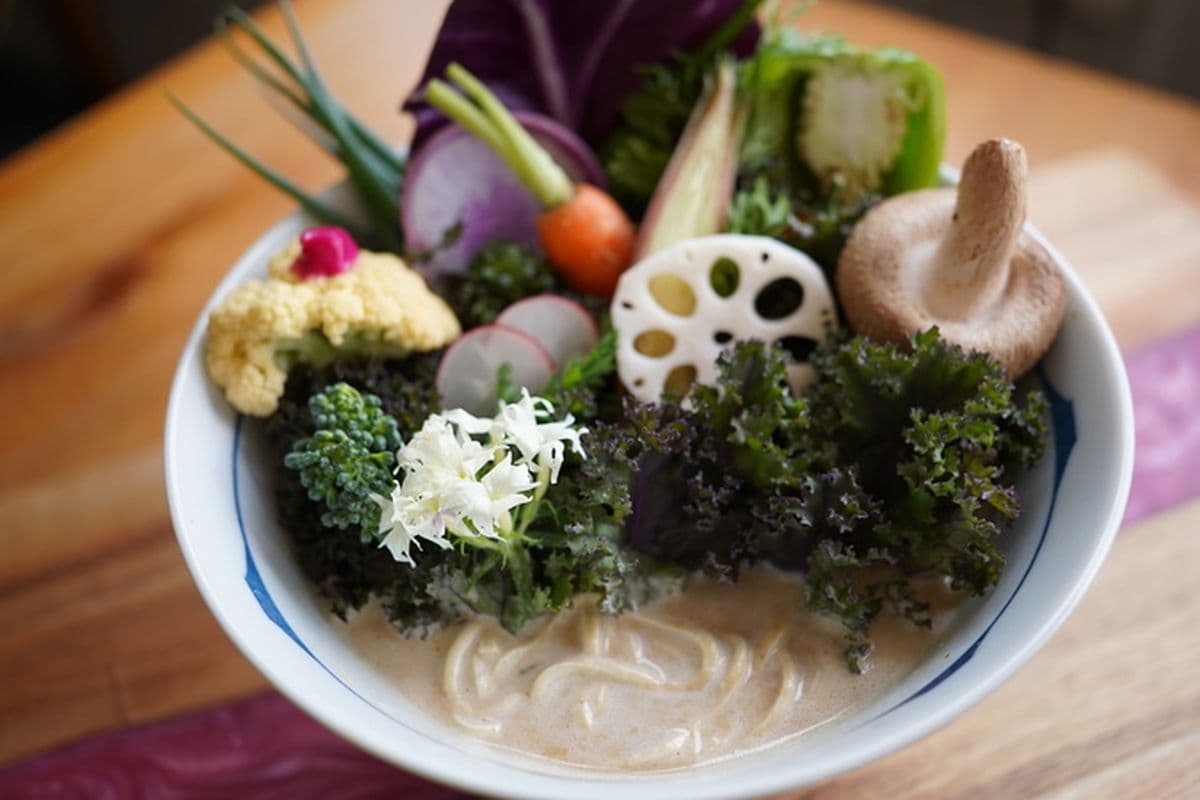
ราเมงน้ำซุปงาทาฮินีเข้มข้นกับเนื้อถั่วเหลืองและผักสด
ร้านราเมงวีแกน 100% ที่เปิดเดือนมิถุนายน 2025 ใกล้ลาฟอเรต์ฮาราจูกุ ห่างจากสถานีเมจิจิงกูมาเอะไม่กี่นาที ชามเด่นจับคู่น้ำซุปงาทาฮินีเข้มข้นกับเนื้อถั่วเหลืองและผักสดสีสันสดใส
- วีแกน
- มังสวิรัติ
- สบายๆ
- มาคนเดียว
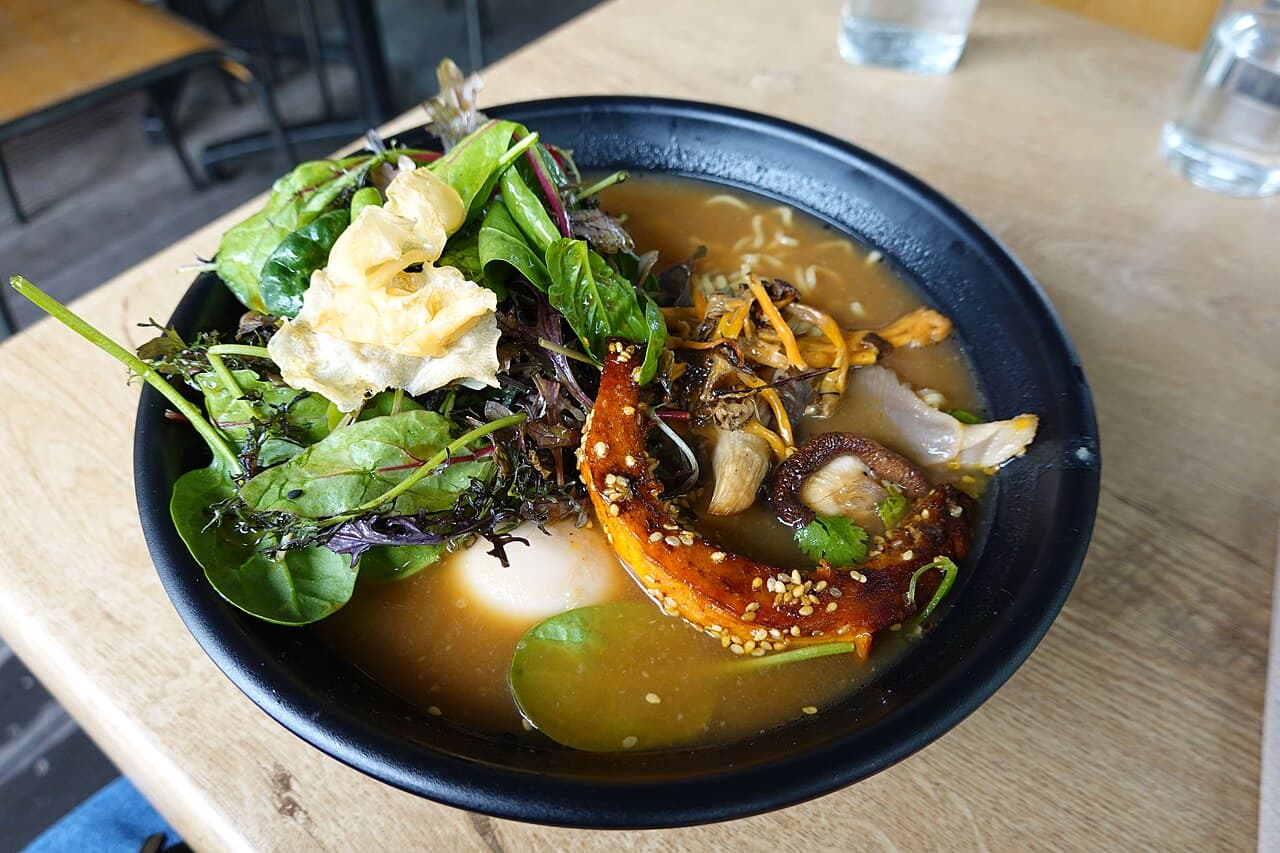
Chabuzen Shimokitazawa
ราเมงแกงกะหรี่วีแกนกับข้าวกล้องงอก
ร้านเล็กๆ พื้นทาทามิในตรอกชิโมกิตาซาวะ ที่ราเมงสมุนไพรเข้มข้นทุกชามเป็น plant-based 100% และทำจากข้าวกล้องงอก
- มังสวิรัติ
- วีแกน
- ปลอดกลูเตน
- มาคนเดียว
- สบายๆ
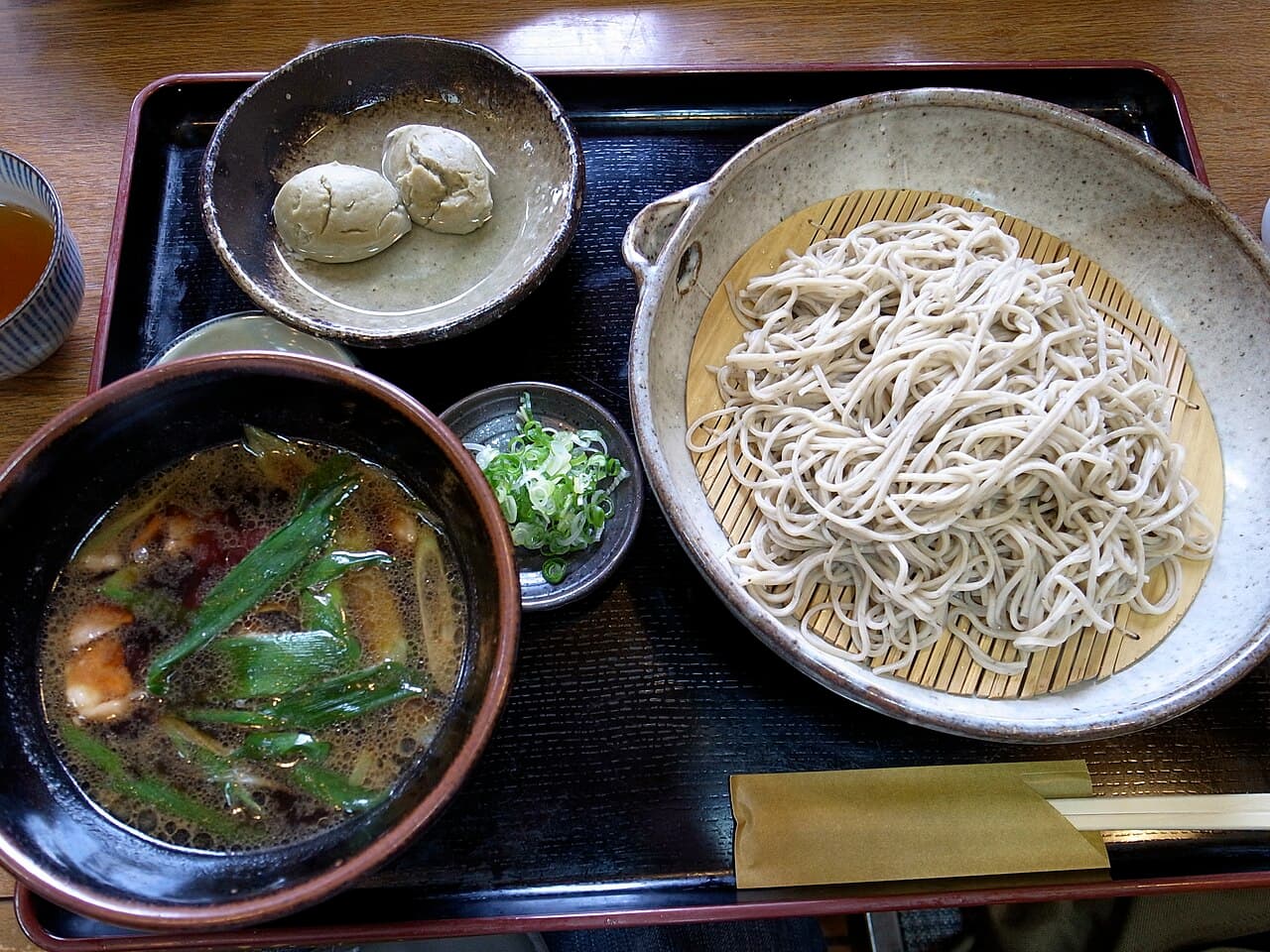
Vegan Soba Tokyo Ayler
เทมปุระโซบะวีแกนและซารุโซบะกับน้ำซุป plant-based
ร้านโซบะยืนทานเล็กๆ ในชิโมกิตาซาวะ (เปิดปี 2024) เสิร์ฟนิฮาจิโซบะกับน้ำซุปคอมบุ plant-based ล้วนและเครื่องเคียง จึงไม่มีโบนิโตะหรือดาชิปลา เส้นเป็นนิฮาจิ (บัควีท 80% ข้าวสาลี 20%) จึงวีแกนแต่ไม่ปลอดกลูเตน เปิดเฉพาะกลางวันและปิดต้นสัปดาห์ ควรเช็กเวลาก่อนไป
- วีแกน
- มังสวิรัติ
- ปลอดนม
- สบายๆ
- มาคนเดียว
คำถามที่พบบ่อย
- ราเมงทั่วไปในญี่ปุ่นเป็นวีแกนไหม?
- แทบไม่เคย น้ำซุปมักเป็นหมูหรือไก่ และแม้แต่ชามซีอิ๊ว (โชยุ) ก็มักมีดาชิปลาโบนิโตะหรือนิโบชิ หากต้องการกินราเมงวีแกนอย่างปลอดภัย ให้ไปร้านที่เป็นพืชล้วนโดยการออกแบบ เช่นร้านในคู่มือนี้
- ราเมงวีแกนปลอดกลูเตนด้วยไหม?
- มักจะไม่ ราเมงและโซบะทั่วไปมีข้าวสาลี ดังนั้นชามวีแกนจึงไม่ได้ปลอดกลูเตนโดยอัตโนมัติ ยืนยันเส้นกับทางร้าน—มีเพียงไม่กี่ร้านที่เสนอทางเลือกแป้งข้าวเจ้าหรือบัควีทล้วน