
Before you go
Is Japan vegan-friendly? An honest guide
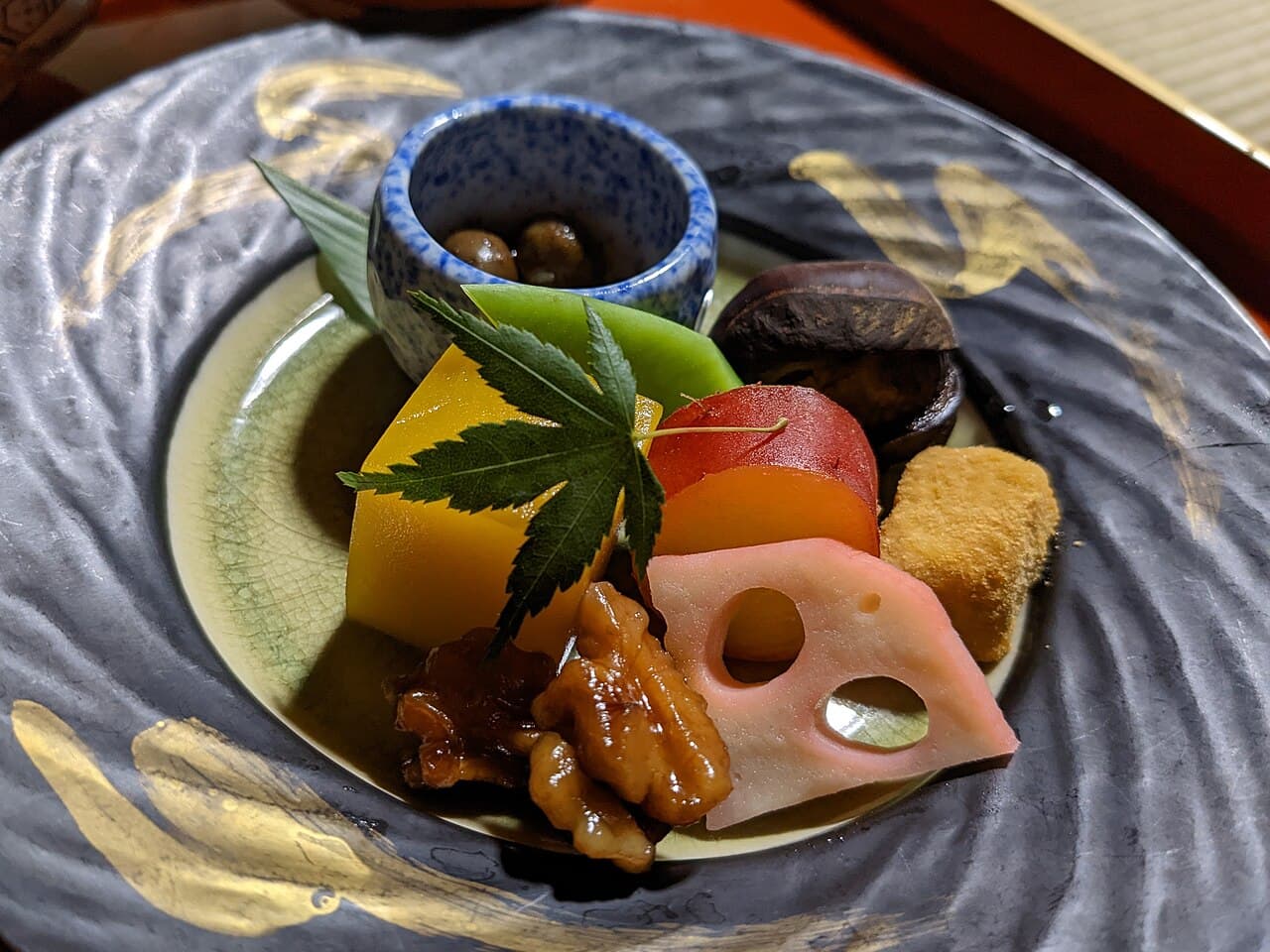
The honest short answer
Japan is more vegan-friendly than you fear, and a little less than you hope — and entirely doable with a small amount of planning. Tokyo, Kyoto and Osaka are genuinely good and improving every year; smaller towns need preparation. The single thing that catches travellers is dashi — fish stock (bonito or sardine) that hides in soups, sauces and "vegetable" dishes that otherwise look plant-based.
What's genuinely good
- Big cities deliver. Tokyo and Kyoto have dense clusters of dedicated vegan and vegetarian restaurants, from ramen to sweets.
- A centuries-old plant-based cuisine. Shōjin ryōri, Buddhist temple cooking, is fully plant-based by design — one of the world's oldest vegan culinary traditions, and a beautiful meal to plan around.
- Konbini and supermarkets are catching up. Onigiri fillings like ume (pickled plum) and konbu (kelp), edamame, plain tofu, fruit, soy milk and a growing range of plant-based products make day-to-day easy. See where to buy plant-based food.
- English menus and labelling are rising, especially in tourist areas.
What's genuinely hard
- Dashi is everywhere. Miso soup, simmered dishes, dipping sauces and even some pickles use fish stock. "No meat" does not mean "no fish."
- "Vegetarian" is often misunderstood to still include fish, dashi or egg. Be specific.
- Group dining and rural areas take more effort — plan ahead and carry your phrases.
Your simple plan
- *Learn one word: dashi.* It unlocks 80% of the problem.
- Carry the phrases. Save our vegan phrasebook to show staff offline.
- Pin restaurants in advance with the finder and the map.
- *Plan one shōjin meal* for a memorable, worry-free highlight.
- Stock konbini staples for travel days.
- Know the dish answers before you order: is ramen vegan? · is sushi vegan?
Want to see the upside of all this effort? Our plant-based impact tool adds up what your trip's meals save. Japan rewards a little planning with some of the best plant-based food in the world.
Sources
คำถามที่พบบ่อย
- Can vegans eat at konbini (convenience stores) in Japan?
- Yes, with care. Safe staples include ume (pickled plum) and konbu (kelp) onigiri, edamame, plain tofu, fruit, nuts and soy milk. Always check labels, as some onigiri and breads contain fish, egg or dairy.
- Do Japanese restaurants understand 'vegan'?
- Increasingly in big cities, less so in rural areas. The reliable approach is to be specific — say no meat, no fish, and no dashi (fish stock) — rather than relying on the word 'vegan' or 'vegetarian' alone.
- Is saying 'vegetarian' safe in Japan?
- Not always. 'Vegetarian' is often understood to still allow fish, dashi or egg. State exactly what you avoid, and use a written phrase card to be sure.
- Which city in Japan is most vegan-friendly?
- Tokyo has the largest number of dedicated vegan and vegetarian restaurants, with Kyoto and Osaka close behind. Kyoto also offers shōjin ryōri, traditional fully plant-based temple cuisine.
- Is Japan vegan-friendly?
- Yes, with a little planning — Japan is more vegan-friendly than you fear and a little less than you hope. Tokyo, Kyoto and Osaka are genuinely good and improving every year, while smaller towns need preparation. The one trap to learn is dashi, the fish stock (bonito or sardine) hidden in soups, sauces and "vegetable" dishes that otherwise look plant-based.
- What is dashi, and why does it matter for vegans in Japan?
- Dashi is Japanese fish stock, made from bonito or sardine, and it turns up in miso soup, simmered dishes, dipping sauces and even some pickles. That is why "no meat" does not mean "no fish" in Japan — learning this one word unlocks about 80% of the problem for vegans.