No wheat, barley or rye — and yes, normal soy sauce contains wheat.
Gluten-free in Japan
Naively, Japanese food looks gluten-friendly: rice, fish, vegetables. But the seasoning tells another story. Ordinary soy sauce (shoyu) is brewed with wheat, and it's everywhere — sushi, teriyaki, gyudon, dipping sauces, marinades. Tamari, a wheat-free soy sauce, exists but isn't the default.
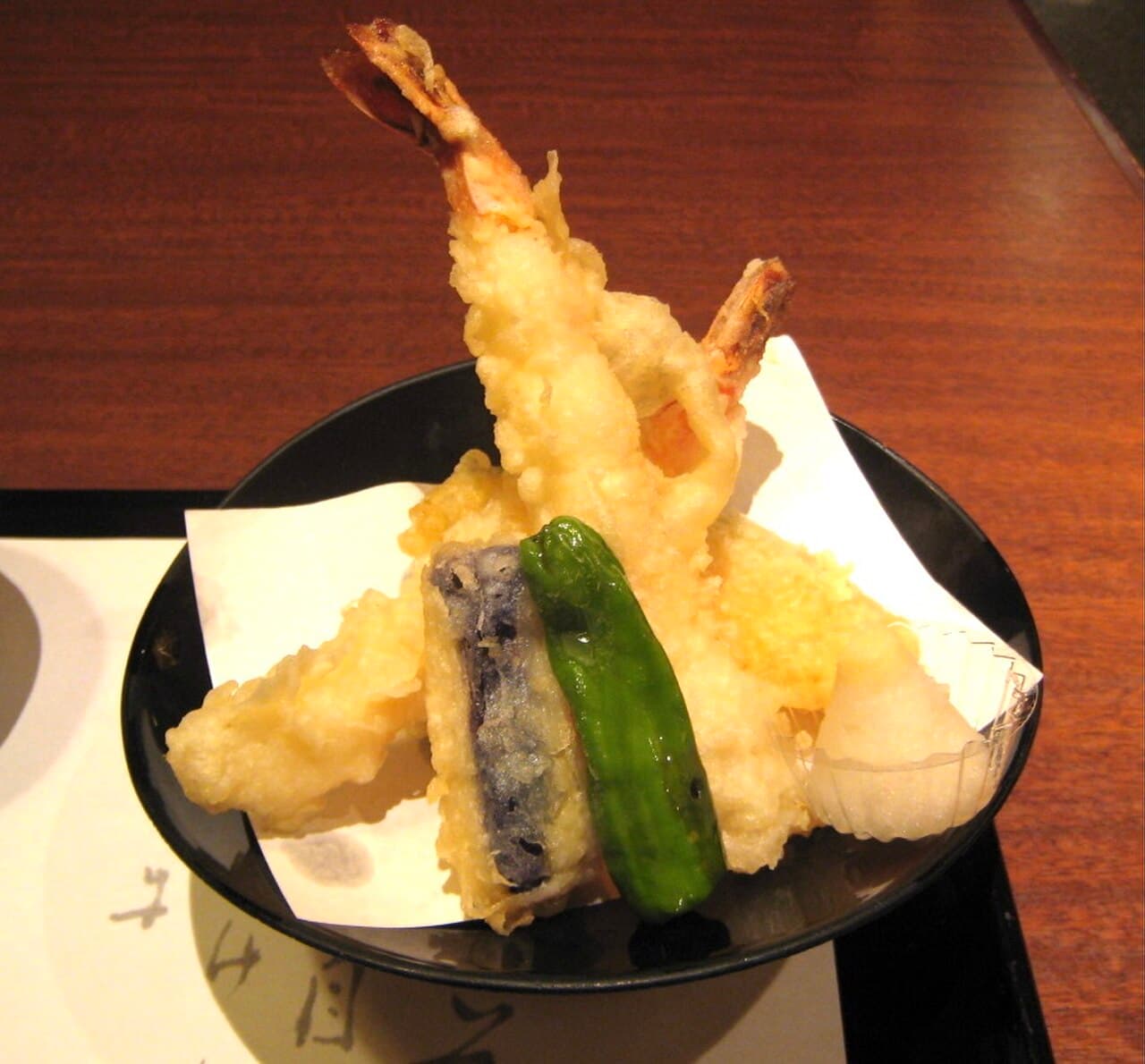
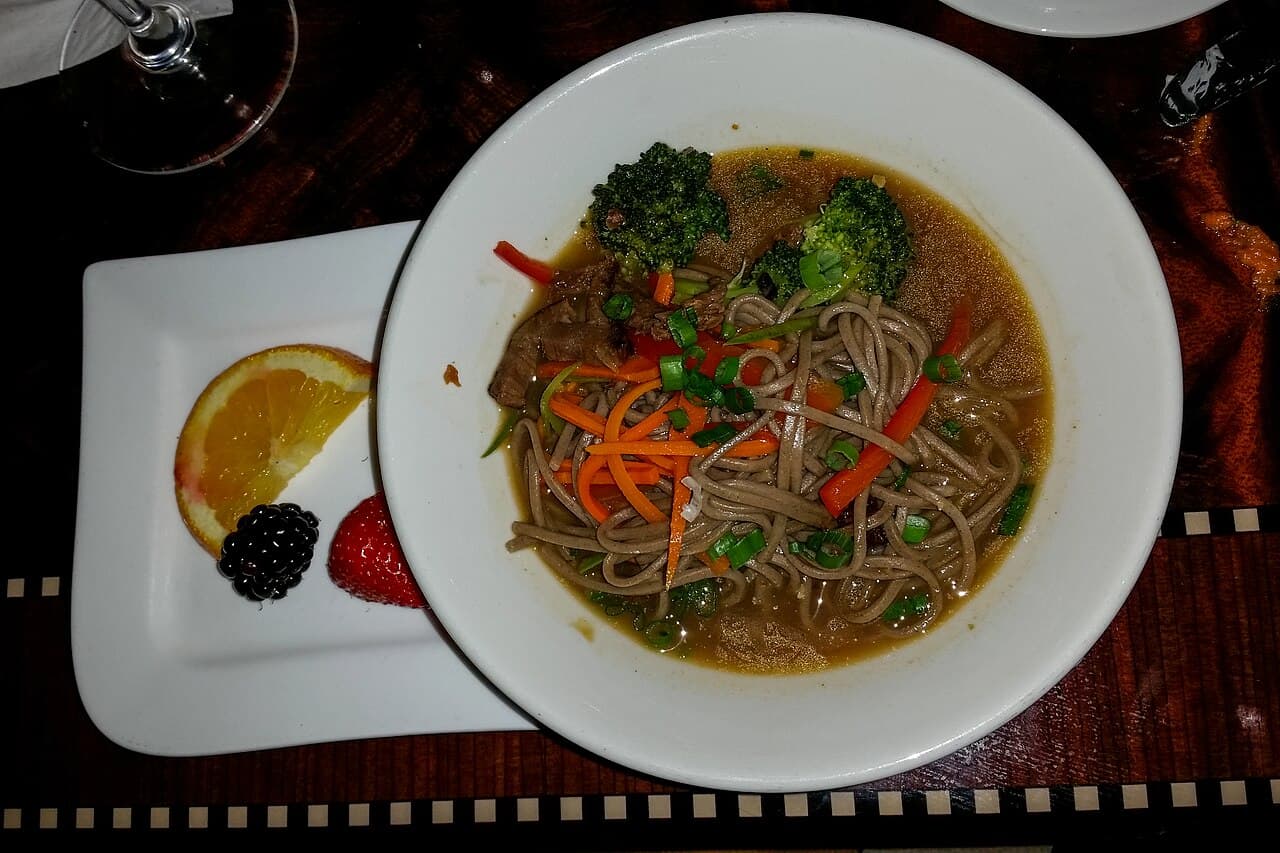
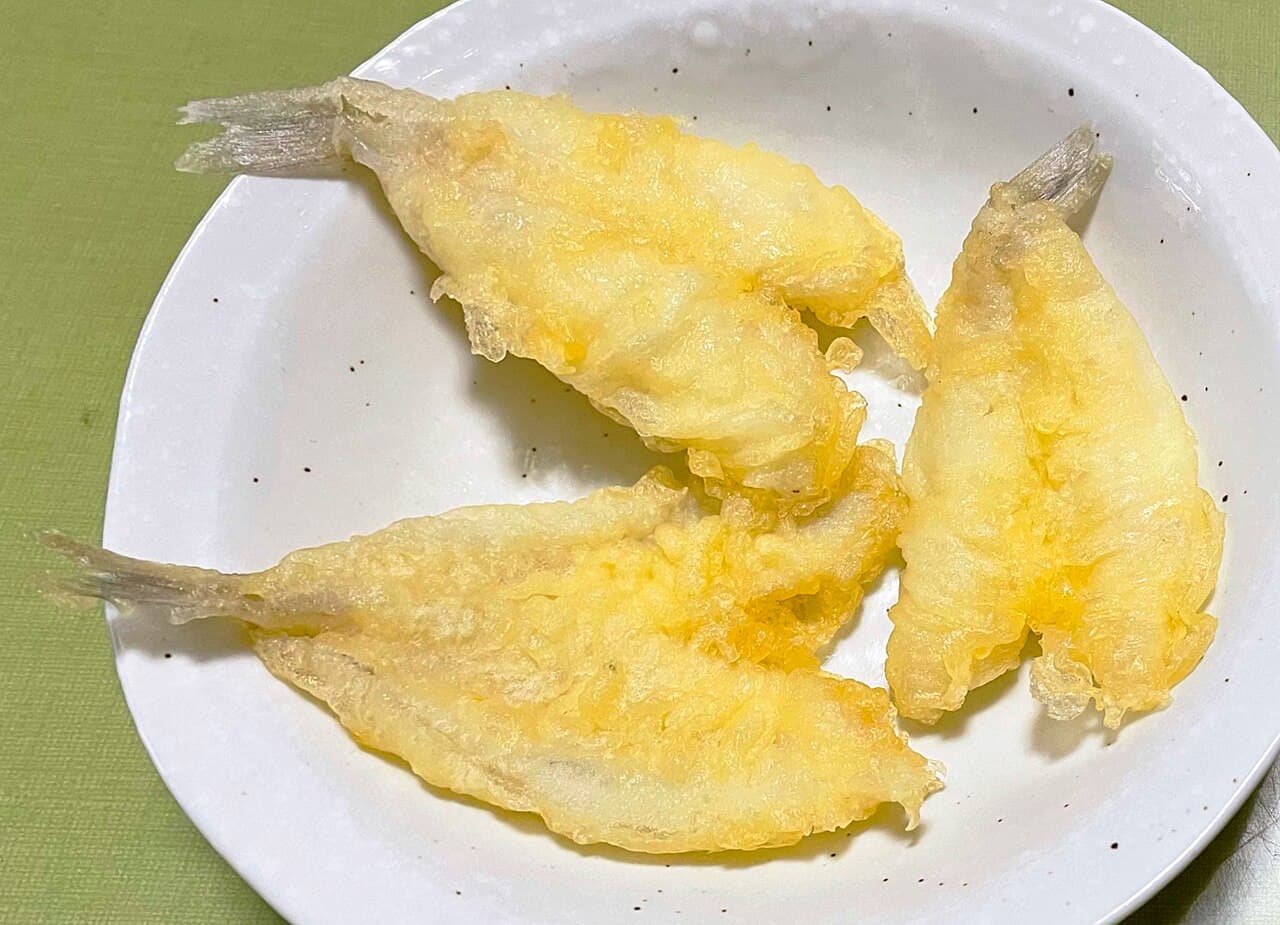
Other traps: soba noodles often contain wheat flour (look for juwari / 100% buckwheat), tempura and tonkatsu are wheat-battered, udon and ramen are wheat noodles, and miso can include barley.
Naturally safe anchors
Sashimi (with tamari or salt), plain rice, grilled fish (shioyaki, salted not sauced), yakitori ordered shio (salt) not tare (sauce), and juwari soba are reliable. A growing number of restaurants now offer gluten-free menus and tamari. Filter for them here and confirm with the phrases below — note that severe coeliac diners should always flag cross-contamination.
What to watch for in Japan
Soy sauce (shoyu) — brewed with wheat; ask for tamari
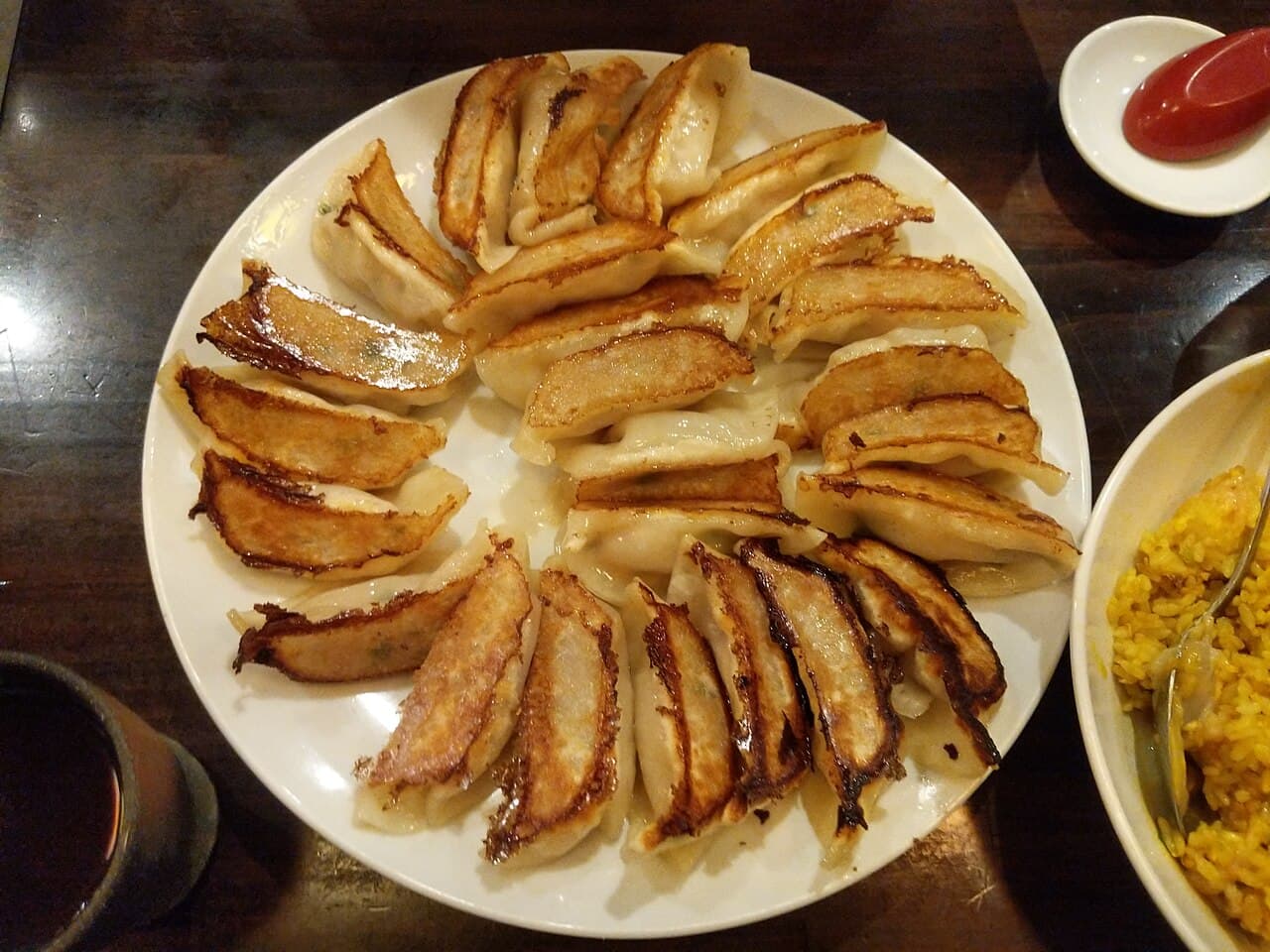
Tempura, tonkatsu, korokke, gyoza skins — all wheat
Soba can be cut with wheat flour (choose juwari = 100% buckwheat)
Udon and ramen are wheat noodles; some miso contains barley
FAQ
Is Japanese food Gluten-free-friendly?
No wheat, barley or rye. The surprise in Japan: ordinary soy sauce (shoyu) is brewed with wheat, so teriyaki, dipping sauces, and most marinades aren't gluten-free unless tamari is used.
What hidden ingredients should Gluten-free travelers watch for in Japan?
Soy sauce (shoyu) — brewed with wheat; ask for tamari / Tempura, tonkatsu, korokke, gyoza skins — all wheat / Soba can be cut with wheat flour (choose juwari = 100% buckwheat) / Udon and ramen are wheat noodles; some miso contains barley
How do I say I'm Gluten-free in Japanese?
「小麦アレルギーです。小麦は食べられません。」(Komugi arerugī desu. Komugi wa taberaremasen.)
🌾
Show this to staff
Gluten-free
小麦アレルギーです。小麦は食べられません。
Komugi arerugī desu. Komugi wa taberaremasen.
I have a wheat allergy. I can't eat wheat.
普通のしょうゆには小麦が入っていますか?Does your regular soy sauce contain wheat?
Can I eat it? — every classic dish, sorted
We sorted Japan's classic dishes for this diet into safe to order, OK if you ask, and usually not suitable. Always confirm with the staff.
💬Recipes and preparation vary by restaurant, so this is a general guide. If you're ever unsure, please confirm directly with the venue before you order — they'll appreciate the heads-up.
A pioneering fully-vegan cafe near Maruyama Park, run since the early days of Sapporo's vegan scene, with reviewers rating its vegan ramen among Japan's best.
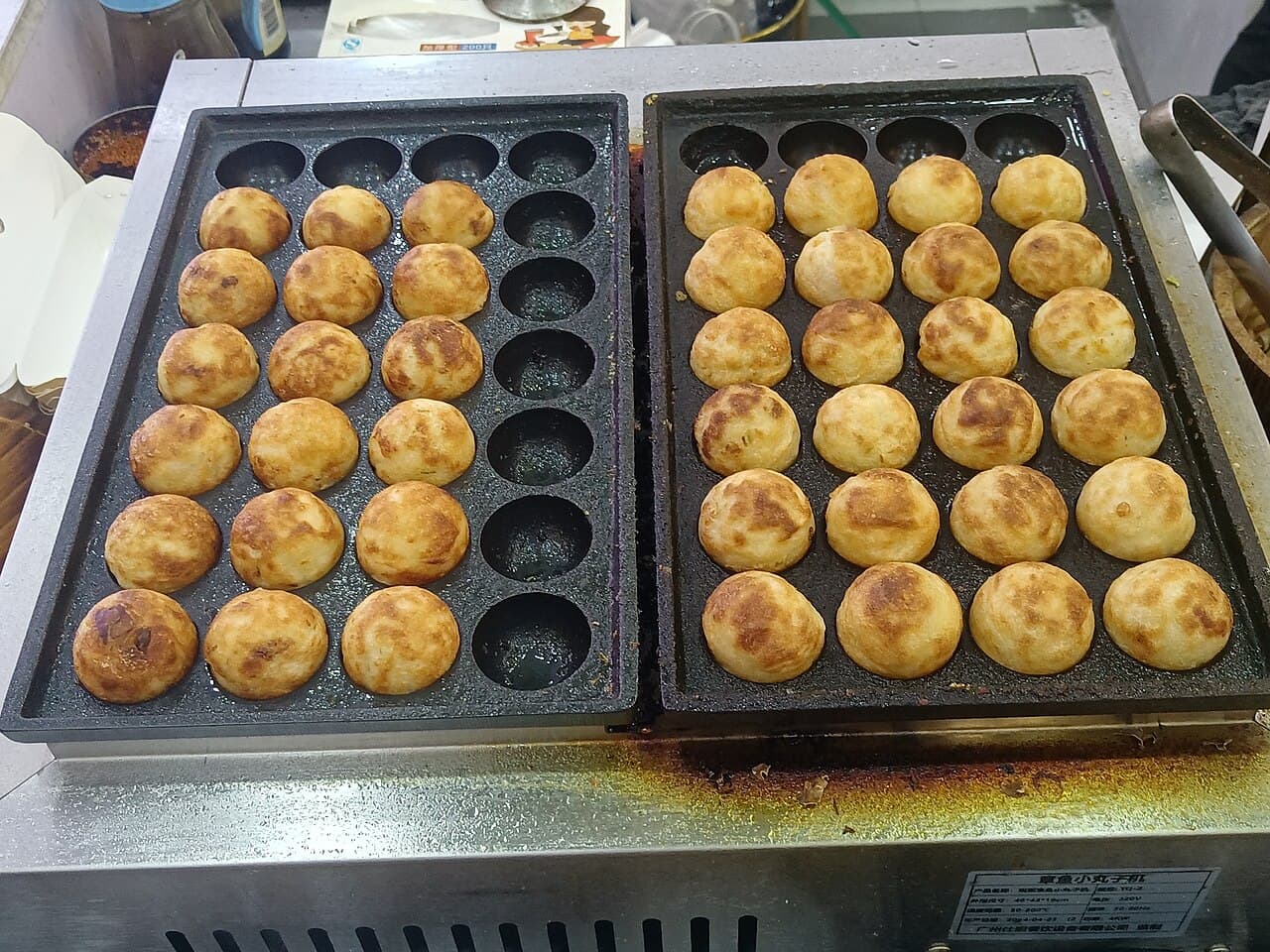
★ Vegan takoyaki, kushikatsu and ramen versions of Osaka street food
A fully plant-based izakaya in Shinsekai (opened 2023) serving vegan, gluten-free versions of Osaka street food — takoyaki, kushikatsu and ramen — with no animal products and no fish dashi by design, so it sidesteps the bonito-dashi trap. 'Gluten-free' is the venue's own claim rather than a certification, so celiac diners should confirm dedicated-fryer and cross-contamination handling directly.
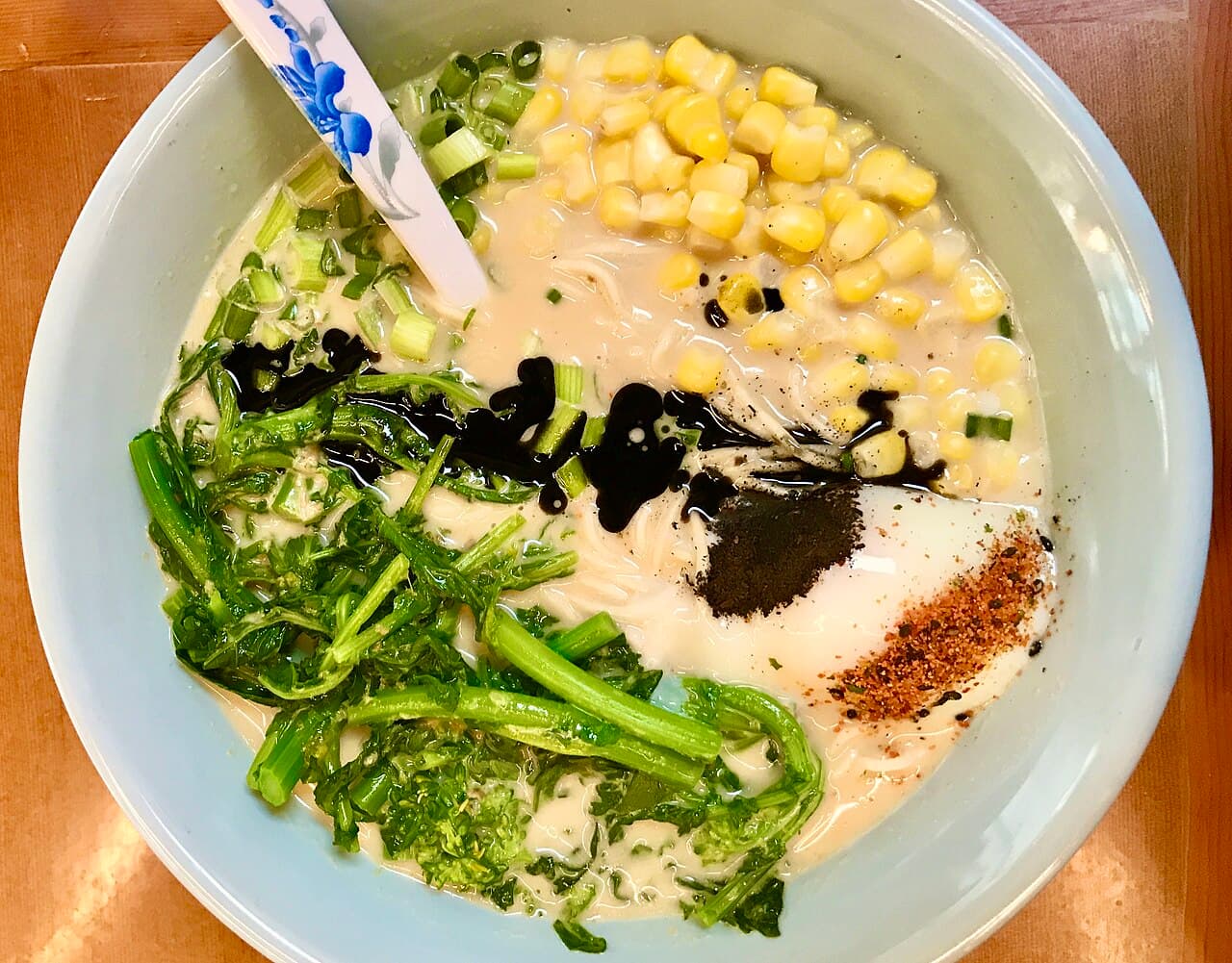
★ Creamy soy-milk ramen with rice-flour noodles and gluten-free soy sauce
A vegan and gluten-free ramen specialist in Gion run by patissier Yukiko Uno, using rice-flour-and-kelp noodles and gluten-free soy sauce in a soy-milk broth — one of Kyoto's most reliably gluten-free, fish-dashi-free ramen options. The strongest 'dedicated kitchen' claims come from third-party listings rather than the venue itself, so celiac diners should confirm cross-contamination protocol directly with staff.
★ Rice-flour bagels, baguettes and gluten-free, mostly-vegan baked goods
A dedicated gluten-free, rice-flour bakery and shop in Kichijoji (the name is literally 'genuine gluten free'), whose breads, bagels and cakes are largely vegan and additive-free. It focuses on baked goods and online orders with a physical store; if you need a sit-down meal or strict celiac handling, confirm directly before visiting.
★ Brown-rice (genmai) bread and gluten-free taiyaki
A dedicated gluten-free, rice-flour bakery counter in the basement of Shibuya Scramble Square, making breads, taiyaki and sweets with no wheat, additives or white sugar, and many items are vegan and dairy-free. It is a grab-and-go bakery rather than a sit-down meal, and as a dedicated GF facility cross-contamination risk is low though not certified celiac-safe.
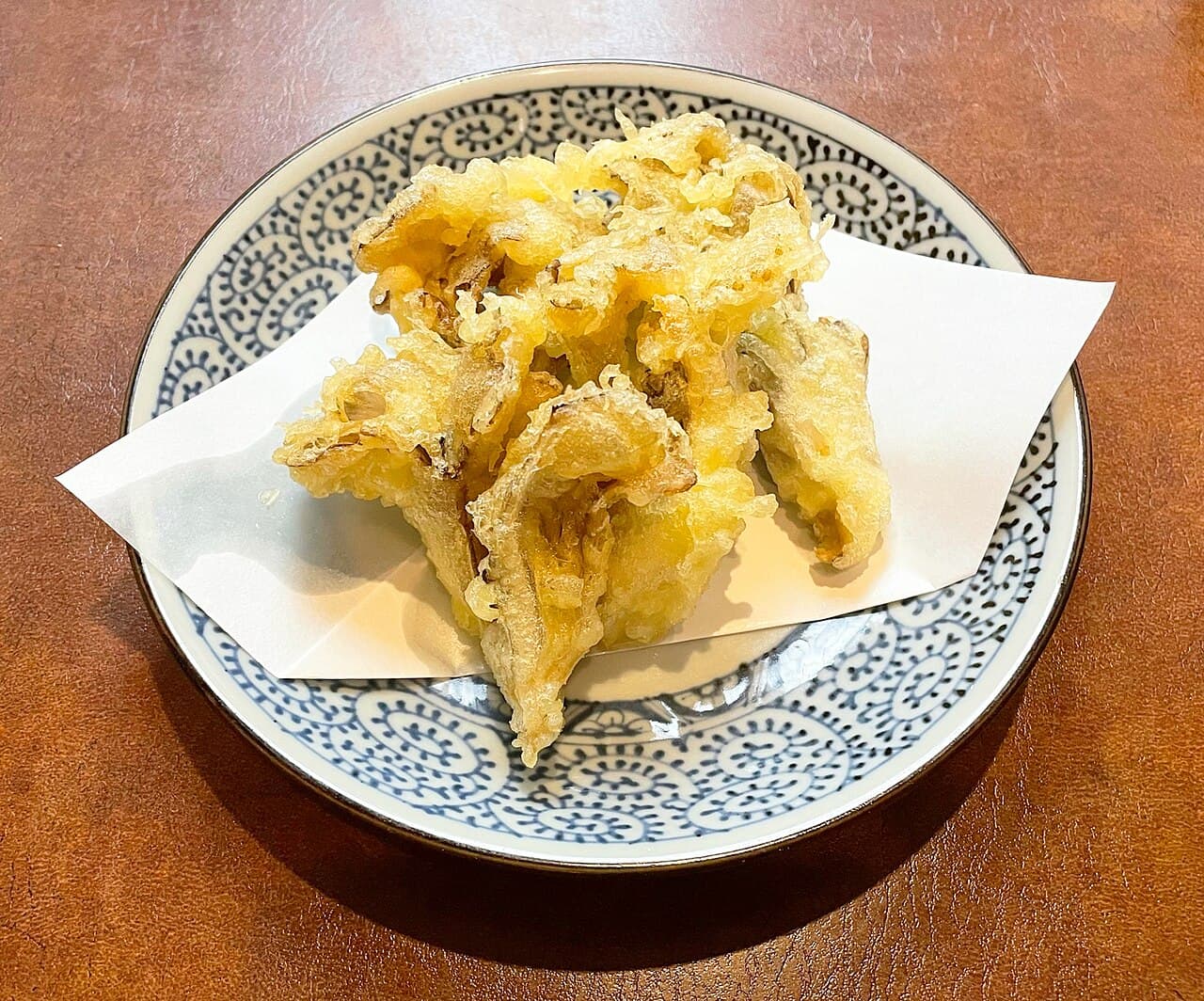
★ Tempura fried in 100% gluten-free rice-flour batter with house-made gluten-free soy sauce and broth; wagyu and seafood tempura bowls are highlights
A counter tempura restaurant whose entire menu is gluten-free (rice-flour batter plus house-made GF soy sauce and broth) and which is halal certified. It is not a separate dedicated GF facility, so highly sensitive celiacs should confirm cross-contact directly; vegetarian tempura courses are also offered.
★ Vegan tempura, waffles and seasonal plant-based plates
A fully vegan restaurant one minute from Asakusa Station, with no garlic, onion or wheat in its dishes. Lunch runs 11:30–15:00; the 10:00 morning menu is served only on days marked on its monthly calendar, and dinner is private hire only. Checked against its own website on 24 September 2026.
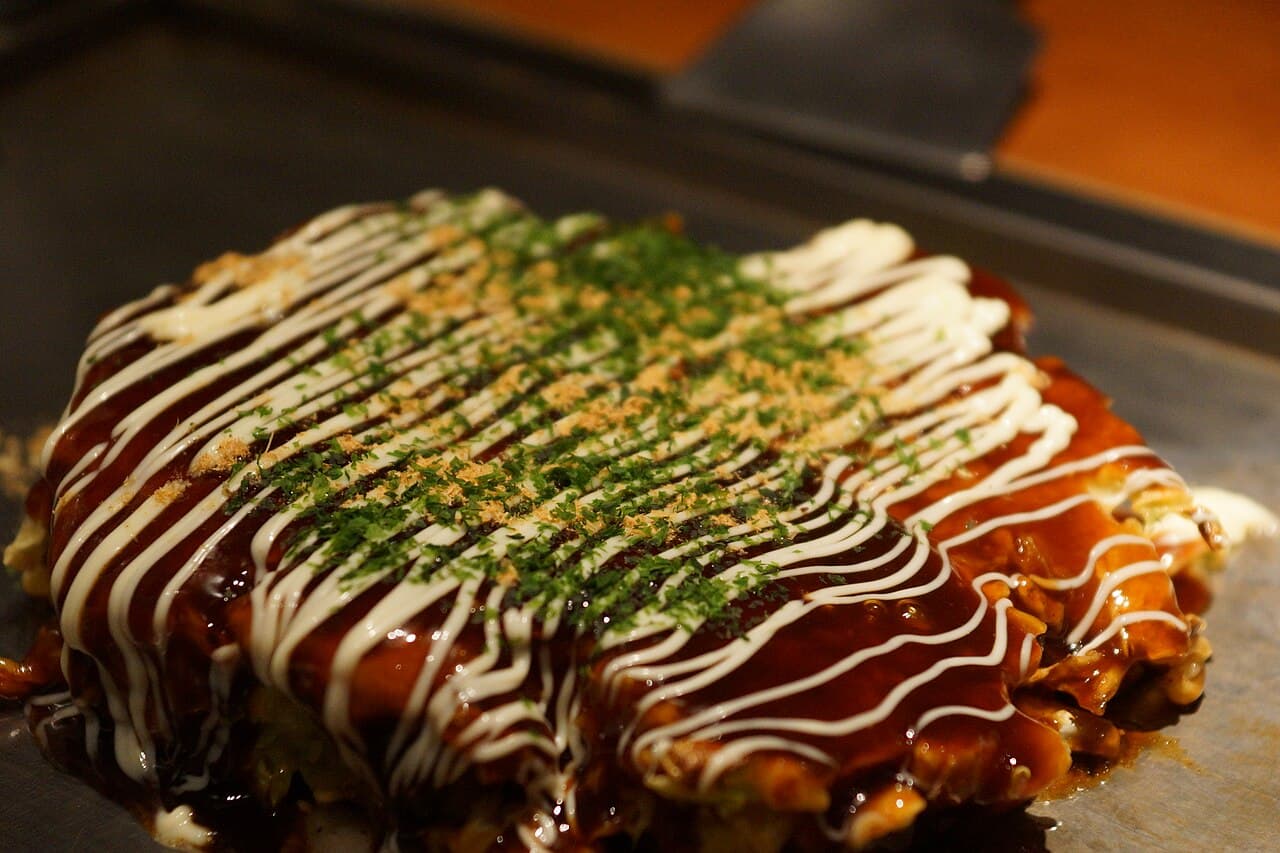
★ Cook-your-own okonomiyaki with a gluten-free rice-flour batter option
A large, tourist-friendly DIY okonomiyaki spot in Harajuku that offers a gluten-free rice-flour batter on request, with an English menu and vegan/vegetarian options. You cook on a shared griddle where wheat batter is also used, so ask staff about cross-contamination if you are highly sensitive.
★ Rice-flour cakes and French-style pastries (madeleines, canelés)
A sister-run cafe whose entire cake and pastry lineup is gluten-free, made with Hokkaido rice flour instead of wheat. As a dedicated gluten-free kitchen the cross-contamination risk is low, but it is a small space, so reserving via Instagram is recommended.
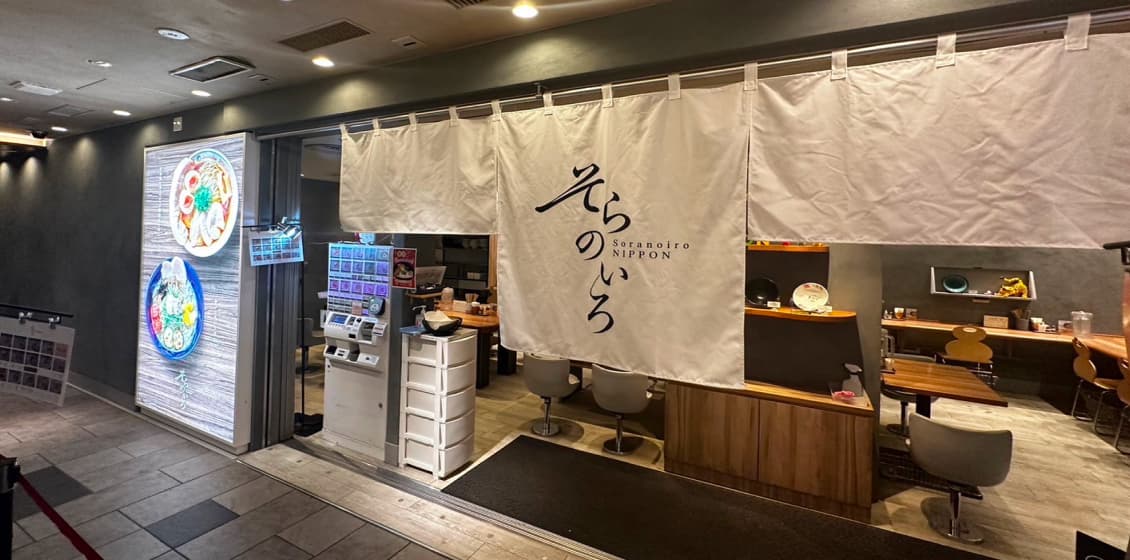
★ Gluten-free shio (salt) ramen with rice-based noodles; veggie 'Vegisoba'
A popular Tokyo Ramen Street shop offering a gluten-free salt ramen made with rice-based noodles, plus its colorful vegetable 'Vegisoba'. It is a has-options shop, not a dedicated GF kitchen — the official site warns of possible cross-contamination, so it is not celiac-safe.
A dedicated gluten-free cafe whose entire kitchen is wheat-free, serving GF Japanese comfort food such as gyoza, karaage, ramen and yakisoba with English-marked menus. Its Tabelog listing is currently status-undetermined, so confirm hours via its Instagram before visiting.
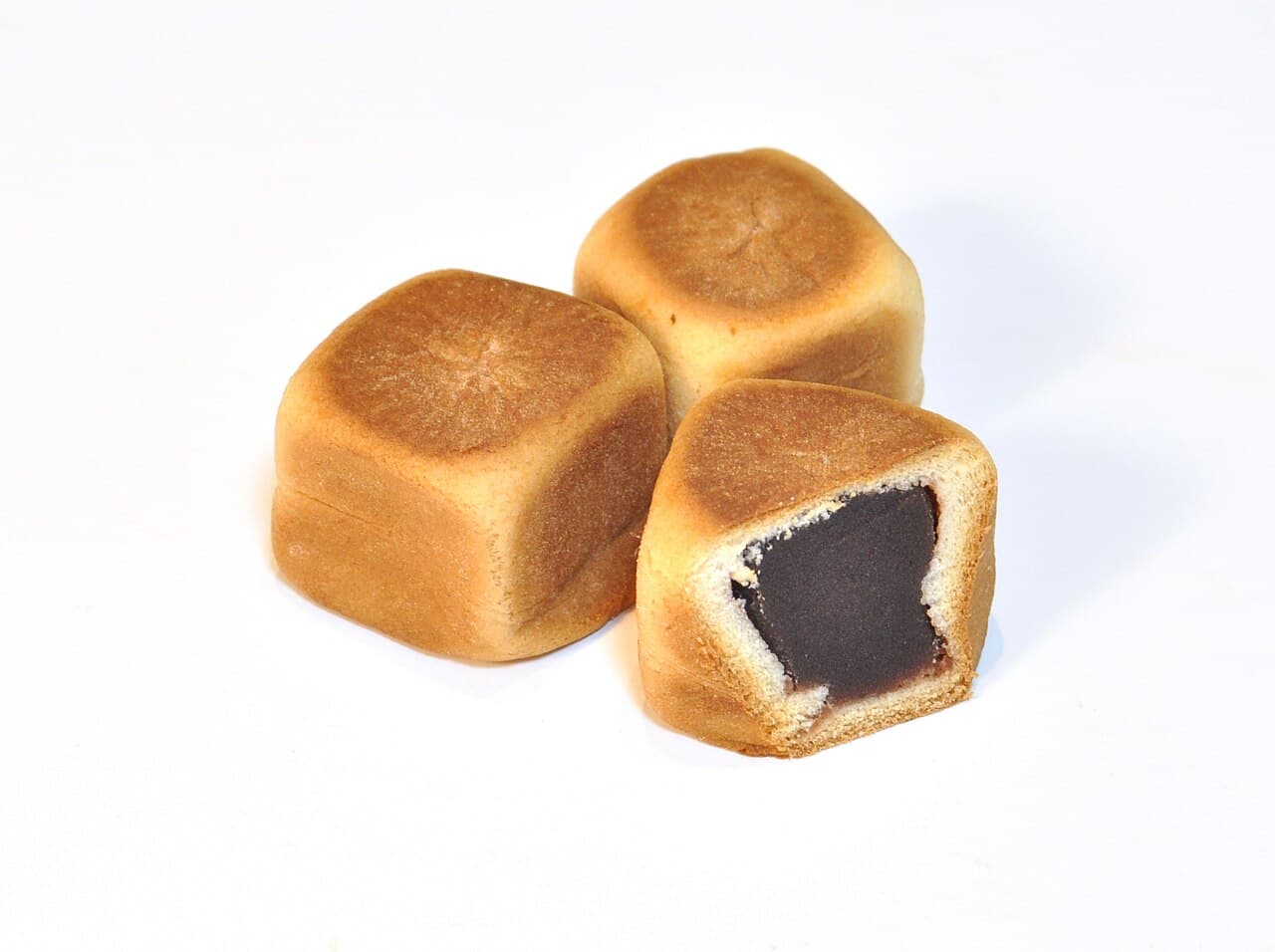
★ Baked rice-flour curry pan and cube-shaped rice-flour shokupan
A dedicated gluten-free bakery using Japanese rice flour and natural yeast (no wheat) for breads, curry pan, baguettes and pizzas, many of them also vegan. A small takeout-focused shop, so hours can shift seasonally — confirm before a special trip.
A stylish little Daikanyama ohagi cafe where the rice-and-bean sweets and kuzumochi shakes are all gluten-free, vegan, dairy-free and free of white sugar.
★ Plant-based gluten-free Mont Blanc & rice-flour gelato
A French-style Daikanyama patisserie where every cake, doughnut and scoop of gelato is fully vegan and gluten-free, built on rice flour and plant milk.
★ Gluten-free vegan burger set & soy-meat plates with organic vegan soft serve
An organic, fully plant-based cafe between Nakameguro and Yutenji, serving soy-meat plates, gluten-free burgers and vegan soft serve in a wellness-minded space.
A tiny tatami-floored diner on the Shimokitazawa backstreets where every bowl of rich, medicinal-herb ramen is 100% plant-based and built on sprouted brown rice.
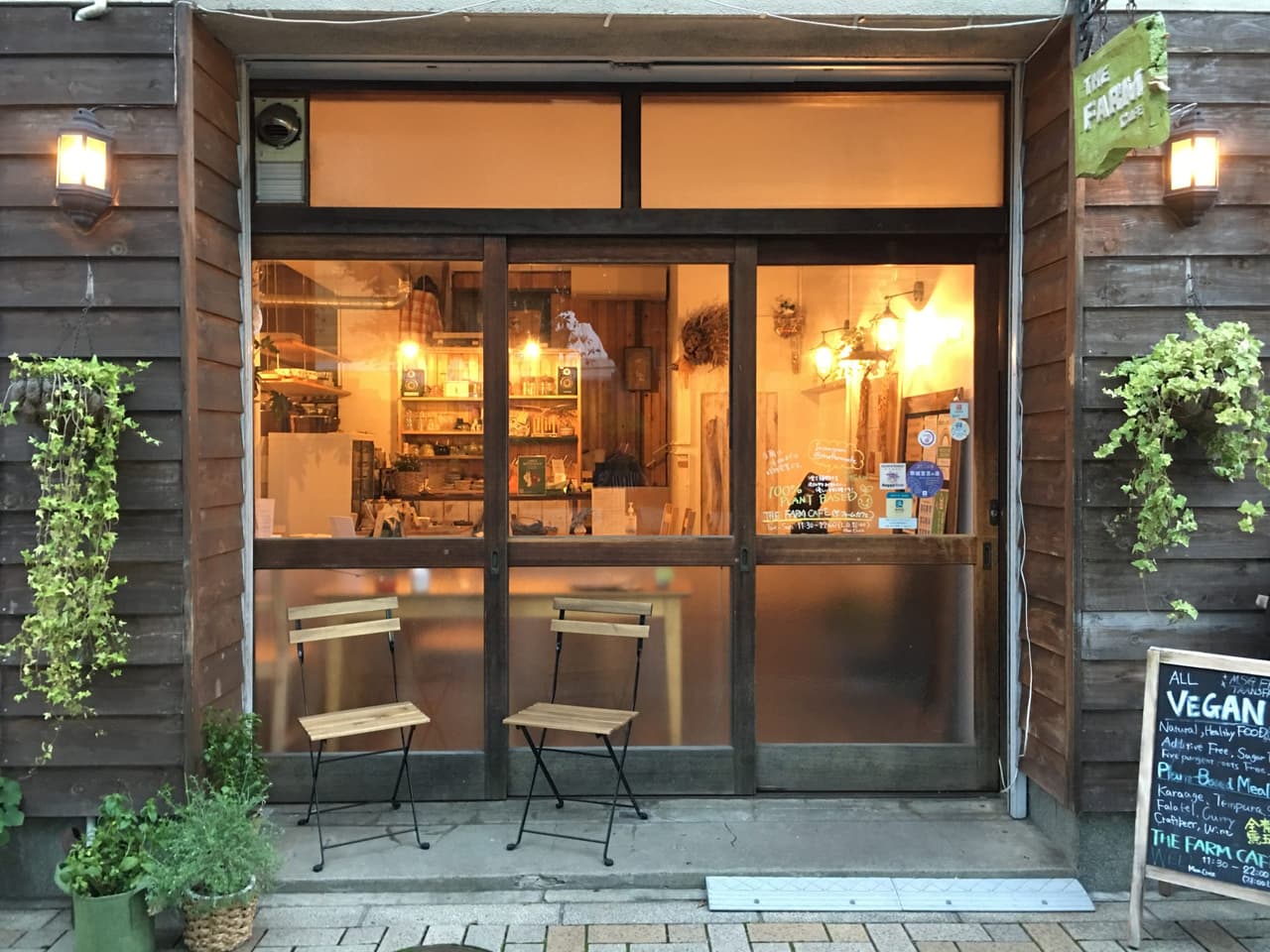
A farm-to-table cellar by Meguro Station serving pesticide-free kale and seasonal vegetables — grown on their own Chiba farm — with a genuine gluten-free menu.
A Michelin-starred soba sanctuary where the chef grows and hand-mills his own Ibaraki buckwheat into pure 100% juwari noodles — the closest a coeliac traveller comes to trustworthy Tokyo soba.
★ Gluten-free crust California pizza (vegan cheese option)
A Roppongi institution since 1996 where homesick Americans and coeliac travellers alike crowd the bar for craft beer and proper gluten-free crust pizza topped with vegan cheese.
AIN SOPH.'s flagship spreads across four Ginza floors, where a ground-floor patisserie of vegan pudding gives way to refined plant-based courses upstairs.
★ Wagyu sirloin and tiger prawn tempura in rice-flour batter
A ten-seat counter beneath a canopy of cherry blossoms where every course — even the wagyu and prawn tempura — is fried in rice flour: fully gluten-free and halal.
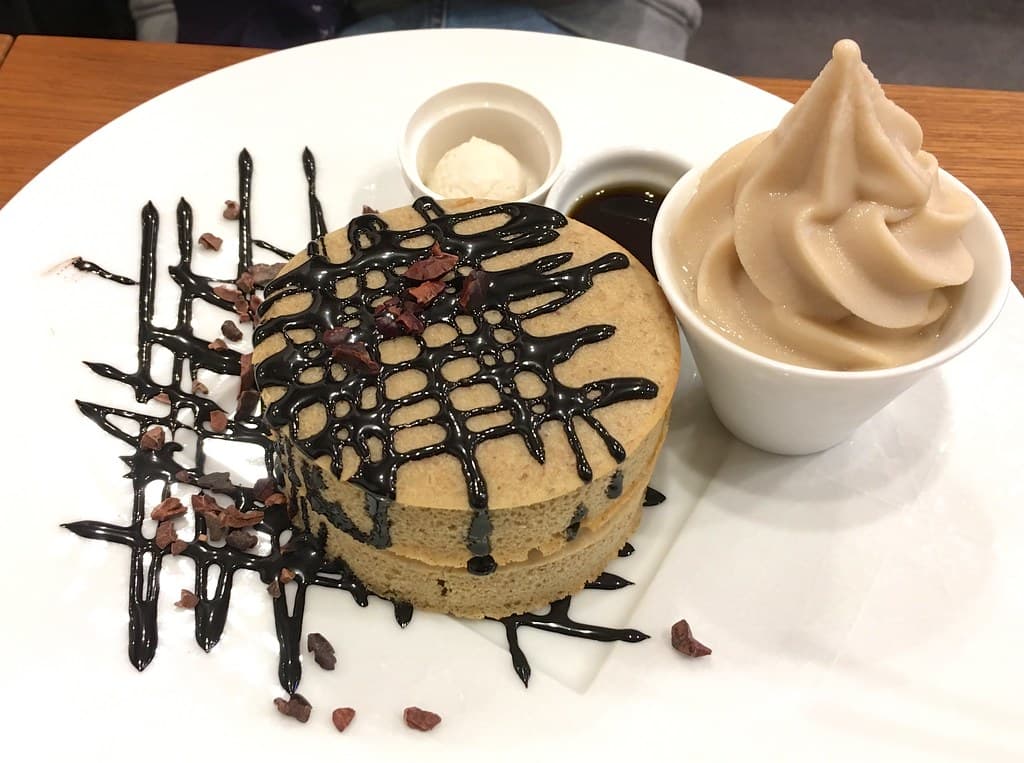
The Shinjuku birthplace of the cloud-soft 'Heavenly Vegan Pancakes' that draw queues from vegans and non-vegans alike, with gluten-free options on the same menu.