Buddhist temple cuisine — vegan before it was a word.
What it is
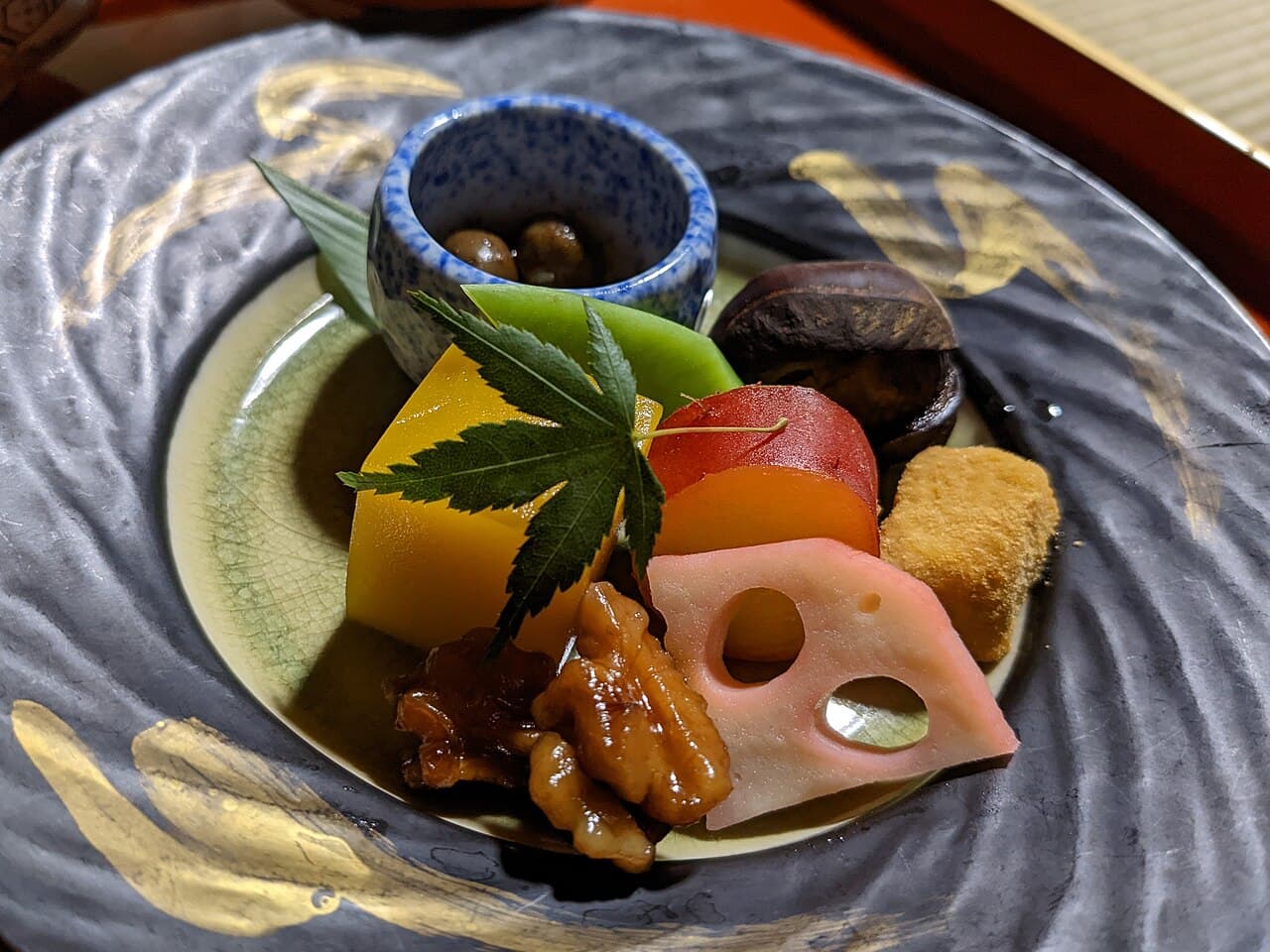
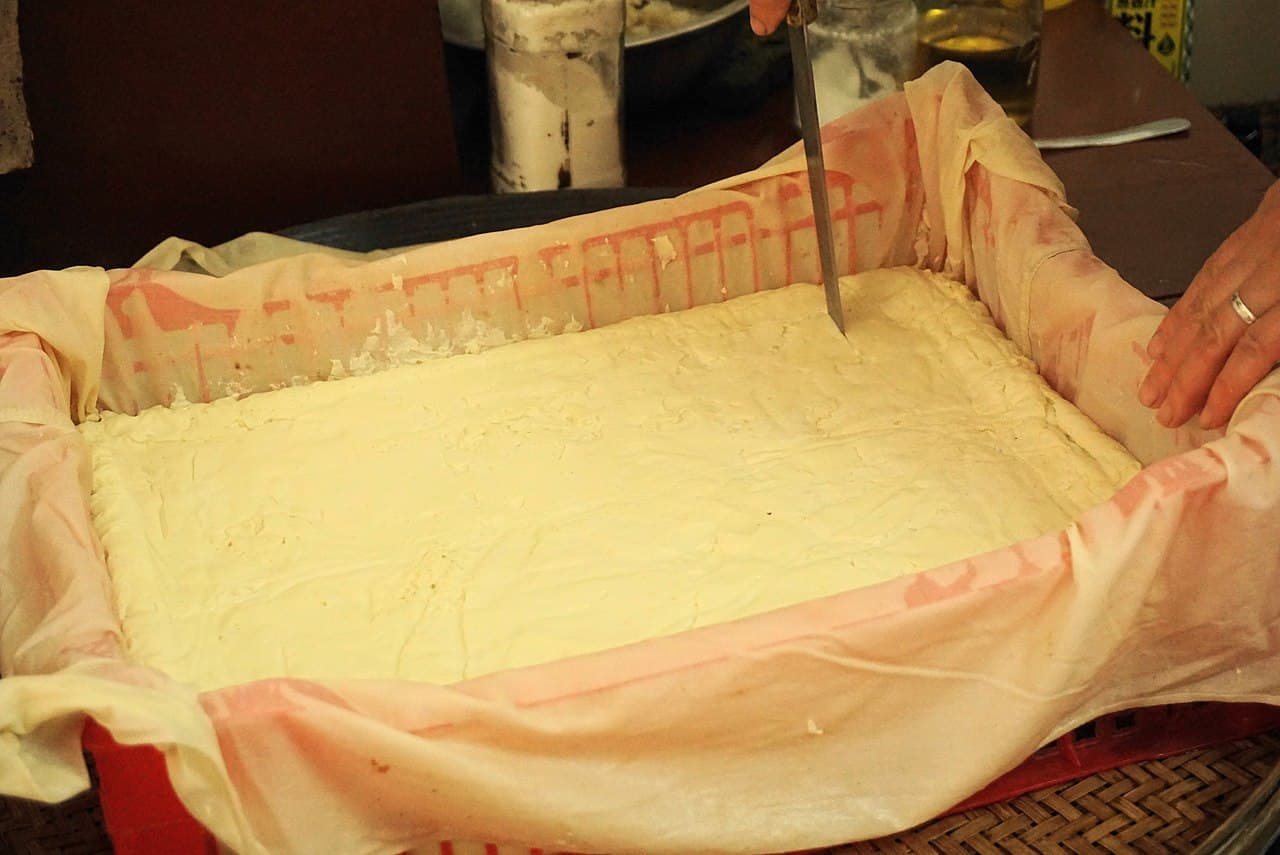
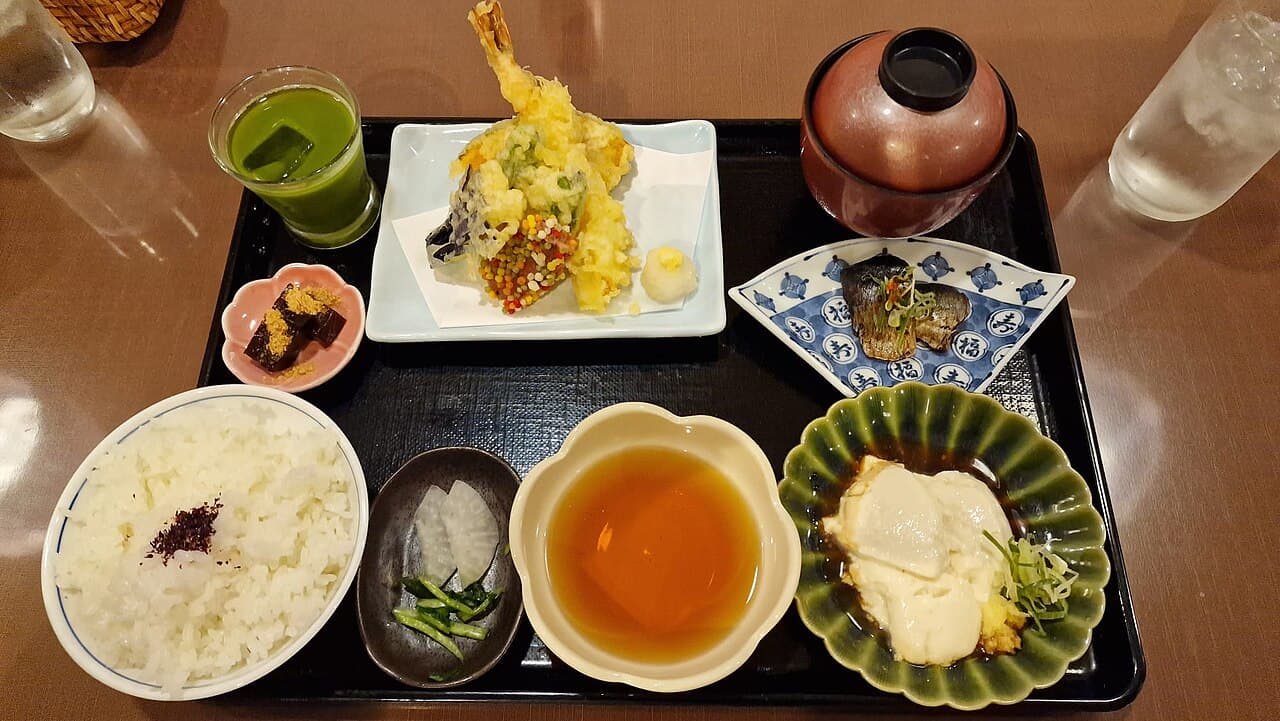
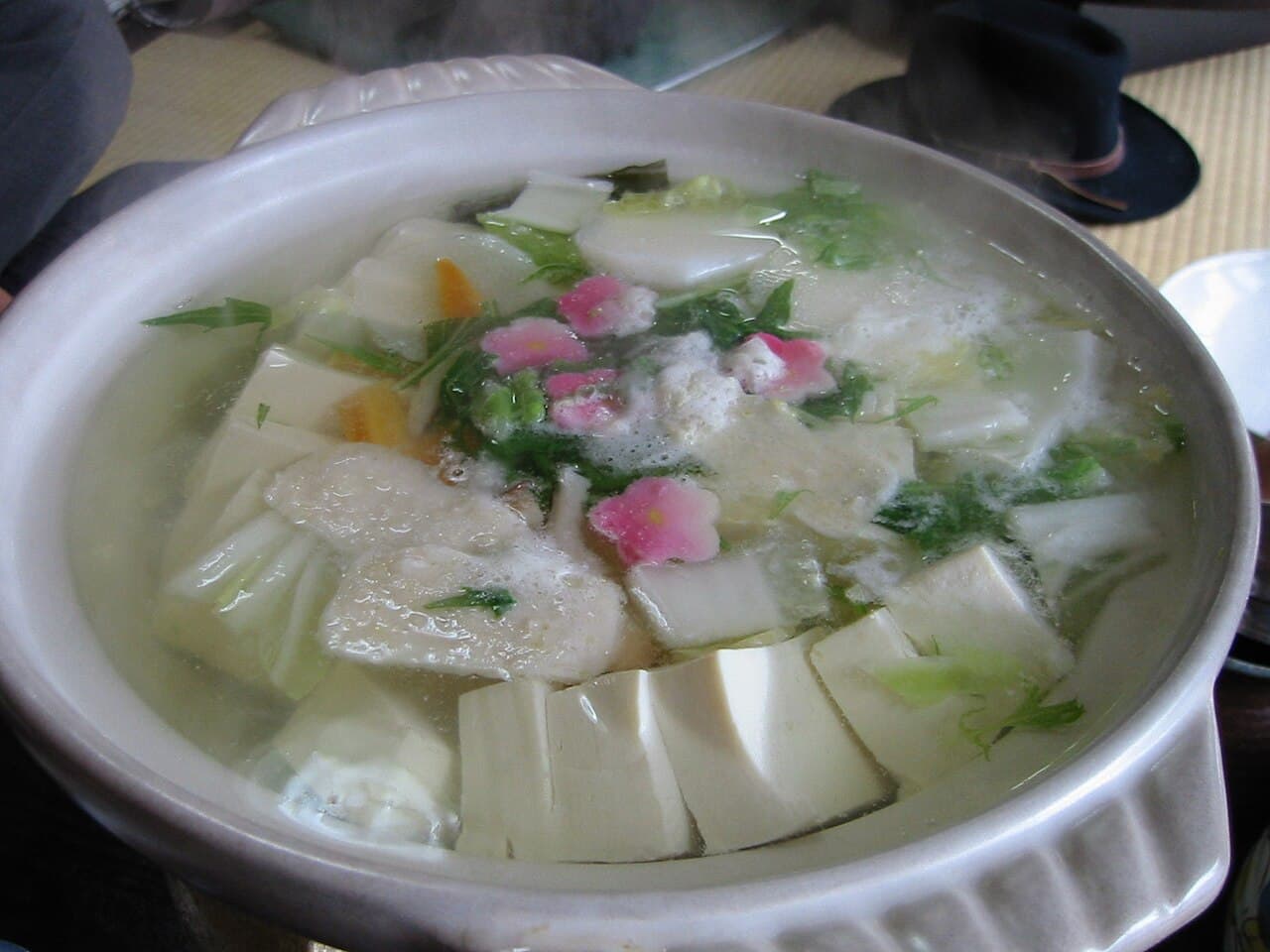
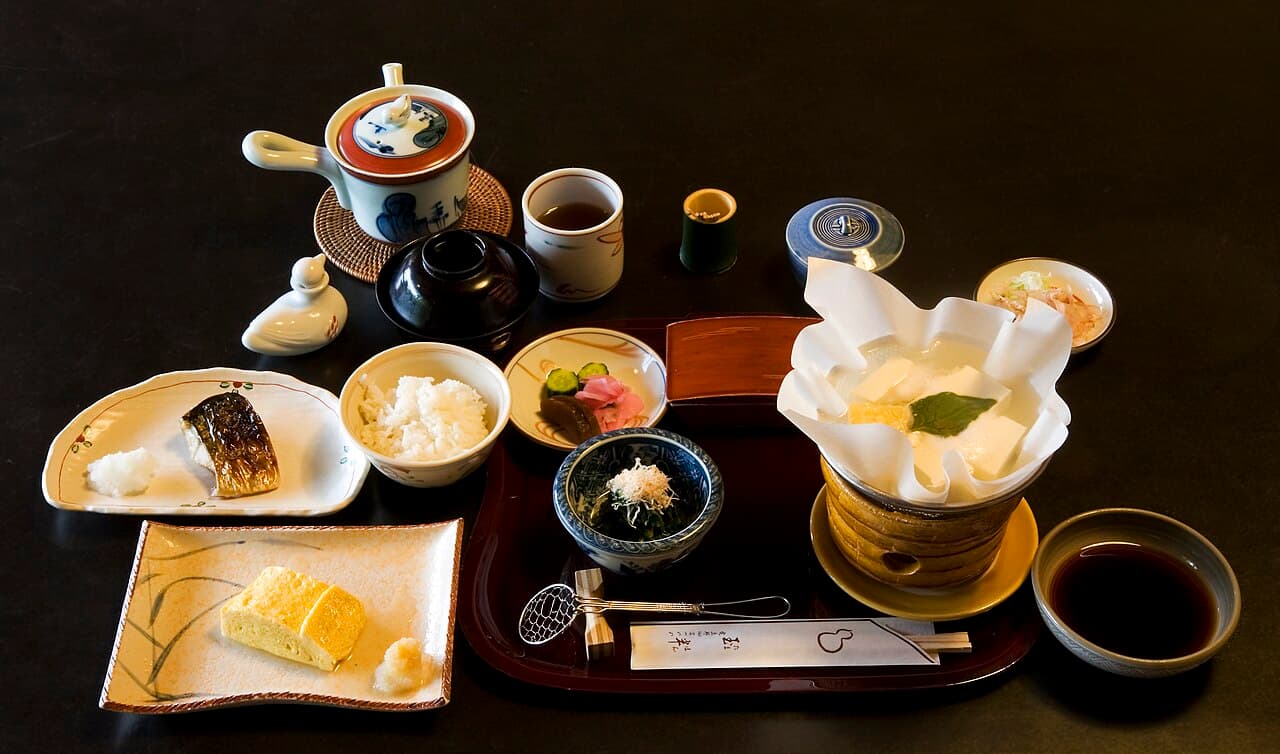
Shojin ryori is Buddhist temple cuisine: entirely plant-based, often avoiding even garlic and onion. Its dashi comes from kombu (kelp) and shiitake, not fish, and it leans on tofu, yuba (tofu skin), seasonal vegetables, sesame and fu (wheat gluten).
What it means
Rooted in the Buddhist principle of not taking life, shojin treats cooking as a spiritual practice — mindful, seasonal, nothing wasted. It is the original source of Japan's deep vegetarian tradition, centuries before "vegan" existed.
Why it's wonderful
Far from austere, good shojin is layered and satisfying — silky tofu, nutty sesame, umami from mushrooms and kelp. It proves that restraint can be its own kind of luxury.
Naturally vegan and vegetarian — the safest tradition for plant-based diners in Japan.
FAQ
What is Shojin ryori?
Buddhist temple cuisine — vegan before it was a word.
Is Shojin ryori vegetarian, vegan, halal or gluten-free?
Naturally vegan and vegetarian — the safest tradition for plant-based diners in Japan.
💬Recipes and preparation vary by restaurant, so this is a general guide. If you're ever unsure, please confirm directly with the venue before you order — they'll appreciate the heads-up.
Where to try it — and book a table
Hand-picked spots for this dish, each with a working reservation link. Tap to book.
★ Multi-course fucha-ryori banquet in a private tatami room
A 1959-vintage temple-cuisine institution near Iriya where John Lennon and Yoko Ono once dined, serving 300-year-old fucha-ryori in garden-view tatami rooms.
★ Kuchifuku set — nine seasonal vegan sides with rice and miso soup
A casual, affordable vegan cafeteria run by a Kamakura temple lineage beneath the Akihabara rail arches, where even garlic and onion are forsaken in true shojin style.
★ Seasonal shojin kaiseki paired with sake and wine, refreshed every three weeks
A refined Roppongi shojin restaurant led by chef Daisuke Nomura, formerly of two-Michelin-starred Daigo, pairing plant-based Zen cuisine with carefully chosen sake and wine.
★ 'Eel' sushi and namasu crafted entirely from tofu and burdock
A reservation-only tatami refuge where a chef who trained 25 years at Takayama's Kakusho turns the seasons into meat-free trompe-l'oeil — tofu that tastes like eel, burdock that becomes sushi.
★ Vegetarian mapo tofu and meat-free dumplings alongside a Taiwanese menu
A small, friendly Taiwanese restaurant on the edge of Yokohama Chinatown serving an everyday menu with a genuine set of plant-based choices — vegetarian mapo tofu, meat-free dumplings and vegetable dishes — and English is spoken, which is rare for the area. A full vegetarian course needs a reservation, though à-la-carte vegetarian dishes do not. As with all Chinese kitchens, confirm whether items use chicken stock, oyster sauce or egg if you are strictly vegan.
★ Seasonal kaiseki of Kamakura vegetables, tofu and wheat gluten in a garden dining room
A serene garden-side kaiseki house in temple-filled Kita-Kamakura, descended from a rice-ball shop founded in 1964 in front of Kencho-ji, a few minutes' walk from the station. Its everyday menu is seasonal kaiseki built on Kamakura vegetables, tofu and wheat gluten, but it will prepare a fish-free Buddhist shojin (vegetarian) course for vegetarian and Muslim guests when booked in advance — so reserve and state your needs rather than assuming the standard course is meat-free. Closed Thursdays.