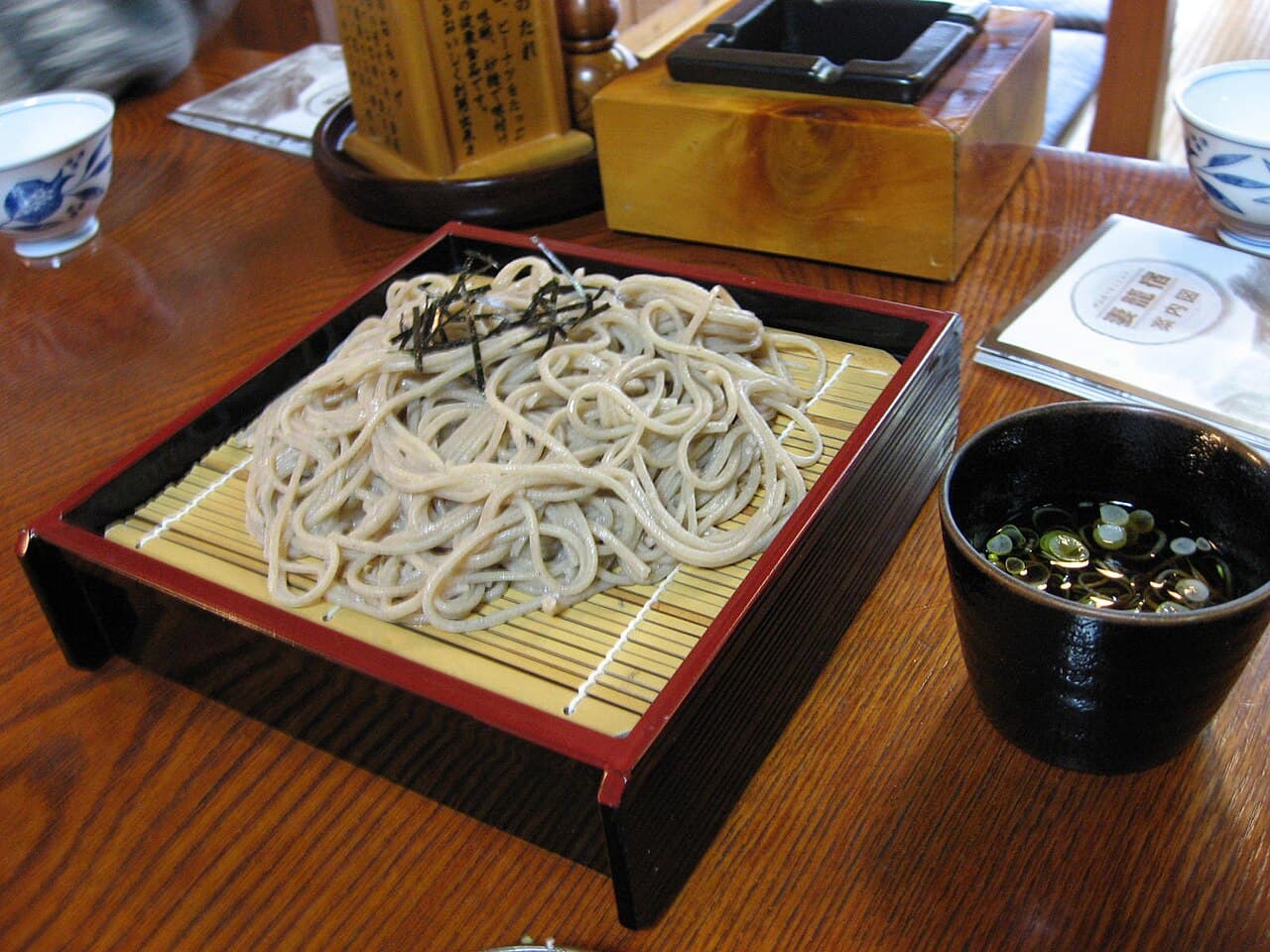
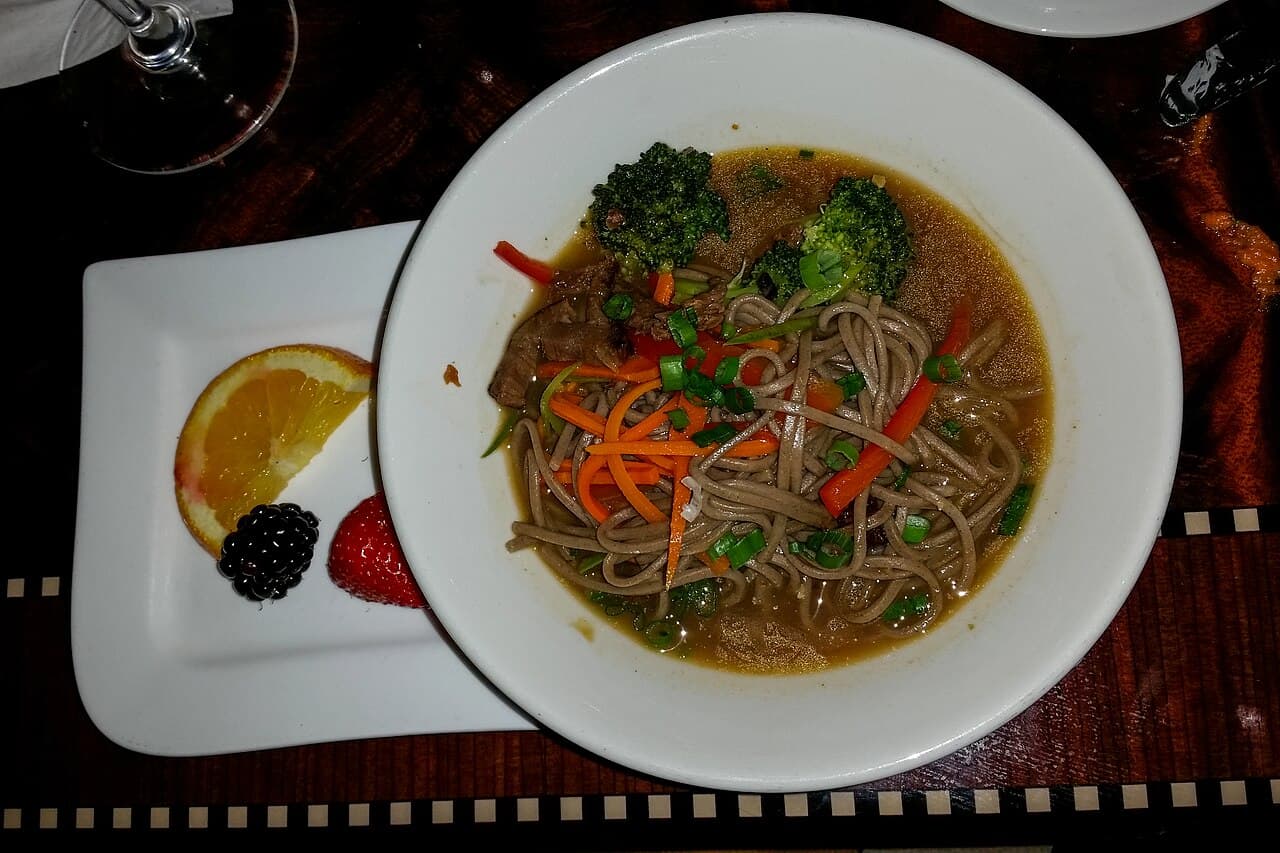
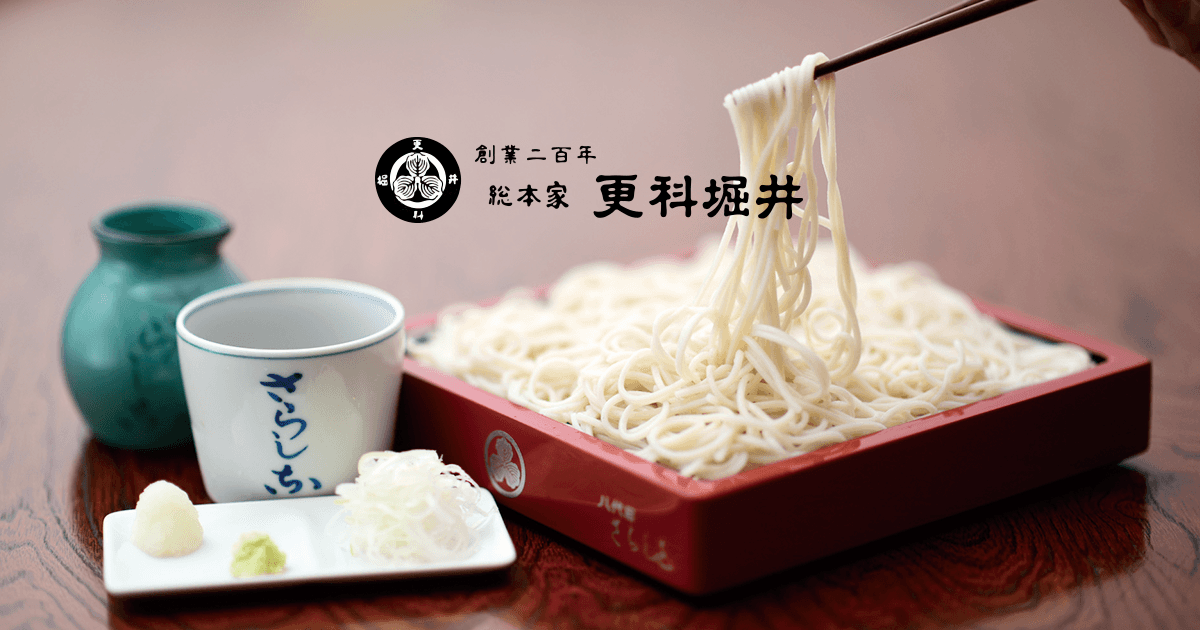
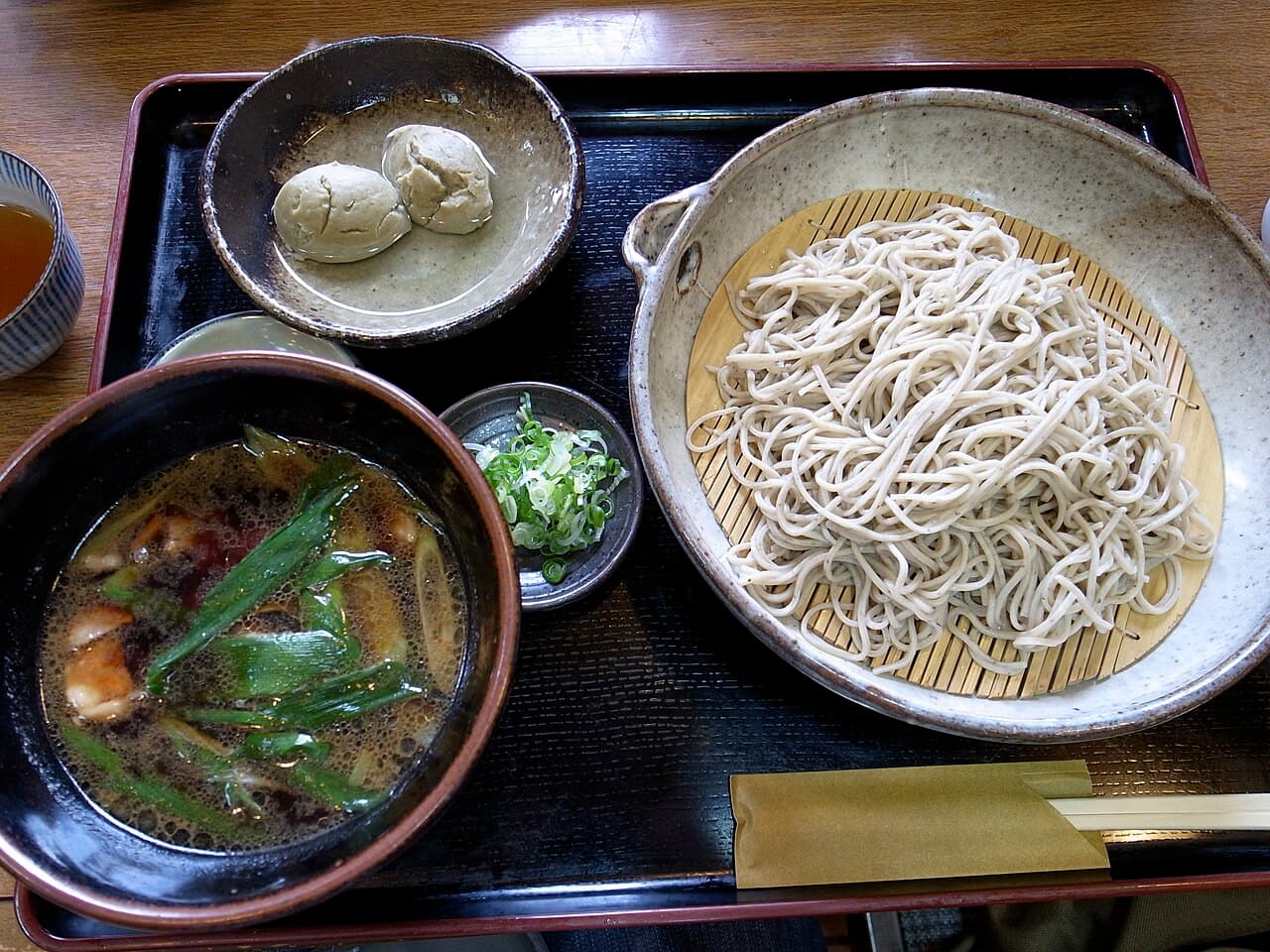
Soba are thin buckwheat noodles, served cold on a bamboo tray with dipping sauce (zaru) or hot in broth (kake). The best are hand-cut daily; juwari means 100% buckwheat.
What it means
Soba is old-Tokyo comfort and ritual — eaten on New Year's Eve (toshikoshi soba) for long life, and historically a fast, honest meal for craftsmen. Slurping cold soba with a touch of wasabi and scallion is one of the city's simple pleasures.
Why it's wonderful
Good soba tastes of the grain itself — nutty, faintly sweet, with a clean snap. The ritual of dipping, slurping, then drinking the cooking water (sobayu) mixed into the leftover sauce is deeply satisfying.
Often cut with wheat (choose juwari for gluten-free intent — but confirm). The dipping sauce usually contains fish dashi, so ask for a vegan version.
FAQ
What is Soba?
Buckwheat noodles, nutty and quietly elegant.
Is Soba vegetarian, vegan, halal or gluten-free?
Often cut with wheat (choose juwari for gluten-free intent — but confirm). The dipping sauce usually contains fish dashi, so ask for a vegan version.
💬Recipes and preparation vary by restaurant, so this is a general guide. If you're ever unsure, please confirm directly with the venue before you order — they'll appreciate the heads-up.
Where to try it — and book a table
Hand-picked spots for this dish, each with a working reservation link. Tap to book.
A Michelin-starred soba sanctuary where the chef grows and hand-mills his own Ibaraki buckwheat into pure 100% juwari noodles — the closest a coeliac traveller comes to trustworthy Tokyo soba.
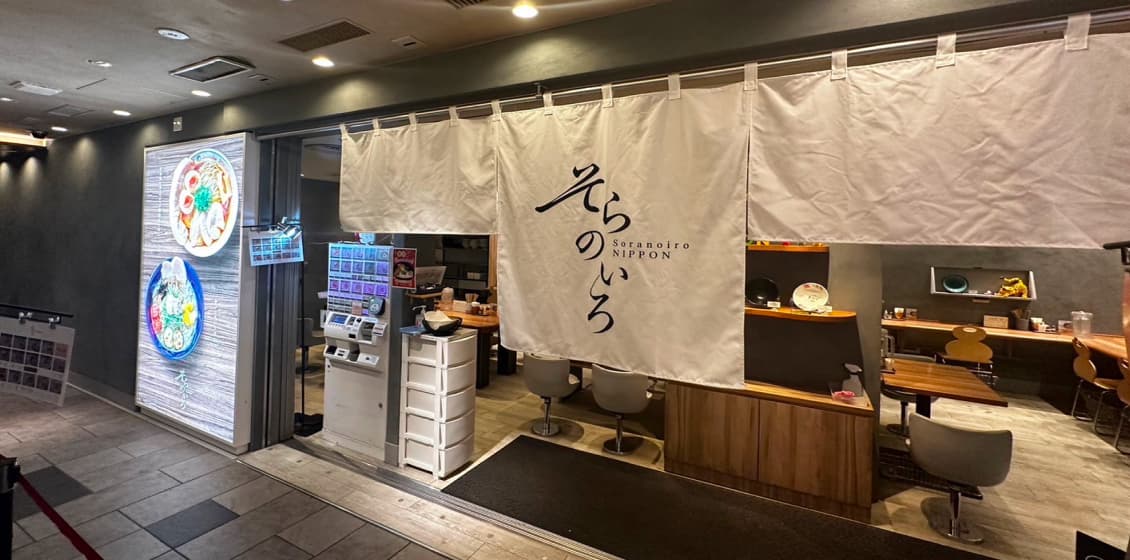
★ Gluten-free shio (salt) ramen with rice-based noodles; veggie 'Vegisoba'
A popular Tokyo Ramen Street shop offering a gluten-free salt ramen made with rice-based noodles, plus its colorful vegetable 'Vegisoba'. It is a has-options shop, not a dedicated GF kitchen — the official site warns of possible cross-contamination, so it is not celiac-safe.
A dedicated gluten-free cafe whose entire kitchen is wheat-free, serving GF Japanese comfort food such as gyoza, karaage, ramen and yakisoba with English-marked menus. Its Tabelog listing is currently status-undetermined, so confirm hours via its Instagram before visiting.
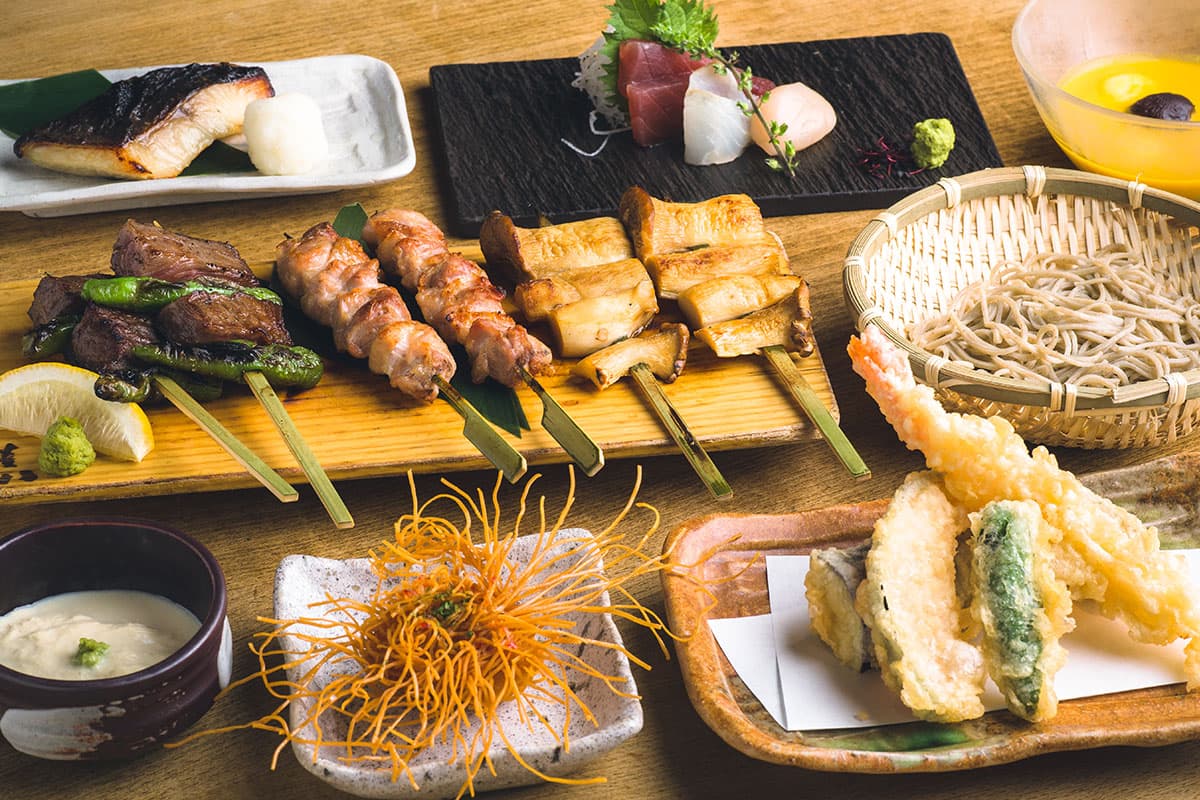
The towering wooden-beamed izakaya that inspired Kill Bill's House of Blue Leaves, where lantern light conjures an Edo-era warehouse over plates of fresh soba and charcoal skewers.
★ Vegan tempura soba and zaru soba with a plant-based broth
A small standing-style soba shop in Shimokitazawa (opened 2024) serving ni-hachi soba with a fully plant-based kombu broth and toppings, so there is no bonito or fish dashi. The noodles are ni-hachi (80% buckwheat, 20% wheat), so it is vegan but not gluten-free; it is daytime-only and closed early in the week, so check hours before visiting.