Japan's rice wine — the drink that frames the meal.
What it is
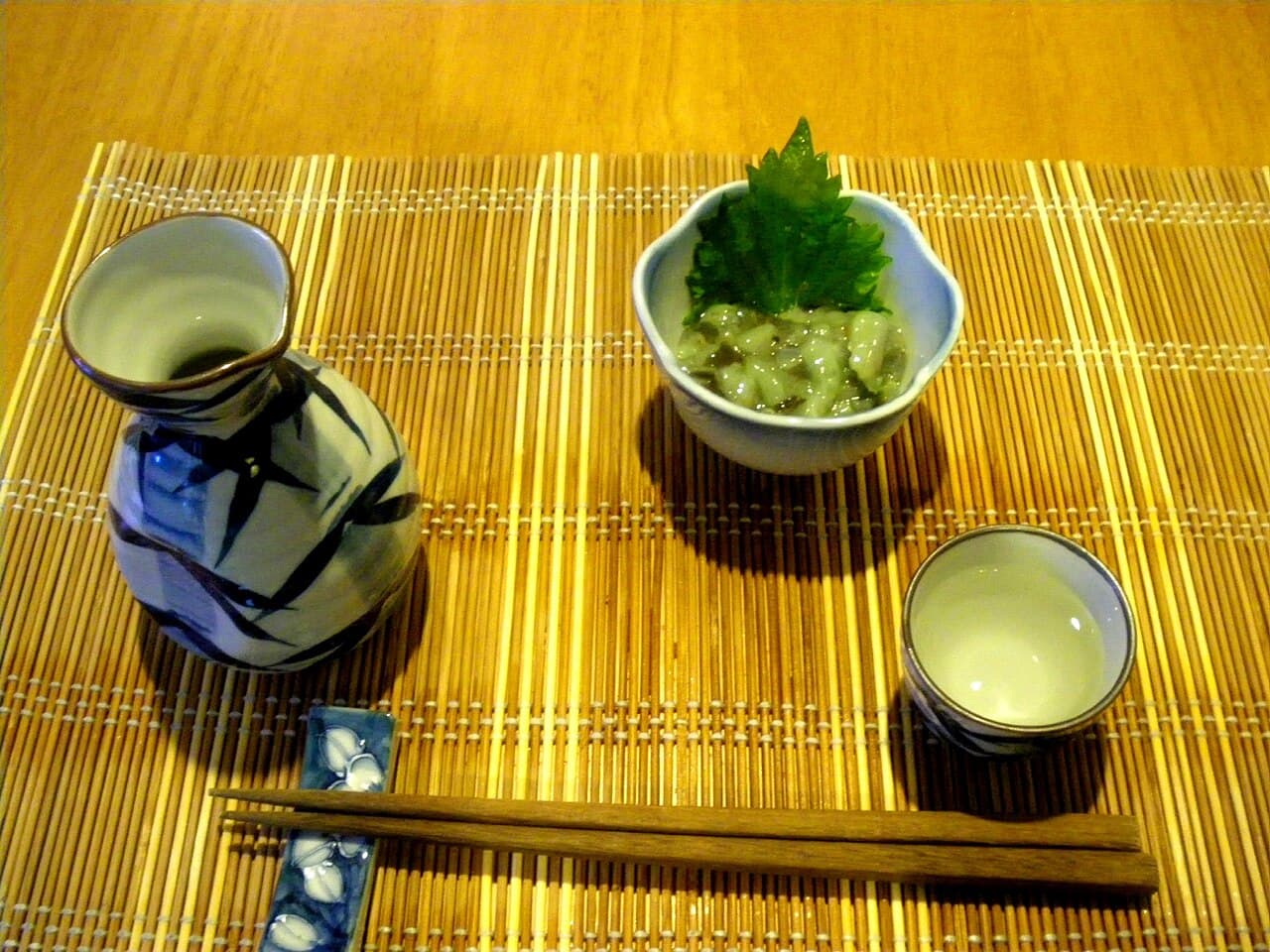
Sake (nihonshu) is brewed from rice, water and koji — closer to beer in process but wine-like in strength. Served chilled, warm or at room temperature depending on the style, in tiny cups poured for one another.
What it means
Sake is woven into Japanese ritual, from shrine offerings to New Year toasts. At the table, pouring for your companions (never your own cup) is a small act of care that defines the meal's warmth.
Why it's wonderful
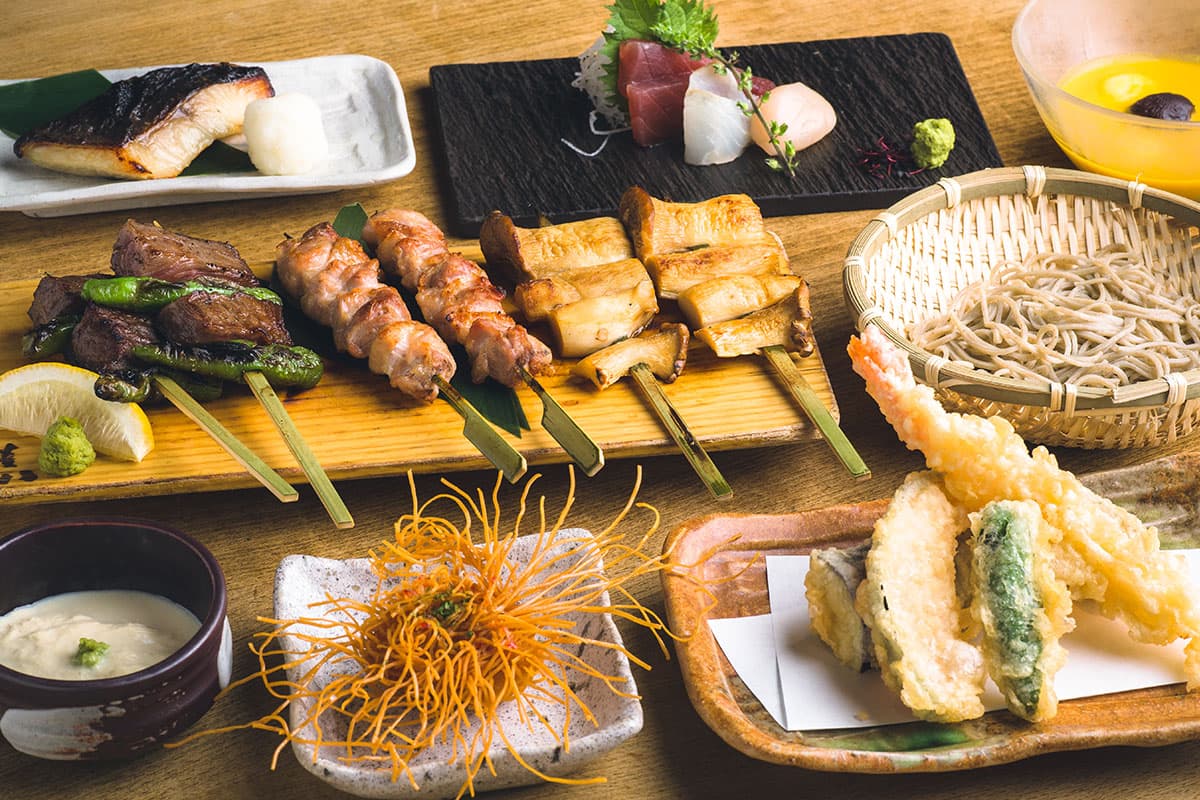
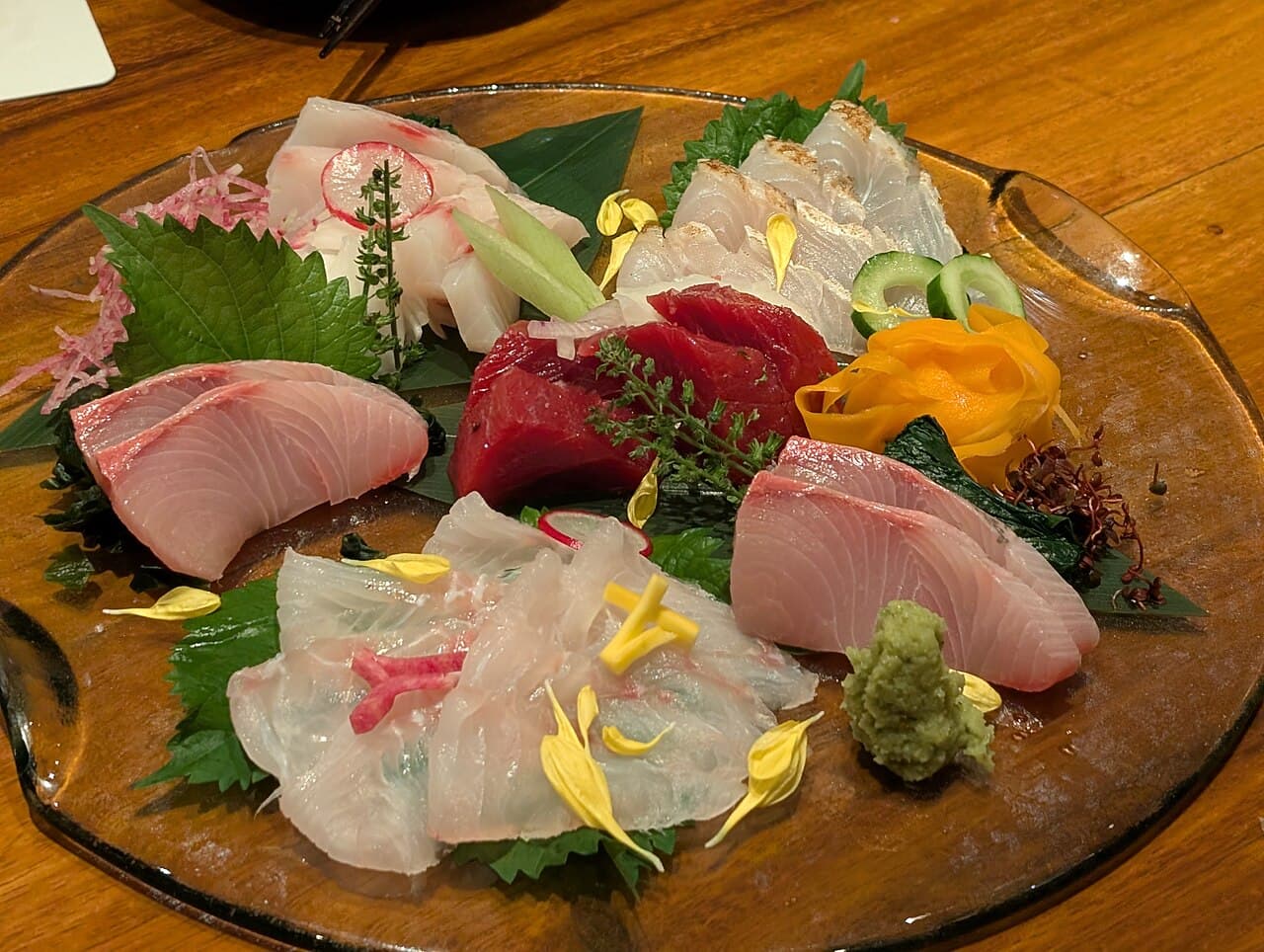
The range is vast: fruity and floral ginjo, rich junmai, sparkling or aged. Pair it with sashimi, grilled fish or izakaya plates and the food and drink lift each other.
What to order
- Junmai / ginjo / daiginjo
- Chilled (reishu) or warm (kan)
- Pour for each other
- Ask for a local or seasonal bottle
For special diets
Made from rice — usually vegan. (Note: alcohol; not for halal or alcohol-free diets.)
FAQ
- What is Sake (nihonshu)?
- Japan's rice wine — the drink that frames the meal.
- Is Sake (nihonshu) vegetarian, vegan, halal or gluten-free?
- Made from rice — usually vegan. (Note: alcohol; not for halal or alcohol-free diets.)
Recipes and preparation vary by restaurant, so this is a general guide. If you're ever unsure, please confirm directly with the venue before you order — they'll appreciate the heads-up.