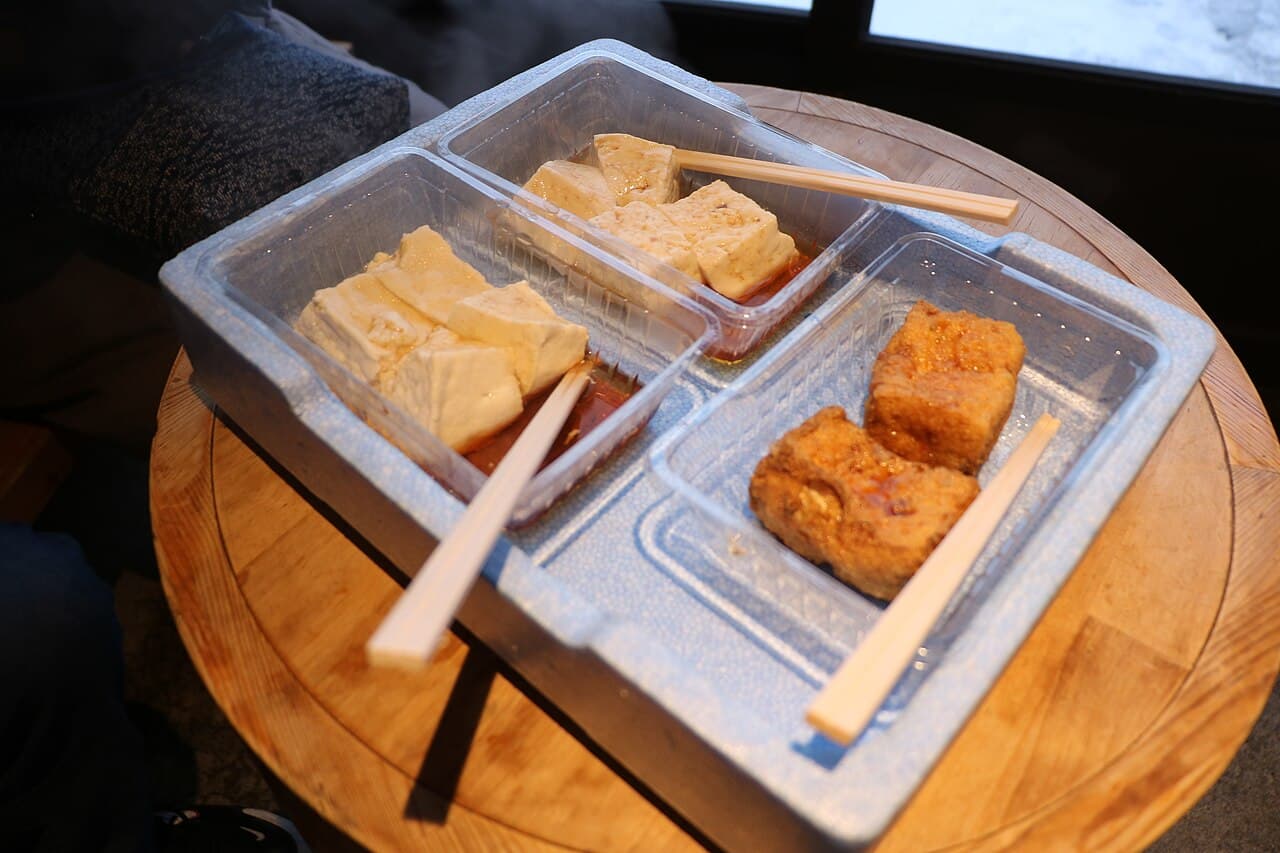
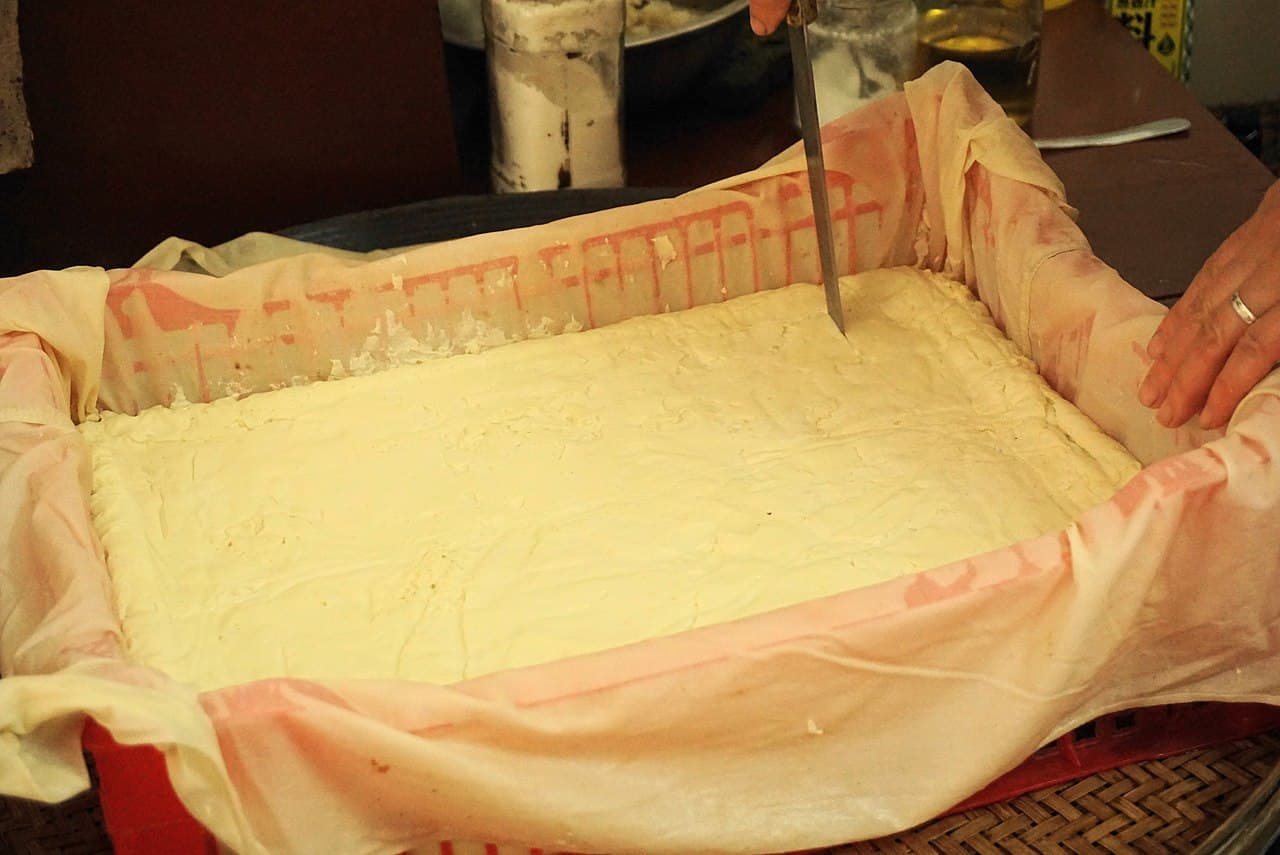
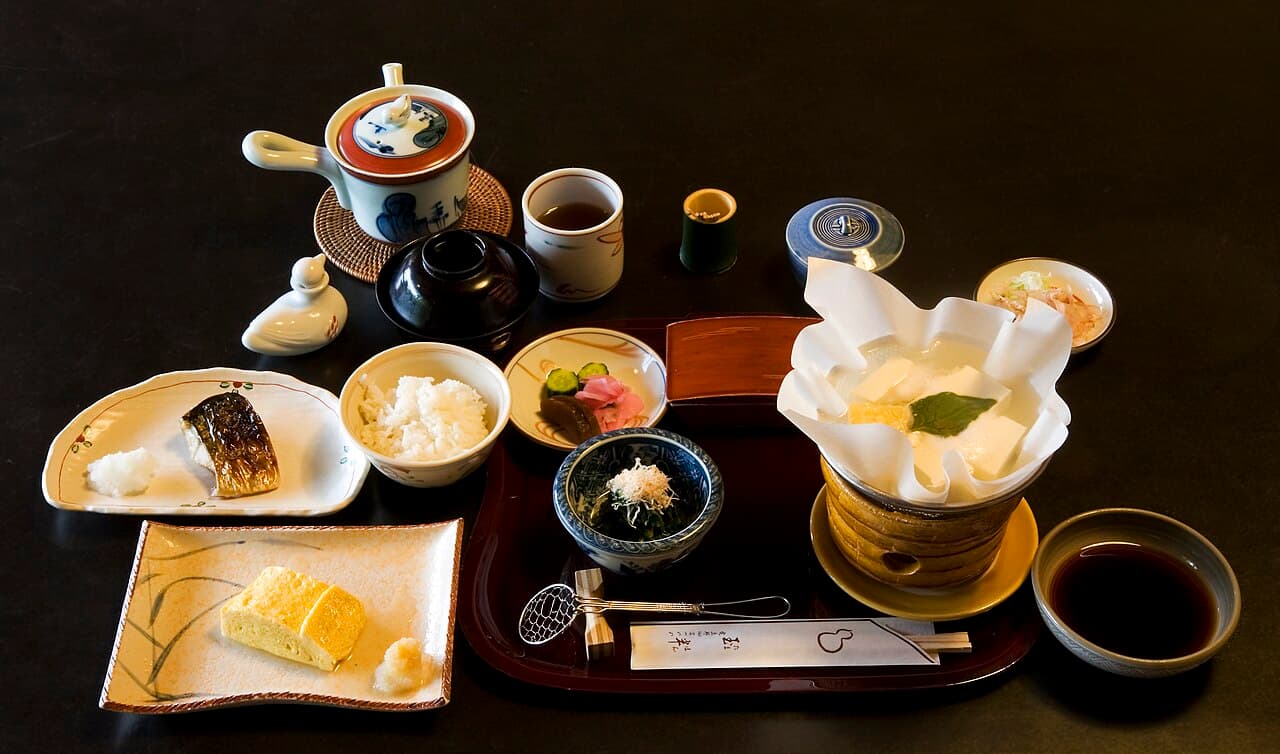
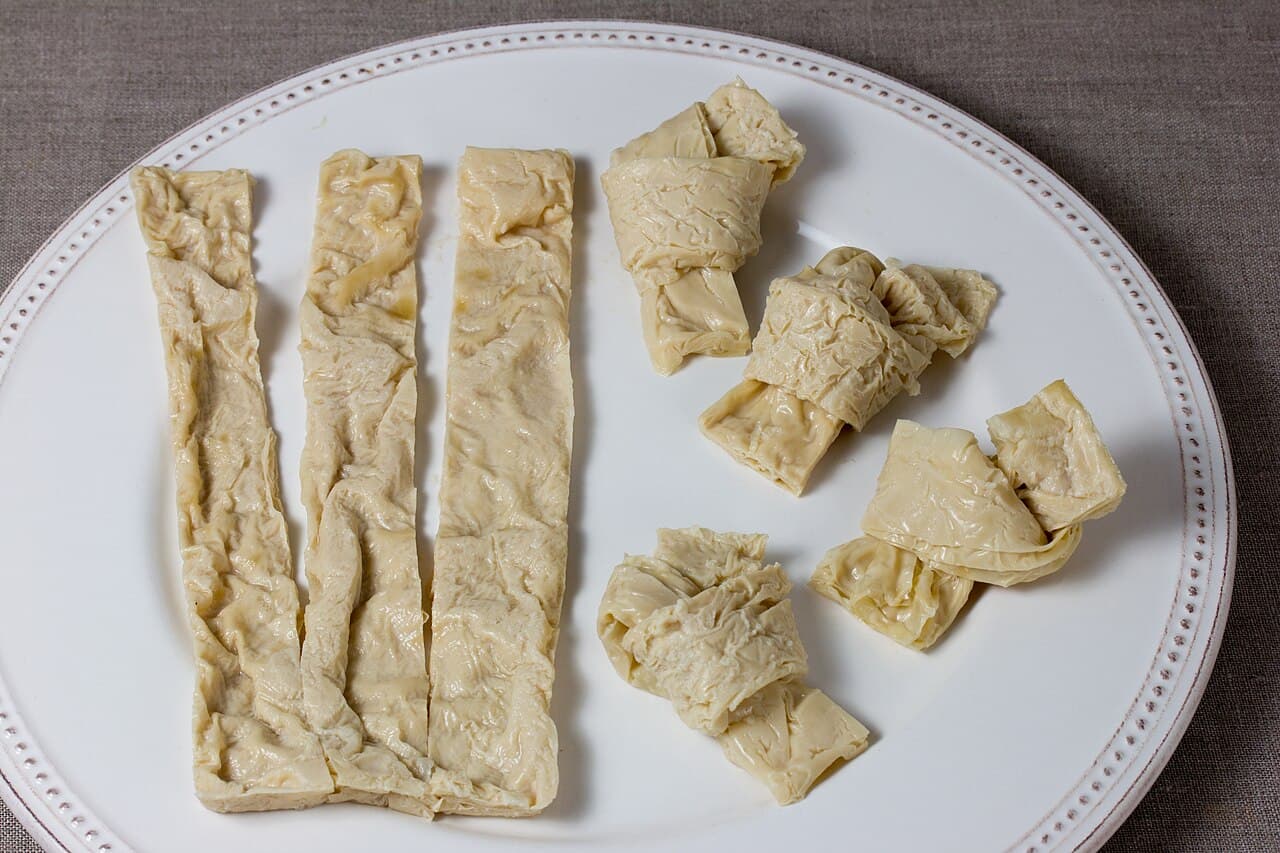
Tofu is fresh soybean curd; yuba is the delicate skin lifted from warm soy milk. Far beyond a meat substitute, artisan tofu is a dish in its own right — yudofu (simmered in kombu broth), agedashi (lightly fried), hiyayakko (chilled), or silky kinugoshi.
What it means
Tofu travelled with Buddhism and became central to temple and home cooking alike. A specialist tofu house treats water, soybeans and timing with the seriousness others give to wine — a humble ingredient raised to artistry.
Why it's wonderful
The pleasure is purity: clean soybean sweetness, a custard-soft texture, a few drops of good soy or a dab of ginger. Comforting, light, and quietly profound.
Is Tofu & yuba vegetarian, vegan, halal or gluten-free?
Plant-based and high in protein. Plain tofu is gluten-free, but sauces (soy) usually contain wheat — ask for tamari.
💬Recipes and preparation vary by restaurant, so this is a general guide. If you're ever unsure, please confirm directly with the venue before you order — they'll appreciate the heads-up.
Where to try it — and book a table
Hand-picked spots for this dish, each with a working reservation link. Tap to book.
★ Kuchifuku set — nine seasonal vegan sides with rice and miso soup
A casual, affordable vegan cafeteria run by a Kamakura temple lineage beneath the Akihabara rail arches, where even garlic and onion are forsaken in true shojin style.
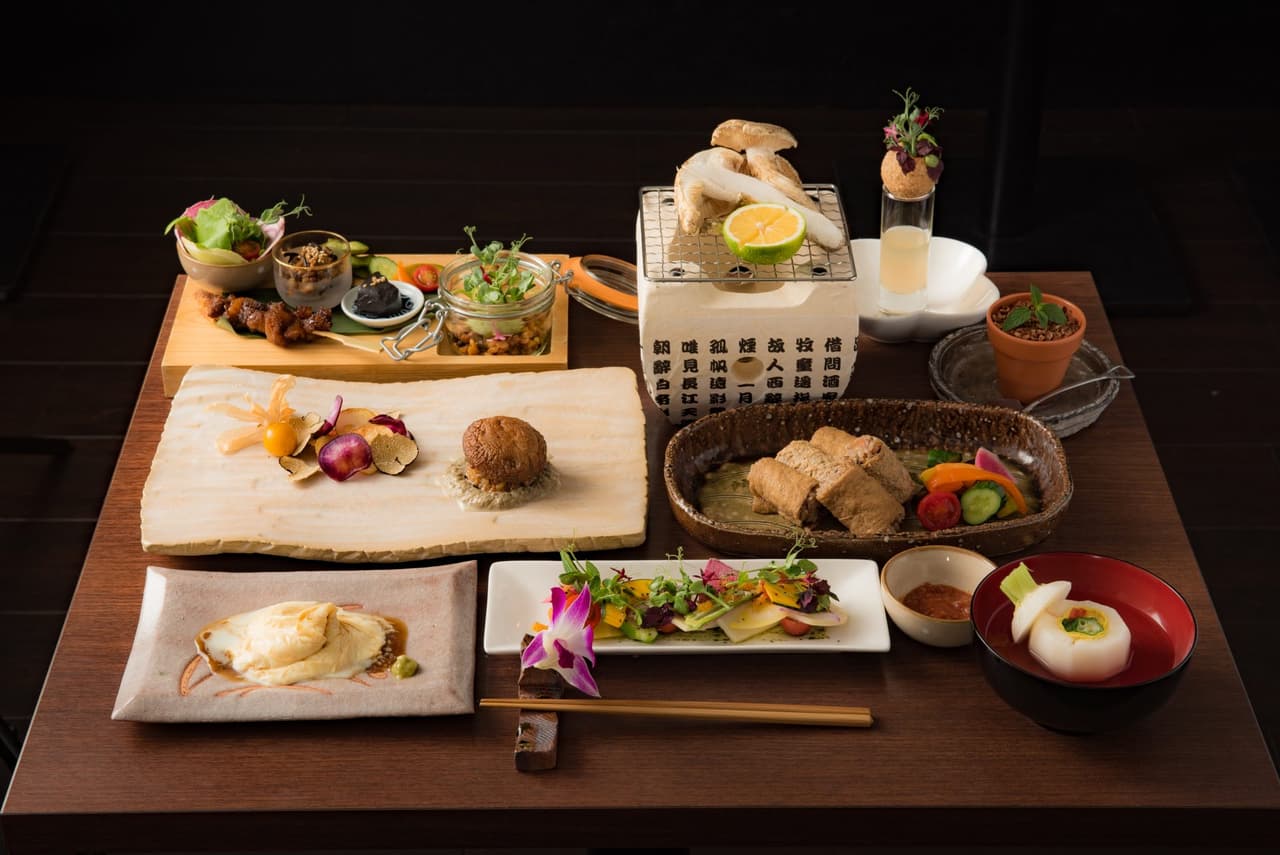
★ Plant-based 'meat & fish' course made entirely from vegetables
Once crowned the world's #1 vegan restaurant on HappyCow, this Jiyugaoka temple of 'new washoku' conjures convincing meat and fish dishes from nothing but vegetables — and welcomes vegan and Muslim diners alike.
★ Kinugoshi silken tofu, said to be invented here in Edo
Founded over 330 years ago, this Negishi institution claims to have invented silken tofu in Edo, and still serves a quiet tofu-kaiseki course beside the poet Shiki's old hermitage.
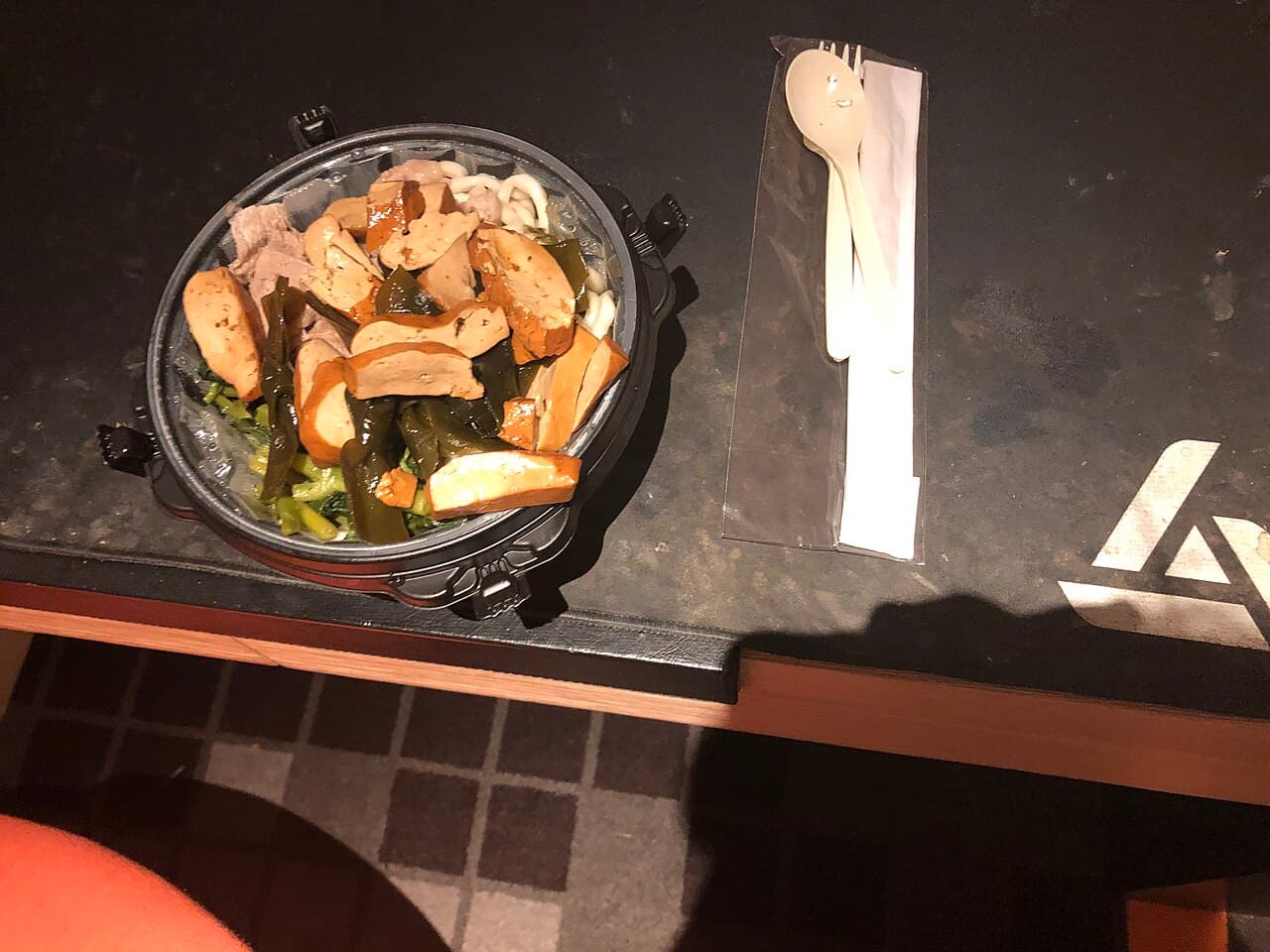
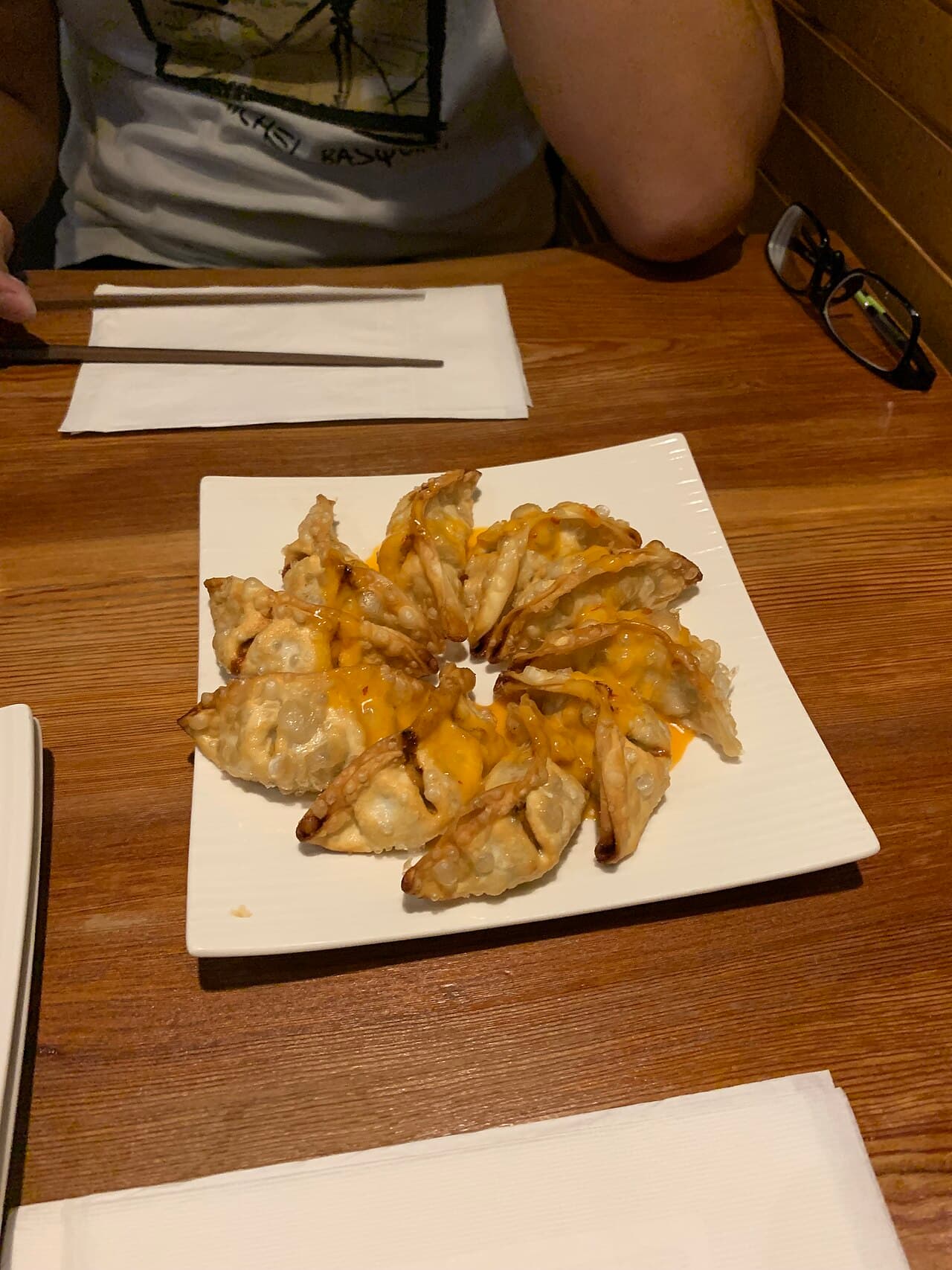
★ Vegetarian mapo tofu and meat-free dumplings alongside a Taiwanese menu
A small, friendly Taiwanese restaurant on the edge of Yokohama Chinatown serving an everyday menu with a genuine set of plant-based choices — vegetarian mapo tofu, meat-free dumplings and vegetable dishes — and English is spoken, which is rare for the area. A full vegetarian course needs a reservation, though à-la-carte vegetarian dishes do not. As with all Chinese kitchens, confirm whether items use chicken stock, oyster sauce or egg if you are strictly vegan.
★ Seasonal kaiseki of Kamakura vegetables, tofu and wheat gluten in a garden dining room
A serene garden-side kaiseki house in temple-filled Kita-Kamakura, descended from a rice-ball shop founded in 1964 in front of Kencho-ji, a few minutes' walk from the station. Its everyday menu is seasonal kaiseki built on Kamakura vegetables, tofu and wheat gluten, but it will prepare a fish-free Buddhist shojin (vegetarian) course for vegetarian and Muslim guests when booked in advance — so reserve and state your needs rather than assuming the standard course is meat-free. Closed Thursdays.
★ Silky oboro tofu and yuba in a seasonal multi-course meal
Tousuiro Kiyamachi is an upscale riverside tofu-kaiseki house in central Kyoto, serving silky oboro tofu and yuba in seasonal multi-course form, with a full English menu and summer riverside (kawayuka) seating. It offers a dedicated fish-free vegan course ('Rokuhara') with no meat, shellfish, egg, dairy or fish -- but you must order that specific course, since the standard tofu courses likely use bonito dashi.