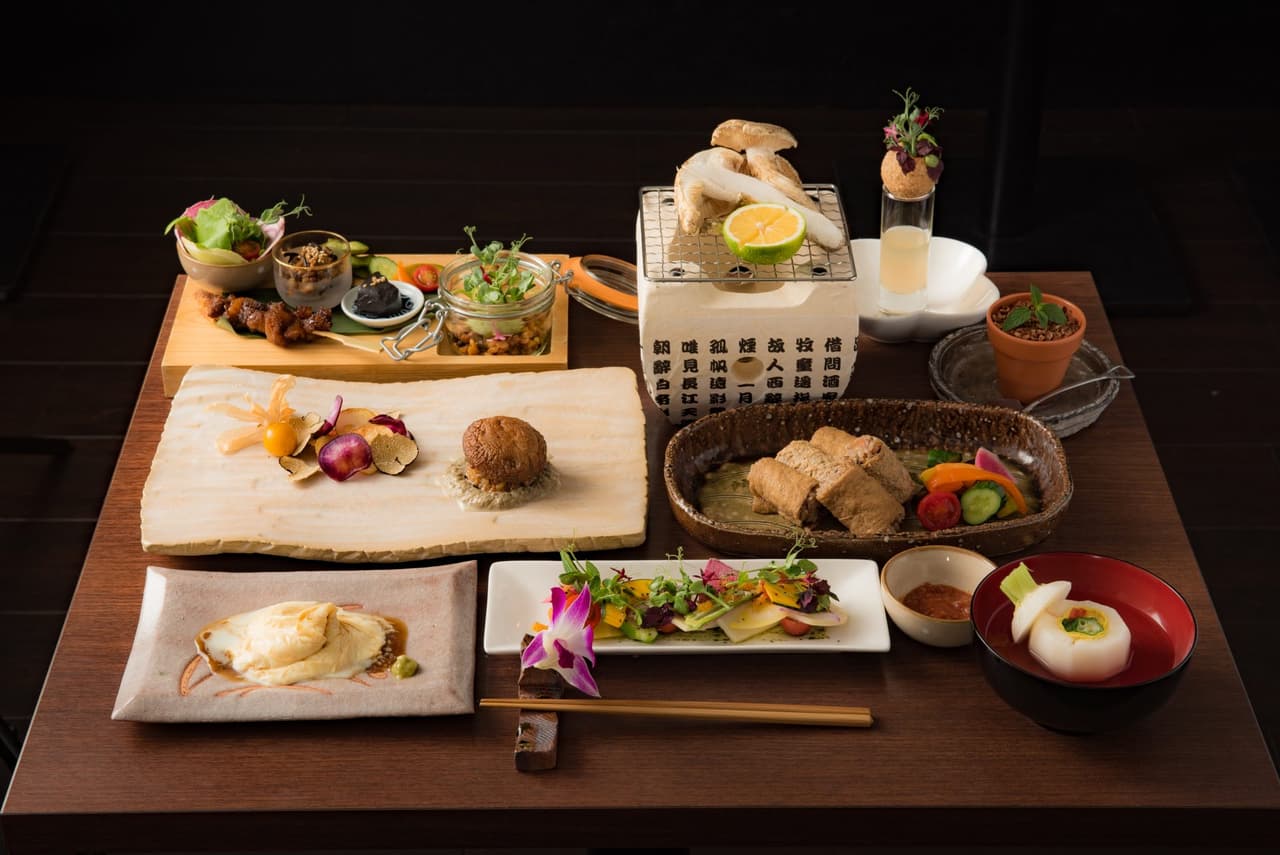
Permissible under Islamic law — watch for pork, alcohol, mirin and sake in seasoning.
Halal in Japan
Halal means permissible under Islamic law: no pork or pork by-products, no alcohol, and meat (beef, chicken, lamb) slaughtered according to Islamic rules. Tokyo's halal scene has grown a lot — there are now halal-certified ramen, wagyu/yakiniku, and Japanese restaurants, plus many Muslim-friendly places.
The Japanese-specific traps are in the seasoning: mirin and cooking sake (both contain alcohol) flavour countless dishes, regular shoyu (soy sauce) is brewed with a little alcohol, and many ramen and tonkatsu use pork. Even "chicken" dishes may share a fryer or grill with pork.
Certified vs. Muslim-friendly
Halal-certified: audited by a halal authority — the safest choice.
Muslim-friendly: no pork/alcohol on request, but not formally certified.
We label both. Use the filter to find them, confirm certification level if it matters to you, and use the phrases below.
What to watch for in Japan
Pork in ramen broth (tonkotsu), gyoza, tonkatsu, and as a hidden topping
Mirin and cooking sake — alcohol used in glazes, simmered dishes, teriyaki
Regular soy sauce and miso may contain trace alcohol
Shared fryers/grills between pork and other meats
FAQ
Is Japanese food Halal-friendly?
Food permitted under Islamic law: no pork, no alcohol, meat slaughtered correctly. In Japan, look out for mirin, cooking sake and soy sauce (which can contain alcohol) and pork-based broths.
What hidden ingredients should Halal travelers watch for in Japan?
Pork in ramen broth (tonkotsu), gyoza, tonkatsu, and as a hidden topping / Mirin and cooking sake — alcohol used in glazes, simmered dishes, teriyaki / Regular soy sauce and miso may contain trace alcohol / Shared fryers/grills between pork and other meats
How do I say I'm Halal in Japanese?
「豚肉とお酒(アルコール)は食べられません。」(Butaniku to osake (arukōru) wa taberaremasen.)
What does “halal” actually mean here?
Japan has no single national halal authority — many private certifiers with different logos. Here’s what each claim really guarantees, and what to confirm yourself.
🏅Halal-certified
Audited by a halal body: no pork, no alcohol, meat slaughtered to Islamic rules.
Still check: Which certifier issued it, and is it current? Japan has no single national logo — many private bodies exist.
🟢Muslim-friendly
No pork or alcohol on request, often a halal menu — but not formally certified.
Still check: Confirm the meat is halal-sourced, and ask about shared fryers, grills and utensils.
🚫🐖Pork-free menu
No pork — but may still use alcohol, mirin, or non-halal meat.
Still check: Ask about cooking sake and mirin (alcohol), and where the meat comes from.
⚠️Self-described / unverified
A claim with no third-party check behind it.
Still check: Treat with caution — use the phrases below to confirm pork, alcohol and meat source yourself.
Always ask, even when certified
Mirin & cooking sake — alcohol hidden in glazes, simmered dishes and teriyaki
Shared fryers, grills and pots between pork and other foods
Regular soy sauce & miso may contain trace alcohol
💬Recipes and preparation vary by restaurant, so this is a general guide. If you're ever unsure, please confirm directly with the venue before you order — they'll appreciate the heads-up.
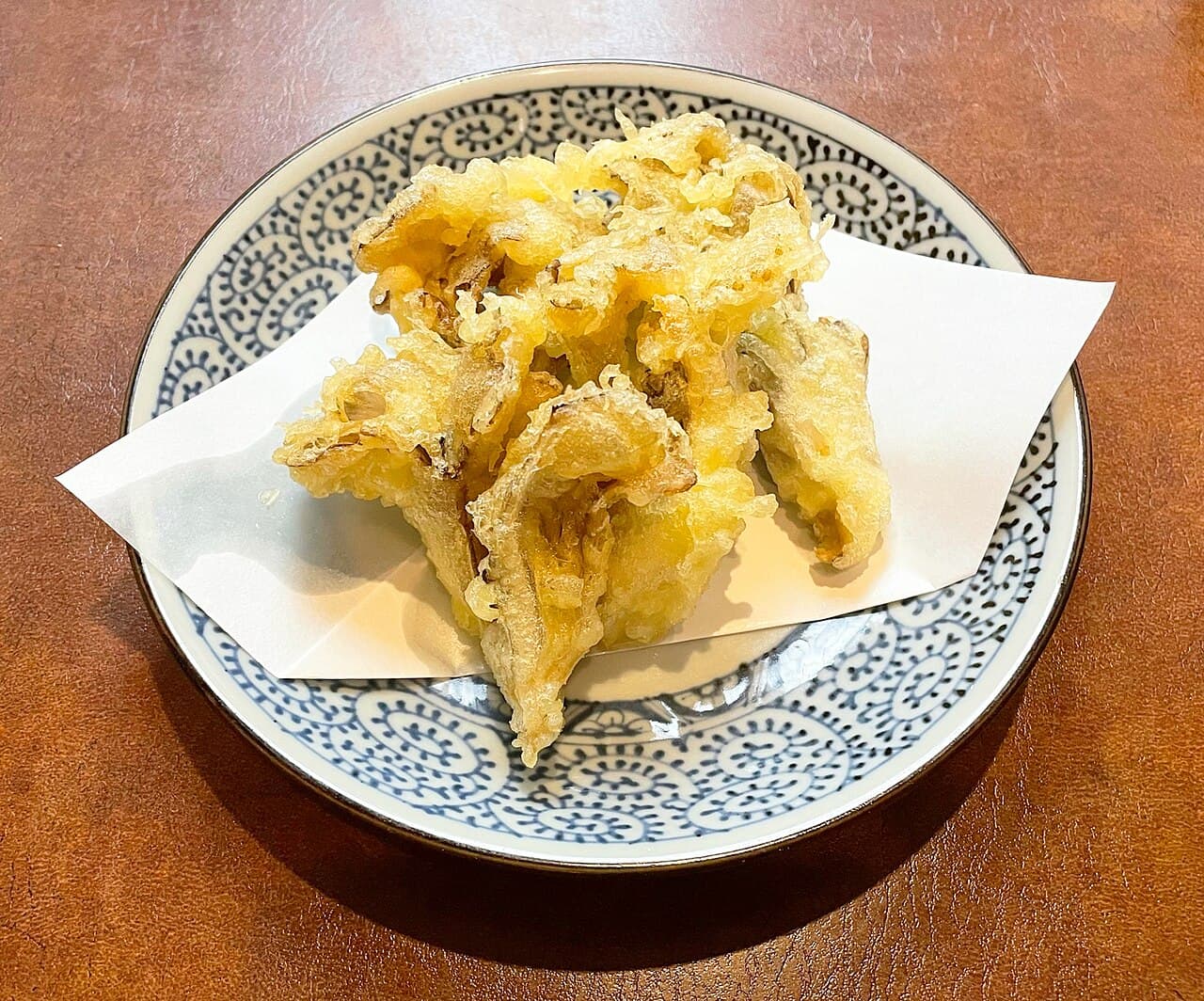
★ Tempura fried in 100% gluten-free rice-flour batter with house-made gluten-free soy sauce and broth; wagyu and seafood tempura bowls are highlights
A counter tempura restaurant whose entire menu is gluten-free (rice-flour batter plus house-made GF soy sauce and broth) and which is halal certified. It is not a separate dedicated GF facility, so highly sensitive celiacs should confirm cross-contact directly; vegetarian tempura courses are also offered.
★ Organic vegetable curries and tandoor naan with vegan, vegetarian and halal options
The Shibuya outpost of the long-running Nataraj natural-Indian vegetarian group, offering spice-rich organic vegetable curries, tandoor naan and clearly labelled vegan, vegetarian and halal menus in the heart of Shibuya.
★ Organic vegetable curries with tandoor naan; vegan, vegetarian and halal menus
A pioneering natural Indian vegetarian restaurant (the brand dates to 1989) serving spice-forward curries and tandoor naan in a spacious basement near Ogikubo Station. Vegan, vegetarian, halal and five-allium-free menus make it unusually accommodating.
★ Seasonal Mie-Prefecture kaiseki course (halal version on request)
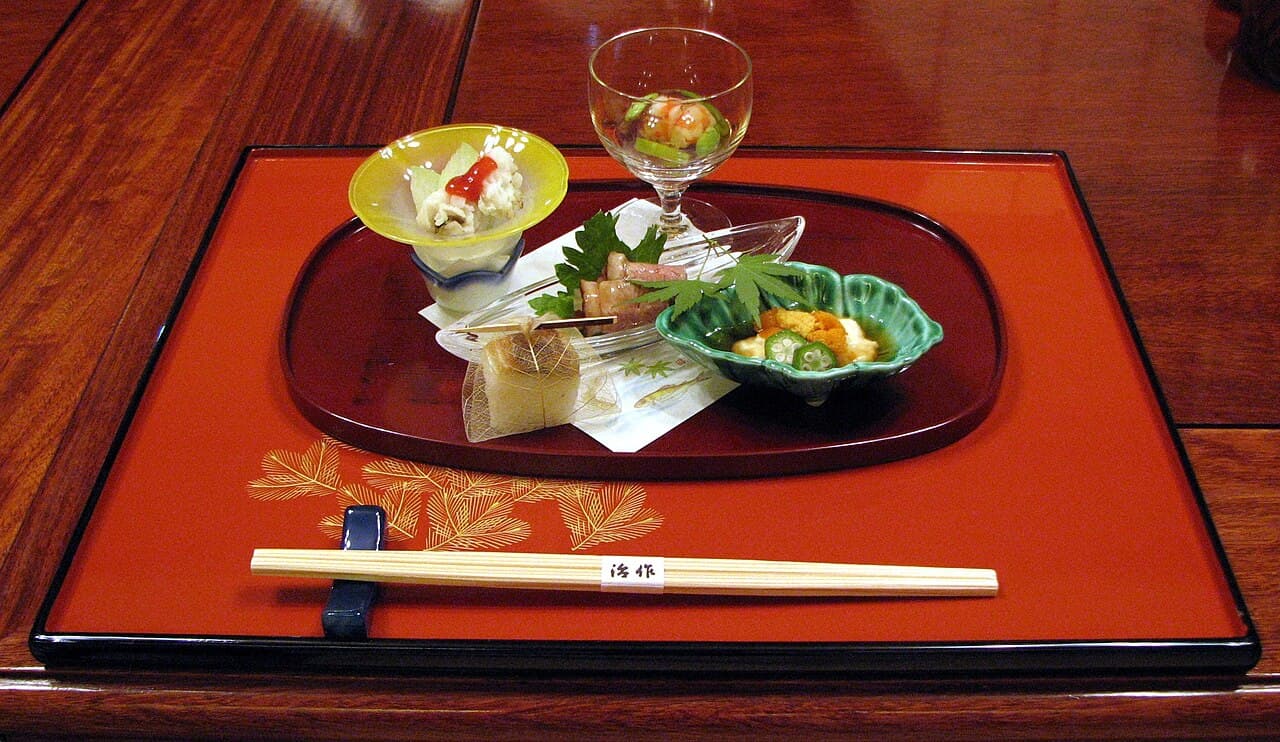
A counter-style kaiseki restaurant in Nishi-Azabu offering a dedicated multi-course menu made without pork, alcohol or mirin on advance request. Muslim-friendly / pork- and alcohol-free (not formally certified); book the halal course about a week ahead.
A cafe a 2-minute walk from Kaminarimon serving food without pork or alcohol, using halal meat alongside vegan and vegetarian dishes. Muslim-friendly / pork- and alcohol-free, not third-party halal-certified.
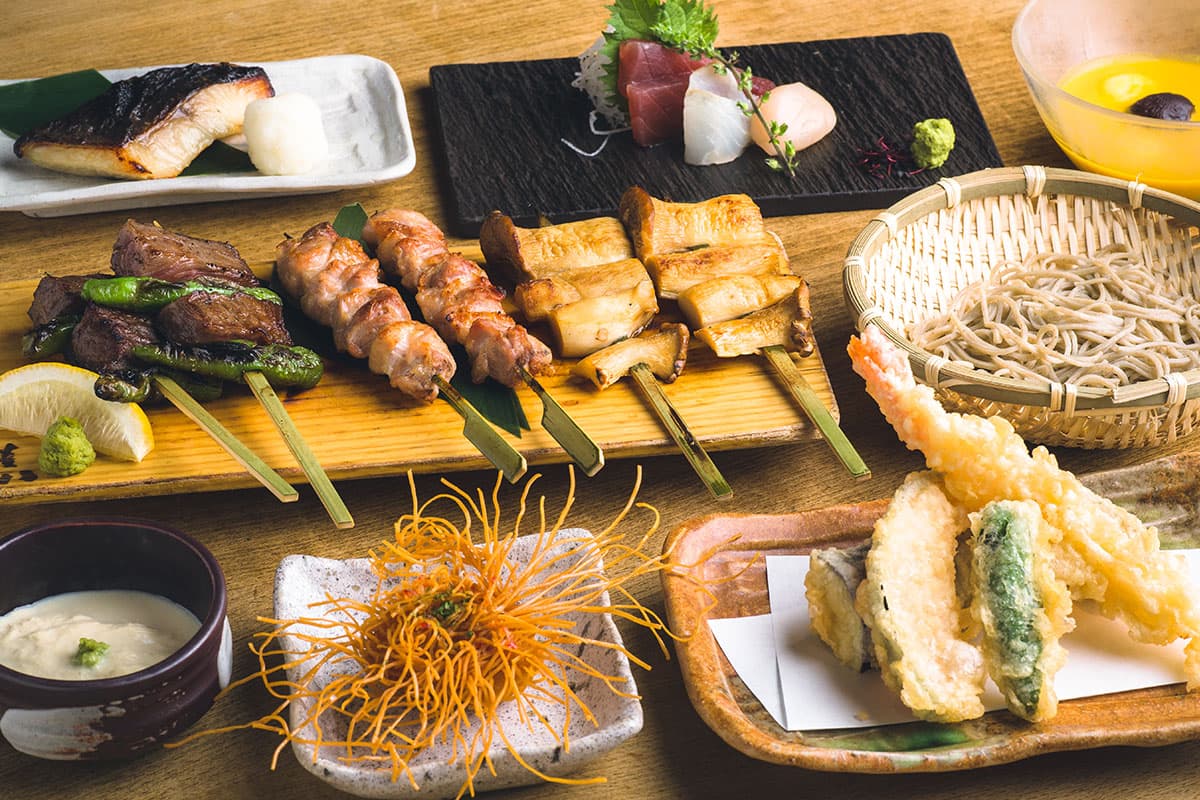
The towering wooden-beamed izakaya that inspired Kill Bill's House of Blue Leaves, where lantern light conjures an Edo-era warehouse over plates of fresh soba and charcoal skewers.
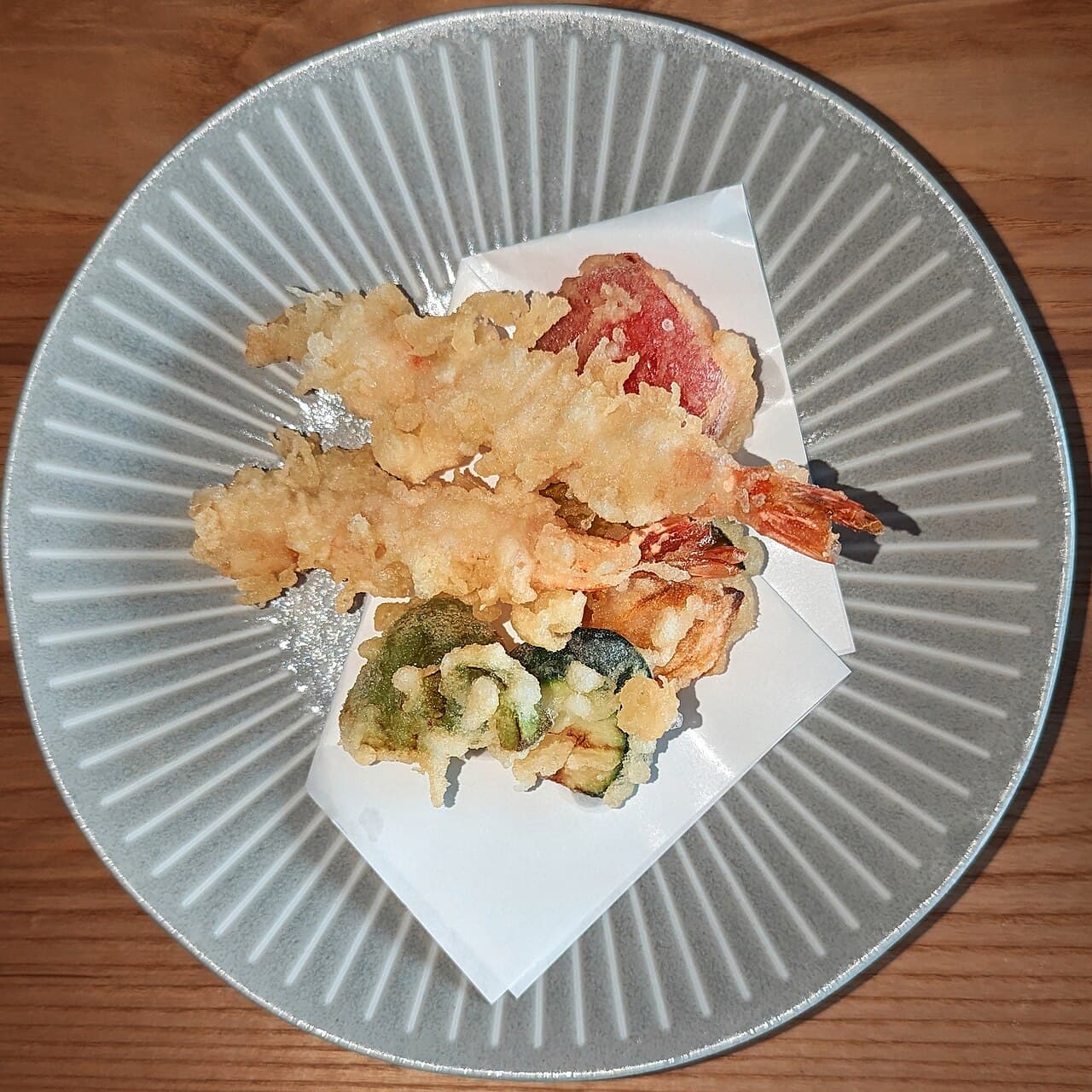
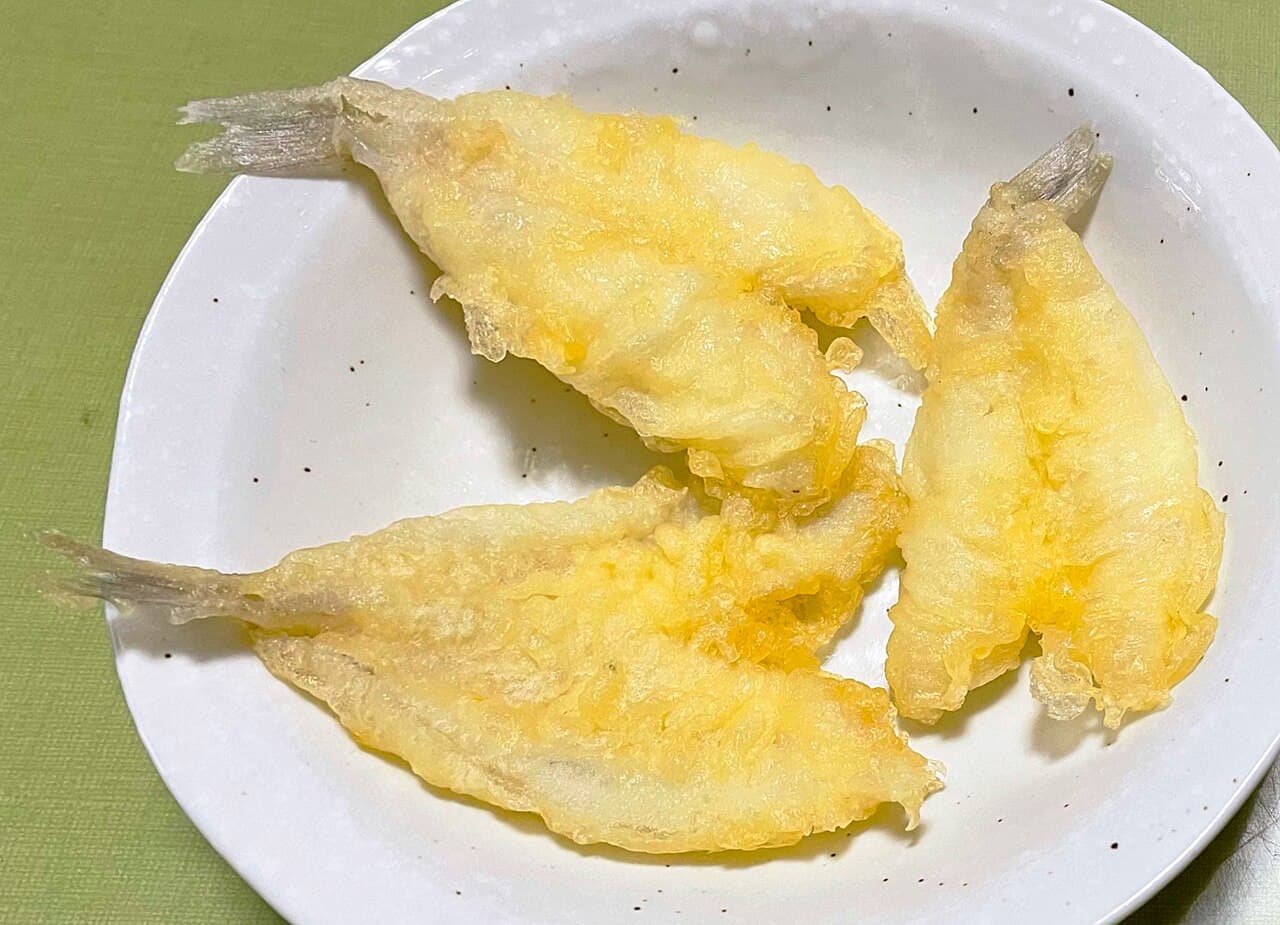
★ Wagyu sirloin and tiger prawn tempura in rice-flour batter
A ten-seat counter beneath a canopy of cherry blossoms where every course — even the wagyu and prawn tempura — is fried in rice flour: fully gluten-free and halal.
★ Plant-based 'meat & fish' course made entirely from vegetables
Once crowned the world's #1 vegan restaurant on HappyCow, this Jiyugaoka temple of 'new washoku' conjures convincing meat and fish dishes from nothing but vegetables — and welcomes vegan and Muslim diners alike.