Avoiding peanuts/tree nuts — relatively easy, but check sauces and desserts.
Nut allergies in Japan
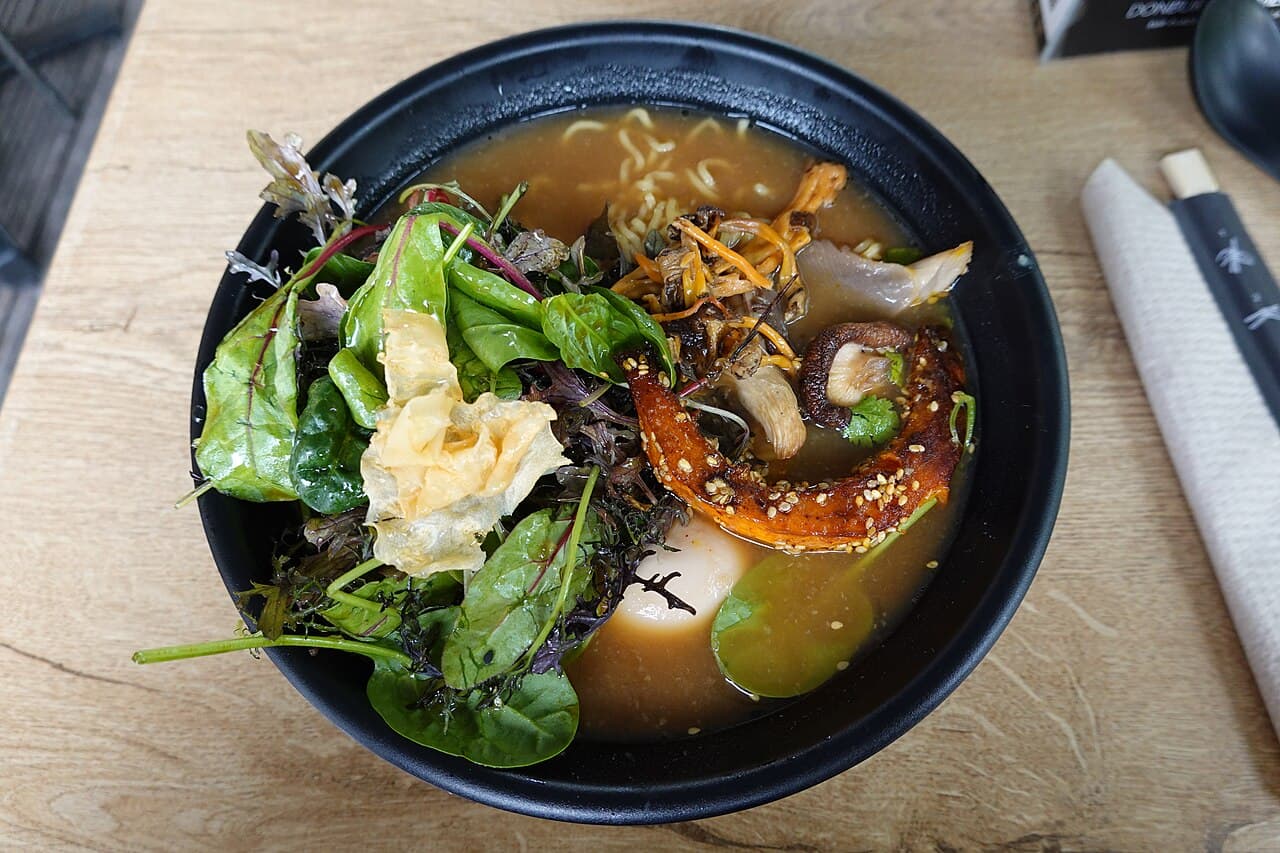
Japanese cuisine relies less on nuts than many others, which helps. But sesame (goma) is ubiquitous — dressings, gomadare dipping sauce, sprinkled on rice and vegetables — and peanuts appear in some dressings, satay-style sauces and snacks. Walnuts and ginnan (gingko) show up in seasonal dishes. With a serious allergy, always state it clearly and ask about cross-contamination.
What to watch for in Japan
- Sesame (goma) in dressings, sauces and toppings
- Peanuts in some dressings, sauces and snacks
- Walnuts and gingko in seasonal dishes
FAQ
- Is Japanese food Nut-free-friendly?
- Avoiding peanuts and/or tree nuts. Japanese cuisine uses nuts less than many others, but sesame is everywhere, and peanuts appear in some sauces, dressings and snacks — flag allergies clearly.
- What hidden ingredients should Nut-free travelers watch for in Japan?
- Sesame (goma) in dressings, sauces and toppings / Peanuts in some dressings, sauces and snacks / Walnuts and gingko in seasonal dishes
- How do I say I'm Nut-free in Japanese?
- 「ナッツアレルギーです。ピーナッツや木の実は食べられません。」(Nattsu arerugī desu. Pīnattsu ya kinomi wa taberaremasen.)
Show this to staff
Nut-free
ナッツアレルギーです。ピーナッツや木の実は食べられません。
Nattsu arerugī desu. Pīnattsu ya kinomi wa taberaremasen.
I have a nut allergy. I can't eat peanuts or tree nuts.