
도시 가이드
교토에서의 첫 식사: 차분하고 식물성 친화적인 도시
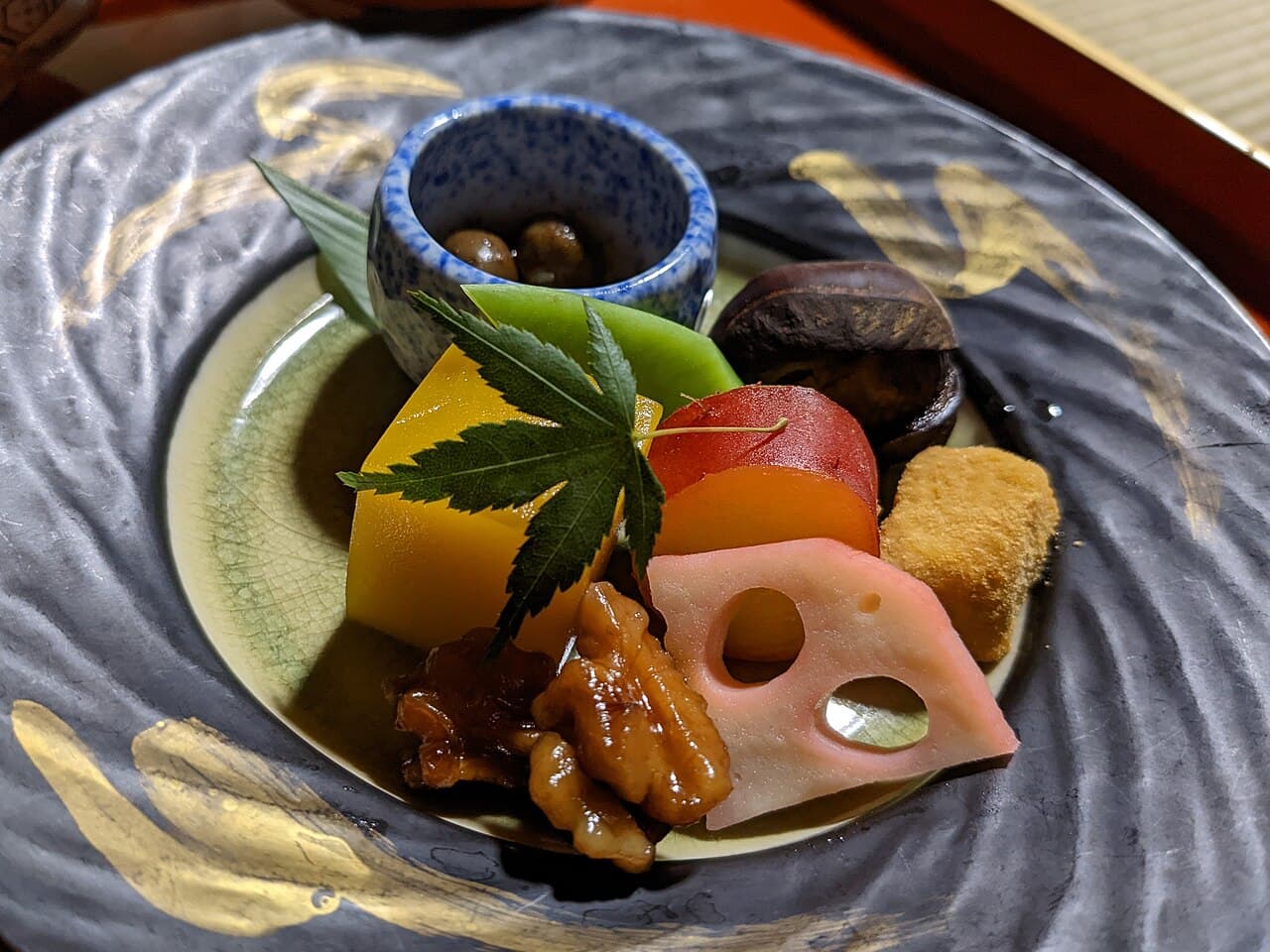
왜 교토가 편한 도시인가
교토는 불교 사찰을 중심으로 음식 문화를 세웠고, 그 역사는 지금도 접시에 드러납니다. 쇼진 요리—일본에 처음으로 세련된 채식 요리를 준 사찰 요리—와 이 도시의 두부와 유바 사랑은, 이곳에서 식물성을 우선하는 식사가 현대의 배려가 아니라 진정한 전통임을 뜻합니다. 속도도 도움이 됩니다: 교토는 도쿄보다 조용하고, 거리가 걷거나 짧은 버스로 닿으며, 주방은 세심한 손님에 익숙합니다. 기억할 유일한 함정은 일본 어디서나 같은 것—가다랑어(가쓰오)로 낸 다시입니다. '채소' 요리조차 생선 육수에 담겨 있을 수 있으니 항상 확인하세요.
어디서 먹을까
진짜부터 시작하세요: 아라시야마의 텐류지 안에 있는, 사찰이 운영하는 선종 채식 다이닝룸 Shigetsu(미슐랭 빕 구르망)로, 육수는 다시마와 표고이지 결코 가다랑어가 아닙니다—엄격한 비건은 예약 시 달걀과 꿀만 확인하면 됩니다. 저녁은 교토 중심부 강가의 고급 두부 가이세키 Tousuiro로, 완전한 영어 메뉴와 생선을 뺀 전용 비건 코스가 있습니다('Rokuhara' 세트를 청하세요—표준 두부 코스는 가다랑어 다시를 쓸 가능성이 높습니다). 두 라멘 전문점이 까다로운 식단을 커버합니다: Gion Soy Milk Ramen Uno Yukiko는 쌀가루 면과 글루텐프리 간장을 써 교토에서 가장 믿을 만한 글루텐프리·무생선 그릇 중 하나이고(셀리악 손님은 교차 오염을 직접 확인하세요), 조용한 시모가모의 Towzen은 2018년부터 완전 비건으로 깔끔한 다시마·두유 육수를 씁니다. 무슬림 여행자에게는 기도실과 영어 메뉴를 갖춘 제3자 할랄 인증 치킨 라멘 카운터 Ayam-Ya Karasuma가 있습니다.
일정 짜기
구역별로 묶으세요: 아라시야마(Shigetsu, 사찰, 대나무 숲)는 서쪽에서 반나절; 기온과 기야마치(Uno Yukiko, Tousuiro)는 중심부와 저녁; 가라스마는 빠른 인증 할랄 점심으로. 이 중 몇 곳은 주중에 문을 닫고 몇 곳은 점심만 하니, 나서기 전에 요일과 시간을 확인하고 디렉터리를 교토로 필터링해 동선을 그리세요.
확인된 맛집
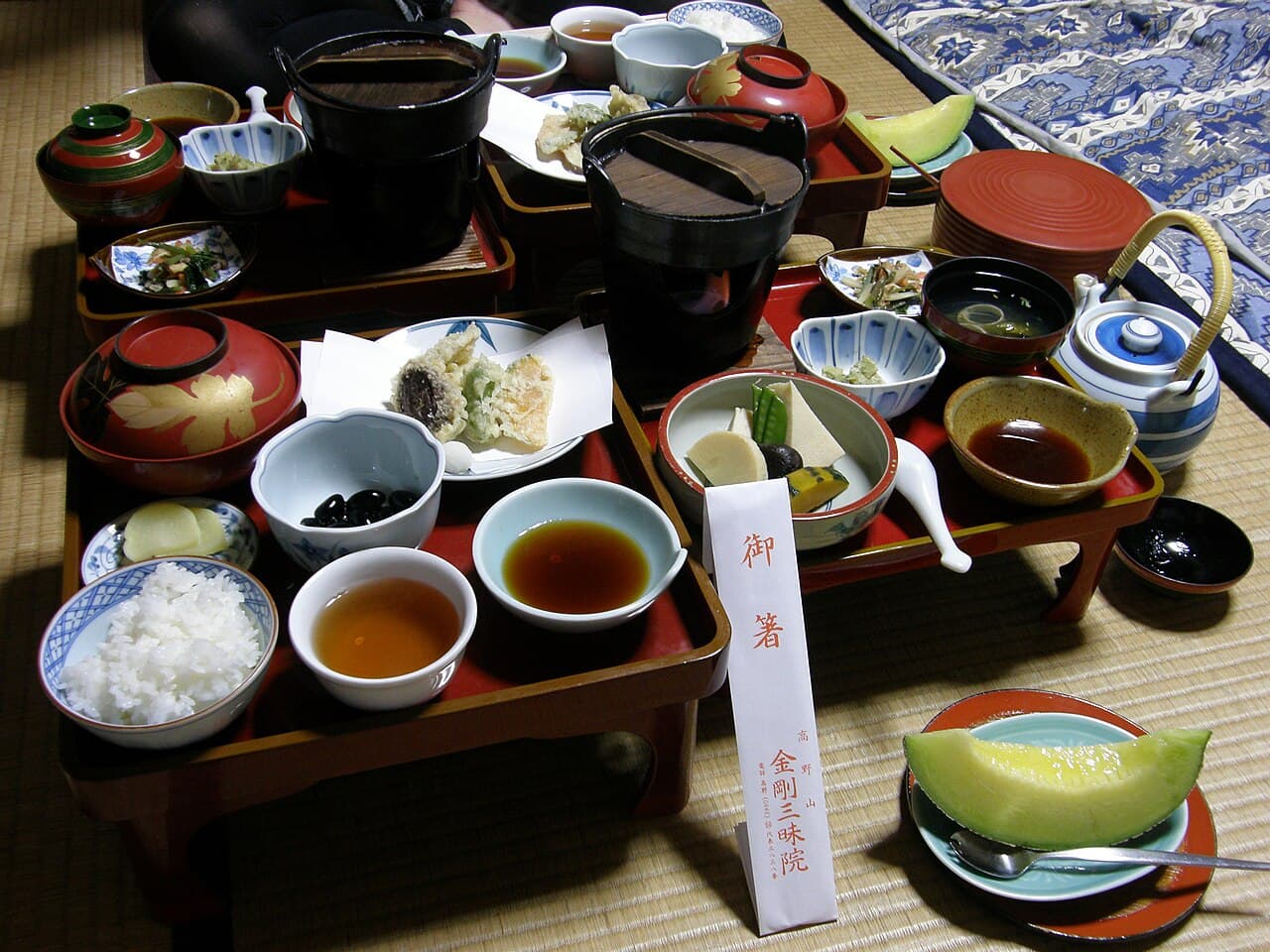
Shigetsu (Tenryu-ji)
옻칠 그릇에 담아내는 제철 쇼진 코스
아라시야마의 대표 선종 사찰 덴류지 경내에서 사찰이 직접 운영하는 채식 식당(미쉐린 빕구르망 교토·오사카 2025). 제철 코스를 옻칠 그릇에 담아낸다. 전통 쇼진은 다시마와 표고를 쓰고 가다랑어 육수는 쓰지 않지만, 달걀·꿀 표기는 공개되지 않으니 엄격한 비건은 예약 시 확인할 것. 정원 입장료가 코스에 별도로 붙는다.
- 채식
- 비건
- 유제품 프리
- 데이트
- 기념일
- 캐주얼
- 프라이빗 룸
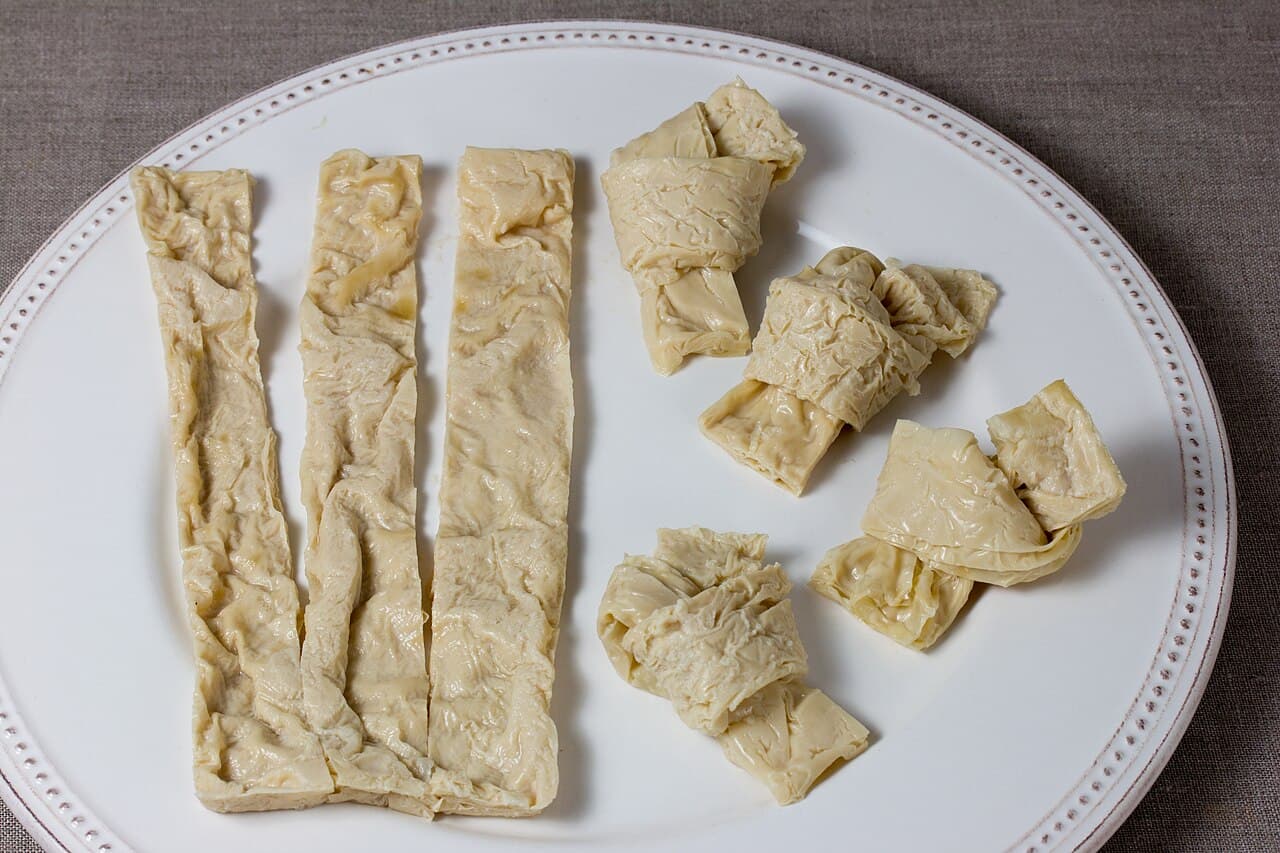
Tousuiro Kiyamachi
비단 오보로 두부와 유바를 곁들인 제철 코스
교토 도심 강변의 고급 두부 가이세키집. 비단 오보로 두부와 유바를 제철 코스로 내며, 영어 메뉴와 여름 강변(가와유카) 좌석을 갖췄다. 고기·조개·달걀·유제품·생선을 뺀 전용 비건 코스('로쿠하라')가 있지만 반드시 그 코스를 주문해야 하며, 일반 두부 코스는 가다랑어 다시를 쓸 가능성이 높다.
- 페스코
- 채식
- 비건
- 유제품 프리
- 데이트
- 기념일
- 비즈니스
- 프라이빗 룸
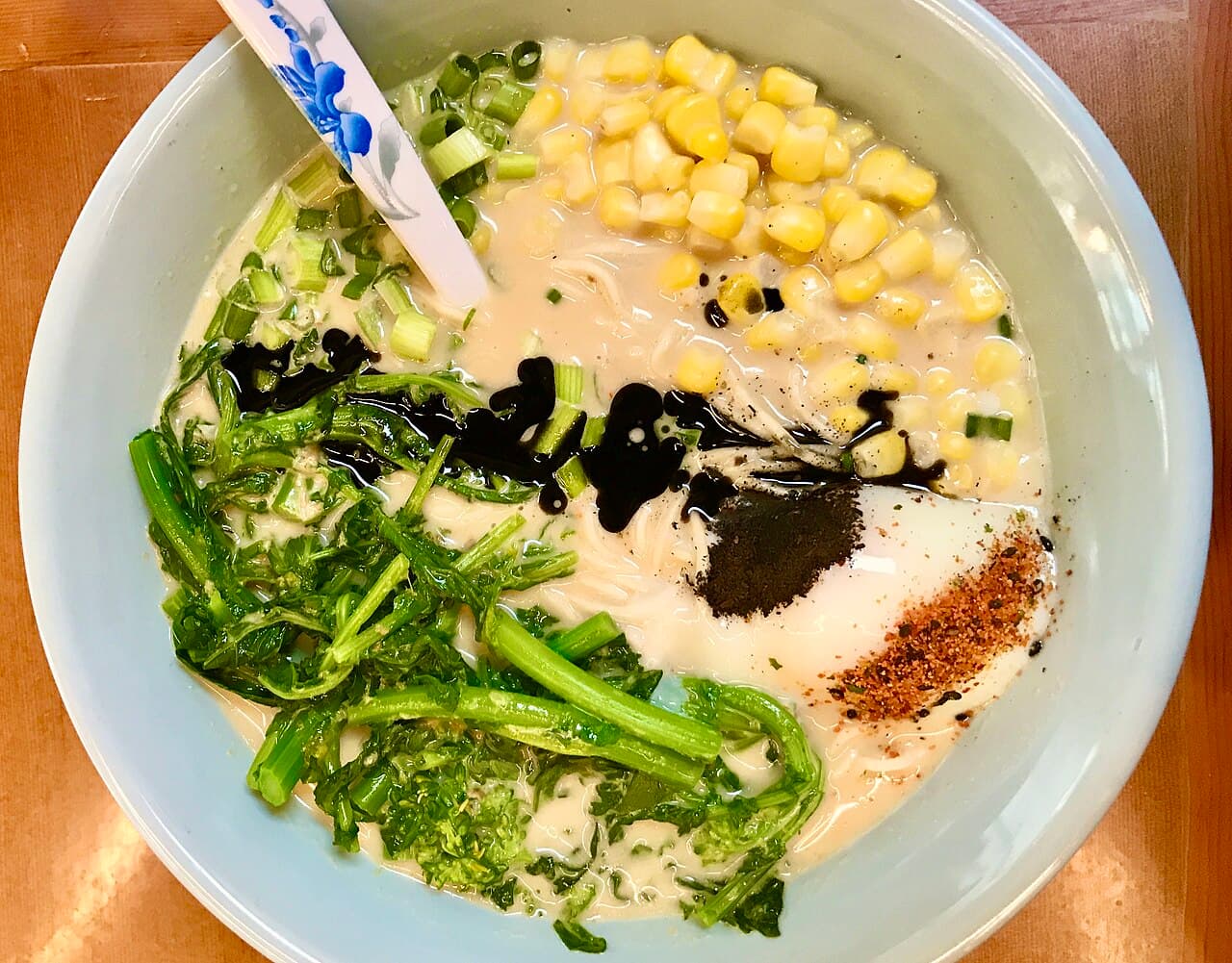
Gion Soy Milk Ramen Uno Yukiko
쌀가루 면과 글루텐프리 간장을 쓴 크리미한 두유 라멘
파티시에 우노 유키코가 기온에서 운영하는 비건·글루텐프리 라멘 전문점. 쌀가루·다시마 면과 글루텐프리 간장을 두유 육수에 더해, 교토에서 가장 믿을 만한 글루텐프리·무생선 다시 라멘 중 하나다. 다만 '전용 주방' 주장은 가게 자체가 아니라 외부 리스트에서 나온 것이라, 셀리악 손님은 교차오염 관리를 직접 확인할 것.
- 비건
- 채식
- 글루텐프리
- 유제품 프리
- 캐주얼
- 혼밥
- 데이트
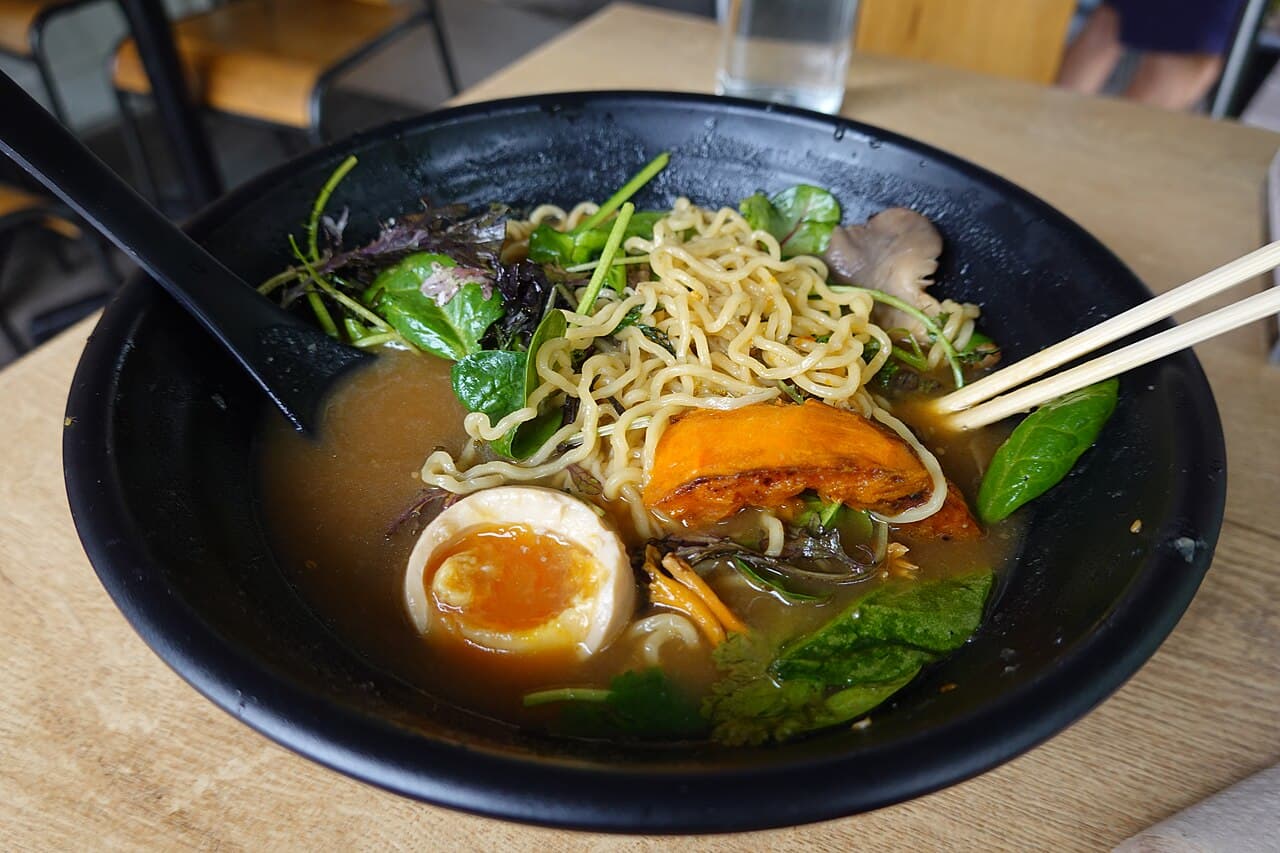
Towzen (Mamezen)
다시마·콩 육수의 크리미한 두유 라멘 (생선 육수 무첨가)
조용한 시모가모에 자리한 작은 완전 비건 두유 라멘집. 2018년부터 비건을 유지하며, 다시마와 두유로 크리미한 육수를 내고 생선 다시는 전혀 쓰지 않는다. 교토에서 가장 깔끔한 엄격 비건 라멘 중 하나로, 오신채(양파·마늘)도 피한다. 면에는 밀이 들어가 비건이지만 글루텐프리는 아니며, 주중에 휴무이니 방문 전 영업일을 확인할 것.
- 비건
- 채식
- 유제품 프리
- 캐주얼
- 혼밥
자주 묻는 질문
- 교토가 정말 도쿄보다 채식 친화적인가요?
- 식물성 식사에는 그렇습니다—교토의 사찰 음식(쇼진 요리)과 두부/유바 전통은 완전 채식 여러 코스 식사가 특별 요청이 아니라 현지 문화의 일부임을 뜻합니다. 어디서나 확인할 한 가지는 채소 요리에도 숨을 수 있는 가다랑어(생선) 다시입니다.
- 교토에서 할랄 음식을 찾을 수 있나요?
- 네, 다만 선택지는 도쿄보다 적습니다. Ayam-Ya Karasuma는 기도실과 영어 메뉴를 갖춘 제3자 할랄 인증 치킨 라멘집입니다. 사실상 점심만 하고 주중에 쉬므로 방문 전에 시간을 확인하세요.