
Dietary guide
Is Soy Sauce Vegan? Plain Shoyu Is -- But Watch the Blended Versions
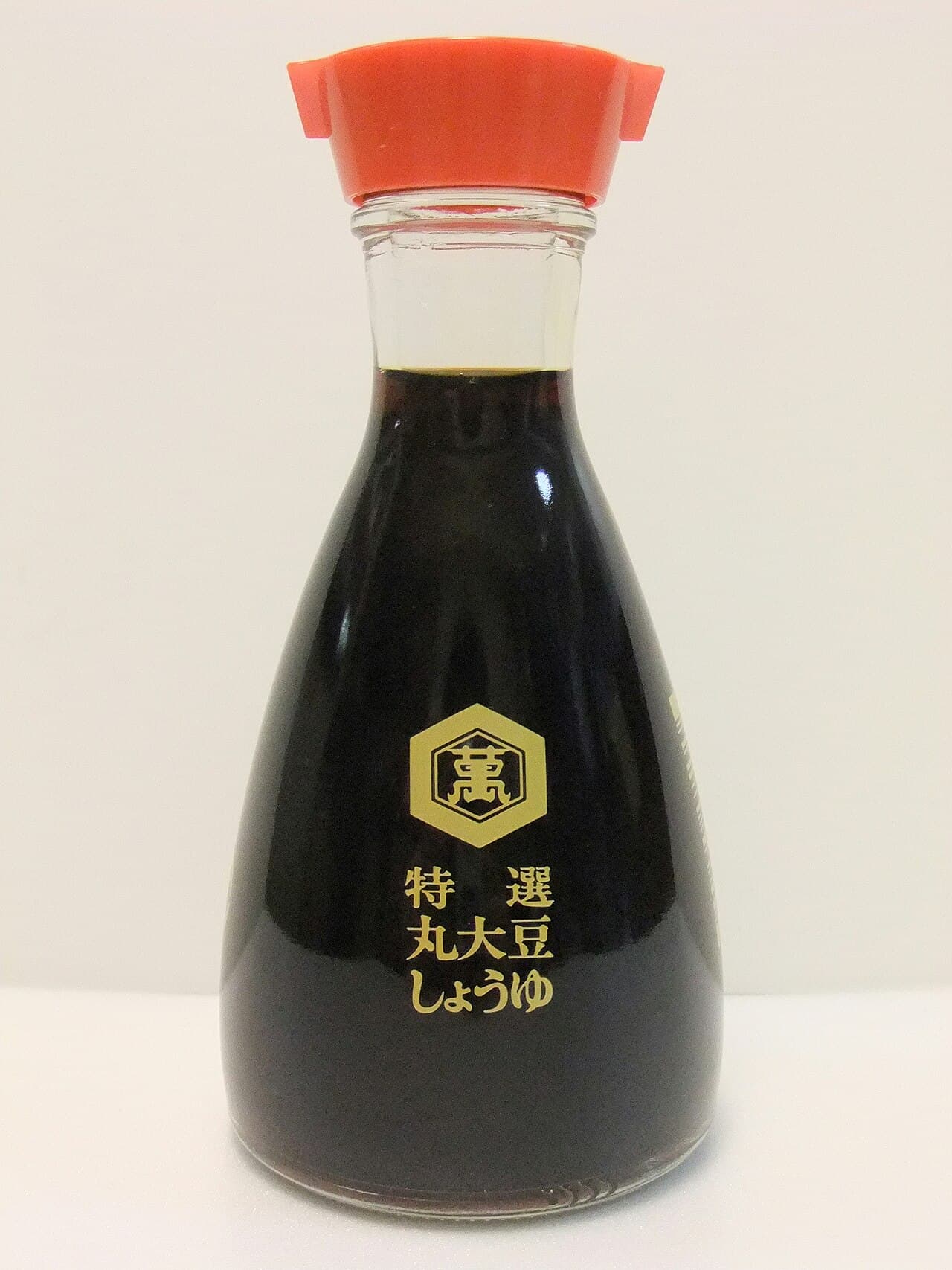
© Mj-bird (CC BY-SA 3.0) via Wikimedia Commons · CC BY-SA 3.0
Plain Japanese soy sauce -- shoyu -- is vegan. It's made by fermenting soybeans, wheat and salt, and nothing in that process involves an animal product. The confusion comes from the fact that "soy sauce" on a Japanese table often isn't plain shoyu at all -- it's a blended sauce built on top of soy sauce, and several of the most common blends quietly add fish.
What plain shoyu actually contains
Standard Japanese soy sauce is fermented from soybeans and wheat (roughly 1:1), water and salt -- a naturally brewed product with no animal ingredients at any stage. Kikkoman's flagship soy sauce, sold worldwide, follows this recipe and lists no fish or animal-derived ingredients. There's a small amount of alcohol (under 2%) in some bottles, but it's a natural byproduct of fermentation, not an added ingredient, the same way it can appear in some breads -- it isn't a vegan concern by itself, though it can matter to Muslim diners avoiding alcohol.
Where "soy sauce" quietly stops being plain shoyu
This is the part that actually causes accidental non-vegan orders in Japan:
- Tsuyu / mentsuyu (the dipping or noodle-soup sauce served with soba, udon and tempura) is a soy-sauce base combined with dashi -- almost always bonito-flake stock. It looks like soy sauce in a small dish, but it's fish stock with soy sauce added, not the other way around.
- Ponzu, the citrus-soy dipping sauce for shabu-shabu and gyoza, is built the same way -- soy sauce plus citrus plus bonito dashi in most commercial and restaurant versions. Our is ponzu vegan? guide breaks this down brand by brand.
- Teriyaki sauce, at restaurants and on packaged snacks, is often soy sauce plus mirin and sugar -- genuinely vegan in its simplest form -- but some restaurant and bottled versions add honey or a small amount of dashi for depth, so it's not a safe default without checking.
The single most useful habit: if a small dish of dark sauce is served alongside a dish rather than poured directly from a bottle you can read, assume it's a blend, not plain shoyu, until you confirm otherwise.
Tamari -- the gluten-free version
Tamari, a thicker, wheat-reduced or wheat-free soy sauce originally a byproduct of miso production, is the standard swap for a gluten-free diet in Japan. Most tamari is also vegan, made the same soybean-fermentation way as regular shoyu, but always check the specific bottle -- some blended or flavored tamari products add other ingredients. Genuine tamari won't be on the table by default at most restaurants; you'll need to ask for it or bring your own.
What to actually say when ordering
At a restaurant, the safest ask isn't "is there soy sauce in this" -- it's specific: "Katsuo dashi wa haitte imasu ka?" ("Does this have bonito dashi in it?") for a sauce or broth, since plain shoyu itself is never the problem. Our Japanese phrases for vegans card has this and other dashi-checking phrases ready to show on your phone.
Sources
자주 묻는 질문
- Is Kikkoman soy sauce vegan?
- Yes. Kikkoman's standard naturally-brewed soy sauce is fermented from soybeans, wheat, water and salt, with no fish or animal-derived ingredients. The small amount of alcohol it contains (under 2%) is a natural fermentation byproduct, not an added ingredient.
- Is tamari vegan and gluten-free?
- Genuine tamari is typically both -- it's fermented from soybeans with little or no wheat, making it gluten-free, and made the same animal-free way as regular soy sauce. Check the specific bottle, since some flavored or blended tamari products add other ingredients.
- Does soy sauce contain fish or bonito?
- Plain soy sauce (shoyu) doesn't -- it's soybeans, wheat, water and salt. The confusion comes from soy-sauce-based blends like tsuyu, mentsuyu and ponzu, which typically do add bonito dashi. If a sauce is described as anything other than plain "shoyu," assume it may be a blend.
- Is the soy sauce at a sushi restaurant vegan?
- The small dish of soy sauce for dipping sushi is usually plain shoyu and vegan. The risk at a sushi restaurant is elsewhere -- in the vinegared rice (which can include a fish-based seasoning at some shops) and any sauces drizzled on rolls, not the dipping soy sauce itself.
- Is teriyaki sauce the same as soy sauce?
- No -- teriyaki sauce is soy sauce combined with mirin and sugar (and sometimes honey), reduced into a glaze. The base soy sauce is vegan, but check for added honey specifically, since it's a common addition in both restaurant and bottled teriyaki sauces that isn't always listed prominently.