
에디터 추천
도쿄 최고의 비건 라멘: 생선 다시를 전혀 쓰지 않은 한 그릇
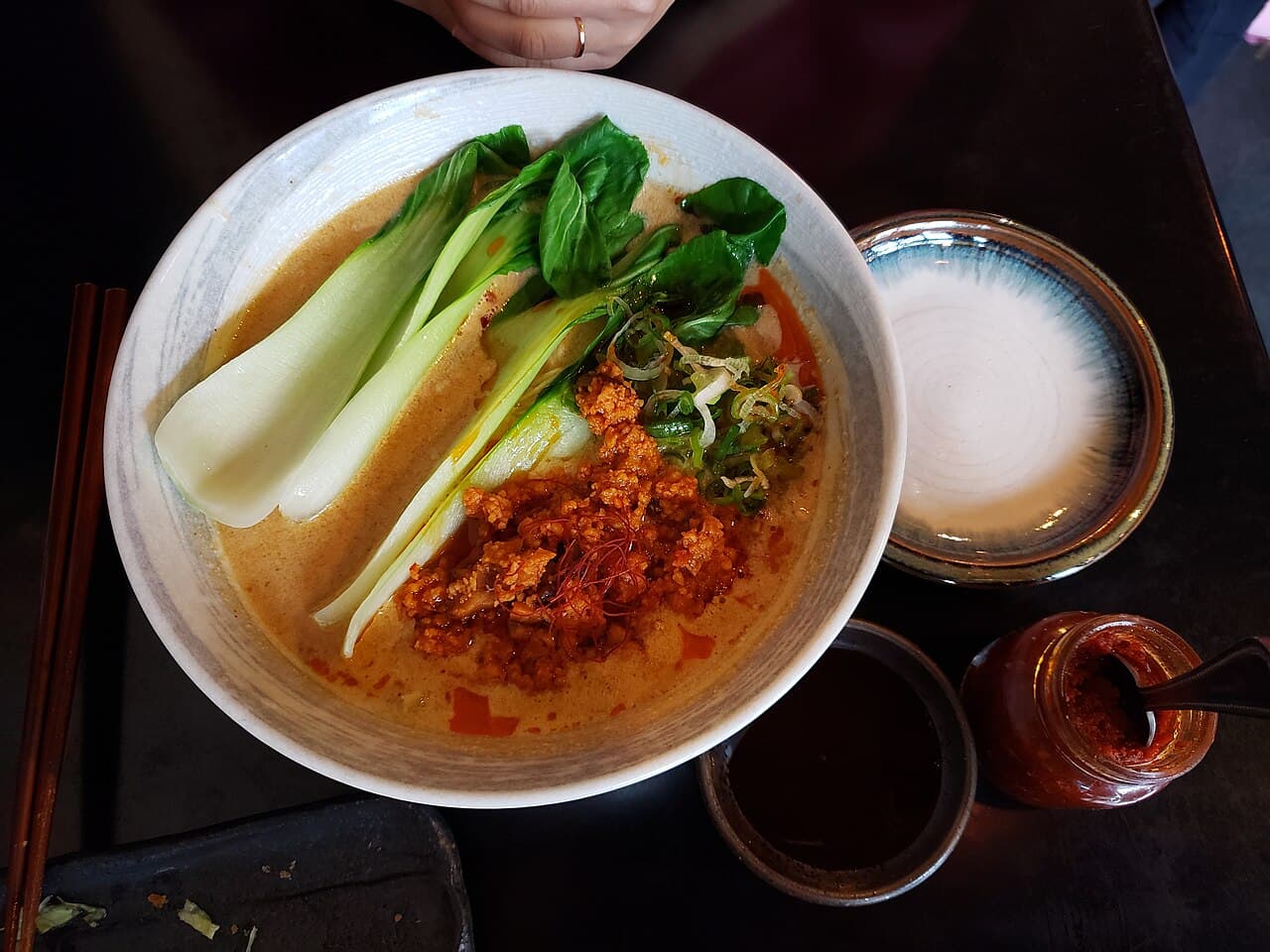
비건 라멘이 왜 어려운가—그리고 이 집들은 왜 제대로 해내는가
클래식 라멘은 일본에서 가장 비건에 적합하지 않은 요리 중 하나입니다: 육수는 보통 돼지 뼈(돈코쓰)나 닭이고, 양념에는 흔히 가쓰오부시나 니보시(생선) 다시가 들어가며, '쇼유' 한 그릇에도 동물성 지방이 숨어 있을 수 있습니다. 고기가 없어 보이는 그릇도 실제로는 아닌 경우가 많습니다. 아래 가게들은 다릅니다—설계부터 완전 식물성으로, 생선과 돼지고기 대신 다시마·표고·참깨·미소로 깊이를 쌓습니다. 셀리악 환자에게 솔직한 주의 하나: 일반 라멘과 소바 면에는 밀이 들어가므로, 가게가 명시하지 않는 한 '비건'이 '글루텐프리'를 뜻하지는 않습니다.
추천 가게
도쿄역 안의 T's TanTan은 무난한 첫 그릇입니다—100% 비건 탄탄멘으로, 크리미한 참깨 육수가 확고한 육식가마저 속이며, 개찰구 안에 있어 환승 중 쉬어 가기 좋습니다. 도요스의 Vegan Ramen UZU Tokyo는 거울로 둘러싸인 teamLab 다이닝룸에서 다시마·표고 미소 라멘을 내며, 만화경 속에서 식사하는 듯한 기분이 듭니다. 하라주쿠의 Vegan Bistro Jangara는 규슈 Jangara 라멘 체인이 2021년에 연 곳으로, 라멘·카레·가라아게를 아우르는 올비건 비스트로입니다. 근처의 Tokyo Vegan Ramen Center(2025년 6월 오픈)는 콩고기와 생채소로 진한 참깨·타히니 육수를 냅니다. 좀 더 색다른 것을 원한다면, 시모키타자와의 Chabuzen은 작은 다다미 식당으로, 모든 약선 라멘이 발아현미를 바탕으로 한 식물성입니다. 면을 바꿔보고 싶다면, 같은 시모키타자와의 Vegan Soba Ayler는 완전 식물성 다시마 육수를 내는 서서 먹는 소바집입니다(니하치 면은 메밀 80%·밀 20%라 비건이지만 글루텐프리는 아닙니다).
안심하고 주문하는 법
전문 비건 가게에서는 메뉴 전체가 안전하며, 바로 그 점이 핵심입니다—육수를 캐묻지 않고 무엇이든 주문할 수 있습니다. 오신채(파·마늘)까지 피한다면 물어보세요. 일부 식물성 그릇은 여전히 그것을 씁니다. 그리고 글루텐이 걱정이라면 면을 확인하세요: 대부분 밀을 쓰고, 쌀가루나 메밀 대체를 제공하는 곳은 소수뿐입니다.
이달의 랭킹
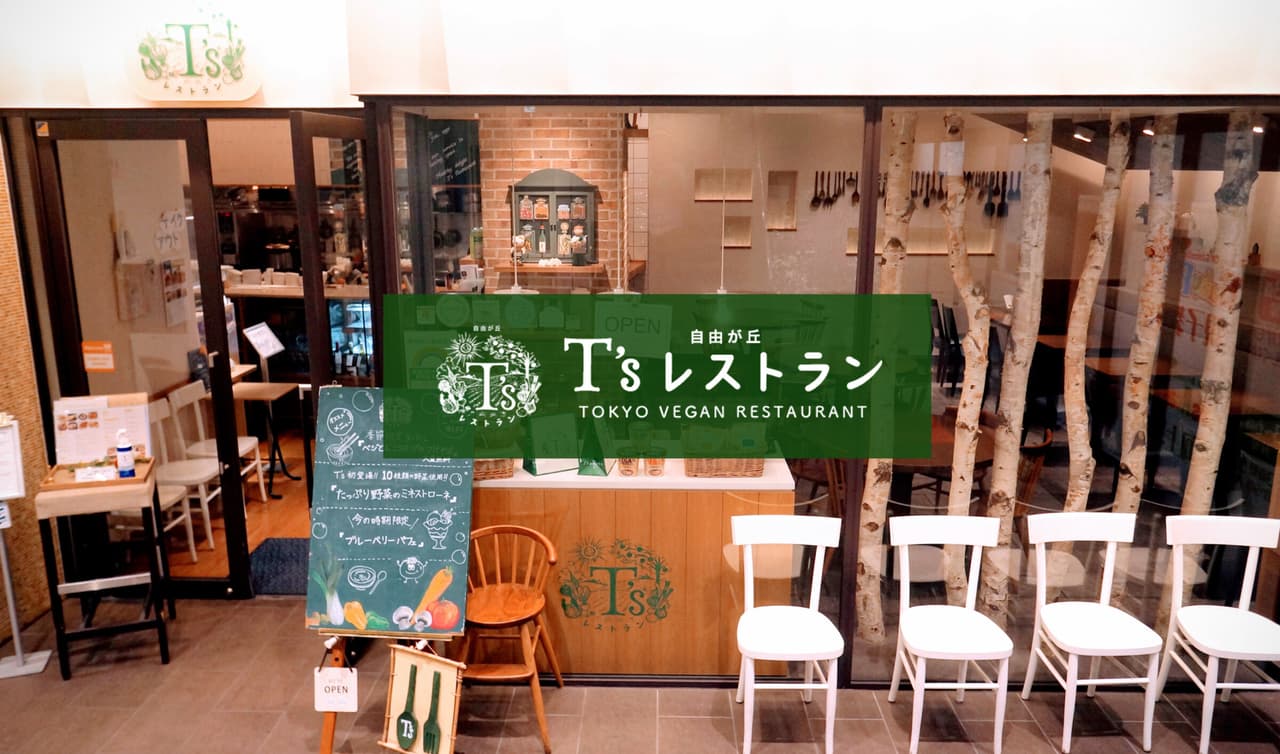
T's TanTan (Tokyo Station)
골든 참깨 탄탄멘 (비건)
도쿄역 개찰구 안에 자리한 100% 비건 탄탄멘 가게. 크리미한 참깨 육수가 골수 라멘 애호가도 속일 정도로, 환승 중 한 그릇 들르기에 안성맞춤이다.
- 채식
- 비건
- 유제품 프리
- 혼밥
Vegan Ramen UZU Tokyo
UZU 스타일 비건 미소 라멘
거울로 둘러싸인 teamLab 작품에 둘러싸여 다시마·표고 미소 라멘을 후루룩. 만화경 속에 들어온 듯한 공간이다.
- 비건
- 채식
- 유제품 프리
- 데이트
- 혼밥
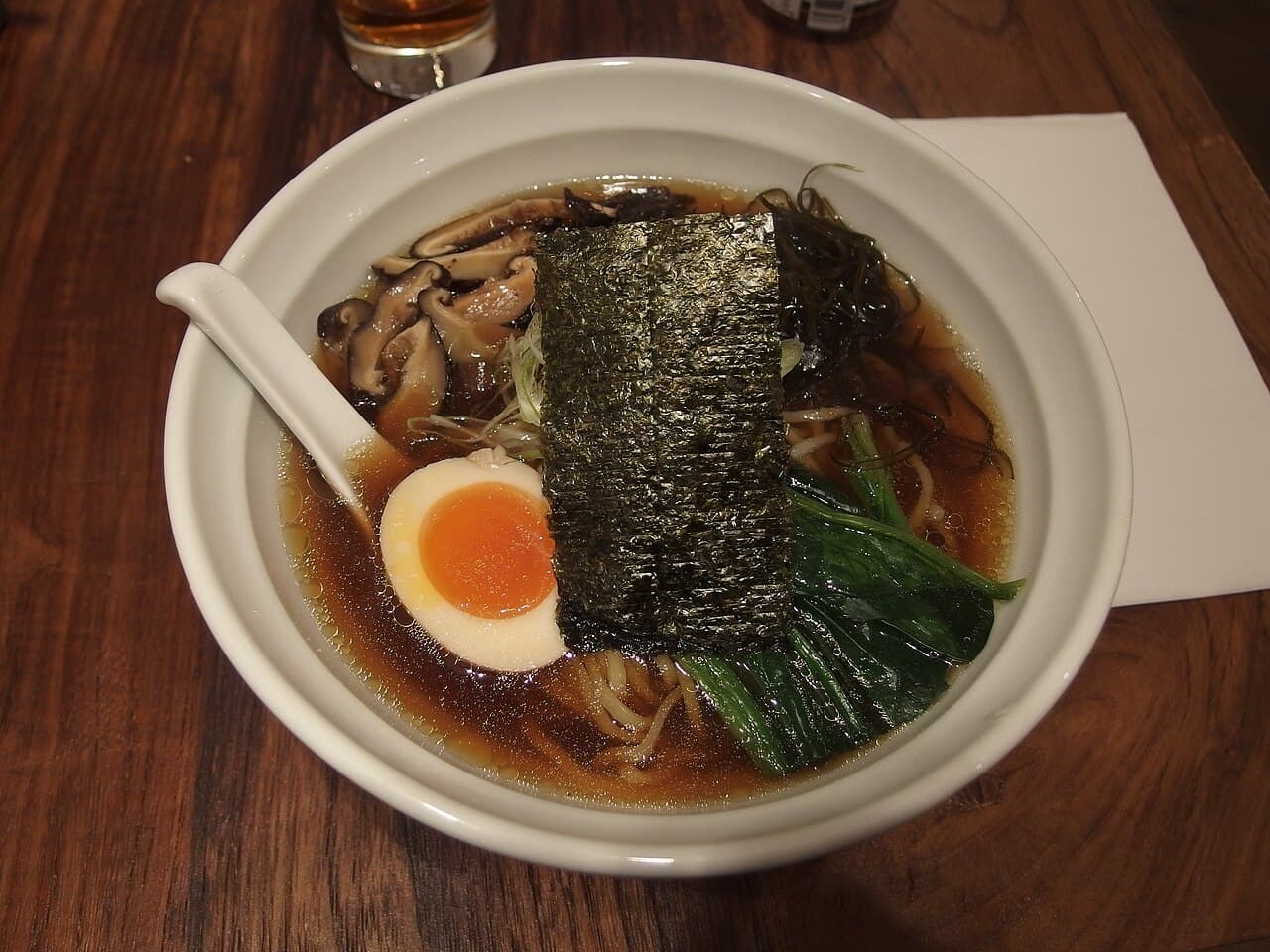
Vegan Bistro Jangara
비건 라멘과 콩고기 구이 요리
규슈 장가라 라멘 체인이 2021년 하라주쿠에 연 2층 올 비건 비스트로. 비건 라멘·카레·콩고기 구이·교자·가라아게까지 두루 갖췄다.
- 비건
- 채식
- 캐주얼
- 혼밥
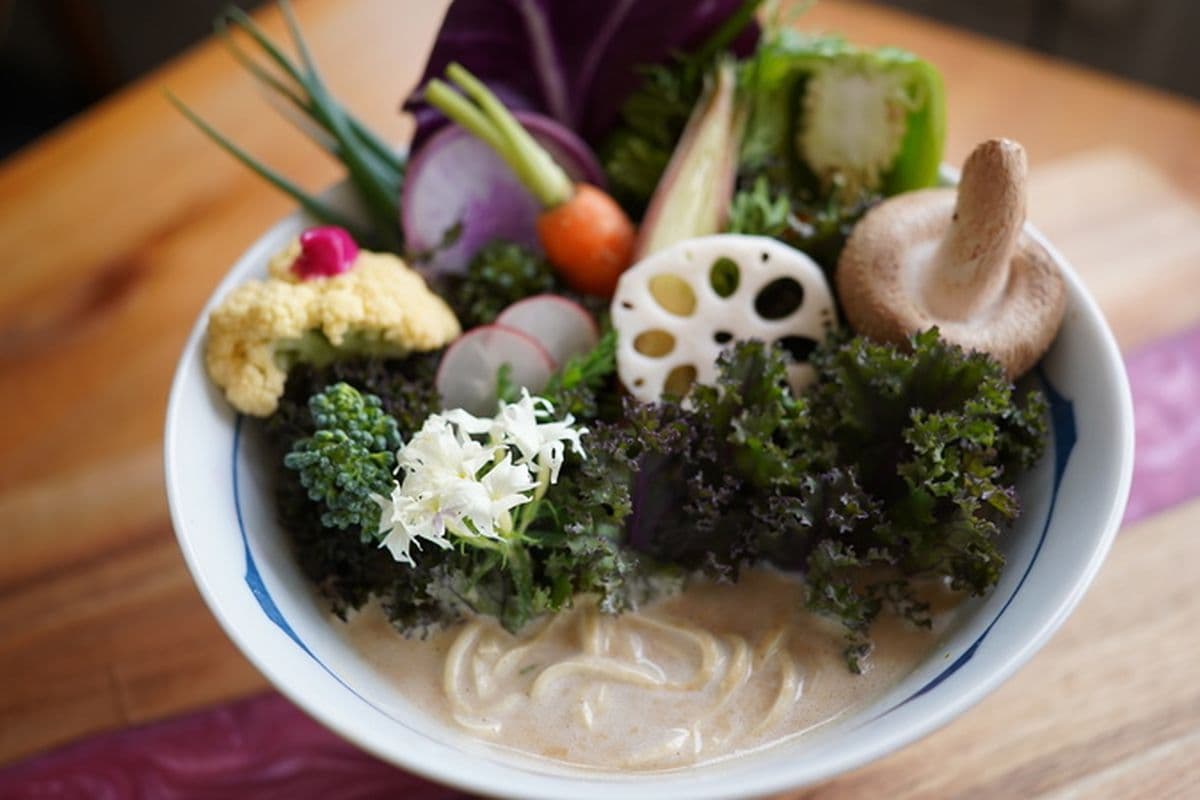
Tokyo Vegan Ramen Center
콩고기와 생채소를 올린 크리미한 참깨·타히니 육수 라멘
2025년 6월 하라주쿠 라포레 인근, 메이지진구마에역에서 몇 분 거리에 문을 연 100% 비건 라멘 전문점. 대표 한 그릇은 진한 참깨·타히니 육수에 콩고기와 알록달록한 생채소를 더한다.
- 비건
- 채식
- 캐주얼
- 혼밥
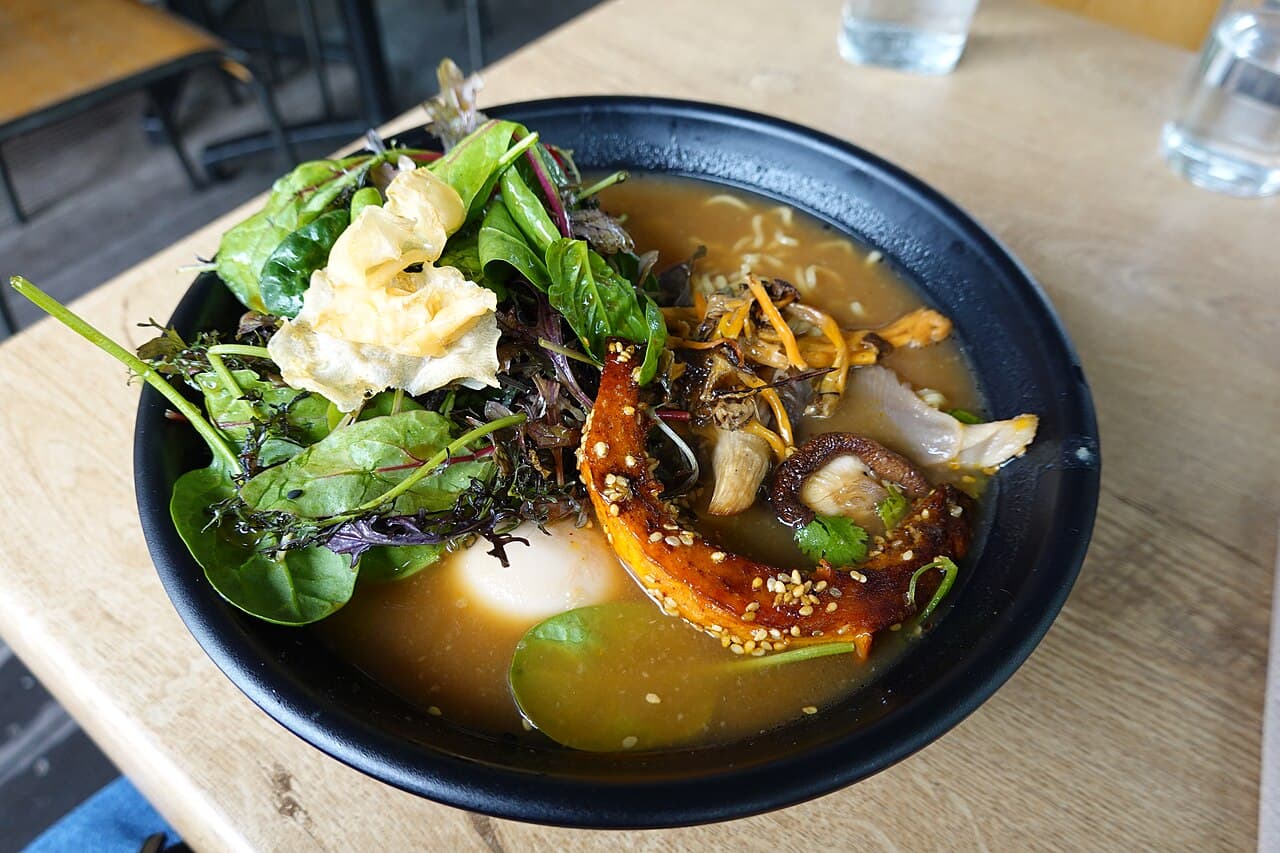
Chabuzen Shimokitazawa
발아현미를 넣은 비건 카레 라멘
시모키타자와 뒷골목의 작은 다다미 식당. 약초가 든 진한 라멘 한 그릇 한 그릇이 100% 식물성이며 발아현미를 바탕으로 한다.
- 채식
- 비건
- 글루텐프리
- 혼밥
- 캐주얼
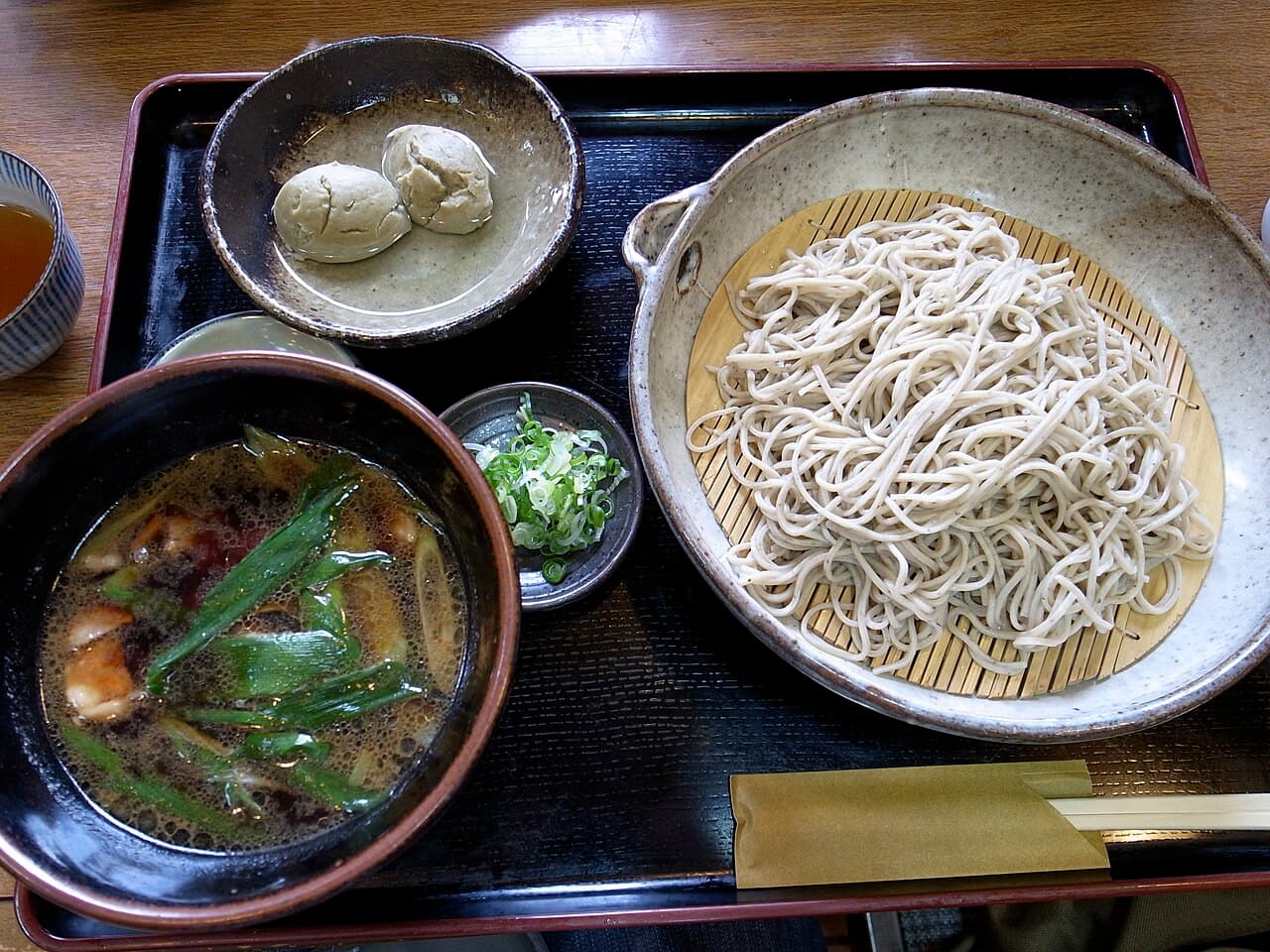
Vegan Soba Tokyo Ayler
식물성 육수의 비건 텐푸라 소바와 자루 소바
2024년 문을 연 시모키타자와의 작은 서서 먹는 소바집. 니하치 소바를 완전 식물성 다시마 육수와 토핑으로 내, 가다랑어나 생선 다시가 없다. 면이 니하치(메밀 80%, 밀 20%)라 비건이지만 글루텐프리는 아니다. 낮 시간만 영업하고 주 초반에 휴무이니 방문 전 시간을 확인할 것.
- 비건
- 채식
- 유제품 프리
- 캐주얼
- 혼밥
자주 묻는 질문
- 일본에서 보통 라멘은 비건인가요?
- 거의 절대 아닙니다. 육수는 보통 돼지고기나 닭이고, 간장(쇼유) 그릇에도 흔히 가쓰오부시나 니보시 생선 다시가 들어갑니다. 비건 라멘을 안심하고 먹으려면, 이 가이드에 소개된 곳들처럼 설계부터 완전 식물성인 가게로 가세요.
- 비건 라멘은 글루텐프리이기도 한가요?
- 보통 아닙니다. 일반 라멘과 소바 면에는 밀이 들어가므로, 비건 한 그릇이 자동으로 글루텐프리가 되지는 않습니다. 면을 가게에 확인하세요—쌀가루나 순메밀 대체를 제공하는 곳은 소수뿐입니다.