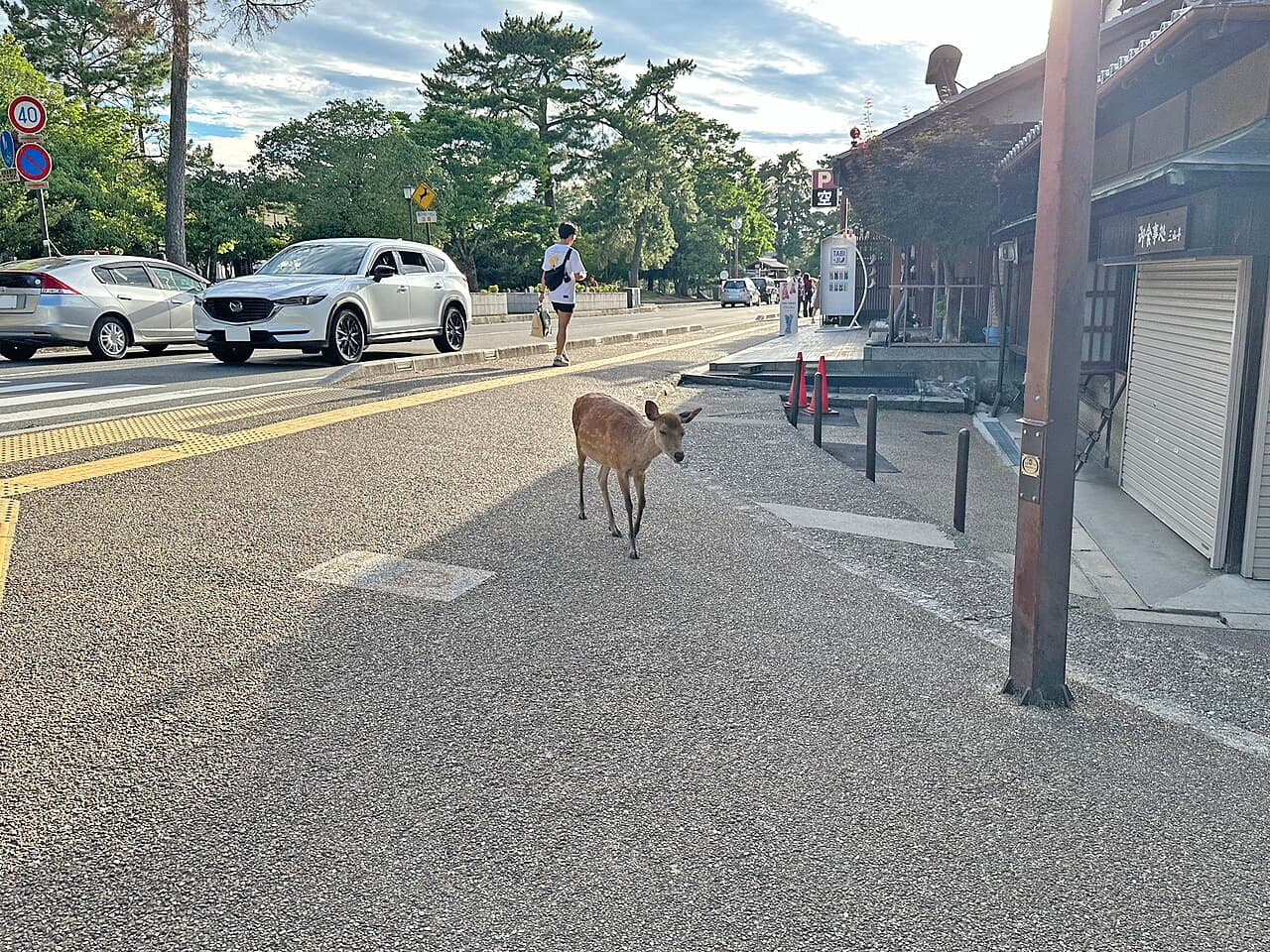
Nara's plant-based scene is small but real: five fully vegan restaurants clustered near Nara Park and the two stations, plus an honest look at why there's no shojin ryori restaurant at Todai-ji itself.
5 verified plant-based restaurants in Naha, plus a dedicated vegan menu at the airport
Naha's vegan scene is small but real: five owner-run restaurants within walking distance of Kokusai-dori serve fully plant-based Okinawan food, and Naha Airport has its own dedicated vegan menu. Here's what's confirmed, with hours, prices, and honest caveats as of July 2026.
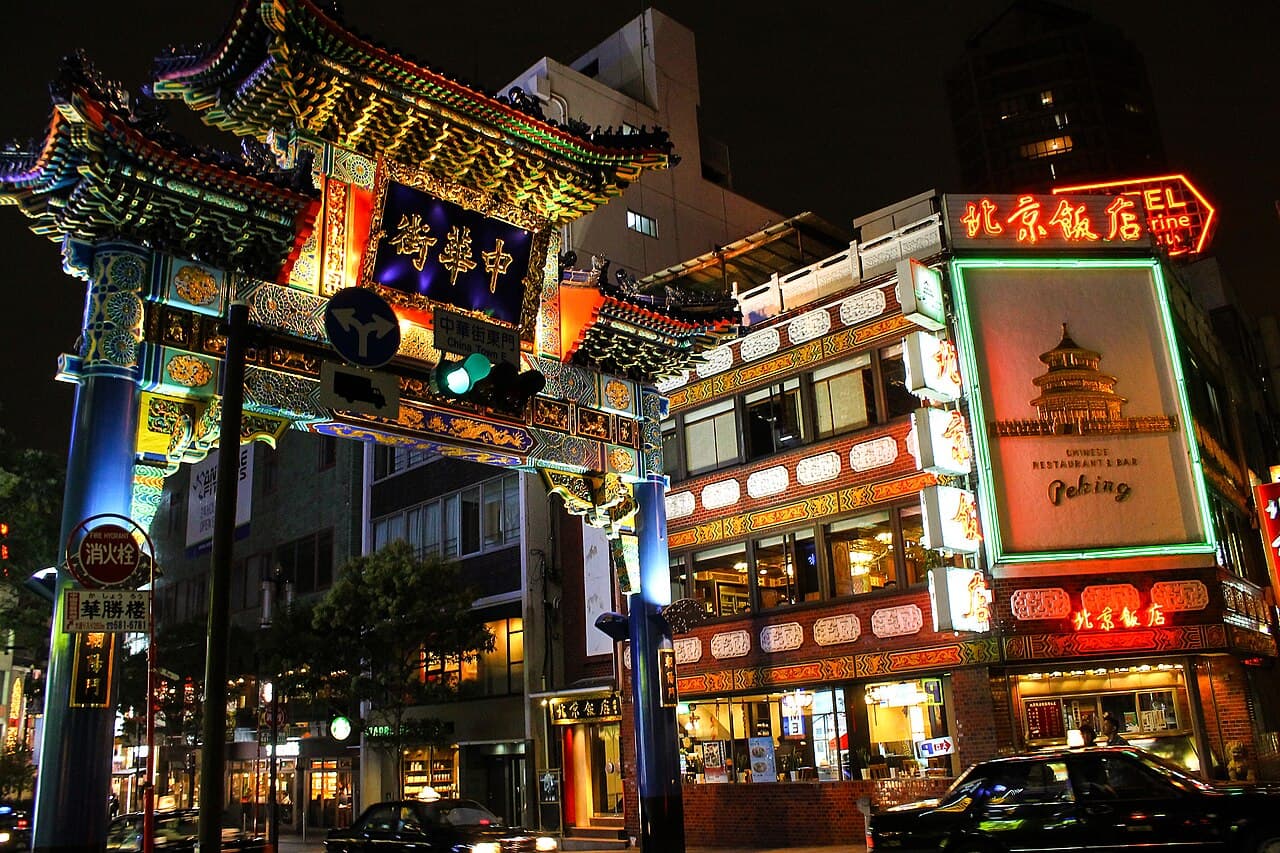
From a fully vegan bakery-café in Motomachi to century-old Chinatown restaurants with dedicated vegan menus — eight real, verified options across Yokohama.
Yokohama has only a handful of fully vegan restaurants, but it also has something almost no other Japanese city offers: two century-old Chinatown institutions with real, separately prepared vegan menus. Here are eight verified places, from Motomachi to Yokohama Station to Chinatown.
From a gluten-free "sweets lab" in Hiroo to a strawberry-cake cult favorite by Shinjuku Gyoen, here's where to find genuinely 100%-vegan cakes, croissants, and pastries in Tokyo — plus the hidden animal ingredients to watch for at ordinary bakeries.
Nagoya isn't the first city vegan travelers think of, but it has a small, solid cluster of fully plant-based kitchens and one shojin-ryori udon house with a genuine vegan menu — here's where to go and what to order.
Fukuoka's pork-bone-ramen-and-cod-roe reputation hides a real surprise: as of July 2026 you can eat fully vegan across Tenjin, Yakuin and Daimyo — including a plant-based version of the very tonkotsu ramen the city is famous for. Here's a neighbourhood-by-neighbourhood map, the six kitchens worth planning around, and the two traps (fish dashi and pork fat) to sidestep. Confirm hours before you go.
Seven Osaka kitchens state on their own website that nothing on the menu is animal-derived — Paprika Shokudo Vegan, Shinsekai Paprika, Shojin Sushi Minamo, Green Earth, MERCY Vegan Factory, Naki vegan sweets and Aju. Addresses, hours and closed days read off each shop's own page on 23 September 2026, plus two more we could not confirm from any official page, and the dashi trap everywhere else.
Shimokitazawa is one of Tokyo's easiest neighborhoods for plant-based and gluten-aware travelers — walkable, young, and unhurried. This Shimokitazawa food guide leads with vegan medicinal ramen and soup curry at Chabuzen, a well-loved vegan bakery in nearby Daita, standing vegan soba, and a short hop to Nakano for veg curry. Come for the vintage-shop atmosphere; stay for the food.
Three Shinjuku kitchens state on their own sites that everything they serve is plant-based — AIN SOPH. Journey, NEO Shinjuku Atsushi and HealthyTOKYO's cafe in Shinjuku Marui Honkan — while Isetan's Green Italian TORCIA and plant more in LUMINE 1 run large vegan menus beside meat and fish. Seven venues, each checked against the venue's own page on 2026-09-23, with the ones that are only vegetable-forward marked as such.
Roppongi and neighbouring Azabu are Tokyo's most comfortable ground for a special vegan dinner. The strength here is refinement: modern shojin kaiseki, gluten-free vegan comfort food, and Buddhist temple cuisine that is plant-based by design. English menus are common, so this is where an inbound vegan traveller can relax and eat beautifully.
Yes, you can eat beautifully vegan in Ginza. The district's flagship is AIN SOPH. GINZA, a refined all-vegan restaurant with an English menu, while 2foods Ginza Loft handles plant-based cafe food and Kannonyama Fruit Parlour serves seasonal parfaits. Reserve ahead for AIN SOPH, and always confirm dashi on anything that looks plant-only.
Four Kyoto kitchens are plant-based by design — Shigetsu inside Tenryu-ji, Towzen in Shimogamo, UNO RAMEN's four branches, and Tousuiro's Rokuhara course. Prices, hours and booking rules read from each venue's own website on 2026-09-23, plus the one question to ask everywhere else.
For vegan restaurants in Harajuku, drift off Takeshita Street toward the quieter Omotesando and Sendagaya edges. Restaurant 8ablish and Mr. Farmer cover full plant-based plates, Vegan Bistro Jangara and Tokyo Vegan Ramen Center handle noodles, and a rice-flour bakery covers sweets. It's one of Tokyo's densest walkable vegan pockets — just watch for dashi, egg and honey in anything that only looks plant-based.
Shibuya is one of Tokyo's easiest neighbourhoods for plant-based eating: within a few minutes of the crossing you can hit fully-vegan falafel, plant-based sushi, a vegan izakaya, and Indian curry with English menus. The catch is the usual one — hidden dashi and egg in "vegetable" dishes — so stick to the fully-vegan kitchens below and ask before you order.
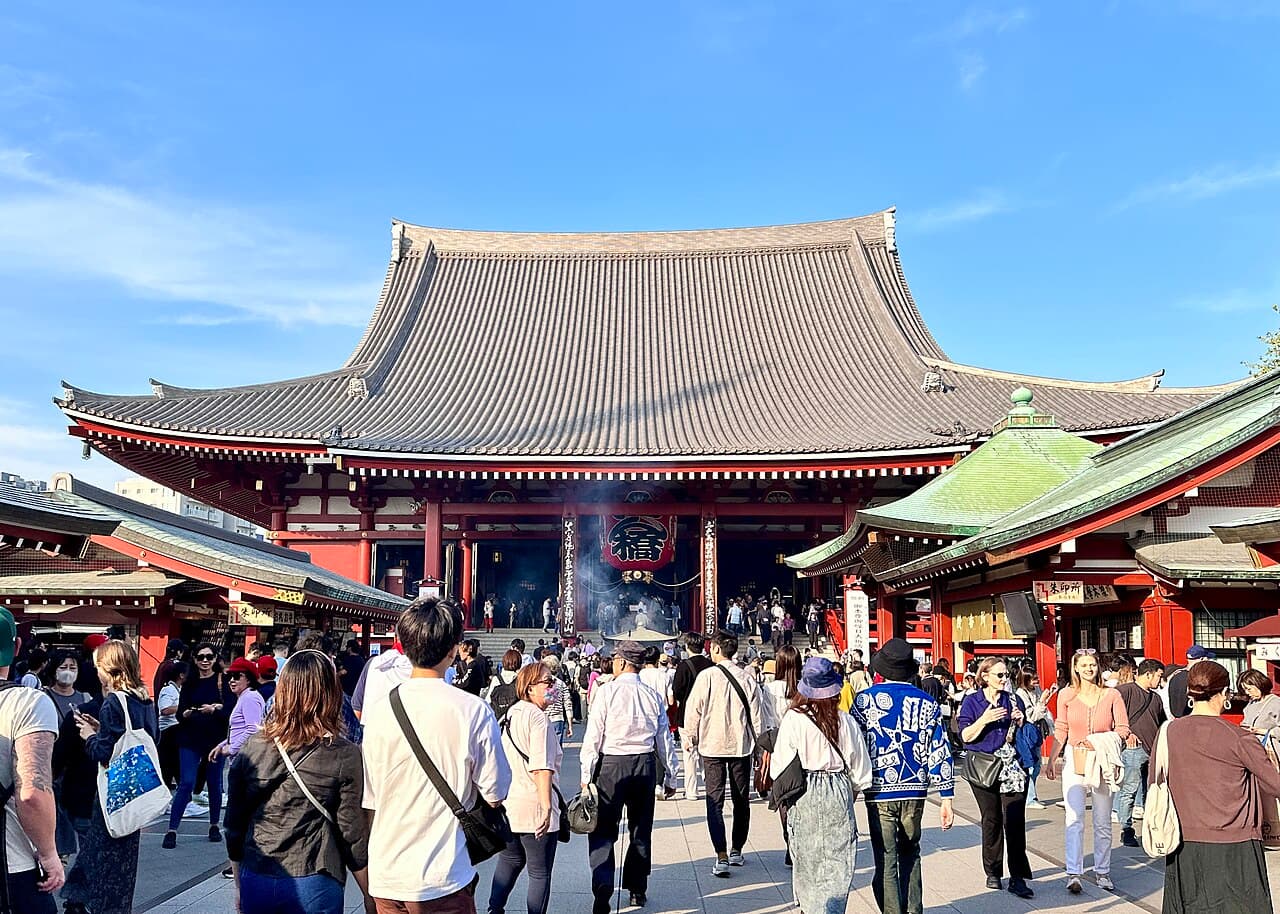
Eating gluten-free in old Tokyo is more possible than you would expect — Asakusa has a fully gluten-free tempura counter (fried in rice flour) and an all-vegan, all-gluten-free kitchen, plus naturally safer choices. Here is where to eat, and the cross-contact question to ask.
The fully vegan restaurants in Asakusa we could confirm from their own websites on 23 September 2026 are Marugoto Vegan Dining, Etsunou (injoy) and Shochikuen Cafe; Yoroiya, a minute from Senso-ji, adds one vegan ramen. Hours come from each venue's own site, plus what has closed and what we could not confirm.
Kyoto is Japan's most naturally vegetarian-friendly city — temple cuisine, tofu kaiseki, soy-milk ramen and certified halal, all in a slower, gentler place than Tokyo.
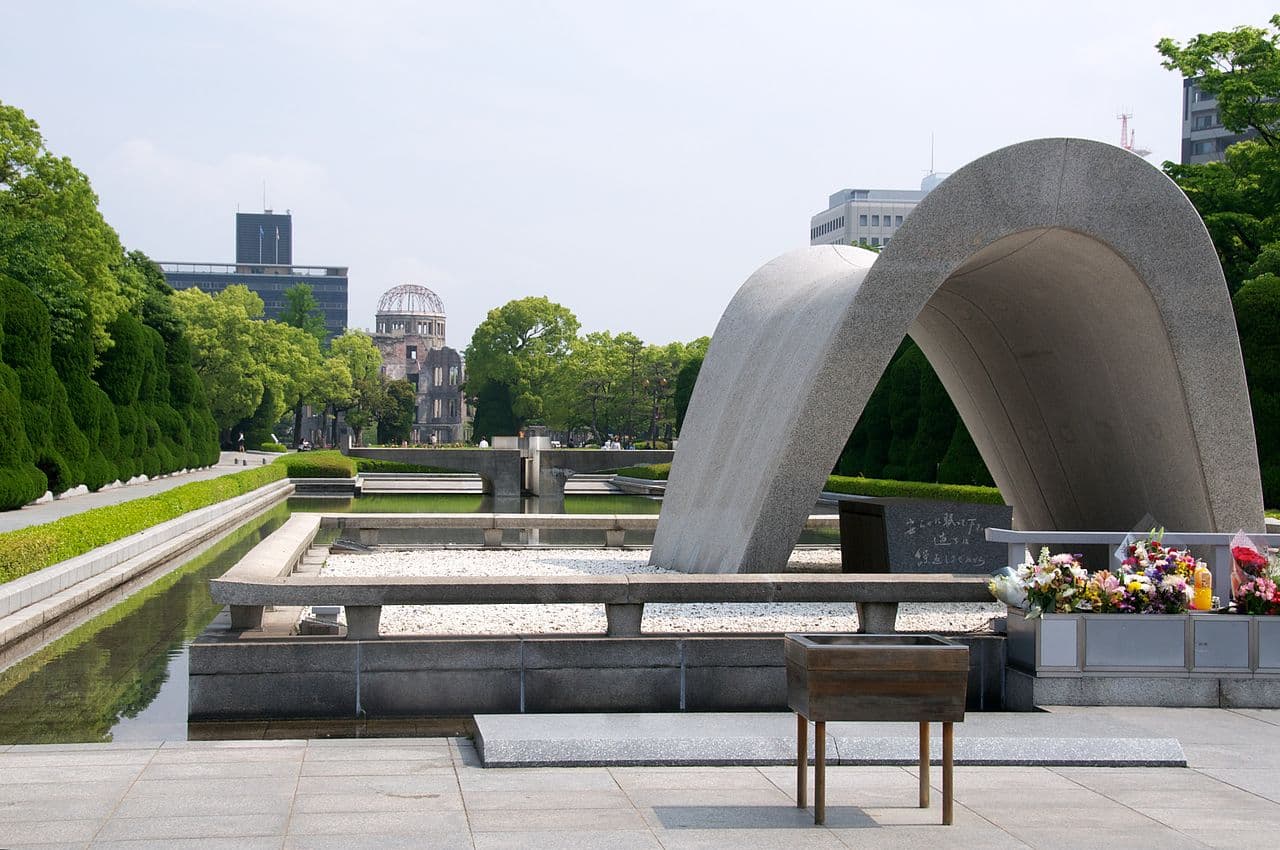
Until May 2025, Hiroshima had no fully vegan restaurant at all -- you could only get vegan-friendly okonomiyaki with the pork and egg left out. That changed with JoGeSaYu, a five-minute walk from Peace Memorial Park. As of July 2026, here's the honest picture: one fully vegan kitchen from two acclaimed chefs, one dedicated vegan-okonomiyaki specialist, and the one souvenir (momiji manju) that actually has a verified vegan version.
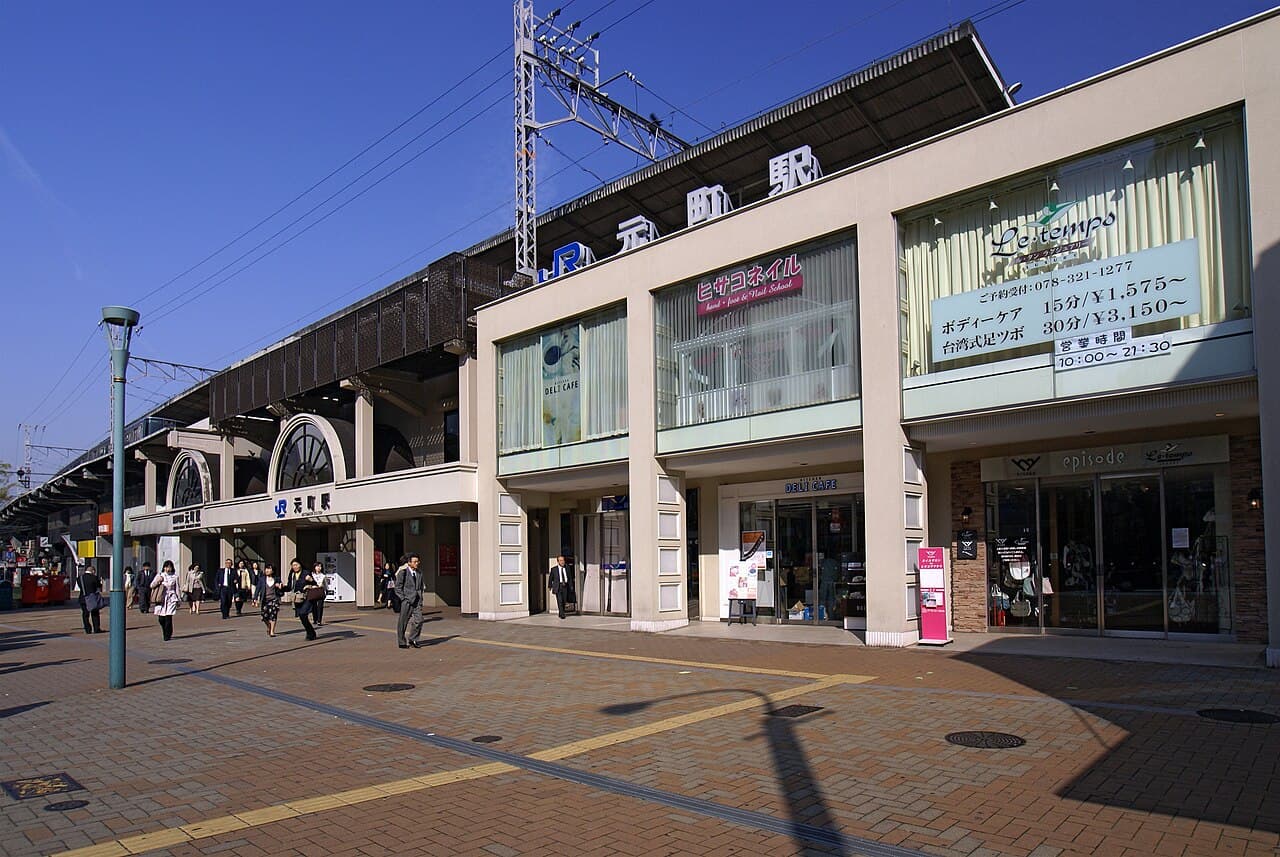
Kobe is famous worldwide for a beef so prized it doesn't need a last name -- which makes it an unlikely place to look for vegan food. As of July 2026, three real addresses make it possible: a fully vegan, entirely gluten-free café in Motomachi, a long-running macrobiotic café in Sannomiya with clearly marked vegan dishes, and an Egyptian-run falafel counter between the two. Here's where to go, what to order, and why 'no meat' isn't the same as 'no dashi.'
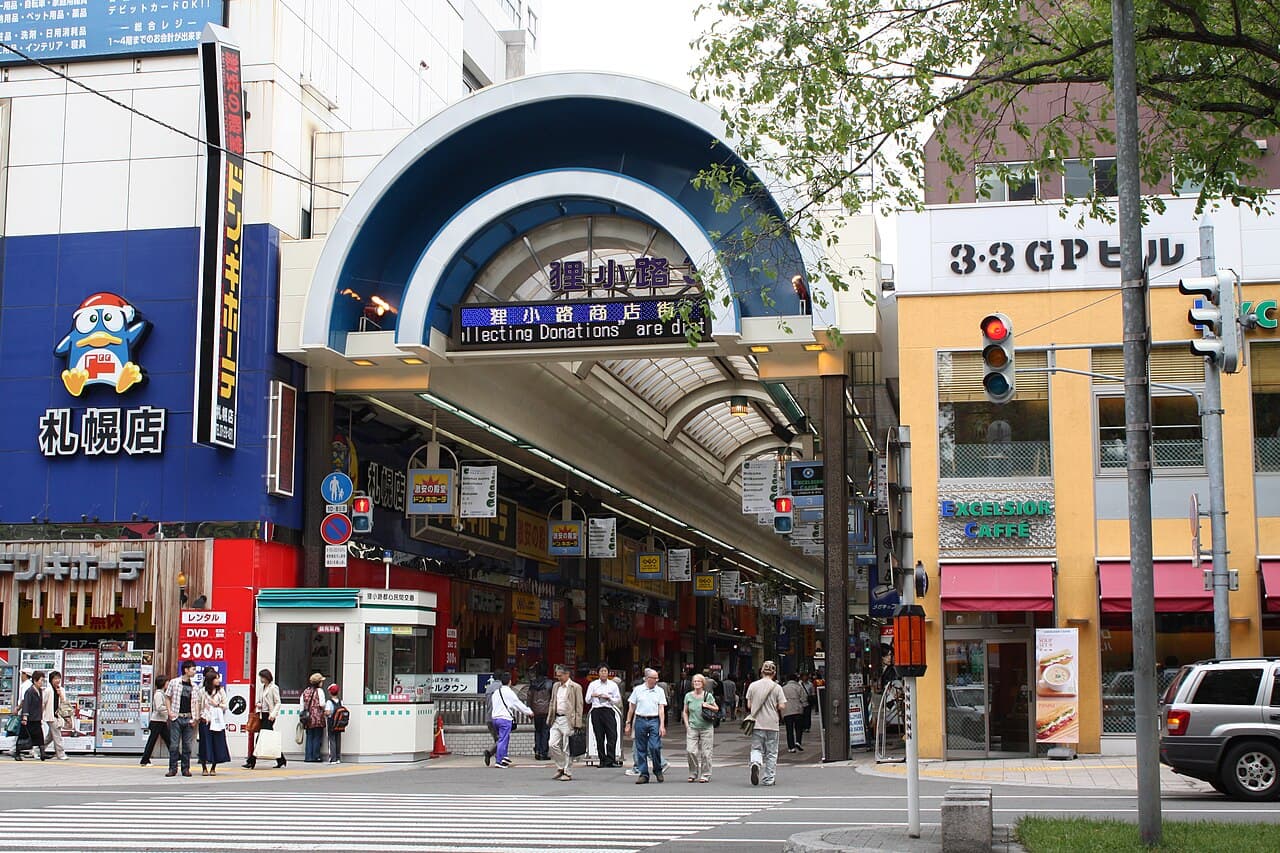
Sapporo built its food reputation on dairy, miso ramen and grilled lamb -- three things a vegan traveler has to actively route around. As of July 2026, three genuinely reliable addresses make it possible: a fully vegan Japanese kitchen in Maruyama, a halal-and-vegan tomato ramen counter in Susukino, and a citywide soup-curry chain with two clearly labeled vegan bases. Here's where to go, what to order, and the Hokkaido-specific traps (butter, cream, lamb fat) to watch for.