
Fukuoka
Vegan Restaurants in Fukuoka: A Plant-Based Neighbourhood Guide
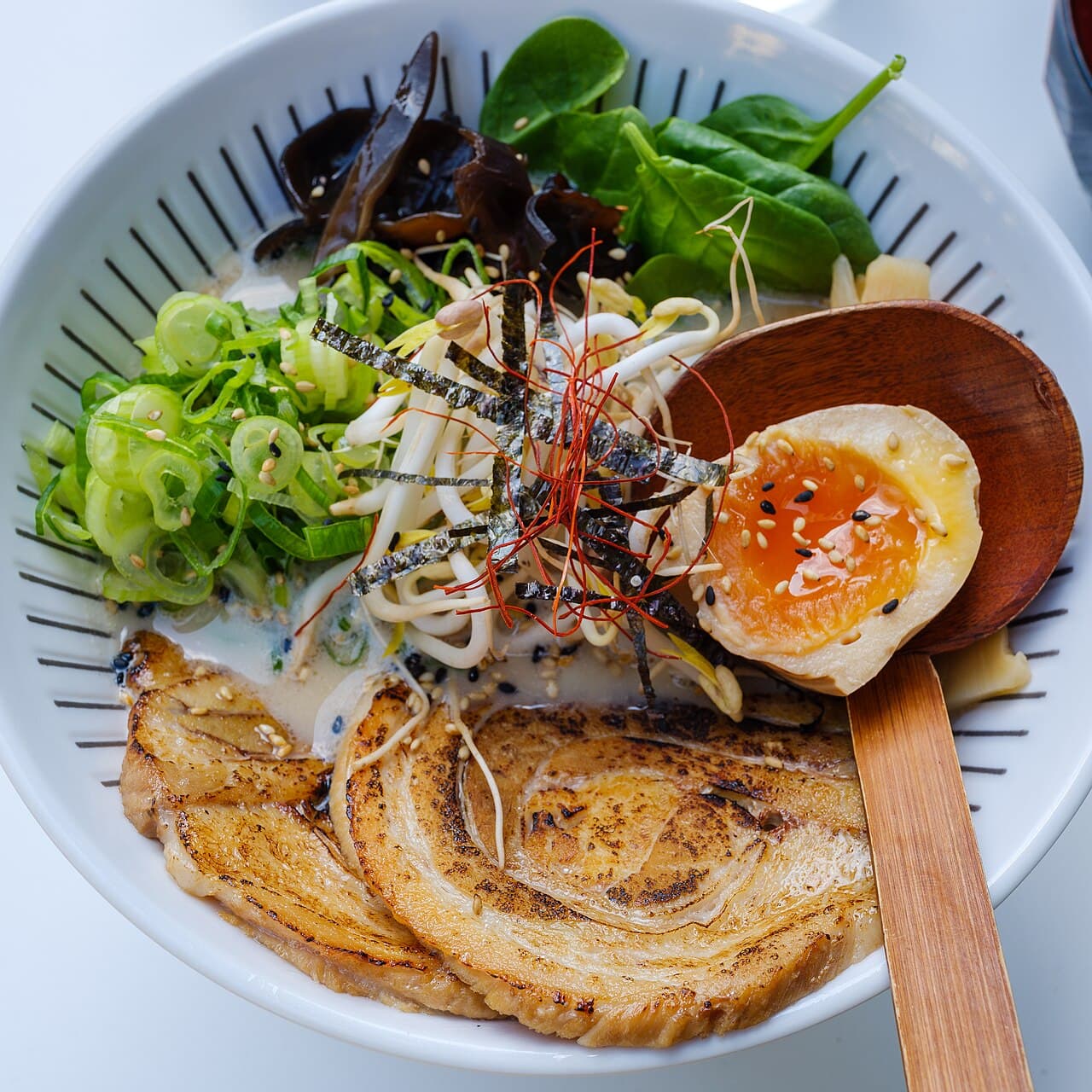
Yes — Fukuoka is genuinely easy to eat fully vegan, as of July 2026, if you build your day around Tenjin, Yakuin and Daimyo. The city famous for pork-bone ramen and cod roe now has a compact cluster of 100%-vegan kitchens, plus one thing few cities offer: a plant-based version of the very ramen that made it famous. This guide maps the six spots worth planning around, neighbourhood by neighbourhood, and the two traps that quietly turn a "vegetable" dish non-vegan. Read every time below as "confirm hours before you go."
Two cautions before you order
The dashi trap. The single thing that turns a plant-looking dish non-vegan in Fukuoka is dashi — stock made from bonito flakes (katsuobushi) or dried sardines (niboshi). It hides in miso soup, simmered vegetables, dipping sauces and broths, with no fish in sight. Kombu (kelp) and shiitake dashi are the plant-based exceptions, but never assume them — ask. The fully-vegan spots below have already solved this; everywhere else, ask first. Our is Japan vegan-friendly? primer gives you phrases you can use on the spot.
The pork-fat trap. This is Hakata's home turf, and pork runs deep — not just in ramen broth but as lard in fried rice, gyoza filling and the fat rendered into sauces. "No meat" isn't enough here; you want "no pork, no pork broth, no lard." Say it up front, or screenshot our Japanese phrases for vegans card and hand your phone over.
Pick by what you're craving
| Venue | Area | What to get | Notes |
|---|---|---|---|
| Vegan Ramen YADOKARI | Yakuin / Hirao | Hakata-style vegan "tonkotsu" ramen, tantanmen | Fully vegan · counter only · no five pungent veg · Muslim-friendly |
| Plant-based Café NICE | Kego (Yakuin) | Plant-based burgers, "nice cream" | 100% vegan · closed Mon · English menu · cards |
| Sonu Sonu | Tenjin | Keema curry, pizza, açaí bowl | Fully vegan · breakfast from ~8:00 · English menu · QR order |
| Umenohana Tenjin | Tenjin | Vegan-friendly tofu & yuba kaiseki course | Reservation required · confirm price on official site |
| Rota Cafe | Daimyo | Macrobiotic doria, hayashi rice, "bihada" plate | 100% vegan · closed Wed · ground-floor vegan market |
| Evah Dining Macrobiotic | Hakata Station | Vegan bento, onigiri (from ~¥500) | Fully vegan · takeaway · long daily hours · Shinkansen fuel |
Yakuin & Kego — the plant-based heart
If you work one area, make it Yakuin. Fukuoka's vegan gravity centres here, a few subway stops south of Tenjin.
Vegan Ramen YADOKARI (Chuo Ward, in the Hirao area, about a 10–12 minute walk from Yakuin-Odori Station) is the headline act of the whole city. It's a fully vegan, counter-only shop, and its signature is the thing you'd assume impossible in Hakata: a plant-based take on the city's rich "tonkotsu" ramen, alongside vegan tantanmen, gyoza, tempura and even vegan sushi. It uses no five pungent vegetables (no garlic, onion and the like) and is Muslim-friendly — no pork, no alcohol — which makes it a rare spot everyone at the table can share. If you're wondering how ramen goes plant-based at all, our is ramen vegan in Japan? explainer walks through the broth, the noodles and the toppings.
Plant-based Café NICE (3-13-35 Kego, Chuo Ward, about 5 minutes from Yakuin-Odori Station) is the daytime counterpart — 100% vegan, bright and casual. The draw is the plant-based burgers, which come in several versions, plus dairy-free "nice cream" ice cream to finish. There's an English menu and cards are accepted. It runs roughly 11:30–20:00 and is closed Mondays, so it's an easy lunch or early-dinner base between ramen runs.
Tenjin — the easy all-day pick
Tenjin is Fukuoka's downtown, and it's where you'll spend the most time between shops, stations and hotels.
Sonu Sonu (Tenjin, about 7 minutes from Tenjin Station) is the one to keep in your back pocket. It's a fully vegan Western-style café that opens for breakfast — from around 8:00 — which is genuinely useful in a city where most vegan kitchens don't open till lunch. The menu is wide and comforting: keema curry, pizza, burgers, açaí bowls and cold-pressed juice. There's an English menu and QR ordering, so there's no language friction at all. When another spot is closed, or you just need to eat now, this is the answer.
Umenohana Tenjin is the special-occasion pick. It's a tofu-and-yuba kaiseki restaurant — the refined, multi-course style of Japanese dining — and it offers a reservation-required "Vegan Friendly Course." Think a calm, sit-down procession of plant-based tofu and yuba dishes rather than a quick meal. Because it's a set course, book ahead, and confirm the current price on the official site before you go. It's the closest Fukuoka comes to a formal vegan kaiseki evening.
Daimyo — macrobiotic comfort
Daimyo is the design-y grid of backstreets just west of Tenjin — walkable in a few minutes, so it pairs naturally with a Tenjin day.
Rota Cafe (Daimyo Honten, 1-12-2 Daimyo, Chuo Ward, near Tenjin) is a 100% vegan macrobiotic café built on Kyushu's organic produce, with no refined white sugar and no additives. The cooking is Japanese-Western comfort food done cleanly: doria (baked rice gratin), hayashi rice, burgers and a much-loved "bihada" ("beautiful skin") lunch plate. There's a small vegan market on the ground floor, handy for taking a bit of Fukuoka's plant-based scene home. It runs roughly 11:00–18:00 (later on Friday and Saturday) and is closed Wednesdays — note that, because it's the day this and several other spots go dark.
Hakata Station — Shinkansen fuel
Evah Dining Macrobiotic solves the last-mile problem every vegan traveller knows: what to eat on the train. It's tucked inside JR Hakata Station on Ippin-dori (いっぴん通り), right next to Mister Donut, and it's a fully vegan, Buddhist-style deli — no five pungent spices — built for takeaway. Grab a vegan bento box or onigiri (from around ¥500) for the Shinkansen or a long day out. It keeps long daily hours (roughly 7:00–21:00), so it's there early and late when nothing else is. This is your before-the-train safety net.
Fukuoka's famous foods, honestly
Fukuoka's signature dishes are, by default, among the least vegan in Japan — so it's worth being clear-eyed:
- Tonkotsu ramen is built on pork bones simmered for hours; the classic bowl is never vegan. The single exception is YADOKARI, which rebuilds it plant-based on purpose — so you can have the Hakata ramen experience, just at the right address.
- Mentaiko (spicy pollock/cod roe) is fish eggs — never vegan, and it turns up stuffed into rice, pasta and bread across the city. Skip it, and check onigiri fillings.
- Motsunabe, the local offal hot pot, is meat and organ meat by definition — off-limits, and its broth is animal-based too.
- Yatai — Fukuoka's famous open-air street stalls — are atmospheric but mostly non-vegan (ramen, yakitori, oden in fish dashi). Enjoy the scene, but eat at the vegan kitchens above.
None of this makes Fukuoka hard; it just means you plan around the classics rather than through them.
Practical tips
- Cluster your day. Tenjin, Yakuin and Daimyo sit within a short subway hop — or a walk — of each other, so you can hit three or four spots without crossing the city.
- Go early. Several vegan kitchens close by around 17:00–18:00, and Rota is dark on Wednesdays. Lunch is the safest meal; don't leave the plant-based spots for a late dinner.
- Reserve the sit-down courses. Umenohana's Vegan Friendly Course is reservation-required, and counter spots like YADOKARI are small — book or arrive off-peak.
- Carry the phrases. Between the dashi and pork-fat traps, a written card does the heavy lifting; keep our phrases for vegans handy.
- Grab an Evah bento at Hakata. Before you catch the Shinkansen out, stock up — it's the easiest vegan meal in the station.
Bottom line
As of July 2026, Fukuoka is far friendlier to plant-based eaters than its pork-and-roe reputation suggests. Anchor on YADOKARI for the ramen you were told you couldn't have, keep Sonu Sonu for all-day ease, add NICE and Rota by day, save Umenohana for a special night, and let Evah feed you onto the train. Confirm hours before you go, keep "no pork, no bonito dashi" on your tongue, and Fukuoka becomes one of the most rewarding vegan surprises in Japan. For the bigger picture, start with our vegan Japan guide, and browse every verified kitchen on our vegan restaurant directory.
Places we’ve confirmed
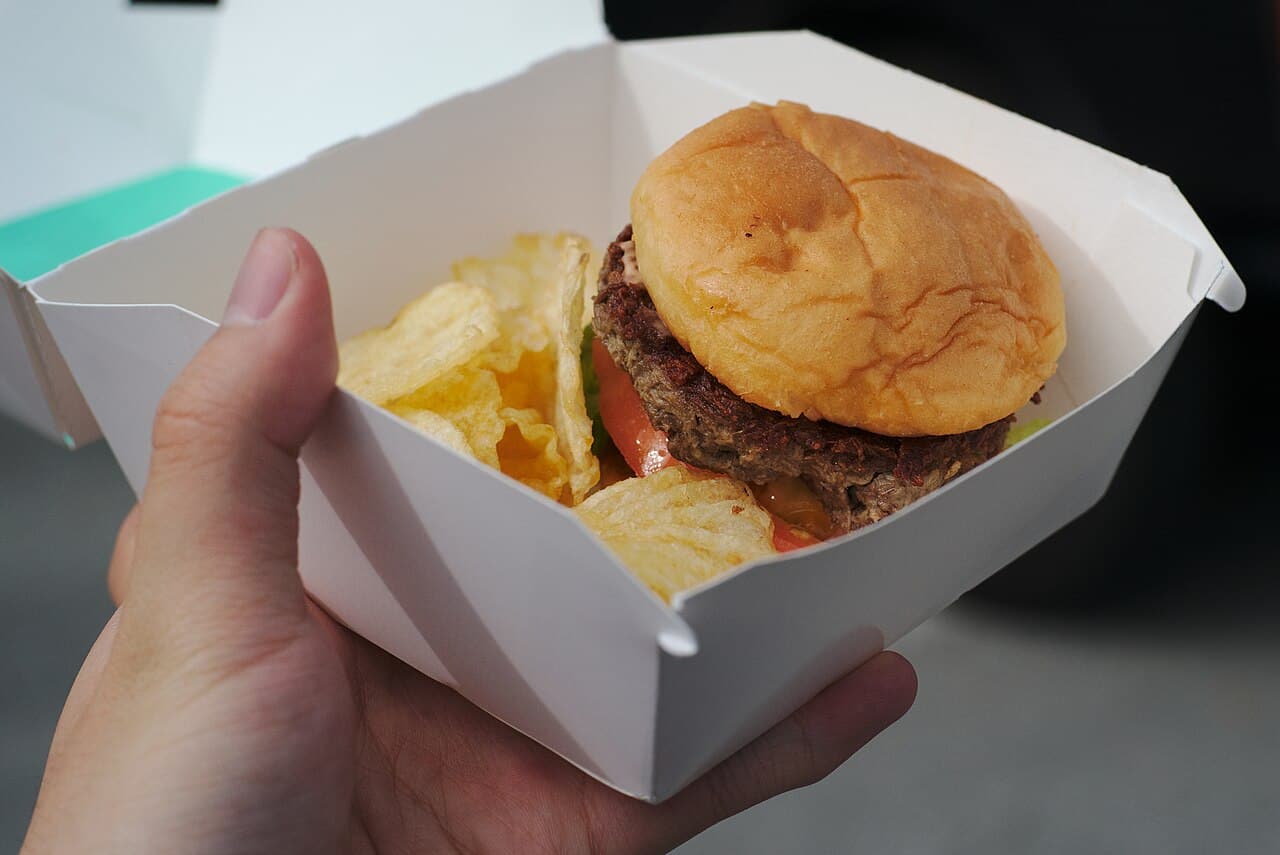
Plant-based Cafe NICE
A small, fully plant-based neighborhood cafe near Tenjin, known for hand-made vegan burgers with soy-milk ice cream.
- Vegan
- Dairy-free
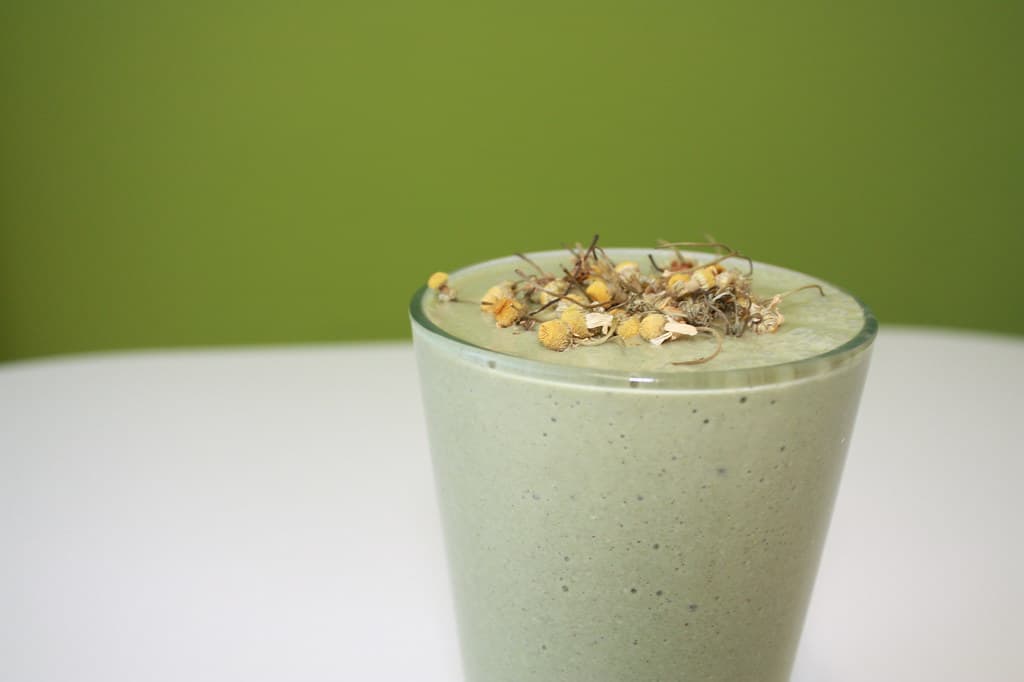
Sonu Sonu
A fully vegan cafe right in Tenjin's core, composting its own food waste to grow the herbs it serves.
- Vegan
- Dairy-free
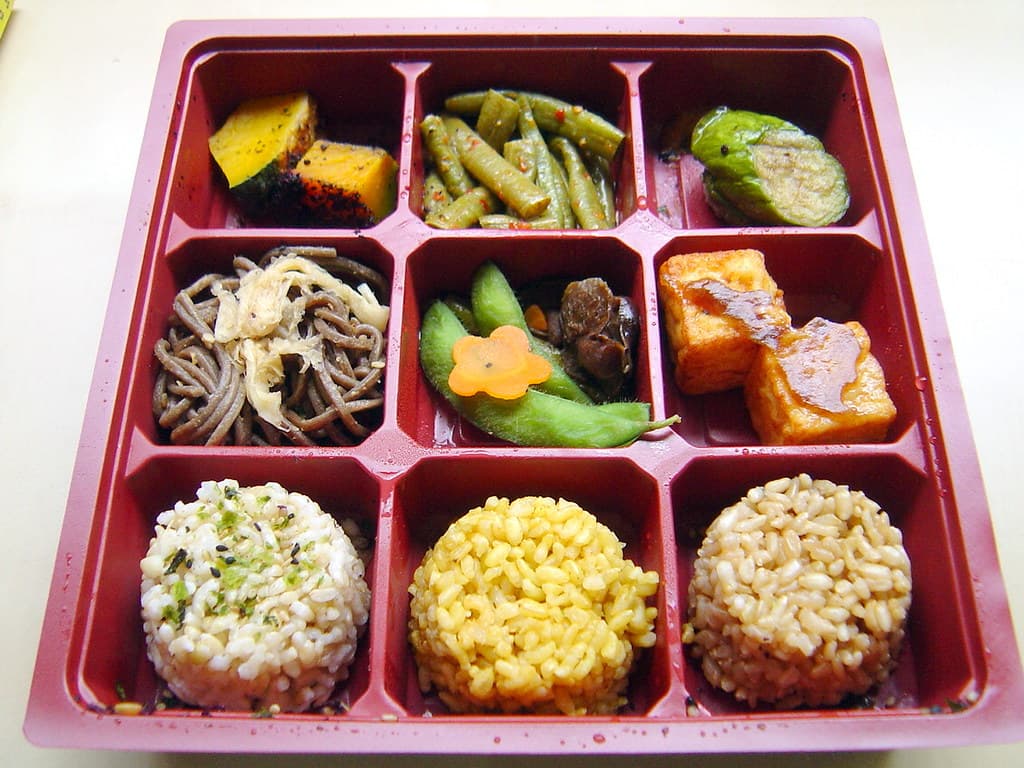
RotaCafe
An all-vegan organic cafe with an 8+ year track record, relocated from Daimyo to Hirao in August 2023.
- Vegan
- Dairy-free
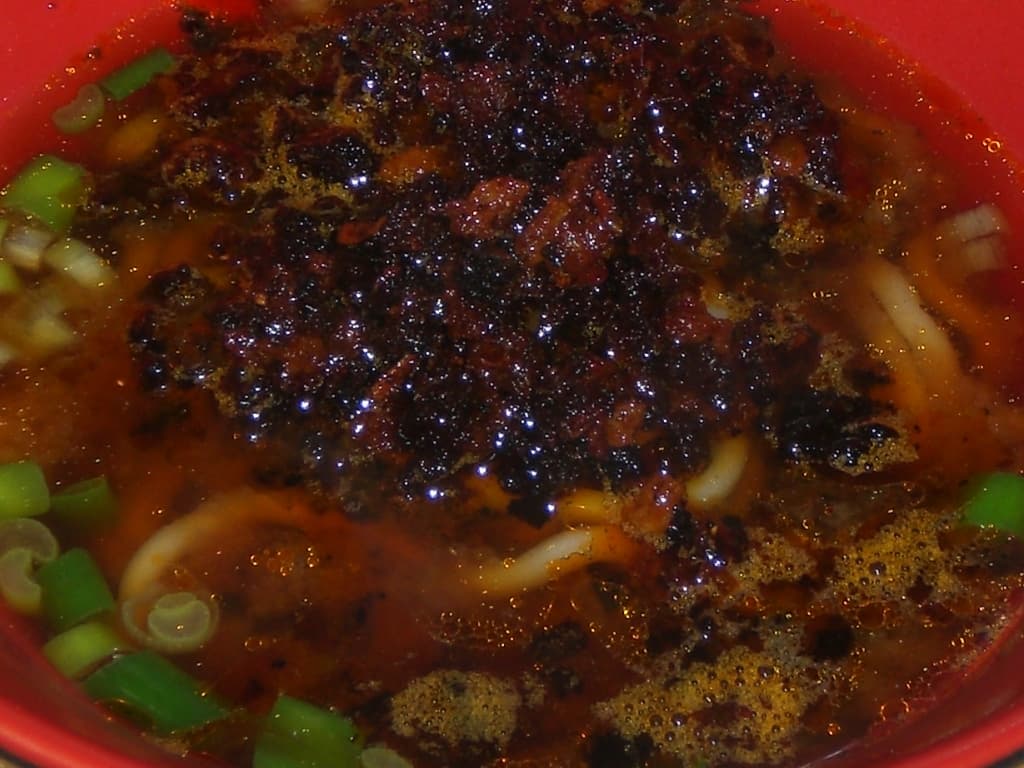
Bugoro All Vegan
A tiny (~3-seat) all-vegan kitchen reproducing Hakata's signature pork-bone-style ramen entirely plant-based.
- Vegan
- Dairy-free
Sources
FAQ
- Is Fukuoka a good city for vegans?
- Yes — as of July 2026 Fukuoka has a compact cluster of fully-vegan kitchens, mostly in Tenjin, Yakuin and Daimyo. Vegan Ramen YADOKARI, Plant-based Café NICE, Sonu Sonu, Rota Cafe and the Hakata Station deli Evah Dining Macrobiotic are all 100% vegan, so you can order anything on the menu. The catch is short hours — several close by around 17:00–18:00 — so plan around lunch and confirm hours before you go.
- Can I get vegan tonkotsu ramen in Fukuoka?
- Yes, at Vegan Ramen YADOKARI in the Yakuin/Hirao area — a fully vegan, counter-only shop that rebuilds Hakata's rich 'tonkotsu' ramen entirely from plants, alongside vegan tantanmen, gyoza and sushi. Ordinary tonkotsu ramen in Fukuoka is made from pork bones and is never vegan, so YADOKARI is the one address where you can have the Hakata ramen experience plant-based. It's also Muslim-friendly (no pork, no alcohol) and uses no five pungent vegetables.
- Which Fukuoka neighbourhood is best for vegan food?
- Yakuin and neighbouring Kego are the plant-based heart, home to YADOKARI and Plant-based Café NICE. Tenjin, one or two subway stops north, adds the all-day café Sonu Sonu and the kaiseki restaurant Umenohana; Daimyo, just west of Tenjin, has the macrobiotic Rota Cafe. These three areas sit within a short walk or subway hop of each other, so you can visit several spots in one day without crossing the city.
- Are Fukuoka's famous foods — mentaiko, motsunabe, tonkotsu — vegan?
- No. Mentaiko is spicy pollock/cod roe (fish eggs) and is never vegan; motsunabe is an offal hot pot with an animal-based broth; and classic tonkotsu ramen is simmered from pork bones. The only plant-based version of any of them is YADOKARI's vegan 'tonkotsu' ramen. Fukuoka's yatai street stalls are also mostly non-vegan (fish dashi, pork, yakitori), so treat them as atmosphere and eat at the fully-vegan kitchens instead.
- Where can I find vegan food at Hakata Station for the Shinkansen?
- Evah Dining Macrobiotic, inside JR Hakata Station on Ippin-dori (いっぴん通り) next to Mister Donut. It's a fully vegan, Buddhist-style deli selling vegan bento boxes and onigiri from around ¥500, with long daily hours (roughly 7:00–21:00) — ideal fuel to grab before boarding the Shinkansen. It's the easiest guaranteed-vegan meal in the station.