
Area guide
Vegan Restaurants in Roppongi: A Plant-Based Guide to Tokyo's Upscale Quarter
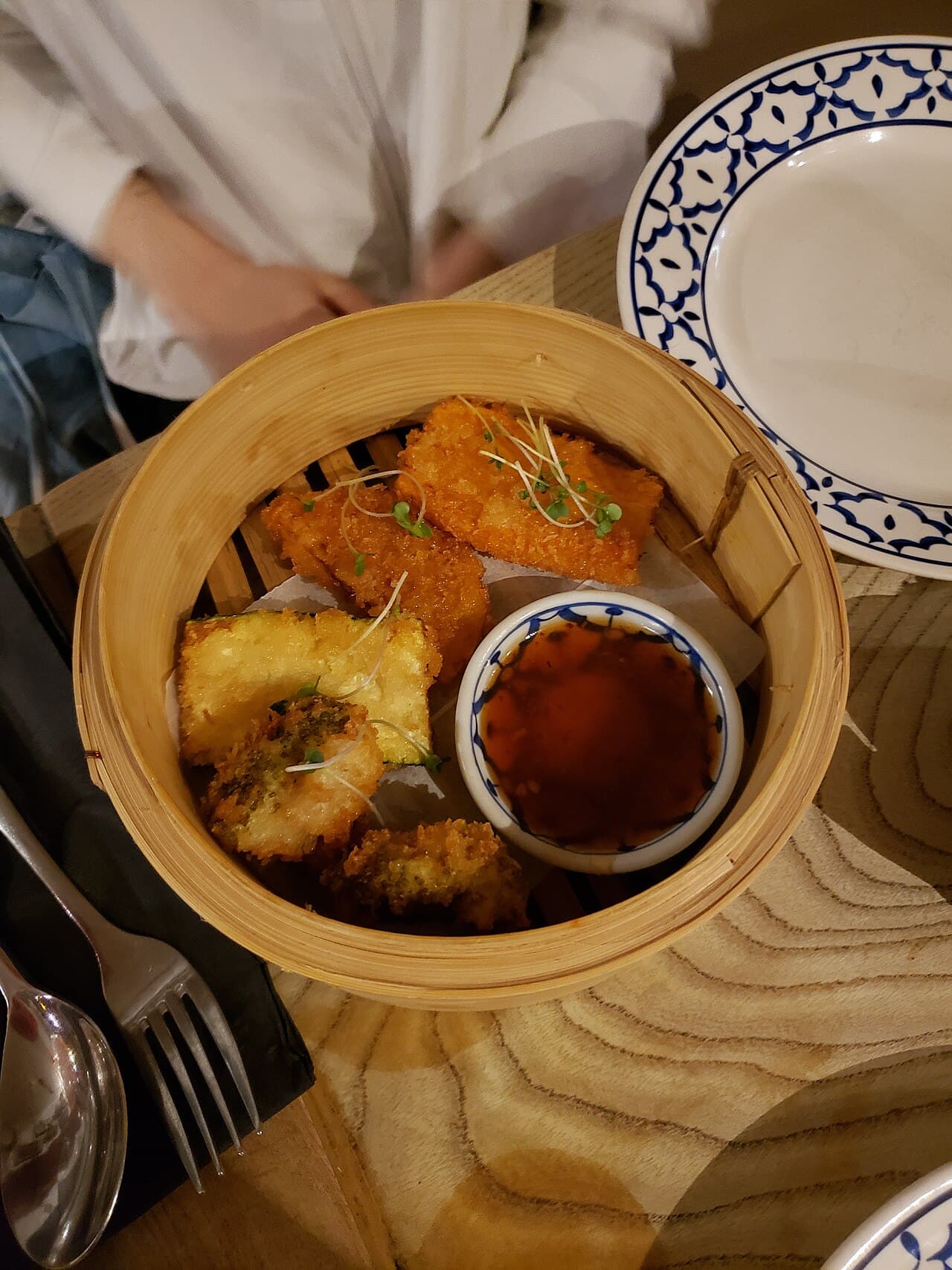
Roppongi has a reputation for nightlife, but for a plant-based eater its real value is quieter: this is a pocket of Tokyo where an upscale, English-friendly vegan dinner is genuinely easy to book. The clustering of temple cuisine, gluten-free kitchens and modern chefs means you can plan a proper evening rather than scavenging.
Start with shojin: plant-based by tradition
Buddhist temple cooking, or shojin-ryori, is the backbone of vegan dining here — and the reason matters. Shojin excludes all animal products by religious principle, and its stock is drawn from kombu (kelp) and dried shiitake rather than fish. That single fact is why it sidesteps the trap that catches almost everyone in Japan: dashi, the bonito or sardine stock hiding in "vegetable" soups, simmered dishes and dipping sauces. Sougo in Roppongi does a modern, elegant take with an English menu, while Itosho in Azabu-Juban is the old-guard, deeply traditional room. Both build flavour from tofu, seasonal vegetables and gentle tempura rather than anything from the sea.
When you want comfort, not ceremony
Not every night calls for kaiseki. Gluten Free T's Kitchen leans into hearty, plant-based comfort food with an English menu — reliable if you want a relaxed, allergy-aware meal. Pizzakaya Roppongi does American-style pizza with gluten-free and vegan options; treat "vegan option" literally and confirm the cheese and base when you order, since the kitchen also cooks with dairy.
The honest caveat on soba
Sarashina Horii in Azabu is a historic soba house — but classic soba is a dashi trap. The noodles themselves are usually fine, yet the standard dipping tsuyu is built on bonito stock. Ask for the noodles with a plant-based or plain preparation, or you may want to admire the craft and eat your vegan meal elsewhere. Honesty here is the point: many "looks vegan" dishes in Japan are not, and asking is never rude.
How to eat well in Roppongi
Book the shojin rooms a day or two ahead, especially for dinner. Learn one phrase — dashi wa katsuo or niboshi tsukatte imasu ka? (does the stock use bonito or sardine?) — and use it freely. Certified-vegan is rare in Japan; "vegan-friendly with an aware kitchen" is the realistic standard, and Roppongi has plenty of it. For the bigger picture before you travel, read is Japan vegan-friendly, and browse the wider vegan directory to plan the rest of your trip.
Places we’ve confirmed
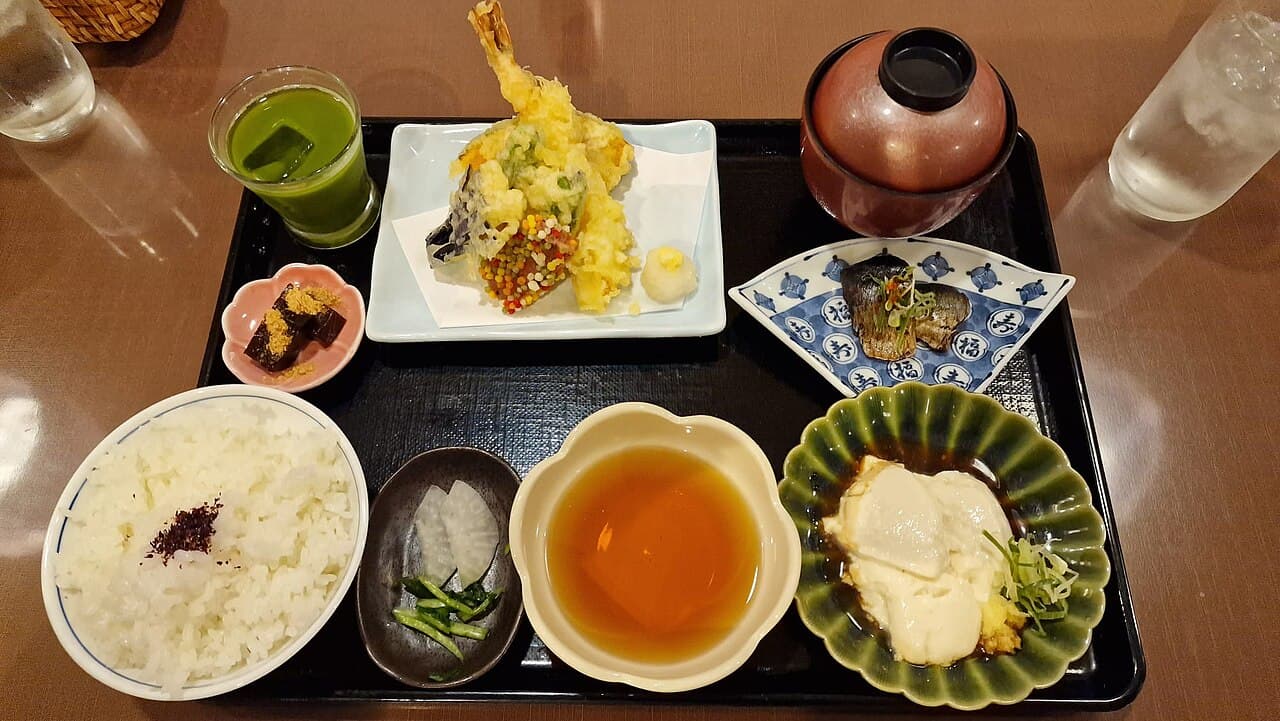
Sougo
Seasonal shojin kaiseki paired with sake and wine, refreshed every three weeks
A refined Roppongi shojin restaurant led by chef Daisuke Nomura, formerly of two-Michelin-starred Daigo, pairing plant-based Zen cuisine with carefully chosen sake and wine.
- Vegetarian
- Vegan
- Anniversary
- Business
- Date
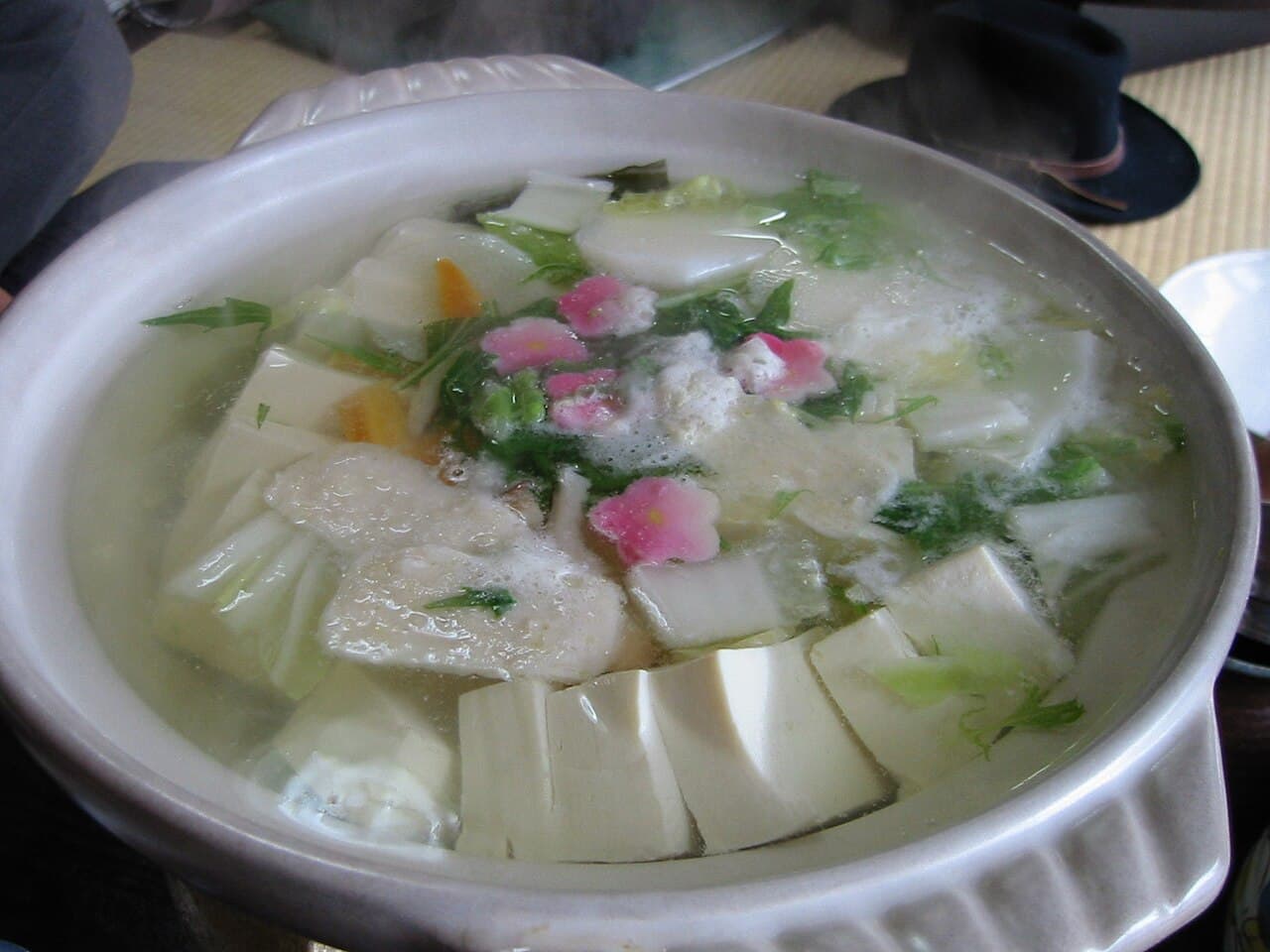
Itosho
'Eel' sushi and namasu crafted entirely from tofu and burdock
A reservation-only tatami refuge where a chef who trained 25 years at Takayama's Kakusho turns the seasons into meat-free trompe-l'oeil — tofu that tastes like eel, burdock that becomes sushi.
- Vegetarian
- Vegan
- Anniversary
- Private room
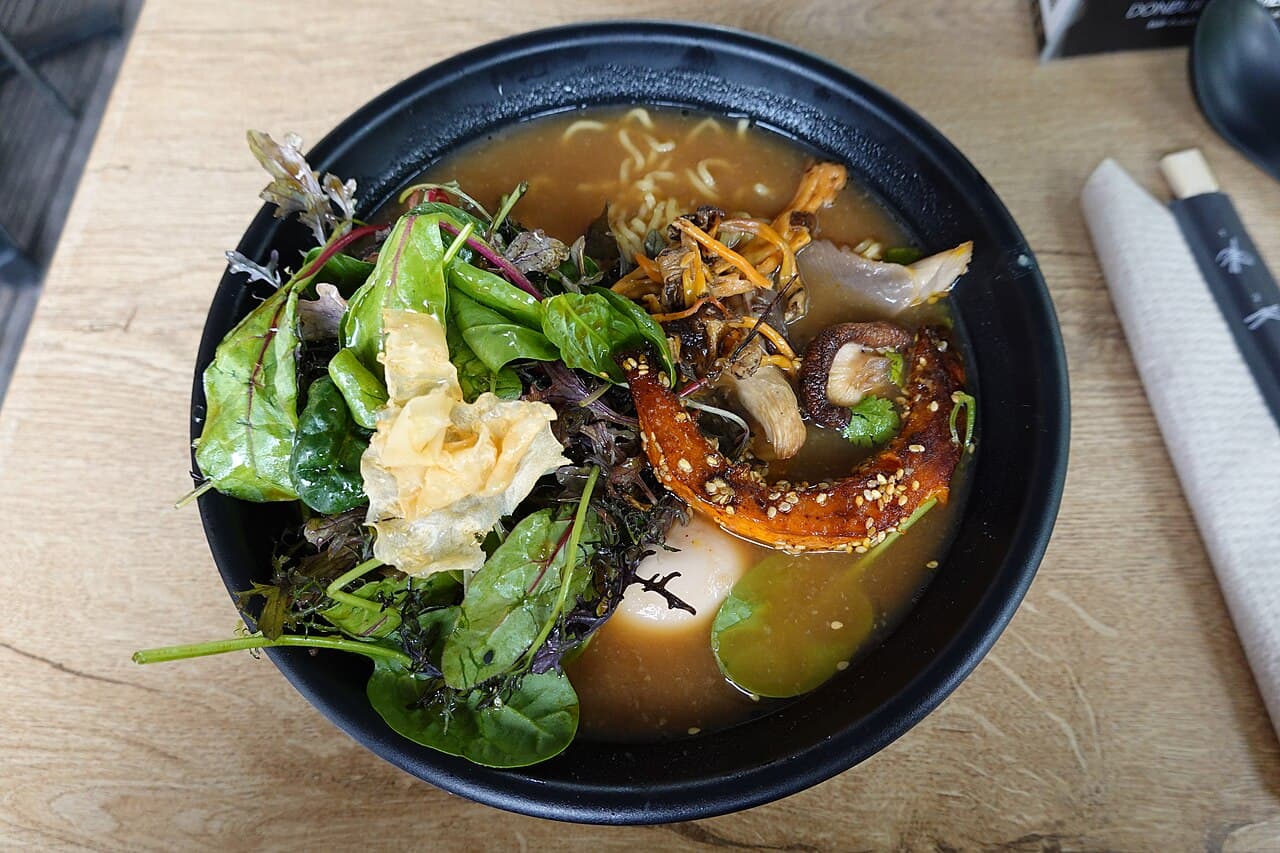
Gluten Free T's Kitchen
Rice-flour gyoza and miso-butter corn ramen
Asia's first GIG-certified gluten-free kitchen, where every dish — from rice-flour gyoza to miso-butter ramen — is safe for coeliac diners.
- Gluten-free
- Vegan
- Vegetarian
- Dairy-free
- Nut-free
- Casual
- Solo

Pizzakaya Roppongi
Gluten-free crust California pizza (vegan cheese option)
A Roppongi institution since 1996 where homesick Americans and coeliac travellers alike crowd the bar for craft beer and proper gluten-free crust pizza topped with vegan cheese.
- Gluten-free
- Vegan
- Vegetarian
- Dairy-free
- Casual
- Solo
Sources
FAQ
- Is shojin-ryori always vegan?
- Traditional Buddhist shojin cuisine excludes all animal products and uses kombu and shiitake for stock, so it is plant-based by design. Still, confirm with the restaurant, as a few modern kitchens adapt recipes; both Sougo and Itosho follow the traditional principle.
- What is the biggest hidden non-vegan ingredient to watch for in Roppongi?
- Dashi — fish stock made from bonito (katsuo) or sardine (niboshi) — hides in soups, simmered dishes and soba dipping sauces that otherwise look plant-only. Kombu or shiitake dashi is the vegan exception, which is why shojin restaurants are the safe bet.
- Are English menus available?
- Yes at Sougo, Gluten Free T's Kitchen, Pizzakaya Roppongi and Sarashina Horii. Itosho is more traditional, so a translation app or a quick call ahead helps.