
Nagoya
Vegan Restaurants in Nagoya: Where to Eat Well in Japan's Manufacturing Capital
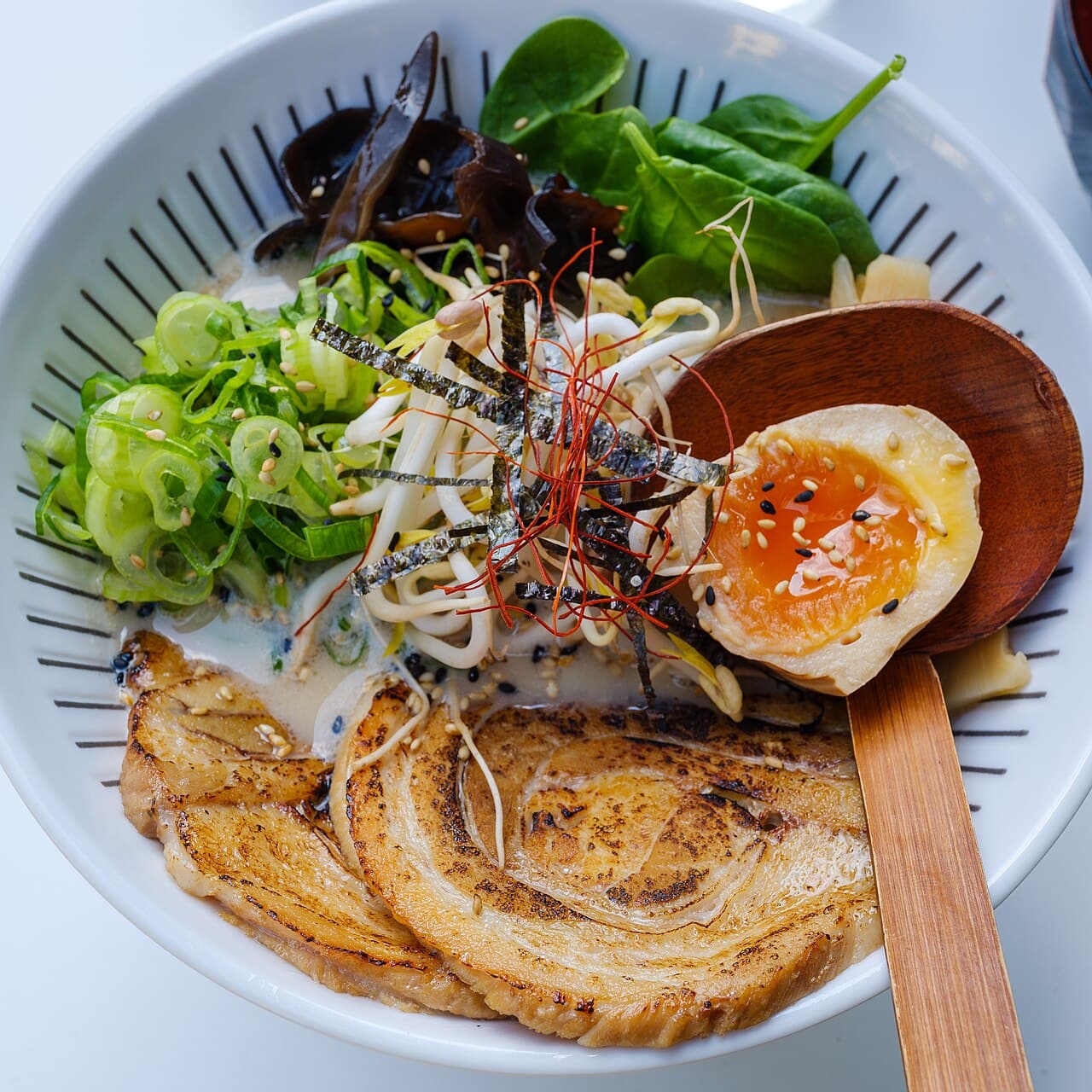
Nagoya has a compact but reliable vegan scene built around a handful of independent, fully plant-based kitchens plus at least one century-old Japanese restaurant with a real vegan menu. It's not a city with vegan ramen on every corner, but the spots that do exist are thoughtful, small, and worth planning a meal around.
The hidden-ingredient traps to know before you order
Even at restaurants that look vegetable-forward, Japanese cooking has a few default animal ingredients worth watching for:
- Dashi (bonito/niboshi stock): many "vegetable" soups, simmered dishes, and even some tempura dipping sauces are built on a fish-based dashi by default. Ask specifically for kombu dashi (kelp-only) or confirm the broth is doubutsusei ga nai (contains no animal products).
- Soy sauce vs. tamari: standard soy sauce contains wheat; if you need gluten-free, ask for tamari, and note that cross-contamination is likely in a kitchen that also uses regular soy sauce.
- Honey, gelatin, lard, egg wash: desserts and breads can carry any of these even at otherwise plant-leaning cafes — worth a quick check for dessert courses specifically.
None of the restaurants below carry formal halal certification. That said, Vegetiger is listed as halal-friendly on HappyCow, and Oribio's own site says it can accommodate halal, Jain, and other dietary needs alongside vegan and vegetarian requests — but "accommodating" isn't the same as certified, so if you specifically need certified halal, confirm directly with the restaurant before visiting.
Where to eat
Grains (2-24-14 Meieki, Nishi Ward) is a small, tatami-seated, fully vegan restaurant near Nagoya Station specializing in house-made plant-based "meats" built from okara (soy pulp) and konjac. Their grilled "eel" hitsumabushi-style set and "miracle beef" donburi are the dishes regulars mention most. Dinner runs around ¥3,300 for a set and needs a reservation; lunch is walk-in. Open Wednesday to Friday, plus the 2nd and 4th Saturdays — check current hours before you go, as small owner-run kitchens like this one shift their schedule seasonally.
Vegetiger (3-14-23 Shinsakae) is a roughly 10-seat, fully plant-based kitchen run by an Australian-Japanese couple, blending Thai, Indian, Turkish, and Mexican influences into dishes like the signature Tiger Plate curry, Thai-style tofu fried "chicken," and laksa. They explicitly offer allium-free (no garlic/onion) and gluten-free options on request, which is unusually accommodating for a small independent spot — always confirm the specific dish, since "gluten-free option" at a fusion kitchen usually means adapted-per-order rather than a dedicated GF kitchen.
Yamamotoya (5-9-2 Ookute) is the pick for travelers who want a classic Japanese meal rather than fusion. Founded in 1925 and now more than a century old, this family-run udon restaurant maintains a genuine vegan menu built on shojin ryori principles — no garlic, no onion — and says it keeps separate kitchenware for vegan orders to reduce cross-contamination. Order the vegan miso nikomi udon (hand-cut noodles simmered in miso broth) or the eggplant-and-soy-meat dish; the vegan tenmusu and yuba sashimi are good smaller additions. Closed Mondays; reservations are recommended given the restaurant's small size and popularity.
Oribio (6-2-1 Haruokatori, Chikusa Ward) leans vegetarian-with-strong-vegan-options rather than 100% vegan across the whole menu, so double-check individual dishes, but it's worth the trip for the katsudon-style bowl made with vegan tofu "egg" and burdock, plus a ramen line-up using mushrooms grown for depth of flavor. The restaurant sources rice from its own organic paddy and has an attached shop selling vegetarian snacks and frozen goods to take home. It keeps limited hours — Sunday lunch, and dinner service on Wednesday, Thursday, and Saturday (closed Friday) — so plan around that rather than treating it as a flexible drop-in.
A practical ordering script
At any of these, a simple phrase covers most bases: "Bejitarian desu. Niku, sakana, dashi mo dame desu" ("I'm vegetarian/vegan — no meat, no fish, and no fish-based dashi either"). At Grains and Vegetiger you can relax a little since the whole kitchen is plant-based; at Yamamotoya and Oribio, it's still worth confirming the specific dish, since not every item on the menu carries the same guarantee.
Sources
FAQ
- Is there a fully vegan restaurant near Nagoya Station?
- Grains, at 2-24-14 Meieki in Nishi Ward, is a fully vegan restaurant a short distance from Nagoya Station, known for house-made okara- and konjac-based plant meats. Dinner is a set menu (around ¥3,300) and requires a reservation; check current days of operation before visiting.
- Can I get traditional Japanese food like udon as a vegan in Nagoya?
- Yes. Yamamotoya, an udon restaurant in Nagoya founded in 1925 and now more than a century old, offers a dedicated vegan menu built on shojin ryori (Buddhist temple cuisine) principles, meaning no garlic or onion, with separate cookware used to reduce cross-contamination. Their vegan miso nikomi udon is the signature order.
- Are any vegan restaurants in Nagoya halal-certified?
- No formally certified-halal restaurants were found among the venues in this guide. Vegetiger is listed as halal-friendly on HappyCow, and Oribio's own site says it can accommodate halal requests alongside vegan, vegetarian, and Jain diets — but neither is certified, so travelers with strict halal requirements should confirm directly with the restaurant rather than assume vegan status equals halal.