
Plant-based tradition
Shōjin ryōri in Kyoto: Japan's original vegan cuisine
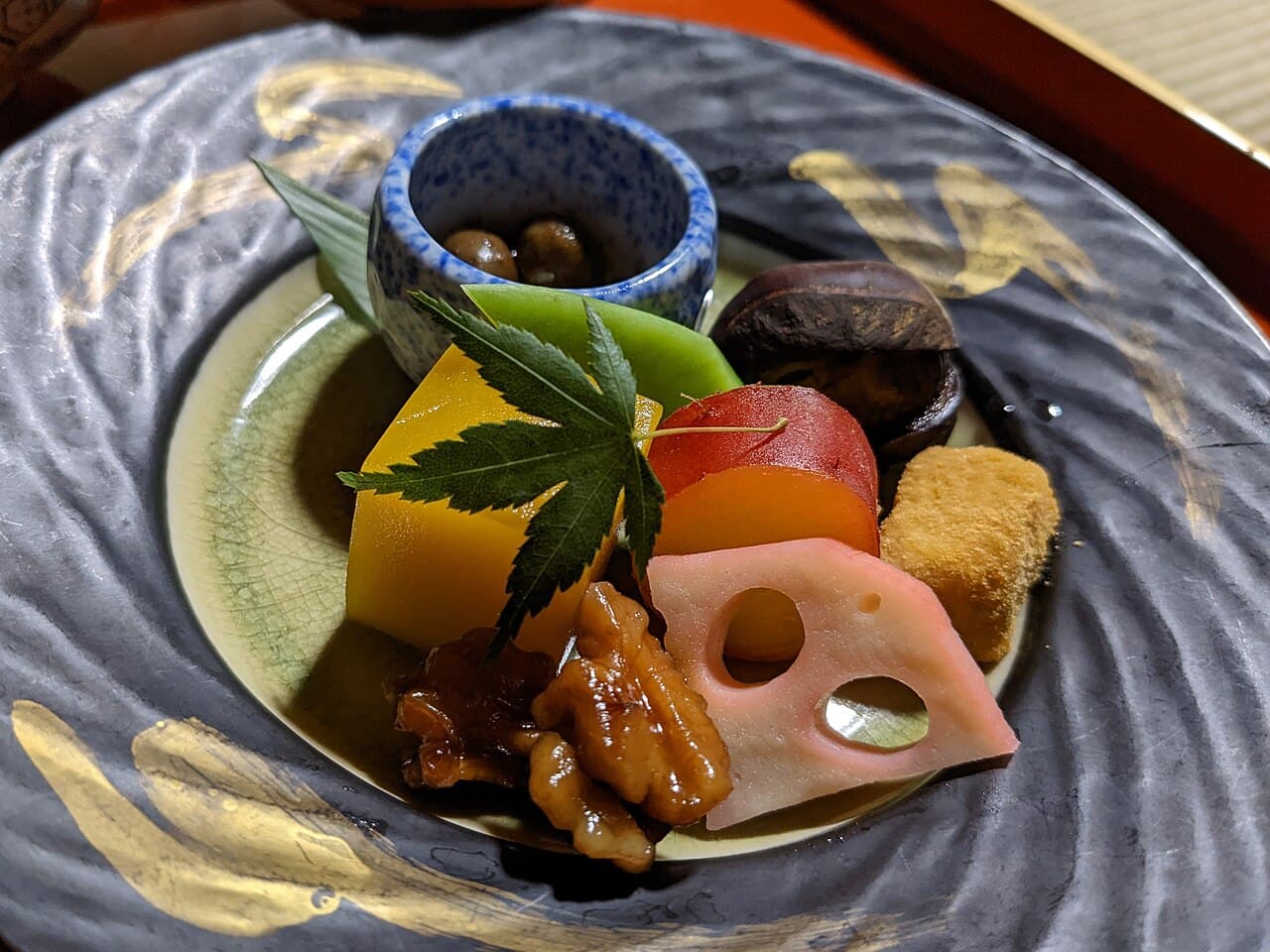
What shōjin ryōri actually is
Shōjin ryōri (精進料理) is the cuisine of Japan's Zen Buddhist temples — plant-based by religious principle, not by trend. Codified by the 13th-century Zen master Dōgen, who wrote a whole text on the spirit of the temple kitchen, it excludes all meat and fish, and traditionally the pungent alliums (garlic, onion, leek and their kin) thought to disturb a calm mind. What remains is a quiet, exact, deeply seasonal way of cooking built on tofu, seasonal vegetables, sea vegetables, sesame and grains.
Why it is (almost always) vegan
Authentic shōjin contains no animal products. Crucially, its stock — the single thing that trips travellers up elsewhere in Japan — is drawn from kombu (kelp) and dried shiitake, never bonito (fish) dashi. That makes a true temple meal one of the safest plant-based experiences in the country. The honest caveat: a handful of modern restaurants advertise "shōjin-style" courses and may adapt recipes, so if you are strict it is still worth confirming no katsuo (bonito) dashi, no egg and no honey.
Why Kyoto
Kyoto is Japan's temple capital, the historic heart of Zen, and the place where shōjin ryōri is most alive. Many of the most storied places to eat it sit inside the temple grounds, so a meal doubles as a visit to a garden or a sub-temple. You are not hunting for a vegan loophole here — you are eating the food the temple was always going to serve.
Where to try it in Kyoto
- Shigetsu (篩月), Tenryū-ji, Arashiyama — a long-running shōjin dining hall within a UNESCO World Heritage Zen temple; graded multi-bowl sets, served with admission to the famous garden.
- Izusen (泉仙), Daitoku-ji — known for courses presented in nested red-lacquer bowls inside a sub-temple, a calm garden setting north of the city.
- Mountain temples — for the complete experience, a shukubō (temple lodging) on Kōyasan (Mt. Kōya) serves shōjin breakfast and dinner. It is a side trip from Kyoto or Osaka rather than in the city itself.
Hours, closures and reservation rules change, and many of these are lunch-focused and ask for advance booking — always confirm on the temple's own information before you go.
What a meal is like
Expect a set built around ichijū-sansai (a soup and a few dishes) and scaled up for guests: silky gomadōfu (sesame tofu), simmered seasonal vegetables, tempura of mountain vegetables, pickles, rice and a kombu-shiitake miso soup. The philosophy is the famous five colours, five flavours, five cooking methods — and an ethos of wasting nothing, eaten slowly and with gratitude.
How to eat it well
- Reserve ahead and plan for lunch; bring cash, as some temples don't take cards.
- Be specific if you're strict: a simple "kombu dashi only, no bonito, no egg, no honey" removes all doubt.
- Pair it with the place: a garden, a sub-temple, a slow morning. Half of shōjin is the setting.
Sources
FAQ
- Is shōjin ryōri vegan?
- Traditionally yes. It is plant-based by Buddhist doctrine and uses kombu (kelp) and shiitake stock rather than fish dashi, so authentic temple meals contain no animal products. At modern "shōjin-style" restaurants, confirm no bonito dashi, egg or honey if you are strict.
- Do I need a reservation for shōjin ryōri in Kyoto?
- Often, yes. Many temple dining halls are lunch-focused and ask for advance booking, especially for full course meals. Check the temple's own information for current hours and reservation rules before you go.
- How much does a shōjin ryōri meal cost?
- It is usually a mid-to-higher-range set lunch — often roughly ¥3,000–¥6,000 or more depending on the temple and the course, and sometimes plus garden or temple admission. Bring cash, as some places do not take cards.
- Where can I eat shōjin ryōri besides Kyoto?
- Kōyasan (Mt. Kōya) temple lodgings serve it morning and night, and there are dedicated shōjin restaurants in Tokyo. Many Zen temples nationwide also serve it at events or on request.