Yes — with a little know-how, Japan is a genuinely great place to eat vegan. This master guide maps the one trap to master (dashi), the phrases to order with, which dishes actually work, and exactly where to eat in every city.
Japan's most dependable all-vegan event is the Vegan Gourmet Festival (Vegefes), where every stall is vegan by policy. Earth Day Tokyo at Yoyogi Park and the weekly Farmers Market @ UNU in Aoyama aren't all-vegan, but both host large clusters of plant-based and organic vendors. Even all-vegan events aren't infallible — organizers have publicly apologized when a dairy-containing sample slipped through — so with a severe allergy, still label-check. Dates and venues shift yearly; confirm on each official site (as of July 2026).
Japan's allergen label lists nine mandatory items — and bonito and honey are on neither that list nor the twenty recommended ones. Here is what the label does and does not protect you from, with two everyday snacks that hide fish and two souvenirs we verified with the makers.
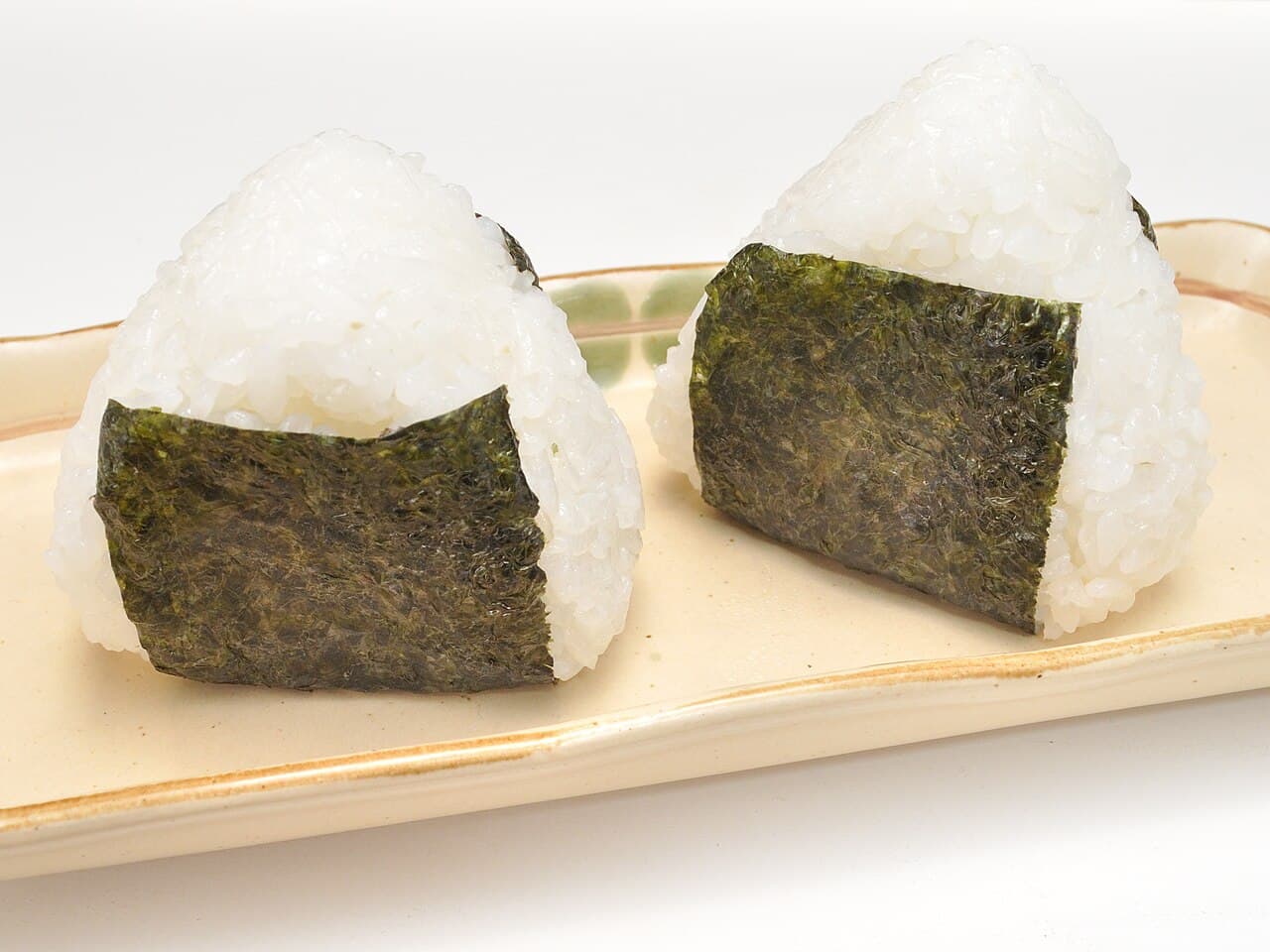
Yes, you can build a lovely vegan hanami (cherry blossom) picnic food spread almost entirely from a konbini and a supermarket: inari sushi, umeboshi or kombu onigiri, edamame, soy karaage nuggets, fruit, and some wagashi. The one thing to watch is hidden dashi (fish stock) in things that look plant-only. Check labels, and you're set for spring.
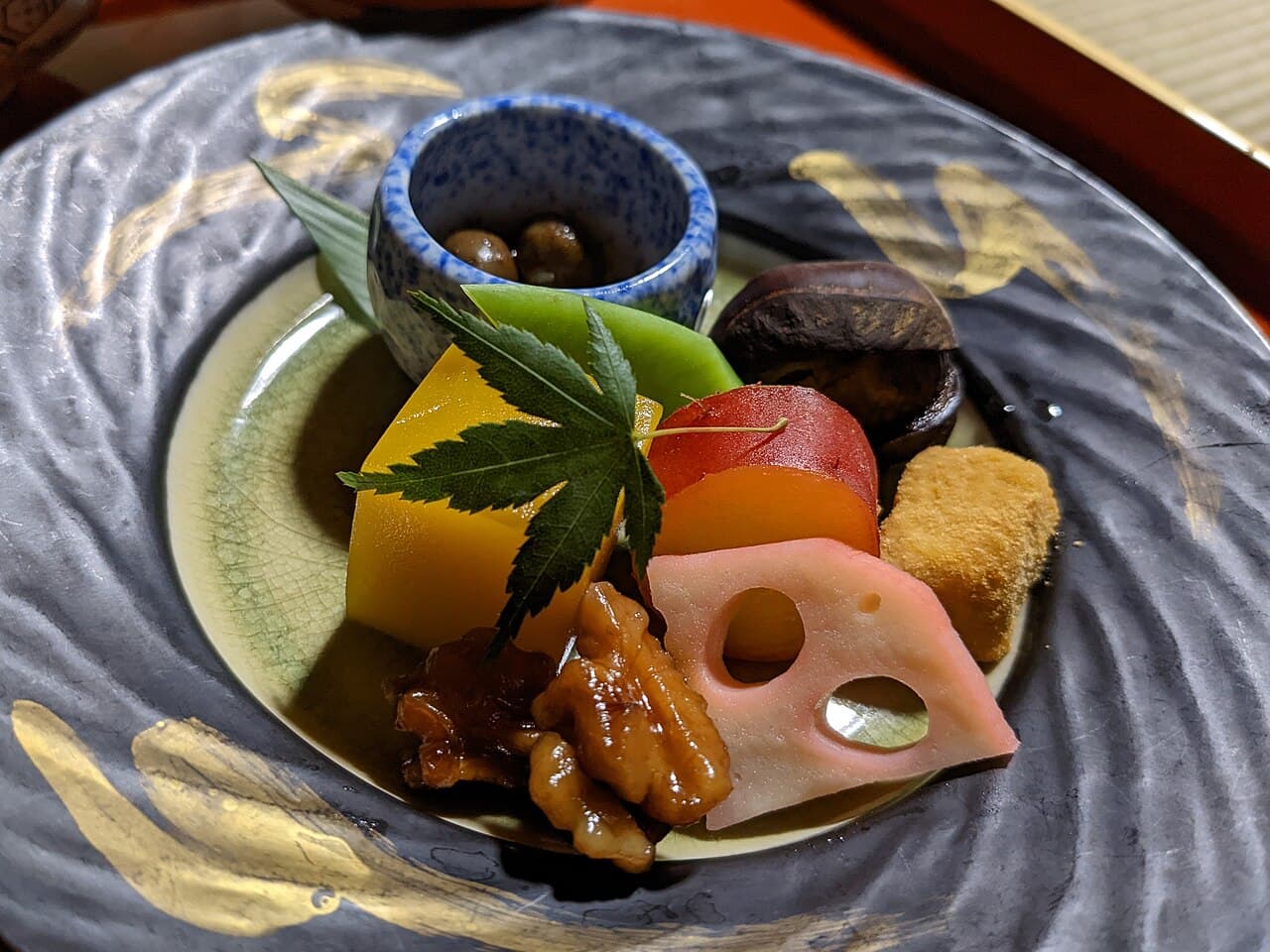
Short answer: shōjin ryōri is Zen Buddhist temple cooking — fully plant-based by doctrine and one of the world's oldest vegan cuisines. Kyoto, Japan's temple capital, is the best place to eat it. Here's what it is, where to try it, and how to book.
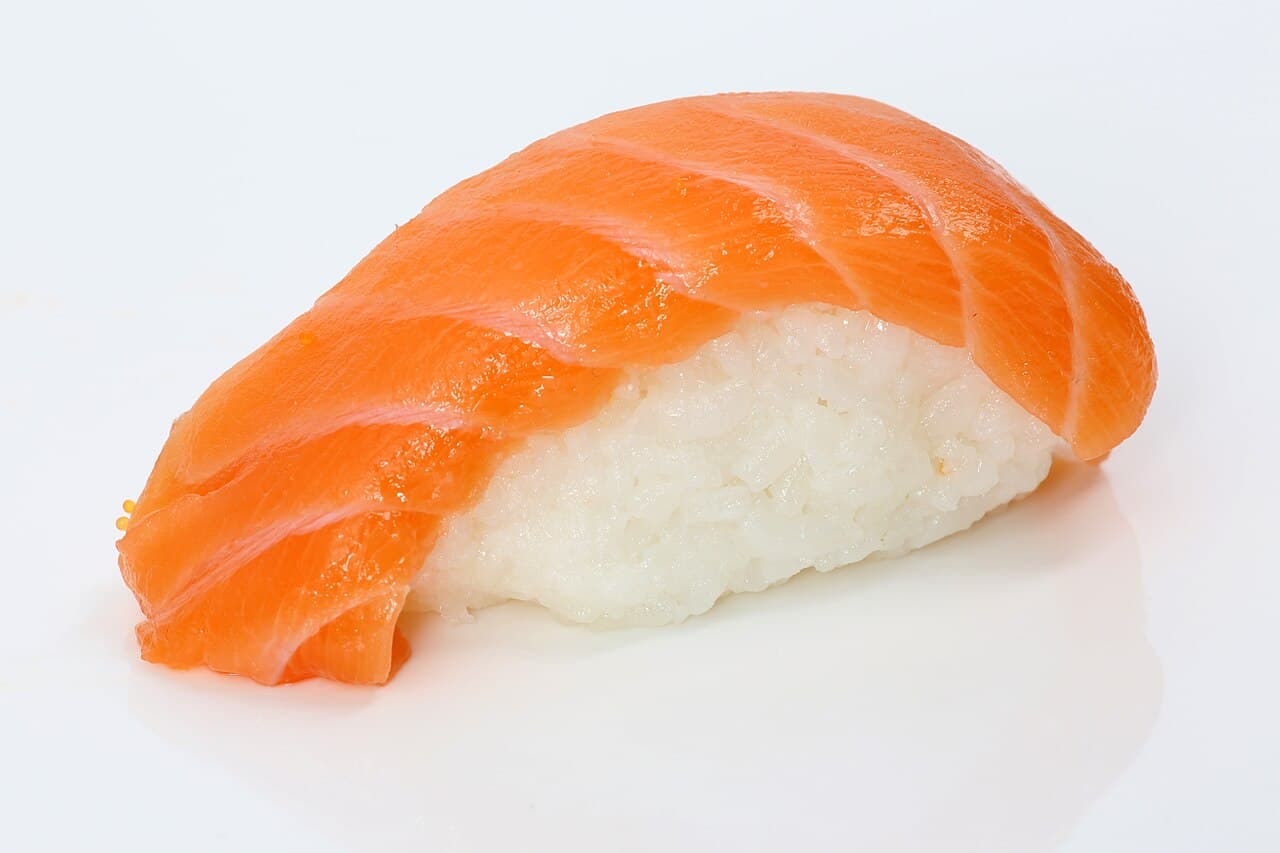
Short answer: classic sushi is built around fish, so most isn't vegan — but several traditional pieces are 100% plant-based, the rice usually is, and good restaurants will make vegetable sushi to order. Here's the safe list.
So much of Japan's everyday food is plant-based by nature. A joyful list of things that are usually vegan — plus the one or two quick checks that keep it stress-free.
Family dinners, sceptical friends, the well-meant 'where do you get your protein?'. Calm, evidence-based ways to lower friction, keep relationships warm, and grow like-minded people worldwide — by attraction, not argument.
The 'preachy vegan' stereotype hides a gentler truth. What research says about the values, empathy and quiet kindness behind plant-based eating — and why you never have to prove yourself.
Most people choose plant-based eating for several reasons at once — animals, health, the planet, faith, taste. Here's what the research actually shows, why the spectrum is a strength, and why you belong.