
The complete guide
Vegan Japan: The Complete Guide (2026)
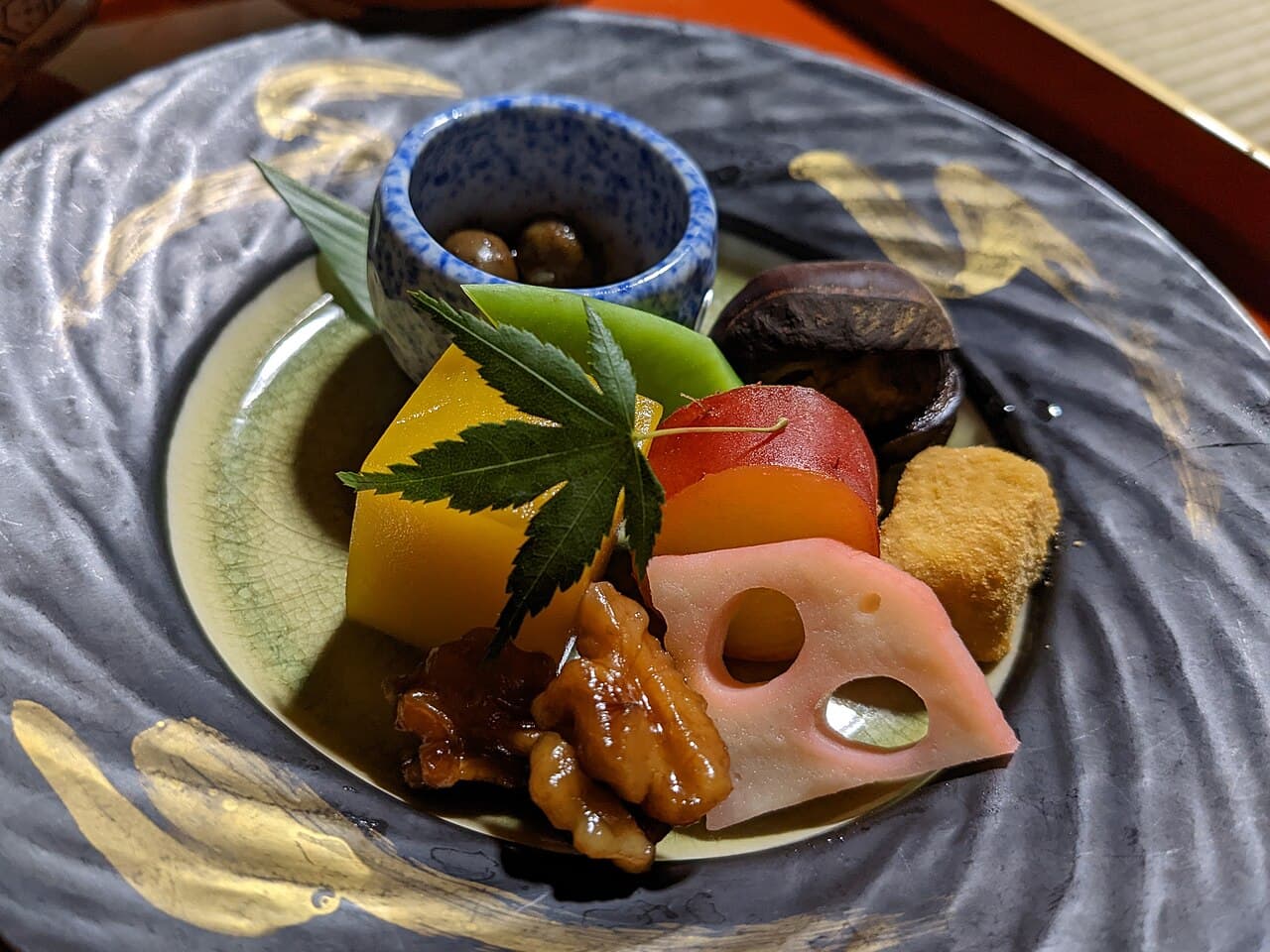
Yes — with a little know-how, Japan is a genuinely great place to eat vegan. Traditional Japanese cooking is built on rice, tofu, soy, seaweed, pickles, and vegetables, and Tokyo now ranks among the world's top vegan cities. The one thing that trips people up is invisible fish stock. Master that, learn a handful of phrases, and the whole country opens up. This is the hub for everything on VEGAN JAPAN — start here, then dive into the deep guide you need.
At a glance
| Situation | What to do | Read more |
|---|---|---|
| Ordering almost any dish | Ask if it contains dashi (fish stock) | Is dashi vegan? |
| Can't read the menu | Show a Japanese vegan phrase card | Vegan phrases |
| Need a fast, cheap meal | Head to a convenience store | Vegan konbini |
| Want a special meal | Book Buddhist temple cuisine | Shojin ryori |
| Checking a packet | Learn the key kanji | Reading labels |
1. Is Japan actually vegan-friendly?
Short answer: yes in the cities, harder in the countryside. Japan's plant-based market roughly tripled between 2015 and 2020 and Tokyo placed 12th on HappyCow's 2025 vegan-friendly cities list, with vegan ramen, plant-based sushi, and vegan izakaya all now on the map (as of 2026; source: HappyCow / Japan Travel). Set your expectations and plan a little, and you'll eat very well. Full reality check →
2. Master one thing: the dashi trap
Dashi — stock made from bonito (katsuo) or sardine (niboshi) — is the single biggest pitfall. It hides in miso soup, simmered vegetables, sauces, and dishes that look completely plant-based, and staff often don't think of it as "fish." Kombu (kelp) and shiitake dashi are the vegan versions to ask for. Learn this and you've solved 80% of the problem. Start with is dashi vegan?, then the wider list of hidden animal ingredients and how to read Japanese labels.
3. Order with confidence: the phrasebook
A few memorised or printed Japanese phrases turn every meal from a gamble into a conversation. "Bejitarian desu / Vīgan desu" plus "Sakana no dashi wa haitte imasu ka?" (Is there fish stock in this?) covers most situations, and a written card handles the rest. Grab the ready-to-use lines in our vegan phrasebook.
4. "Can I eat…?" — the dishes
Most iconic dishes have a vegan path — you just need to know which. Ramen and miso soup usually hide dashi; tempura and curry are often close but check the broth and roux; udon is easy if the soup is kombu-based; sushi has plenty of plant options. Read the ones you're craving: ramen, sushi, tempura, udon, miso soup, and Japanese curry.
5. By venue type
How you eat vegan depends heavily on where you sit down. Conveyor-belt sushi, izakaya pubs, and family chains each have their own tricks and safe orders. See our playbooks for kaiten-zushi, the izakaya, and the reliable vegan-friendly chain restaurants you'll find nationwide.
6. Where to eat, city by city
Big cities are where Japan's vegan scene shines, and each has a distinct flavour. Tokyo has the density, Kyoto has the temple cuisine and matcha, Osaka has the street food, and Fukuoka is a rising star. Jump to your destination: Tokyo, Kyoto, Osaka, and Fukuoka. Or browse everything on our live map at /restaurants?diet=vegan.
7. Shopping & self-catering
When restaurants are scarce, Japan's shops are a vegan traveller's secret weapon. Convenience stores, supermarkets, and a growing wall of plant-based meats mean you're rarely far from a meal or a snack. Stock up with our guides to the konbini, supermarket shopping, plant-based meat, and vegan snacks and souvenirs — and yes, we cover whether sake is vegan too.
8. On the move
Trains, planes, and early hotel check-ins are the moments veganism gets tricky — plan them. From airport terminals to the Shinkansen and that hotel buffet, a little forethought keeps you fed. See the master travel guide, plus airport food, vegan ekiben bento for the bullet train, the classic Japanese breakfast, and how to handle a ryokan or temple stay.
9. Culture & seasons
Some of Japan's most beautiful vegan food is centuries old. Buddhist temple cuisine is fully plant-based by design, seasonal festivals bring their own treats, and even the dessert case has options. Explore shojin ryori in Kyoto, the year's vegan festivals and events, and where to find vegan ice cream.
10. Special diets
Vegan-plus-something is doable in Japan with extra care. Gluten hides in soy sauce and tempura batter, and halal-and-vegan overlap has grown fast in tourist areas. If you're also avoiding gluten or need halal, read gluten-free vegan Japan and halal and vegan Japan before you travel.
11. Our free tools
We built VEGAN JAPAN to make all of this one click easier. Browse curated plant-based spots on the VEGAN JAPAN hub, see the difference your choices make with our impact calculator, and search real vegan-friendly restaurants across the country at /restaurants?diet=vegan. Bookmark this page as your map — then follow the link that matches your next meal.
Places we’ve confirmed
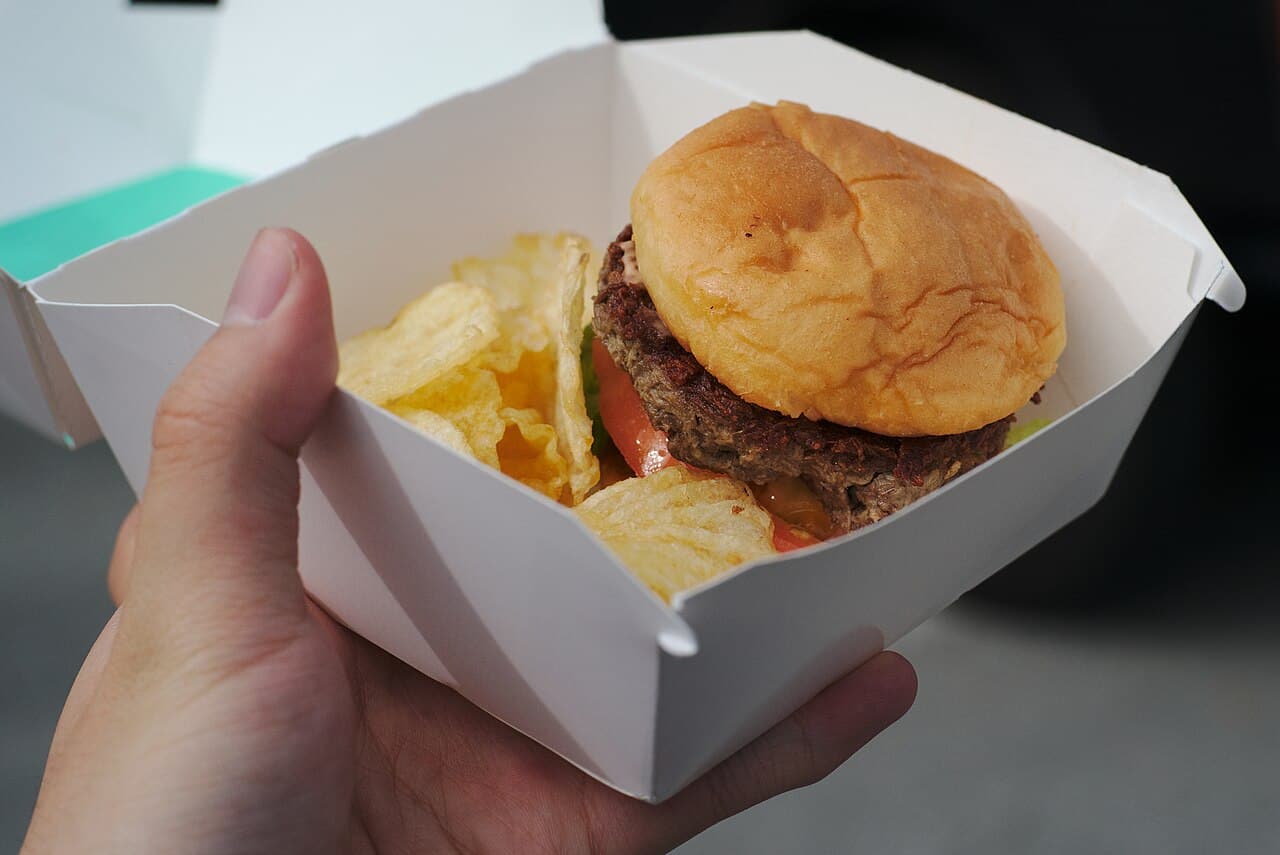
Plant-based Cafe NICE
A small, fully plant-based neighborhood cafe near Tenjin, known for hand-made vegan burgers with soy-milk ice cream.
- Vegan
- Dairy-free
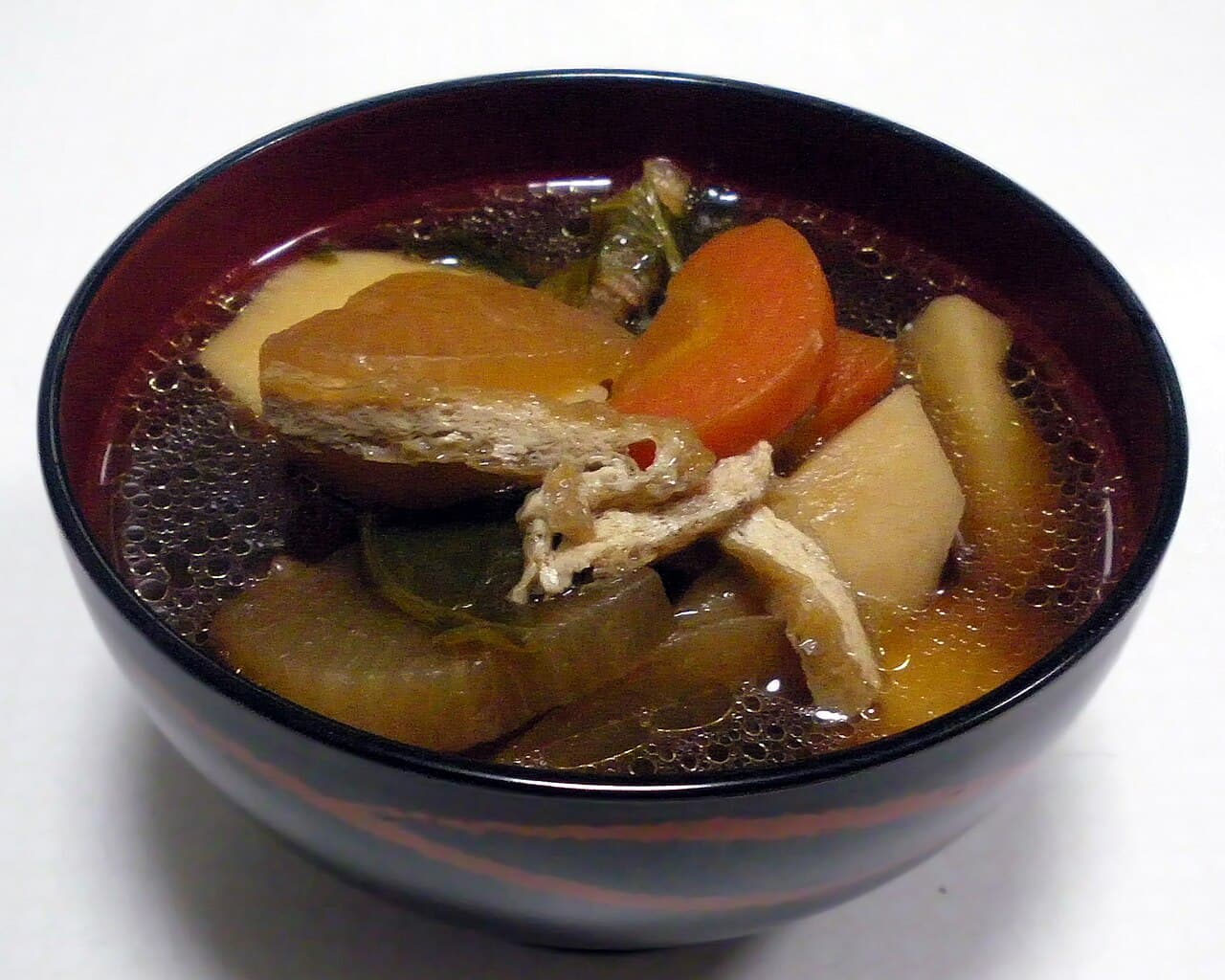
JoGeSaYu
Hiroshima's first fully-vegan restaurant, opened May 2025 and selected by HappyCow as the only Japan venue in its 2025 global new-vegan-spots list.
- Vegan
- Vegetarian

Vegan Cafe Thallo
One of Kobe's longest-established fully vegan and gluten-free cafes, open since 2017.
- Vegan
- Vegetarian
- Gluten-free
- Dairy-free
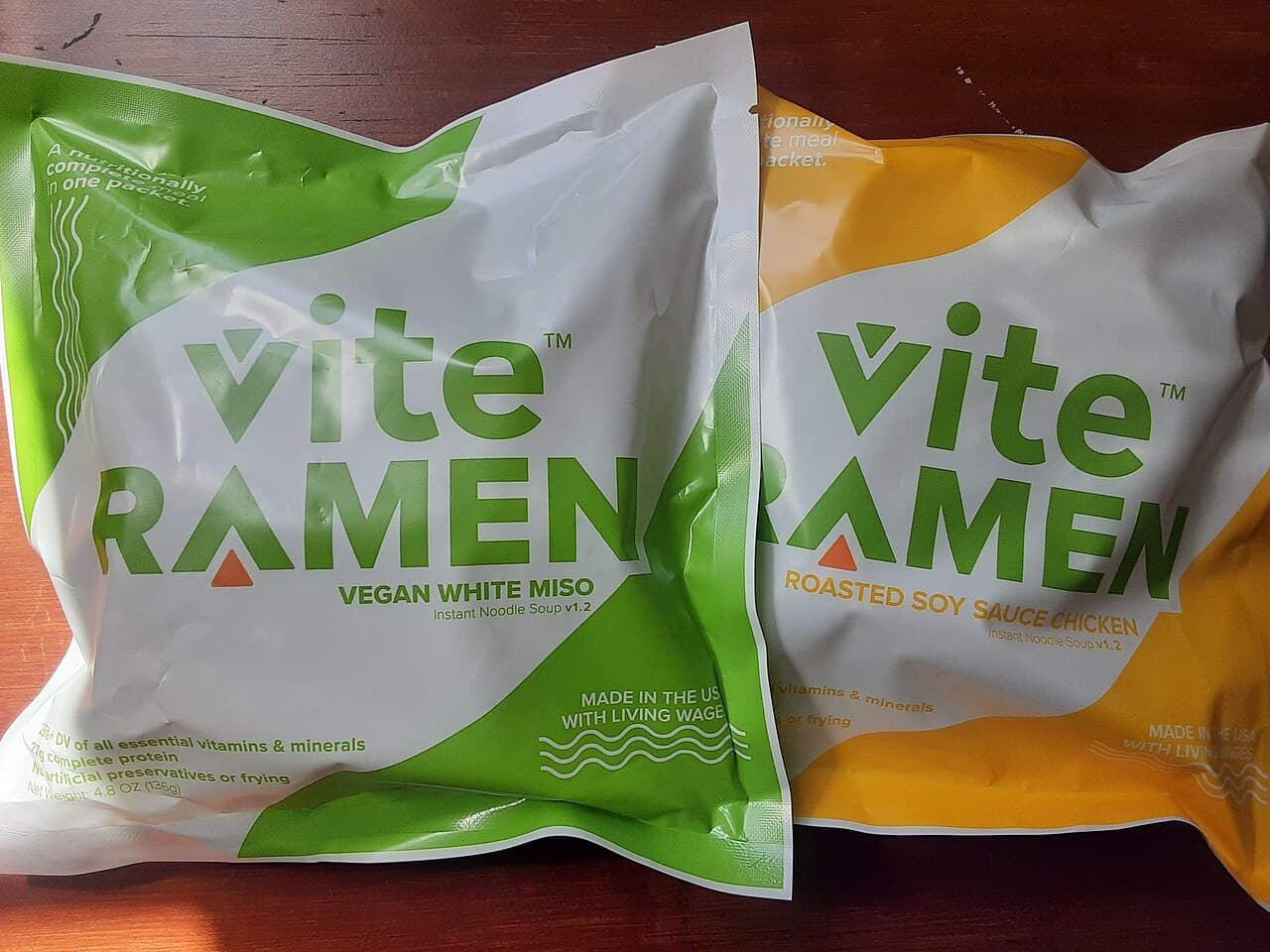
Salloga
A 12-year-running vegan Japanese restaurant that rebranded from Itadakizen to Salloga in 2024, known for vegan miso ramen.
- Vegan
- Dairy-free
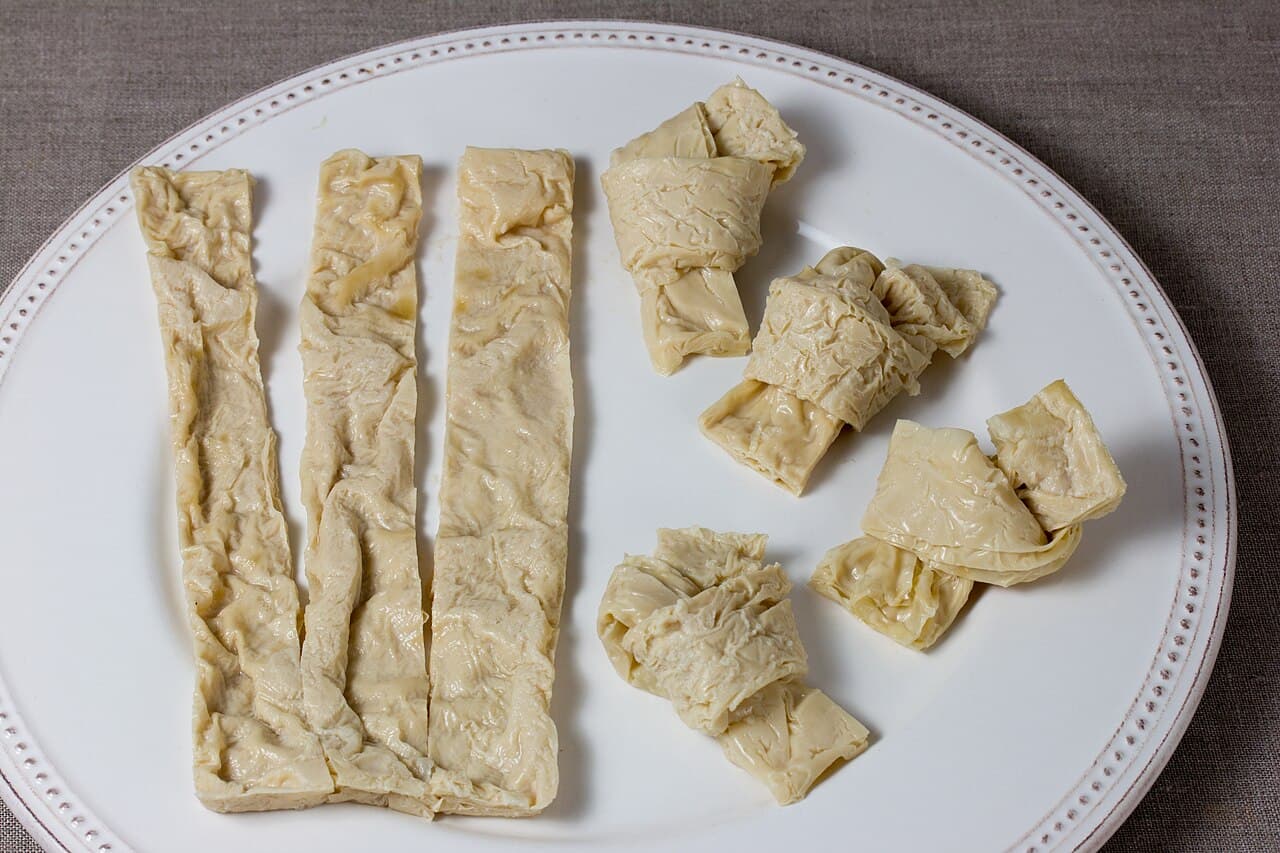
Tousuiro Kiyamachi, Kyoto — Tofu Kaiseki + Vegan Course
Silky oboro tofu and yuba in a seasonal multi-course meal
Tousuiro Kiyamachi is an upscale riverside tofu-kaiseki house in central Kyoto, serving silky oboro tofu and yuba in seasonal multi-course form, with a full English menu and summer riverside (kawayuka) seating. It offers a dedicated fish-free vegan course ('Rokuhara') with no meat, shellfish, egg, dairy or fish -- but you must order that specific course, since the standard tofu courses likely use bonito dashi.
- Pescatarian
- Vegetarian
- Vegan
- Dairy-free
- Date
- Anniversary
- Business
- Private room
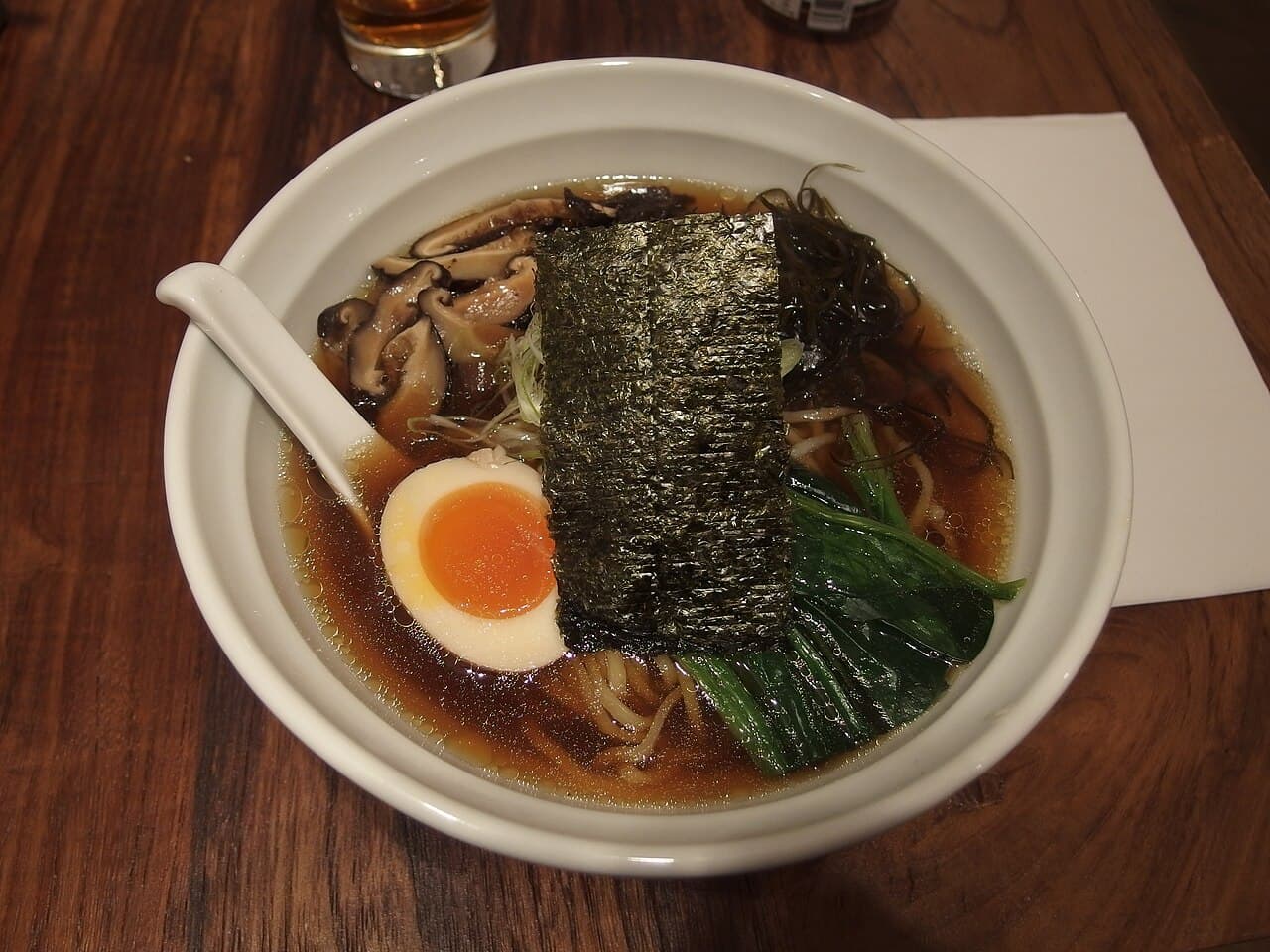
Vegan Bistro Jangara
Vegan ramen and grilled soy-meat plates
A second-floor all-vegan bistro in Harajuku opened in 2021 by the Kyushu Jangara ramen chain. The menu spans vegan ramen, curries, grilled soy-meat plates, gyoza and karaage.
- Vegan
- Vegetarian
- Casual
- Solo
Sources
FAQ
- Is Japan vegan-friendly for travellers?
- Yes, especially in cities. Tokyo, Kyoto, Osaka, and Fukuoka all have dedicated vegan restaurants, and Tokyo ranked 12th on HappyCow's 2025 vegan-friendly cities list (as of 2026). Rural areas are harder, so plan ahead and lean on convenience stores and phrase cards. See our full breakdown at is-japan-vegan-friendly.
- What is the hardest part of eating vegan in Japan?
- Dashi — the fish stock (usually bonito or sardine) that flavours miso soup, simmered dishes, sauces, and things that look totally plant-based. Staff often don't consider it 'fish,' so you must ask specifically. Request kombu (kelp) or shiitake dashi instead, and check labels for the katsuo/niboshi kanji.
- Do I need to speak Japanese to eat vegan in Japan?
- No, but a few phrases and a printed card make everything easier. Learn to say you're vegan and to ask 'Is there fish stock in this?' A written card listing what you can't eat (meat, fish, dashi, egg, dairy, honey) handles the rest, even in places with no English menu.
- Can I eat vegan at Japanese convenience stores?
- Yes. Konbini like 7-Eleven, Lawson, and FamilyMart stock plain or umeboshi onigiri, edamame, salads, fruit, nuts, and a growing range of plant-based items. They're open 24/7 and are a reliable fallback when restaurants are closed or unclear about ingredients.
- Which Japanese dishes are naturally vegan or easy to make vegan?
- Plant-based options include zaru soba (check the dipping sauce), inari and vegetable sushi, kombu-based udon, tempura vegetables (confirm the batter), agedashi-style tofu without fish stock, and shojin ryori Buddhist temple cuisine, which is fully vegan by tradition. Always confirm the dashi.