
Good news
Accidentally vegan in Japan: foods you can enjoy without overthinking
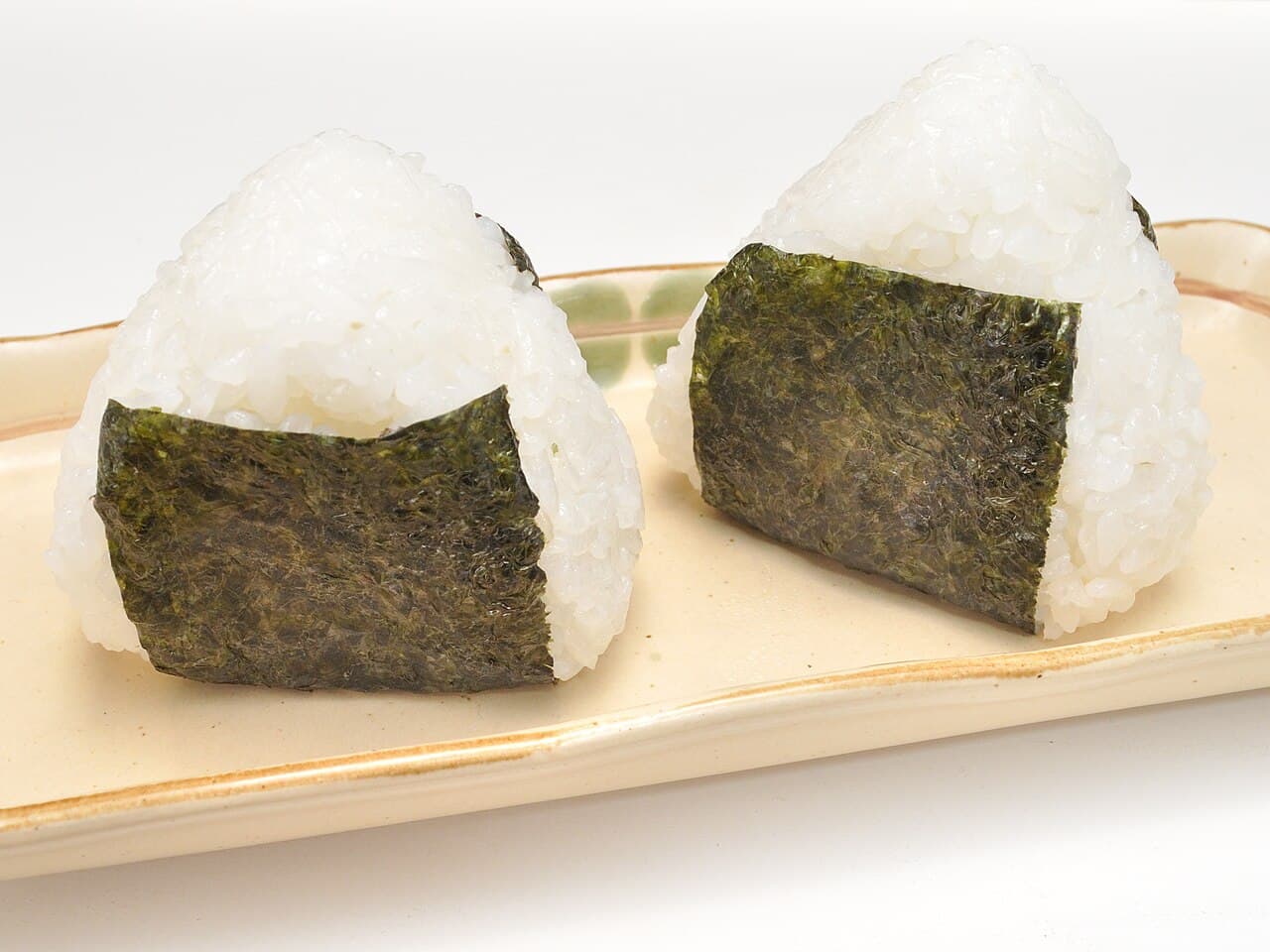
Here's the cheerful truth: a huge amount of everyday Japanese food is plant-based without trying. Once you relax into it, eating becomes a delight, not a worry.
Usually vegan, grab with joy
- Edamame — steamed young soybeans, a perfect snack.
- Yaki-imo — roasted sweet potato, sold warm in autumn/winter; pure comfort.
- Fruit & roasted nuts — everywhere, including konbini.
- Umeboshi & many tsukemono — pickled plum and vegetable pickles (a few use dashi — a quick label check).
- Plain mochi & dango — rice sweets; kinako (soy flour) and an (sweet bean) versions are typically vegan.
- Soy milk, green tea, oolong, mugicha — drinks aplenty.
Plant-based by heritage
Much of Japan's food tradition is naturally vegan-leaning: tofu, yuba, miso, natto, seaweed, rice, soba and udon noodles (the noodles themselves), and the whole world of shojin temple cuisine. You're not fighting the cuisine — you're enjoying its roots.
The quick checks that keep it easy
Two small habits cover almost everything:
- Dashi — that fish stock again. Noodles are plant-based, but the broth/dipping sauce often isn't. Ask for kombu dashi, or enjoy the noodles your way.
- Egg & honey — egg sneaks into some breads and sweets; honey into others. A glance at the label or a quick question settles it.
Stock up using our where-to-buy guide, and when you sit down to eat out, our verified vegan spots make it effortless. Eating here is meant to be joyful — let it be.
Sources
FAQ
- What Japanese foods are accidentally vegan?
- Many everyday items are usually plant-based: edamame, roasted sweet potato (yaki-imo), fruit and nuts, umeboshi and many pickles, plain mochi/dango with kinako or sweet bean, soy milk and teas — plus tofu, miso, seaweed and the noodles themselves. Just check for hidden dashi, egg and honey.
- What should vegans double-check on Japanese foods?
- Mainly three things: dashi (fish stock, often in broths and dipping sauces), egg (in some breads/sweets) and honey. A quick label glance or polite question handles almost everything.