
Dietary guide
Vegan Supermarket Shopping in Japan: The Aisle-by-Aisle Guide
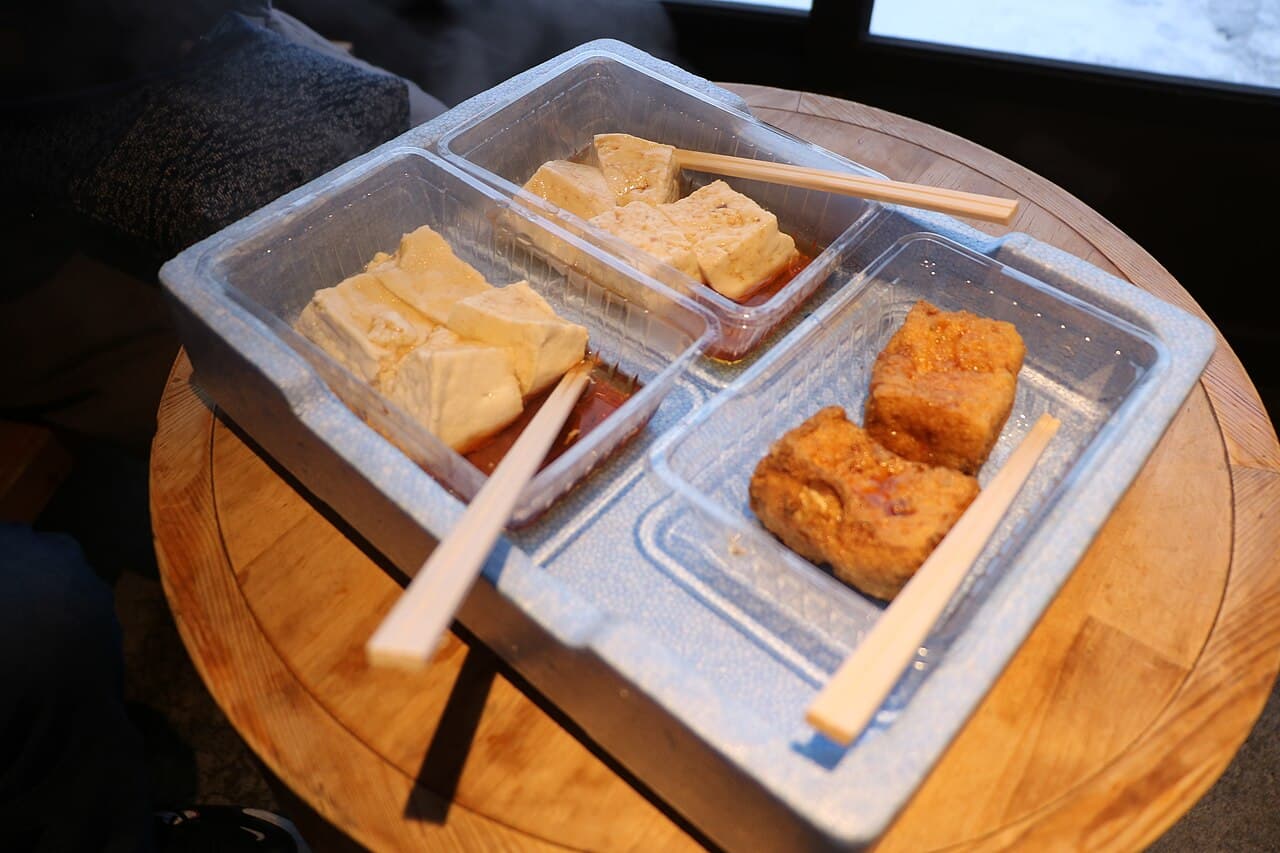
Yes — self-catering vegan in Japan is easy once you know the aisles. Japanese supermarkets are full of naturally plant-based staples: tofu, atsuage, natto, soy milk, frozen edamame, seaweed, pickles and fresh produce. The one habit that matters is reading for dashi (fish stock), which hides in sauces, miso and "vegetable" broths. Learn a few kanji and a week of home cooking is genuinely simple.
Where to shop
- Gyomu Super (業務スーパー) — budget and bulk. Great for cheap tofu, frozen edamame, frozen vegetables and pantry basics. Range varies by branch.
- AEON / MaxValu (イオン) — the biggest chain, easy to find. Its "Topvalu" line includes some organic items and soy-meat products, but stock and formulations vary by branch, so check the allergen chart on the pack.
- Seijo Ishii (成城石井) — pricier but good for imported plant milks, hummus, a wider tofu range and harder-to-find staples.
- Local greengrocers and depachika food halls — the best produce, plus specialist tofu shops.
For the wider picture of where plant-based products live, see where to buy vegan in Japan.
The safe list (naturally plant-based)
- Tofu, atsuage (fried tofu) and koya-dofu (freeze-dried)
- Natto — the beans are vegan, but the little sauce sachet (tare) often contains bonito dashi; season with soy sauce instead
- Yuba (tofu skin) — delicate and versatile
- Soy milk — look for 無調整 (unsweetened) or 調整 (sweetened)
- Plant meats — soy meat (大豆ミート) is now common; check the label, as a few products still add egg or dairy
- Frozen edamame and vegetables, and all fresh produce
- Seaweed — nori, wakame, kombu, hijiki
- Rice, plain noodles — udon and somen are usually fine; soba sometimes contains egg, so check
The traps to read for
- Dashi — the number-one hidden trap. Bonito (かつお), sardine (煮干し) and fish stock appear in miso, sauces and even "vegetable" broths. Kombu (昆布) and shiitake (椎茸) dashi are the vegan exceptions.
- Egg (卵), dairy (乳), honey (はちみつ), gelatin (ゼラチン), lard and fish sauce
- Curry roux blocks — usually contain dairy and animal fat
- Instant miso soup / dashi-iri miso — the fish is already blended in
- Bread — frequently made with milk, egg or butter
Building the habit is easier with reading Japanese labels for vegans.
Sauces: which are vegan
- Soy sauce (醤油), mirin, rice vinegar, sesame oil — reliably vegan (note: regular soy sauce contains wheat, so it is not gluten-free)
- Pure miso — usually vegan, but avoid dashi-iri (だし入り) blends
- Ponzu and mentsuyu (noodle base) — usually contain fish or dashi; check or skip
- Tonkatsu / Worcestershire sauce — often vegan, but some contain fish or oyster extract, so confirm on the label
Stock a starter kit — soy sauce, miso, mirin, sesame oil, kombu — and the rest of your week cooks itself. For days you don't cook, the konbini vegan guide covers the gaps. Happy shopping.
Sources
FAQ
- How do I quickly check if something has dashi in it?
- Scan the ingredient list for the kanji かつお (bonito), 煮干し (sardine) and だし. If you see 昆布 (kombu) or 椎茸 (shiitake) instead, that dashi is plant-based. When in doubt, buy the plain ingredient and season it yourself with soy sauce.
- Is soy meat easy to find in regular supermarkets?
- Yes — soy meat (大豆ミート) is now stocked by most large chains like AEON, in dried and chilled forms. Just check the label, because a small number of products add egg or dairy as a binder.
- Which sauces should I keep at home for a week of vegan cooking?
- Soy sauce, mirin, rice vinegar, sesame oil, pure (non-dashi) miso and a piece of kombu cover almost everything. With these you can flavour tofu, vegetables, rice and noodles without touching anything fishy.