
Dietary guide
Vegan Japanese Breakfast: The Washoku Set, Veganized
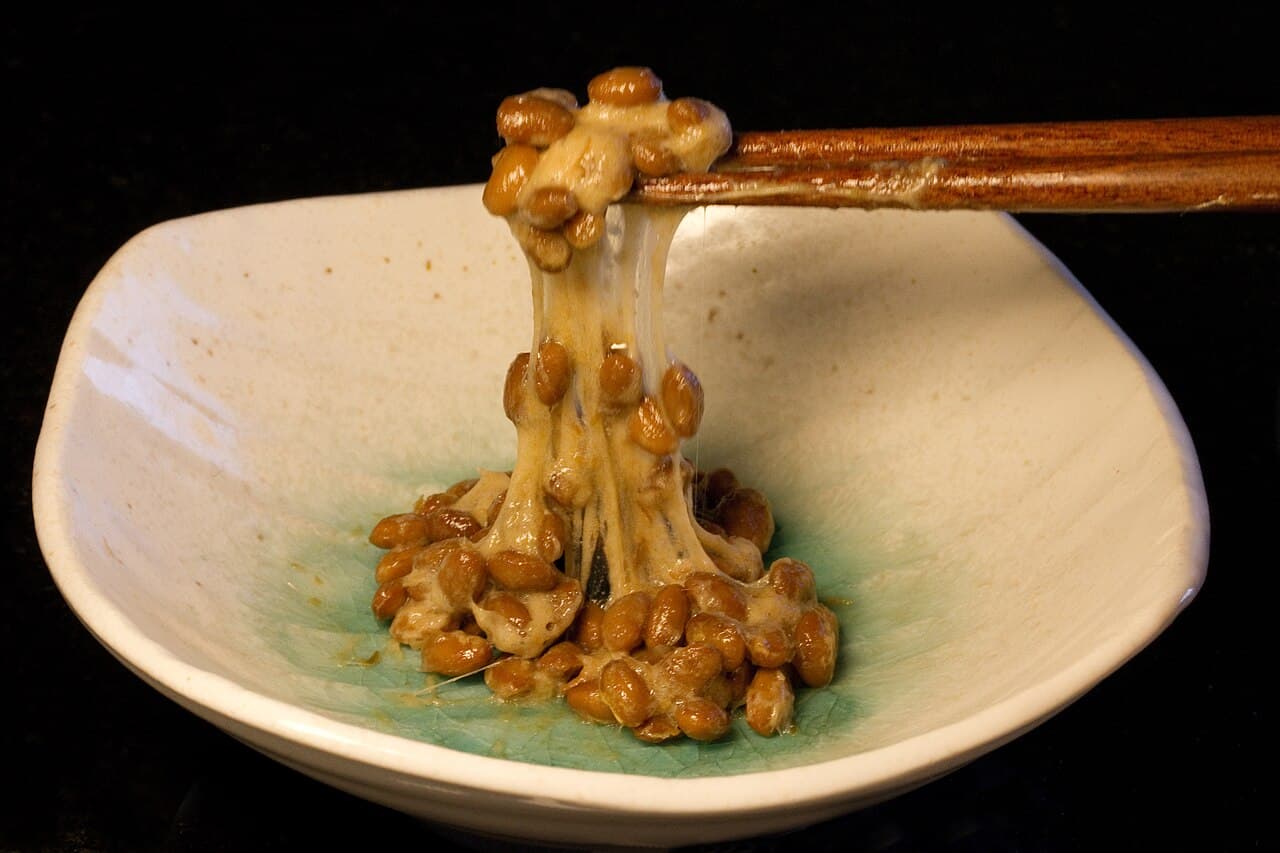
A traditional Japanese breakfast is closer to vegan than almost any other in the world: steamed rice, nori, tofu, tsukemono, umeboshi and natto are already plant-based. The one thing that usually isn't is the dashi — bonito or sardine stock hiding in the miso soup and the natto tare. Swap in kombu dashi, skip the fish flakes, and you have a beautiful, protein-rich vegan start.
What's already plant-based
Most components of a classic washoku breakfast are naturally vegan:
- Steamed white or brown rice — plain, always safe.
- Nori (dried seaweed sheets) — pure seaweed.
- Tofu — chilled hiyayakko or in soup; check only the topping.
- Umeboshi (salted plum) and tsukemono (pickles) — mostly vegan, but a few pickles use dashi or bonito.
- Natto — fermented soybeans, entirely plant-based on their own.
The one real trap: dashi
Dashi is the fish stock that flavours much of Japanese cooking, and it is the single most common way a plant-looking breakfast stops being vegan. Standard miso soup is built on bonito (katsuo) dashi; so is the tare sauce tucked into a natto pack. The vegan exception is kombu (kelp) or shiitake dashi, which gives the same deep umami without fish. If you remember one word this trip, make it dashi — and read our full breakdown of is dashi vegan in Japan.
The natto question
Natto beans are vegan, but the sachet almost always includes a tare (soy-based sauce) that contains bonito dashi, plus sometimes a mustard packet that's fine. Just skip the tare and season with plain soy sauce, or use only the beans. More detail in is natto vegan in Japan.
How to ask a hotel or ryokan
Business hotels increasingly offer a set Japanese breakfast; a ryokan serves an elaborate multi-dish tray. Ask in advance — kitchens prep breakfast the night before.
- Say or show: "Vegan de onegaishimasu — niku, sakana, tamago, dashi mo nashi." (Vegan please — no meat, fish, egg, or fish stock.)
- Name the hidden ones specifically: dashi, katsuobushi (bonito flakes), egg in tamagoyaki, and dairy.
- Temple lodgings (shukubo) serve shojin ryori, Buddhist cuisine that is vegan by design — the easiest win of all. See vegan ryokan & temple stays.
Be honest with yourself about the gap: a "Japanese breakfast" at a big hotel buffet may be vegetarian-friendly rather than genuinely vegan, so scan the miso soup and pickles.
Build your own
No vegan set available? A convenience store covers it: onigiri (choose ume, kombu, or plain — avoid tuna-mayo and salmon), plain rice, a banana, soy milk, and a cup of green tea. Assemble it on a shinkansen tray and you have a portable washoku breakfast.
The traditional Japanese morning meal was practically waiting for us — with a little dashi awareness, it's one of the most satisfying vegan breakfasts anywhere. For more, see our vegan in Japan guide.
Sources
FAQ
- Is the miso soup at a Japanese hotel breakfast vegan?
- Usually not by default — most miso soup is made with bonito (katsuo) dashi, a fish stock. Ask whether it's made with kombu dashi, or skip it and confirm the tofu and wakame separately.
- Can I eat natto if I'm vegan?
- Yes — the fermented soybeans are fully plant-based. Just leave out the little tare sauce packet, which typically contains bonito dashi, and season with plain soy sauce instead.
- What's the easiest place to get a truly vegan Japanese breakfast?
- A temple lodging (shukubo) serving shojin ryori — Buddhist cuisine that is vegan by design. Otherwise, ask your ryokan in advance, or build one from a convenience store with ume onigiri, soy milk and green tea.