
Dietary guide
Vegan at a Japanese Izakaya: What to Order (and the Dashi Trap)
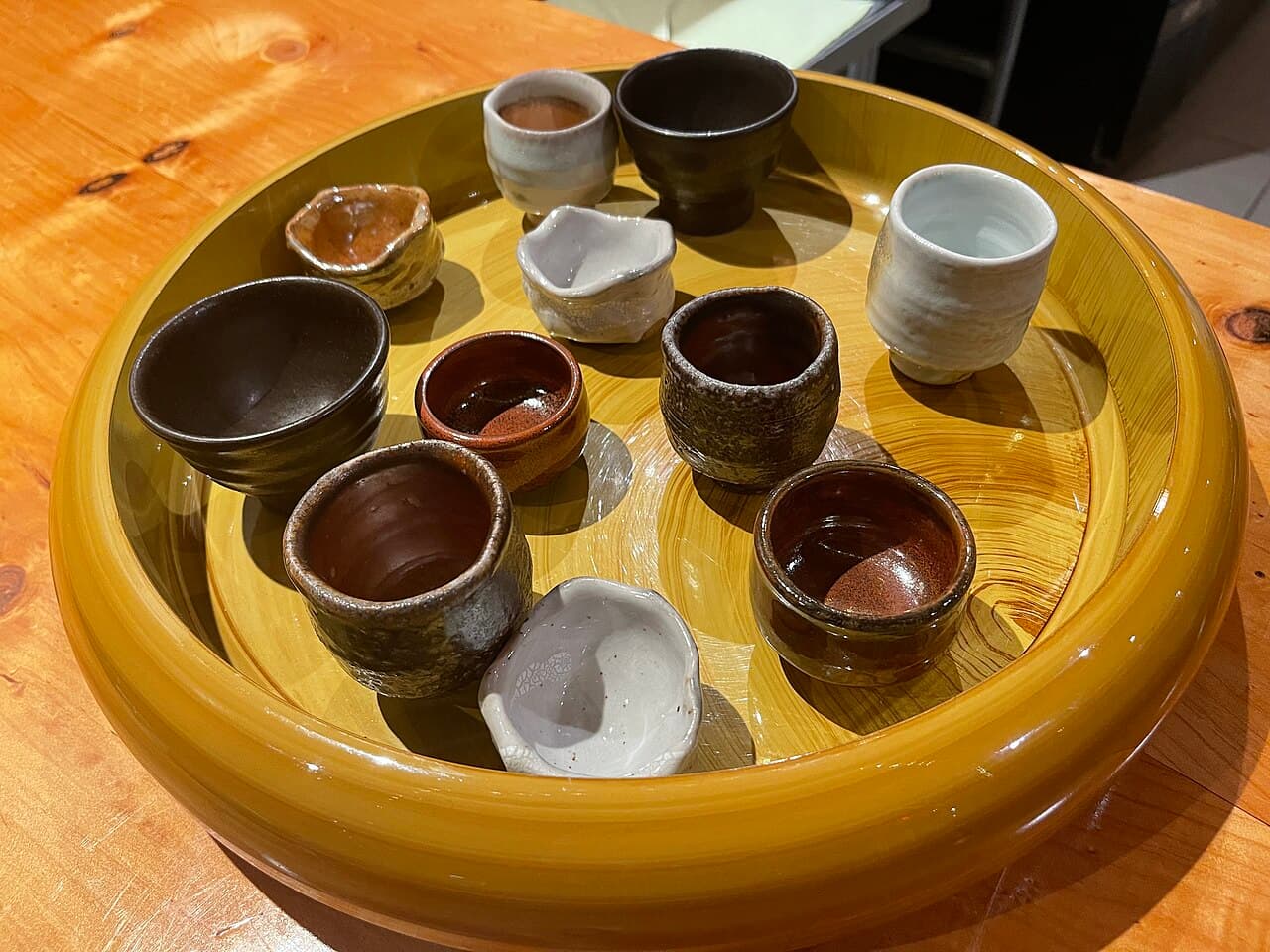
An izakaya is Japan's pub-with-food: dozens of small plates meant for sharing over drinks. That variety works in your favour. Many dishes are built from vegetables, tofu and beans — the problem is rarely the main ingredient and almost always the seasoning. See our izakaya dish guide for the full lay of the land.
Order these (usually safe)
- Edamame — boiled soybeans with salt. The single most reliable vegan order in Japan.
- Hiyayakko — chilled tofu with toppings. Ask them to hold the bonito flakes (katsuobushi), and check the sauce — ponzu sometimes contains dashi.
- Grilled vegetables — shishito peppers, asparagus, shiitake, corn, often just salt or oil.
- Tsukemono — Japanese pickles, mostly vegetables, vinegar and salt.
- Yaki-imo / satsuma-imo — roasted or simmered sweet potato.
- Fries — fine if cooked in vegetable oil, though some kitchens share a fryer, so ask.
Name the traps
- Dashi — bonito or sardine stock, the number-one hidden animal ingredient. It hides in ohitashi (blanched greens), agedashi tofu sauce, miso soup and many simmered dishes. Kombu (kelp) or shiitake dashi is the vegan exception, and worth asking for. More in is dashi vegan?.
- Egg — in tamagoyaki, tempura batter, and mayonnaise-dressed salads.
- Fish — bonito flakes crown many "plain vegetable" plates; fish sauce and oyster sauce hide in stir-fries.
- Dairy & honey — less common, but check dressings and glazes.
The "so close" dishes
Agedashi tofu and ohitashi look plant-based and often aren't — purely because of the stock. Agedashi tofu is fried tofu in dashi broth; ohitashi is spinach dressed in dashi. Ask whether it's kombu or katsuo dashi. Some places will happily swap, or serve the tofu with just soy sauce and grated ginger.
What to say
- Bejitarian desu — niku, sakana, tamago, dashi mo dame desu. ("I'm vegetarian — no meat, fish, egg, or dashi.")
- Katsuobushi nuki de. ("Without bonito flakes.")
- Kombu dashi desu ka? ("Is it kelp stock?")
Most izakaya staff are gracious about this. The fish-stock question is the one that changes your night.
When you want it easy
A dedicated vegan izakaya removes the guesswork entirely — the whole menu is fair game, in the same small-plate, share-with-drinks rhythm. If you're building a wider plan, is Japan vegan-friendly? and the vegan dietary hub map the rest, and a konbini run makes a solid late-night backup. Order a beer, some edamame, and settle in — you'll eat better than you thought.
Places we’ve confirmed
Vegan Izakaya Masaka
Vegan kara-age (plant-based 'fried chicken') and vegan gyoza
A fully plant-based izakaya in the basement of Shibuya PARCO serving vegan 'fried chicken', gyoza and lemon sours, with no meat, fish, eggs, dairy or honey, so the fish-dashi trap does not apply. It is not gluten-free, as the mock-meat batters and soy sauce contain wheat.
- Vegan
- Vegetarian
- Dairy-free
- Casual
- Solo
- Date
Sources
FAQ
- Is anything at a normal izakaya definitely vegan?
- Edamame (salted boiled soybeans) is the safest bet almost everywhere. Beyond that, most "vegetable" dishes need one question — usually about dashi or bonito flakes — before you can count them as vegan.
- Why do I need to ask about dashi if a dish is just vegetables?
- Dashi is a stock made from bonito or sardine, and it seasons huge numbers of Japanese dishes that otherwise look plant-only — blanched greens, simmered vegetables, agedashi tofu, miso soup. Kombu (kelp) or shiitake dashi is the vegan version, so it's always worth asking which they use.
- Can I eat vegan at a normal izakaya, or do I need a vegan one?
- You can eat well at a normal izakaya by sticking to the safe list and naming the traps. A dedicated vegan izakaya just removes the guesswork so you can order anything on the menu.