
Celiac Guide
Gluten-Free Vegan Japan: The Celiac Traveler's Guide
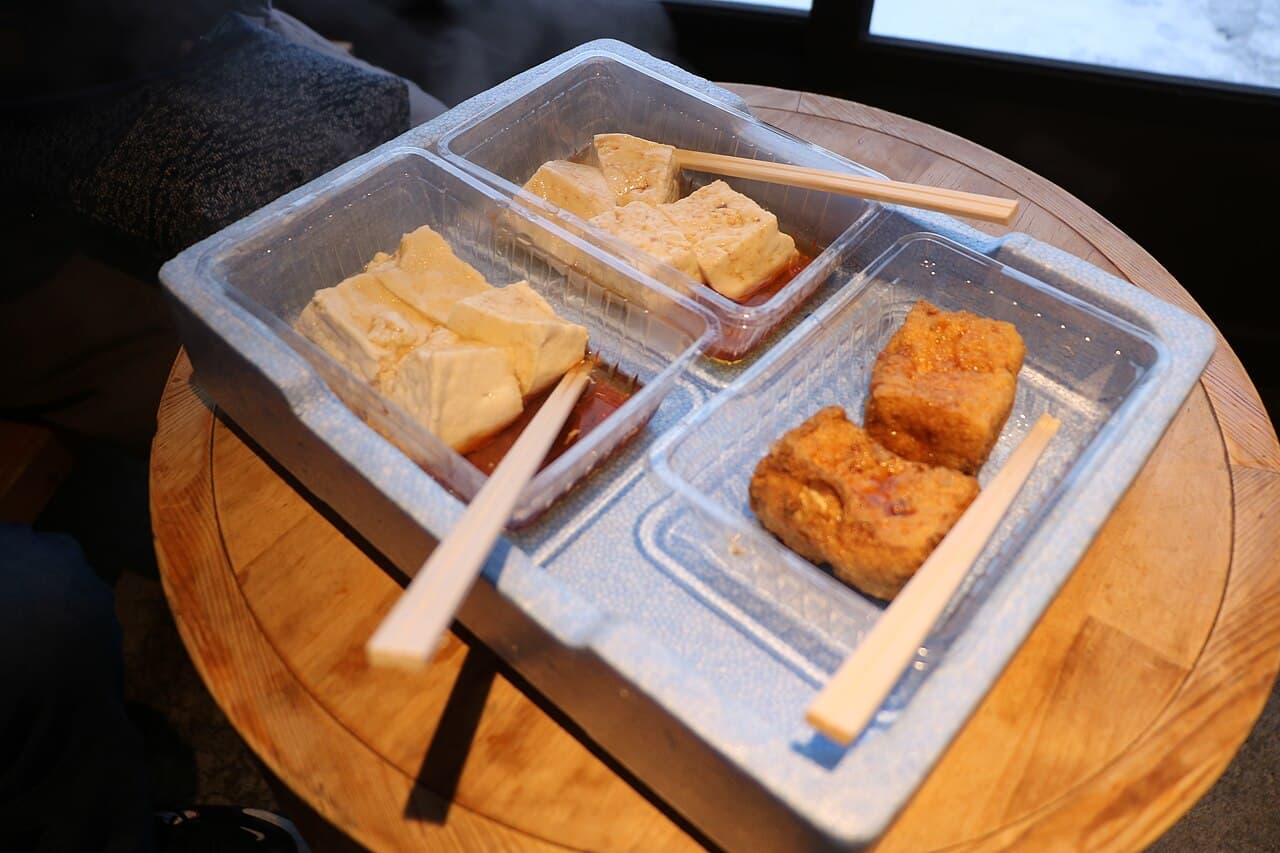
Gluten-free vegan travel in Japan is doable, but wheat hides where you least expect it—starting with soy sauce. Rice, tofu, and vegetables give you a naturally plant-based, wheat-free base, yet the seasonings built on soy sauce, the flour in most soba, and tempura batter make celiac-safe vegan eating one of the trickier diets to run here. Below is how the traps work and where the reliable wins are.
The soy-sauce trap sits under almost everything
Standard Japanese soy sauce (shoyu) is brewed with wheat as a core ingredient—often close to half the mash—so it is not gluten-free (Beyond Celiac, as of July 2026). Because shoyu flavours teriyaki, tsuyu dipping sauce, marinades, dressings, and simmered dishes, a plate that looks plant-based and simple can still carry wheat. The swap is tamari, the traditionally wheat-free style of soy sauce—but not every bottle labeled "tamari" is wheat-free, so look specifically for a gluten-free label rather than the word alone. Many celiac travelers carry sachets of GF tamari to hand to kitchens.
Five wheat traps to memorize
| Food | Why it hides wheat | Safer move |
|---|---|---|
| Soy sauce / tsuyu | Brewed with wheat; base of most seasonings | Ask for tamari or a GF soy sauce; carry sachets |
| Soba | Most is a wheat-buckwheat blend | Order jūwari (十割, 100% buckwheat)—then confirm the kitchen |
| Tempura & karaage | Batter/coating is wheat flour | Choose rice- or chickpea-flour tempura at GF venues |
| Miso | Mugi (barley) miso contains gluten | Choose kome (rice) miso; read the label |
| Seitan / "mock meat" | Seitan is pure wheat gluten | Avoid entirely; stick to tofu, beans, veg |
Most soba is cut with wheat flour, so the ubiquitous "vegan soba" is usually off-limits for celiacs unless it is jūwari—and even 100% buckwheat is frequently milled or boiled in shared, wheat-dusted kitchens, so it is not automatically celiac-safe (Umami Insider, as of July 2026). Miso splits the same way: rice-based kome miso is typically gluten-free, while barley-based mugi miso is not (Celiac.com, as of July 2026). For more on how these seasonings sneak in, see our guides to whether dashi is vegan and reading Japanese labels.
Your naturally gluten-free + vegan wins
The good news: Japan's plant pantry is huge and much of it is wheat-free by default. Plain rice, tofu and yuba, edamame, natto (skip the soy-sauce tare packet—swap in tamari), most pickles (tsukemono), cooked and raw vegetables, rice noodles (bifun), and shojin-style dishes seasoned with salt or tamari all work. Kombu-and-shiitake dashi is both vegan and wheat-free, unlike the fish- and additive-based versions—another reason to ask what the broth is made of. For the plant-based side of these foods, our notes on natto, accidentally vegan finds, and hidden animal ingredients pair naturally with the gluten check.
Five Tokyo spots that make it easy
These venues remove most of the guesswork, though you should still confirm current hours and preparation on the official site or by phone (as of July 2026):
- Gluten Free Cafe Little Bird (Uehara, near Yoyogi-Hachiman) — a dedicated 100% gluten-free kitchen with English/Japanese menus that mark vegan and dairy-free options.
- RICE HACK Gluten-free Bakery (Jingūmae/Harajuku) — a 100% GF rice-flour bakery for baguettes, pastries, and curry-pan; takeout only.
- GEN-TEN (Shibuya) — a dedicated brown-rice, 100% gluten-free bakery with vegan-friendly breads and sweets.
- Gluten Free T's Kitchen (Roppongi) — a dedicated GF restaurant with rice-flour gyoza and a vegan ramen; note it is not the all-vegan T's Tantan chain.
- Gluten-free Asakusa — our Asakusa roundup covers dedicated GF tempura and a fully vegan, mostly-GF option near Sensō-ji.
The cross-contamination reality
Here is the honest caution: outside dedicated 100% gluten-free kitchens, cross-contact is not guaranteed to be controlled. Shared fryers, wheat-dusted noodle boards, and communal cooking surfaces mean a "vegan" dish can still be unsafe for celiacs, and staff may not grasp that "just a little soy sauce" matters. Never assume celiac-safe without the venue confirming it. Carry a clear Japanese explanation of both diets, favour the dedicated GF spots above for zero-compromise meals, and use konbini and supermarkets plus /restaurants?diet=vegan to fill the gaps with labeled, naturally GF-vegan food.
Places we’ve confirmed
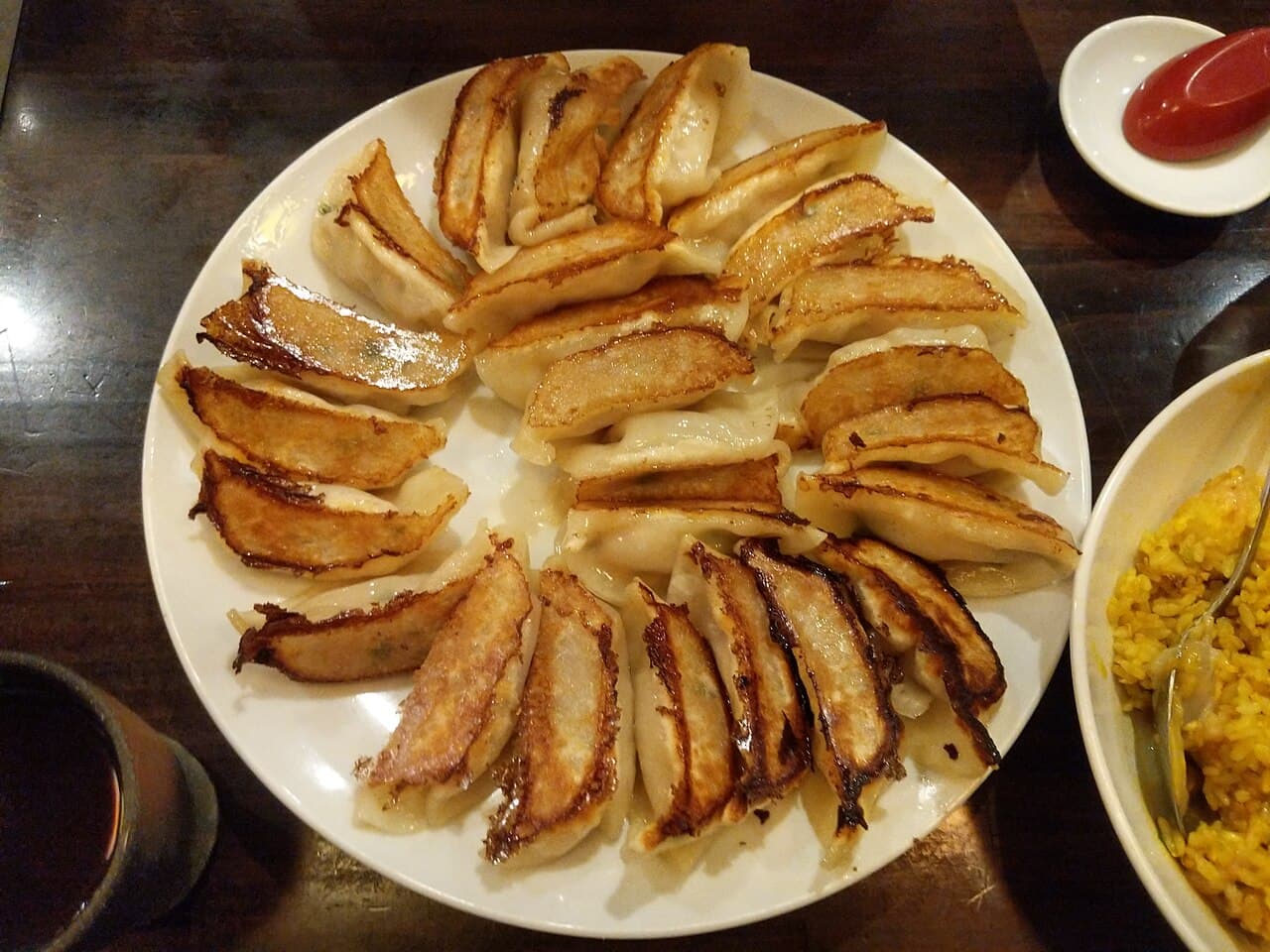
Gluten Free Cafe Little Bird
Gluten-free gyoza, karaage and yakisoba
A dedicated gluten-free cafe whose entire kitchen is wheat-free, serving GF Japanese comfort food such as gyoza, karaage, ramen and yakisoba with English-marked menus. Its Tabelog listing is currently status-undetermined, so confirm hours via its Instagram before visiting.
- Gluten-free
- Vegetarian
- Dairy-free
- Casual
- Solo
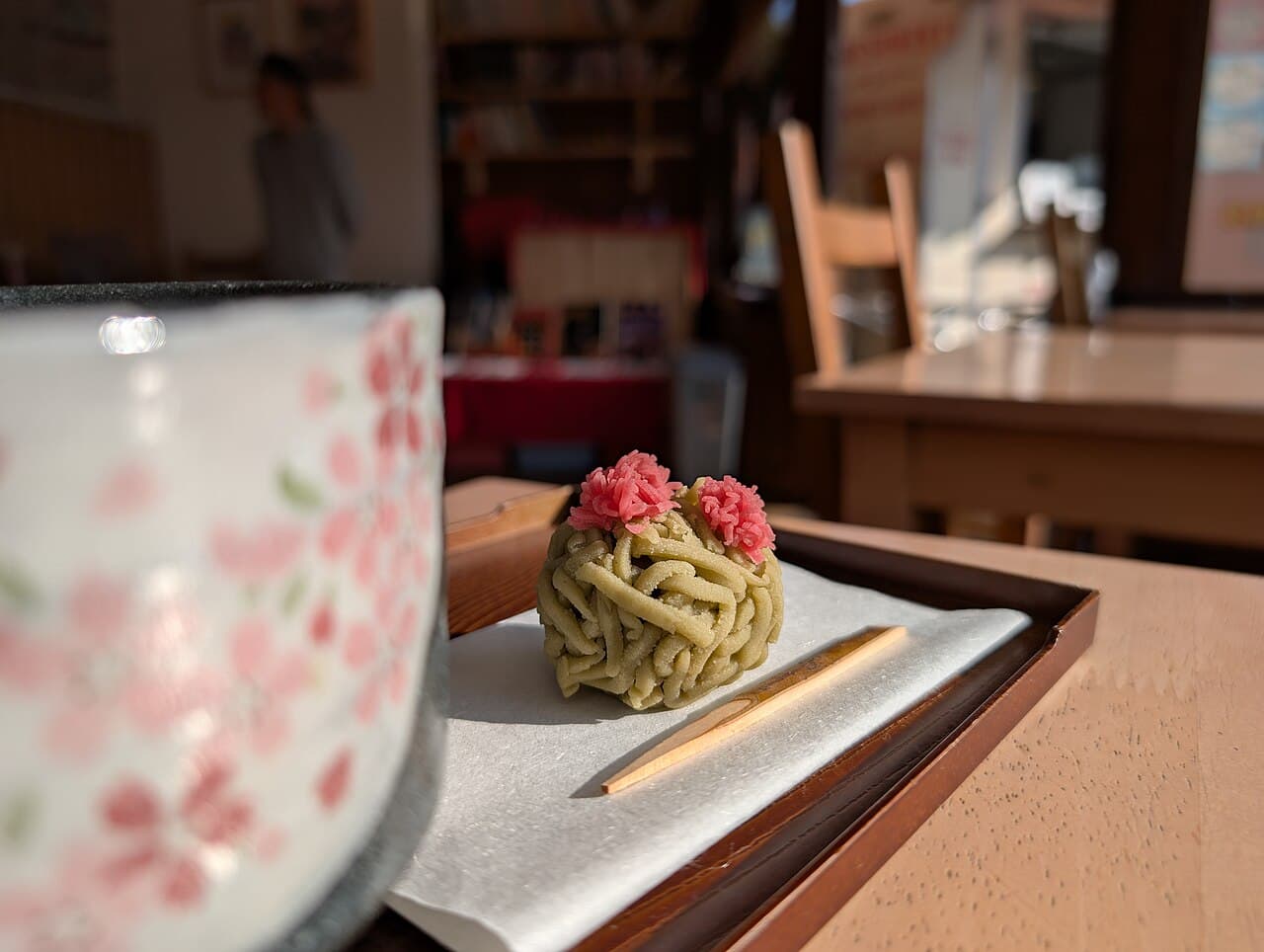
RICE HACK Gluten-free Bakery
Baked rice-flour curry pan and cube-shaped rice-flour shokupan
A dedicated gluten-free bakery using Japanese rice flour and natural yeast (no wheat) for breads, curry pan, baguettes and pizzas, many of them also vegan. A small takeout-focused shop, so hours can shift seasonally — confirm before a special trip.
- Gluten-free
- Vegetarian
- Casual
- Solo
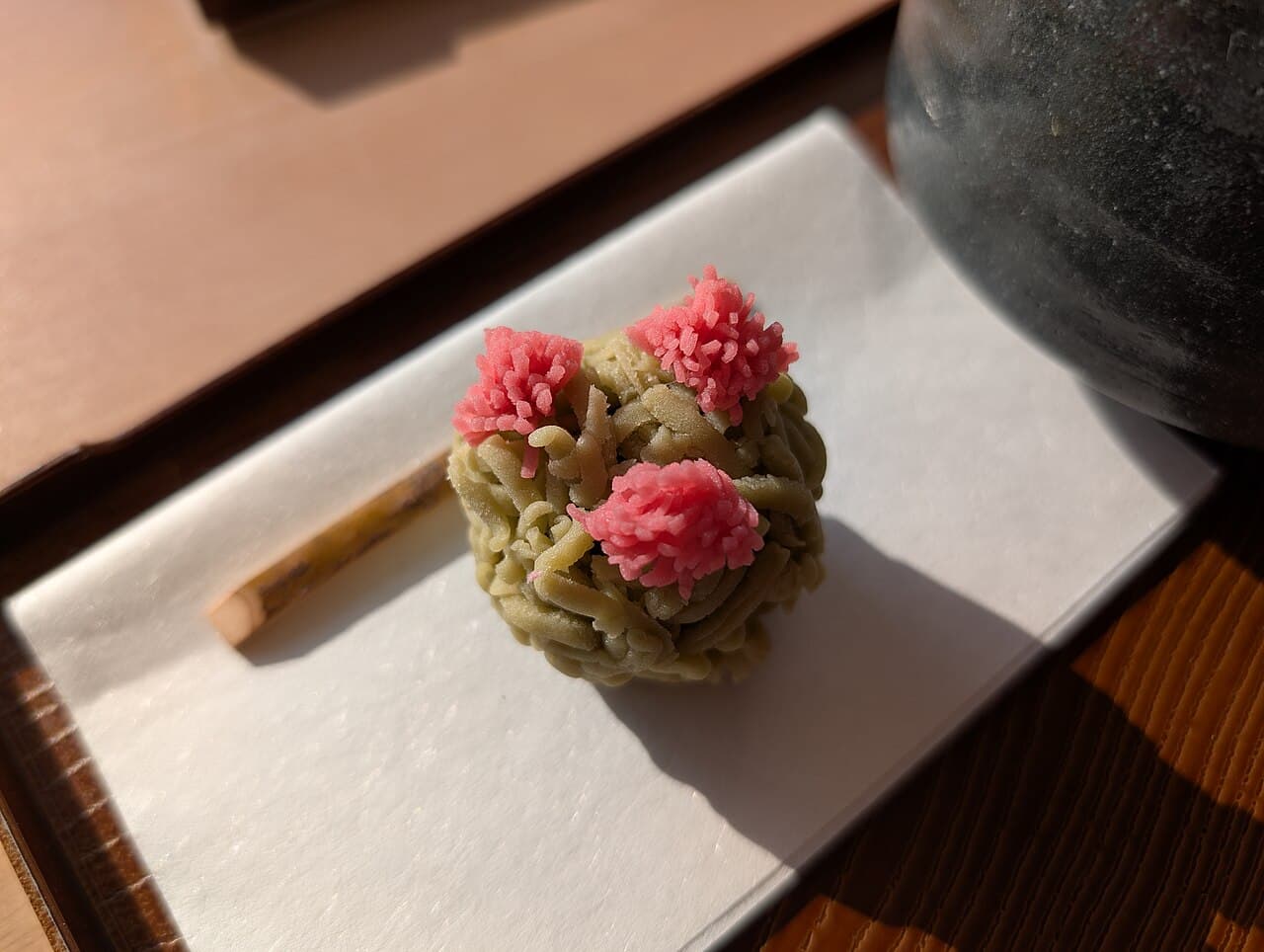
GEN-TEN Gluten-free Bakery
Brown-rice (genmai) bread and gluten-free taiyaki
A dedicated gluten-free, rice-flour bakery counter in the basement of Shibuya Scramble Square, making breads, taiyaki and sweets with no wheat, additives or white sugar, and many items are vegan and dairy-free. It is a grab-and-go bakery rather than a sit-down meal, and as a dedicated GF facility cross-contamination risk is low though not certified celiac-safe.
- Gluten-free
- Vegan
- Dairy-free
- Casual
- Solo
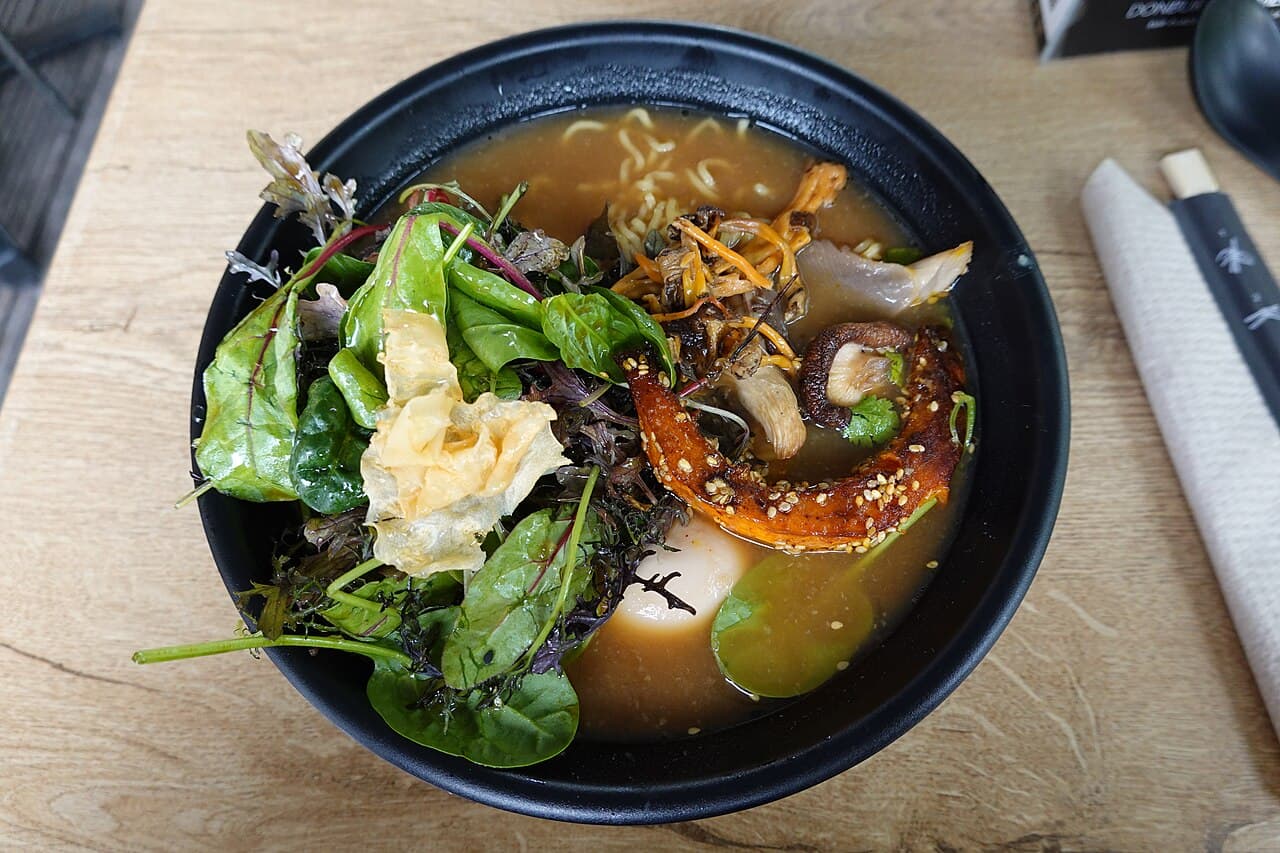
Gluten Free T's Kitchen
Rice-flour gyoza and miso-butter corn ramen
Asia's first GIG-certified gluten-free kitchen, where every dish — from rice-flour gyoza to miso-butter ramen — is safe for coeliac diners.
- Gluten-free
- Vegan
- Vegetarian
- Dairy-free
- Nut-free
- Casual
- Solo
Sources
FAQ
- Is soy sauce gluten-free in Japan?
- No. Standard Japanese soy sauce (shoyu) is brewed with wheat—often close to half the mash—so it is off-limits for celiacs (Beyond Celiac, as of July 2026). Use tamari that is specifically labeled gluten-free, or carry your own GF tamari sachets, since not every bottle labeled 'tamari' is actually wheat-free.
- Can people with celiac disease eat soba in Japan?
- Usually not. Most soba is a wheat-and-buckwheat blend. Look for jūwari (十割, 100% buckwheat), but even that is often milled and boiled in shared, wheat-dusted kitchens, so confirm with the restaurant rather than assuming it is celiac-safe.
- What Japanese foods are naturally gluten-free AND vegan?
- Plain rice, tofu and yuba, edamame, natto (skip the soy-sauce sauce packet and use tamari), most pickles, cooked and raw vegetables, rice noodles (bifun), and shojin dishes seasoned with salt or tamari. Kombu-and-shiitake dashi is both vegan and wheat-free.
- Are there 100% gluten-free vegan-friendly restaurants in Tokyo?
- Yes. Dedicated gluten-free kitchens such as Little Bird (Yoyogi-Hachiman), RICE HACK and GEN-TEN (bakeries), and Gluten Free T's Kitchen (Roppongi) clearly mark vegan options—your safest bet against cross-contamination. Confirm current hours on the official site (as of July 2026).