
Snacks & Omiyage
Vegan Japanese Snacks & Souvenirs (Omiyage): What to Bring Home
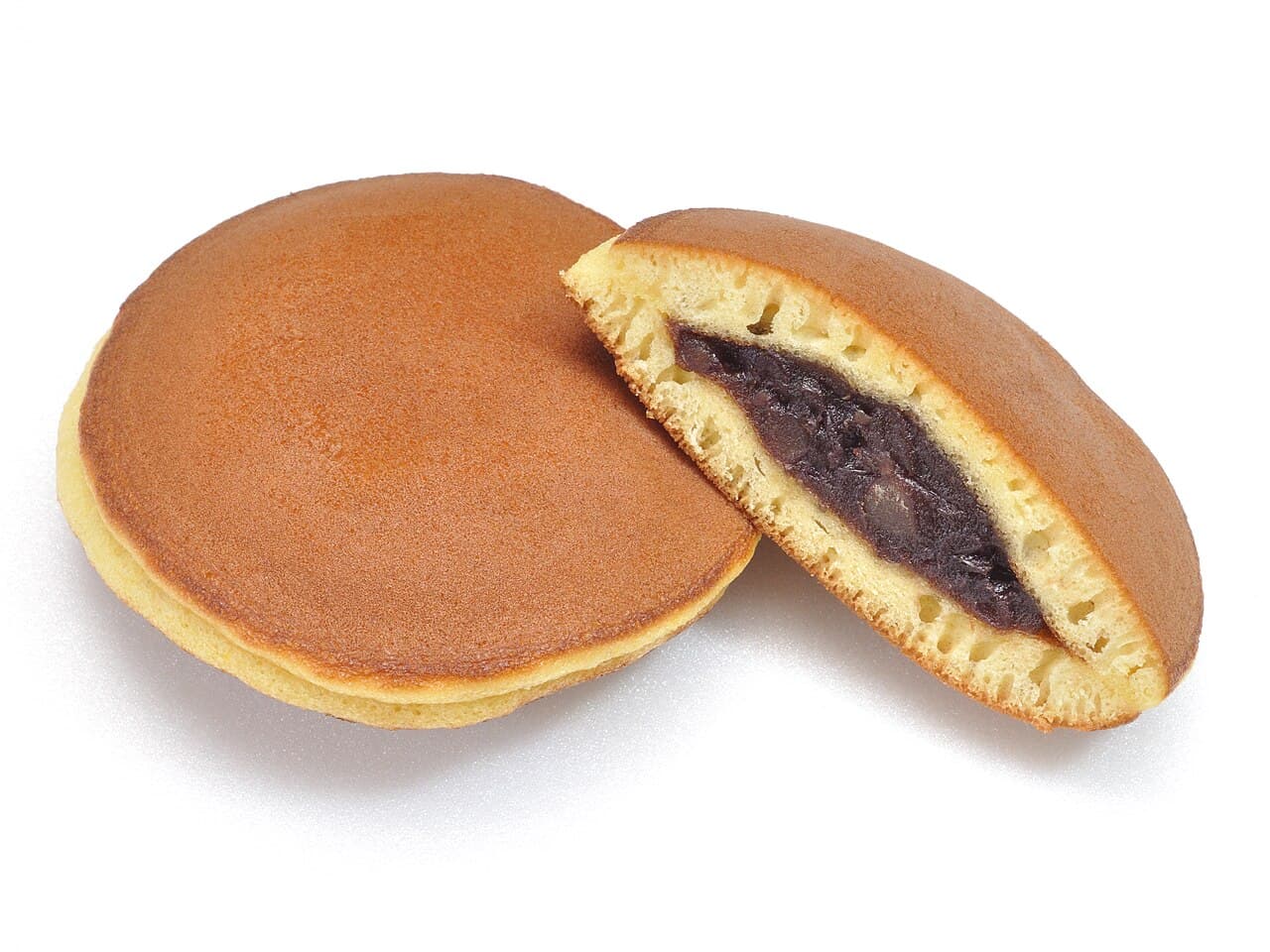
Many Japanese snacks are accidentally vegan — but bonito, milk, and honey hide in plenty of them, so the label is your best friend.
Japan is a paradise of things to nibble and gift, and a surprising number of them contain no animal products at all. The catch is that the same shelf hides fish stock, milk powder, and honey where you'd least expect it. Here's how to shop with confidence and bring home snacks everyone can eat.
Snacks that are usually vegan (the easy wins)
The most reliable category is traditional plant-based wagashi. Yōkan — a firm jelly of azuki bean paste, sugar, and kanten (agar from seaweed) — is almost always vegan, and its sweet-potato cousin imo yōkan (an Asakusa specialty) usually is too. Kanten and mizu-yōkan jellies, dried sweet potato (hoshi-imo), candied sweet-potato sticks (imo kenpi), roasted soybeans and kinako sweets, and umeboshi are all typically plant-based. For the bigger picture on which sweets are safe, see our guide to whether wagashi is vegan and our list of accidentally vegan Japanese foods.
Pure matcha powder is 100% vegan and makes a gorgeous, lightweight souvenir — just don't confuse it with matcha chocolate (more on that below; see also is matcha vegan).
The three traps: bonito, milk, honey
Three ingredients sink more "obviously plant" snacks than anything else:
- Bonito / fish stock (かつお / 鰹, 魚介エキス). Many soy-sauce (shōyu) senbei are seasoned with katsuo (bonito) powder or dashi, and ebi senbei are made with dried shrimp. A rice cracker is not automatically vegan.
- Milk (乳). Chocolate is the big one. Matcha KitKat, matcha-latte KitKat, and virtually all Japanese chocolate contain skim or whole milk powder (as of July 2026, per Open Food Facts / Nestlé labels). Cream-filled biscuits and cheese arare are out too.
- Honey (はちみつ / 蜂蜜). It sneaks into some candies, glazed snacks, salad-flavor senbei, and candied sweet potato (daigakuimo).
A snack-by-snack cheat sheet
| Snack | Usually vegan? | Watch-out |
|---|---|---|
| Yōkan / imo yōkan | ✅ Usually | Rare gelatin or dairy in novelty flavors |
| Kanten & mizu-yōkan jelly | ✅ Usually | Fruit-juice jellies fine; avoid gelatin gummies |
| Plain shio / soy senbei | ⚠️ Sometimes | Bonito (katsuo) powder, honey glaze |
| Ebi senbei (shrimp) | ❌ No | Contains dried shrimp |
| Mochi / dango (kinako, anko) | ⚠️ Often | Milk (乳) or egg (卵) in daifuku; honey glaze |
| Warabimochi | ✅ Usually | Kinako fine; check the syrup |
| Dried sweet potato / imo kenpi | ✅ Usually | Daigakuimo may use honey |
| Roasted soybeans / kinako sweets | ✅ Usually | Sugar-coated versions: check for milk |
| Umeboshi | ✅ Usually | Some ume candies add honey or bonito |
| Karintō (brown-sugar dough) | ⚠️ Often | Some use honey or dairy |
| Potato snacks (Calbee, etc.) | ⚠️ Depends | Many flavors have milk, meat, or vague "amino acids"; plain salt / norishio often OK |
| Dagashi (Umaibō, etc.) | ⚠️ Depends | Corn-potage / meat flavors are not vegan |
| Pure matcha powder | ✅ Yes | Tea only — no additives |
| Matcha KitKat / most chocolate | ❌ No | Skim / whole milk powder |
| Konpeitō / ramune candy | ✅ Usually | Check some for honey |
| Gummies | ❌ Usually not | Gelatin (ゼラチン) |
Omiyage that travel well
For gift boxes, a few makers now produce explicitly plant-based lines. As of July 2026, the travel magazine MATCHA reports vegan sweets sold around Tokyo Station including Tokyo Banana Almond Caramel Sand, Tokyo Campanella Brown (a vegan langue-de-chat cookie), and Las Olas plant-based cookies — confirm the current lineup and labels on the official sites before you buy, since seasonal versions change. Retailer MUJI also labels several vegan snacks (peanut karintō, sabré, dried sweet potato, konpeitō, fruit-juice jelly) as of July 2026. When in doubt, plain yōkan and dried sweet potato are the failsafe, shelf-stable gifts.
Read a label in 10 seconds
By law, allergens like milk, egg, shrimp, and crab must be declared, so scan the ingredient list (原材料名) and the allergen line for four words: 乳 (milk), 卵 (egg), はちみつ (honey), ゼラチン (gelatin), plus えび (shrimp) and かつお (bonito). Note the honest caveat: Japanese labeling law doesn't require disclosing every trace ingredient, so tiny amounts of fish stock or "amino acids (アミノ酸)" of unknown origin can go unlisted. For strict vegans, a clean label is reassuring but not a guarantee — our label-reading guide has the full kanji cheat sheet.
Stocking up for the trip? Combine this with our vegan konbini guide and you can eat — and gift — beautifully across Japan.
Sources
FAQ
- Are senbei rice crackers vegan?
- Some are. Plain salt or seaweed (nori) senbei made from just rice, oil, and salt can be vegan, but many soy-sauce (shōyu) senbei are seasoned with bonito (katsuo) powder, and ebi senbei contain dried shrimp. Always read the ingredient list and the allergen line before buying.
- What Japanese snacks make good vegan souvenirs?
- Plain yōkan, imo yōkan, dried sweet potato (hoshi-imo), imo kenpi, kinako sweets, and pure matcha powder are shelf-stable and usually vegan. As of July 2026, verified plant-based gift lines sold around Tokyo Station include Tokyo Banana Almond Caramel Sand and Las Olas cookies — confirm the current labels on the official site, as seasonal versions change.
- Is matcha KitKat vegan?
- No. Matcha KitKat and matcha-latte KitKat contain skim or whole milk powder, and most Japanese chocolate does too (as of July 2026, per label listings). If you want a matcha souvenir, buy pure matcha powder instead — that is 100% plant-based.
- How do I know if a Japanese snack is vegan?
- Scan the ingredients (原材料名) and allergen line for 乳 (milk), 卵 (egg), はちみつ (honey), ゼラチン (gelatin), えび (shrimp), and かつお (bonito). Note that Japanese law does not require disclosing every trace ingredient, so hidden fish stock or 'amino acids (アミノ酸)' of unknown origin are possible — a clean label reassures but does not guarantee.