
Dietary guide
Reading Japanese Food Labels as a Vegan: The Kanji That Unlock Every Konbini
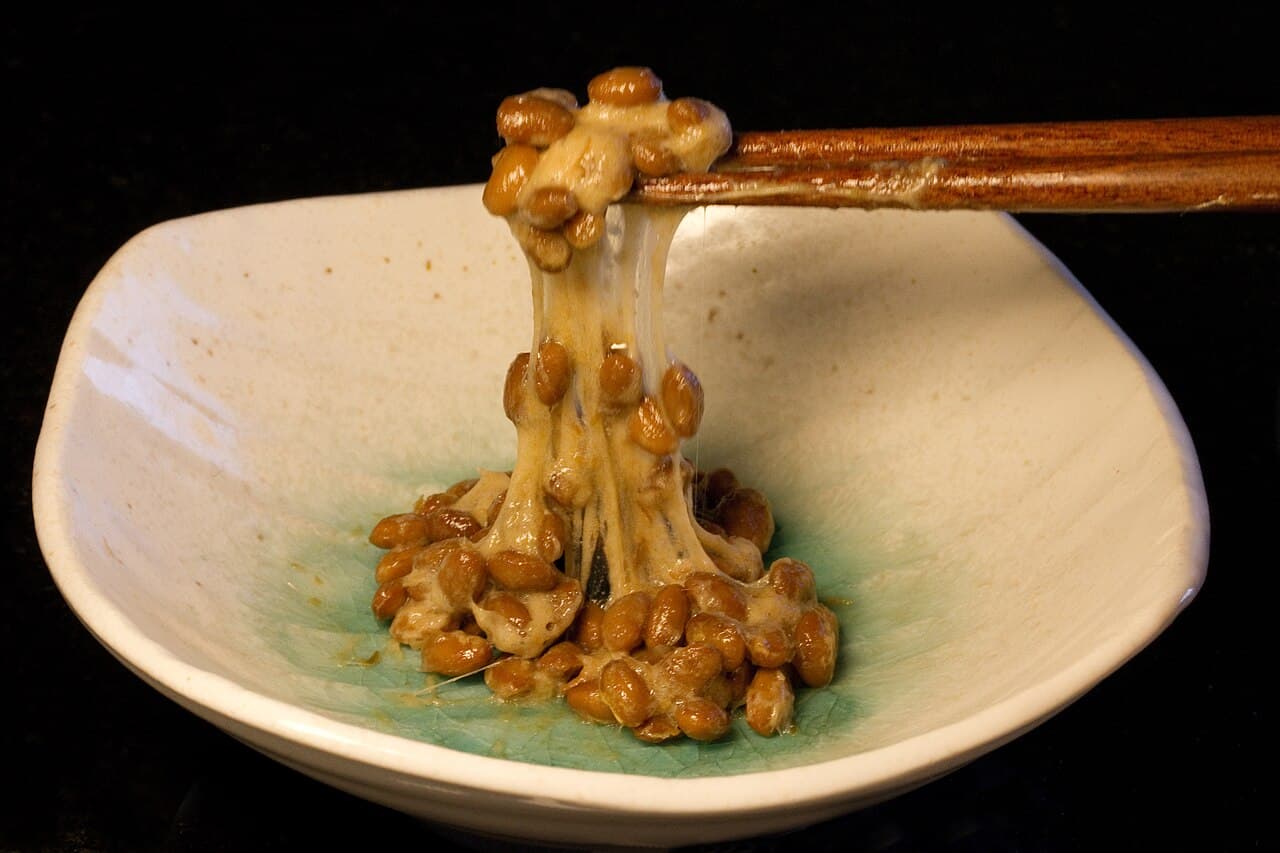
Reading Japanese food labels as a vegan comes down to one skill: find the ingredient list (原材料名) and scan for a short set of kanji. The number-one hidden trap is dashi — bonito or sardine fish stock tucked into foods that look entirely plant-based. Kombu and shiitake dashi are the vegan exceptions. Learn ten characters and almost any konbini opens up.\n\n## The one-minute method\n\nEvery packaged food in Japan lists ingredients in a boxed table, usually on the back, labelled 原材料名 (ingredients). Ingredients are ordered by weight, so the first few matter most. Below that, allergens are often summarised in a line ending 一部に…を含む (\"contains…\"). Scan both. If your target kanji aren't there, you're very likely fine.\n\n## The danger list — kanji to memorise\n\n- 卵 / たまご — egg\n- 乳 — milk/dairy (乳成分, 生クリーム, バター, チーズ)\n- 魚介 — seafood\n- かつお / 鰹 / かつお節 — bonito (the classic hidden dashi)\n- 煮干し / いわし / しらす — sardine/anchovy stock\n- 豚 / ラード — pork / lard\n- 鶏 / チキン — chicken\n- ゼラチン — gelatin (gummies, some yoghurts)\n- はちみつ / 蜂蜜 — honey\n- 魚醤 / オイスターソース — fish sauce / oyster sauce\n\nTwo honest nuances: 乳化剤 (emulsifier) is usually soy lecithin and vegan despite containing 乳; and 香料 (flavouring) is vague — fine most of the time, but unverifiable. If certainty matters, choose a product without it.\n\n## The dashi trap — read this twice\n\nMiso soup, most instant noodles, onigiri fillings, simmered vegetables, \"vegetable\" chips and even some plain-looking rice are frequently made with かつおだし. Never call something vegan in Japan without checking for dashi. The good news: 昆布だし (kombu) and しいたけだし (shiitake) are fully plant-based, and traditional natto is naturally vegan — just skip the かつお-based sauce packet if listed. For the full landscape of these surprises, see our guide to hidden animal ingredients in Japanese food.\n\n## Accidentally-vegan wins\n\nPlenty of konbini staples pass a label check: umeboshi or kombu onigiri (check the seasoning line), plain mochi, edamame, many potato and corn snacks, dark chocolate, and roasted nuts. Our vegan konbini guide maps the reliable ones store by store.\n\n## Use your phone camera\n\nGoogle Translate and Apple's Live Text both do live camera translation of a label. Point, read, cross-check against the kanji above — the OCR isn't perfect on tiny print, so treat the kanji as your source of truth and the app as backup.\n\n## When you'd rather not read at all\n\nFully plant-based cafes remove the guesswork entirely. In Tokyo, AIN SOPH. and 2foods are fully plant-based, and cafes like these usually have some English on the menu — though offerings change, so check the current menu on arrival. For the bigger picture, see is Japan vegan-friendly and our vegan dining hub.\n\nTen kanji and a camera is genuinely all it takes. Spend one afternoon practising in a konbini aisle and the whole country's shelves open up.
Related reading
Places we’ve confirmed
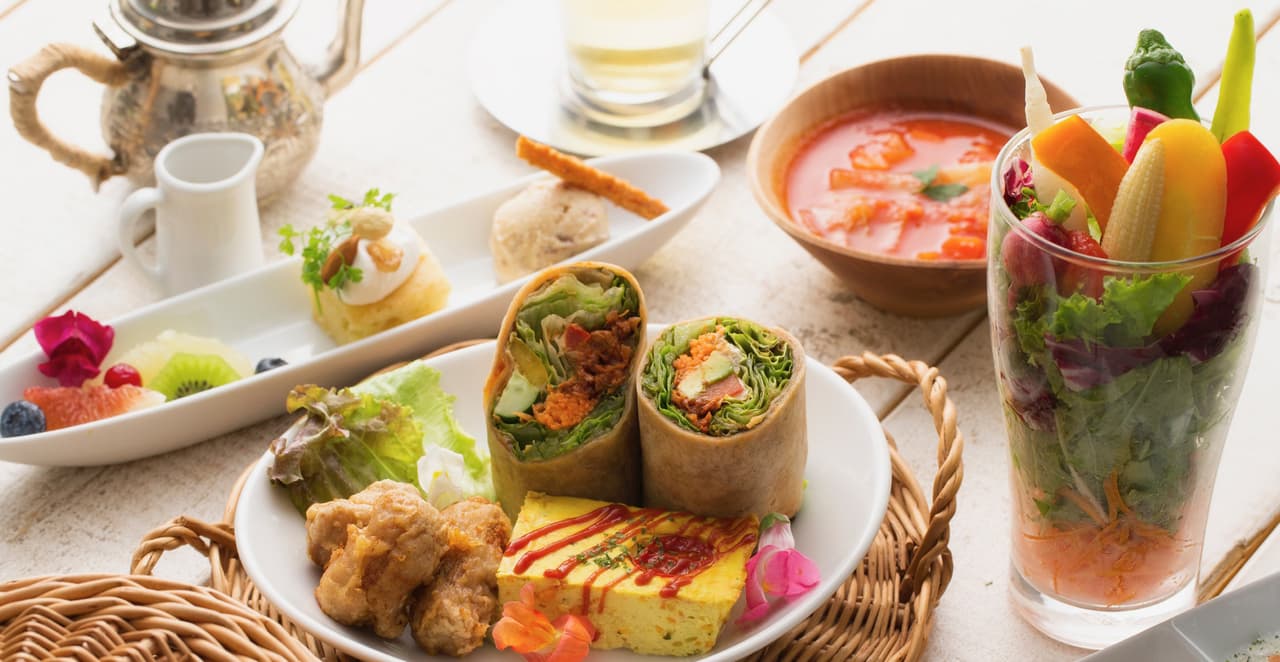
AIN SOPH. Journey Shinjuku
Heavenly Vegan Pancakes
The Shinjuku birthplace of the cloud-soft 'Heavenly Vegan Pancakes' that draw queues from vegans and non-vegans alike, with gluten-free options on the same menu.
- Vegetarian
- Vegan
- Gluten-free
- Dairy-free
- Date
- Solo
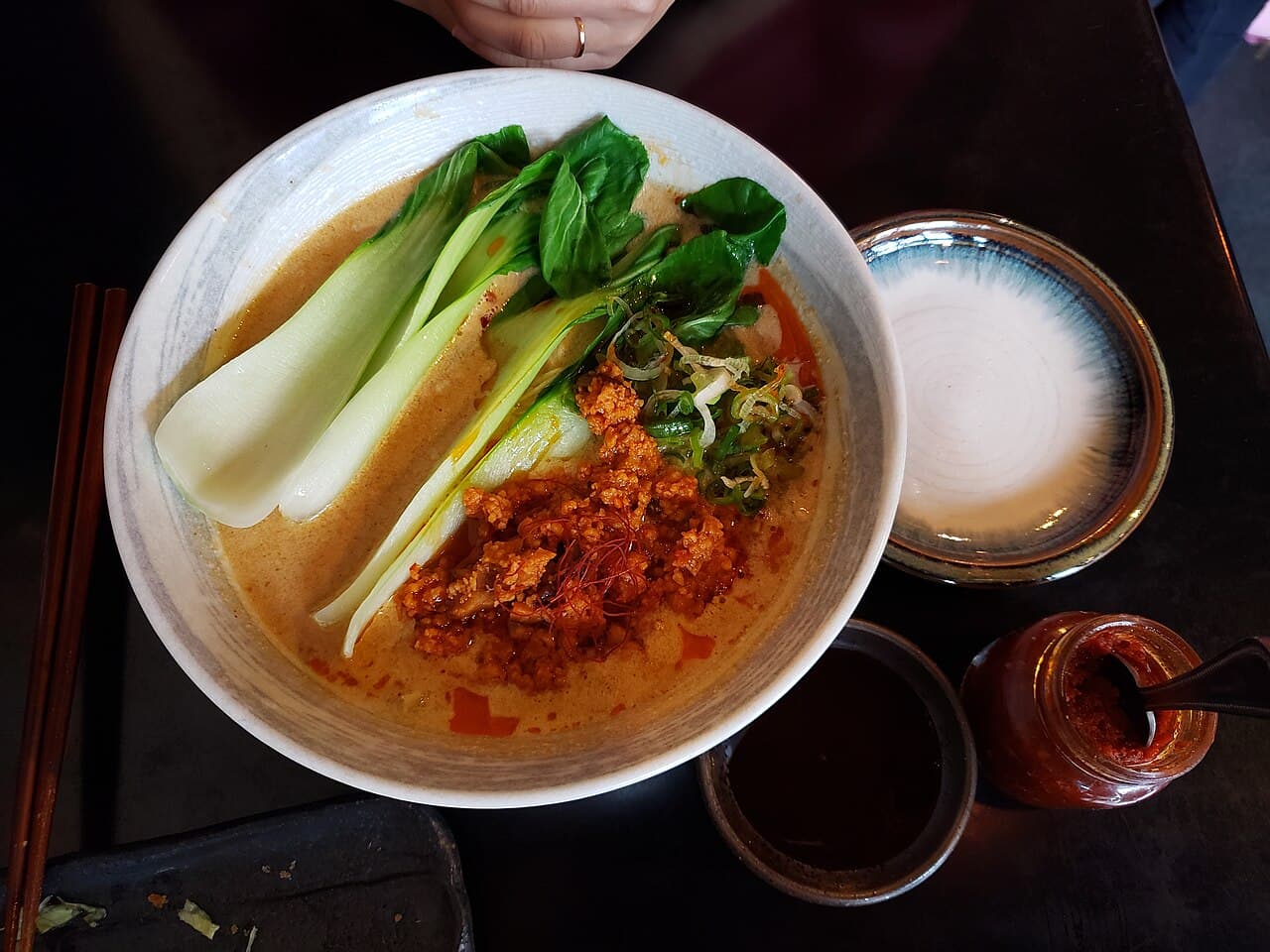
2foods Ginza Loft
Plant-based omurice
An all-vegan cafe inside Ginza Loft turning guilt-free junk food — omurice, nuggets and donuts — into something you'd never guess was plant-based.
- Vegetarian
- Vegan
- Casual
- Solo
Sources
FAQ
- What's the single most important word to look for on a Japanese label?
- だし (dashi, stock) and specifically かつお (bonito). Fish stock is the most common hidden animal ingredient in otherwise plant-looking foods, so scan for it before anything else. 昆布 (kombu) or しいたけ (shiitake) dashi is the vegan exception.
- Is 'no allergens listed' the same as vegan?
- No. Japan's mandatory allergen labelling covers egg, milk, wheat, buckwheat, peanut, shrimp, crab and walnut — but not fish, dashi, honey, gelatin, meat stock or fish sauce. So bonito dashi need not appear in the allergen line at all. Always read the full 原材料名 (ingredients) list, not just the allergen summary.
- Can I trust a phone camera translation of the label?
- It's a great backup, but not the source of truth. OCR struggles with small print and stylised kanji. Use it to translate, then cross-check the actual characters against the danger list above before deciding.