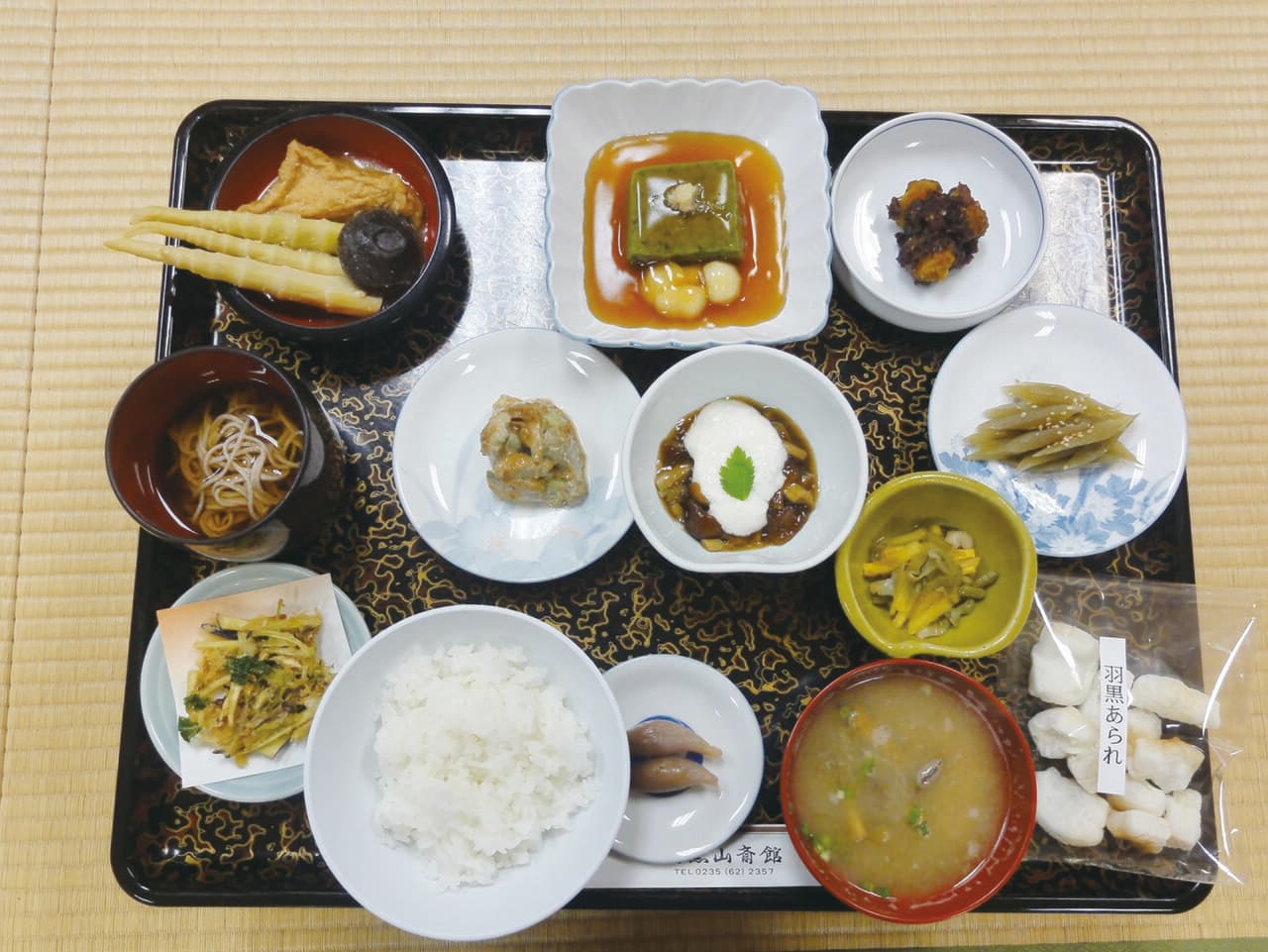
An organic, plant-centered Japanese canteen by Neal's Yard Remedies near Omotesando Station, open since 2003. It serves seasonal brown-rice set meals (ichiju-sansai) and steamed vegetable plates.
Can I eat here?
✓ Diets our editors confirmed in person· English menu / support
🥬
Show this to staff
Vegetarian
私はベジタリアンで、肉と魚は食べません。
Watashi wa bejitarian de, niku to sakana wa tabemasen.
I'm vegetarian — I don't eat meat or fish.
この料理に肉や魚のだしは入っていますか?Does this dish contain meat or fish stock?
★ Vegetarian mapo tofu and meat-free dumplings alongside a Taiwanese menu
A small, friendly Taiwanese restaurant on the edge of Yokohama Chinatown serving an everyday menu with a genuine set of plant-based choices — vegetarian mapo tofu, meat-free dumplings and vegetable dishes — and English is spoken, which is rare for the area. A full vegetarian course needs a reservation, though à-la-carte vegetarian dishes do not. As with all Chinese kitchens, confirm whether items use chicken stock, oyster sauce or egg if you are strictly vegan.
🥬Vegetarian
🌱Vegan
✓ Last verified Jun 2026
Casual
Solo
Date
Kita-Kamakura, Kanagawa · Kaiseki with Kamakura vegetables (vegetarian shojin course on request) · ¥¥¥
★ Seasonal kaiseki of Kamakura vegetables, tofu and wheat gluten in a garden dining room
A serene garden-side kaiseki house in temple-filled Kita-Kamakura, descended from a rice-ball shop founded in 1964 in front of Kencho-ji, a few minutes' walk from the station. Its everyday menu is seasonal kaiseki built on Kamakura vegetables, tofu and wheat gluten, but it will prepare a fish-free Buddhist shojin (vegetarian) course for vegetarian and Muslim guests when booked in advance — so reserve and state your needs rather than assuming the standard course is meat-free. Closed Thursdays.
★ Seasonal set meals built from pesticide-free vegetables, rice and house seasonings
A small lunch-focused vegetarian restaurant a few minutes from JR Nara Station, run by a committed-vegan chef who uses pesticide-free and organic vegetables with no meat, fish or seafood — a reassuring option in a city where most cooking still leans on bonito dashi. Most dishes are plant-based and dairy-free; strict vegans should still confirm egg and honey when ordering. It is effectively lunch-only (around 11:00–14:30) and closed Mondays and public holidays, so plan around its hours.
★ Vegan takoyaki, kushikatsu and ramen versions of Osaka street food
A fully plant-based izakaya in Shinsekai (opened 2023) serving vegan, gluten-free versions of Osaka street food — takoyaki, kushikatsu and ramen — with no animal products and no fish dashi by design, so it sidesteps the bonito-dashi trap. 'Gluten-free' is the venue's own claim rather than a certification, so celiac diners should confirm dedicated-fryer and cross-contamination handling directly.
★ Creamy soy-milk ramen with rice-flour noodles and gluten-free soy sauce
A vegan and gluten-free ramen specialist in Gion run by patissier Yukiko Uno, using rice-flour-and-kelp noodles and gluten-free soy sauce in a soy-milk broth — one of Kyoto's most reliably gluten-free, fish-dashi-free ramen options. The strongest 'dedicated kitchen' claims come from third-party listings rather than the venue itself, so celiac diners should confirm cross-contamination protocol directly with staff.
★ Creamy soy-milk ramen with a kombu-and-soy broth (no fish dashi)
A small fully-vegan soy-milk ramen shop in quiet Shimogamo, vegan since 2018, with a creamy kombu-and-soy-milk broth and no fish dashi at all — one of the cleanest strict-vegan ramen options in Kyoto. It also avoids the Buddhist five pungent spices (onion and garlic). The noodles contain wheat, so it is vegan but not gluten-free; closed midweek, so check days before visiting.
★ Organic macrobiotic cooking incl. vegan sushi of vinegared brown rice and seasonal vegetables
One of Tokyo's oldest natural-food restaurants, open in Harajuku since 1976, serving organic, additive-free cooking with strong vegan and macrobiotic options. It is well used to foreign diners and offers an English menu.
A 100% vegan restaurant near Omotesando Station serving Mediterranean-influenced plant-based dishes and desserts across breakfast, lunch and dinner, from the team behind the former Pure Cafe.
A Michelin-starred soba sanctuary where the chef grows and hand-mills his own Ibaraki buckwheat into pure 100% juwari noodles — the closest a coeliac traveller comes to trustworthy Tokyo soba.